Why visit Porto
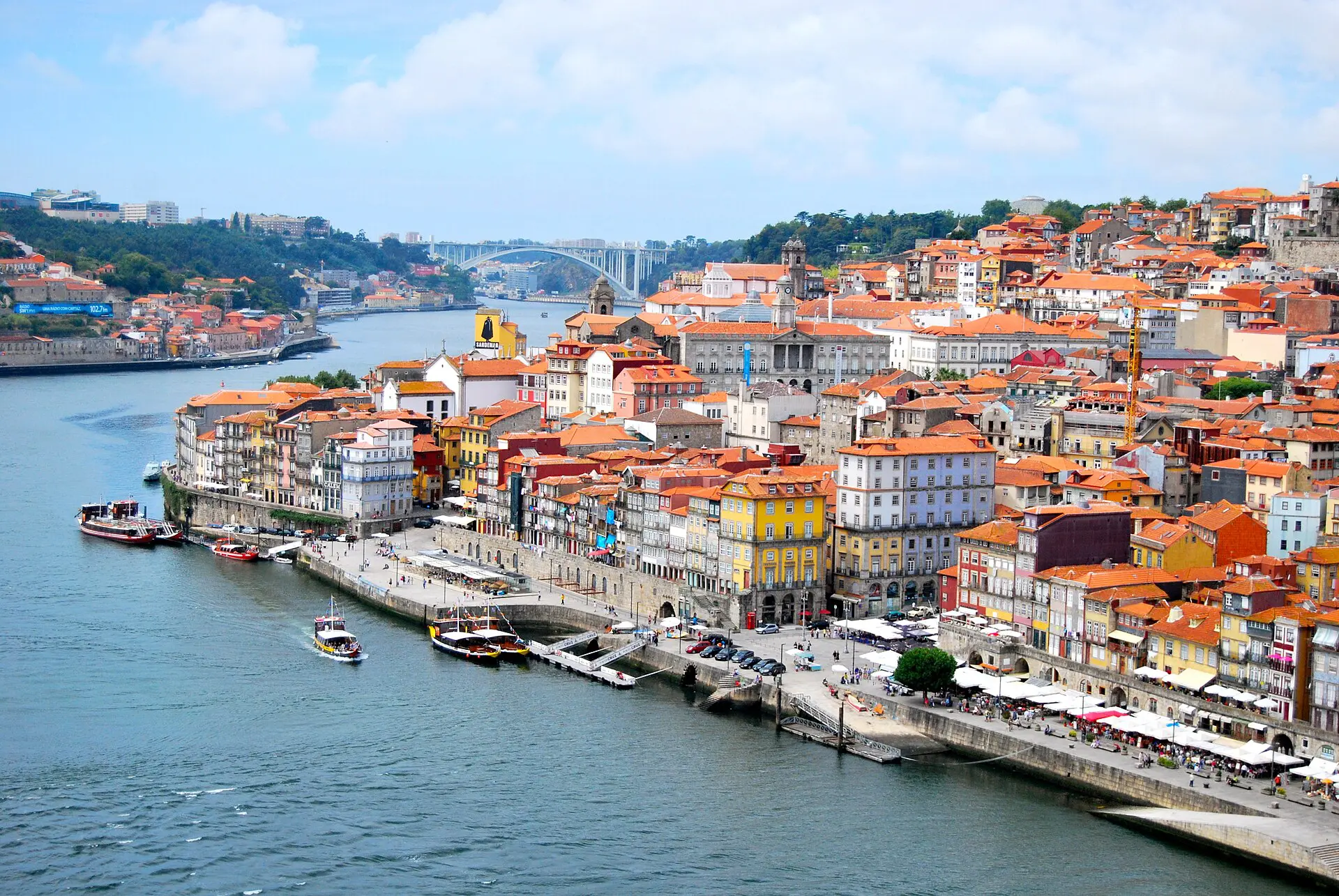
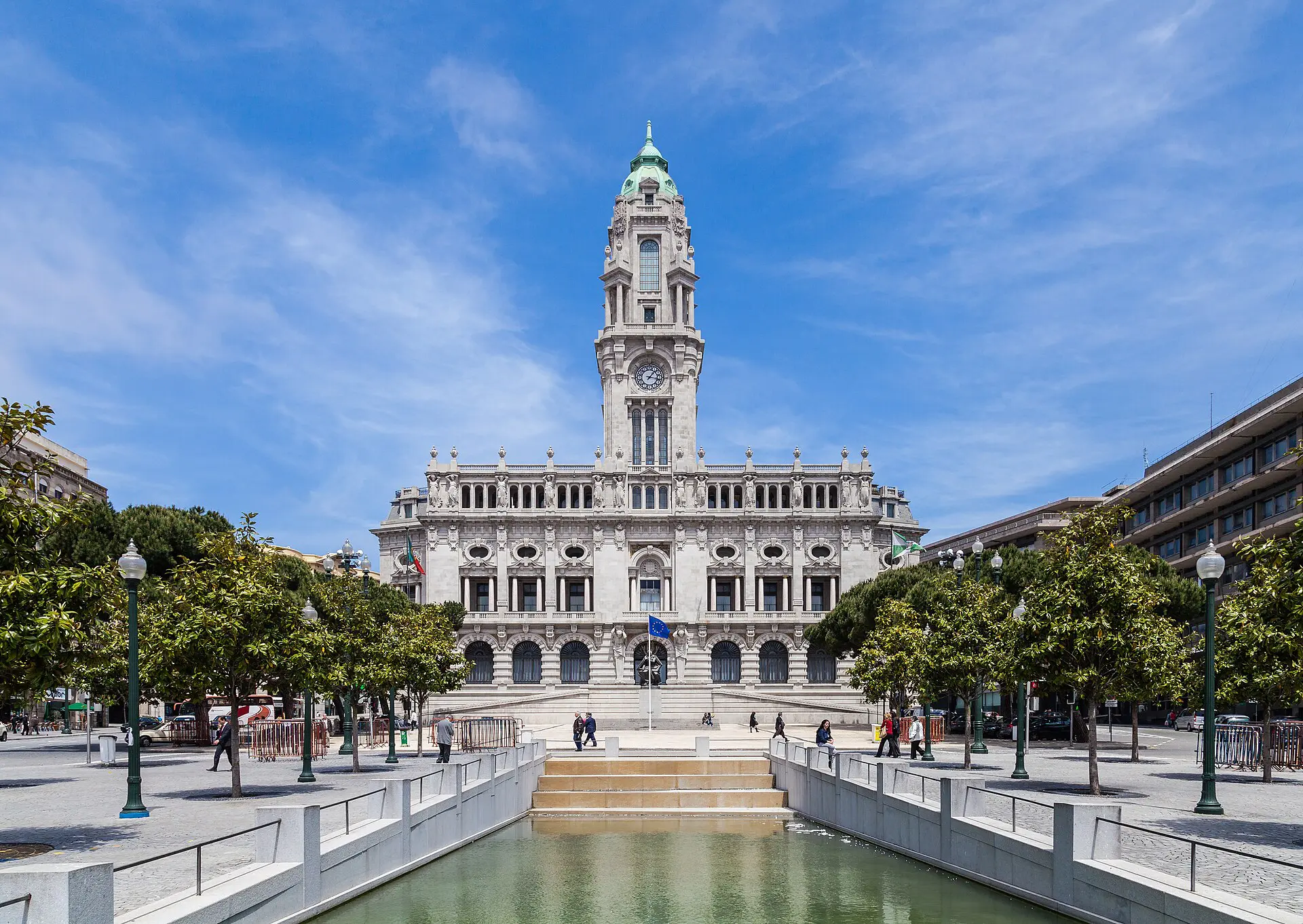
The best things to do in Porto come from its setting. It is Portugal’s second-largest city, built on high ground on the north side of the Douro River estuary, with a historic centre that UNESCO listed as a World Heritage Site in 1996.
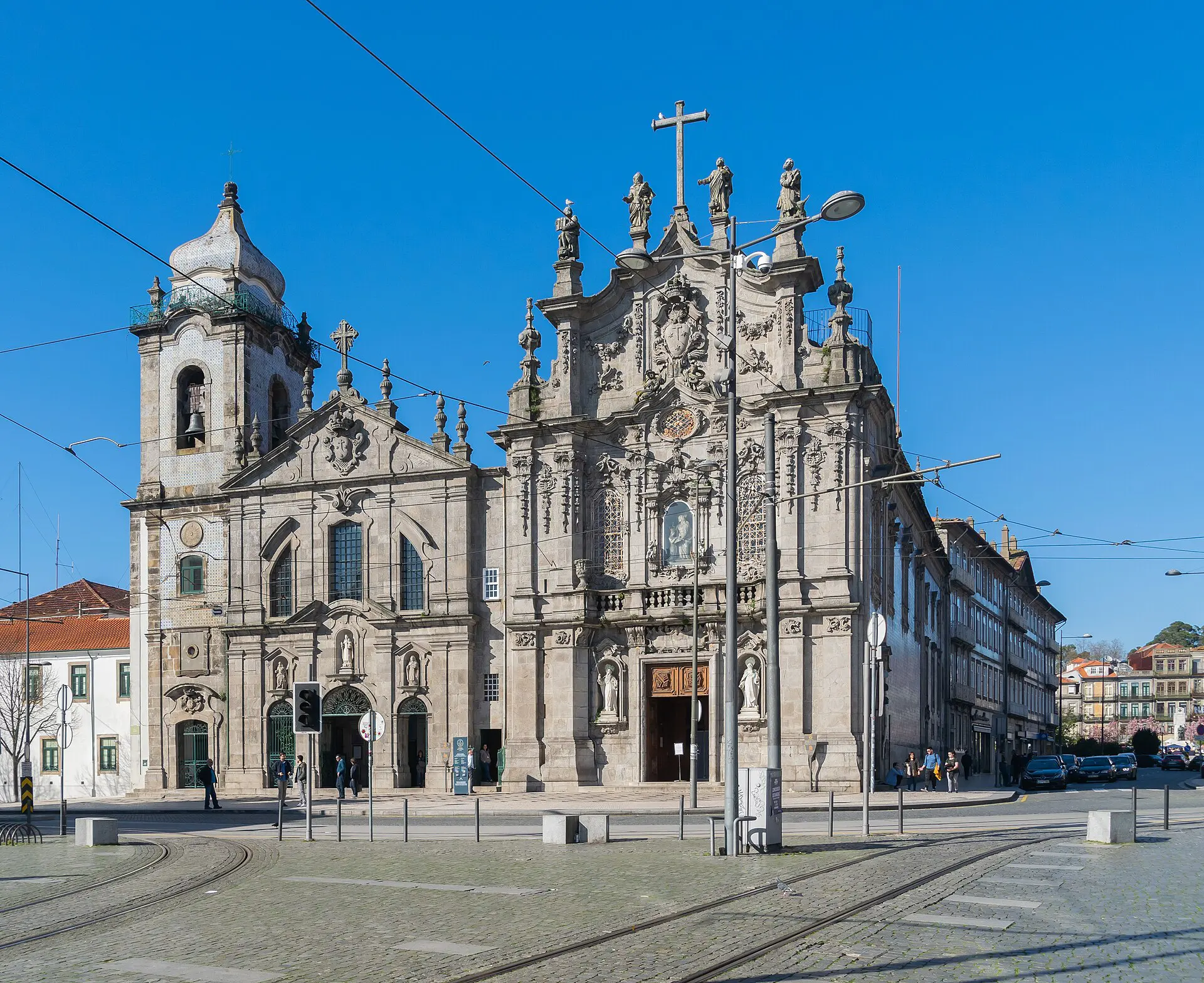
The city proper is small, with a population of around 273,000, though the metropolitan area has nearly two million people. That makes the core easy to explore on foot, though the hills are steep, and the surrounding towns such as Vila Nova de Gaia across the river add to what you can see.
Porto has been inhabited for a very long time, and its Roman name, Portus Cale, is the origin of the name of the country. You get a blend of old churches, riverside lanes, bridges and modern cafes, with plenty of reasons to slow down, eat and look at the river.
Top things to do in Porto
Ribeira waterfront
The riverside district is the postcard view of Porto, with narrow streets, colourful buildings and restaurants facing the water. Allow one to two hours. It is busy at peak times, so go in the morning for a calmer visit and look for side streets away from the front.
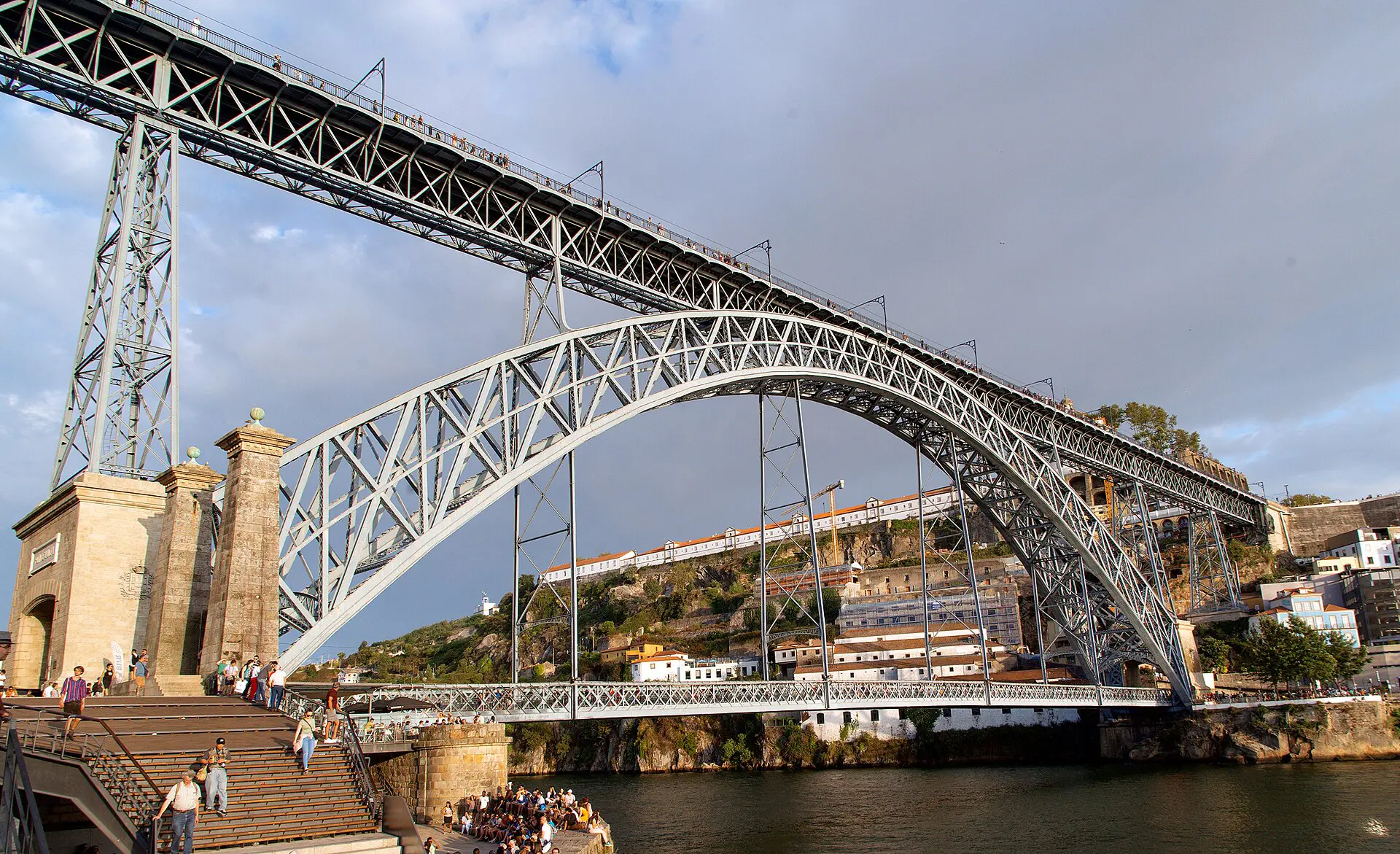
Dom Luis I Bridge
The double-deck iron bridge links the old city and Vila Nova de Gaia. You can walk across the upper or lower deck in about 15 minutes, with good views. Take care on the upper level in strong wind, and note that the upper deck carries the metro.
Port wine cellars in Vila Nova de Gaia
Across the river, many cellars offer tours and tastings. Allow one to two hours per visit. Check opening hours and booking requirements, and consider choosing one or two rather than trying many in a single afternoon.
Historic centre and its churches
The centre has many churches and squares, some with the blue tilework for which the city is known. Allow a couple of hours to wander. Entry rules for churches vary, so carry some cash and dress modestly.
Livraria and bookshops
Some of the city’s historic shops and cafes are tourist draws in their own right. Expect queues at the best-known places, and visit early. Check whether you need to buy tickets in advance.
Serra do Pilar viewpoint
The monastery of Serra do Pilar sits on a hill on the south bank and is part of the UNESCO site. It gives a wide view over the river and the old city. Allow an hour, including the walk up.
River cruise
Short boat trips run on the Douro and pass under the city’s bridges. They take roughly an hour. Choose a clear day for the best views, and compare operators for length and price.
Best time to visit Porto
Late spring and early autumn are the sweet spots, with mild weather and good light for walking. Summer, from June to August, is warm and busy, and it is the best time for river activities and long evenings, though accommodation costs more.
Winter is cooler, wetter and quieter, with lower prices and shorter days. Rain is common, so bring a waterproof jacket and shoes with good grip, since the cobbled streets can be slippery. Spring brings greener scenery and festivals, and crowds build from May.
| Season | Weather | Crowds and prices |
|---|---|---|
| Spring | Mild, some rain | Moderate, rising |
| Summer | Warm to hot | Busiest, higher prices |
| Autumn | Mild, some rain | Moderate |
| Winter | Cool, wet | Quietest, cheaper |
How to get to Porto and around
Porto has its own international airport, linked to the centre by metro, so you can reach the old town without a taxi. Check the current line and journey time, and buy a ticket before boarding.
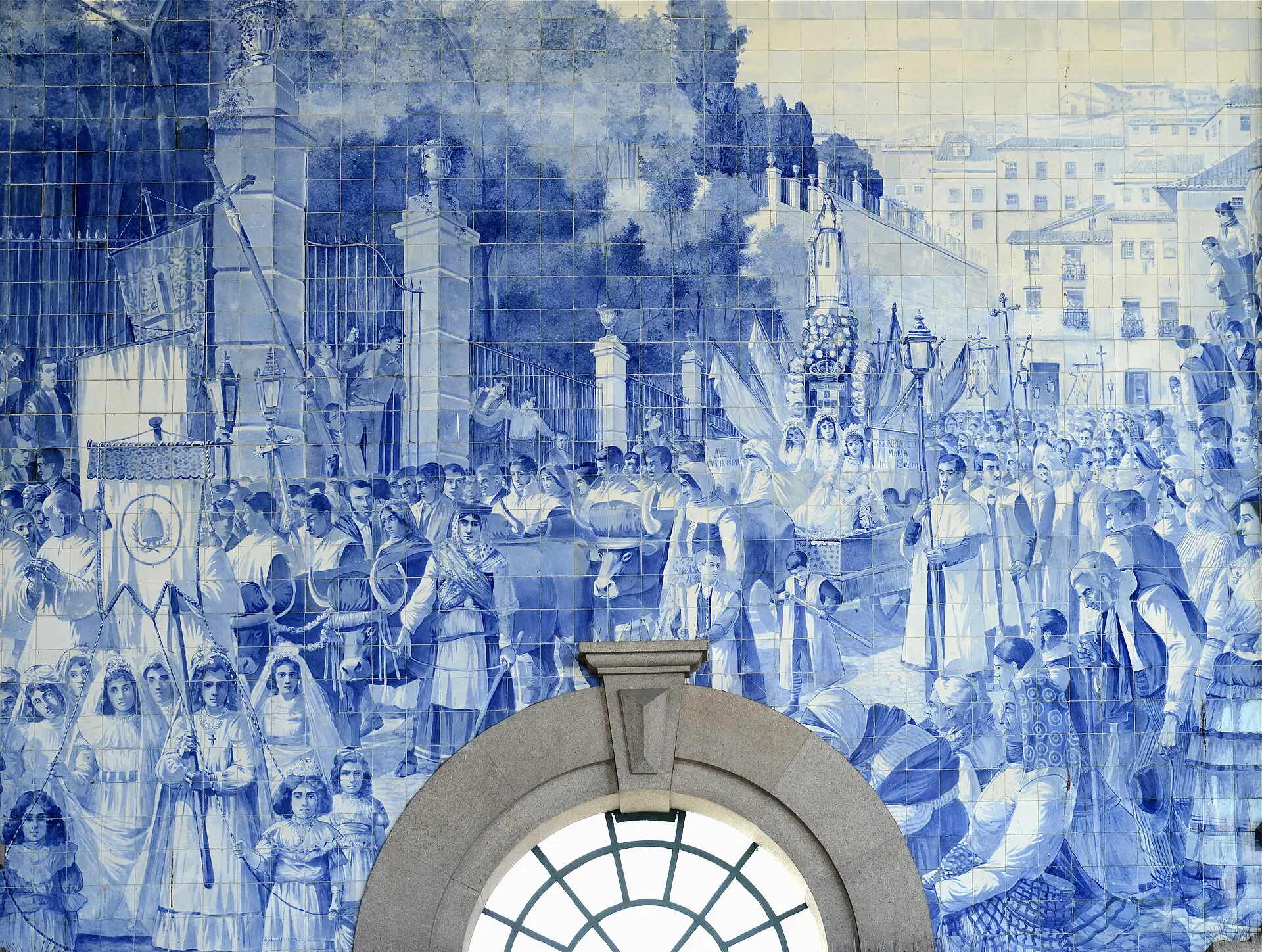
Trains connect Porto with Lisbon, Coimbra and other Portuguese cities, and the main long-distance station is Campanha, with local services reaching the central Sao Bento station. Buses also cover many regional routes.
The historic centre is compact and best explored on foot, though there are steep slopes. The metro, buses and trams help with longer distances, and a funicular links parts of the lower and upper town. A rechargeable transport card is usually the simplest option.
Where to stay in Porto
The historic centre and Ribeira suit first-time visitors who want to be among the main sights. Streets can be steep and noisy at night, so check the location and whether you will be carrying luggage uphill.
Areas just outside the old core, with cafes and local shops, suit travellers who want a calmer base and a bit more value, usually within a short walk or metro ride of the centre.
Vila Nova de Gaia, across the river, puts you near the port cellars and gives views back over the old town. It works for wine-focused stays, though you will cross the bridge to reach the main sights. Book ahead for summer.
How many days do you need?
Two days is enough for the main sights and a cellar visit. Three days gives you time for a river cruise, a slower pace and a day trip. If you only have one day, focus on the Ribeira, the bridge and one cellar.
- Day 1: Historic centre, Sao Bento station and the Ribeira waterfront.
- Day 2: Cross the Dom Luis I Bridge, visit a port cellar and take a river cruise.
- Day 3: A day trip to Coimbra or elsewhere in the north, or a slow day in the viewpoints and cafes.
Day trips and nearby
Coimbra
Coimbra is a historic university city south of Porto, reachable by train in roughly an hour or so. It makes an easy day trip, and the old university district is the main sight.
Lisbon
Lisbon is reachable by train in a few hours, which makes it a natural onward stop rather than a day trip. Allow at least two nights there.
Nazare
Nazare is a coastal town south of Porto, known for its beaches and big waves in winter. Reaching it takes a few hours, so it suits a long day or overnight stay.
Algarve
The Algarve is in the far south, and you would normally fly or take a long train journey. Treat it as a separate beach trip.
FAQ
Q1When is the best time to visit Porto?
May to October brings the warmest and driest weather, with late spring and early autumn the most comfortable. Summer is busiest, while winter is cooler, wetter and cheaper. Pack a waterproof jacket in any season.
Q2How many days do you need in Porto?
Two days covers the Ribeira, the historic centre, the bridge and a port cellar. Three days gives you time for a river cruise and a slower pace, or a day trip to nearby Coimbra.
Q3How do you get from Porto airport to the centre?
The metro runs from the airport to the centre, which is the simplest and usually cheapest option. Taxis and ride-hailing apps are also available. Check current journey times and ticket rules before you travel.
Q4Is Porto walkable?
The historic core is compact and easy to explore on foot, but the hills are steep and the cobbles can be slippery in the rain. Metro, buses and trams help with longer distances, so wear comfortable shoes.
Prices, schedules and entry rules change. Check current details with official sources before you travel. Read the Portugal travel guide.