Why visit Madeira
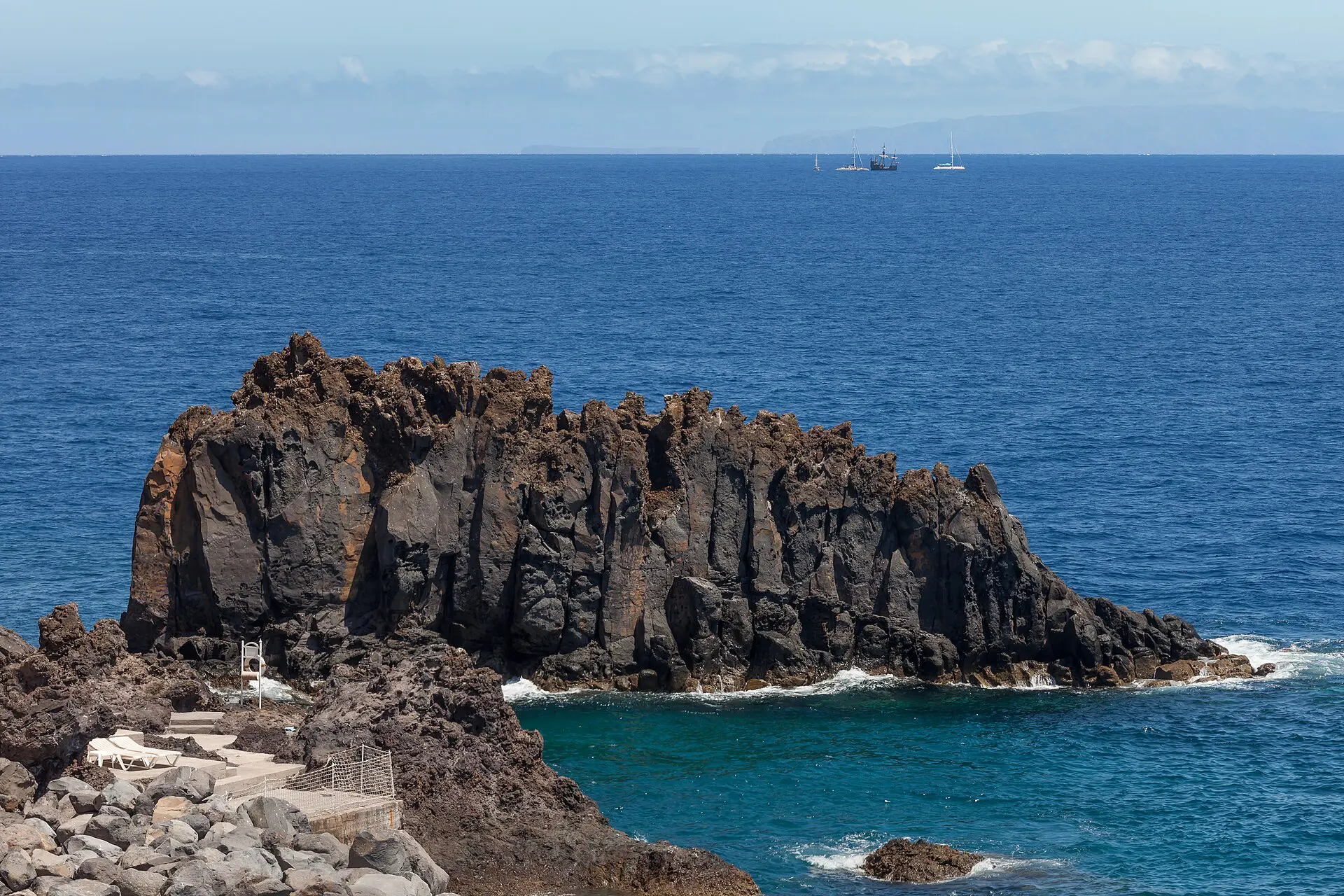
If you are planning things to do in Madeira, start with the island’s character. It is an autonomous region of Portugal in the Atlantic, about 805 km southwest of the mainland and just under 400 km north of the Canary Islands. The archipelago includes Madeira, Porto Santo and the Desertas, and it is known as the Island of Eternal Spring or the Garden Island for its mild climate throughout the year.
The population was about 251,000 in 2021, and a large share of residents live in the capital, Funchal, on the south coast. The island is a sub-tropical destination with steep terrain, so expect hillside roads, sea views and a mix of resort comfort and outdoor walking. It is a flight of around an hour and a half from mainland Portugal and about four hours from central Europe, which makes it easy for a short break.
Top things to do in Madeira
Explore Funchal
The island capital has resort hotels, viewpoints and local colour. Allow a full day to wander the old town, the harbour and the waterfront. Wear comfortable shoes, since streets are steep, and check opening hours for markets and museums, which can vary.
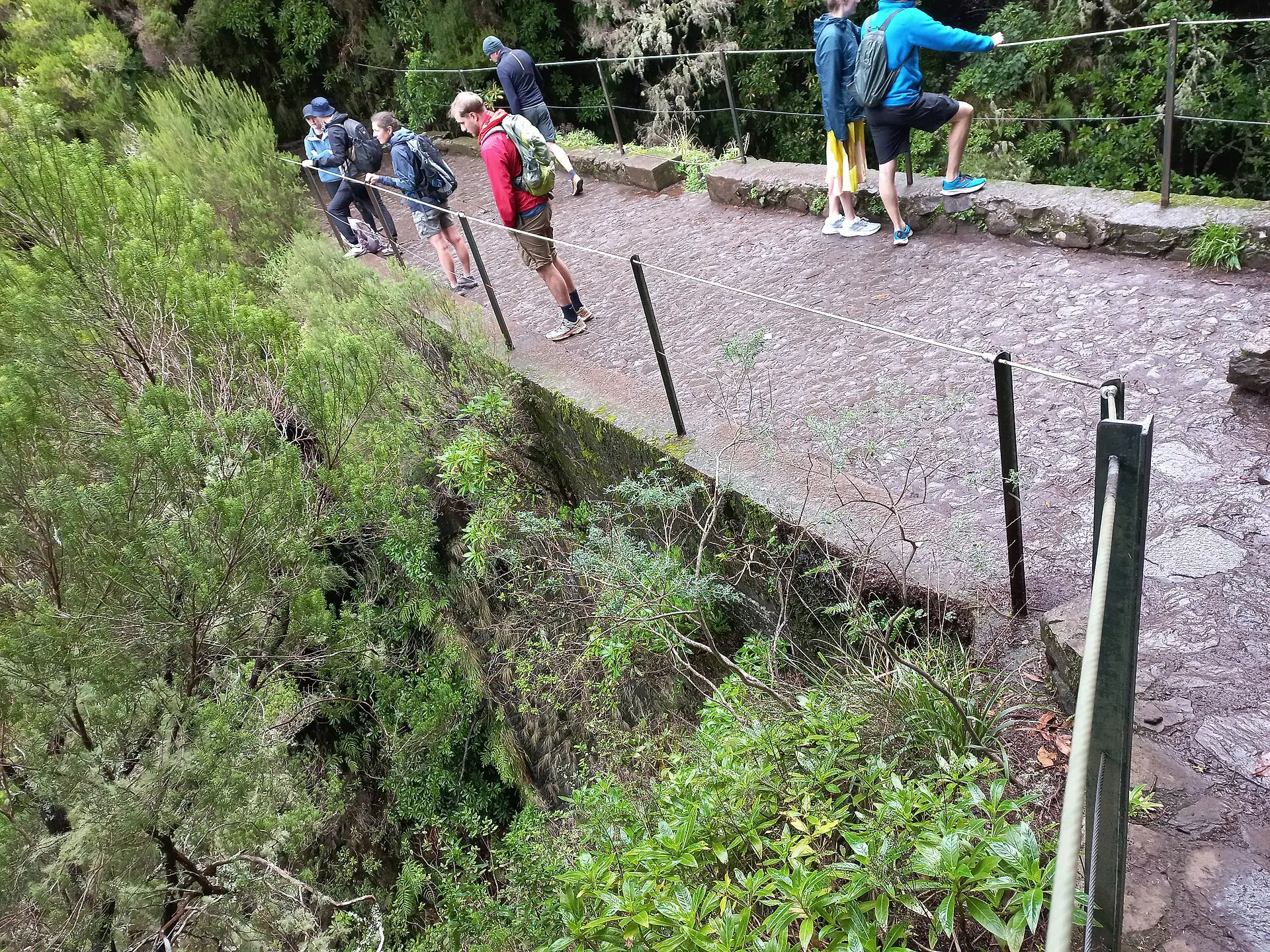
Walk the levadas
Madeira’s old irrigation channels double as walking trails through forest and mountains. Choose a route of two to five hours and check current conditions, as some paths close after rain or rockfalls. Bring a torch for tunnel sections, and wear shoes with good grip.
Visit Câmara de Lobos
The name means chamber of the sea lions, and the town is a short distance from Funchal. Allow one to two hours for a harbour walk and a coffee or meal. Go in the morning when it is quieter, and check bus or taxi options from the capital.
Tour Calheta and its rum distillery
Calheta is a town on the southwest coast, home to one of the few working sugarcane mills and rum distilleries on the island. Plan an hour for a visit. Check opening hours and tour availability before you go.
Stop in Machico
The second-biggest town on Madeira lies on the east side. Allow a couple of hours for its seafront and old streets. It also helps as a stop on a coastal drive, and the nearby beach village of Porto da Cruz is a pleasant extension.
Take in the island’s peaks and cliffs
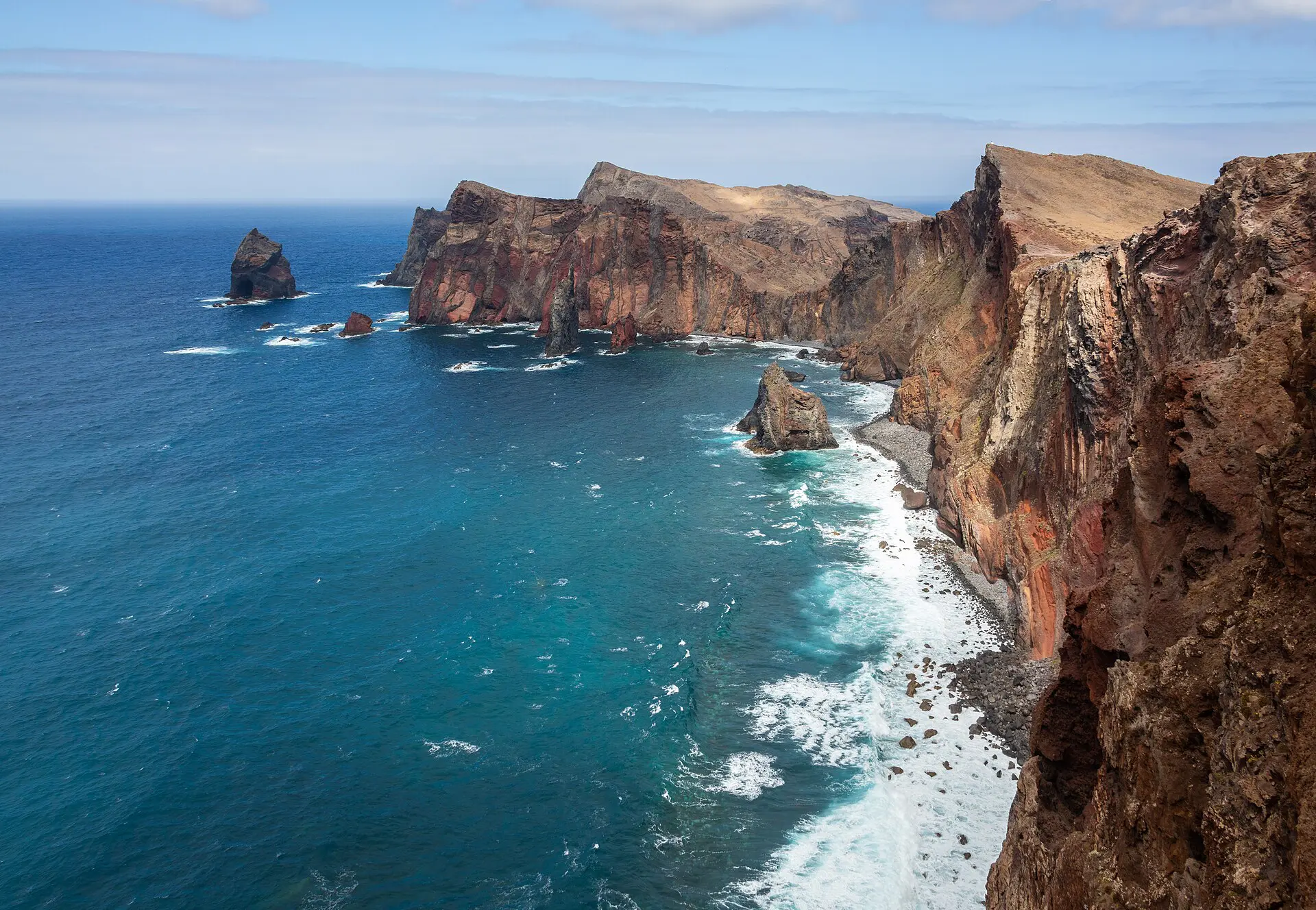
The interior rises steeply, and viewpoints along the roads show sea cliffs and valleys. Plan a half day for a drive with stops. Roads can be narrow and winding, so allow more time than the distance suggests, and check for cloud on the peaks before heading up.
Try wine and local food
Madeira is known around the world for its fortified wine, and local restaurants serve seafood and regional dishes. Allow an evening or a tasting visit of one to two hours. Check booking requirements for tastings, and ask about opening days.
Best time to visit Madeira
Madeira has a mild climate through the year, which is why it is called the Island of Eternal Spring. April to October is generally the most comfortable period for walking, sightseeing and beach time, with warmer, drier weather and long days. Summer is the busiest and most expensive, so book early for July and August.
Winter is milder than most of Europe, but it can bring rain and cloud, especially in the mountains, and some levada trails close in bad weather. Spring and autumn offer a good balance, with fewer people and pleasant temperatures. Weather can differ between the sunny south coast and the wetter north and peaks, so check conditions each morning and keep plans flexible. Pack layers, because temperatures drop quickly at altitude.
How to get to Madeira and around
Most visitors fly into Madeira’s airport, with flights from mainland Portugal taking around an hour and a half and from central Europe about four hours. Check current routes and book early for summer. There is no practical alternative for most travellers, as the island is about 805 km from the mainland.
On the island, a rental car gives the most freedom for levada walks and viewpoints, but roads are steep, narrow and winding, with many tunnels. Buses link Funchal with the main towns, and taxis and organised tours reach trailheads without the driving. In Funchal, most sights are within walking distance, though hills can be tiring. If you plan several walks, ask about transfers, since many are one-way routes.
Where to stay in Madeira
Funchal suits most first-time visitors, with resort hotels, restaurants and easy transport, and it is the most convenient base for day trips. Choose a central or seafront area for walking access, or a hillside location for views.
Smaller coastal towns such as Câmara de Lobos or Calheta suit travellers who want a quieter pace and a more local atmosphere. You will usually want a car or taxi for longer trips.
Mountain villages and rural stays suit walkers who want to start early on the trails and enjoy cool air, though services are limited.
Book ahead for summer and holidays, and check if parking is available, as it can be tight on steep streets.
How many days do you need?
Four to five days is a good fit. Three days covers Funchal and one or two walks, but feels rushed. A week suits slower travel and more levada hiking. Here is a simple plan.
- Day 1: Explore Funchal, the old town and the waterfront.
- Day 2: Take a levada walk in the morning, then relax on the coast.
- Day 3: Drive west to Calheta and Câmara de Lobos, with viewpoint stops.
Add days for the east, Machico and Porto da Cruz, or a trip to Porto Santo.
Day trips and nearby
Porto Santo
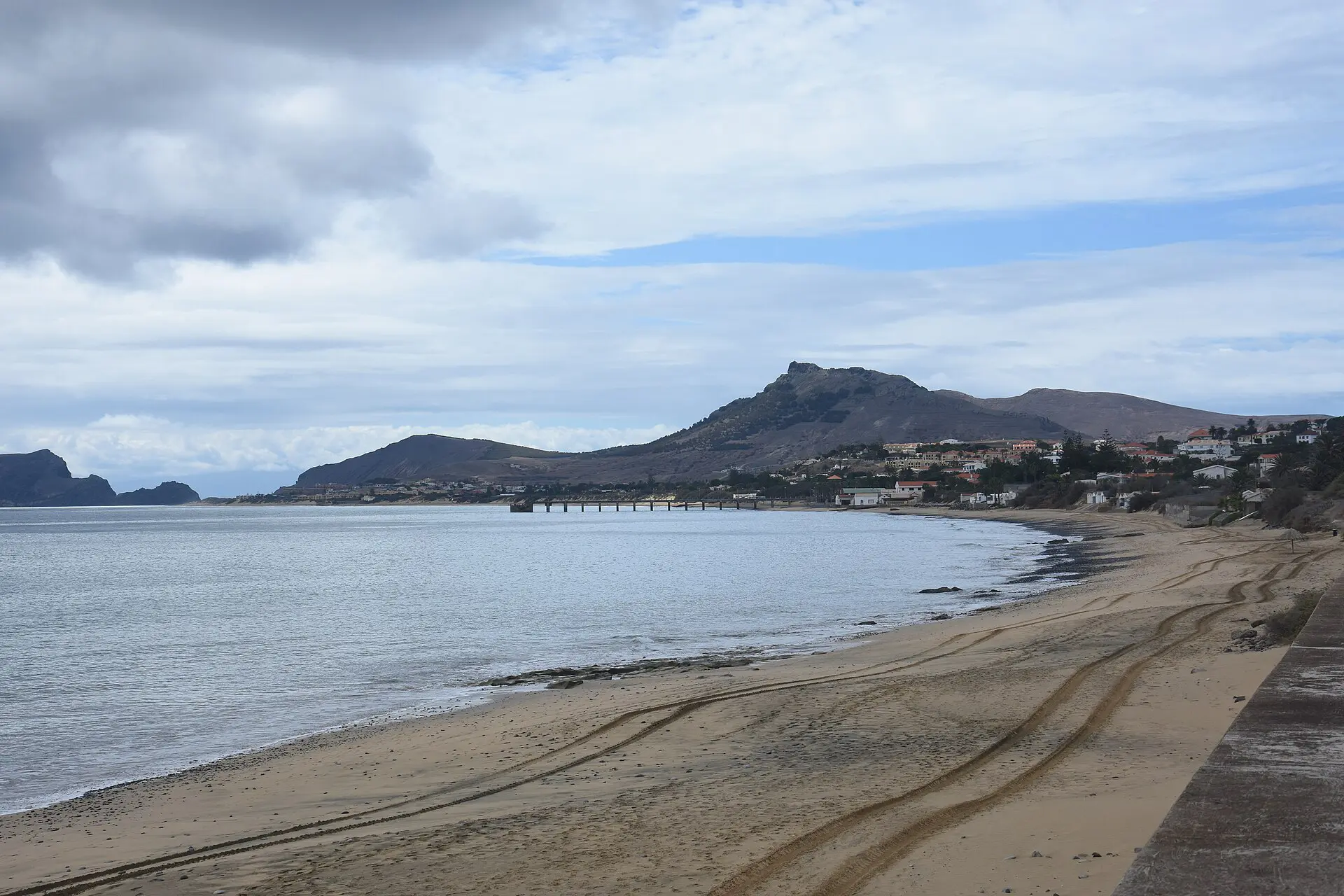
One of the two populated islands of the archipelago, Porto Santo is reached by ferry or a short flight. Allow a full day, or stay overnight. Check current schedules, and book ahead in summer.
Desertas Islands
These unpopulated islands lie off the coast and are usually visited by boat tours. Plan half a day, and check operators and conditions, as sea state can affect departures.
Azores
The other autonomous region of Portugal lies far to the northwest and is best treated as a separate trip. Check flight options before planning a combined itinerary.
Lisbon
The Portuguese capital is the common connecting point from the mainland. Build in a night if you want to see the city, and check flight times when booking.
FAQ
Q1When is the best time to visit Madeira?
April to October is generally the most comfortable for walking and beaches, with summer the busiest and most expensive. The island is mild all year, but winter can be wet and some mountain trails close in bad weather. Check forecasts before hiking.
Q2How many days do you need in Madeira?
Four to five days covers Funchal, a levada walk, the coast and some viewpoints. Three days works for a quick trip. A week lets you slow down, hike more and add Porto Santo. Allow spare time for weather.
Q3How do you get to Madeira?
Most visitors fly into Madeira's airport. The flight from mainland Portugal takes about an hour and a half, and from central Europe roughly four hours. Check current routes and book early for summer, as the island is about 805 km from the mainland.
Q4Do you need a car in Madeira?
A car gives the most freedom for walks and viewpoints, but roads are steep, narrow and winding. Buses, taxis and organised tours are good alternatives, especially for one-way levada walks. Funchal itself can be explored on foot without a car.
Prices, schedules and entry rules change. Check current details with official sources before you travel. Read the Portugal travel guide.