Why visit Sintra
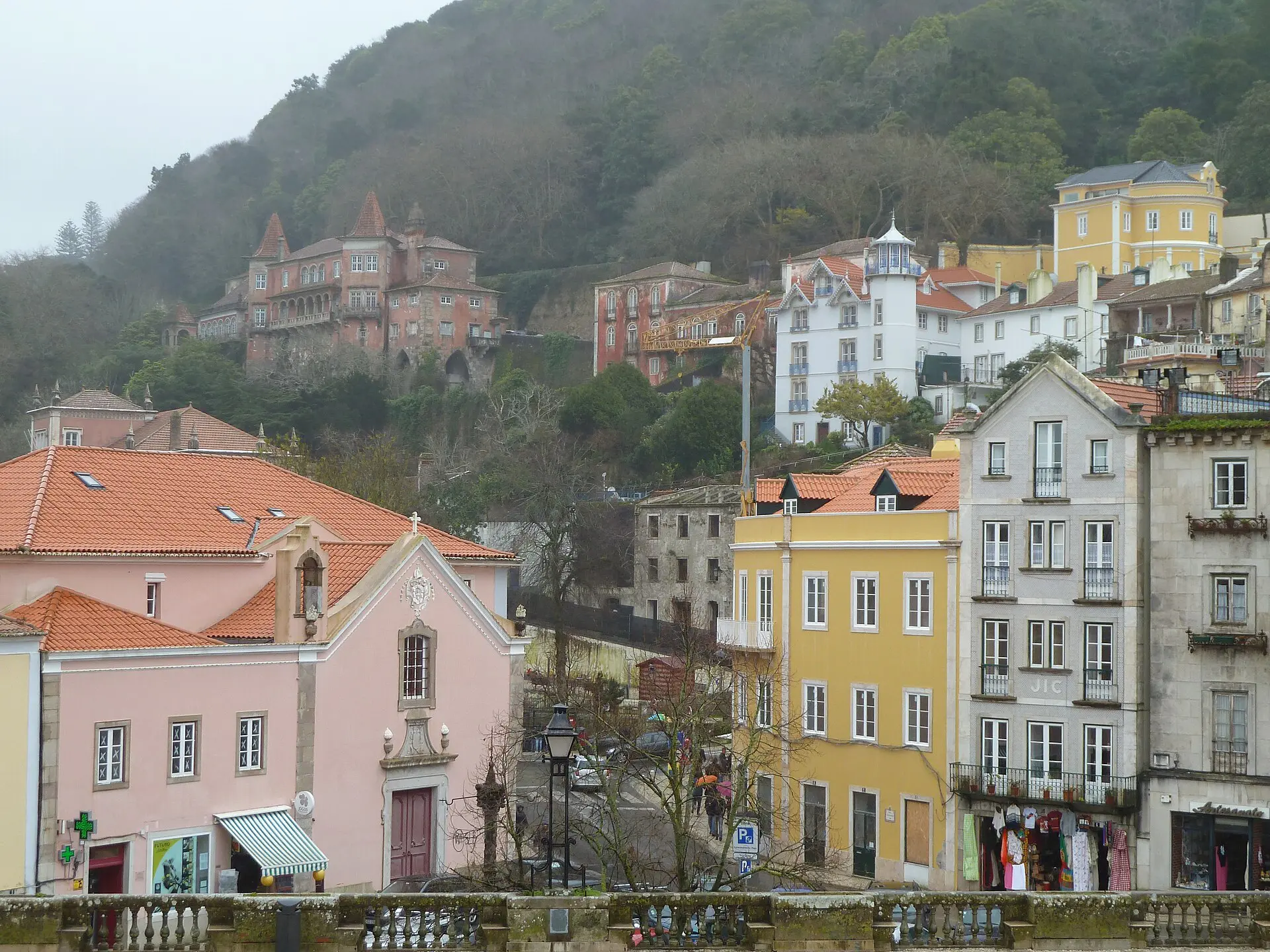
If you are planning things to do in Sintra, expect palaces, castles and wooded hills close to Lisbon. The town and municipality lie in the Greater Lisbon region of Portugal and are famed for their picturesque setting. The historic centre is known for 19th-century Romanticist architecture, historic estates, gardens and royal palaces, and it is classified as a UNESCO World Heritage Site.
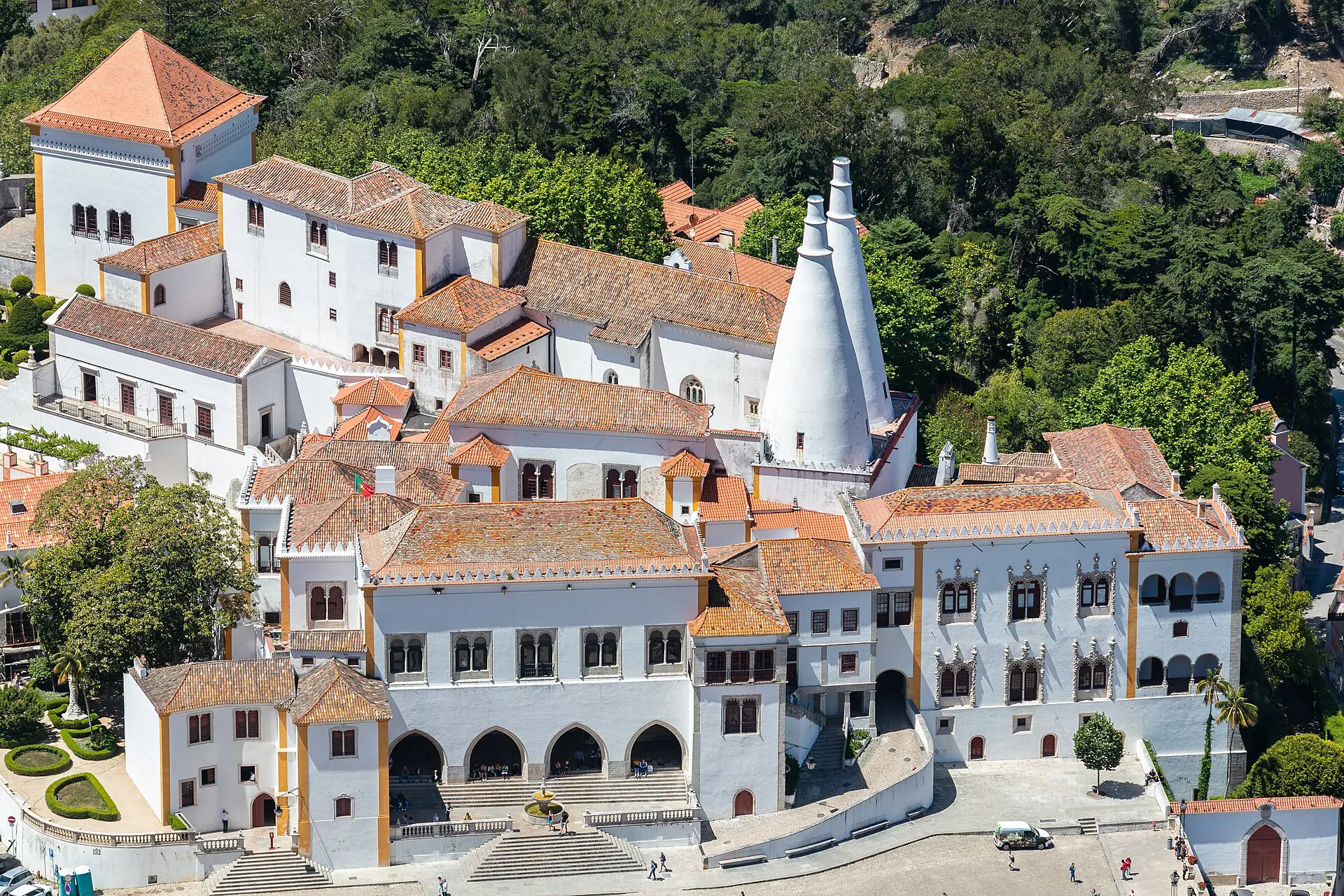
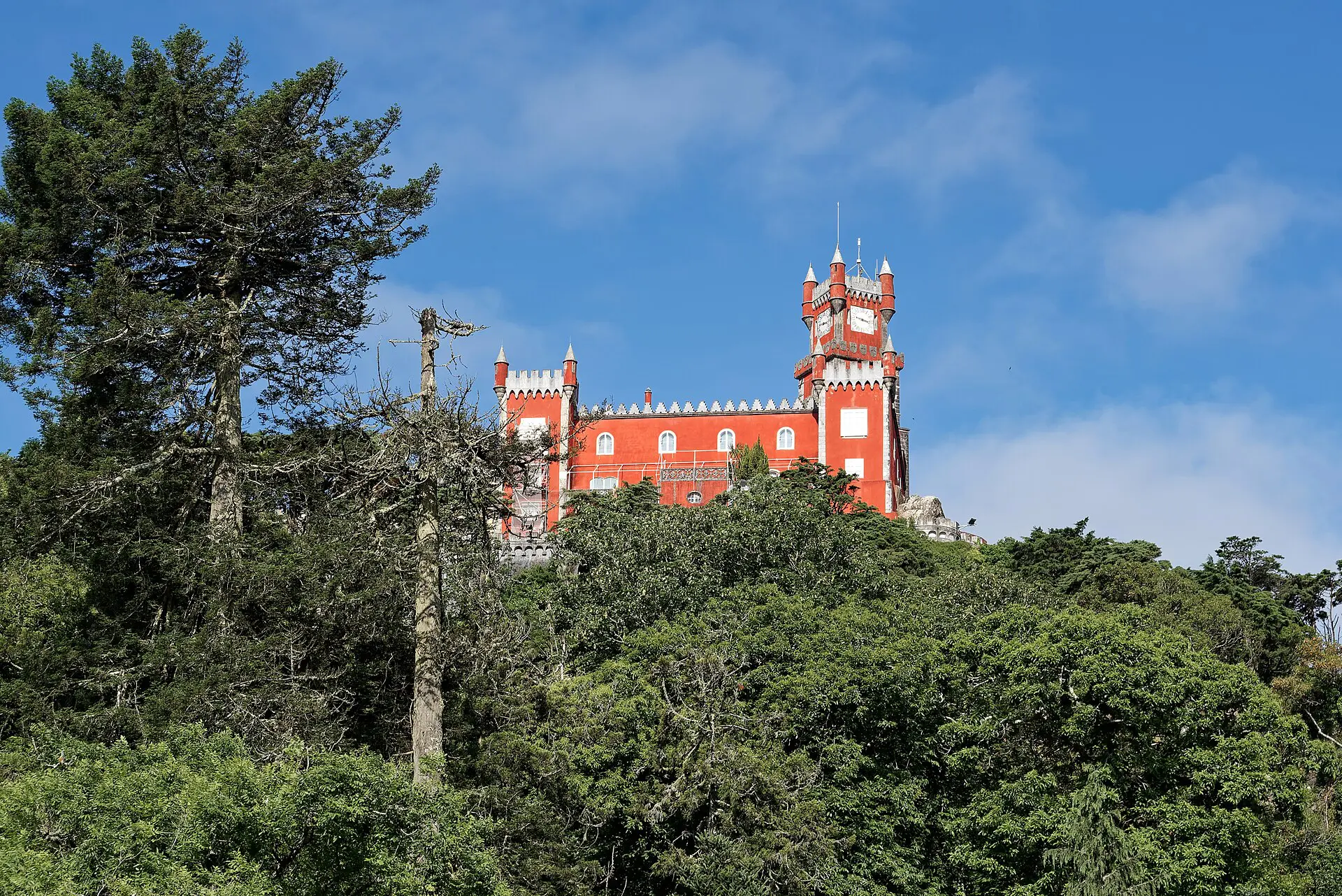
Sintra lies about 28 km from Lisbon, in a mountain range roughly 9 km from the Atlantic coast. Landmarks include the medieval Castle of the Moors, the romanticist Pena National Palace and the Portuguese Renaissance Sintra National Palace.
The hills are steep and the sights are spread out, so a visit takes more planning than the distance from Lisbon suggests. It is popular, and in summer queues and crowded roads are common, so an early start makes a real difference.
Top things to do in Sintra
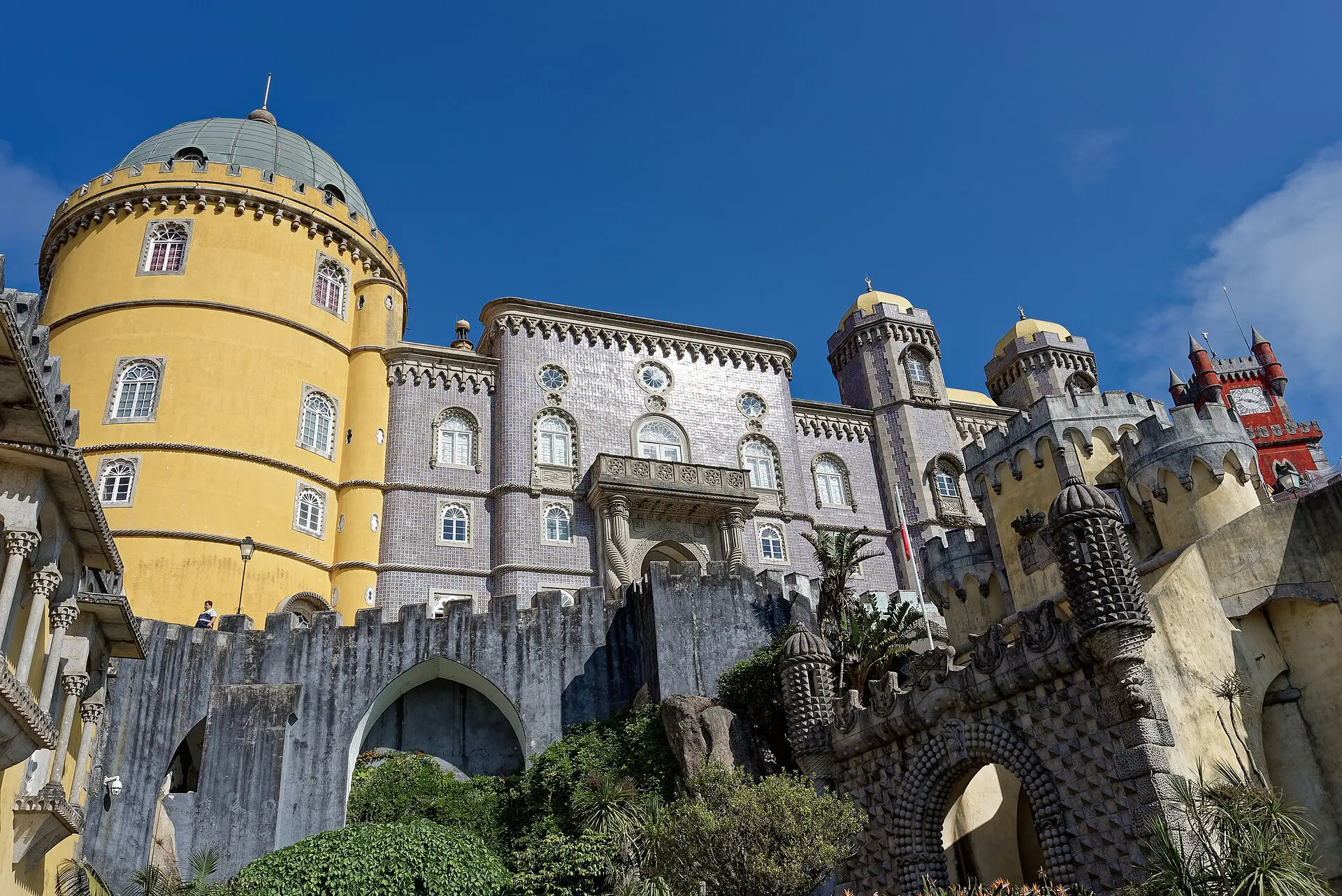
Visit Pena National Palace
The colourful Romanticist palace sits on a hilltop and is the best-known sight in Sintra. Allow two to three hours including the grounds. Tip: book timed tickets in advance, arrive early, and wear sturdy shoes for the uphill walk from the gate.
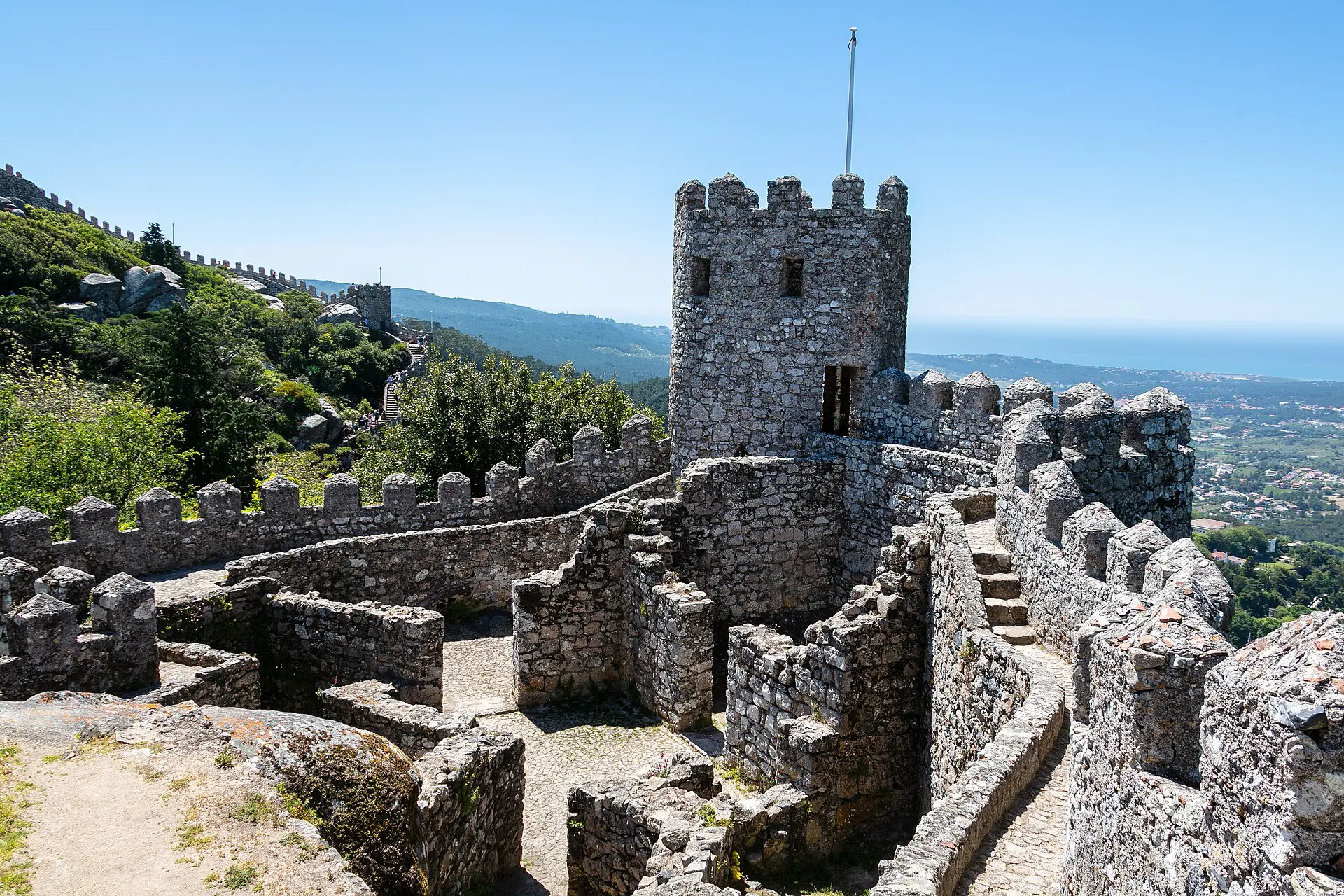
Climb the Castle of the Moors
The medieval castle ruins crown a mountaintop, with walls you can walk for wide views. Allow about 90 minutes. Tip: the walls have steep steps and drops, so wear good shoes and take care in wet or windy weather.
See Sintra National Palace
This Portuguese Renaissance palace in the town centre was used by generations of royalty. Allow one to two hours. Tip: it is an easy visit on foot from the station area and a good fallback if hill roads are busy.
Explore Quinta da Regaleira
The estate is known for its gardens, grottoes and tower-like features. Allow two hours. Tip: paths can be slippery after rain, and crowds ease later in the afternoon.
Walk in the Sintra mountains
The hills are part of the Sintra-Cascais Nature Park, with forest paths and viewpoints. Allow half a day. Tip: carry water and a map, since mobile signal can be patchy and weather shifts quickly.
Wander the old town
The historic centre has narrow streets, pastry shops and viewpoints. Allow one to two hours. Tip: try the local sweet pastries, and expect crowds around the main square at midday.
Visit the nearby beaches
The municipality has scenic Atlantic beaches within reach by bus or car. Allow half a day. Tip: the ocean is cold and currents can be strong, so check flags and conditions.
Best time to visit Sintra
Sintra is in the hills, and it can be cooler, damper and mistier than Lisbon at any time of year. Spring and early autumn usually give the best mix of comfortable temperatures and manageable crowds. Summer is warm and busiest, with long queues at the main palaces. Winter is quieter, but rain and fog can hide the views, and some hillside paths become slippery.
| Season | Weather | Crowds and prices |
|---|---|---|
| June to August | Warm, mostly dry | Busiest, long queues |
| April to May, September to October | Mild, some rain | Good balance |
| November to March | Cool, damp, misty | Quiet, lower prices |
Whatever the season, arrive early and bring a light layer, as the hills are often cooler than the coast.
How to get to Sintra and around
Sintra is about 28 km from Lisbon, and trains from Lisbon run to Sintra station, usually in under an hour. Check current timetables and the departure station, since service patterns change. You can also drive or take a taxi, but parking in the hills is limited and traffic can back up on narrow roads.
Once there, the main sights are spread across steep hillsides. Local buses connect the station, the old town, Pena Palace and the Castle of the Moors, and taxis and tuk-tuks are also available. Walking between sights is possible but uphill and slow. Check ticket rules in advance, because some sites sell timed tickets that sell out in peak months.
Where to stay in Sintra
Many visitors come as a day trip from Lisbon, but staying overnight lets you start early and avoid the busiest hours.
- Old town centre: best for atmosphere, short walks to the Sintra National Palace and easy access to the station.
- Hillside guesthouses and manor stays: suited to travellers who want a quiet, historic setting, though you may need a taxi or a steep walk.
- Near the station: practical for early trains and budget stays, but less characterful.
- Coast and Cascais area: a good alternative for beach access, with Sintra reachable by bus or train.
Rooms fill up in summer and on weekends, so book ahead. Many guesthouses are small, so check access and parking details.
How many days do you need?
One full day is enough to see two or three major sights if you start early. Two days is more comfortable and lets you add gardens, walks and a slower lunch. If you only have half a day, choose one palace and the old town.
- Day 1: Early train from Lisbon, Pena Palace in the morning, Castle of the Moors, then lunch in the old town and Sintra National Palace.
- Day 2: Quinta da Regaleira in the morning, a walk in the Sintra mountains, then a beach on the coast.
- Day 3: Add Cascais or the coast, or return to Lisbon for the rest of your trip.
Weather can hide hilltop views, so keep an indoor option for a wet day.
Day trips and nearby
Cascais
Cascais is a coastal town on the Lisbon coast with beaches and a marina. It is a short trip from Sintra by bus or car. Allow half a day. Check bus schedules, since they vary by season.
Lisbon
Lisbon is the main gateway and has its own sights, from old districts to museums. Most visitors treat it as the base. Allow at least two days there. Check train times back if you stay late in Sintra.
Nazaré
Nazaré is a fishing town on the Atlantic coast, famous for its big waves in winter. It is a longer trip north from Lisbon. Allow a full day and check transport in advance.
Coimbra
Coimbra is a historic university city in central Portugal. It is a long trip from Sintra, so it fits a wider route rather than a day trip. Check rail connections if you add it.
FAQ
Q1When is the best time to visit Sintra?
Spring and early autumn usually give comfortable weather with fewer crowds than summer. The hills can be cooler, damper and foggier than Lisbon, so bring a layer. Summer brings the longest queues, so arrive early and book timed tickets for the main palaces.
Q2How many days do you need in Sintra?
One full day covers two or three main sights if you start early. Two days is more relaxed and gives time for gardens, walks and the old town. If you have half a day, choose Pena Palace or the Castle of the Moors.
Q3How do you get to Sintra from Lisbon?
Trains run from Lisbon to Sintra station, usually in under an hour, and the town is about 28 km away. You can also drive or take a taxi. Check current timetables, and expect local buses or taxis to reach the hill sights.
Q4Is Sintra worth visiting?
Yes for most first-time visitors to Portugal, thanks to its palaces, castle ruins and forested hills. It is popular and can be crowded in summer, so go early, book timed tickets in advance and be ready for steep walking.
Prices, schedules and entry rules change. Check current details with official sources before you travel. Read the Portugal travel guide.