Why visit the Algarve
If you are planning things to do in the Algarve, start with the coast. The region is the southernmost part of mainland Portugal, with around 200 km of Atlantic coastline, clean beaches and cool, unpolluted water. It is Portugal’s most popular holiday region, and it is relatively cheap and welcoming.
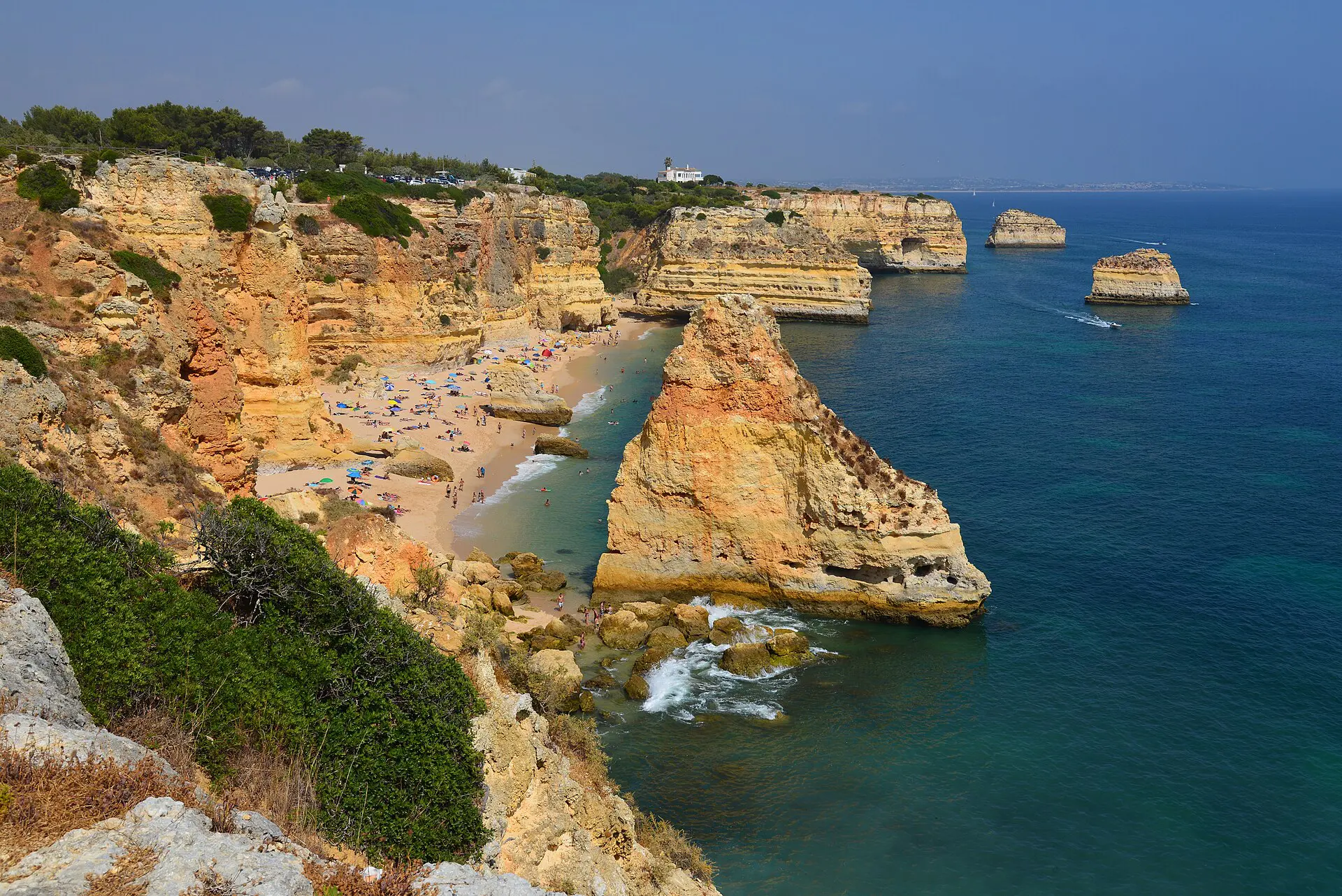
The region is usually divided into two halves. Barlavento, the western half, has dramatic cliffs, surf beaches and towns such as Lagos and Sagres, near the southwestern tip of Europe. Sotavento, the eastern half, has calmer, sandier shores and the city of Faro, the administrative centre and gateway.
It is better than its package-holiday reputation suggests. Away from the busiest resorts you will find fishing villages, nature reserves and inland hills with small towns. Plan around the season, because the coast is crowded in July and August.
Top things to do in the Algarve
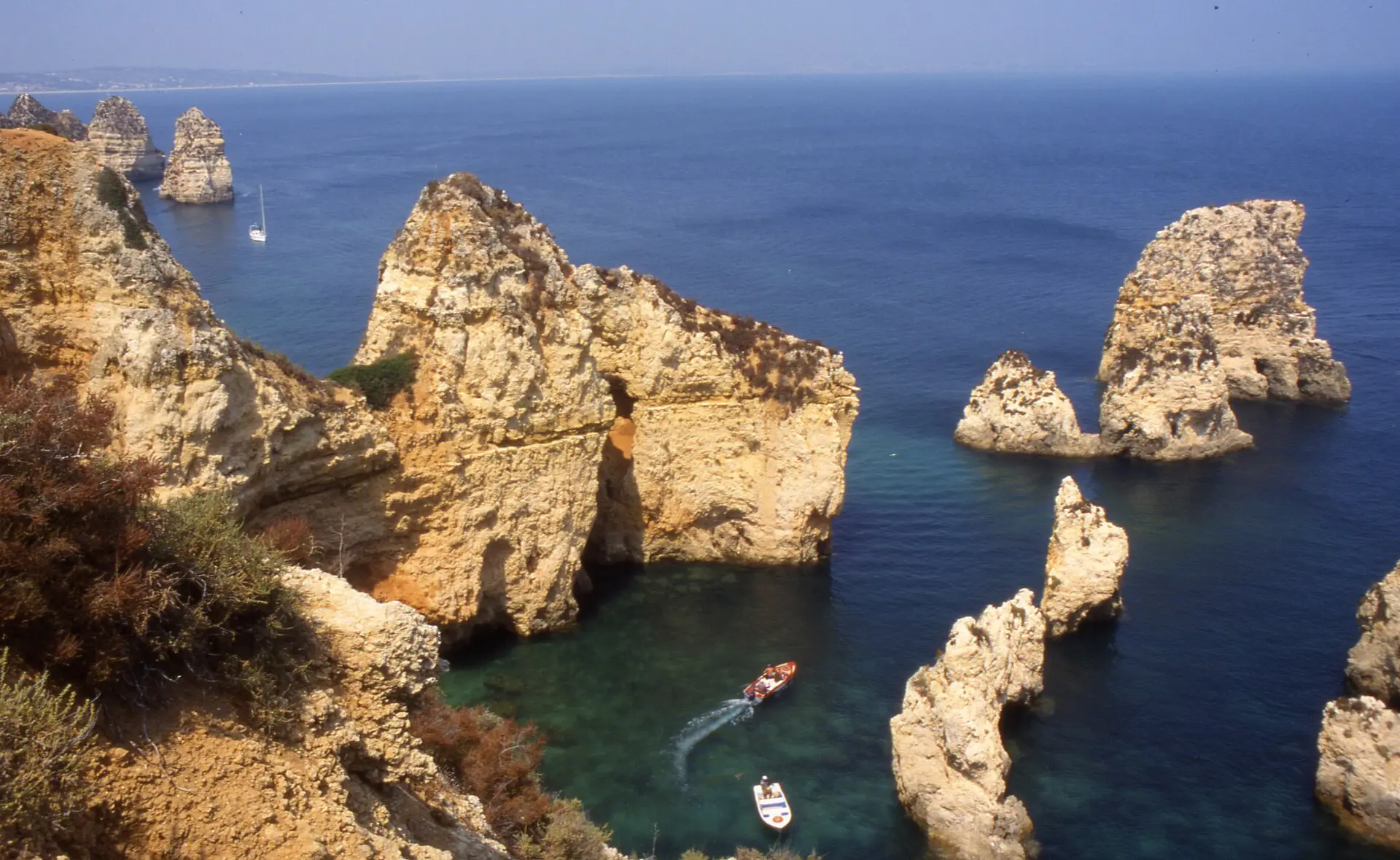
Lagos and Ponta da Piedade
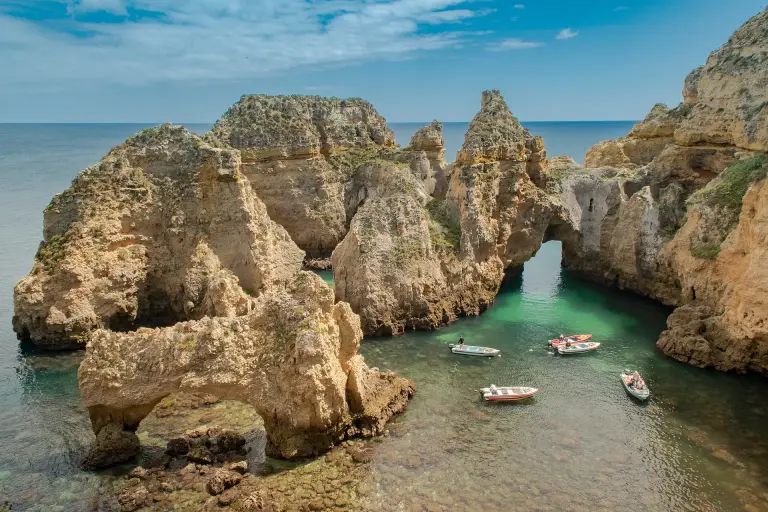
Lagos has a walled old town and narrow streets, and the headland at Ponta da Piedade has sea stacks and grottoes you can see on a boat trip or from the clifftop. Allow half a day. Sea conditions affect boat departures, so check on the day.
Beaches of the western coast
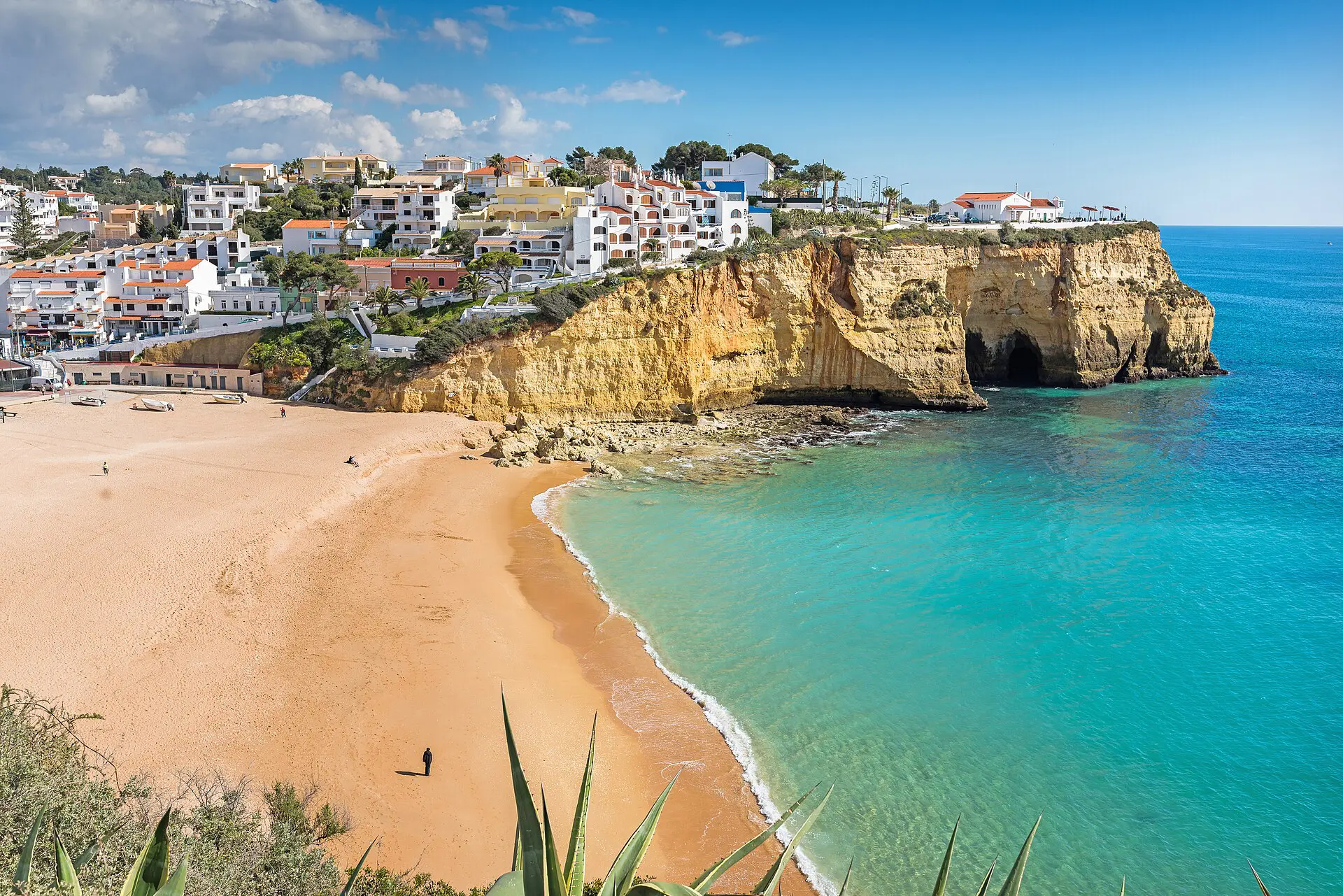
The Barlavento coast has golden cliffs, small coves and larger surf beaches. Allow half a day or more per beach. Some coves have steep steps, and tides change the size of the sand, so check conditions and swim only where it is safe.
Sagres and Cape St Vincent
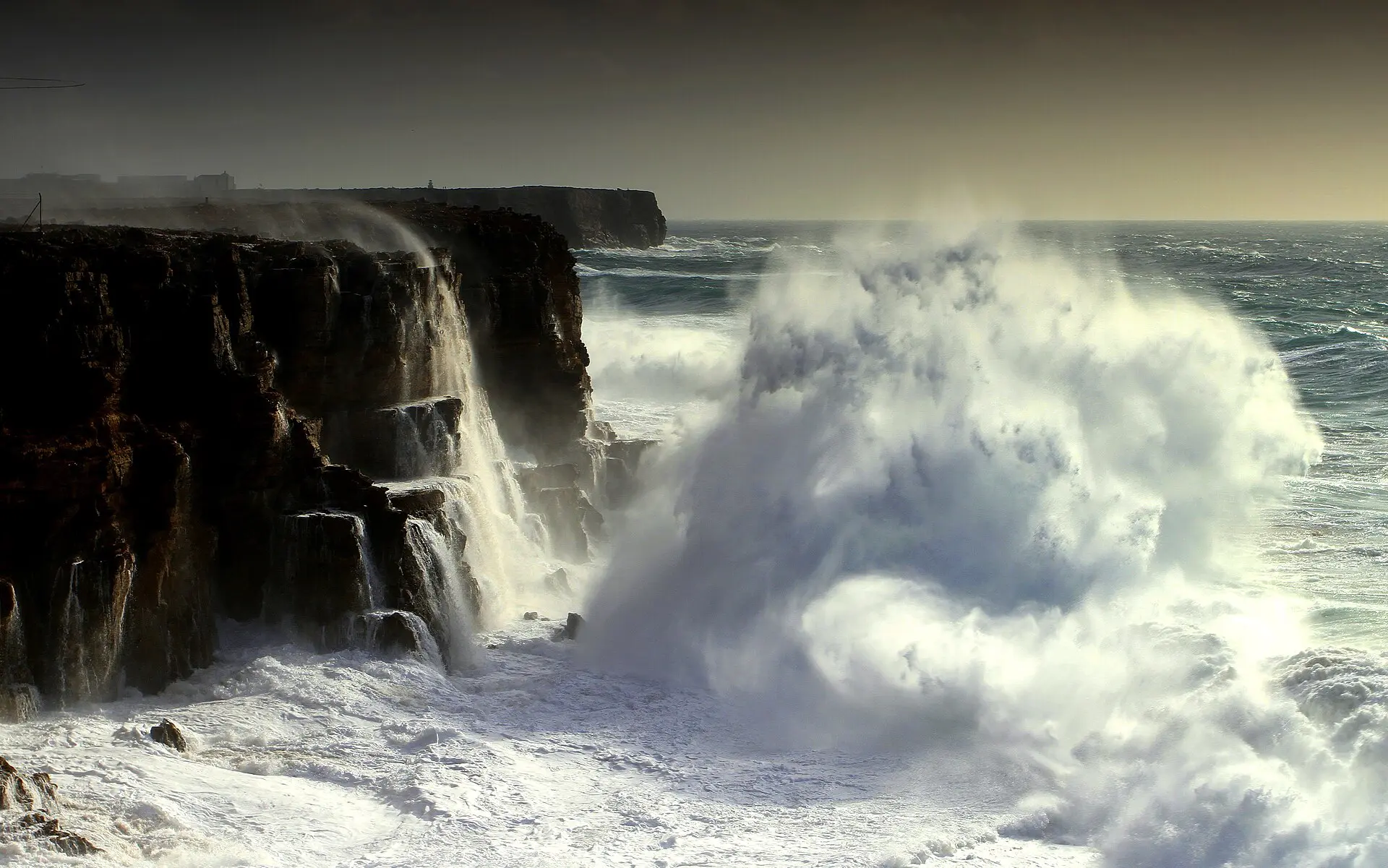
Sagres is near Europe’s southwesternmost point, with a fortress and windswept cliffs. Allow half a day. Expect strong winds, and bring a jacket even in summer. The area is popular at sunset.
Faro old town and Ria Formosa
Faro has a compact old town and a marina, and the Ria Formosa lagoon is a protected nature reserve of channels and sandbars. Allow half a day for the town and a boat trip. Check seasonal boat schedules.
Portimao and Carvoeiro
Portimao is known for its fresh fish restaurants and many beaches, and nearby Carvoeiro is a former fishing village. Allow half a day. Eating grilled fish at a harbourside restaurant is the classic plan.
Aljezur and the west coast
Aljezur is close to some well-known surf spots on the wilder west coast. Allow half a day to a full day. The Atlantic can be cold and the surf strong, so take care in the water.
Monchique hills
The inland hills offer cooler air, forest and good food, and they make a change from the coast. Allow half a day by car. Roads are winding, so drive carefully.
Best time to visit the Algarve
The Algarve has a mild Mediterranean-style climate, with long hot summers and mild winters. Spring and early autumn give pleasant temperatures and fewer crowds, and the sea is warmest in late summer. Winter is quieter, with some rain and cooler days, though many days are sunny.
| Season | Weather | Crowds and prices |
|---|---|---|
| Spring (Mar to May) | Mild, some showers early | Quiet to moderate, good value |
| Summer (Jun to Aug) | Hot, dry, sea warmest late summer | Busiest, highest prices |
| Autumn (Sep to Nov) | Warm, then cooler | Moderate, good value |
| Winter (Dec to Feb) | Mild, some rain | Quietest, lowest prices |
May to June and September to October balance weather and crowds best. Some restaurants and tours close in winter.
How to get to the Algarve and around
Faro Airport is the main gateway, with flights from many European cities, and it is a short drive from Faro and the central coast. Taxis, buses and rental cars are available, and a train line runs along the coast from Lagos to Vila Real de Santo Antonio. Check current schedules.
From Lisbon, trains and coaches connect with the Algarve, with journey times of around three to four hours depending on the route. Check current timetables, and book ahead for summer and holiday weekends.
A car is the easiest way to reach beaches, villages and the west coast, but parking at popular beaches can be difficult in summer. The coastal train serves many towns. Local buses connect main resorts, though they are slower. Taxis and ride-hailing apps work in towns.
Where to stay in the Algarve
Lagos suits travellers who want a walkable town, nightlife and access to beaches and boat trips. It is busy in summer and a good base for the western coast.
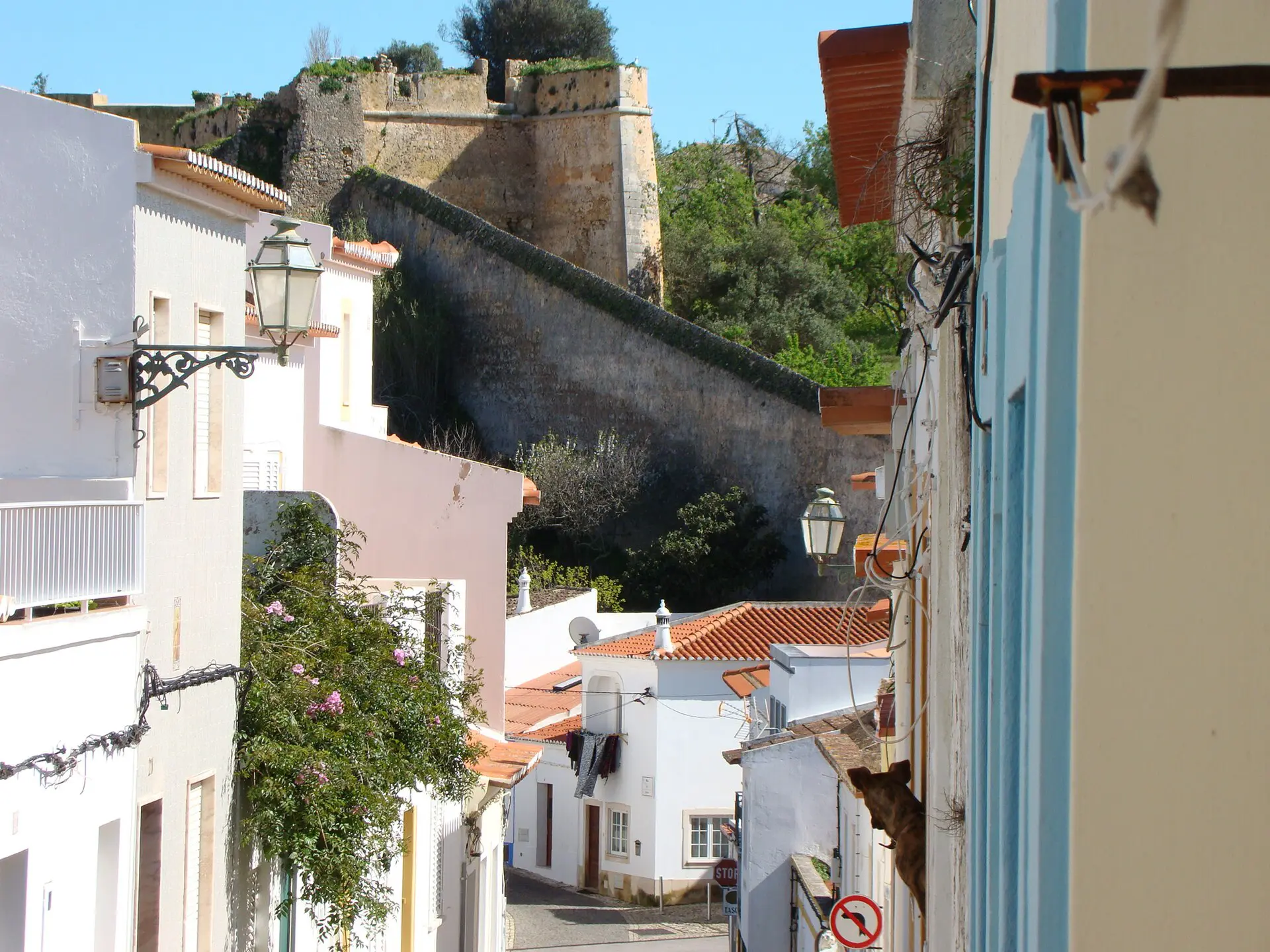
Faro and the eastern towns suit visitors who want a calmer, more local base with easier rail links and quieter beaches. Faro is practical for airport arrivals.
Resort areas around Albufeira, Portimao and Lagoa suit families and beach-focused stays, with many hotels, apartments and activities. For a quiet stay, small guesthouses and rural stays in places such as Aljezur, Sagres and the Monchique hills suit couples, surfers and nature lovers who have a car. Book early for July and August.
How many days do you need?
Five to seven days lets you explore the west and east coasts and enjoy the beaches without rushing. A long weekend of three to four days works well if you stay near Lagos or Faro and pick a handful of sights. Allow more time if you plan to surf, walk the coast or explore the hills.
- Day 1: Walk Lagos old town, take a boat trip around Ponta da Piedade and spend the afternoon on a nearby beach.
- Day 2: Drive the west coast to Sagres and Cape St Vincent and watch the sunset on the cliffs.
- Day 3: Head east to Faro for the old town and the Ria Formosa, with a seafood dinner.
Day trips and nearby
Lisbon
The Portuguese capital lies north, a few hours by train or coach from the Algarve. It makes sense as a separate stop rather than a day trip, though fast connections make a long day possible. Check current timetables.
Sagres
This town near the southwestern tip is a day trip from Lagos and has a fortress, cliffs and surf beaches. Allow half a day. It is windy, so bring layers.
Ria Formosa
This lagoon near Faro has islands, sandbars and birdlife. Allow half a day by boat. Check seasonal boat services, and bring sun protection.
Monchique
The hills inland offer cool air, forest walks and regional food. Allow half a day by car. It is a good rainy-day alternative to the beach.
FAQ
Q1When is the best time to visit the Algarve?
May to June and September to October offer warm weather, a warm enough sea and fewer crowds. July and August are hot and busy, with the highest prices. Winter is mild but wetter, and some restaurants and tours close.
Q2How many days do you need in the Algarve?
Five to seven days lets you see both the western cliffs and the eastern lagoon coast. A long weekend of three to four days works if you pick one area, such as Lagos and Sagres, and focus on beaches and boat trips.
Q3How do you get to the Algarve?
Most visitors fly into Faro Airport, then use a hire car, bus, train or taxi. Trains and coaches also run from Lisbon, taking roughly three to four hours. Check current timetables, especially for summer weekends.
Q4Is the Algarve safe and cheap?
The Algarve is widely seen as safe and relatively good value for western Europe, though prices rise in July and August. Take normal precautions against theft at beaches and car parks, and check sea conditions before swimming.
Prices, schedules and entry rules change. Check current details with official sources before you travel. Read the Portugal travel guide.