Why visit Faro
If you are planning things to do in Faro, think of a small city with a historic centre and a lagoon on its doorstep. Faro is the capital of the Algarve and of the Faro District, and the southernmost city on the Portuguese mainland. The city proper had around 56,000 people in 2024.
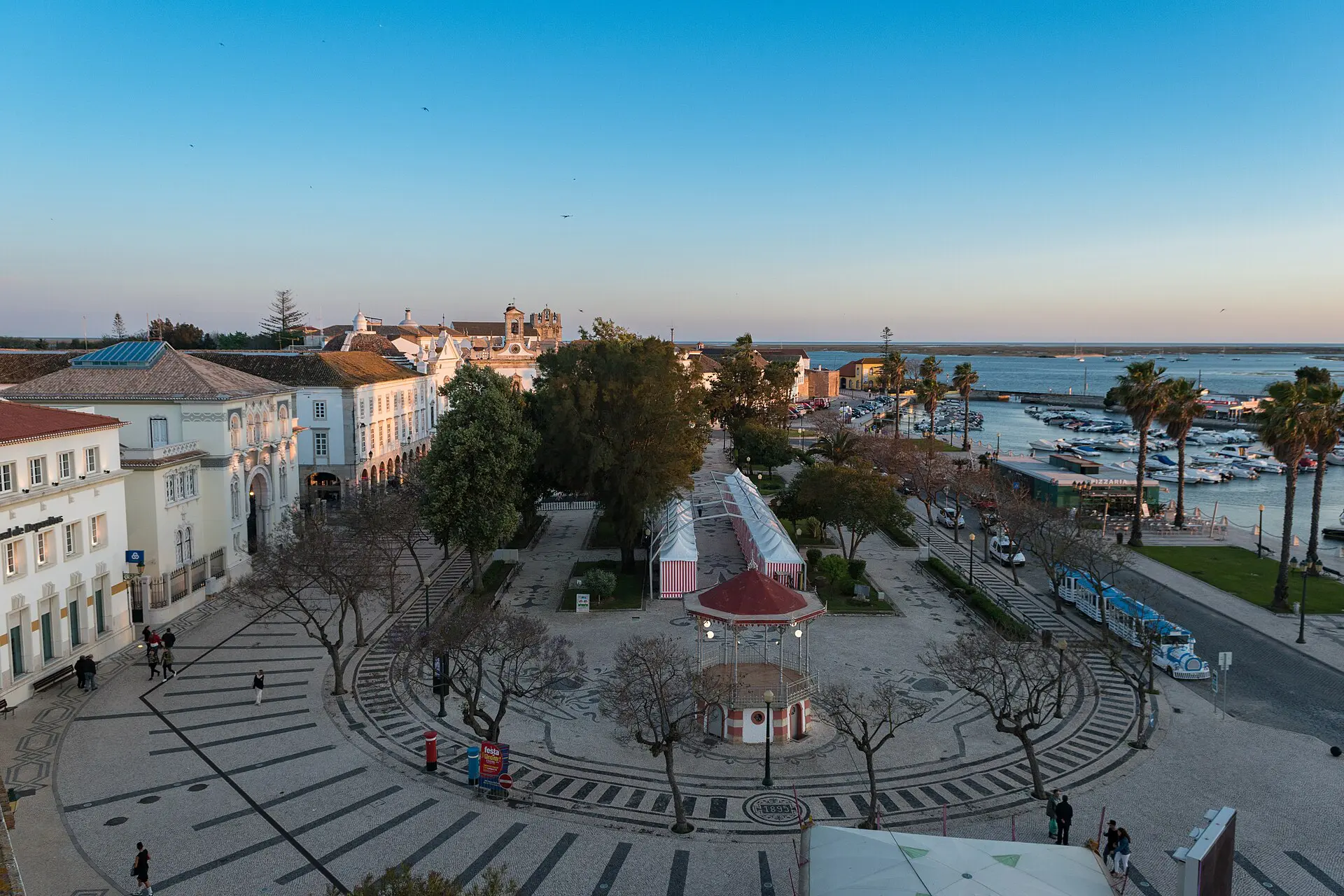
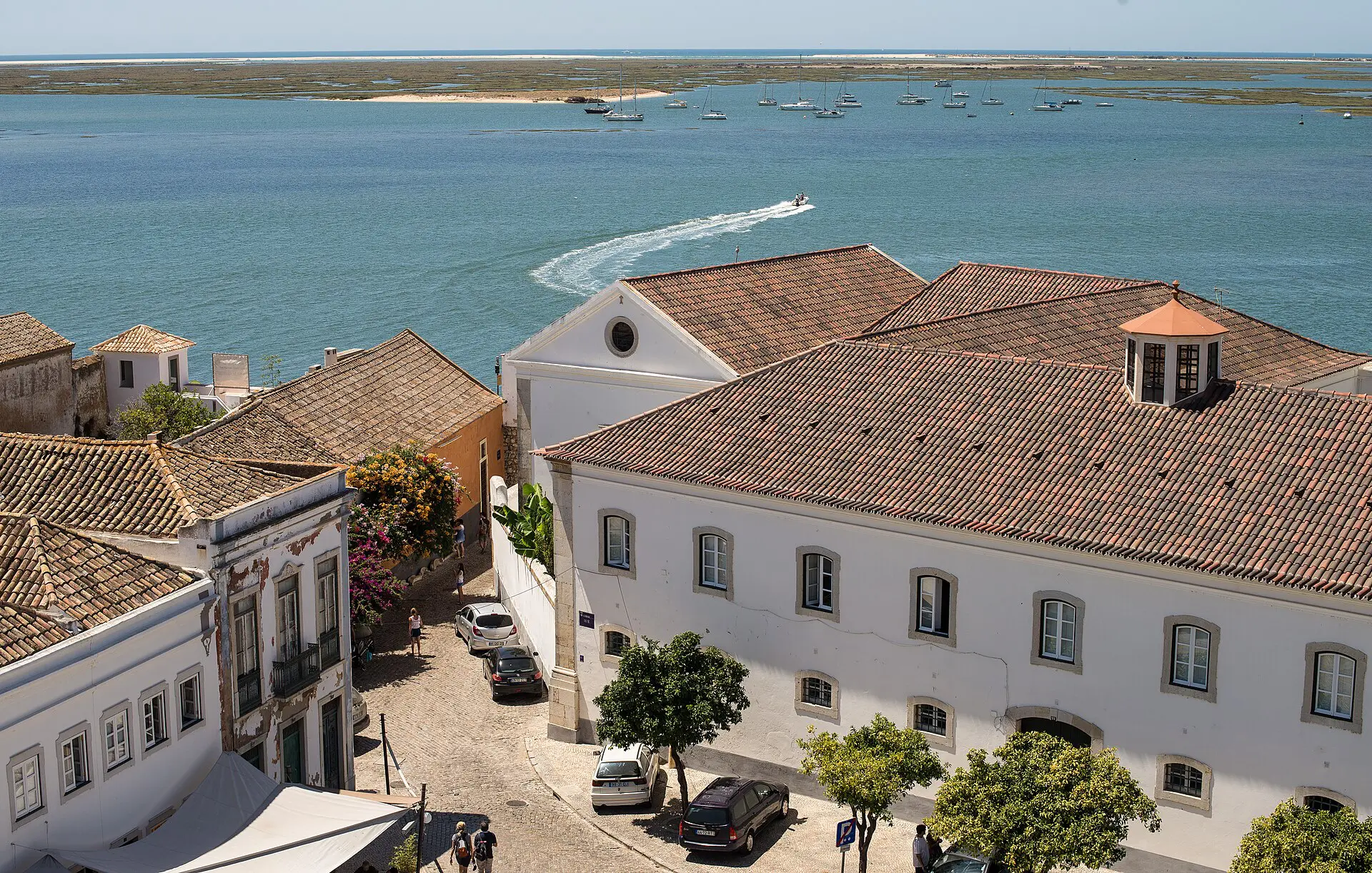
It sits on the shore of the Ria Formosa lagoon, a protected nature reserve, and has the region’s international airport and a university. The settlement dates back to antiquity, as Ossonoba, and was later a Moorish port. It became part of the Kingdom of Portugal in 1249 and has been the Algarve’s administrative capital since 1756.
Faro is often treated as a transit stop, but its old town, museums and nearby islands reward a night or two. It also works as a base for exploring the rest of the Algarve.
Top things to do in Faro
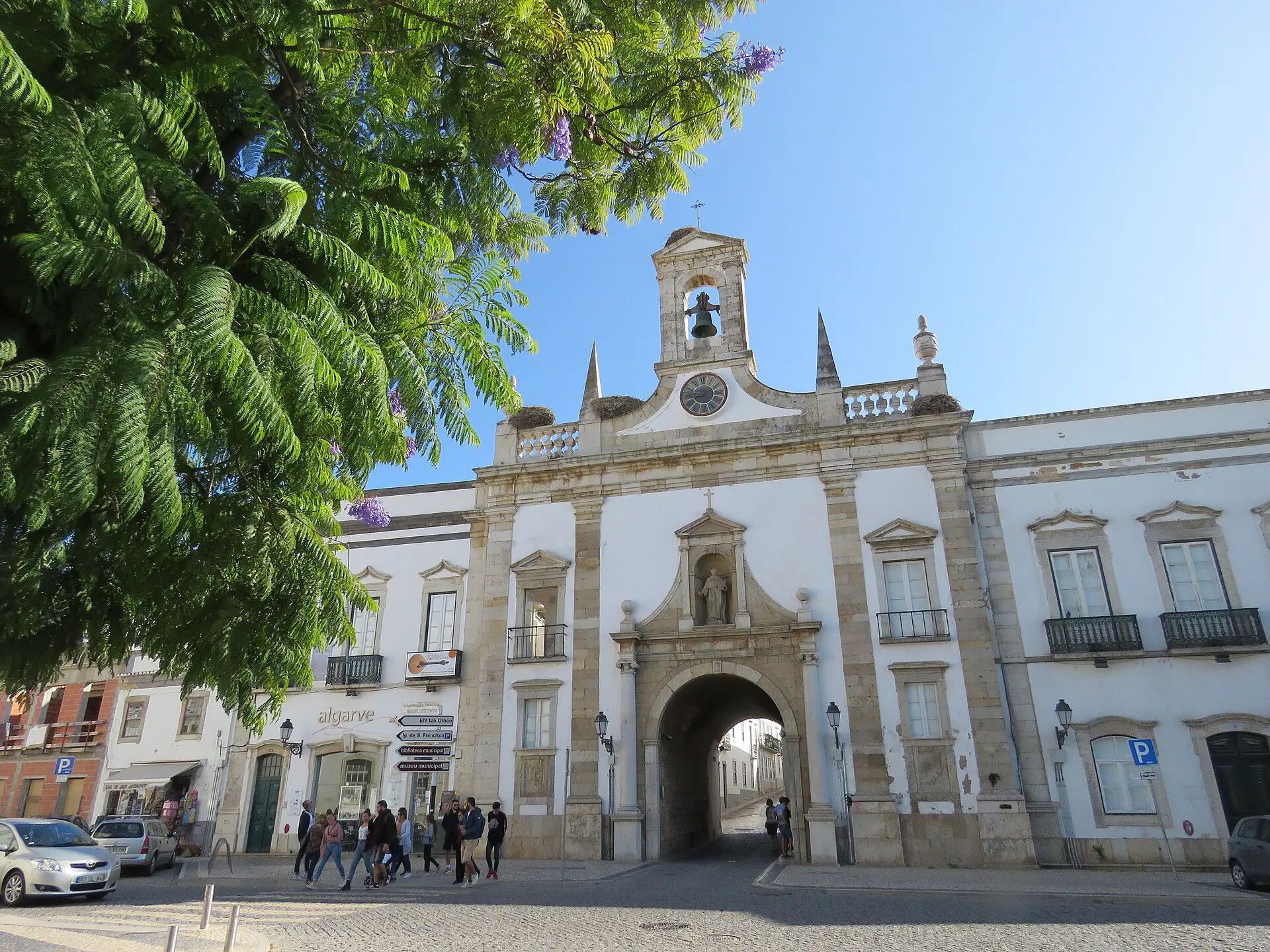
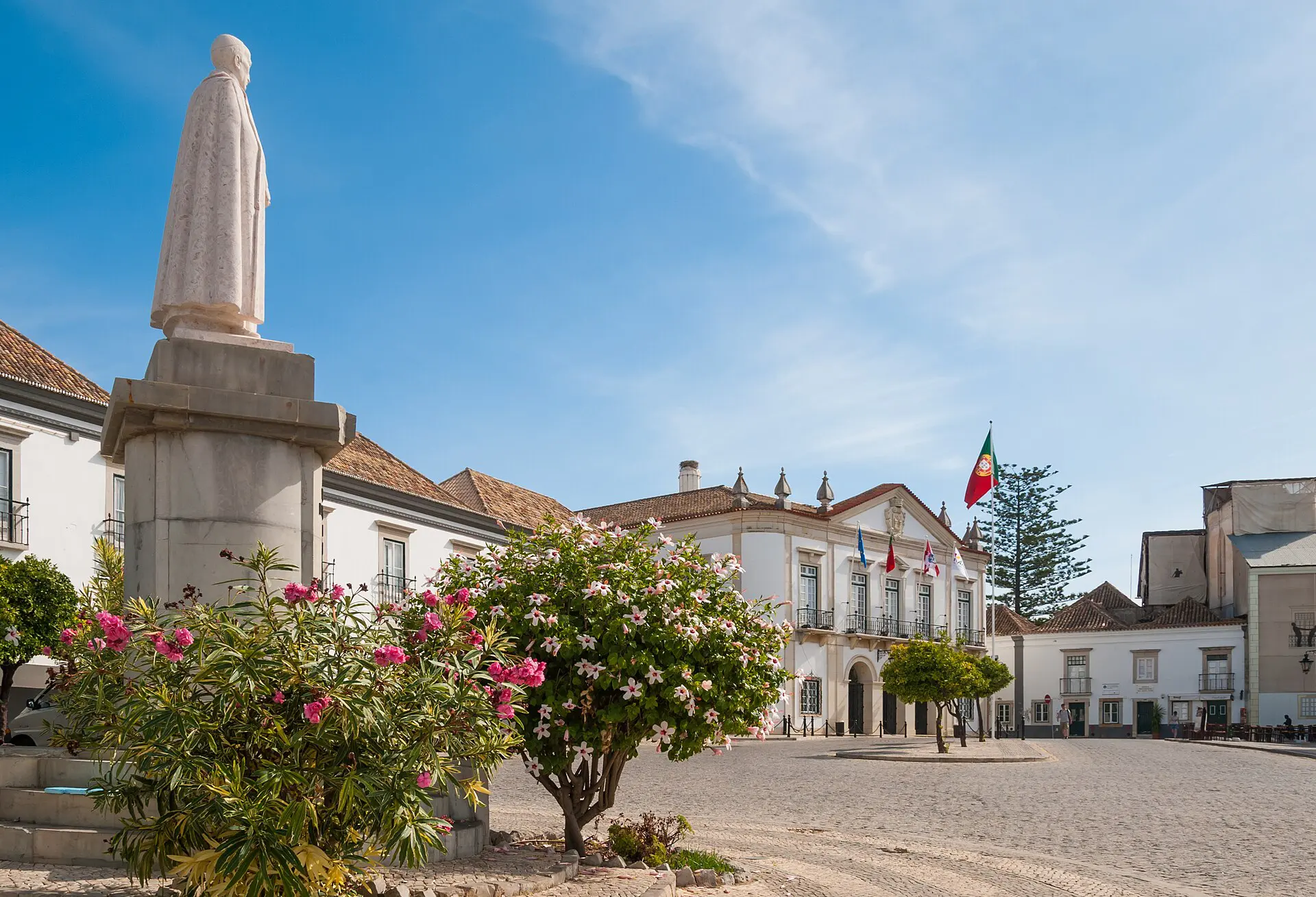
Cidade Velha, the old town
The walled old town is the heart of the city, with cobbled lanes, whitewashed buildings and a cathedral. Allow two to three hours. It is compact and pleasant to walk, though cobbles are uneven, so wear sturdy shoes.
Arco da Vila
This gateway is the main entrance into the old town, a good starting point for a walk. Allow a short stop for photos. It is easiest to approach from the marina side, near the main gardens.
Faro Cathedral and tower
The cathedral stands in the old town and has a tower you can often climb for views over the rooftops and the lagoon. Allow an hour. Check opening times and dress modestly, as it is an active place of worship.
Ria Formosa boat trip
The lagoon is a protected reserve of channels, islets and sandbanks, with birdlife and quiet beaches. Boat trips run from the marina and nearby towns, and last a couple of hours or a full day. Check the tides and book ahead in summer.
Ilha Deserta and Ilha do Farol
Barrier islands off the coast have beaches and, on Ilha do Farol, a small community, reached by ferry or boat from the marina area. Allow half a day or more. Bring water, sun cover and food, as services can be limited, and check last return times.
Museums and the Igreja do Carmo
The city has small museums, and the Carmo church is known for its chapel of bones. Allow an hour or two. Check opening days and modest dress guidelines.
Marina and waterfront dining
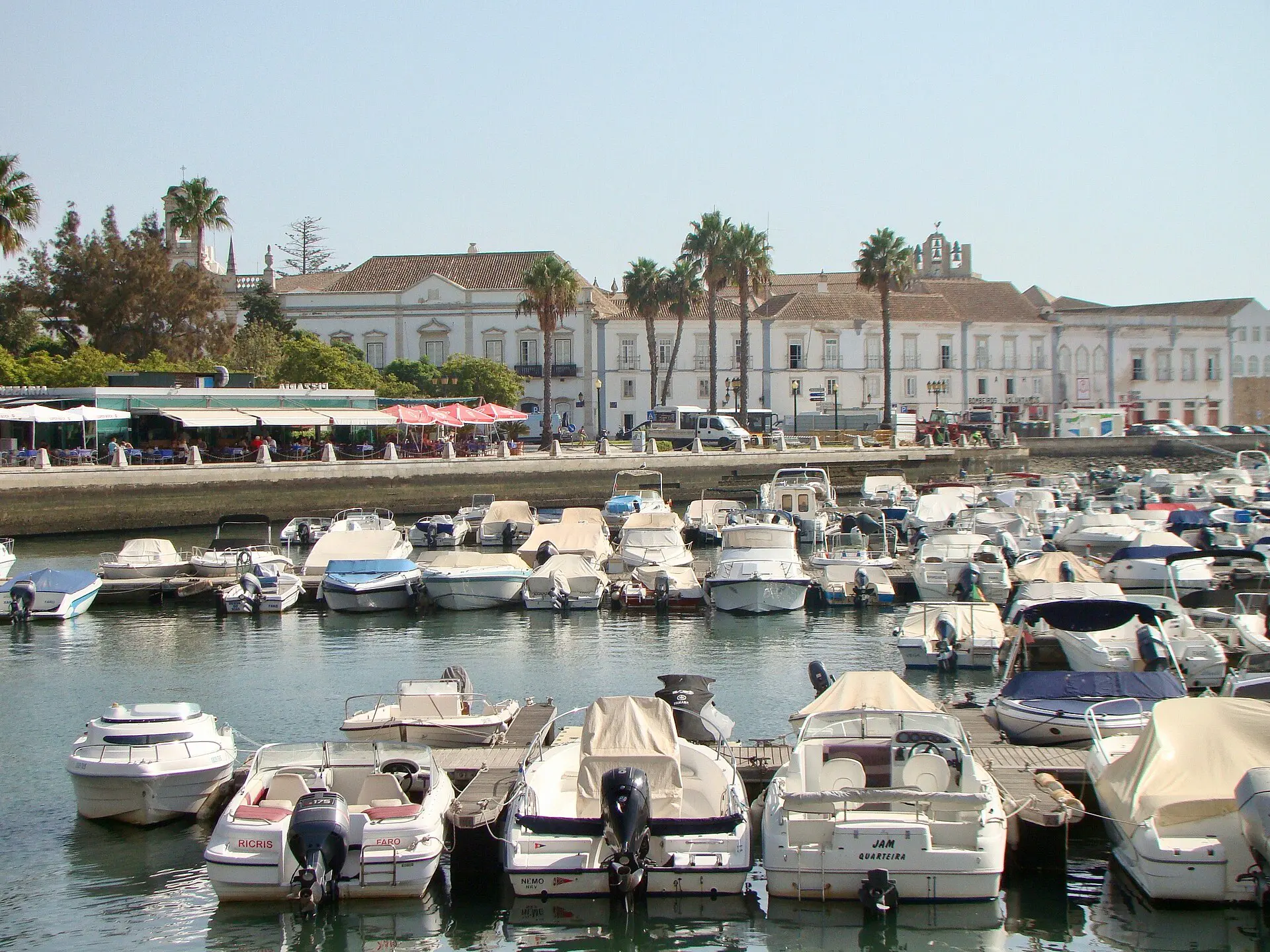
The marina and the streets nearby have cafés and restaurants, with seafood a regional speciality. Eat where locals do, ask about the day’s catch and book ahead at weekends in summer.
Best time to visit Faro
Faro has a warm Mediterranean climate, with hot, dry summers and mild winters. The area gets plenty of sunshine, making it a year-round destination.
| Season | Weather | Crowds and prices |
|---|---|---|
| Spring (April to June) | Warm, sunny, wildflowers | Moderate; good value |
| Summer (July to August) | Hot, dry, beach weather | Busiest; highest prices |
| Autumn (September to October) | Warm, sea still mild | Quieter; good value |
| Winter (November to March) | Mild, some rain | Quiet; some beach services close |
For a mix of warm weather and moderate prices, aim for spring or early autumn. Check ferry timetables, since island services run less often outside summer.
How to get to Faro and around
Faro Airport is the main entry point for the Algarve, with flights from many European cities, especially in summer. It is close to the city, and buses and taxis connect it to the centre. Check seasonal routes for your dates.
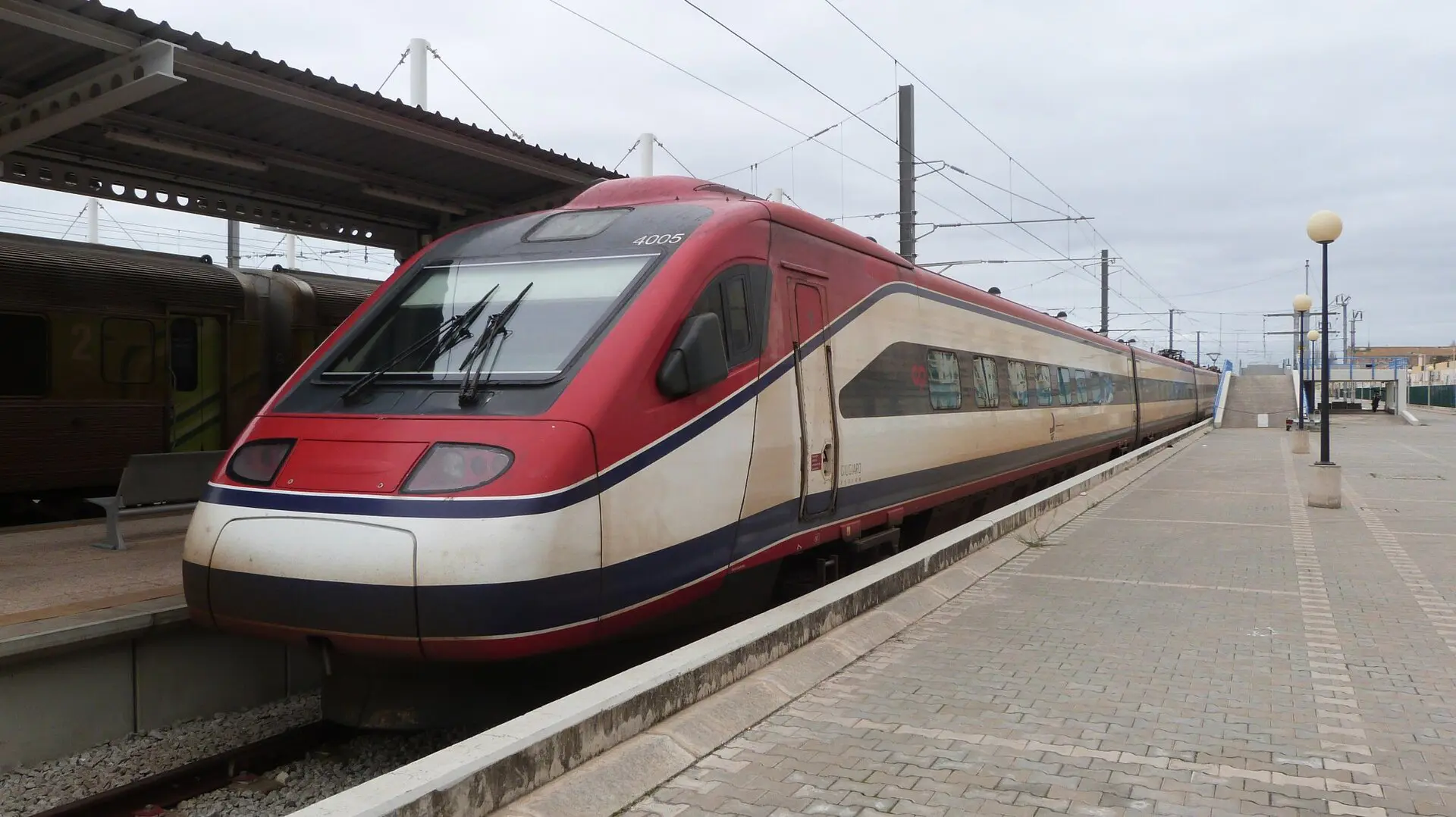
Trains and buses link Faro with Lisbon and other parts of the country, and with towns along the Algarve coast. Journey times vary by service, so check timetables, and book ahead in busy periods.
The old town and centre are walkable. Local buses serve the beaches and nearby towns, and ferries run to the barrier islands. A rental car helps if you plan to explore the wider Algarve, though parking in the old town is limited.
Where to stay in Faro
Staying in or near the old town puts you close to the cathedral, the marina and most restaurants. It suits travellers who want a historic setting and walkable sights.
Near the train and bus stations you will find practical hotels with easy transport, handy for early flights and onward trips. It is less atmospheric but convenient and often cheaper.
Beach areas on the nearby coast offer resort-style stays with sea access, though you will need a bus, taxi or car to reach the city. Budget travellers can look at hostels and guesthouses in the centre. Book early for July and August.
How many days do you need?
One day covers the old town and marina, but two days lets you add the lagoon or an island beach.
- Day 1: The old town, cathedral and marina, then a seafood dinner.
- Day 2: A boat trip on the Ria Formosa and an island beach.
- Day 3: A day trip to another Algarve town such as Lagos or Albufeira.
Leave time on arrival and departure days for the airport transfer.
Day trips and nearby
Lagos
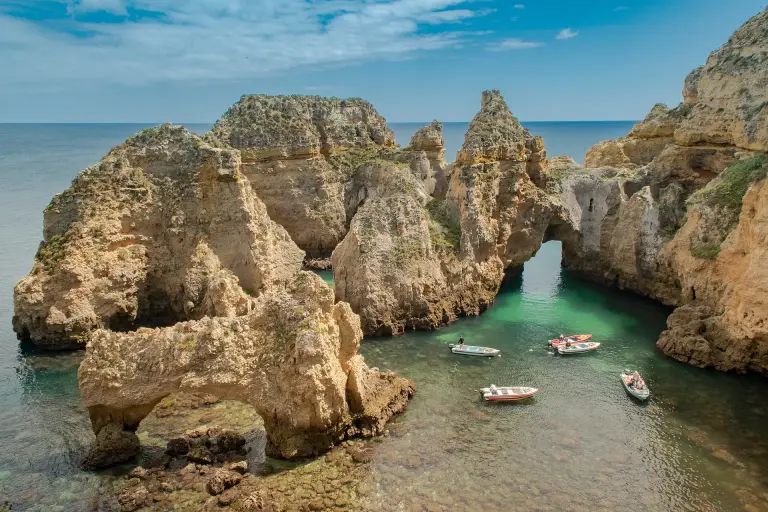
Lagos is known for its sea cliffs and coves, and has an old town and marina. It is reachable by train or road in roughly one and a half to two hours, depending on the route.
Albufeira
Albufeira is a busy resort town with beaches and nightlife, west of Faro along the coast. Trains and buses serve it, and it suits a beach-focused day.
Lisbon
Portugal’s capital is a longer trip, a few hours by train or road, and is better as an onward destination than as a day trip. It suits a night or more.
Olhão and Tavira
These nearby towns on the eastern Algarve coast have fishing traditions and lagoon access. They are short train rides from Faro and make an easy half-day.
FAQ
Q1How many days do you need in Faro?
One to two days is enough for the old town, marina and a lagoon boat trip. Add a third day if you want to see another Algarve town or spend more time on the barrier island beaches.
Q2When is the best time to visit Faro?
Spring and early autumn offer warm weather, fewer crowds and lower prices than July and August. Summer suits beach days but is busy and hot. Winter is mild but quiet, with some seasonal services closed.
Q3How do you get to Faro?
Fly to Faro Airport, the Algarve's main gateway, with seasonal flights from many European cities. You can also take trains or buses from Lisbon and other Algarve towns. Check schedules and book ahead in summer.
Q4Is Faro expensive?
Faro is moderately priced by Western European standards, and cheaper than many beach resorts. Summer brings higher hotel rates, while meals and local transport remain reasonable. Shoulder season offers the best value.
Prices, schedules and entry rules change. Check current details with official sources before you travel. Read the Portugal travel guide.