Why visit Braga
If you are planning things to do in Braga, Portugal, start with its history and its churches. The city is the capital of the Minho province in the north of the country and the seat of Portugal’s oldest archdiocese, which is why it is often called the city of archbishops.
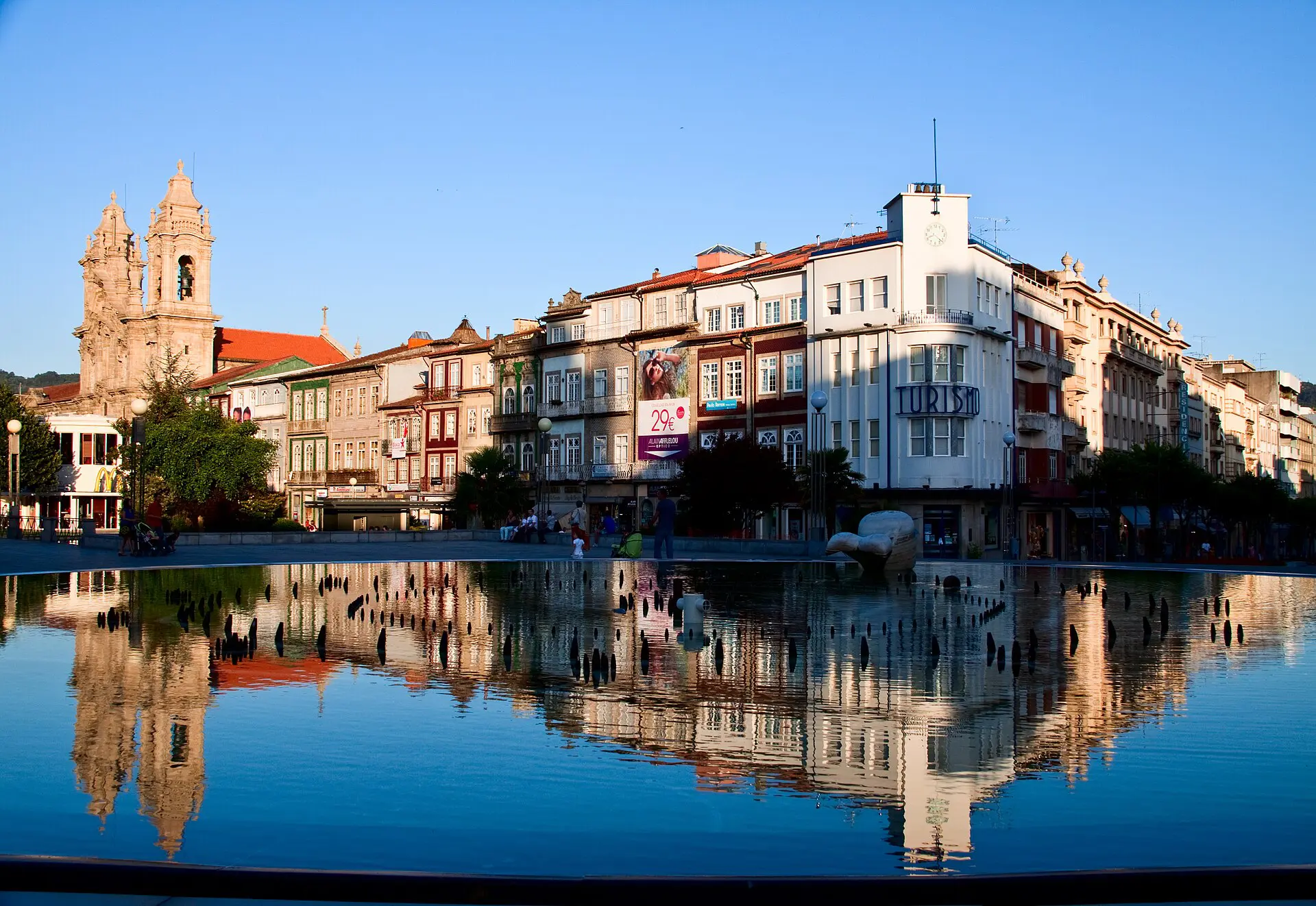
Braga has Roman roots, having been known as Bracara Augusta, capital of the Roman province of Gallaecia, and later the capital of the Kingdom of the Suebi. Its old town is full of historic buildings and squares, and the hills around the city offer views.
It is also a university city and one of Portugal’s larger urban areas, home to the Universidade do Minho and a growing technology sector. That gives it a lively, youthful side, with cheap restaurants and bars near the campus, alongside the religious and historical sights. Braga is an important stop on the Portuguese Way of St James, so you may meet pilgrims on the streets.
Top things to do in Braga
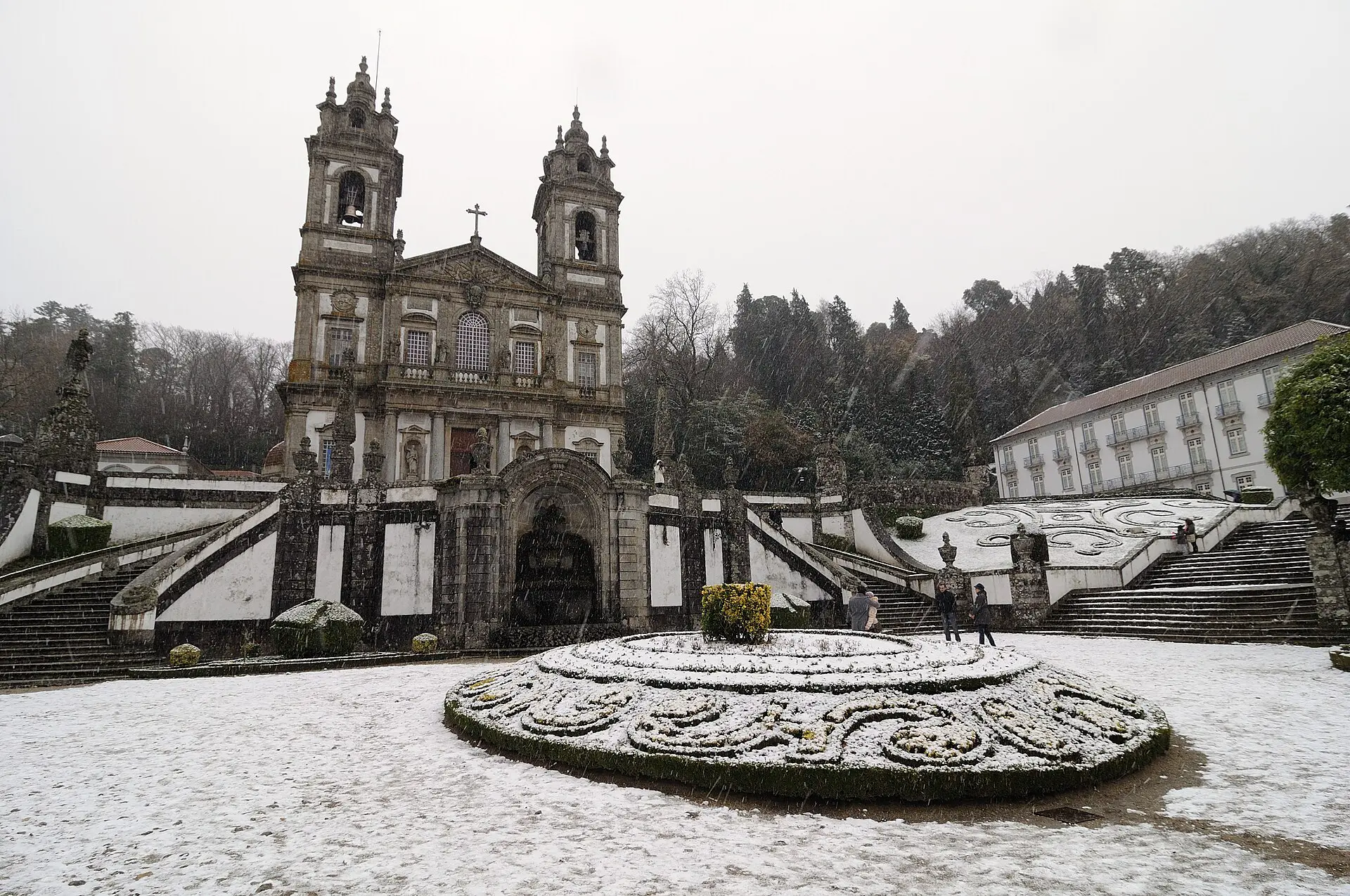
Bom Jesus do Monte
This hilltop sanctuary just outside the city is known for its long Baroque stairway and its views. You can climb the steps or use the funicular. Allow two to three hours including the walk, and go in the morning for cooler weather and softer light.
Braga Cathedral (Se de Braga)
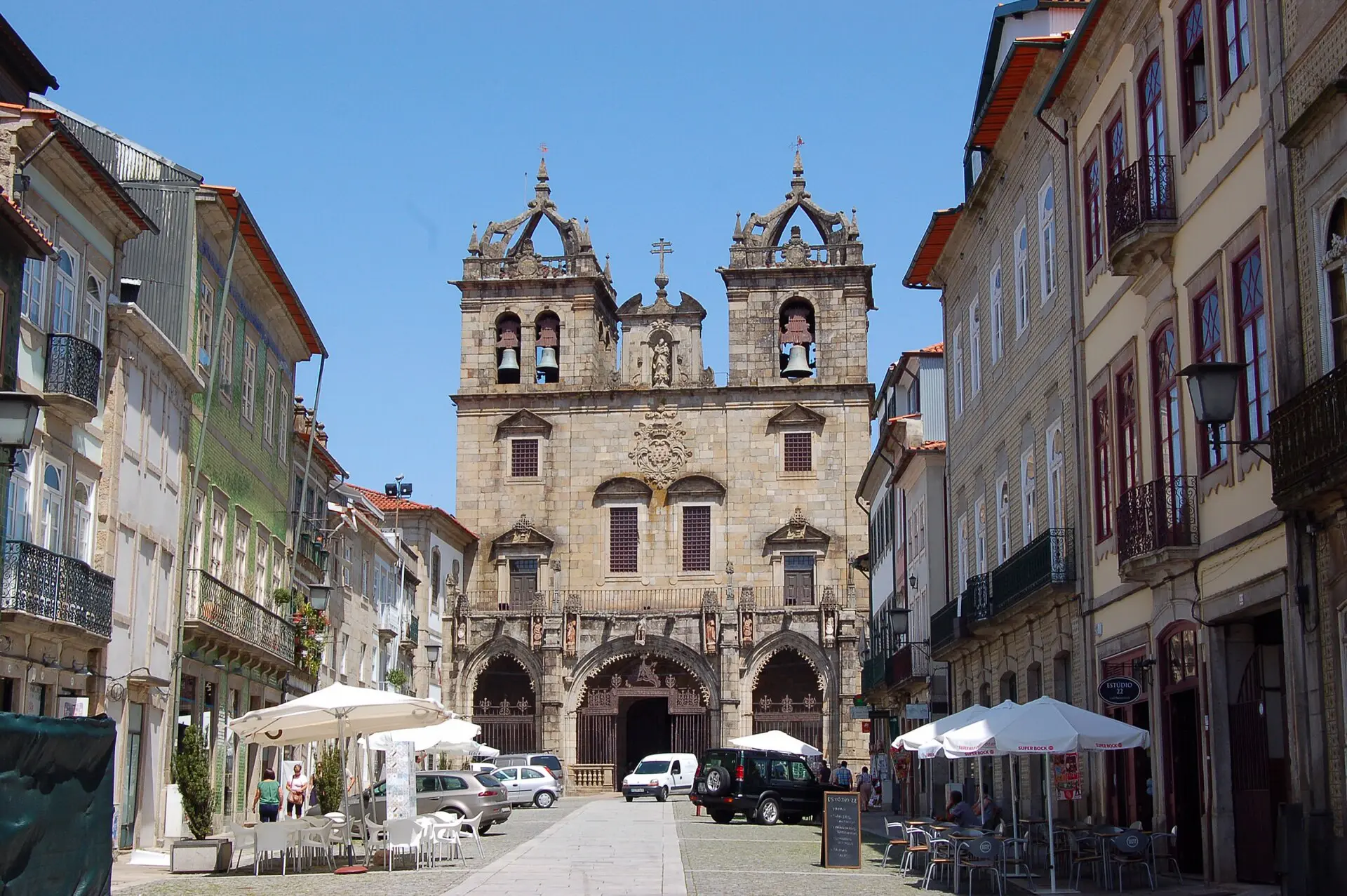
The cathedral is the heart of the city’s religious heritage and reflects centuries of building styles. Visiting the main nave is straightforward, and some areas may need a ticket. Plan around an hour, and check opening times and dress expectations before you go.
Historic centre and Arco da Porta Nova
The old town is compact and best explored on foot, with squares, arcades and churches within a short walk. Allow half a day. Take time to sit at a cafe on one of the main squares and watch the city’s rhythm.
Santuario do Sameiro
Another hillside sanctuary overlooking the city, popular with pilgrims and for its views. It is a short drive or bus ride from the centre. Allow an hour or two, and combine it with Bom Jesus if you have a car.
Roman remains and local museums
The city’s Roman past is visible in archaeological sites and museums. Ask at the tourist office which are open and what they cover. A short visit of one to two hours suits most travellers.
Castle tower and city walls
A medieval castle tower stands in the old centre and can be visited. It adds context to the city’s defensive past and takes under an hour. Check opening arrangements, which vary.
Local food and student bars
Braga offers traditional northern Portuguese cooking, pastries and an active evening scene. Look for tascas and bars near the university for lower prices, and try regional dishes. Reserve ahead for popular places on weekends.
Best time to visit Braga
Braga has a mild, wet climate typical of northwestern Portugal. Spring and early autumn, roughly April to June and September, are usually the most pleasant, with milder temperatures and good light for walking and the hilltop sanctuaries. Summers are warm and can be busy with visitors and festivals, while winters are cooler and wetter, with frequent rain.
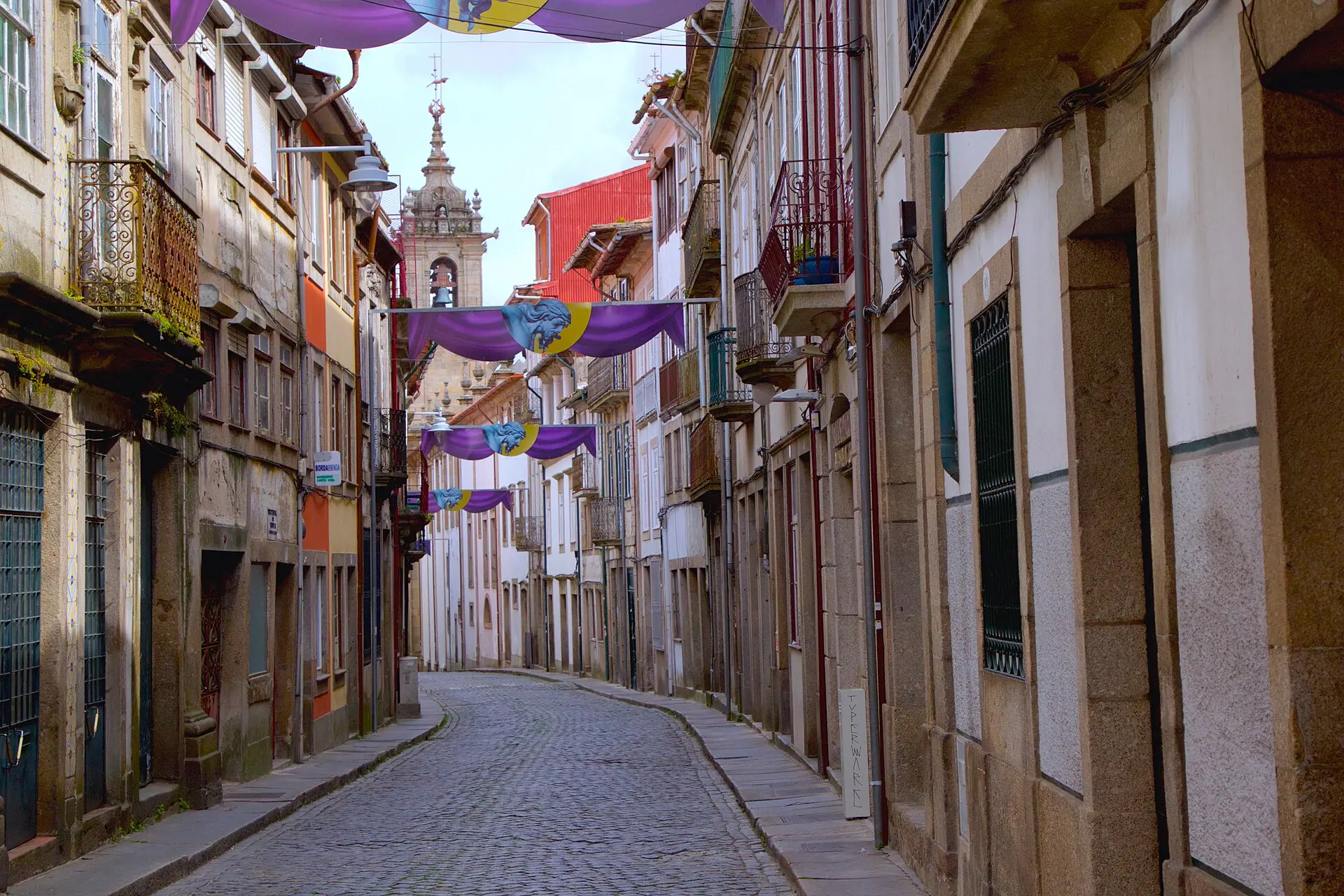
Religious events, including Holy Week celebrations and summer festivals, bring crowds and special atmosphere, but also higher prices and busier hotels. If you want quiet streets, avoid major festival dates; if you want atmosphere, plan around them and book early.
| Season | Weather | Crowds and prices |
|---|---|---|
| April to June, September | Mild, some showers | Moderate crowds, fair prices |
| July and August | Warm, mostly dry | Busier, festivals, higher prices |
| October to March | Cool and wet | Quieter and cheaper |
How to get to Braga and around
The easiest way to reach Braga by air is to fly to Porto’s international airport. From there you can take the metro to a main station in Porto and a train to Braga, or use a direct bus, with the journey often taking around one to two hours depending on the route. Check current timetables and prices, as they change.
Braga is also connected by road and rail to other northern cities, including Guimaraes and Porto, and by longer routes to Lisbon. Having a car helps for the sanctuaries and nearby villages, but is not essential.
The old centre is compact and walkable. Local buses serve the wider city and the hilltop sanctuaries, and taxis and ride-hailing are available. Bom Jesus has a funicular for those who prefer not to climb the stairs. Expect hills and cobbles, so wear comfortable shoes.
Where to stay in Braga
The historic centre is the best base for most visitors, with guesthouses, boutique hotels and apartments within a short walk of the cathedral, cafes and restaurants. It suits first-time visitors and those without a car.
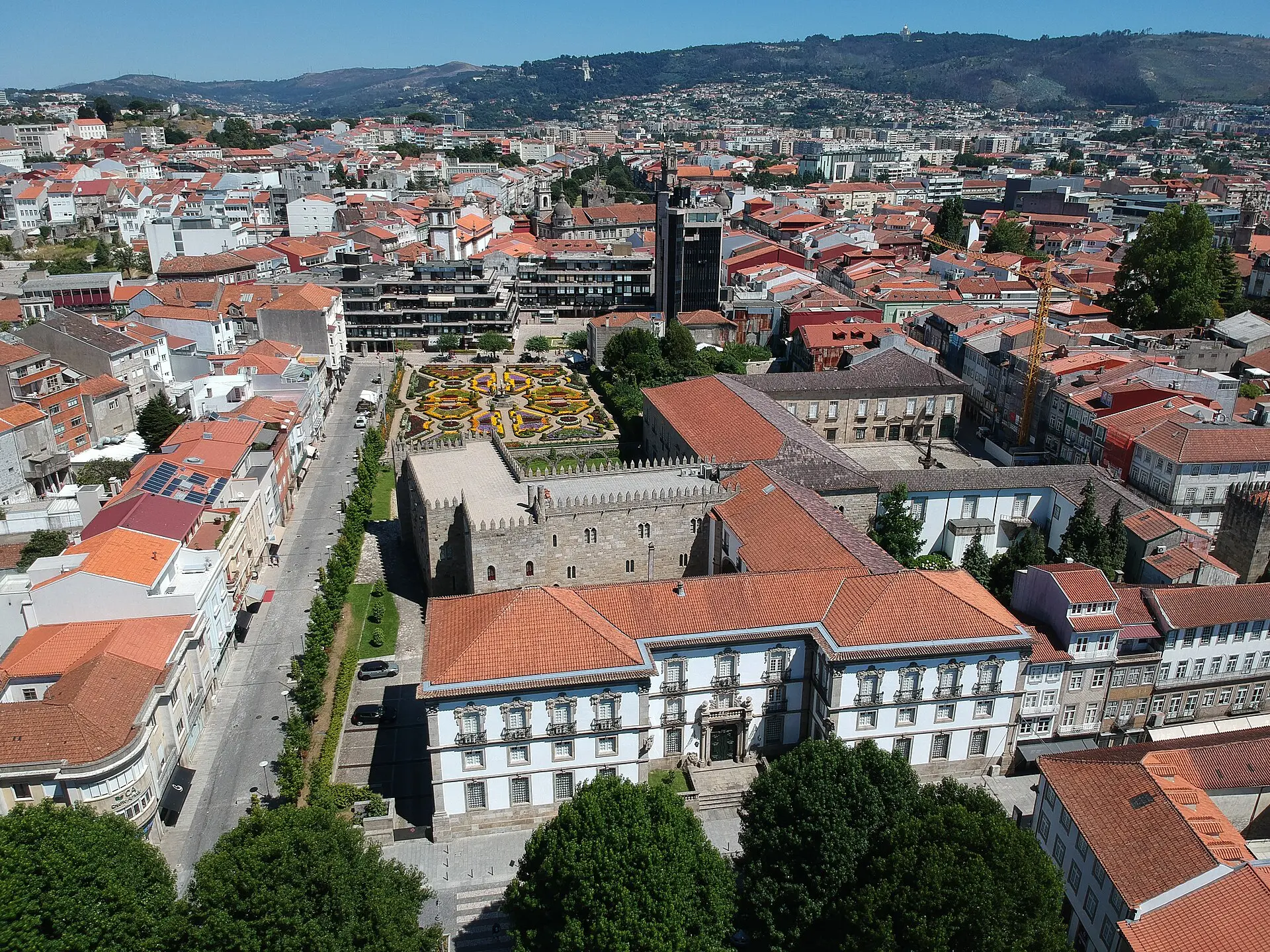
Areas near the university and the edges of the centre offer cheaper, more local options, with student-friendly bars and restaurants nearby. They suit budget travellers and longer stays.
The hillsides near Bom Jesus and Sameiro offer quieter stays with views, usually in hotels or rural-style lodgings, but you will need transport to reach the centre. If you plan to travel on foot, choose somewhere central. During festivals and Holy Week, book as early as you can.
How many days do you need?
Two days is a good length for Braga, giving you time for the old town, the cathedral and the hilltop sanctuaries without rushing. One day works as a day trip from Porto, though you will see only the highlights. Three days suits travellers who want to add nearby towns or a slower pace.
- Day 1: Walk the historic centre, visit the cathedral and the castle tower, and have lunch at a local restaurant, with the evening in the student quarter.
- Day 2: Morning at Bom Jesus do Monte, then Sameiro, and a relaxed afternoon in the old town.
- Day 3 (optional): A day trip to Guimaraes or Porto.
Day trips and nearby
Porto
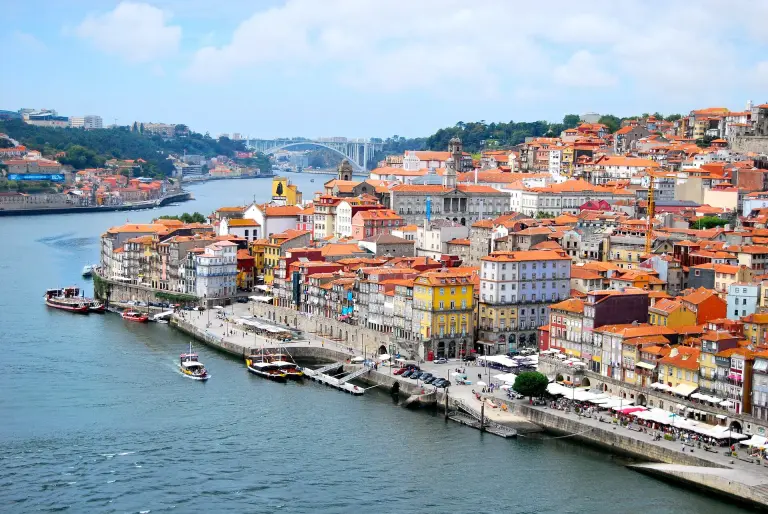
Porto is the nearest major city and the usual gateway, linked by train and bus. It is an easy day trip in either direction, with its riverside, port cellars and historic centre.
Guimaraes
A historic town known for its medieval centre and castle, close to Braga. It is a convenient half-day or full-day trip by bus or car and fits well with a visit to Braga.
Coimbra
Further south, Coimbra is known for its university and old town. It is better as a stop between Porto and Lisbon than as a day trip from Braga, but it is reachable by train.
Lisbon
Portugal’s capital is some distance south, so it is not a day trip. Trains and flights connect the two, and many travellers combine Braga with Lisbon on a longer itinerary.
FAQ
Q1Is Braga worth visiting?
Yes, if you like churches, history and a less crowded alternative to Porto. It has a Roman heritage, a cathedral, hilltop sanctuaries and a lively student scene. Two days is enough for most visitors to see the main sights.
Q2How many days do you need in Braga?
Two days covers the old town, the cathedral and the hilltop sanctuaries at a comfortable pace. You can see highlights in one day from Porto, but you will have to hurry. Add a third day for nearby towns like Guimaraes.
Q3How do you get from Porto to Braga?
Trains and buses link Porto and Braga, and the trip is often around an hour or somewhat more, depending on the service. Porto airport is the main gateway. Check current timetables and fares before you travel.
Q4When is the best time to visit Braga?
Spring and early autumn, roughly April to June and September, are usually best, with milder weather and fewer crowds than midsummer. Winter is wetter and quieter. Holy Week and summer festivals are busy, so book early.
Prices, schedules and entry rules change. Check current details with official sources before you travel. Read the Portugal travel guide.