Why visit the Azores
If you are looking for things to do in the Azores, the short answer is nature, and plenty of it. The archipelago is an autonomous region of Portugal made up of nine volcanic islands in the North Atlantic, roughly 1,400 km (870 miles) west of the Portuguese mainland.
The islands run for more than 600 km in a northwest to southeast line and fall into three groups. Flores and Corvo lie to the west, Graciosa, Terceira, São Jorge, Pico and Faial sit in the centre, and São Miguel and Santa Maria are in the east. Each island has its own character, from the crater lakes and hot springs of São Miguel to the vineyards and cone of Pico, whose summit is the highest point in Portugal at 2,351 m.
The Azores suit travellers who want walking trails, coastal viewpoints, whale and dolphin watching and a slower pace. They are not a classic beach destination, and weather can change quickly, so flexibility matters.
Top things to do in the Azores

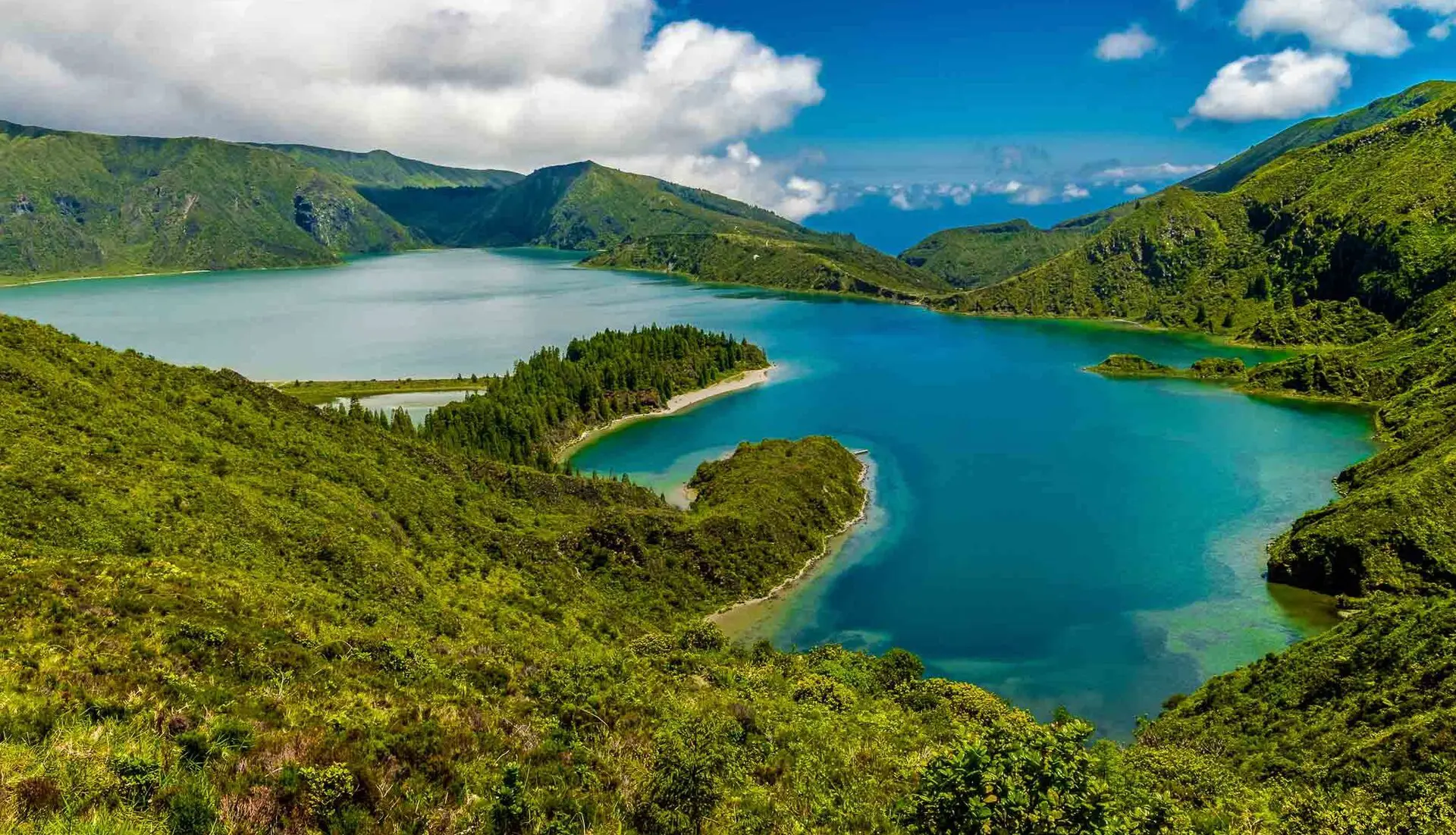
Sete Cidades crater lakes
The twin lakes inside a large volcanic caldera on São Miguel are the archipelago’s best-known view. Viewpoints on the crater rim are reached by road or on foot, and a loop walk around the rim takes several hours. Clouds can hide the view, so check conditions and go early.
Furnas and its hot springs
The Furnas valley on São Miguel has volcanic activity you can see and smell: steaming vents, bubbling ground and warm mineral pools. Allow half a day. Bring a swimsuit and a towel, and expect water that stains light clothing with iron.
Climbing Mount Pico
The summit of Pico is the highest point in Portugal. The climb is a long day on rough volcanic ground and usually requires registration and a guide or permit, so check current rules before you go. Start early, carry water and layers, and only attempt it in clear weather.
Whale and dolphin watching
The waters around the islands are a well-known stop for marine wildlife, and licensed boat trips run from several islands, mainly in the warmer months. Trips usually last two to four hours. Choose an operator that follows local watching rules, and take motion-sickness tablets if you are prone to it.
Walking the coast and valleys
Marked trails cross most islands, from short viewpoint walks to full-day routes along cliffs and through green valleys. Flores in the west is known for waterfalls and lakes. Pack waterproofs and decent footwear, because paths can be muddy and visibility changes fast.
Vineyards of Pico
On Pico, vines grow in small walled plots on black volcanic ground. Visit the wine-growing area for walking, local wine and a sense of how farming adapted to the lava landscape. Allow two or three hours, and keep to the paths rather than crossing the plots.
Tea and local food on São Miguel
São Miguel is the biggest and most populated island, with farms, dairy and tea growing in the north. Sample local cheese, seafood and slow-cooked dishes in towns and villages. Meal times can be earlier than in northern Europe, so ask when kitchens close.
Best time to visit the Azores
The Azores have a mild oceanic climate, but weather is changeable at any time of year and the islands can see sun, cloud and rain in a single day. Most visitors go between late spring and early autumn.
| Season | Weather | Crowds and prices |
|---|---|---|
| Spring (April to June) | Mild, showery, gardens in bloom | Moderate; good value before July |
| Summer (July to September) | Warmest and driest, best for swimming and boats | Busiest; flights and rentals cost most |
| Autumn (October to November) | Cooler, more rain and wind | Quieter; some services reduce |
| Winter (December to March) | Cool, wet, rough seas | Quietest; ferries and tours may be limited |
Whale and dolphin watching is generally better in the warmer months, and hiking is most pleasant from May to October. Check seasonal flight and ferry schedules before you book.
How to get to the Azores and around
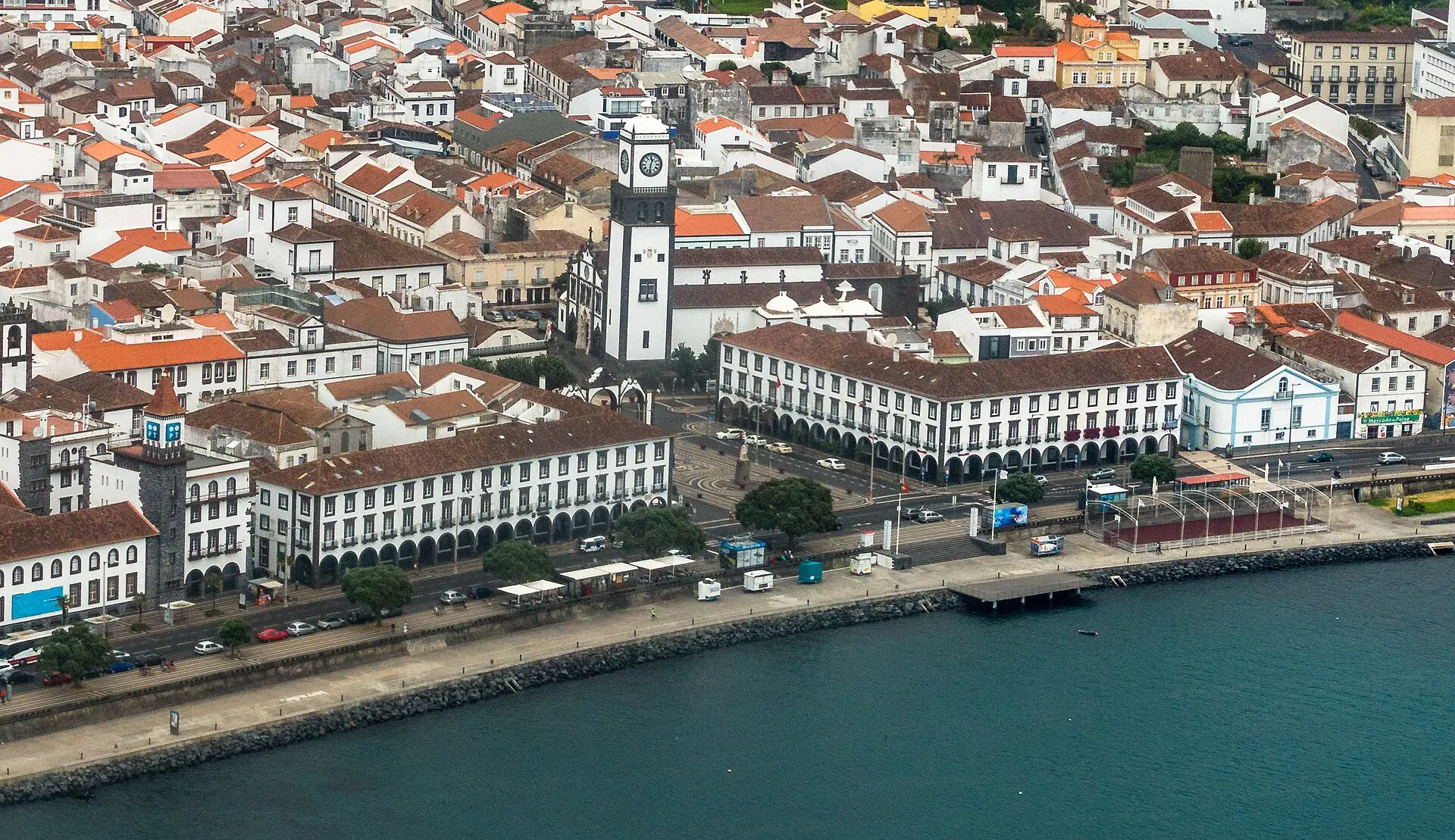
Most international visitors arrive at Ponta Delgada on São Miguel, the main gateway, or at Terceira. Flights connect from mainland Portugal, and some routes from other European and North American cities run seasonally, so check what is operating for your dates.
Within the archipelago, travel between the three island groups is harder than within them. The central islands are close together and connected by ferries and short flights; the western and eastern groups usually need a flight. Inter-island flights are often small aircraft, so luggage limits and weather delays are possible.
On the islands, a rental car is the easiest way to reach viewpoints and trailheads, and book early for summer. Buses exist but are limited, and taxis and organised tours fill the gaps. Ferries between Faial, Pico and São Jorge are the most useful for island-hopping.
Where to stay in the Azores
Where you stay depends on which islands you choose. On São Miguel, Ponta Delgada is the practical base for first-timers, with restaurants, shops, the airport and tour departures close by. It suits travellers who want choice and easy logistics.
Furnas and the north coast suit people who want quiet, hot springs and countryside, though you will want a car. Small guesthouses and rural stays are common across the islands, often with local breakfasts.
On Pico and Faial, the waterfront towns of Madalena and Horta work as bases for walking, boat trips and ferries. For a more remote stay, Flores and São Jorge offer village-scale accommodation and trails on your doorstep. Book early for July and August, and check whether your stay has parking.
How many days do you need?
One island can be seen in three or four days; two or three islands need a week or more, and ferry or flight connections eat into time. If you have only a short trip, stay on São Miguel.
- Day 1: Ponta Delgada and the Sete Cidades viewpoints.
- Day 2: Furnas valley, hot springs and the east coast.
- Day 3: A whale-watching trip or a coastal walk, then fly or ferry to a second island if time allows.
With a week, add Pico or Faial and a day on the mountain or the vineyards. Leave a buffer day for weather, since cancelled flights and boats are common.
Day trips and nearby
Pico and Faial
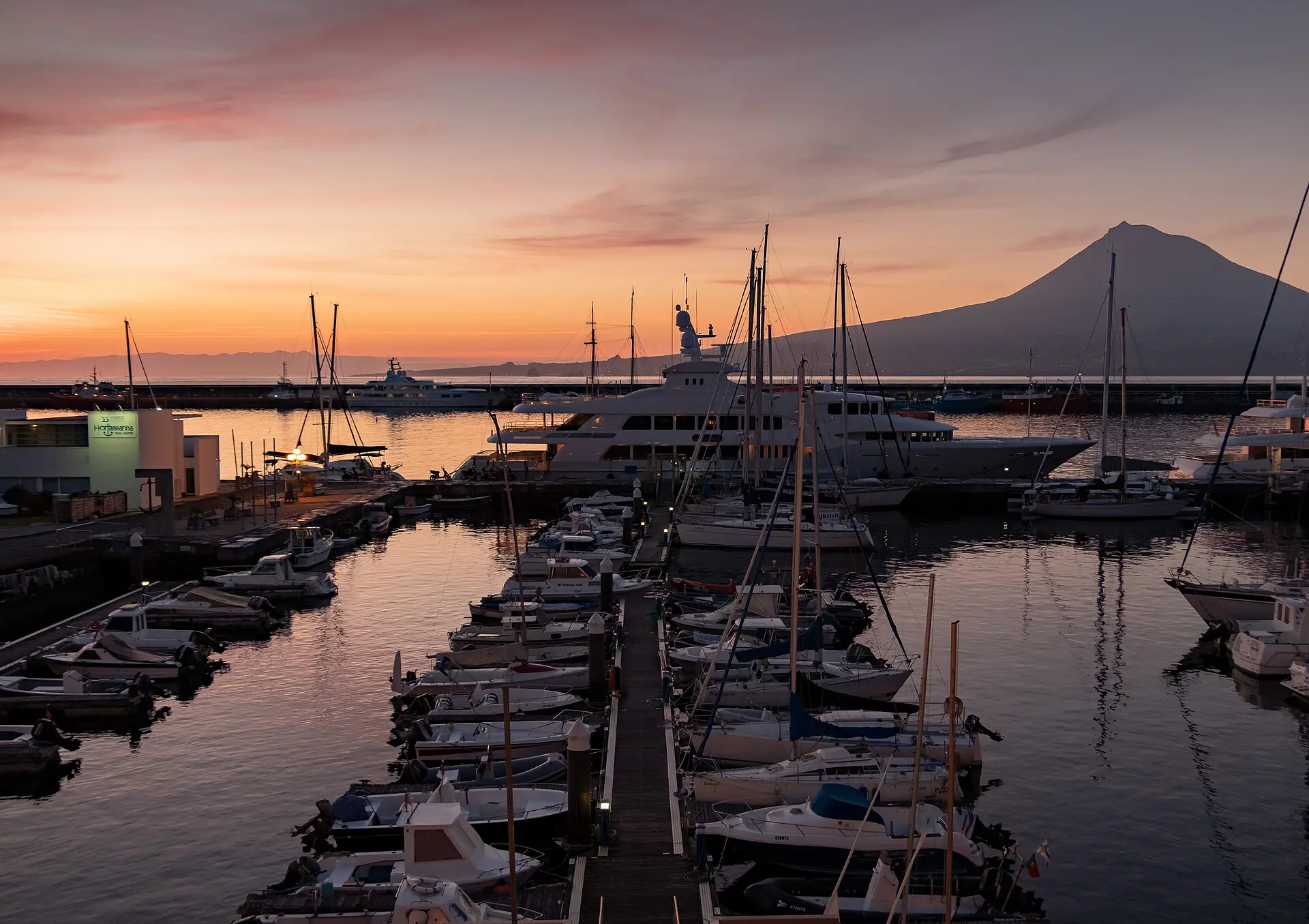
These two central islands are linked by a short ferry and make a natural pair. Faial has the harbour town of Horta, while Pico offers the mountain and the vineyards. Many travellers combine them in two or three days.
Terceira
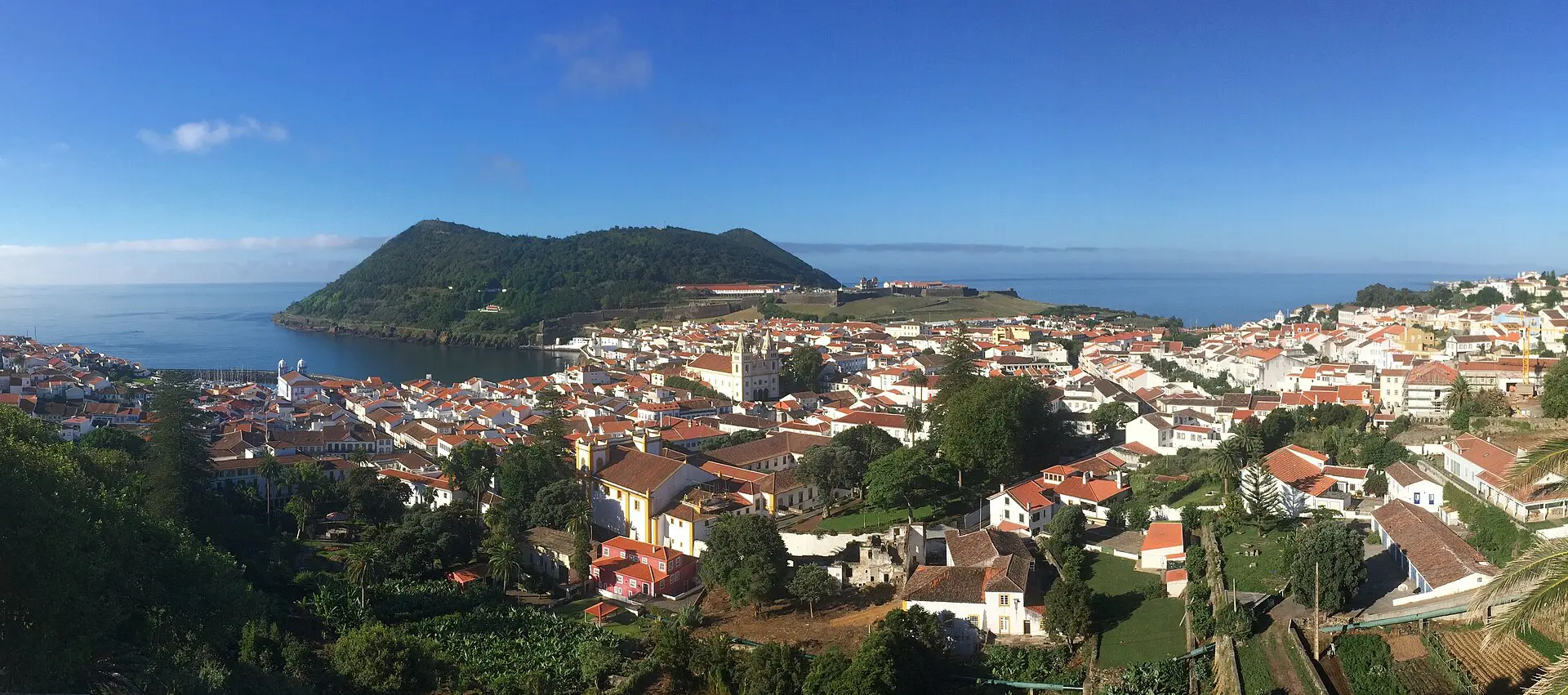
Terceira has a historic centre in Angra do Heroísmo, a UNESCO-listed town, plus volcanic caves and countryside. It is a flight from São Miguel and works as a stop on a longer itinerary.
Flores and Corvo
These are the smallest, most remote western islands, with waterfalls, lakes and few visitors. They need more planning because of flights and limited services, but they reward walkers.
Madeira and mainland Portugal
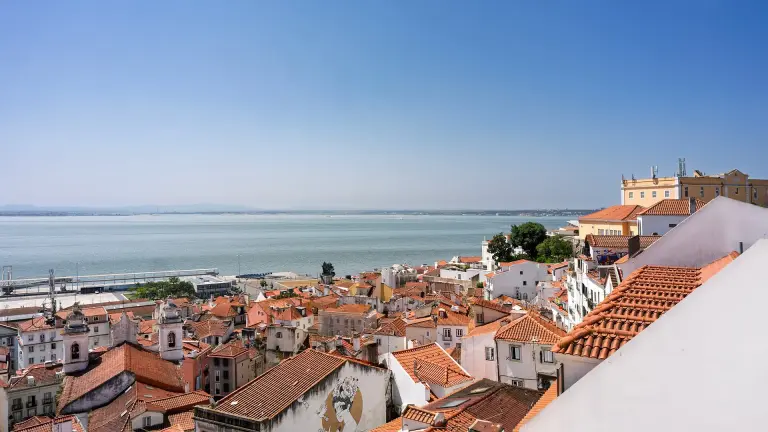
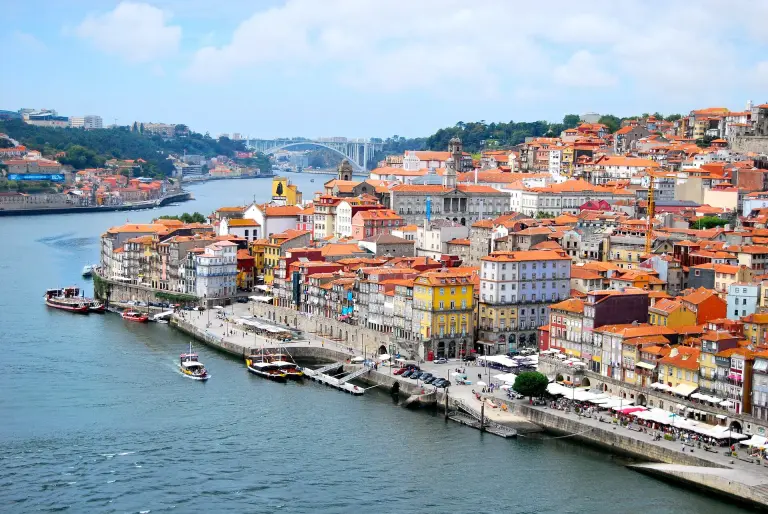
Madeira is a separate Portuguese archipelago, reached by a flight rather than a day trip. Lisbon and Porto are the usual mainland connections, and many visitors pair the Azores with a few days in one of them.
FAQ
Q1When is the best time to visit the Azores?
Late spring to early autumn, roughly May to October, offers the mildest weather, the best hiking and the most boat trips. Summer is busiest and priciest. Weather changes quickly at any time of year, so pack layers and waterproofs.
Q2How many days do you need in the Azores?
A week is a sensible minimum to see one or two islands without rushing. São Miguel alone can fill four or five days. Add extra time for island-hopping, since flights and ferries are limited and weather can cause delays.
Q3How do you get to the Azores?
Most visitors fly to Ponta Delgada on São Miguel or to Terceira, usually via mainland Portugal, with some direct seasonal routes from other cities. The archipelago lies about 1,400 km west of the mainland, so check flight schedules before booking.
Q4Is the Azores expensive?
Costs are moderate by Western European standards, but flights, rental cars and boat trips can add up, especially in summer. Food and local guesthouses are often reasonable. Booking flights and cars early usually saves money.
Prices, schedules and entry rules change. Check current details with official sources before you travel. Read the Portugal travel guide.