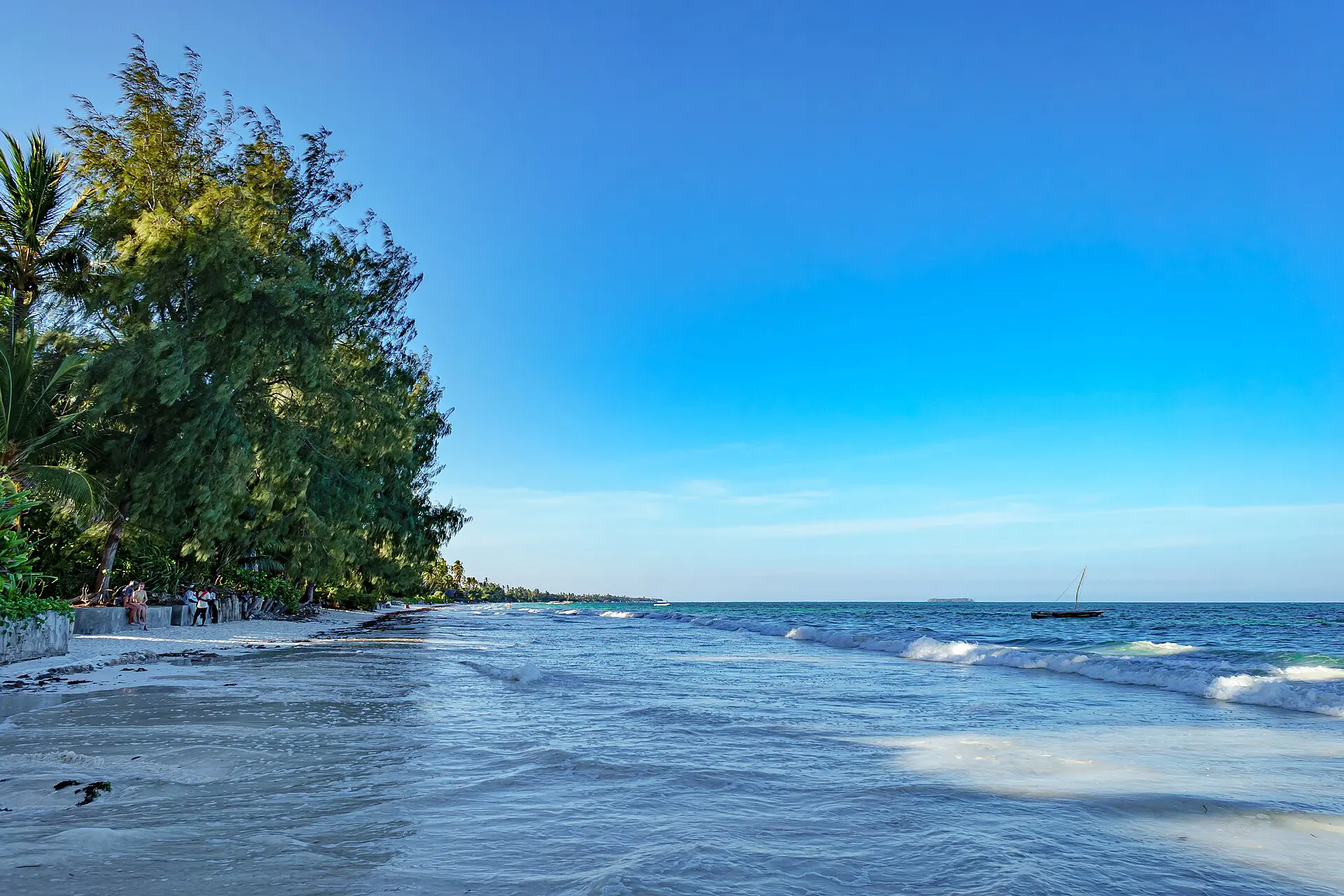

Why visit Zanzibar
People searching for things to do in Zanzibar usually want two things: history and beaches. This semi-autonomous region of Tanzania lies in the Indian Ocean off East Africa and consists of many small islands and two large ones, Unguja, usually called Zanzibar Island, and Pemba. The capital, Zanzibar City, is on Unguja.
Its historic centre, Stone Town, is a UNESCO World Heritage Site, and the islands have long been known as the Spice Islands, thanks to crops such as cloves, nutmeg, cinnamon and black pepper. Zanzibar was a sovereign state before it united with Tanganyika in 1964 to form Tanzania.
Tourism has grown quickly in recent decades, and the island now offers everything from simple guesthouses to large resorts. You can swim, dive, kiteboard, walk through old alleys and tour spice farms, often in the same trip.
Top things to do in Zanzibar
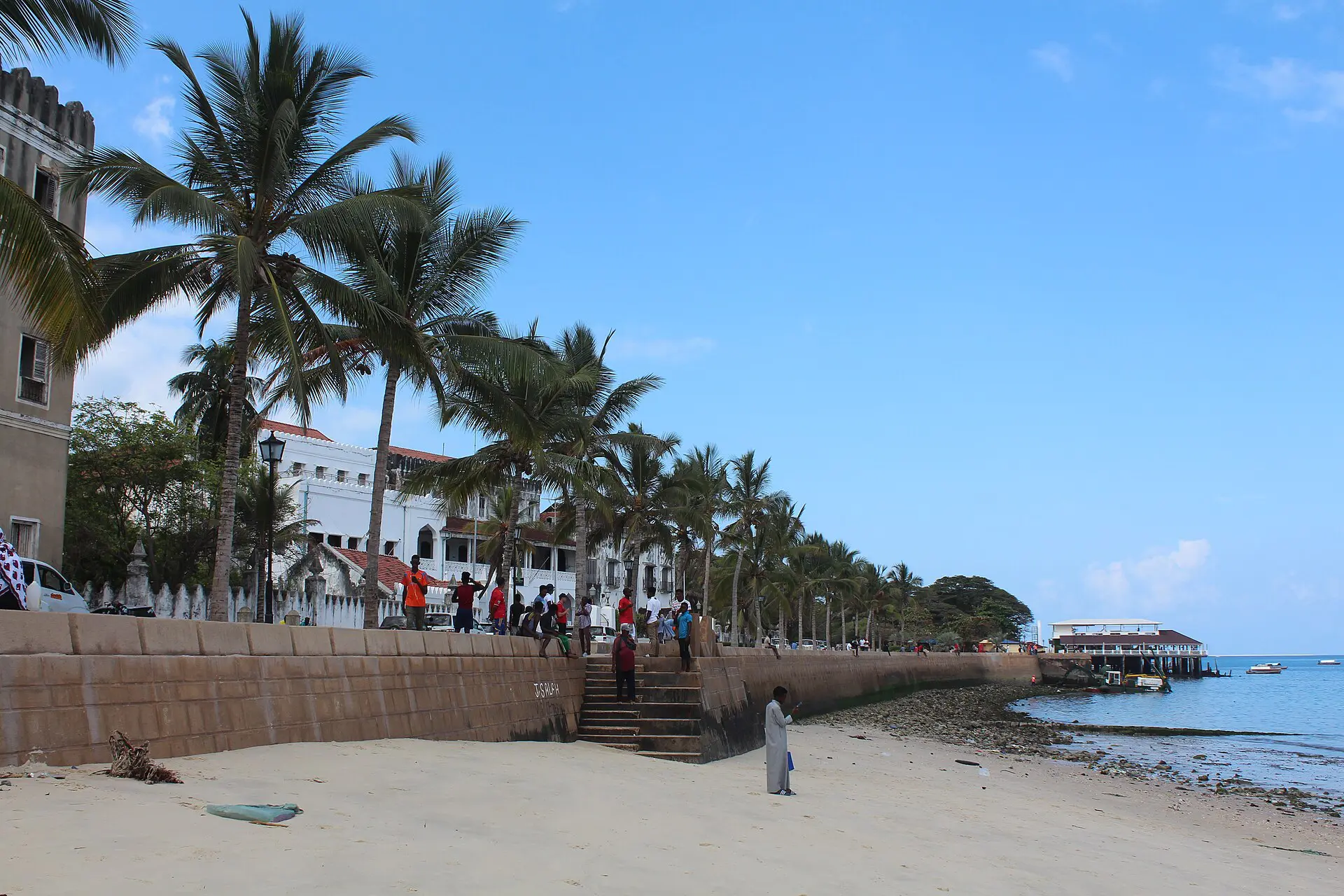

Stone Town
The old quarter is a maze of narrow lanes, carved doors, markets, mosques and old merchant houses. Allow half a day or more, ideally with a local guide for the history. Wear modest clothes, carry small cash, and expect to get lost, which is part of the appeal.
Spice tours
Farms around the island let you see, smell and taste spices and tropical fruit growing. Tours usually take a half day and often include a simple lunch. Book through your hotel or a reputable operator, agree prices in advance and ask what is included.
Nungwi and Kendwa beaches
The north of the island has some of its most popular beaches, with white sand and clear water, plus sunset bars and dive centres. Allow a day or more. Tides change the look of the shoreline a lot, so check tide times before you plan swimming.
Paje and the east coast
The east coast is known for kiteboarding and wide beaches with a big tidal range. It has a more laid-back, backpacker feel than the north. Allow a day, bring reef shoes for walking in shallow water, and check wind conditions if you want lessons.
Dolphin trips at Kizimkazi
The village on the south coast is the starting point for boat trips to see dolphins. Go early in the morning and choose an operator that keeps a respectful distance from the animals. Allow a half day, and expect crowds in high season.
Snorkelling and diving
Reefs and small islets around Unguja and Pemba offer snorkelling and diving, including trips from Stone Town. Visibility and sea conditions vary by season. Choose a licensed operator, and ask about group sizes and safety briefings before you book.
Best time to visit Zanzibar
Zanzibar has a tropical climate with two rainy periods. The long rains typically fall from around March to May, when it is hot, humid and wet and some places close or reduce services. The short rains come in roughly November, with brief showers.
The driest and most popular months run from about June to October, with warm days, lower humidity and good sea conditions. December to February is hotter and also popular, especially around the holidays, with higher prices. Pick the period that suits your priorities, and check forecasts and operator updates before you travel.
| Season | Weather | Crowds and prices |
|---|---|---|
| June to October | Dry, warm, lower humidity | Busy, higher prices |
| December to February | Hot, some showers | Peak around holidays |
| March to May | Hot, humid, long rains | Quietest, cheapest, some closures |
How to get to Zanzibar and around
Abeid Amani Karume International Airport, near Zanzibar City, handles flights from Dar es Salaam, Arusha and other Tanzanian cities, plus some international routes. Ferries run between Dar es Salaam and Zanzibar. Journey times and schedules change, so check ahead and book in advance in busy periods.
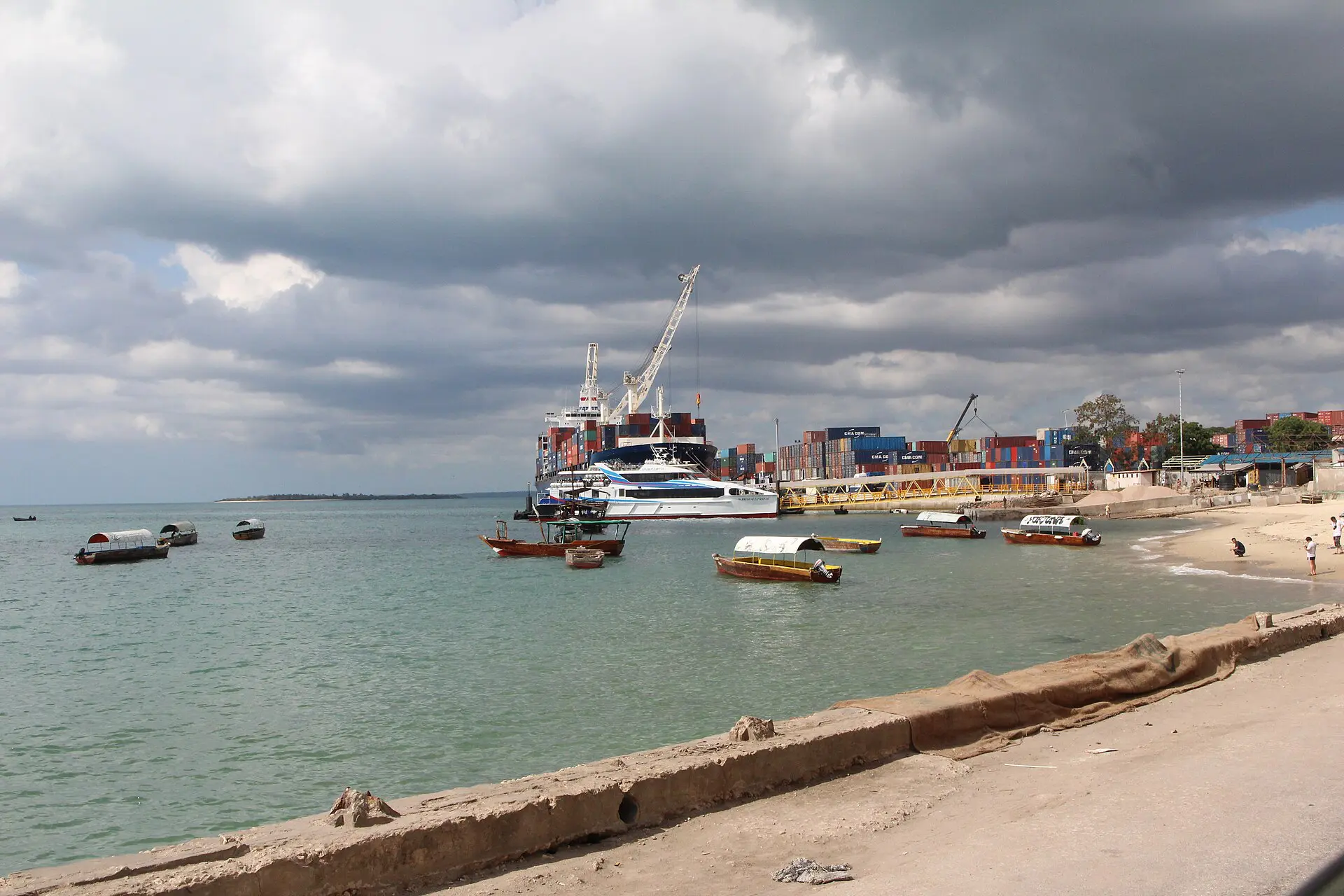

On the island, shared minibuses called dala-dalas are the cheapest transport, but they are slow and crowded. Most visitors use taxis or a hired car and driver for transfers between Stone Town and the beaches, typically an hour or so each way. Hiring a scooter is possible but needs care and the right licence. Agree on taxi fares before you set off.
Where to stay in Zanzibar
Stone Town suits travellers who want atmosphere, history and food within walking distance. Many guesthouses and small hotels are in restored old buildings, and it works best for the first or last two nights of a stay.
The north coast around Nungwi and Kendwa has a wide range of hotels and resorts and suits couples and families wanting classic beach holidays with calm swimming and sunset views. The east coast, around Paje and Jambiani, has a quieter, more informal feel and suits kiteboarders, backpackers and anyone who prefers smaller guesthouses.
Tides affect swimming on the east coast, so check this before choosing. Book early for the dry season and the end-of-year holidays.
How many days do you need?
Four days is the minimum for a good taste of Zanzibar, combining Stone Town and a beach. A week gives you time to try more than one coast, add a dive or dolphin trip and fully relax. Safari travellers often add three or four days of beach after a mainland trip.
- Day 1: Arrive and explore Stone Town, wander the old lanes and eat by the waterfront in the evening.
- Day 2: Join a spice tour in the morning, then transfer to a beach on the north or east coast.
- Day 3: Swim, snorkel or dive. Visit a sandbank or reef trip, and enjoy a sunset on the beach.
Day trips and nearby
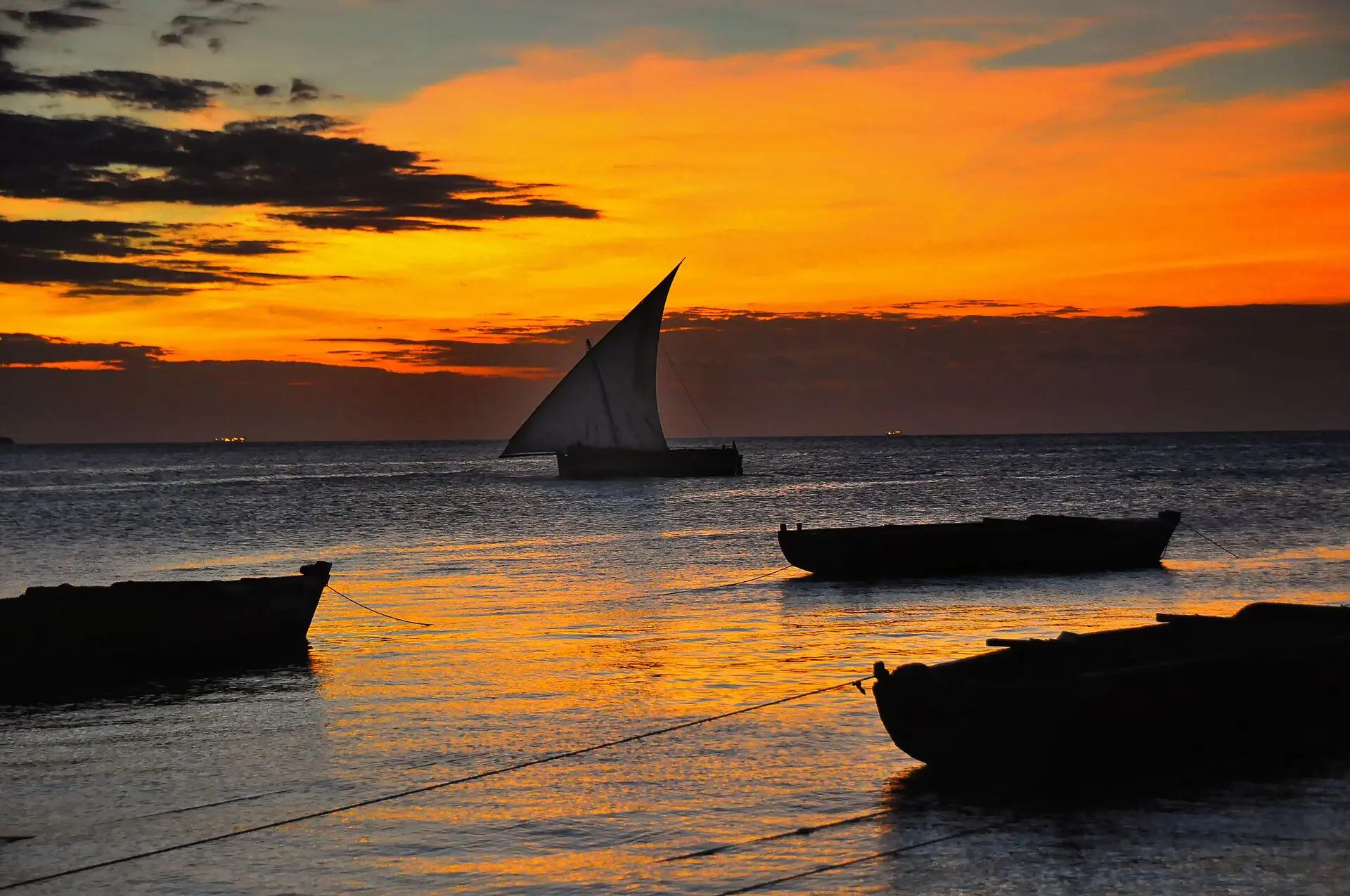

Stone Town
Even if you stay on the coast, Stone Town works as a day trip by taxi. Allow about half a day for the lanes, markets and old buildings, and go early to beat the heat.
Dar es Salaam
Tanzania’s largest city is a ferry or short flight away. Most visitors only pass through it, but it can fit a day if you have time between connections. Check ferry times before planning.
Bagamoyo
This historic coastal town on the mainland has old buildings and a long trading history. It is usually visited from Dar es Salaam rather than from the island, so plan it as part of a mainland stay.
Mafia Island and mainland safari parks
Mafia Island is a quieter marine destination for divers, while Serengeti, Tarangire and the Selous area (now largely Nyerere National Park) are the mainland safari areas many travellers combine with Zanzibar. These need separate flights or tours and a few days each.
FAQ
Q1When is the best time to visit Zanzibar?
June to October is generally the driest and most comfortable period, with good sea conditions. December to February is hotter and busy. The long rains from March to May bring humidity, showers and lower prices, with some places closed.
Q2How many days do you need in Zanzibar?
Four to seven days is typical. Spend one or two nights in Stone Town and the rest on a beach. If you add diving, a dolphin trip and a spice tour, aim for a week.
Q3How do you get to Zanzibar?
Most visitors fly to Abeid Amani Karume International Airport, including from Dar es Salaam or Arusha, or take a ferry from Dar es Salaam. Schedules change, so check current timetables and book ahead in busy seasons.
Q4Is Zanzibar expensive?
Costs range widely. Guesthouses and local food are affordable, while beach resorts and excursions cost much more. A mid-range traveller might plan on roughly USD 90-200 per day, though prices vary by season, so check current rates.
Prices, schedules and entry rules change. Check current details with official sources before you travel. Read the Tanzania travel guide.