
Why visit La Paz
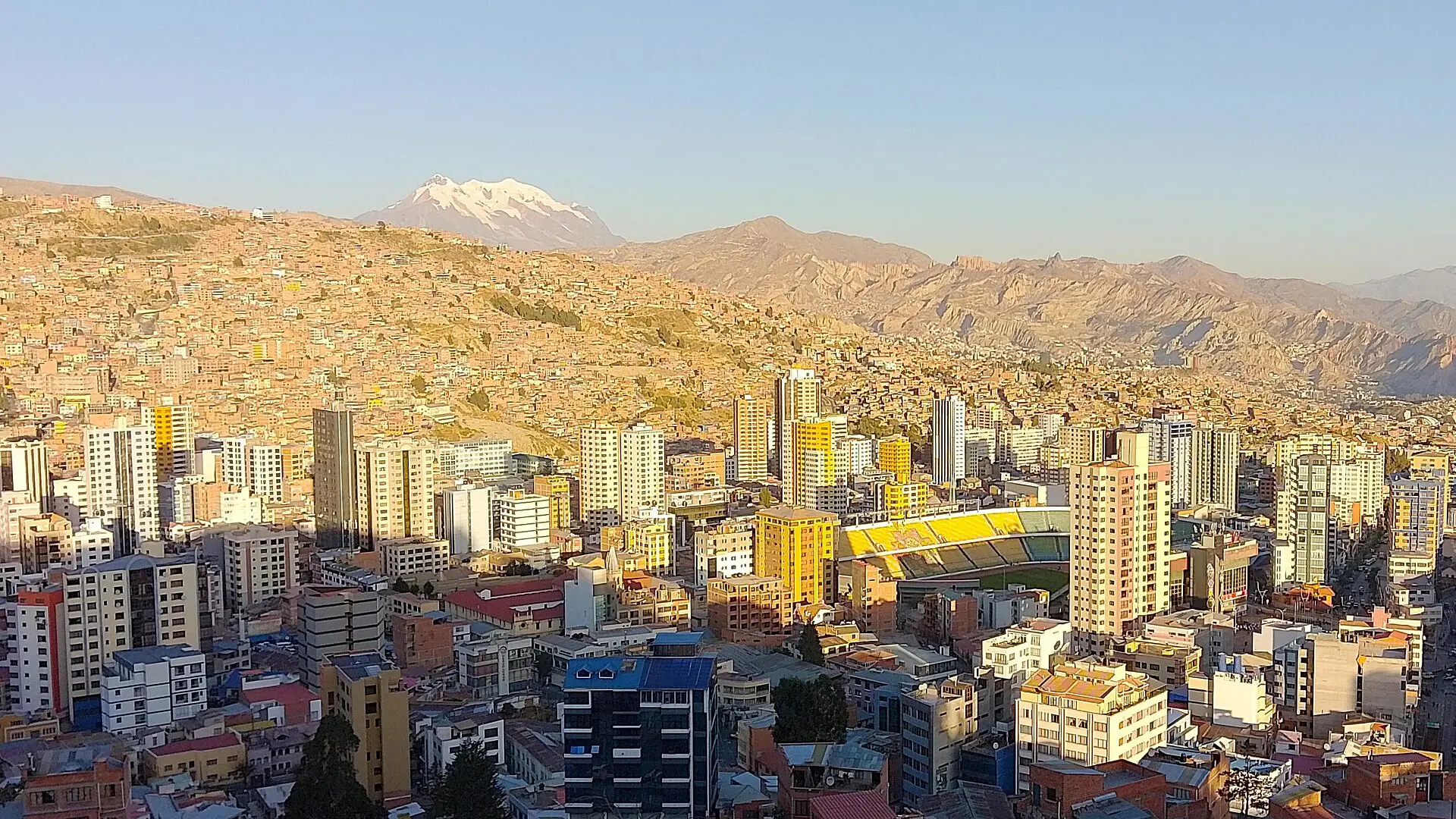
If you are planning things to do in La Paz, Bolivia, start with the setting. The city is the seat of government of Bolivia, with around 756,000 residents, and sits in a canyon created by the Choqueyapu River, in a bowl-like depression surrounded by the high mountains of the Altiplano. The triple-peaked Illimani, always snow-covered, rises over the city.
At roughly 3,650 metres above sea level, La Paz is the highest administrative capital in the world. Sucre is the constitutional capital. The city was established in 1548, and the altitude shapes daily life, from the climate to how you walk. Neighbourhoods near the bottom of the canyon tend to be more affluent, while El Alto sits above on the Altiplano. The view on arrival is dramatic, and the city is a hub for Lake Titicaca and the salt flats.
Top things to do in La Paz

Cable cars
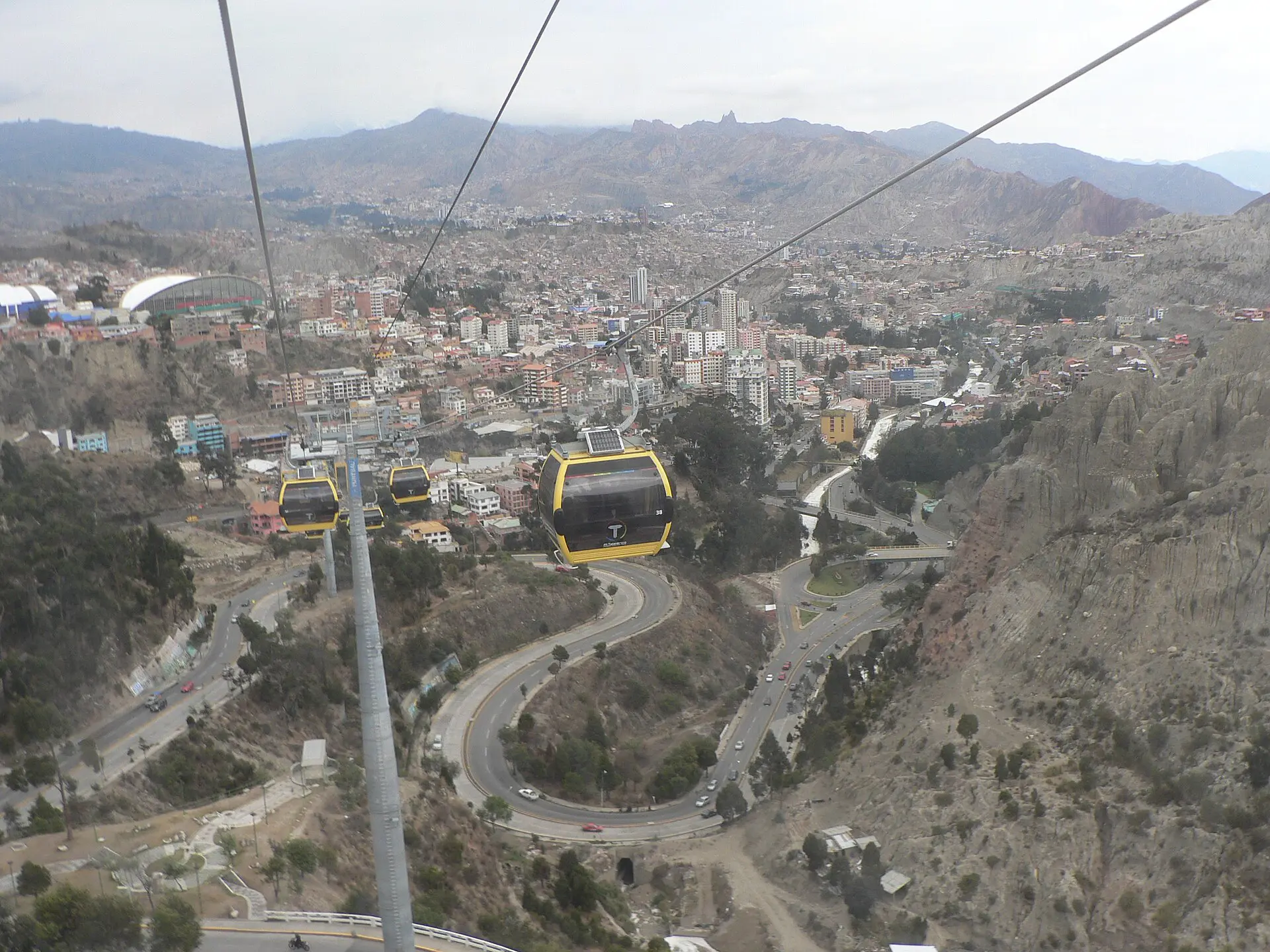
The city’s cable car network links La Paz with El Alto and offers some of the best views over the canyon. Allow one to two hours for a ride or two. Check which lines are running and avoid peak commuting hours for a quieter trip.
Plaza Murillo
Plaza Murillo is the main square near the government buildings and the cathedral, a central spot for people-watching and an easy base for the old centre. Allow an hour. Stay aware of your belongings in crowds, and check access if protests or events are taking place.
Witches’ Market
The Mercado de las Brujas sells herbs, charms and traditional goods, and gives a glimpse of Andean customs. Allow 30 to 60 minutes. Ask before photographing people or stalls, and bargain politely when you buy souvenirs.
Valle de la Luna
The Valle de la Luna is a landscape of eroded rock formations on the southern edge of the city, reached by taxi or minibus. Allow around two hours. The paths are short but at altitude, so walk slowly and bring water and sun protection.
Calle Jaen and museums
Calle Jaen is a preserved colonial street in the old town with several small museums. Allow two hours. Opening hours vary and some close on certain days, so check ahead and carry small change for the entrance fees.
Mirador Killi Killi
Killi Killi is a hillside viewpoint with wide views of the city and Illimani, especially good in the late afternoon. Allow an hour. Go by taxi and avoid walking alone at dusk, and bring a warm layer as it gets cold when the sun sets.
Best time to visit La Paz
La Paz has an unusual subtropical highland climate, with rainy summers and dry winters. The dry season, roughly May to October, brings clear skies and sunny days, though nights can be cold, often near freezing. This is the best period for views of Illimani and for day trips. The rainy season, roughly November to March, brings afternoon showers, mud on some roads and occasional hail, and cloudier skies. Temperatures are cool all year because of the altitude, so pack layers, sun protection and warm clothing for the evenings. Prices are generally highest in the dry season.
How to get to La Paz and around
La Paz is served by El Alto International Airport, located in the city of El Alto at roughly 4,000 metres above sea level, above the canyon. Flights connect La Paz with Santa Cruz, Lima, Bogota and other cities. Taxis and shuttles run into the centre, usually in 30 to 45 minutes. Check current options.


Buses connect La Paz with Copacabana, Oruro, Sucre and other cities, and routes to Peru cross at Lake Titicaca. Inside the city, minibuses, taxis and the cable cars are the main ways to move around, and streets are steep. At altitude, take things slowly, drink water, avoid heavy meals on the first day and talk to a doctor before travelling if you have heart or lung conditions.
Where to stay in La Paz
The old centre, near Plaza Murillo and Calle Jaen, is convenient for sights and markets, with a mix of budget and mid-range hotels. It can be busy and noisy. The Sopocachi neighbourhood is known for restaurants, cafes and a more relaxed feel, and suits travellers who want a quieter evening.
The lower southern neighbourhoods, where the altitude is slightly lower and the climate milder, have more upscale hotels and suit visitors who struggle with altitude. Ask about heating, as many buildings do not have central heating, and look for oxygen or coca tea at your hotel.
How many days do you need?
Two days covers the main sights, and three days allows for slower acclimatisation and a day trip. If you plan to hike or visit Lake Titicaca, add more days.
- Day 1: Take it slowly. Ride a cable car, visit Plaza Murillo and walk the Witches’ Market.
- Day 2: Visit Calle Jaen, then go to Valle de la Luna in the afternoon.
- Day 3: Take a day trip to Lake Titicaca or Tiwanaku, or watch sunset at Killi Killi.
Day trips and nearby

Lake Titicaca and Copacabana
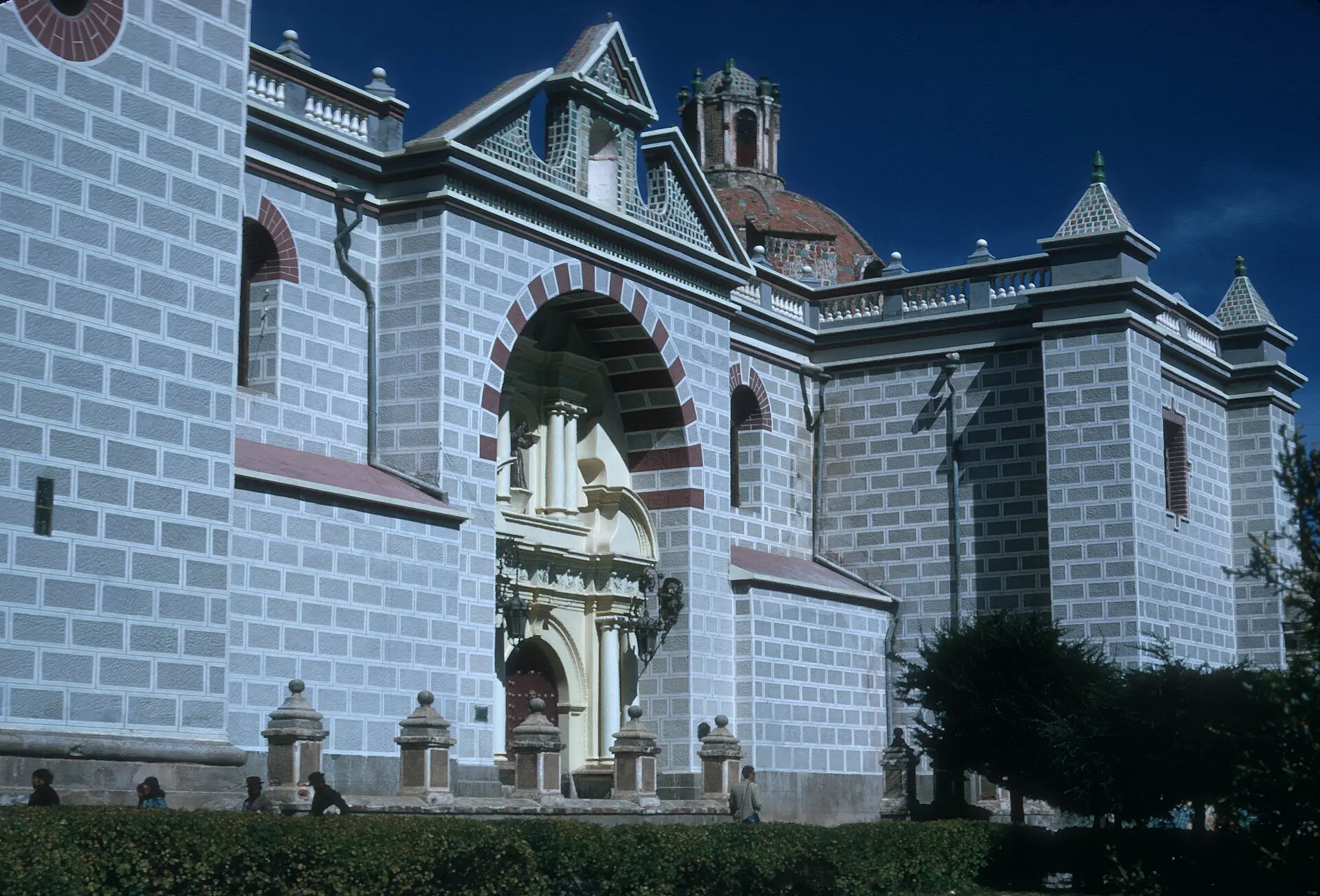
Lake Titicaca lies about 68 kilometres northwest of La Paz, and Copacabana is its main town on the Bolivian shore. Allow a long day, or stay overnight. Check bus times, and bring warm layers for the lake.
Isla del Sol
Isla del Sol is an island in the lake known for Inca history and walking paths. It is reached by boat from Copacabana, so it suits an overnight stay. Altitude and steep paths make hiking tiring, so go slowly.
Salar de Uyuni
The salt flats of Uyuni are a major draw for visitors to Bolivia, but they lie far from La Paz. Allow at least three days for a round trip including the tour, and travel by overnight bus or flight. Check seasonal conditions.
Sucre
Sucre is the constitutional capital, with a colonial centre and a milder climate at lower altitude. It is a short flight from La Paz and works as a separate stay of two or three days. Check flight schedules.
FAQ
Q1When is the best time to visit La Paz?
May to October is the dry season, with clear skies and the best views of Illimani, though nights are cold. November to March is rainy, with afternoon showers and cloudier days. Pack layers whenever you go, as the altitude keeps temperatures cool.
Q2How many days do you need in La Paz?
Two to three days covers the cable cars, Plaza Murillo, the Witches' Market and Valle de la Luna. Spend the first day taking it easy to adjust to the altitude. Add time if you want Lake Titicaca or Sucre.
Q3How do you get to La Paz?
El Alto International Airport serves La Paz, with flights from Santa Cruz, Lima and other South American cities. Taxis and shuttles take about 30 to 45 minutes to the centre. Buses also link La Paz with Copacabana, Oruro and Sucre.
Q4How do you handle the altitude in La Paz?
The city sits at roughly 3,650 metres, so rest on arrival, drink water, avoid alcohol and heavy meals on the first day and walk slowly. Ask your doctor about medication beforehand, especially if you have heart or lung problems.
Prices, schedules and entry rules change. Check current details with official sources before you travel. Read the Bolivia travel guide.