Why visit Puerto Natales
If you are planning things to do in Puerto Natales, the main reason to come is the surrounding landscape. The town has around 19,000 people and is the gateway to trekking in Torres del Paine and Bernardo O’Higgins National Parks.
It offers good infrastructure for a small place, including trekking shops and supermarkets, though prices are not low and gear is often cheaper in Punta Arenas. The town is the last practical place to buy food and fuel at normal prices before the park, where costs are much higher.
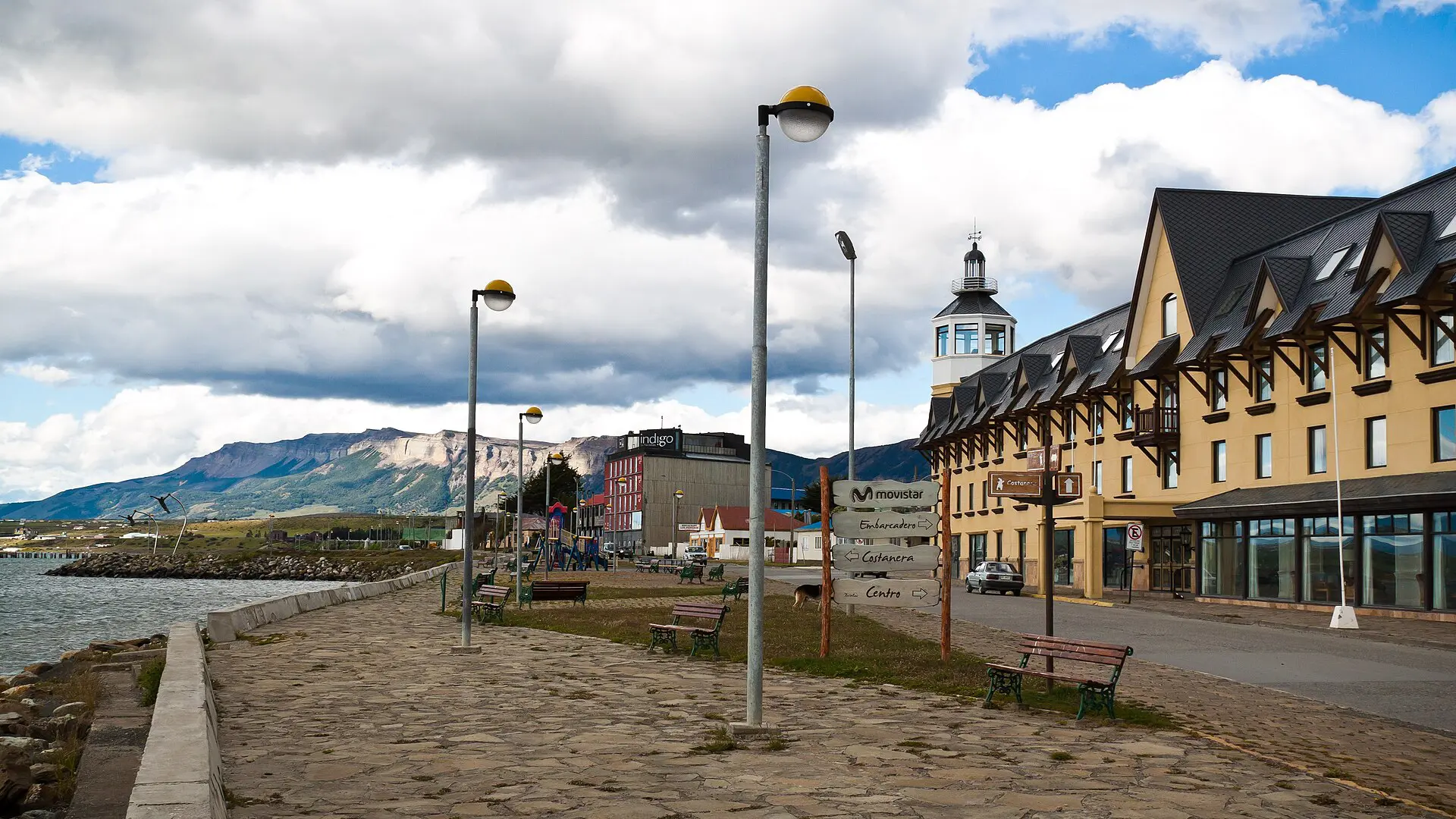
The town is built along the Señoret Channel, with views toward the mountains, and many residents descend from immigrants from Chiloé, which shows in cooking and building styles. Most visitors stay a night or two, and use it as a base.
Top things to do in Puerto Natales
Costanera and the Señoret Channel
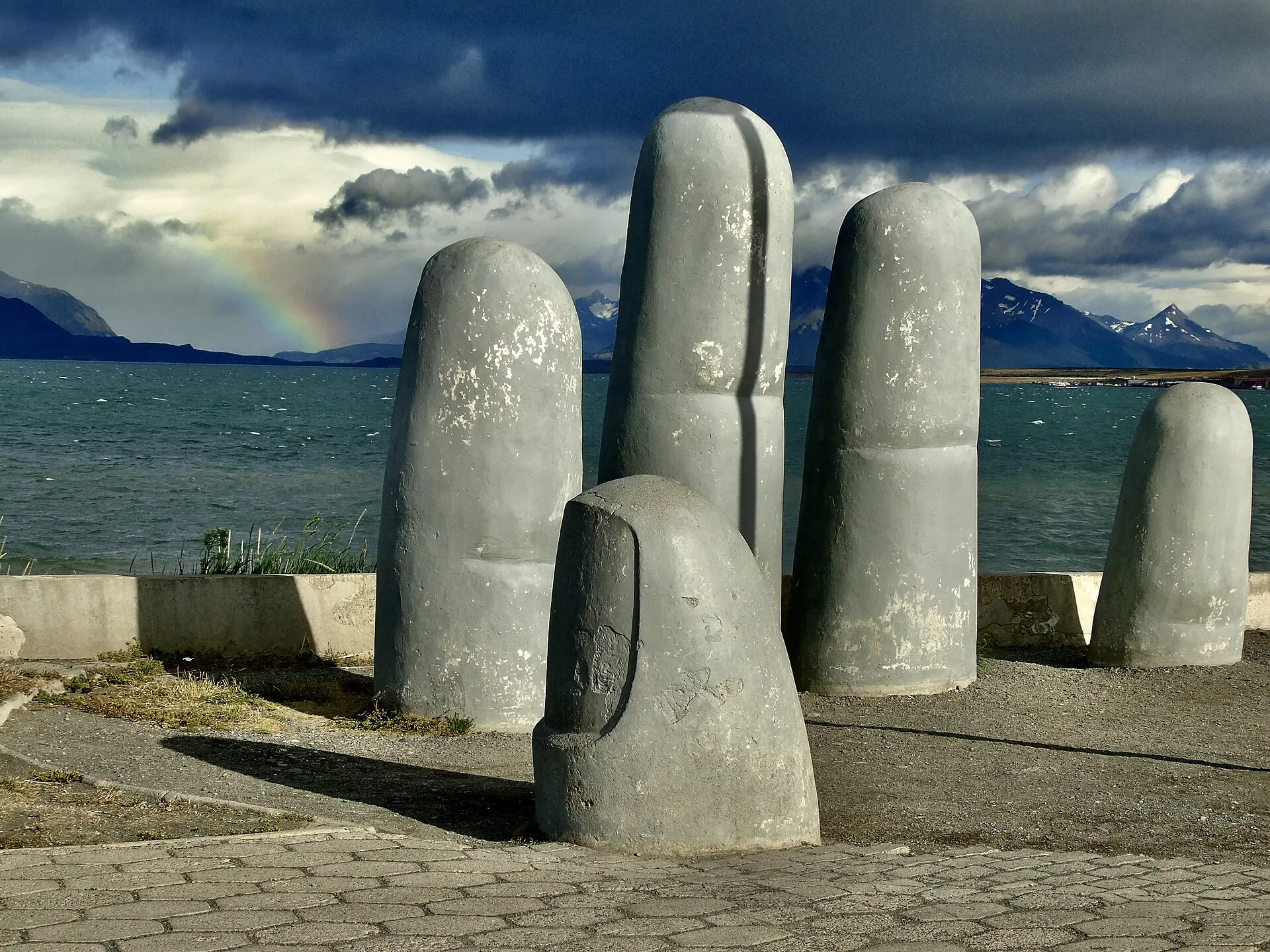
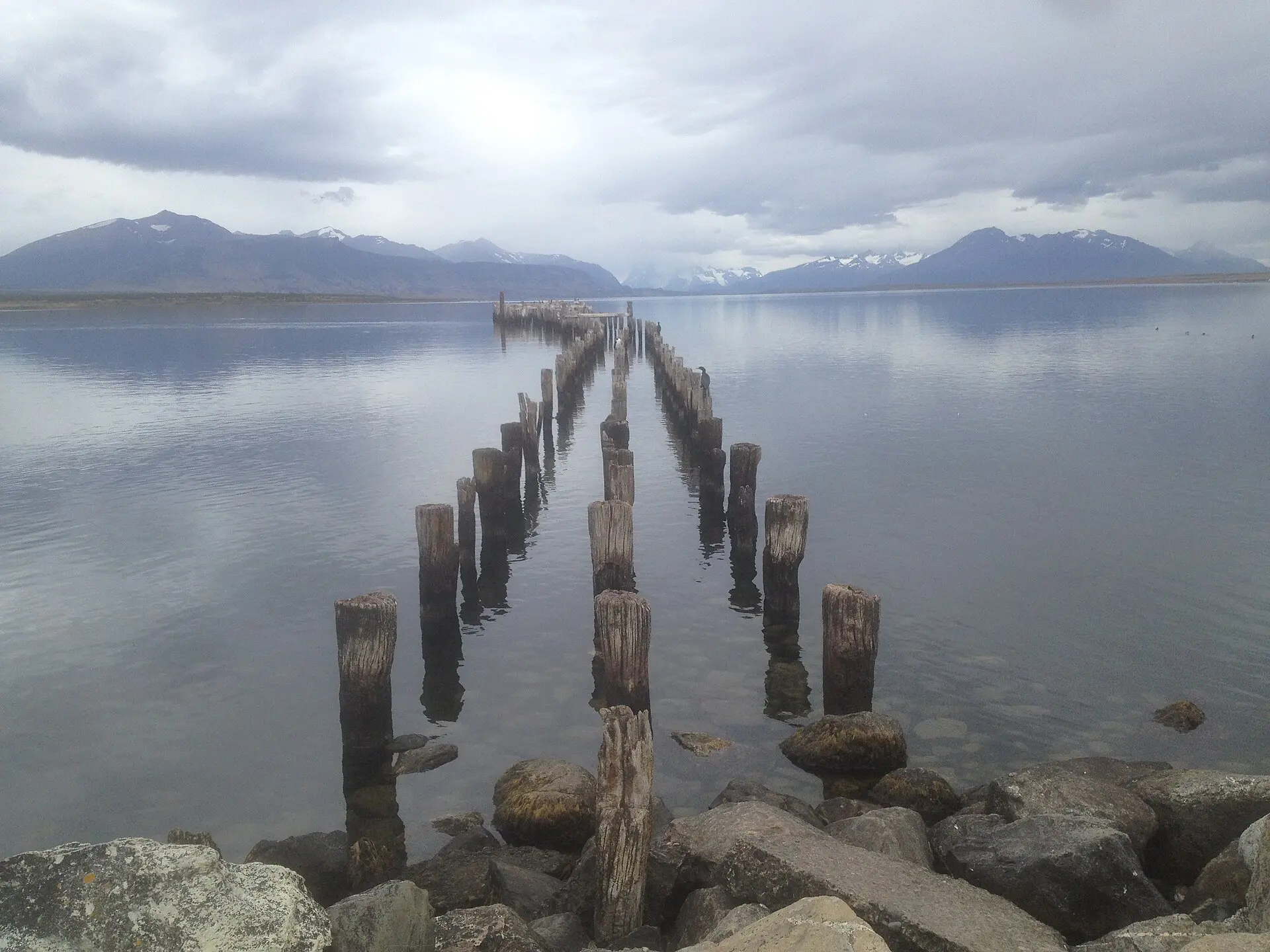
The waterfront promenade is the best place for a relaxed first walk, with views across the channel to snowy peaks and birdlife on the water. Allow an hour. Go in the evening for good light, and bring a windproof layer.
Plaza de Armas
The main square is the centre of town and a short walk from most hotels and restaurants. It is a useful orientation point, with tour agencies and gear shops nearby. Allow 30 minutes, and use it to compare tour options.
Torres del Paine National Park
The park is the main draw, with trekking routes, glaciers and mountains. Day trips are possible, but the main routes need several days, and park access and booking rules are strict. Reserve campsites or refuges well ahead, and check conditions.
Cueva del Milodón
This natural monument north of town includes a large cave where the remains of a giant ground sloth were found. A visit takes one to two hours and is easy for most visitors. Check opening hours and entry fees, and go by bus, car or tour.
Bernardo O’Higgins National Park and glacier boat trips
Boat trips from the area reach glaciers and fjords in the national park. They usually take a full day, and weather affects sailings. Dress warmly, and confirm what is included with the operator before booking.
Gear shopping and trek preparation
Many visitors spend time renting equipment, buying food and checking forecasts. It pays to start early, since popular items sell out in peak season. Compare prices between shops, and ask about rental conditions.
Local food
Regional dishes in Natales often feature lamb and seafood, reflecting Patagonian ranching and the nearby sea. Book dinner in summer, when restaurants are busy, and ask about vegetarian options if needed.
Best time to visit Puerto Natales
Weather in Patagonia is changeable and windy, and conditions can shift within a day. The main trekking season runs roughly from October to March, with long daylight hours in summer.
| Season | Weather | Crowds and prices |
|---|---|---|
| Summer (December to February) | Mild, long days, windy | Busiest, highest prices |
| Spring and autumn (October to November, March to April) | Cool, changeable | Fewer crowds, good value |
| Winter (June to August) | Cold, short days, snow | Quiet, many services closed |
If you want refuges or campsites in the park, book months ahead for summer.
How to get to Puerto Natales and around
Most travellers reach Puerto Natales by bus from Punta Arenas, which has the main regional airport, a journey of a few hours. Check timetables, as services are more frequent in summer. Puerto Natales has a small airport with limited flights, depending on the season.
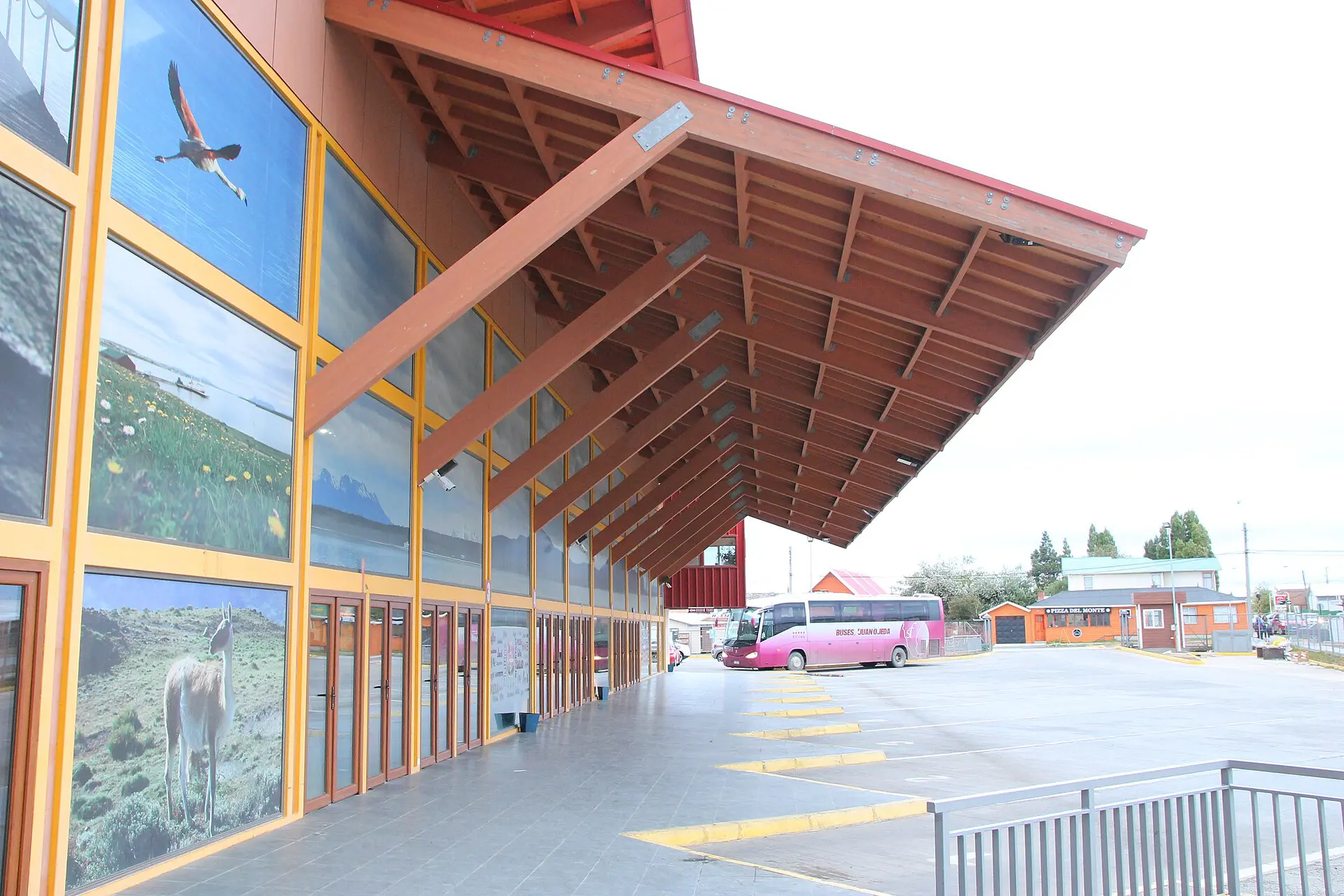
Buses and shuttles run from the town to Torres del Paine in season, and many tours offer transfers. Book park transport and entry tickets in advance if you can, and confirm the latest park rules.
The town is small and walkable. Taxis are available, and some visitors rent a car to reach Cueva del Milodón and nearby viewpoints. Roads can be rough, and wind and weather affect driving, so check conditions.
Where to stay in Puerto Natales
The streets near the waterfront and Plaza de Armas are the most convenient. You are close to restaurants, gear shops and bus terminals, and it is the best choice for short stays and early starts.
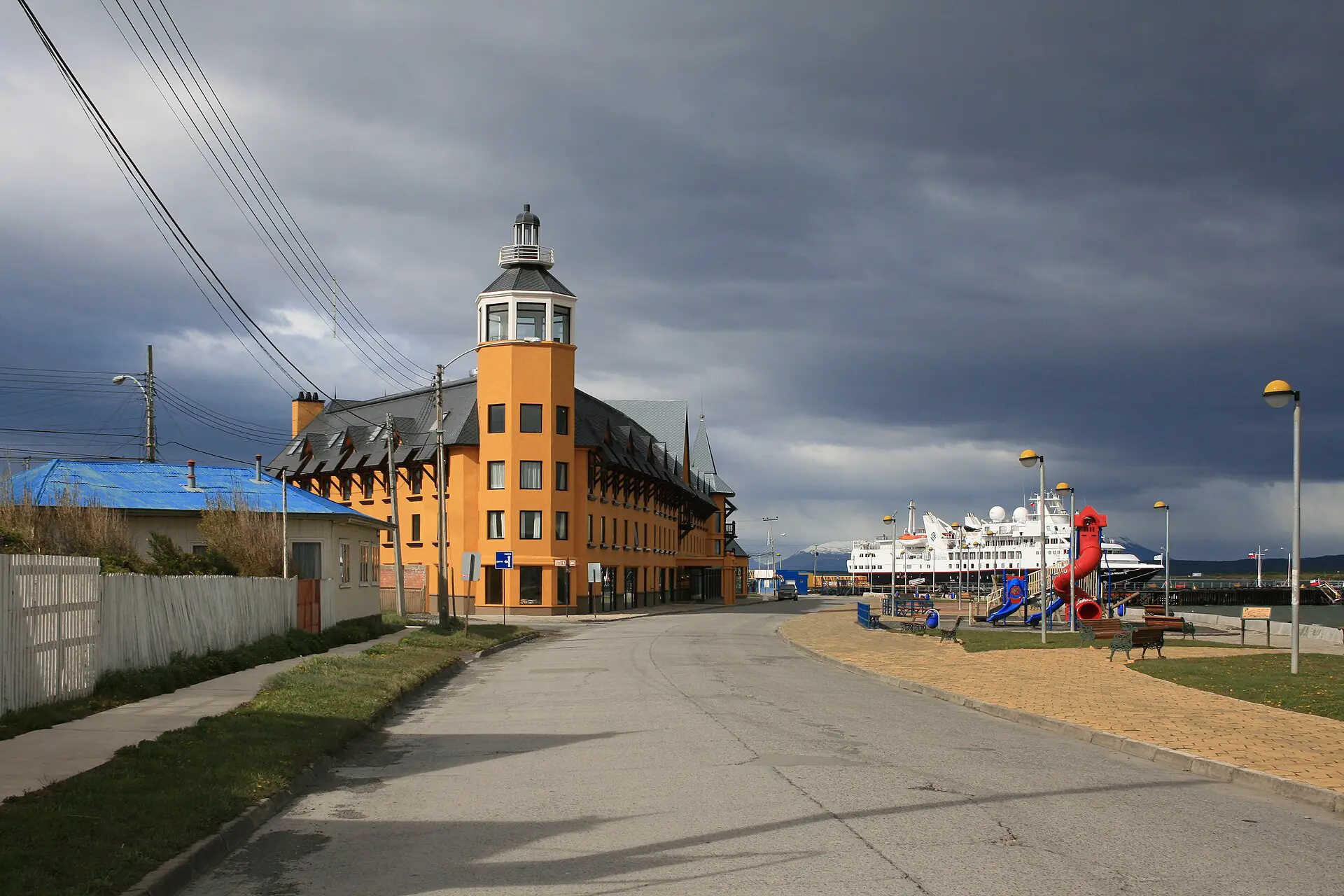
Hostels and guesthouses are common and suit budget and solo travellers, offering shared kitchens and trek information. Quality varies, so read recent reviews. Staying a few blocks from the centre often brings lower prices and quieter nights.
Some visitors choose lodges or hotels outside town toward the park, which offer scenery and early access but cost more. They suit travellers with a car or a set trek plan. Book far ahead for December to February, when beds are scarce.
How many days do you need?
One or two days in town is enough, since most time goes into the parks. A day lets you prepare gear and walk the waterfront. A second day allows a trip to Cueva del Milodón or a glacier boat tour. Treks need extra days.
- Day 1: Arrive, rent or buy gear, walk the Costanera and eat in town.
- Day 2: Visit Cueva del Milodón, or take a boat trip to the glaciers of Bernardo O’Higgins National Park.
- Day 3 and beyond: Travel to Torres del Paine for a day hike or a multi-day trek.
Day trips and nearby
Torres del Paine National Park
The park lies north of town, and the trek there can be a long day or several days. A day trip gives a taste of the scenery, but longer routes need more time. Check entry rules and book in advance.
Cueva del Milodón
The cave is a short drive from town and suits a half-day trip. It is easy and good for families. Check hours and prices, and combine it with a viewpoint stop on the way back.
Punta Arenas
Punta Arenas is a few hours south, with museums, mansions and a Magellan Strait waterfront. It works for a day or an overnight stay, especially if you fly in or out there. Check bus schedules.
Glaciers and fjords by boat
Boat tours in the Last Hope Sound area reach glaciers and fjords. They suit those who prefer not to trek. Trips take most of a day, so book early in peak months and bring warm clothing.
FAQ
Q1When is the best time to visit Puerto Natales?
October to March is best for trekking and boat trips, with longer days and milder weather. December to February is busiest and most expensive. Winter is cold and quiet, and many services close, so confirm availability if you go then.
Q2How many days do you need in Puerto Natales?
One to two days is enough for the town itself, plus time to prepare for treks. Add extra days for Torres del Paine, where popular routes take several days. Book park accommodation and tickets well in advance for summer.
Q3How do you get to Puerto Natales?
Most visitors take a bus from Punta Arenas, a journey of a few hours, after flying from Santiago. Puerto Natales has limited flights in some seasons. Buses run to Torres del Paine from the town, with more frequent services in summer.
Q4Is Puerto Natales expensive?
Prices are moderate to high, especially in summer, and supermarkets and gear shops are not cheap. Food and fuel are much cheaper in town than inside the park. Buying gear in Punta Arenas can save money.
Prices, schedules and entry rules change. Check current details with official sources before you travel. Read the Chile travel guide.