Why visit Santiago
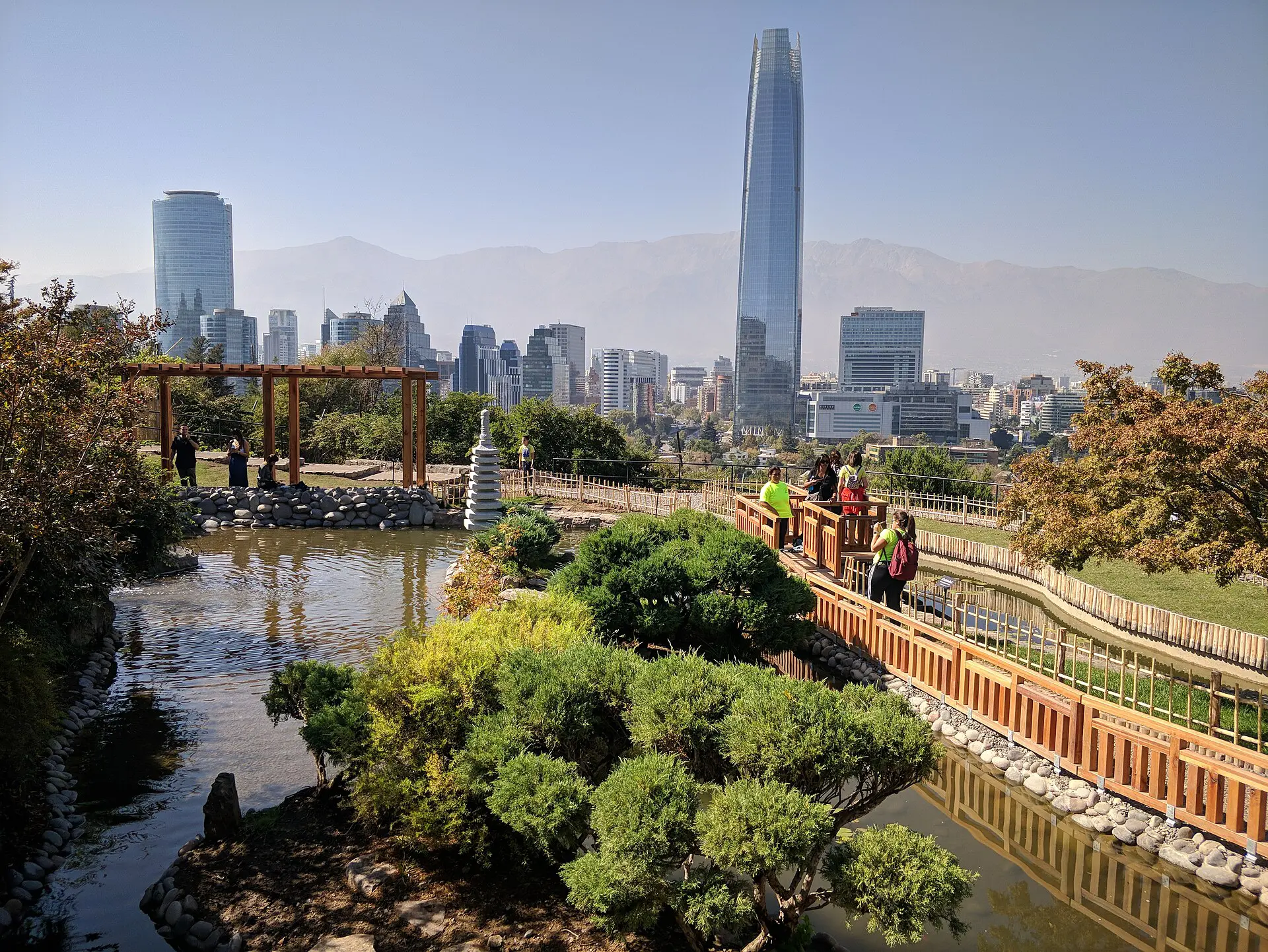
If you are planning things to do in Santiago, Chile, start with the setting. The capital sits in the Chilean Central Valley, between the Andes to the east and the Coastal Range to the west, and on a clear day the mountains frame almost every street view.
It is both the gateway to the country and a destination in its own right, with a varied architectural mix and an active food and cultural scene. Greater Santiago has roughly 7 million people and holds more than a third of the national population, so expect a large, busy metropolis rather than a compact old town.
The city was founded in 1541 by Pedro de Valdivia around what is now the Plaza de Armas, and that colonial core still anchors the centre. Its central position makes it a practical base: you can ski in the Andes in winter and reach the Pacific beaches in the same day. Use it as a start or end point for longer journeys to the north and south of the country.
It rewards a short, well-planned stay more than a long one, as the best sights cluster in a few districts.
Top things to do in Santiago
Plaza de Armas and the historic centre
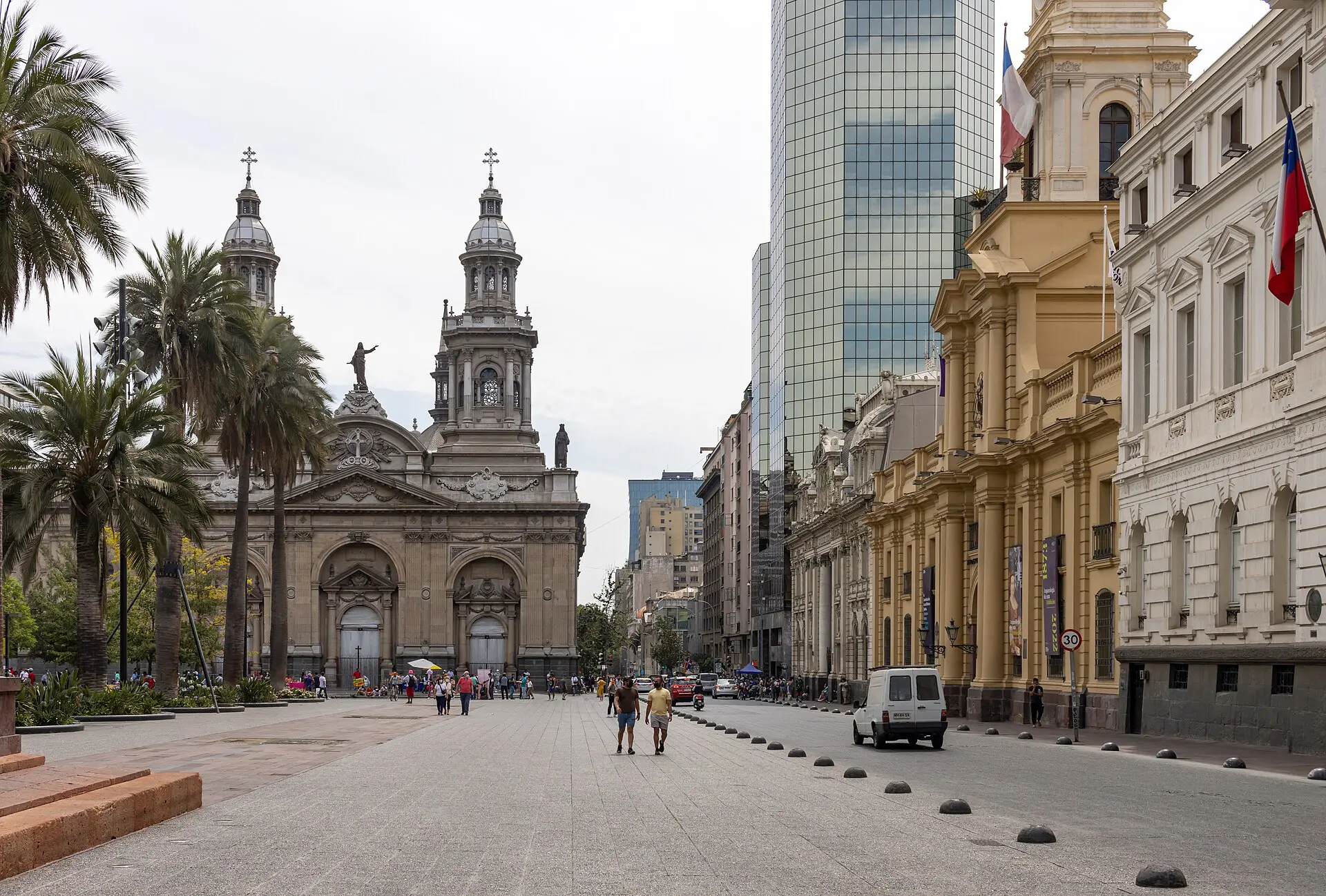
The plaza is the point from which the colonial grid was laid out in 1541, and it is the easiest starting point for a walk. Allow two to three hours to take in the square, the cathedral and the surrounding streets. Go in the morning when the centre is calmer and keep valuables out of sight in crowded areas.
Cerro San Cristobal
This hill in the Bellavista and Providencia area gives wide views across the basin to the Andes. You can walk up, drive or use public transport options that operate on the hill, and half a day is plenty. Check opening times for any funicular or cable car before you go, and aim for a clear morning.
Cerro Santa Lucia
A small, landscaped hill close to the centre, good for a short break between sights. It takes about an hour with the views included. It is easy to combine with the historic core on foot, and the climb is short but has steps, so wear comfortable shoes.
Museums
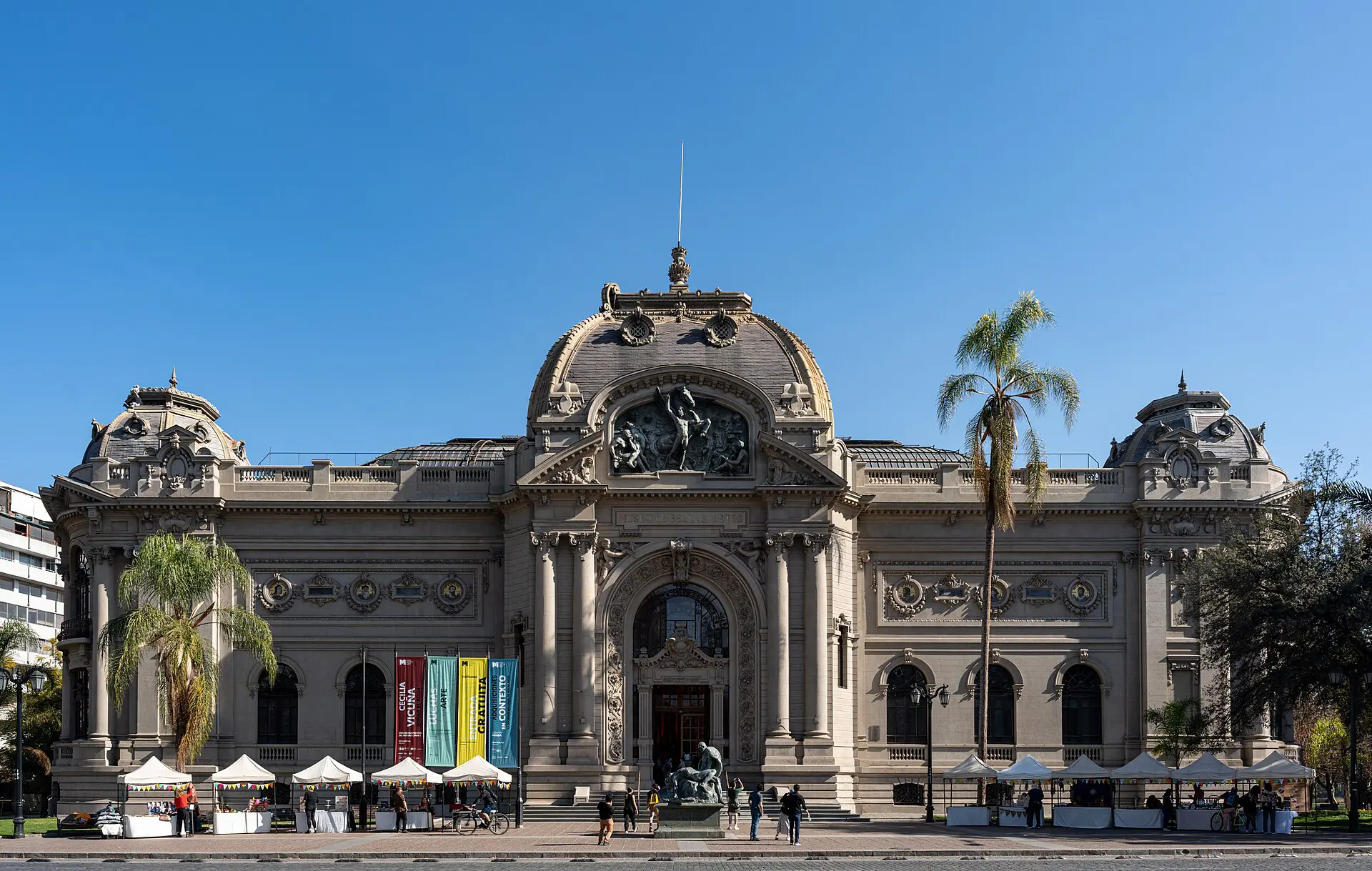
The many museums, theatres and events are a good reason to visit. Pick one or two rather than many: a museum of pre-Columbian art or one covering recent Chilean history each deserves about two hours. Opening days vary, and many close on Mondays, so check before you set out.
Neighbourhood strolls and food
Barrios such as Lastarria, Bellavista and Providencia are good for cafes, bars and restaurants, and you can spend an afternoon moving between them. Eat late by European standards if you want a lively room, and ask for the set lunch menu, which is often cheaper than dinner.
Wine country
Wineries in the valleys near the capital can be visited on half-day or full-day trips. Book a tasting in advance, and arrange a driver or an organised tour so that nobody drives after tasting. Harvest season in late summer and early autumn is the most atmospheric time.
Andes viewpoints and skiing
In winter, ski areas in the Andes can be reached in a day, and in summer the foothills offer walking. Weather and snow vary, so check conditions and road status on the day. Allow a full day including transfers.
Best time to visit Santiago
Santiago is in the southern hemisphere, so the seasons are reversed. The valley has a Mediterranean-style climate, with warm dry summers and cooler, wetter winters. Spring and autumn are comfortable for walking, and the Andes are usually at their clearest after rain.
| Season | Weather | Crowds and prices |
|---|---|---|
| Summer (December to February) | Hot and dry | Many locals leave for the coast; hotels in the centre can be quieter |
| Autumn (March to May) | Mild, clearer air | Good value; wine harvest |
| Winter (June to August) | Cool, some rain, snow on the mountains | Ski season raises prices nearby |
| Spring (September to November) | Warming up | Moderate |
Winter can bring poor air quality in the basin on still days, so check forecasts if you are sensitive to it.
How to get to Santiago and around
Most visitors arrive by air. The main international airport, Arturo Merino Benitez, is northwest of the centre, and the transfer typically takes 20 to 40 minutes depending on traffic. Airport buses, taxis and ride-hailing apps are the usual options; confirm current fares and which app works best on the day.
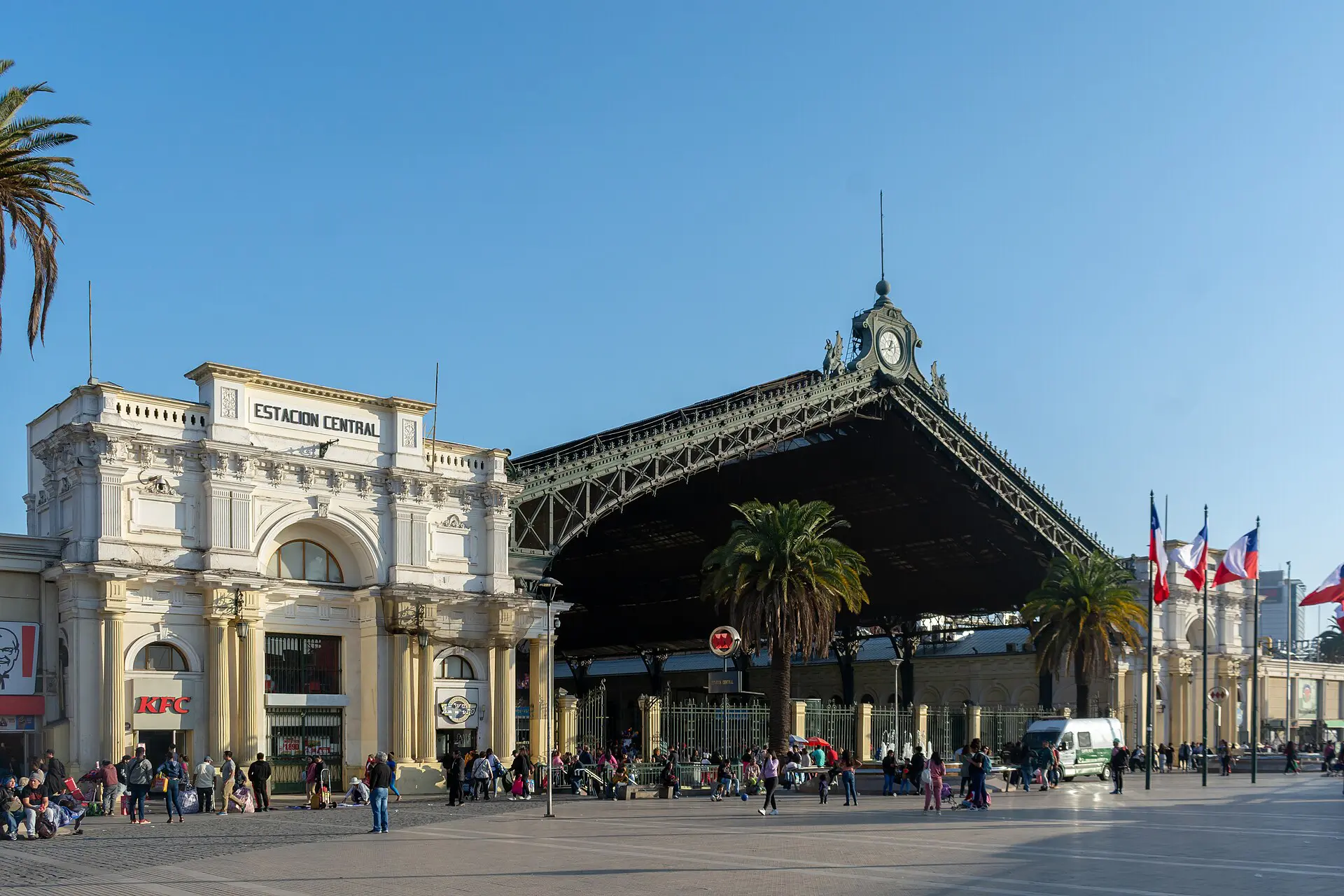
Long-distance buses connect the city with coastal towns such as Valparaiso and with destinations north and south, and they are a common, affordable way to travel within Chile. Several terminals serve different routes, so check which one your bus uses.
Within the city, the Metro is the backbone of public transport. It is generally fast and straightforward, though crowded at peak hours. Buses fill the gaps, and a rechargeable card is normally used for fares. Taxis and ride-hailing are common, and the central districts are walkable. Avoid leaving bags visible on tables or seats, and take normal city precautions at night.
Where to stay in Santiago
Choose your area by what you plan to do. The historic centre is the most convenient for sights and transport, and suits first-time visitors who want to walk to the main squares, though it is quieter in the evening and can feel less polished at night.
Lastarria and the nearby Bellavista area suit travellers who want cafes, restaurants and nightlife on the doorstep, with easy access to the hills. Providencia and the business districts to the east offer a calmer, more residential feel, good Metro links and a range of mid-range and higher-end hotels, which suits longer stays and business trips.
If you only need a bed before an early flight, a hotel near the airport works, but you give up the evening atmosphere. Book earlier for the ski season and for holiday weeks, and check recent reviews for noise and security.
How many days do you need?
Two full days cover the main sights, and a third gives you time for a wine valley or the coast. One day is enough only if you are passing through, in which case focus on the centre and one hill viewpoint. If you plan to ski or visit the coast, add a day for each.
- Day 1: Plaza de Armas, the cathedral and a museum in the morning, a hill such as Santa Lucia in the afternoon, dinner in Lastarria.
- Day 2: Cerro San Cristobal for the views, a walk through Bellavista, then an evening in Providencia.
- Day 3: A wine tasting trip, or a day by bus to the coast, returning for dinner.
Day trips and nearby
Valparaiso
The port city on the Pacific coast is known for its hillside neighbourhoods and funiculars. It is usually done as a day trip by bus, which takes roughly 1.5 to 2 hours each way, and it is best explored on foot with good shoes.
Vina del Mar
A neighbouring resort city with beaches and gardens, easy to pair with Valparaiso in a single day. It is more relaxed and orderly than its neighbour, and beaches are best in summer, when the water is still cool.
Wine valleys
Wine estates in the valleys around the capital can be reached on organised tours or by car. Book ahead, plan a full or half day, and arrange a designated driver. Tours often include lunch.
The Andes
The mountains rising behind the city offer ski areas in winter and walks in summer, within a day’s reach. Check weather, road access and any equipment rules before leaving.
FAQ
Q1When is the best time to visit Santiago?
Spring (October and November) and early autumn (March and April) are the most comfortable, with mild weather and clear views of the Andes. Summer is hot and dry, and winter is cool with some rain and ski season in the nearby mountains.
Q2How many days do you need in Santiago?
Two to three days covers the historic centre, a hill viewpoint, a museum and a neighbourhood for dinner. Add one more day for a wine valley or Valparaiso, and extra time if you want to ski in the Andes during winter.
Q3How do you get from the airport to Santiago city centre?
The airport is northwest of the centre, and the journey generally takes 20 to 40 minutes. Options include airport buses, taxis and ride-hailing apps. Check current fares and traffic, and allow extra time at rush hour.
Q4Is Santiago safe for tourists?
Like most big cities, it has petty theft in crowded areas and on public transport, so keep valuables out of sight and stay aware at night. Most visitors have trouble-free trips. Check your government's current travel advice before you go.
Prices, schedules and entry rules change. Check current details with official sources before you travel. Read the Chile travel guide.