Why visit Buenos Aires
If you are planning things to do in Buenos Aires, think of it as a city of neighbourhoods rather than a single sight-filled centre. It is the capital and largest city of Argentina, on the western shore of the Rio de la Plata, and it is often compared to European cities for its wide avenues and architecture.
Its character comes from layers of immigration, especially from Spain and Italy, which shaped the food, language and street life. Tango, football, cafes, bookshops and steakhouses are central to daily culture, and many visitors find that evenings begin late, with dinner often after 9 pm.
Different districts offer different moods, from the colourful streets of La Boca and the historic core around Plaza de Mayo to leafy Palermo and the elegant cemetery at Recoleta. The city has an active art, theatre and music scene, and plenty of green space. Argentina’s economy and exchange rates have been volatile, so check current prices and the best way to pay before you travel. As in any large city, watch your belongings in crowded places.
Top things to do in Buenos Aires
Plaza de Mayo and the Casa Rosada
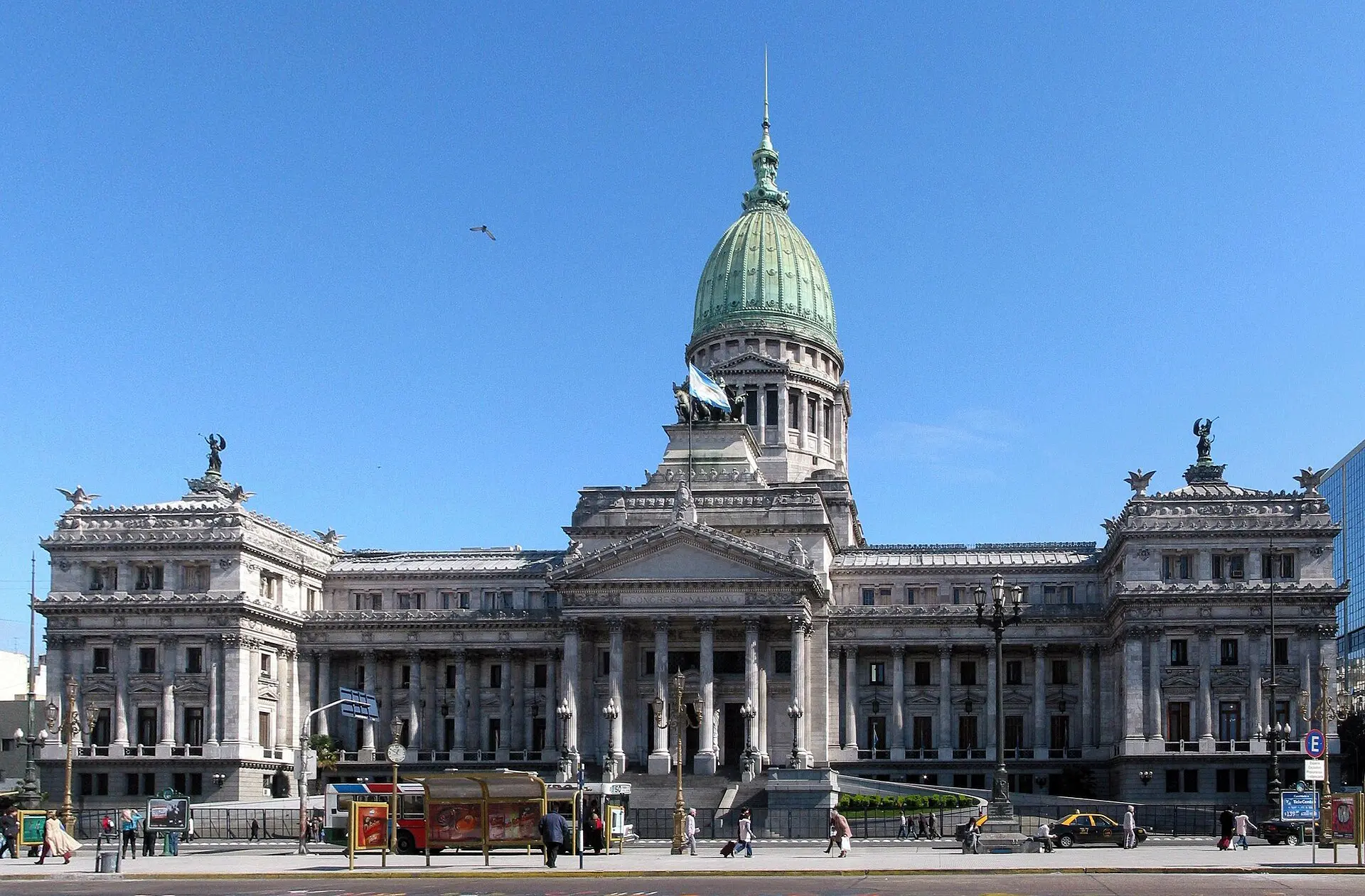
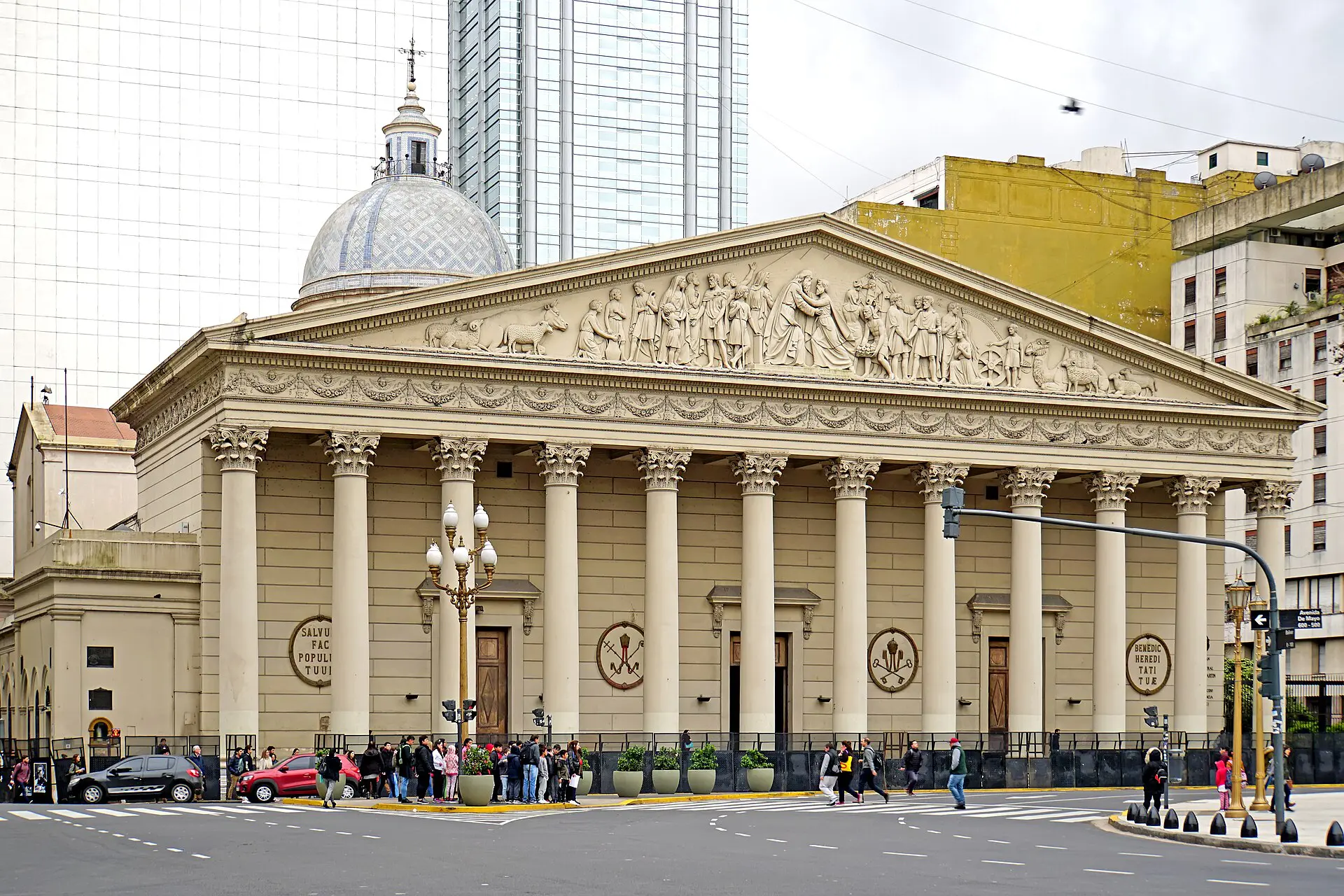
Plaza de Mayo is the political heart of the city, surrounded by the pink presidential palace, the cathedral and the old town hall. It is a good starting point for a walking tour. Allow one to two hours, and check ahead for guided visits of the palace.
Recoleta Cemetery
This cemetery is a maze of ornate family mausoleums and sculpted tombs, and it is the burial place of many notable Argentines. Allow around an hour. Entry is generally free, and guided tours are available. Nearby cafes and a cultural centre make it easy to extend the visit.
San Telmo and its Sunday market
San Telmo has cobbled streets, antique shops and old tango bars. On Sundays, a large street market fills Defensa street. Go in the morning to avoid the biggest crowds, keep your bag in front of you and bring cash for small purchases.
La Boca and Caminito
La Boca is a former port district known for its brightly painted houses along Caminito. It is touristy, and visitors are advised to stay within the main visitor area and avoid wandering into side streets. Allow about an hour, and take a taxi or tour to get there.
Tango show or milonga
Tango began in the working-class districts of the city, and you can see it in staged dinner shows or watch locals dance at a milonga. Shows can be pricey, while many milongas run lessons. Book ahead for popular venues, and check the dress code.
Palermo parks and gardens
Palermo has large parks, rose gardens and a lake, popular for strolls and weekend outings. Nearby Palermo Soho and Palermo Hollywood are busy with restaurants, boutiques and nightlife. Allow half a day, and go by day for the park and evening for dining.
El Ateneo Grand Splendid and bookshops
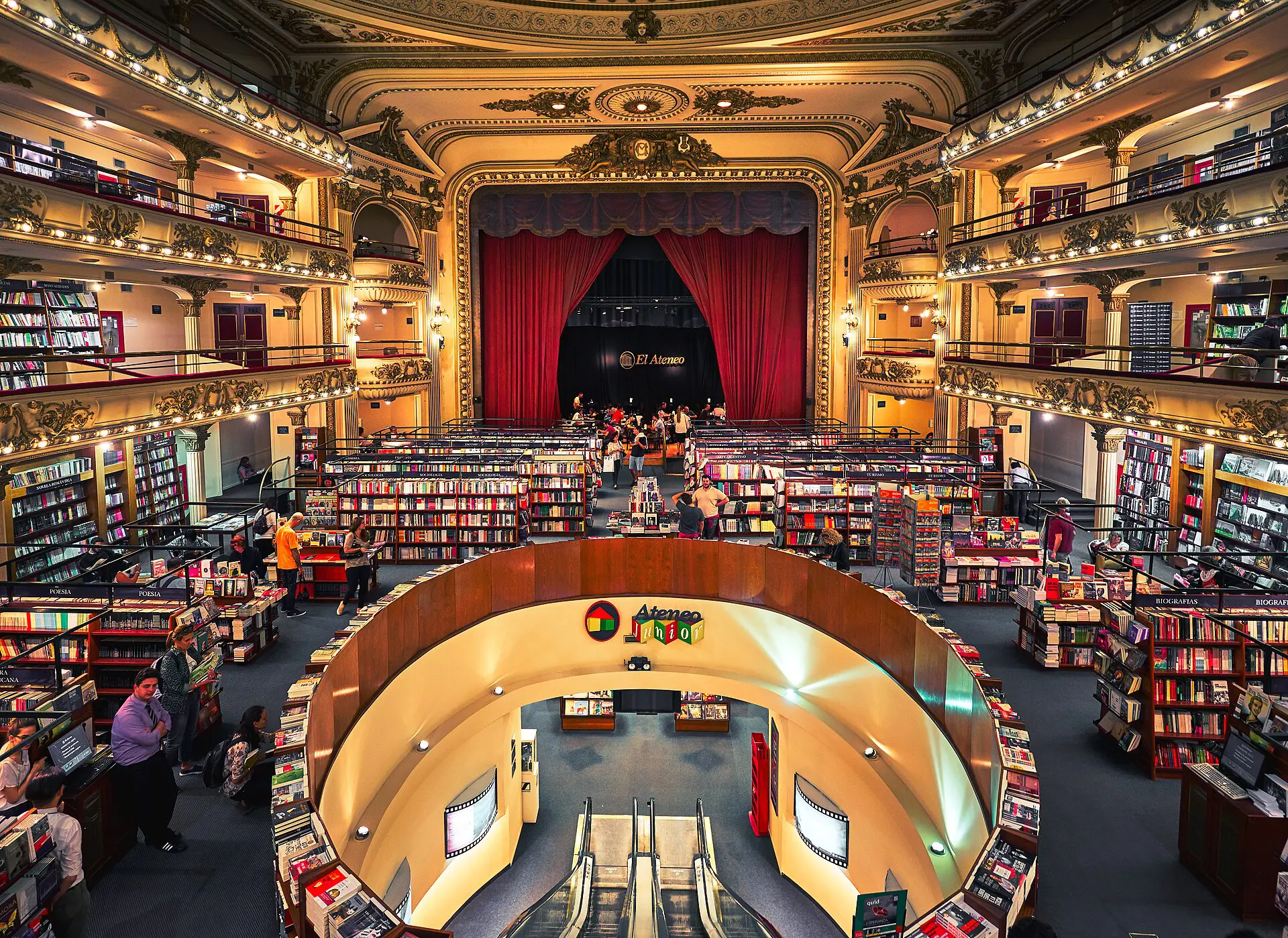
A former theatre converted into a bookshop is a well-known visit for its balconies, painted ceiling and cafe on the stage. Buenos Aires has an unusually strong bookshop culture. Allow 30 to 45 minutes, and visit early to avoid queues.
Best time to visit Buenos Aires
Buenos Aires has a humid subtropical climate. Seasons are the reverse of the northern hemisphere, so summer is from December to February.
| Season | Weather | Crowds and prices |
|---|---|---|
| Summer (Dec-Feb) | Hot, humid, with storms | Quieter in the city as locals leave, mid-range prices |
| Autumn (Mar-May) | Mild, mostly pleasant | Busy, higher prices |
| Winter (Jun-Aug) | Cool, sometimes damp | Moderate crowds |
| Spring (Sep-Nov) | Mild, jacarandas bloom in November | Busy, higher prices |
March to May and September to November are the most comfortable for walking. Summer can feel very hot and heavy, and some local businesses close for holidays in January. Winter is cool but rarely freezing.
How to get to Buenos Aires and around
International flights usually land at Ezeiza International Airport (EZE), around 30 to 40 km from the centre. Taxis, pre-booked transfers and buses connect it to the city, and journey time depends on traffic. Check current prices and use official taxi desks. Aeroparque, closer to the centre, handles most domestic flights.
Buses and ferries link Buenos Aires with Uruguay, and long-distance buses connect it with the rest of Argentina. Check which terminal your service uses.
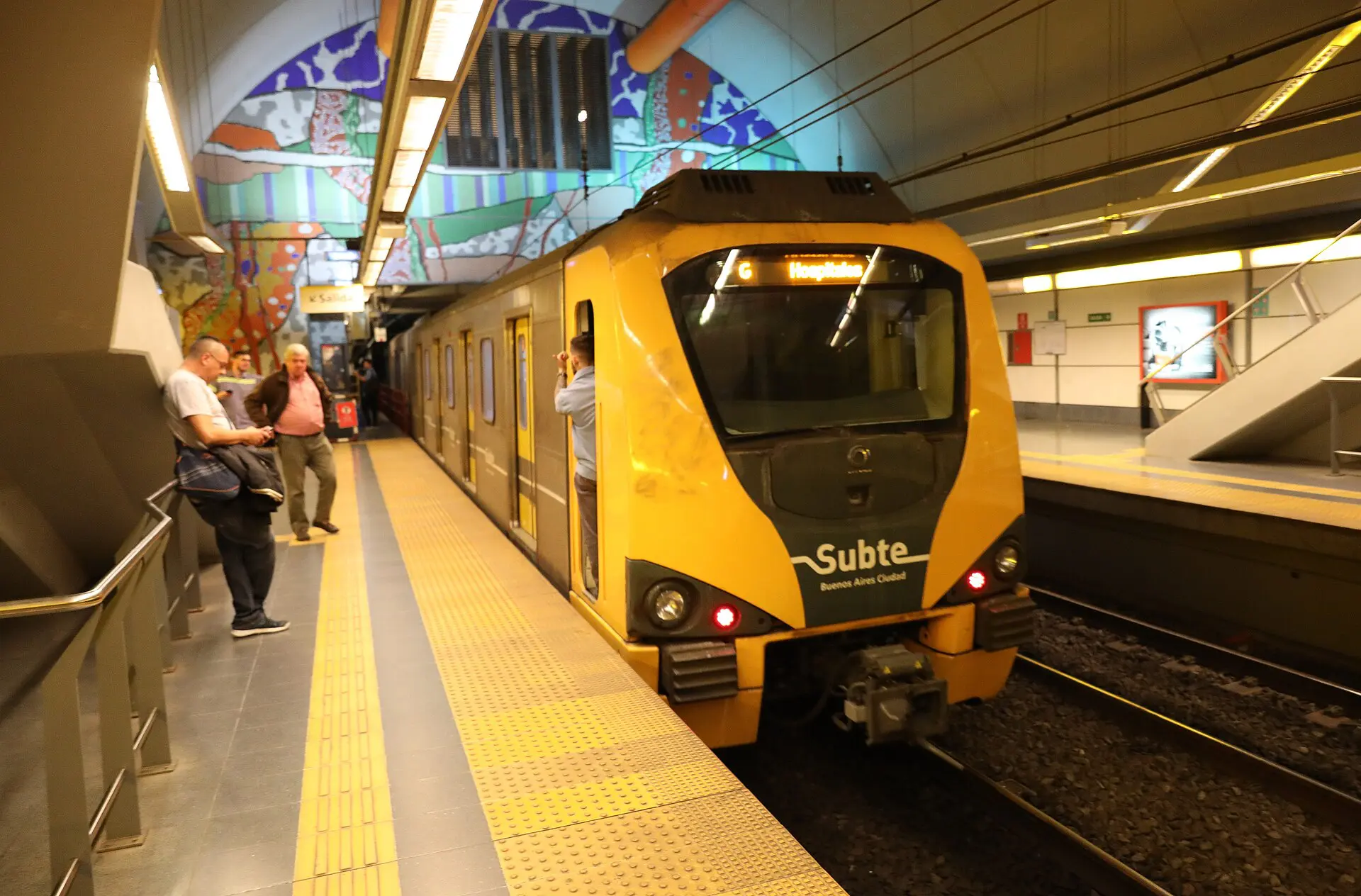
In the city, the Subte metro, buses and taxis are the main options. Public transport uses a rechargeable card, and you should check how to get and top it up on arrival. The Subte is fast but limited in coverage, while buses cover more but need more local knowledge. Ride-hailing apps and taxis are common, and many districts are pleasant to explore on foot.
Where to stay in Buenos Aires
Most visitors choose between a handful of districts, each with a different mood.
- Palermo is a popular choice for restaurants, boutiques, nightlife and parks. It is lively and safe by day and suits many first-time visitors.
- Recoleta is an elegant, quieter area with museums, cafes and a calm feel. It suits travellers who prefer comfort and a walkable setting.
- San Telmo and the historic centre offer character and easy access to old-town sights, though some streets are quiet at night.
- Retiro and the centre are convenient for transport and business, with many mid-range hotels and good metro links.
Choose accommodation near a Subte line for easy sightseeing, and ask your host about safe night-time routes.
How many days do you need?
Four days gives a good overview of the main districts, but three days works if you are selective. If you want to add a day trip, a long milonga night or leisurely cafe time, plan five or more. Buenos Aires is better absorbed slowly than ticked off a list.
- Day 1: Plaza de Mayo and the historic centre, then San Telmo in the afternoon and a tango show in the evening.
- Day 2: Recoleta Cemetery and nearby museums, then Palermo parks and dinner in Palermo Soho.
- Day 3: La Boca in the morning, then a bookshop visit and a steak dinner.
Use a fourth day for a river trip or a day outside the city.
Day trips and nearby
Tigre and the Parana Delta
Tigre is a river town north of the city, with boat trips through the delta’s channels. It is usually reached by train from Retiro and takes around an hour. Allow a full day, and check boat schedules.
Colonia del Sacramento
This historic town in Uruguay lies across the Rio de la Plata and is reached by ferry in roughly one to three hours, depending on the service. It works as a day trip or an overnight stay. Bring your passport.
Iguazu Falls
Iguazu Falls are a huge waterfall system on the border with Brazil, far to the north. It is reached by a domestic flight and normally needs at least two days. Check flight options and visa rules if you also want to see the Brazilian side.
Mendoza
Mendoza is a wine region at the foot of the Andes, reached by a domestic flight of around two hours. It suits a longer side trip of three or more days, with vineyard visits, tastings and mountain scenery.
FAQ
Q1When is the best time to visit Buenos Aires?
March to May and September to November are the most comfortable times, with mild weather and pleasant walking conditions. Summer, from December to February, can be hot and humid, while winter is cool and sometimes damp. Check the forecast and book ahead for spring and autumn.
Q2How many days do you need in Buenos Aires?
Four days is a good length for the main districts, including the historic centre, San Telmo, Recoleta and Palermo. You can see the highlights in three if you are selective. Add one or two days for a day trip to Tigre or Colonia del Sacramento.
Q3How do you get from Ezeiza Airport to central Buenos Aires?
Ezeiza International Airport is about 30 to 40 km from the centre. Official taxis, pre-booked transfers and airport buses are the usual options, and travel time varies with traffic. Use official taxi desks, and check current prices before you travel.
Q4Is Buenos Aires safe and affordable?
Many visitors have trouble-free trips, but pickpocketing and phone snatching are common in busy areas. Keep valuables out of sight and use taxis at night. Prices and exchange rates change often, so check how best to pay and budget roughly USD 80-180 per day.
Prices, schedules and entry rules change. Check current details with official sources before you travel. Read the Argentina travel guide.