Why visit Bergen
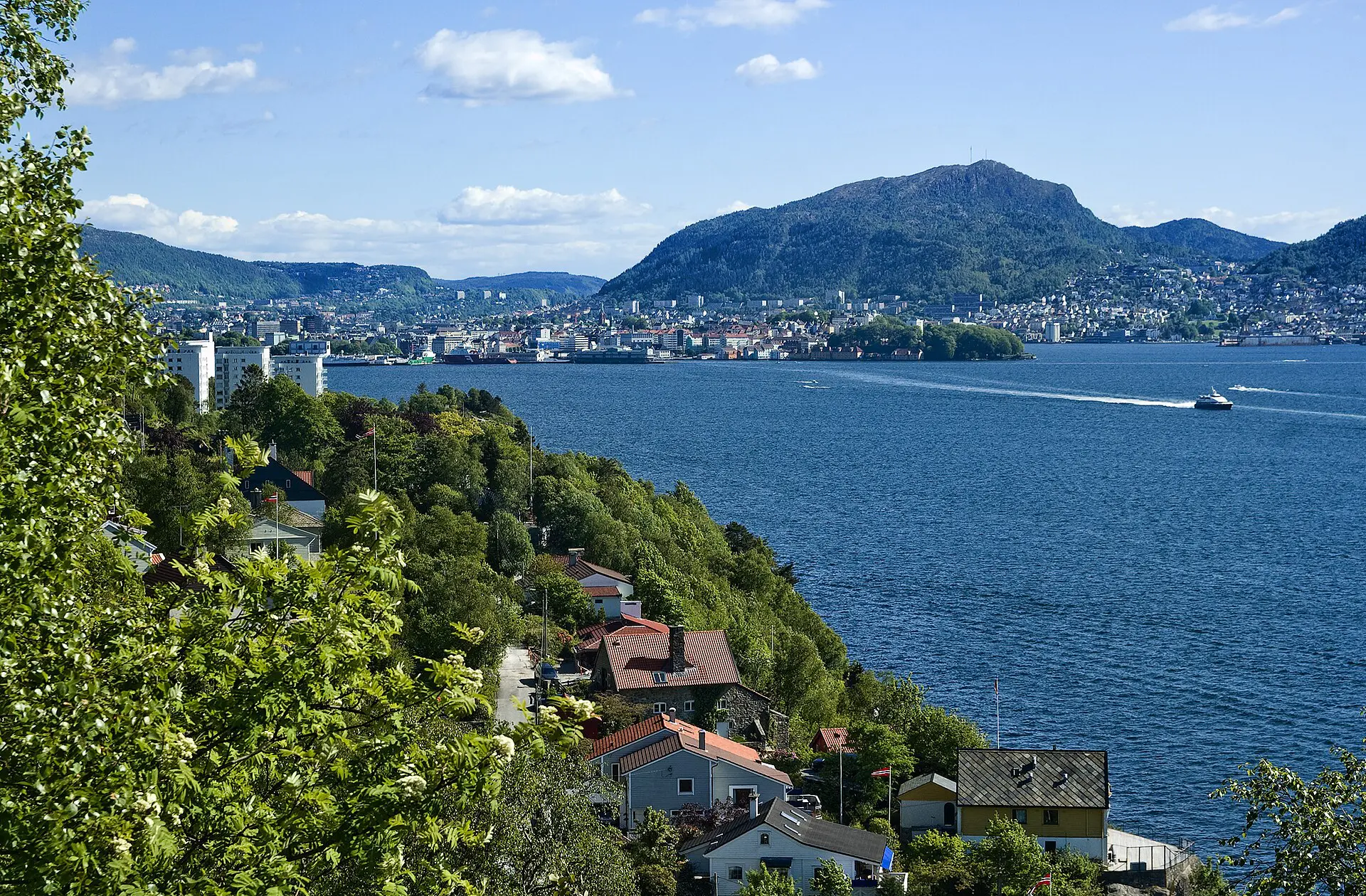
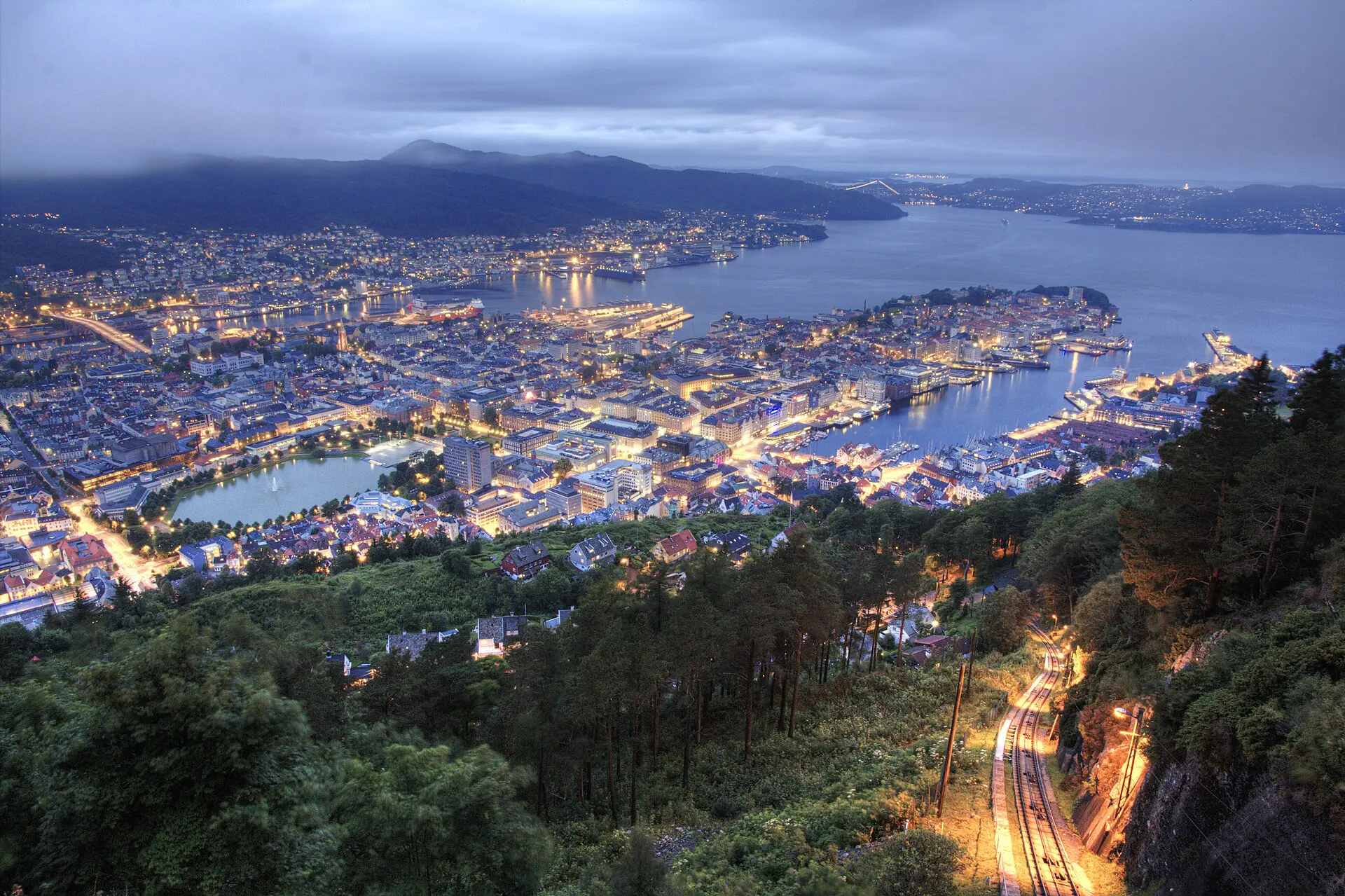
People planning things to do in Bergen are usually drawn by the setting. Norway’s second-largest city lies on the west coast, with about 295,000 residents, and is ringed by mountains, which gives it the nickname city of seven mountains. The city centre sits beside the Byfjorden, the city fjord.
Bergen has been important for a thousand years. Trading may have started as early as the 1020s, it served as Norway’s capital in the 13th century, and from the end of the 13th century it became a bureau city of the Hanseatic League. The old wharf area still reflects that history.
It is a typical Norwegian wooden town, with many neighbourhoods of small wooden houses even near the centre. The centre is compact and walkable, hiking trails start almost from the streets, and the city is the most popular gateway to the fjords of western Norway. Weather is unpredictable, so pack for rain.
Top things to do in Bergen
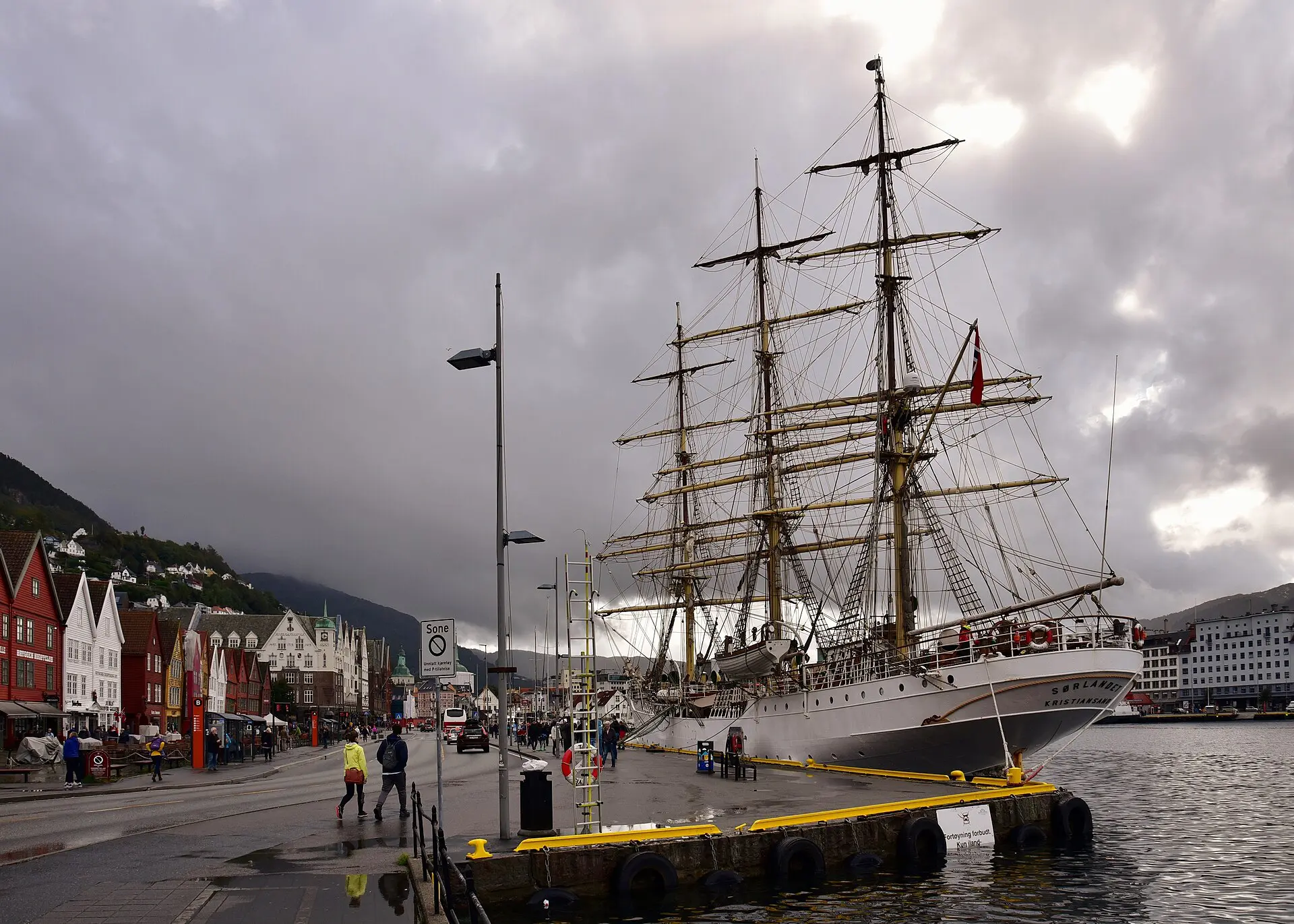
Bryggen
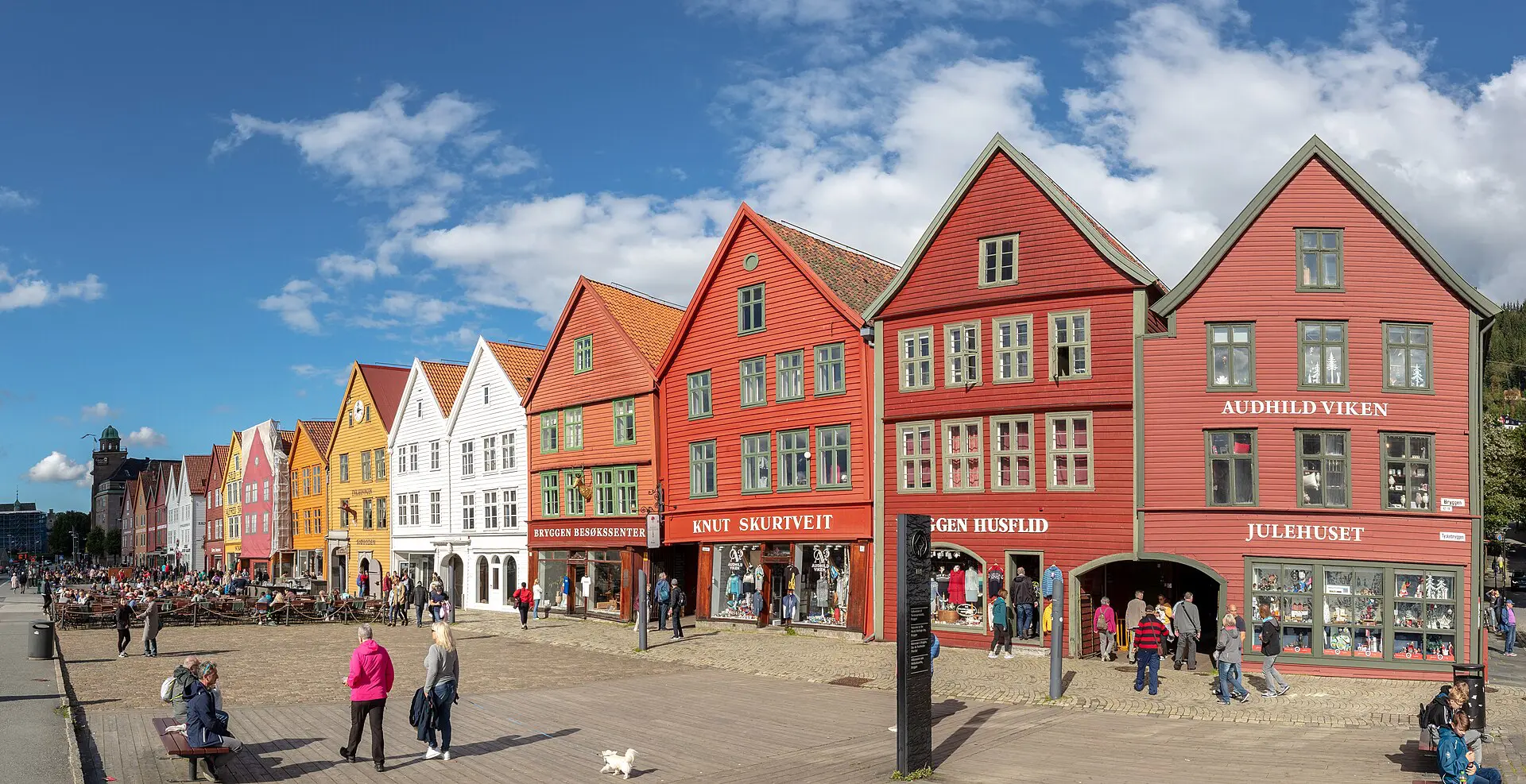
The old Hanseatic wharf, with its row of gabled wooden buildings, is the best-known sight in the city and a UNESCO World Heritage Site. Wander the narrow passages behind the facade, which hold small shops and workshops. Allow one to two hours, and consider a museum visit for context.
Floibanen funicular and Mount Floyen
A funicular climbs from the centre to a viewpoint above the city, with trails leading further into the hills. Allow one to two hours, more if you walk. Go on a clear day, bring a warm layer, and check operating times and ticket options.
Fish Market
The harbourside market sells seafood, local snacks and souvenirs, and some stalls offer ready-to-eat dishes. Allow an hour. Check opening hours and compare prices between stalls, since the busiest spots can be costly.
Wooden-house neighbourhoods
Areas such as Nordnes and the lanes behind the harbour keep rows of white wooden houses, with quiet streets and small gardens. They are good for a slow walk, ideally on a dry afternoon. Allow one to two hours, and respect that people live there.
Mount Ulriken
The highest of the seven mountains has a cable car and a large viewpoint, with hiking routes across the plateau. Allow half a day. Weather can turn quickly on top, so wear sturdy shoes and check forecasts and cable car operations before you go.
Museums and art
The city has museums of art, maritime and local history, and a lively music scene. Check opening hours, since they change by season. Allow two hours per museum, and look for a combined city card if you plan several visits.
Best time to visit Bergen
Late spring to early autumn is the most comfortable period. May to September offers the longest days, the best chance of dry weather and full operation of boats, funiculars and fjord tours. Summer is the busiest period, and cruise ships can fill the harbour area on some days.
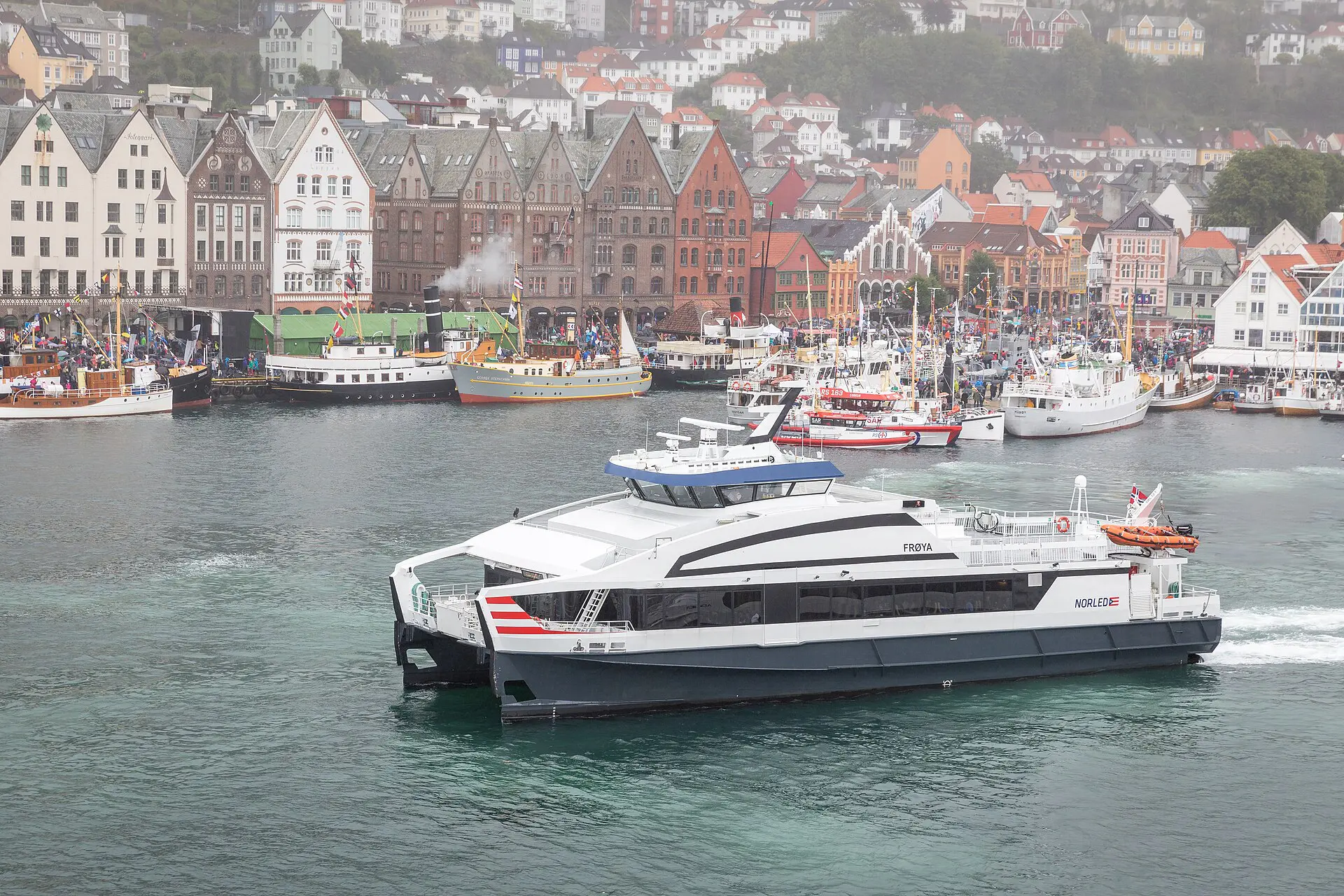
Bergen is known for rain, so even in summer carry a waterproof jacket. Winter is dark, wet and mild by Norwegian standards, with fewer visitors, lower prices and reduced hours at some attractions. Snow is possible, and the Christmas season brings a market and festive lights. Check opening times for your dates before you book.
| Season | Weather | Crowds and prices |
|---|---|---|
| May to September | Mild, long days, rain possible | Busiest, higher prices |
| October to April | Cool, wet, short days | Quieter, lower prices, shorter hours |
How to get to Bergen and around
Bergen Airport Flesland lies south of the city and is linked to the centre by a light rail line, as well as buses and taxis. Check current services. The Bergen Line railway runs to and from Oslo and is known for its scenic route over the mountains, with a journey time of several hours. Coastal ships and long-distance buses also serve the city.
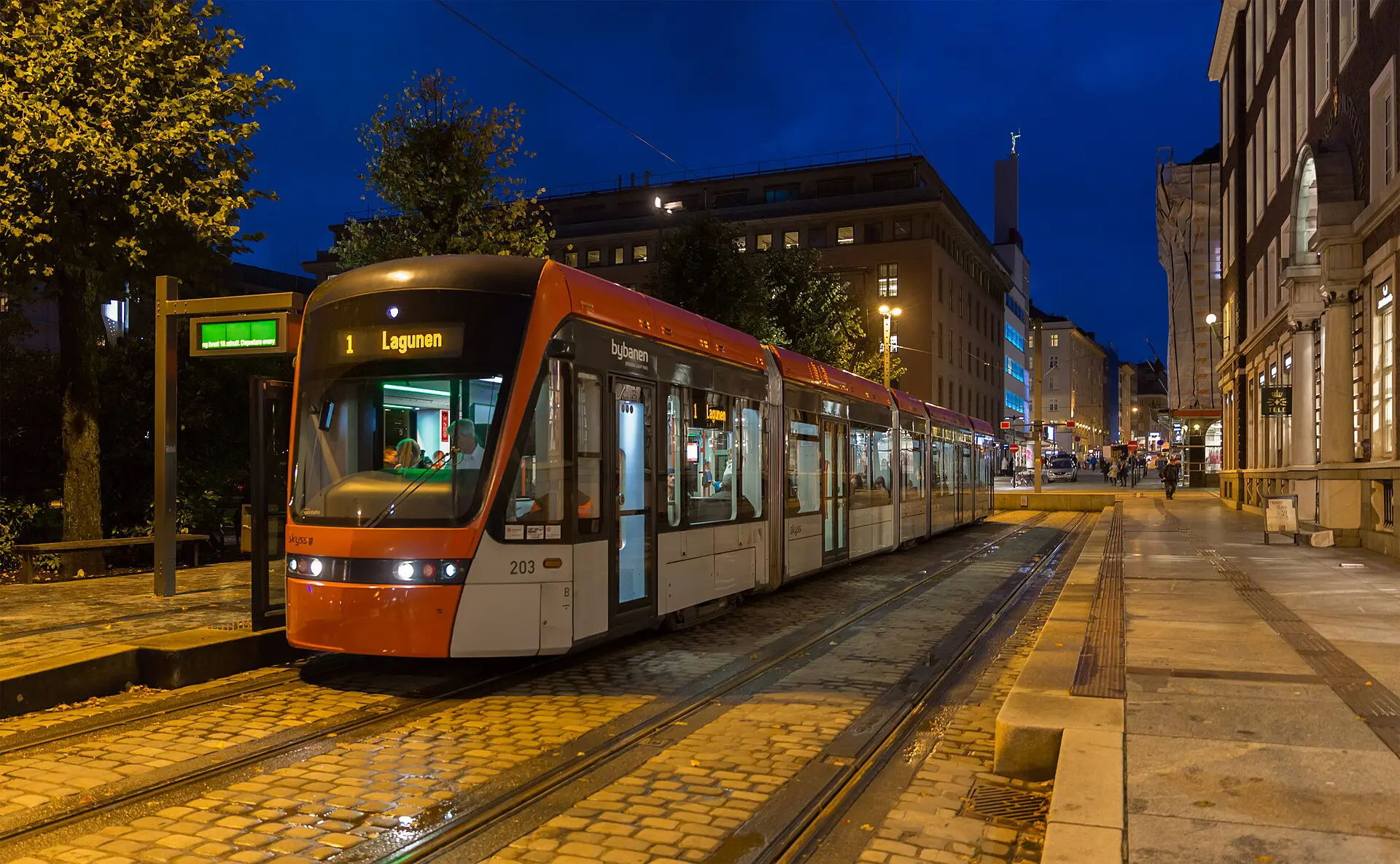
The centre is compact and best explored on foot, though the city is hilly, so wear good shoes. Buses and the light rail cover the wider area, and a funicular and cable car reach the nearby mountains. A day or multi-day travel card can save money if you plan several rides. You do not need a car in the city.
Where to stay in Bergen
The area around the harbour and Bryggen is the most convenient base, with the sights, fish market and transport within walking distance. It suits first-time visitors and short stays, but it can be busy and costly in summer.
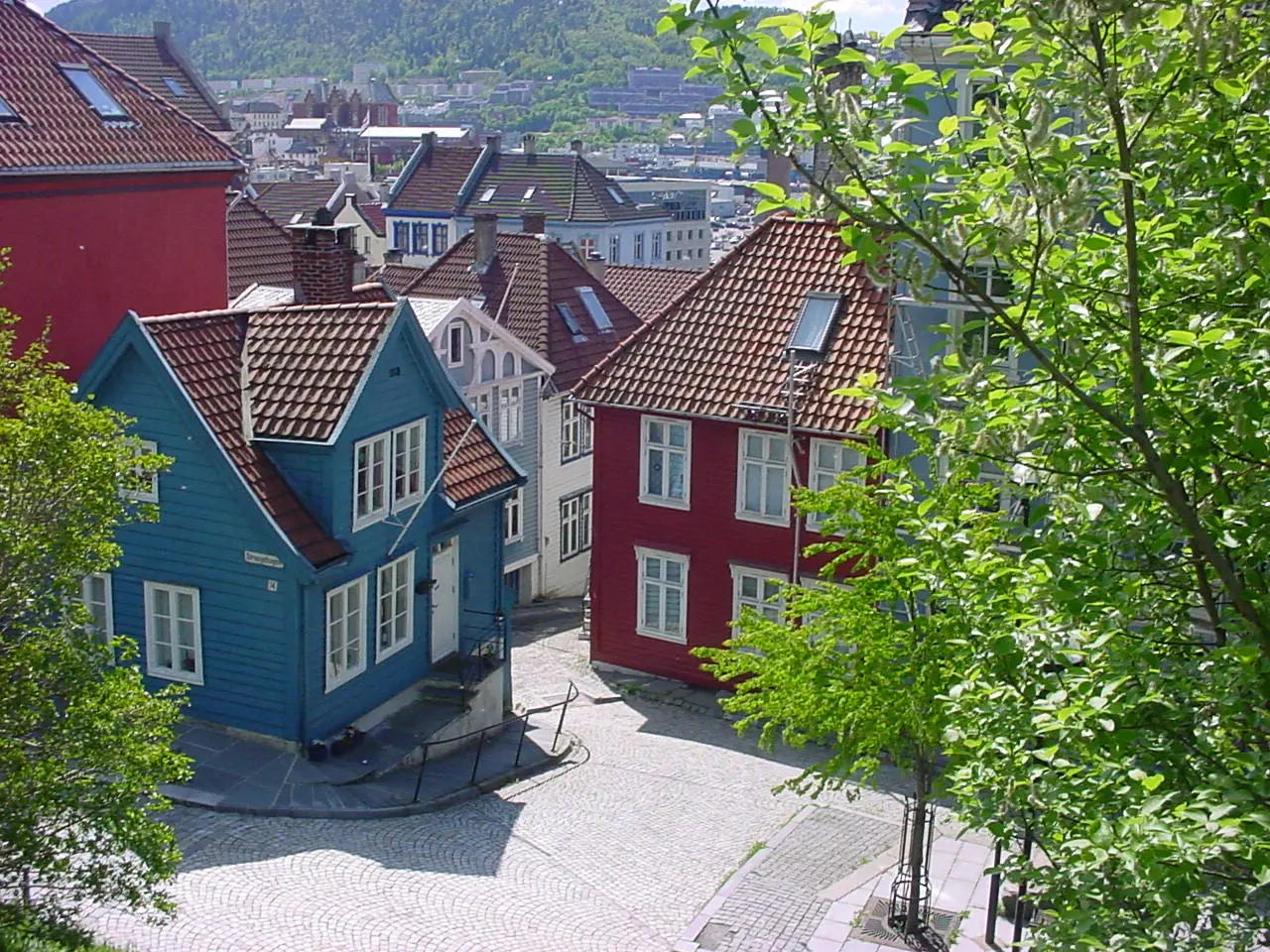
Nordnes, a peninsula to the west of the centre, has a quieter and more residential feel, with wooden houses, a park and a seaside swimming spot. It suits people who prefer calm evenings and a short walk to the centre.
Budget-conscious travellers can look at hostels and smaller hotels close to the main railway station, or in neighbourhoods along the light rail line. Book early for summer and for festival weeks, and ask whether breakfast is included, since eating out in Norway is expensive.
How many days do you need?
Two days covers the main city sights and a mountain viewpoint. Three days gives you breathing space and room for a half-day trip into the fjords. If the weather is rainy, an extra day helps you pick a good window for the viewpoints.
- Day 1: Bryggen and its museums, the fish market and harbour, then Floibanen funicular in the late afternoon.
- Day 2: A morning walk through the wooden-house neighbourhoods, a museum visit, then a trip up Mount Ulriken.
- Day 3: A fjord cruise or a day trip to Flam, with an easy evening back in the city.
Day trips and nearby
Flam and the Naeroyfjord
The fjord village of Flam is reached by train, bus and boat combinations from Bergen, often sold as a round trip. Allow a full day. Book ahead in summer, and check schedules, since services are seasonal.
Hardangerfjord
The fjord to the south-east is known for fruit orchards and waterfalls. Tours run in season, and a hire car also works. Allow a full day, and check ferry and road conditions beforehand.
Alesund
This Art Nouveau coastal town lies north along the coast. It is a long trip, so it fits better as a separate stop on a longer Norwegian route.
Stavanger
Another west-coast city, with access to the Lysefjord. It is a separate stop, reachable by flight or coastal route, and suits a longer itinerary through southwest Norway.
FAQ
Q1When is the best time to visit Bergen?
May to September has the longest days and the most reliable access to fjord trips and viewpoints. Bergen is rainy year-round, so bring waterproofs. Winter is quieter and cheaper but dark, with reduced hours at some attractions.
Q2How many days do you need in Bergen?
Two days covers the city centre, Bryggen and a mountain viewpoint. Three or four days lets you add a full fjord trip, such as Flam or Hardangerfjord, and gives you flexibility if the weather is poor.
Q3How do you get to Bergen?
Fly into Bergen Airport Flesland and take the light rail to the centre, or travel by train from Oslo on the scenic Bergen Line. Check current timetables. Coastal ships and long-distance buses also serve the city.
Q4Is Bergen expensive?
Bergen is expensive by most standards, especially for restaurants, alcohol and hotels. A mid-range traveller might budget around NOK 1,800-3,000 per day, though prices change. Eating at markets and self-catering can lower costs.
Prices, schedules and entry rules change. Check current details with official sources before you travel. Read the Norway travel guide.