Why visit Oslo
If you are searching for things to do in Oslo, begin with the setting. Norway’s capital and largest city lies at the head of the Oslofjord, surrounded by green hills and forest, with about 700,000 residents in the city and around 1.5 million in the greater area. It includes 40 islands and 343 lakes, so water and nature are never far away.
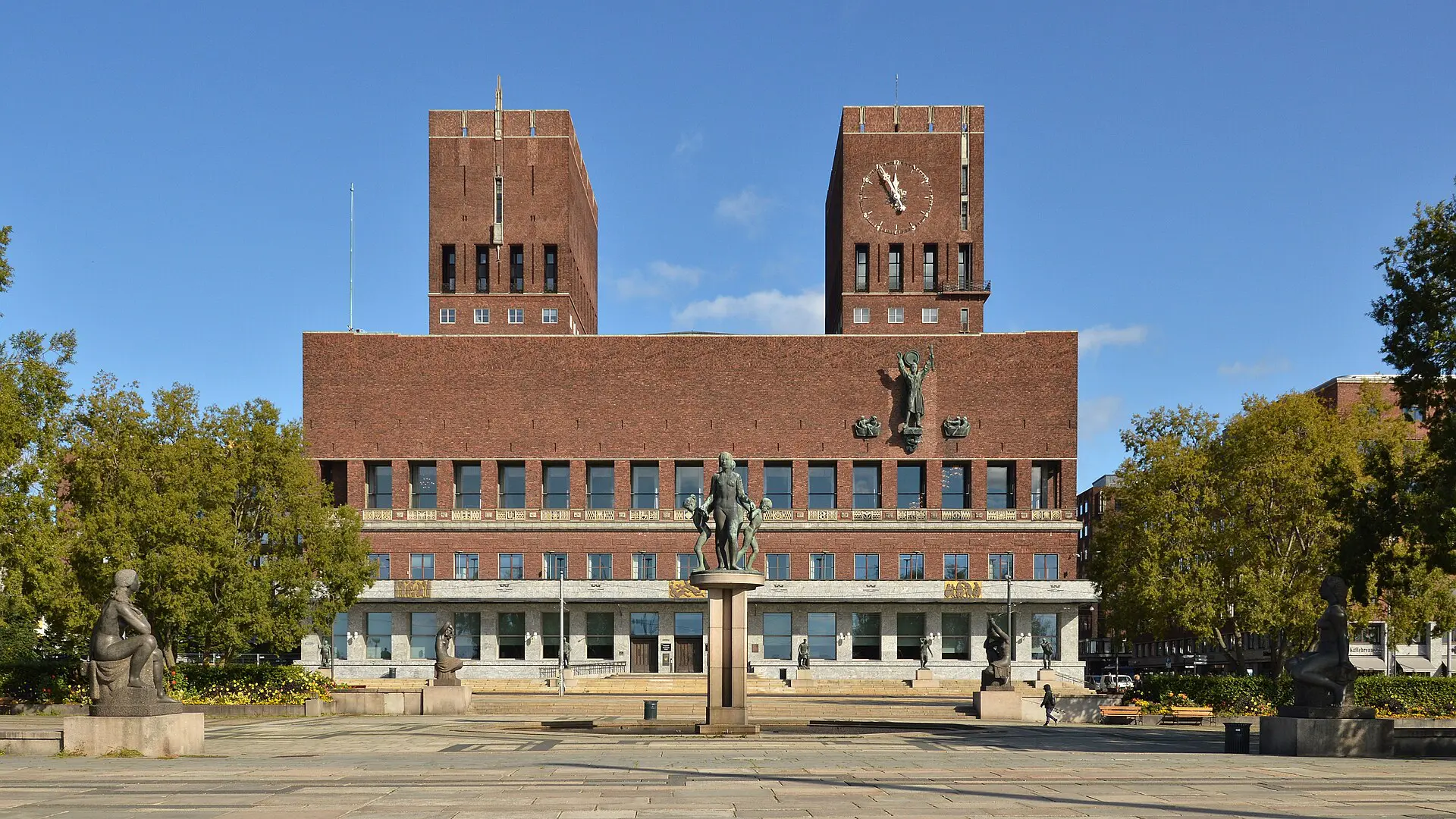
The city is compact in the centre but spacious overall, and it is known for modern architecture, including the waterfront Opera House and the newer Barcode district, alongside historic sites such as Akershus Fortress. It was founded at the end of the Viking Age, and Viking ship museums are among its best-known sights.
Oslo is also one of the world’s northernmost capitals, so the seasons differ sharply: very long summer days and short winter ones. It is expensive, but museums, parks and ferries are easy to combine into two or three efficient days.
Top things to do in Oslo
Oslo Opera House
The white marble building sits on the water, and its sloping roof is open to walk on, with views of the fjord and the city. Allow about an hour, longer if you take a guided tour or see a performance. Tip: check opening times and tour schedules, and bring a jacket since it can be windy.
Akershus Fortress
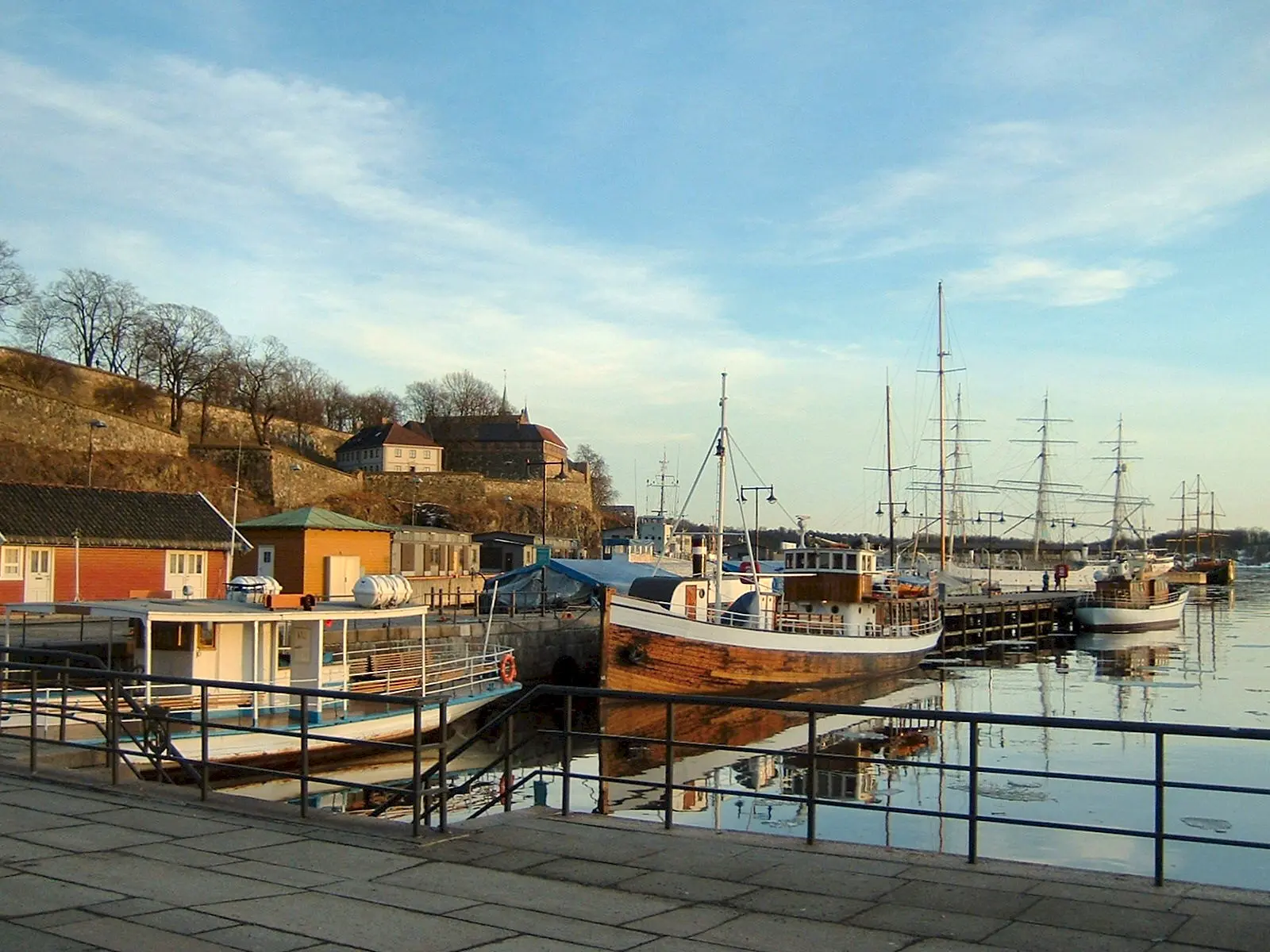
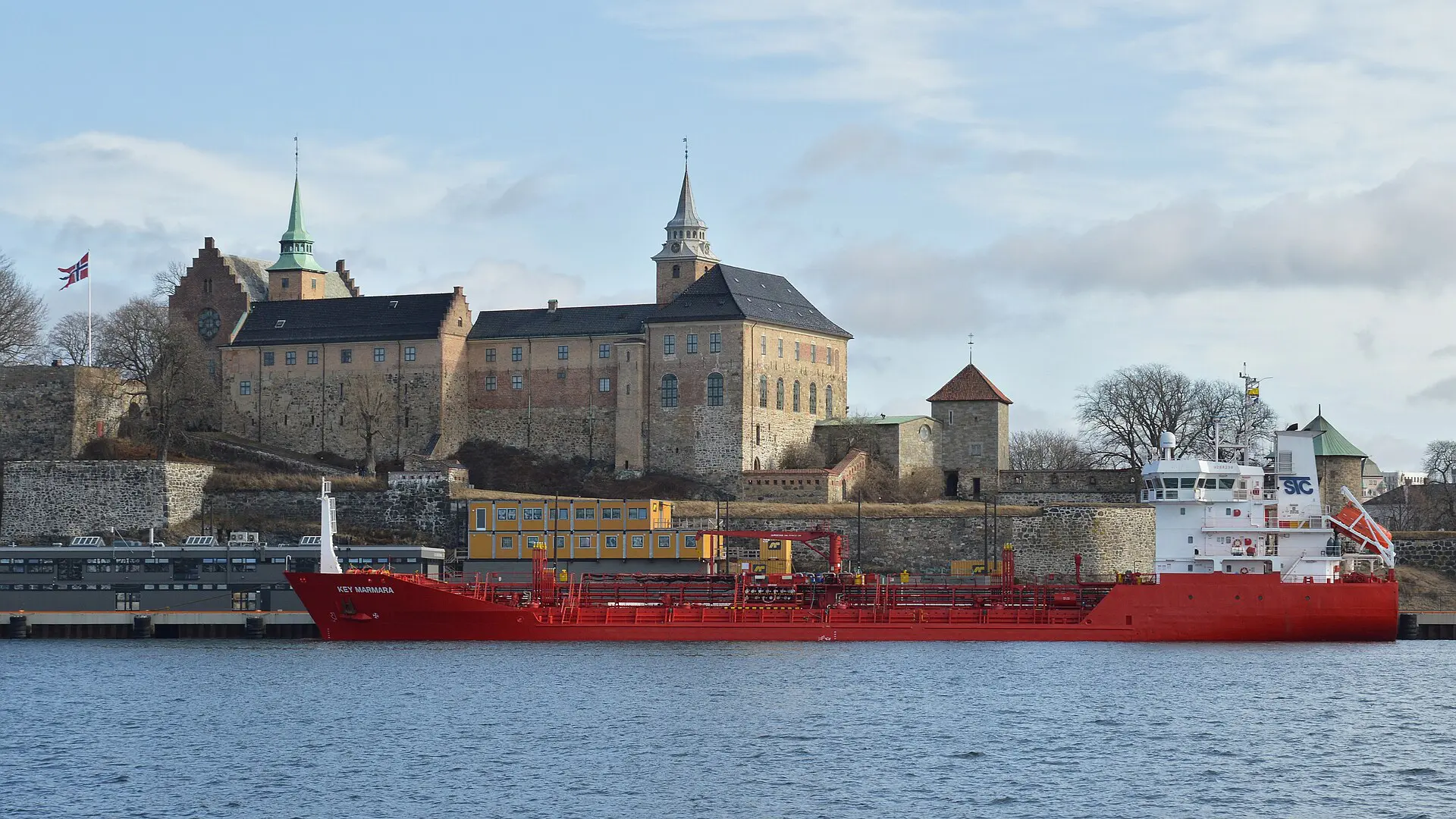
This medieval fortress overlooks the harbour and has grounds that are open for strolling, with views of the fjord. Allow one to two hours. Tip: the grounds are usually free to enter, but check opening hours and the status of any museums or buildings inside.
Viking Ship Museum area on Bygdoy
Bygdoy peninsula holds several museums, including those focused on Viking ships and on polar exploration. Allow half a day. Tip: the main Viking museum has been undergoing major changes, so check what is open before you go, and take the ferry in summer for a scenic ride.
Vigeland Sculpture Park
This large park in Frogner is filled with sculptures by Gustav Vigeland and is free to walk. Allow one to two hours. Tip: go in the morning to avoid tour groups, and combine it with a walk through the rest of Frogner Park.
Munch Museum
The waterfront museum houses a large collection of works by Edvard Munch, the painter best known for The Scream. Allow two hours. Tip: book timed tickets online in summer, and check which works are on display.
Oslofjord islands
Ferries run from the city to small islands in the fjord, which have swimming spots, paths and picnic areas. Allow half a day. Tip: check current ferry timetables, and bring food, since options on the islands can be limited.
Holmenkollen
The ski-jump and ski museum on the hills above the city offer panoramic views, and the area is also a hub for hiking and skiing. Allow two to three hours. Tip: it is reached by metro, so check current routes and times.
Best time to visit Oslo
Oslo has cold but relatively dry winters and a markedly different summer, with around 6 hours of sunlight in winter and as many as 18 in high summer. That shapes what you can do in each season.
| Season | Weather | Crowds and prices |
|---|---|---|
| Spring (April to May) | Cool, improving, long days | Fewer visitors, moderate prices |
| Summer (June to August) | Warm, very long daylight | Busiest, higher prices |
| Autumn (September to October) | Cool, colourful forests | Quieter, better value |
| Winter (November to March) | Cold, snow, short days | Quiet, lower hotel prices |
Summer suits ferries and the fjord. Winter suits skiing, saunas and museums, with fewer hours of daylight.
How to get to Oslo and around
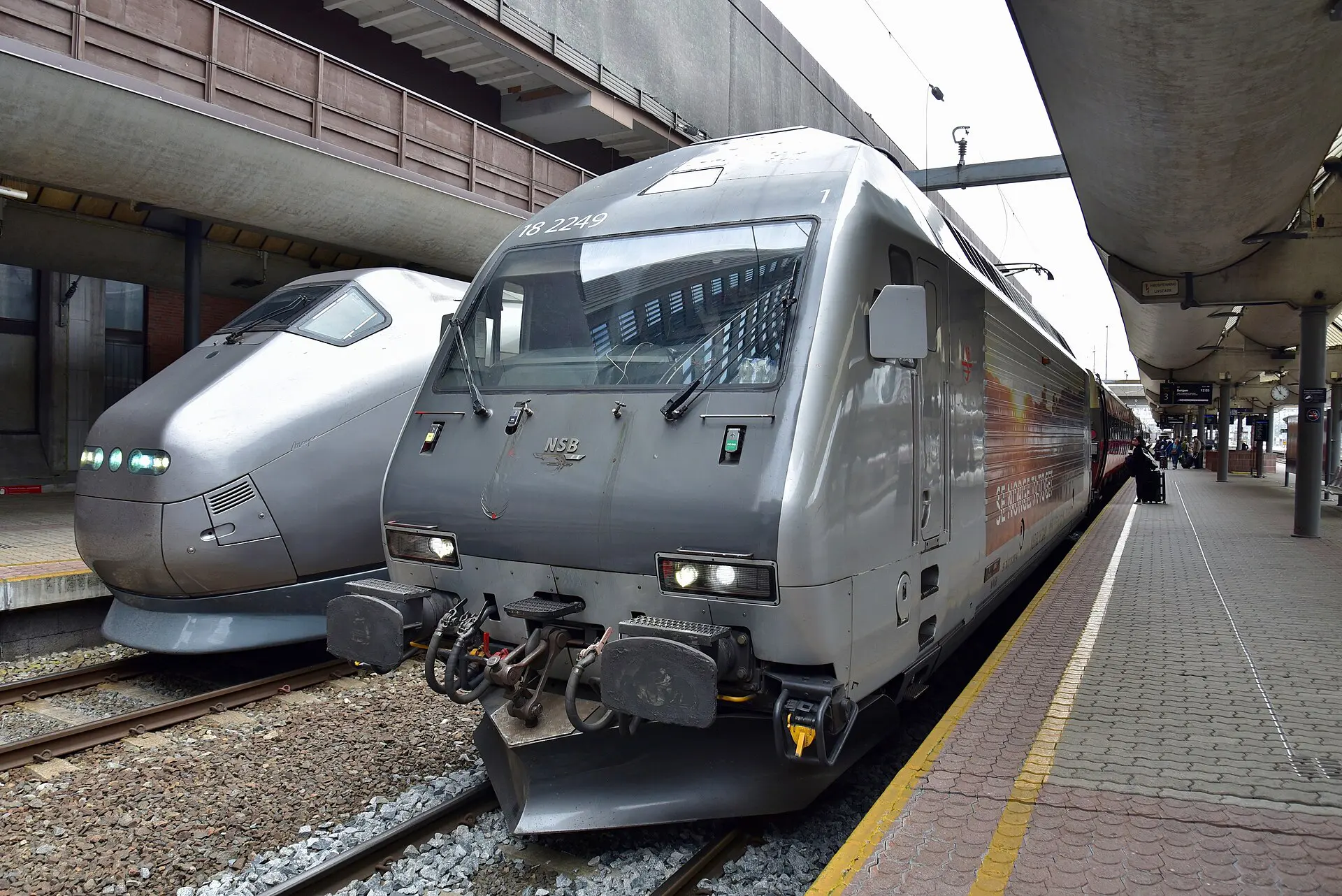
Most international flights arrive at Oslo Airport at Gardermoen, north of the city. A high-speed airport train reaches Oslo Central Station in roughly 20 minutes, and other trains and buses are also available, so check current fares and times. Some low-cost airlines use other airports further from the city, so verify your airport and ground transfer when you book. Trains also connect Oslo with Bergen, Stavanger and other Norwegian cities, and with Sweden.
The city’s public transport network includes metro, trams, buses and ferries, all covered by a common ticket system. A mobile app or a travel card is usually the easiest way to pay, and a visitor pass can pay off if you plan to use transport and visit many museums. The central area is walkable, and bikes and e-scooters are common in summer. Taxis are available but expensive.
Where to stay in Oslo
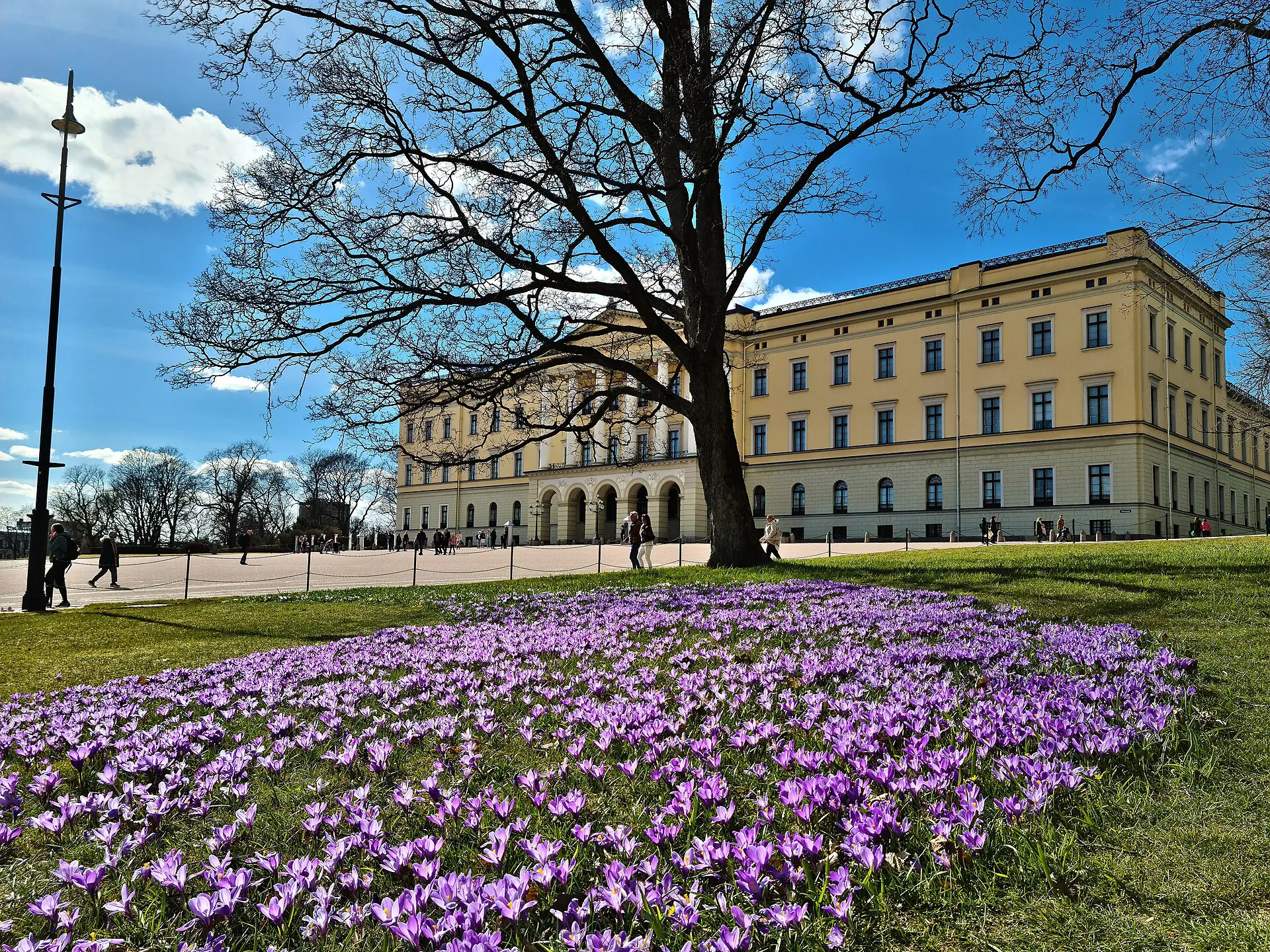
The area around the Central Station and the harbour is convenient, with easy access to trains, the Opera House and the waterfront, and it suits first-time visitors and short stays. It is also close to busy streets, so noise can be an issue. The streets around the Royal Palace and Karl Johans gate put you near the main sights and shops.
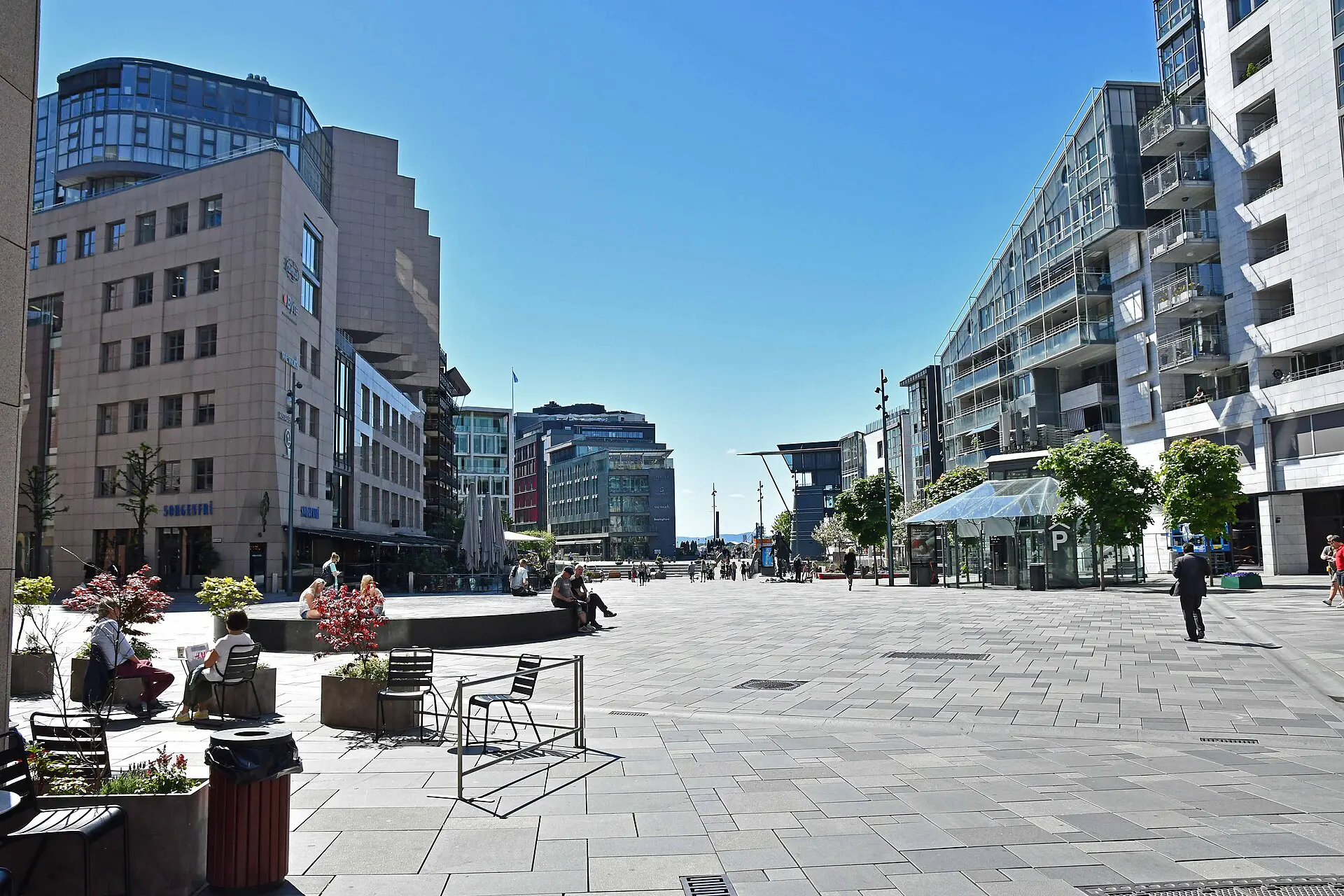
Grunerlokka is a former industrial district with cafes, shops and nightlife that suits younger travellers and those who prefer a local neighbourhood feel. Frogner is a quieter residential area near the Vigeland park and is a good choice for families or those who want a calmer stay. Hotels are expensive in Oslo, so compare prices, book early for summer, and check whether breakfast and city taxes are included.
How many days do you need?
Two days is enough for the main sights if you are selective. Three days lets you add Bygdoy and a fjord island without rushing. Longer stays make sense if you plan to hike, ski or use Oslo as a base for day trips.
- Day 1: Opera House roof, Akershus Fortress and the harbour, then an evening in the Aker Brygge or Grunerlokka area.
- Day 2: Vigeland Sculpture Park, then the Munch Museum or another major museum.
- Day 3: Bygdoy museums by ferry, or a ferry to a fjord island with a swim and picnic.
Day trips and nearby
Lillehammer
Lillehammer lies north of Oslo and is known for hosting the 1994 Winter Olympics, with a good open-air museum and ski facilities. It is reachable by train in a couple of hours. Allow a full day, and check current schedules.
Flam
This fjord village is known for its scenic railway and as a gateway to the Sognefjord region. It is a long trip from Oslo and works best as part of a multi-day route. Tip: check current train times and book ahead in summer.
Bergen
Norway’s second city on the west coast is linked to Oslo by one of the country’s scenic rail lines, which takes several hours. It is better with an overnight stay. Tip: book tickets early for peak season.
Stavanger
On the southwest coast, Stavanger is a base for fjord trips and the Lysefjord region. It can be reached by flight or a long train journey. Tip: check flight schedules and plan at least one night.
FAQ
Q1When is the best time to visit Oslo?
May to September is the best period, with mild weather, long daylight and ferries running to the fjord islands. June to August is busiest and most expensive. Winter is cold and dark but suits skiing and cosy museum days, and prices are usually lower.
Q2How many days do you need in Oslo?
Two days cover the Opera House, Akershus and a museum or two, while three days add Bygdoy and a fjord island. If you plan to ski, hike or take day trips, a longer stay makes sense. Oslo is also a good start for wider Norway trips.
Q3How do you get to Oslo?
Most travellers fly into Oslo Airport at Gardermoen, where a fast train reaches the Central Station in about 20 minutes. Trains also link Oslo with Bergen, Stavanger and Sweden. Check current fares and schedules, and confirm the airport if you book a low-cost flight.
Q4Is Oslo expensive?
Yes, Oslo is one of the more expensive capitals in Europe, especially for hotels, restaurants and alcohol. You can save with supermarket meals, free sights such as Vigeland Park and Akershus grounds, and a transport or visitor pass. Check current prices before you go.
Prices, schedules and entry rules change. Check current details with official sources before you travel. Read the Norway travel guide.