Why visit Mexico City
People searching for things to do in Mexico City usually find that a week is still too short. The capital sits on the site of the Aztec city of Tenochtitlan, and its historic centre combines pre-Hispanic remains, colonial churches and modern towers. It is also the largest city in North America by many measures, with a depth of museums and food few places match.
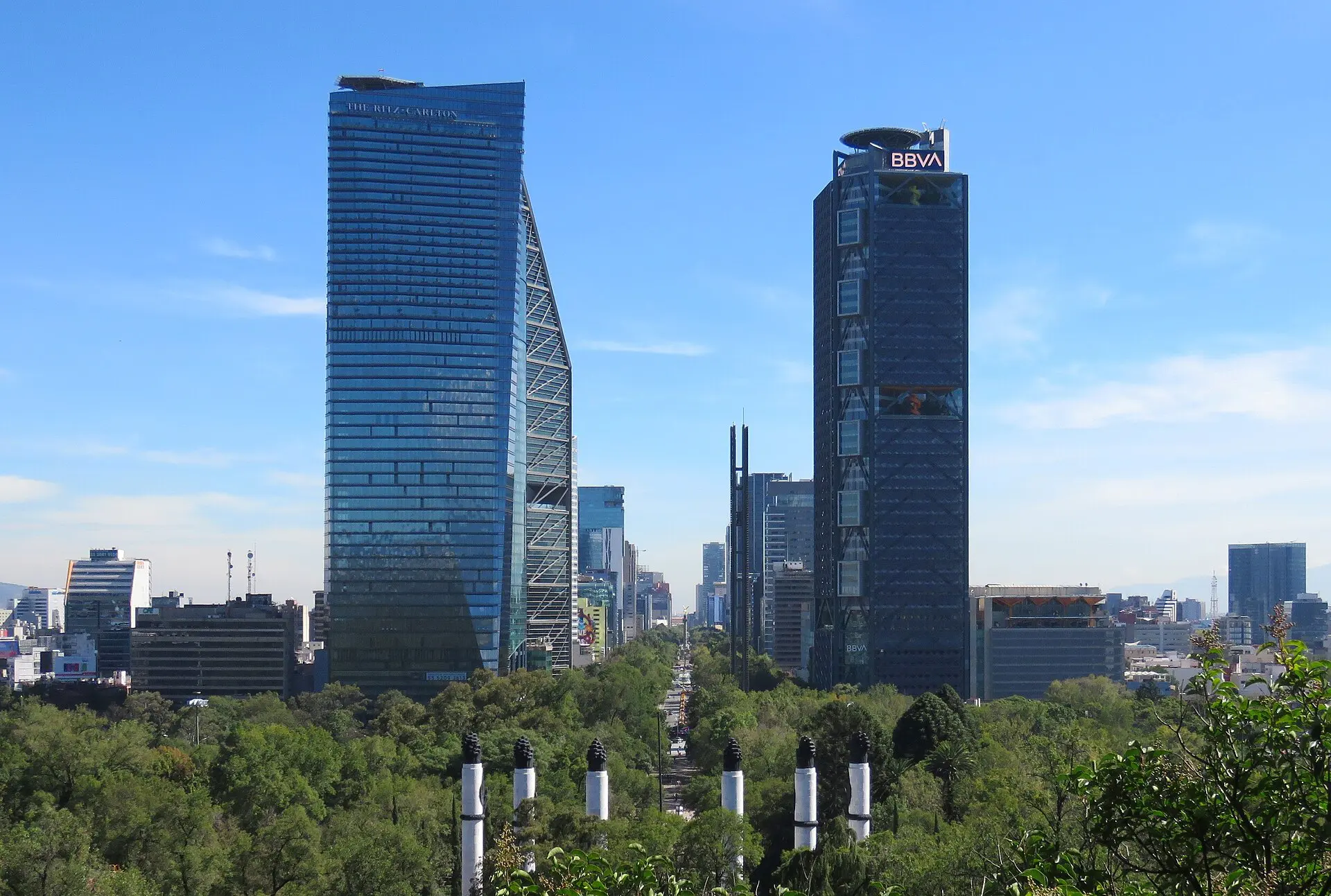
The city’s appeal comes from variety. You can see the Templo Mayor in the morning, eat tacos at a market for lunch, tour a major art museum in the afternoon and finish with live music or a mezcal bar. Neighbourhoods such as Roma, Condesa and Coyoacan each have a distinct character.
Mexico City is large and sits at about 2,240 metres, so pace yourself in the first days. Expect heavy traffic, varying air quality and occasional tremors, but also excellent public transport and a good value dining scene for most travellers.
Top things to do in Mexico City
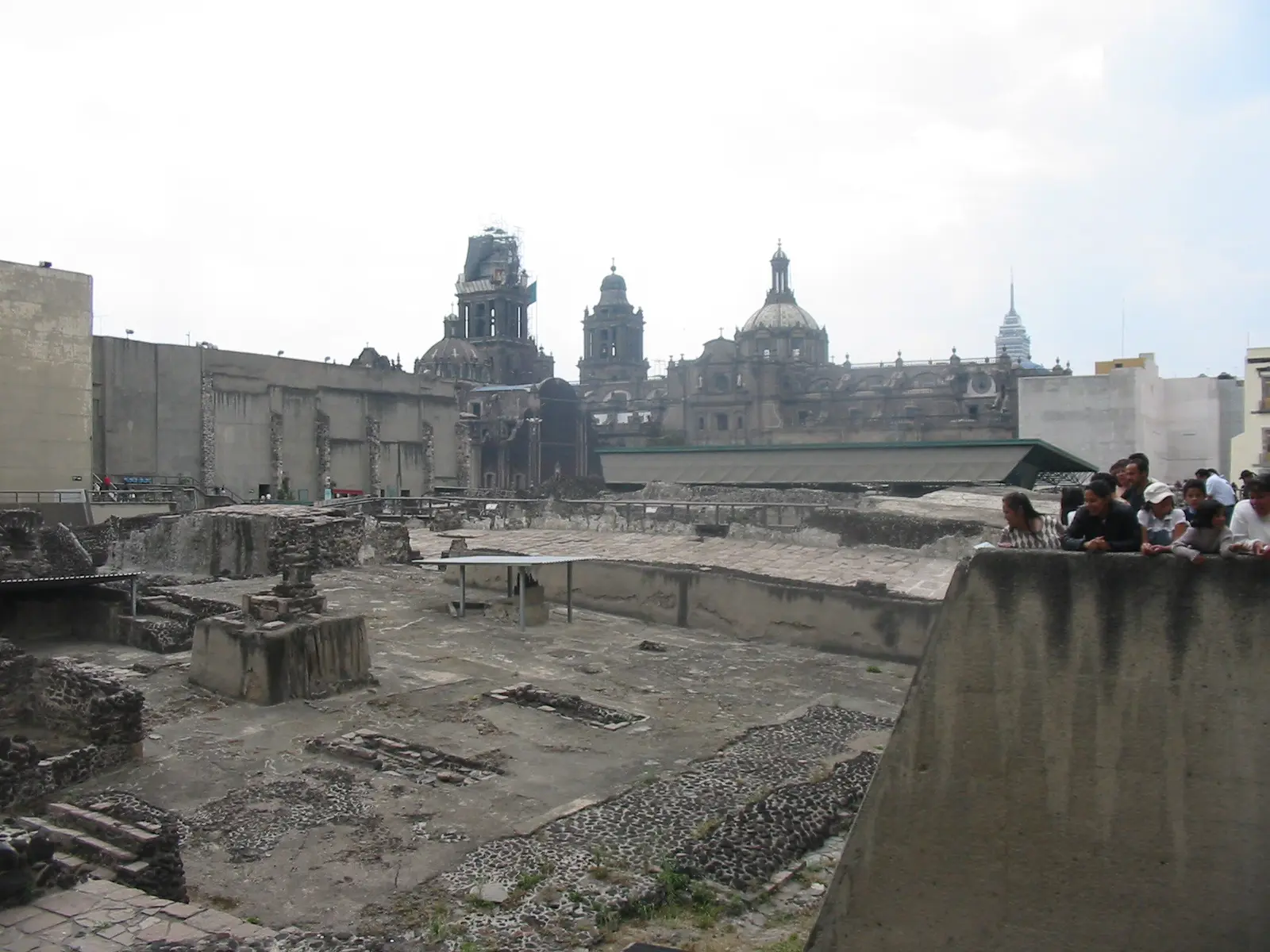
Zocalo and Templo Mayor
The Zocalo is the main square, framed by the cathedral and National Palace, where Diego Rivera murals can usually be seen. Beside it, the Templo Mayor site and museum show the ruins of the Aztec sacred precinct. Allow two to three hours. Check opening days, as museums are often closed on Mondays.
National Museum of Anthropology
Set in Chapultepec Park, this is one of the country’s major museums, with halls on ancient civilisations across Mexico. Allow three to four hours, and focus on a few halls rather than trying to see everything. Go early on weekdays to avoid crowds and check current opening hours.
Chapultepec Park and Castle
The large urban park has lakes, museums and a hilltop castle with city views. Allow half a day. Visit on a weekday if possible, since Sundays bring large local crowds. Wear comfortable shoes, and note that some museums have different closing days.
Coyoacan and Frida Kahlo Museum
Coyoacan is a colonial neighbourhood with plazas, markets and cafes. The Frida Kahlo Museum, known as the Blue House, is a popular stop, and timed tickets are usually needed well ahead. Allow half a day, and combine it with a walk and a market lunch.
Teotihuacan pyramids
The ruins of the ancient city lie about an hour northeast of the centre. You can climb parts of the Pyramid of the Sun, although access rules change, so check before going. Allow a half to full day, arrive early, and bring water and sun protection, as shade is scarce.
Roma, Condesa and street food
These neighbourhoods offer tree-lined streets, bookshops, cafes and restaurants. Plan an afternoon of walking, followed by dinner. For street food, pick busy stalls, carry small notes and be cautious with raw items if you have a sensitive stomach.
Xochimilco
The canals and colourful boats of Xochimilco, in the south, are popular for group outings. Boats are hired by the hour, so agree the price and duration first. Allow about three hours, and go on a weekday if you want fewer crowds.
Best time to visit Mexico City
The altitude keeps Mexico City mild year round, with warm days and cool nights. The main division is between a dry season and a wetter season, when afternoon storms are common.
| Season | Weather | Crowds and prices |
|---|---|---|
| Nov to Feb | Dry, cool nights | Moderate, higher around holidays |
| Mar to May | Warm and dry, can be hot | Moderate, busy at Easter |
| Jun to Sep | Afternoon rain, mild | Lower to moderate |
| Oct | Rains ease, clearer skies | Moderate, busy for Day of the Dead |
March to May and October to November are often the most comfortable. The Day of the Dead celebrations in late October and early November draw large crowds, so book ahead.
How to get to Mexico City and around
Benito Juarez International Airport (MEX) is the main gateway and handles most international flights. Taxis from authorised stands, ride-hailing and the metro connect it to the centre, typically taking 30 to 60 minutes depending on traffic. A newer airport at Santa Lucia handles some domestic services, so check which terminal your flight uses.
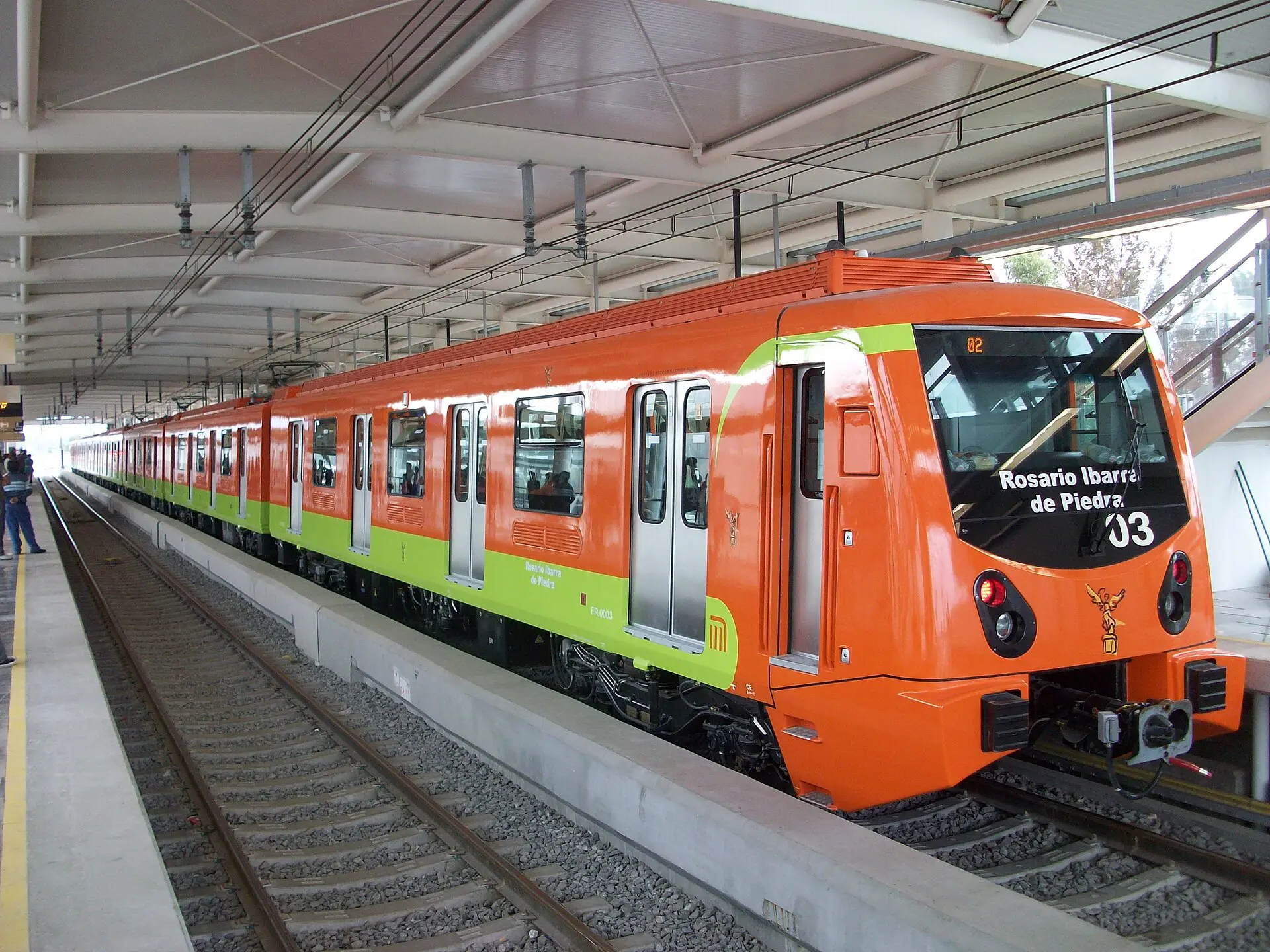
Long-distance buses leave from several large terminals for towns such as Puebla, Cuernavaca and Teotihuacan, and the terminal depends on the direction of travel.
In the city, the metro is cheap and extensive but crowded at rush hour, and some carriages are reserved for women and children. Metrobus lines, trolleybuses and light rail add coverage. Ride-hailing is widely used and usually safer than hailing street taxis. Walk in daylight in central neighbourhoods, and keep valuables out of sight on crowded transport.
Where to stay in Mexico City
The Centro Historico is convenient for the Zocalo, Templo Mayor and many museums, and it has options for most budgets. It suits first-time visitors who want to walk to the main sights, but it can be noisy and quiet after dark in some streets.
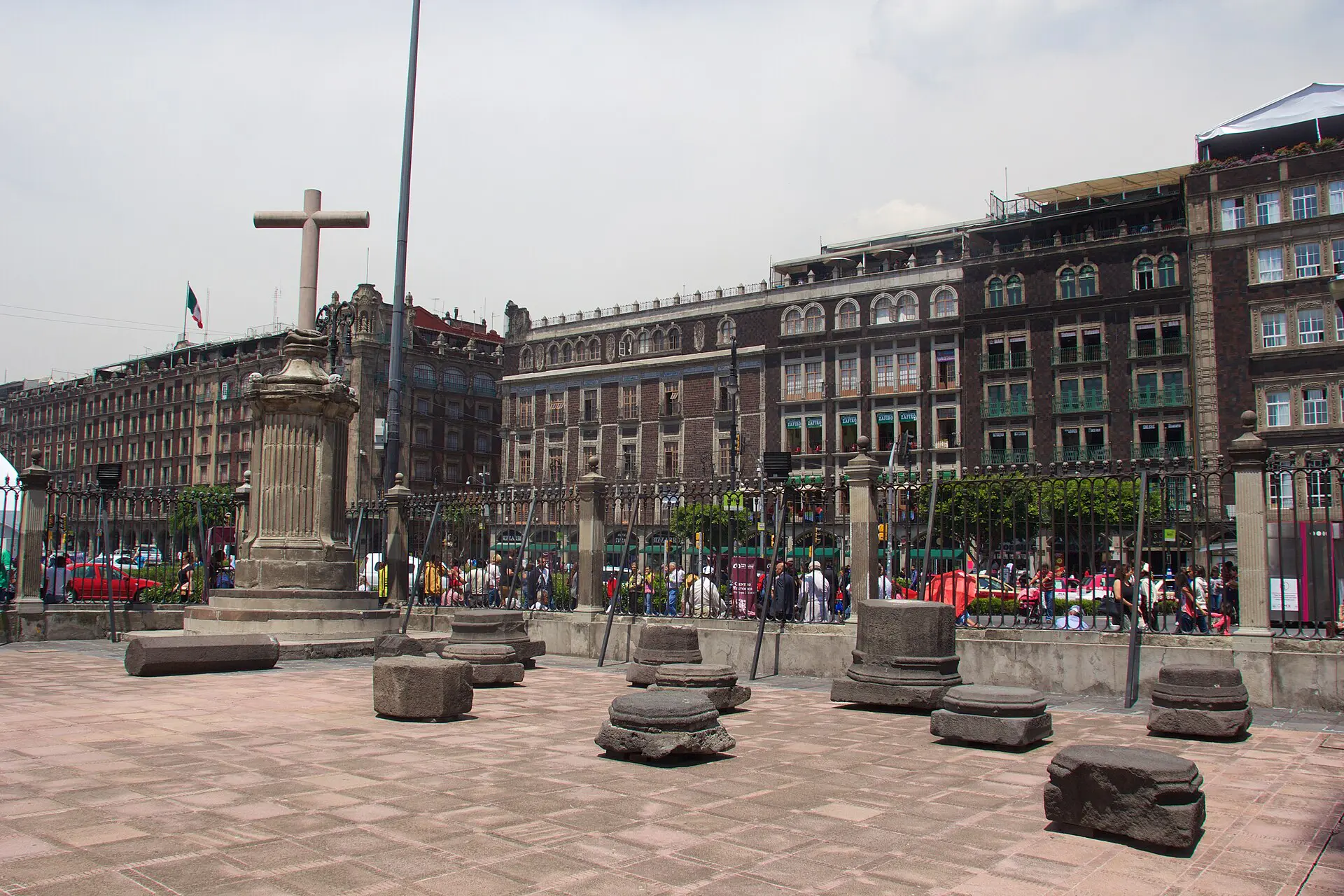
Roma and Condesa are leafy, popular neighbourhoods with restaurants, cafes and boutique hotels, and they suit travellers who want a relaxed base with easy transport. Prices are higher than the centre, and weekends are busy.
Polanco is a smarter district near Chapultepec Park and its museums, with upscale dining and hotels. Coyoacan suits those who prefer a quieter, village-like setting, though it is farther from the centre. Check recent reviews for safety and noise, and book ahead for holidays.
How many days do you need?
Four days gives you time for the centre, two museums and a neighbourhood or two, while a fifth day makes room for Teotihuacan. Shorter visits can work, but you will have to choose between sights, and altitude can slow you down at first.
- Day 1: Zocalo, Templo Mayor, the cathedral and a walk through the historic centre.
- Day 2: Chapultepec Park and the National Museum of Anthropology, then dinner in Roma or Condesa.
- Day 3: Teotihuacan in the morning, returning for an evening in Polanco or the centre.
- Day 4: Coyoacan and a market, then Xochimilco or a museum.
Day trips and nearby
Teotihuacan
The best-known day trip is the pre-Hispanic city northeast of Mexico City, reachable by bus or tour in about an hour. Visit early, climb in the cooler hours and carry water. Combine it with a nearby meal if you wish.
Puebla
Puebla has a colonial centre, painted tiles, a large cathedral and its own regional dishes. Buses take around two hours each way. It works as a day trip but is better with one night. Check bus times and book in advance for weekends.
Cuernavaca and Taxco
Cuernavaca, a warm-weather city south of the capital, is reachable in roughly an hour and a half by bus. Taxco, a silver-working hill town, takes longer, around three hours, so an overnight stay is more comfortable.
Tepoztlan
This small town in the hills has a hike to a pyramid and a lively market. Allow around two hours each way by bus. It suits travellers who want a change from the city, and weekends can be crowded.
FAQ
Q1When is the best time to visit Mexico City?
March to May and October to November usually offer the most comfortable mix of sunny days and manageable rain. June to September brings afternoon storms but lower prices. Late October and early November are busy for Day of the Dead, so book early.
Q2How many days do you need in Mexico City?
Four days cover the historic centre, a major museum, Coyoacan and Roma. Five days allow a trip to Teotihuacan. A week lets you add more museums, markets and a second day trip such as Puebla at a calmer pace.
Q3How do you get to Mexico City?
Most visitors fly into Benito Juarez International Airport (MEX), then take the metro, an authorised taxi or ride-hailing to the centre in about 30 to 60 minutes. Long-distance buses connect the city to many Mexican towns from several terminals.
Q4Is Mexico City safe and expensive?
Mexico City is generally manageable for visitors who take normal urban precautions, such as using ride-hailing at night and watching for pickpockets on transport. Check your foreign ministry's current advice before booking. Costs are moderate, with good-value food and varied hotel prices.
Prices, schedules and entry rules change. Check current details with official sources before you travel. Read the Mexico travel guide.