Why visit Tulum
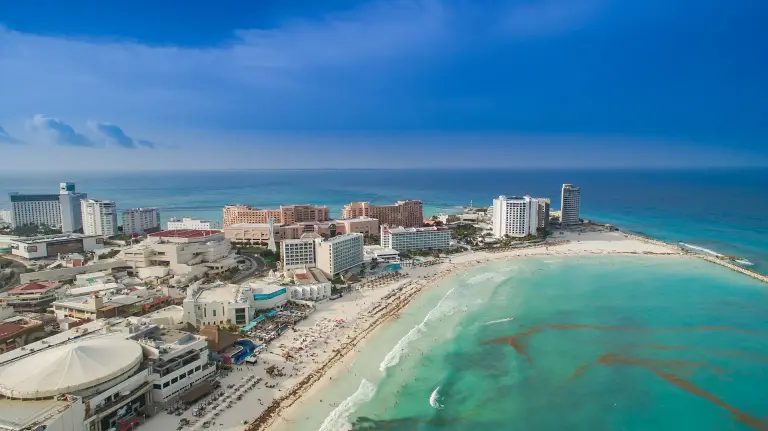
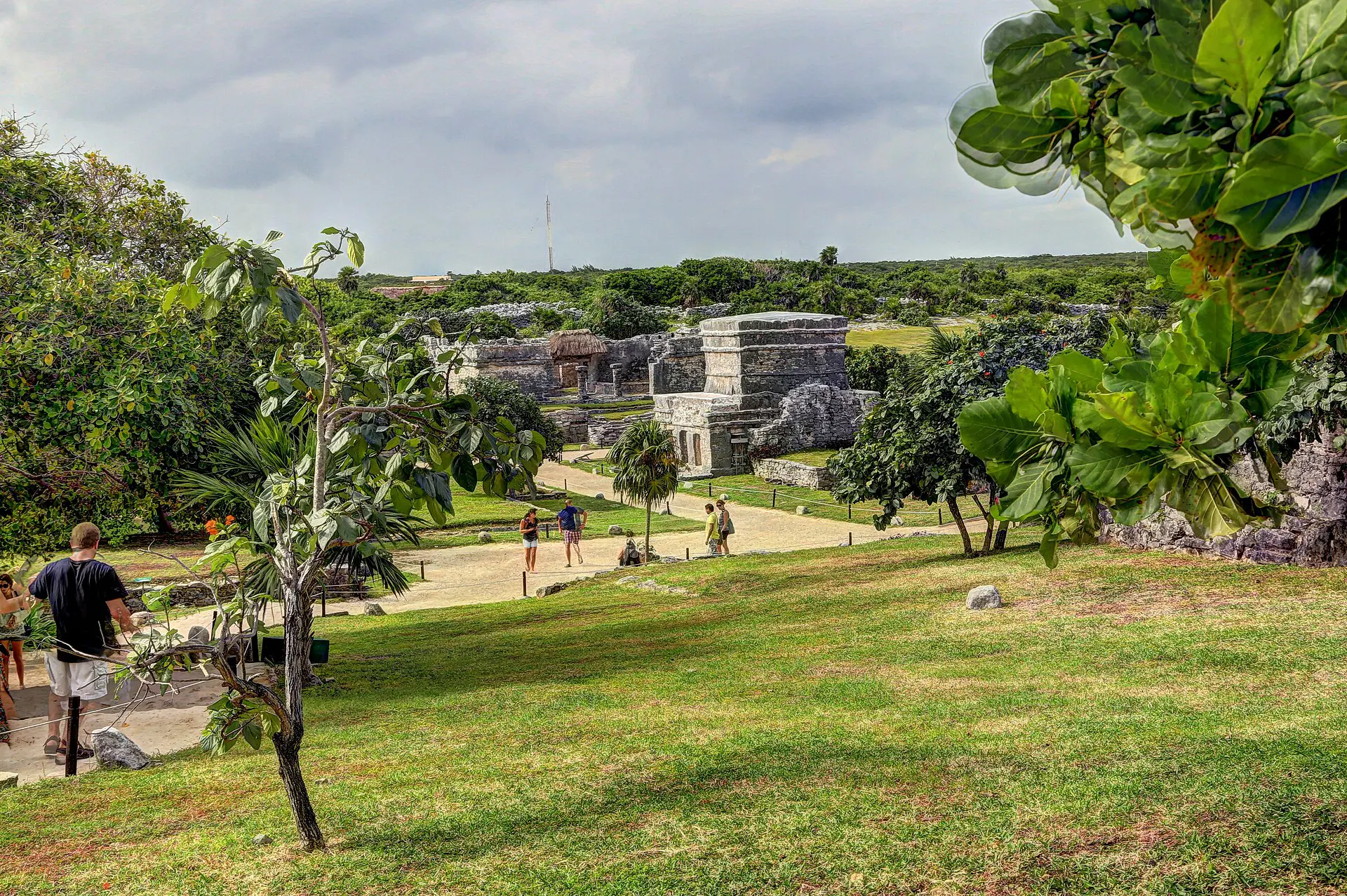
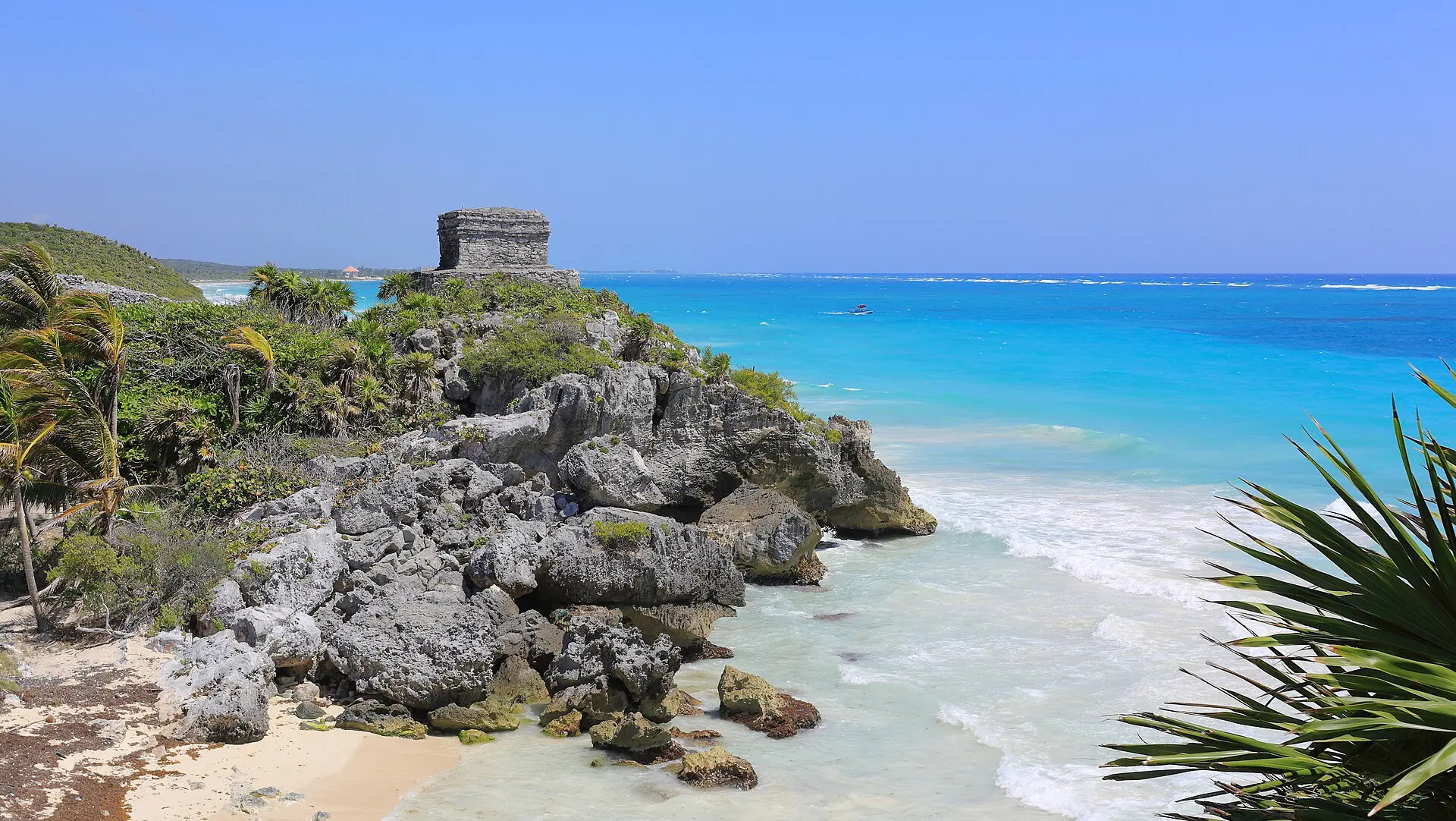
Anyone looking for things to do in Tulum will find two different places sharing one name: an ancient Maya site and a modern beach and boutique scene. The ruins are those of a walled city that served as a port for Coba, set on cliffs about 12 metres high above the Caribbean on the east coast of the Yucatan Peninsula.
Tulum was among the last cities built and inhabited by the Maya, reaching its height between the 13th and 15th centuries, and it is one of the better-preserved coastal sites. The setting, with turquoise water below the stone temples, is the reason most people come.
Beyond the ruins, you will find white beaches, cenotes (freshwater sinkholes), yoga studios, vegan cafes and a long stretch of hotels. The area has grown quickly and is often crowded and expensive. It suits couples and travellers who like beaches, nature and a lively scene, but expect to plan around crowds.
Top things to do in Tulum
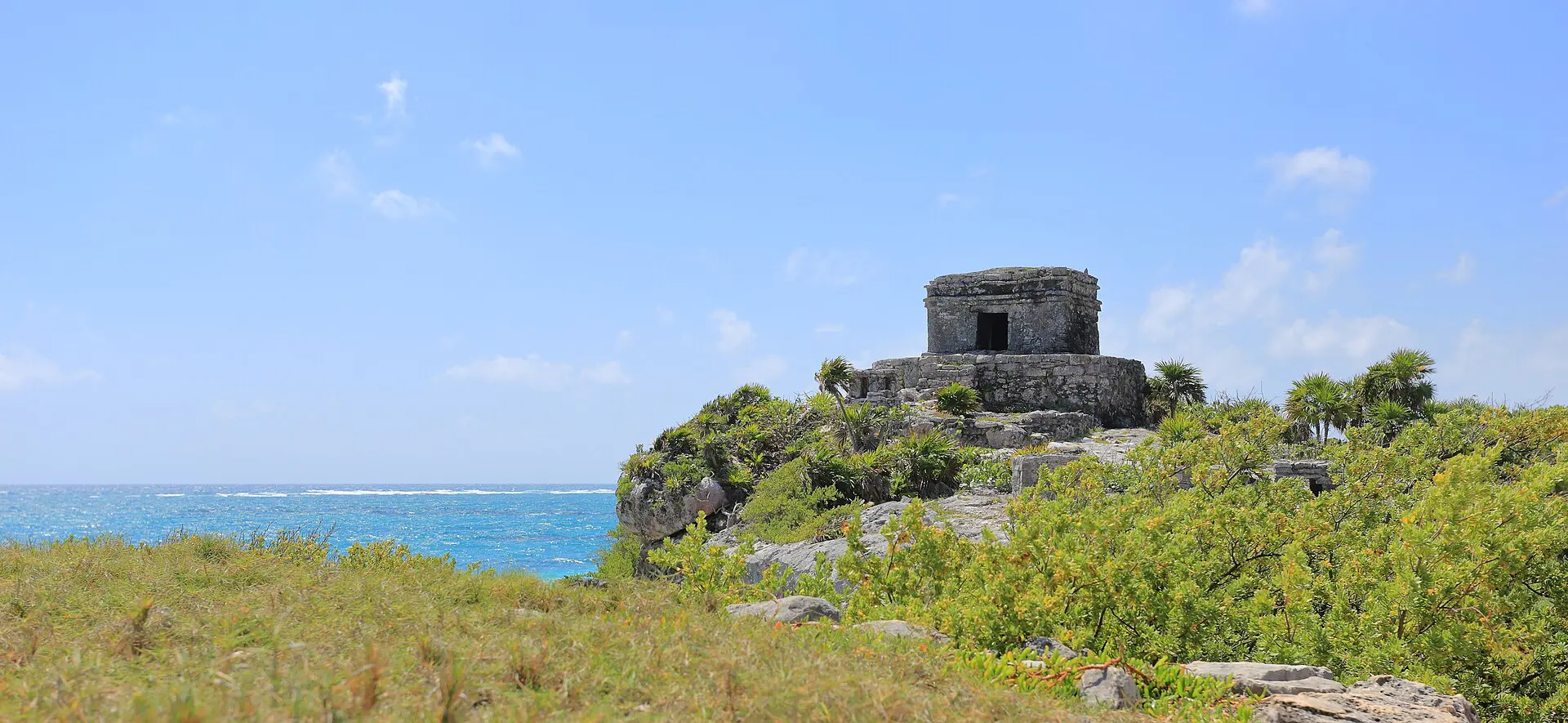
Tulum Archaeological Zone
The walled site is the main sight, with the Castillo, the Temple of the Frescoes and views of the sea. Allow one to two hours. Arrive at opening time to avoid heat and tour groups, bring water and a hat, and check current ticket and entry rules.
Playa Paraiso and the ruins beach
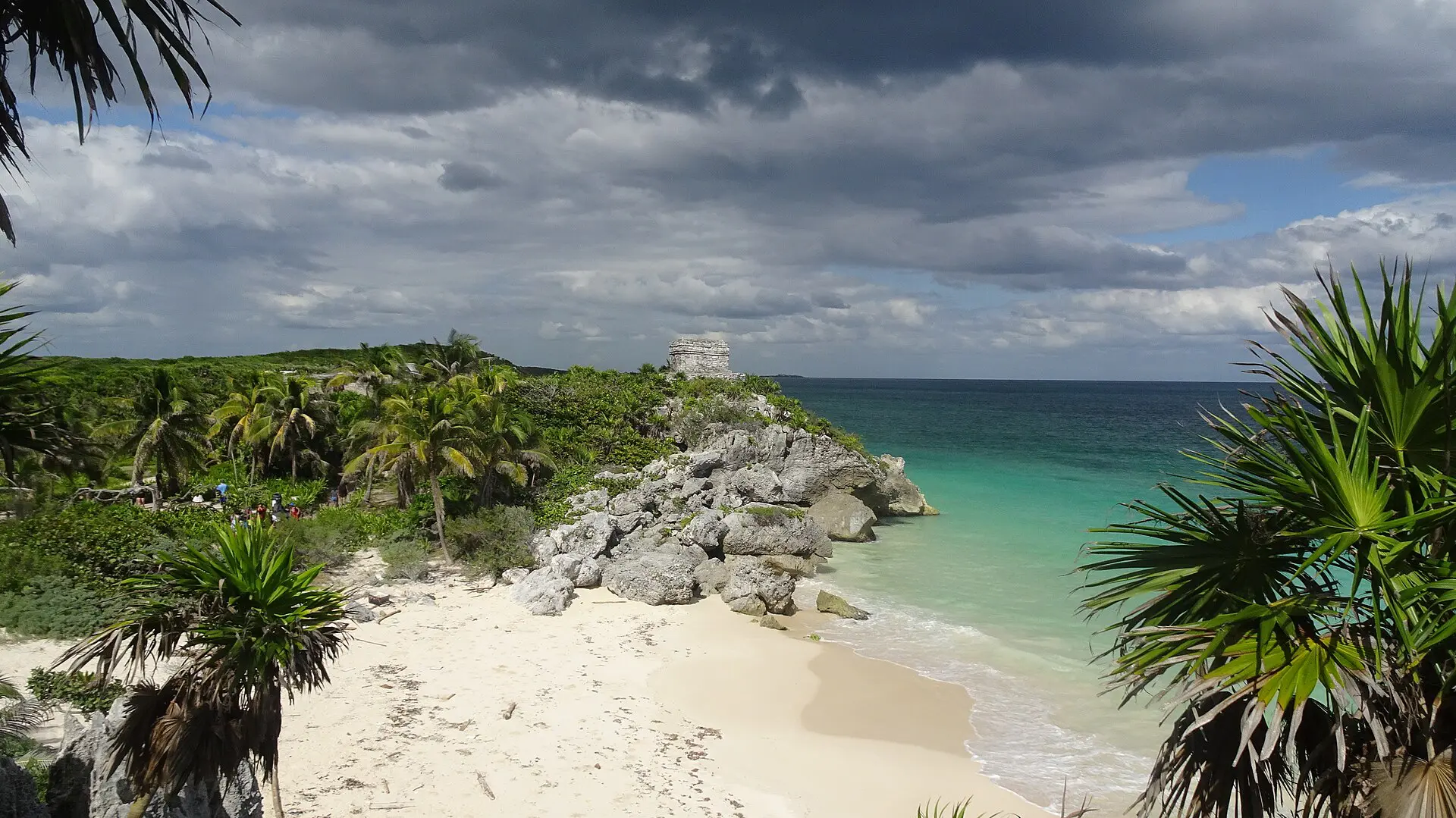
A beach sits just below the ruins and is among the most photographed on the coast. Plan a swim after your visit, but check whether access is open, as it has changed over time. Bring reef-safe sunscreen and a towel.
Cenotes
The limestone around Tulum holds many cenotes, some open and some in caves, offering cool swimming and snorkelling. Allow two to three hours for each. Entry fees and rules vary, so rinse off before entering and follow guides’ guidance on protecting the water.
Coba
This inland Maya site lies a short drive away and has a tall pyramid and forest trails. Allow half a day. You can hire a bike or a pedal taxi inside, start early and bring water, as shade is limited on some routes.
Sian Kaan Biosphere Reserve
This large protected area south of the hotel strip has wetlands, mangroves and beaches. Tours by boat or on foot take several hours. Choose licensed guides, and bring insect repellent and sun protection.
Tulum town
The town has local taquerias, shops and a more affordable side than the beach road. Plan an evening. Walk or take a bike on quieter streets, and compare menus before choosing a place to eat.
Snorkelling with turtles
Calm bays nearby are known for sea turtles. Trips take two to three hours and are best booked with an operator that respects wildlife rules. Keep your distance and do not touch the animals.
Best time to visit Tulum
Tulum has a tropical climate. The dry season, roughly November to April, brings sunny days, lower humidity and calmer seas, and is the most popular time to visit. Prices for hotels peak from December to March, and the ruins can be very crowded, so go early.
May to October is hotter, more humid and wetter, with afternoon downpours and occasional storms. The Atlantic hurricane season runs from June to November, and the highest risk is usually in late summer and autumn, so consider flexible bookings and travel insurance. Seaweed (sargassum) often affects Caribbean beaches in spring and summer, which can alter water quality and beach conditions, so check recent reports. Lower prices and fewer visitors make the wet months appealing if you can accept some risk.
| Season | Weather | Crowds and prices |
|---|---|---|
| Nov to Apr | Dry, warm, sunny | Peak crowds, highest prices |
| May to Jun | Hot, humid, some rain | Moderate, sargassum risk |
| Jul to Oct | Hot, wet, storm risk | Quieter, lower prices |
How to get to Tulum and around
Most visitors fly into Cancun International Airport (CUN), roughly one and a half to two hours’ drive north, with shuttles, taxis, buses and rental cars on offer. A newer airport near Tulum (TQO) has been opened, so check which airlines serve it and what the transfers look like. A train service has also been developed on the Yucatan Peninsula, so check the latest routes and whether it suits your plans.
Local buses and shared vans (colectivos) run along the coast between Tulum, Playa del Carmen and Cancun, and are an affordable way to move around. Within Tulum, the town and the beach road are several kilometres apart, so you will need a taxi, a bike or a scooter. Taxi fares can be high, so confirm the price first.
Renting a car helps for cenotes and Coba, but expect police checks and parking charges. Many visitors combine a bike with taxis and organised tours.
Where to stay in Tulum
Tulum has three broad zones, and the difference between them matters more than the hotel itself.
The beach road (Zona Hotelera) runs along the sea, with boutique hotels, beach clubs and restaurants. It is atmospheric and often costly, and it suits couples and travellers who want to be on the sand. Expect limited electricity or Wi-Fi in some places.
Tulum town (Pueblo) is the more affordable and practical base, with hostels, guesthouses, local food and easy access to buses. It suits budget travellers and anyone who plans to leave early for day trips.
Aldea Zama and the jungle area offer newer condos and quieter stays, with pools and cenotes nearby. They suit longer visits and families who value space.
Book early for peak months, and check the distance to the beach before booking.
How many days do you need?
Three to four days is a good length for the ruins, a cenote or two and a couple of beach days. A shorter visit of two days works as part of a Riviera Maya trip, while five days or more suits travellers who want to add Coba, Sian Kaan and a slow pace.
- Day 1: Arrive, check in and spend the afternoon at the beach, with dinner in town.
- Day 2: Tulum ruins at opening time, a swim at the beach below, then a cenote in the afternoon.
- Day 3: Coba in the morning, a late lunch and a sunset on the coast.
If you stay a fourth day, book a Sian Kaan tour or relax on the beach.
Day trips and nearby
Coba
Coba is an inland Maya city with a very tall pyramid and trails through forest. It is about 45 minutes by car from Tulum. Plan half a day, hire a bike for the long paths and start early.
Playa del Carmen
Playa del Carmen is a lively resort town to the north with a pedestrian shopping street and ferries to Cozumel. It is an easy half-day or full-day trip by bus or shared van. Check schedules and fares.
Cozumel
Cozumel is an island reached by ferry from Playa del Carmen, known for diving and reef snorkelling. It works as a full-day excursion if you start early, though an overnight stay is more relaxed.
Chichen Itza and Valladolid
Chichen Itza is a major Maya site inland, often combined with a visit to the colonial town of Valladolid. The drive takes around two hours each way. Book a tour or hire a car, and start early to beat crowds and heat.
FAQ
Q1When is the best time to visit Tulum?
November to April is the driest and most popular period, with sunny weather and calm seas, but also the highest prices and biggest crowds. May to October is hotter and wetter, with hurricane risk and more seaweed on beaches, but cheaper and quieter.
Q2How many days do you need in Tulum?
Three to four days works well for the ruins, a cenote or two and beach time. Add a day for Coba or the Sian Kaan reserve. A shorter two-day stay is possible if you are touring the Riviera Maya and want a quick highlight.
Q3How do you get to Tulum?
Most visitors fly into Cancun International Airport (CUN) and continue by shuttle, taxi, bus or rental car, usually in around one and a half to two hours. A closer airport near Tulum (TQO) also exists, so check airlines and transfer options before booking.
Q4Is Tulum safe and expensive?
Tourist areas are busy and generally manageable, though you should take normal precautions and check your government's current advice. Tulum is expensive by Mexican standards, especially beachfront hotels and restaurants, while the town offers cheaper meals and lodging.
Prices, schedules and entry rules change. Check current details with official sources before you travel. Read the Mexico travel guide.