Why visit Monterrey
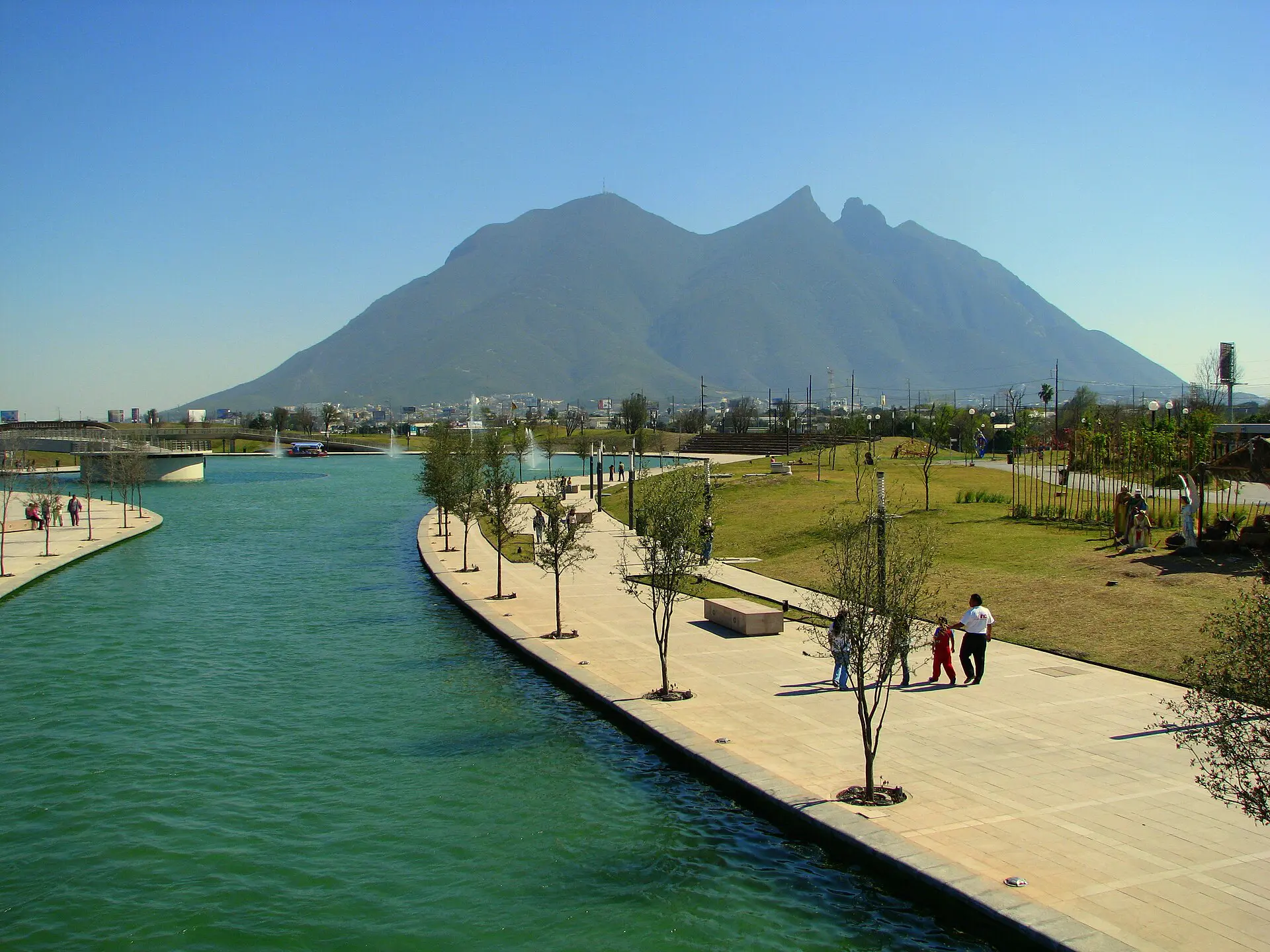
If you are planning things to do in Monterrey, begin with the city itself. It is the capital of the state of Nuevo Leon and the base of Mexico’s second-largest metropolitan area, with more than five million people in the metropolitan area. It sits at the foothills of the Sierra Madre Oriental, and the mountains are visible from many streets.
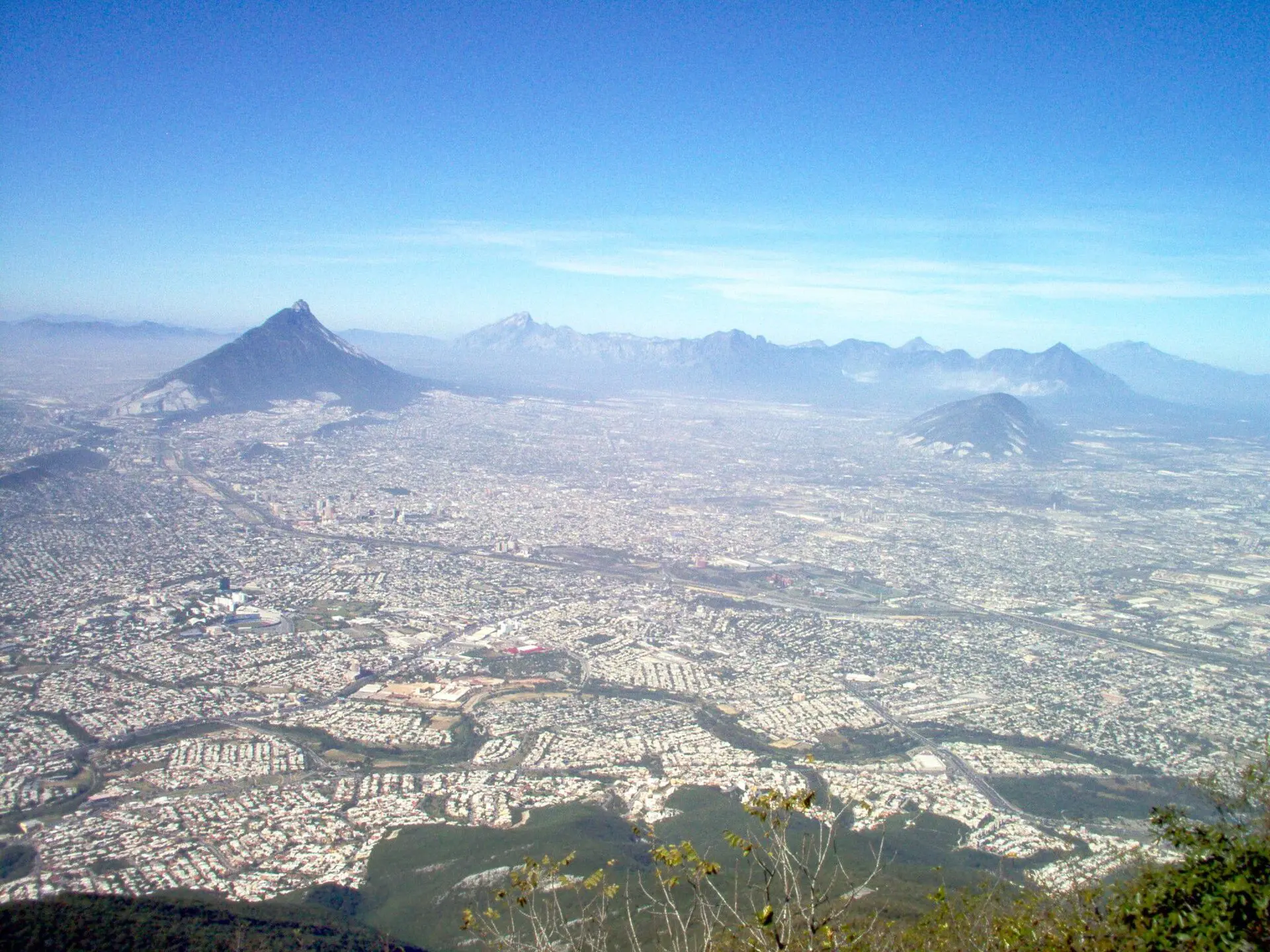
Monterrey was founded in 1596 by Diego de Montemayor and grew into a major industrial hub after the Monterrey Foundry opened in 1900. Many foreign visitors come for business, but the city has a strong set of cultural and entertainment attractions. It is aggressively modern, unlike many Mexican destinations, though it keeps some colonial-era sights and the historic Barrio Antiguo district, so it suits travellers who want a contemporary city.
Top things to do in Monterrey
Macroplaza
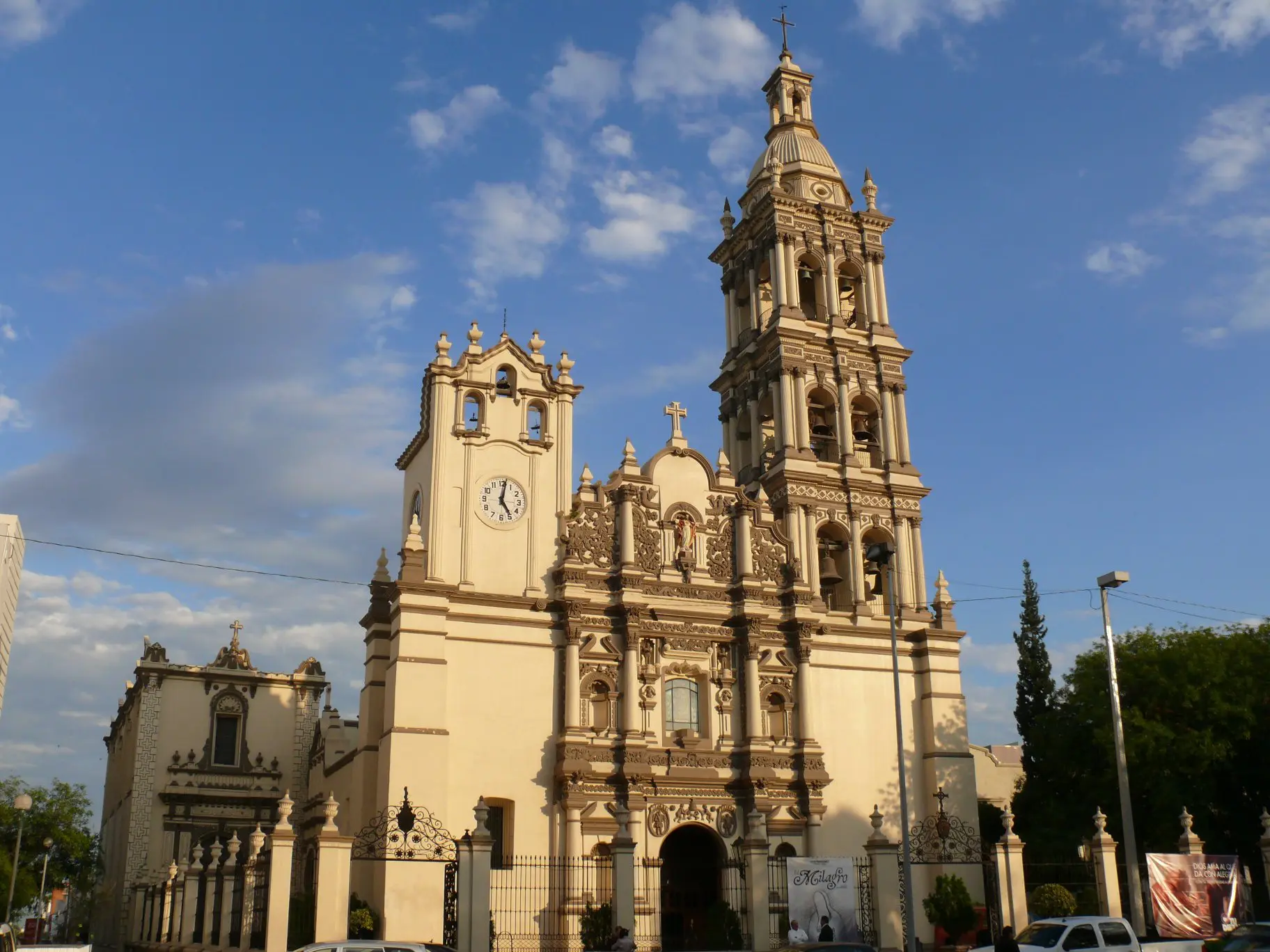
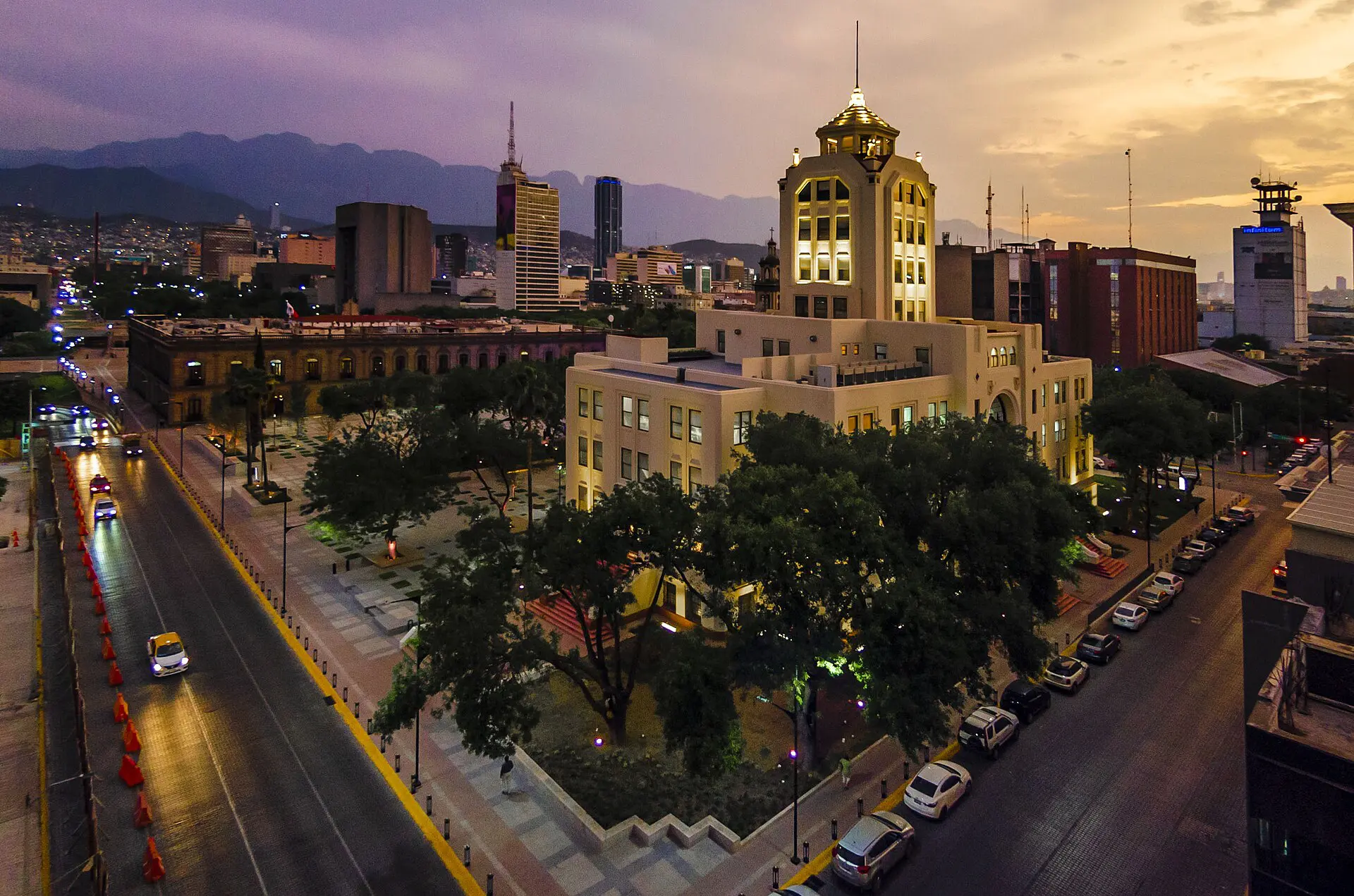
The Macroplaza is a large central civic space lined with government buildings, fountains and monuments, and it forms the core of downtown. Allow one to two hours. It is best in the morning or late afternoon, when the heat is lower, and it links easily to other sights nearby.
Barrio Antiguo
Barrio Antiguo is the old quarter, with low colonial-style houses, galleries, cafes and bars. Plan an evening or an afternoon. It is livelier at night, especially on weekends, so check current local advice and use licensed taxis or ride-hailing to return.
Fundidora Park
Fundidora Park is a large public park built on the site of the old steel foundry, with preserved industrial structures, paths and museums. Allow half a day. Bring water, as there is limited shade in places, and check opening hours for any museums inside.
Paseo Santa Lucia
Paseo Santa Lucia is a canal-style riverwalk linking Fundidora Park with the Macroplaza area, with boat rides and cafes along the way. Allow one to two hours. It is pleasant in the evening, and boats run on set schedules, so check availability.
Museums
The city has a good range of museums covering art, history and local industry, many in the downtown area. Allow two to three hours per museum. Several close on Mondays, so check days and times in advance, and bring identification if you want any discounts.
Parque Chipinque and the mountains
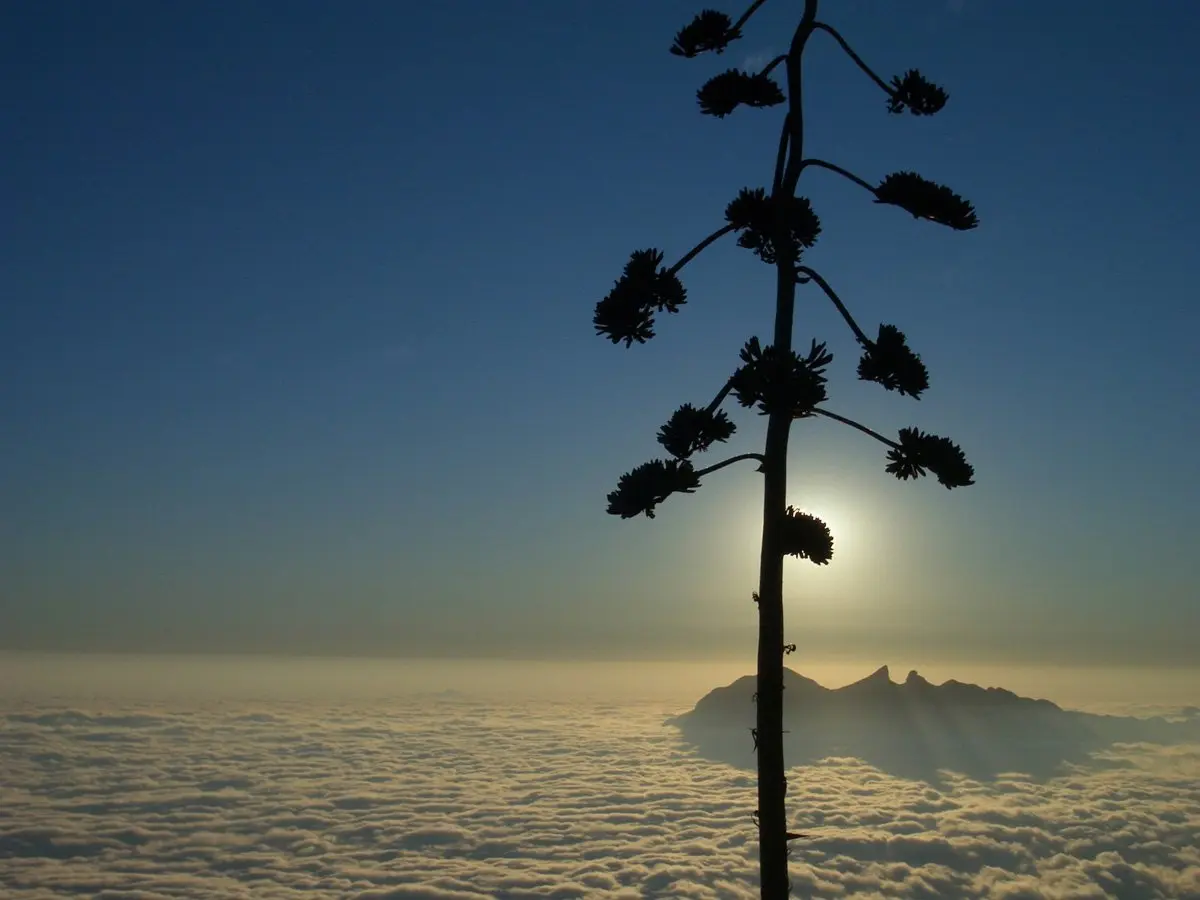
Chipinque is a mountain park on the edge of the city, with trails and views over Monterrey. Plan half a day. Go early, take water and check trail conditions and any access rules, as visitor numbers and parking can be controlled on busy days.
Best time to visit Monterrey
Monterrey has a hot semi-arid climate. Summers (June to September) are very hot, with high humidity at times and thunderstorms in some years. Winter and spring, from roughly October to April, are the most comfortable seasons for walking and parks, with mild days and cooler nights, although winter cold snaps do occur and you should pack a layer. Autumn and spring are generally the best choice for outdoor plans. Hotels are often busiest on weekdays because of business travel, so weekends can offer better rates. Check the forecast for heavy rain, as flooding is possible in storms.
How to get to Monterrey and around
Monterrey International Airport is northeast of the city and has flights across Mexico and to some destinations in the United States. Check current routes. Taxis, ride-hailing and shuttles run to the centre, and the trip takes about 30 to 45 minutes depending on traffic.
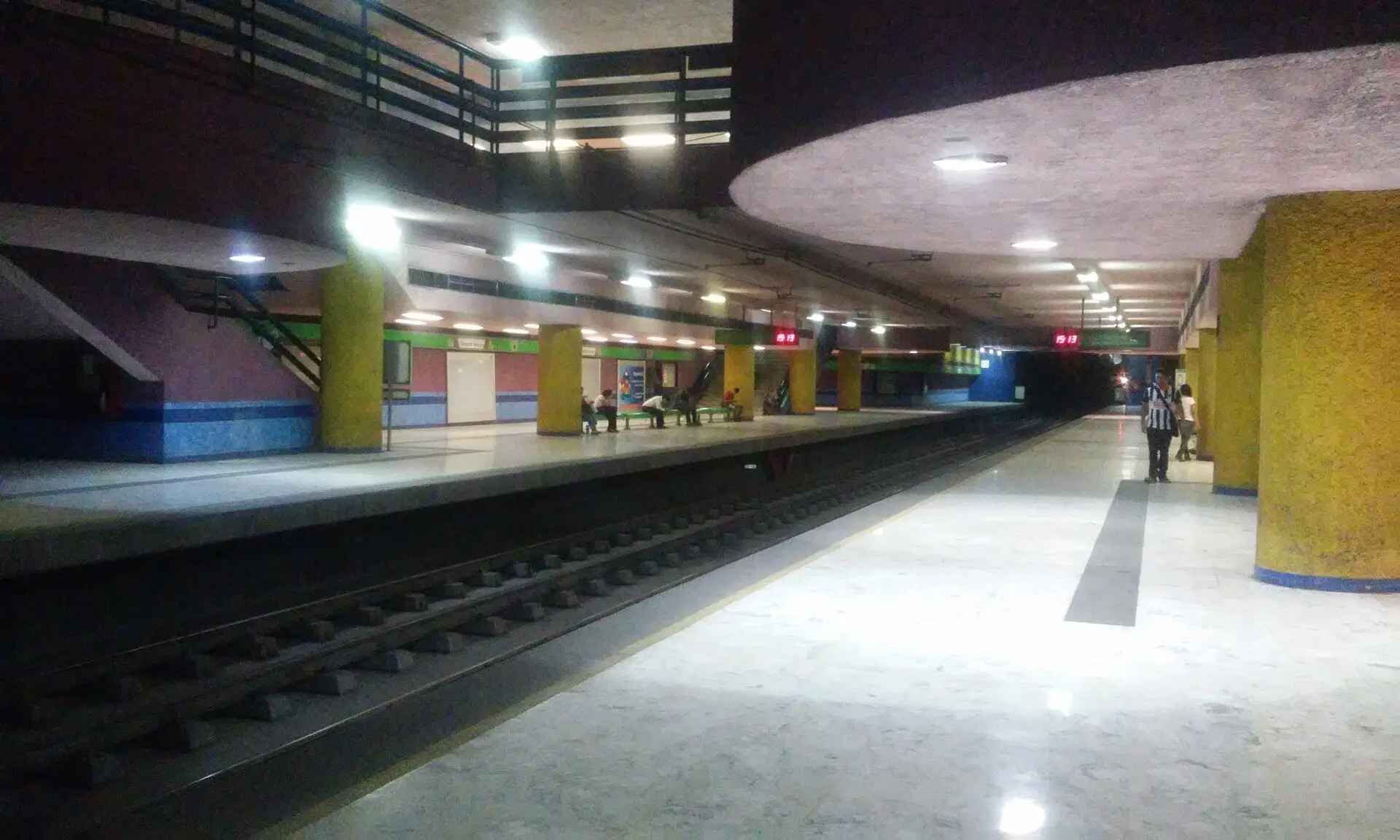
Long-distance buses connect Monterrey with Mexico City, Texas border crossings and other cities, and the journey from the capital is long, so flying is often easier. In the city, the metro and buses cover parts of the metropolitan area, and ride-hailing and taxis are the simplest option for most visitors. The city is spread out, so a car helps for the mountains and canyons. Check your own government’s current travel advice for Nuevo Leon and for any overland route before you go.
Where to stay in Monterrey
Downtown, near the Macroplaza and Barrio Antiguo, is convenient for first-time visitors who want sights and nightlife nearby, and offers a range of mid-range and business hotels. San Pedro Garza Garcia, a wealthy suburb southwest of the centre, has upscale hotels, shopping and restaurants, and suits travellers who prefer a quieter, modern base.
The area near Fundidora Park offers newer hotels close to the park and the convention centre, which suits business travellers and families. Prices vary between weekdays and weekends, so compare dates before booking.
How many days do you need?
Two days covers the main sights in the centre and a park, and three days adds a mountain or canyon excursion. If you plan several day trips, stay four days.
- Day 1: Walk the Macroplaza, then follow Paseo Santa Lucia to Fundidora Park and a museum.
- Day 2: Spend the morning in Chipinque or another mountain park, then explore Barrio Antiguo in the evening.
- Day 3: Take a day trip to a canyon, cave or nearby town.
Day trips and nearby
Cola de Caballo waterfall
The Cola de Caballo is a waterfall in the mountains southeast of Monterrey, reached in about an hour by road. Allow half a day. Water flow varies by season, so check conditions, and expect a short walk from the entrance.
Santiago and the Sierra Madre
Santiago is a small town in the mountains southeast of the city, known as a weekend escape for locals, with nearby lakes and viewpoints. Allow half to a full day. Mountain roads can be slow, so start early.
Grutas de Garcia
These caves north-west of the city can be reached by cable car and a short drive. Allow half a day. Hours and tour times vary, so check ahead, and wear comfortable shoes for the wet, uneven paths inside.
Saltillo
Saltillo, in the neighbouring state of Coahuila, lies roughly one hour to the southwest and has a historic centre and museums. It works as a day trip. Check road conditions and travel in daylight.
FAQ
Q1When is the best time to visit Monterrey?
October to April is usually the most comfortable period, with mild days for parks and walking. Summer is very hot, and heavy storms can cause flooding. Spring and autumn suit outdoor plans, and weekends often have better hotel rates than weekdays.
Q2How many days do you need in Monterrey?
Two to three days is enough for the Macroplaza, Barrio Antiguo, Fundidora Park and one mountain park. Add a day if you plan a trip to the Cola de Caballo waterfall, Santiago or the Grutas de Garcia.
Q3How do you get to Monterrey?
Monterrey International Airport has flights across Mexico and to some United States cities, about 30 to 45 minutes from the centre. Long-distance buses run from Mexico City and the border. Flying is usually easier from the south, given the long distances.
Q4Is Monterrey worth visiting?
Yes, if you like modern cities, museums, food and easy access to mountain scenery. It is more of an urban and business destination than a colonial one. Check current local advice, use licensed transport at night and book hotels early on busy weekdays.
Prices, schedules and entry rules change. Check current details with official sources before you travel. Read the Mexico travel guide.