Why visit Merida
If you are planning things to do in Merida, Mexico, think of it as a cultural base rather than a beach stop. It is the capital and largest city of Yucatan state, about 35 kilometres inland from the Gulf of Mexico, and it feels a world away from the resorts of Cancun and Cozumel.
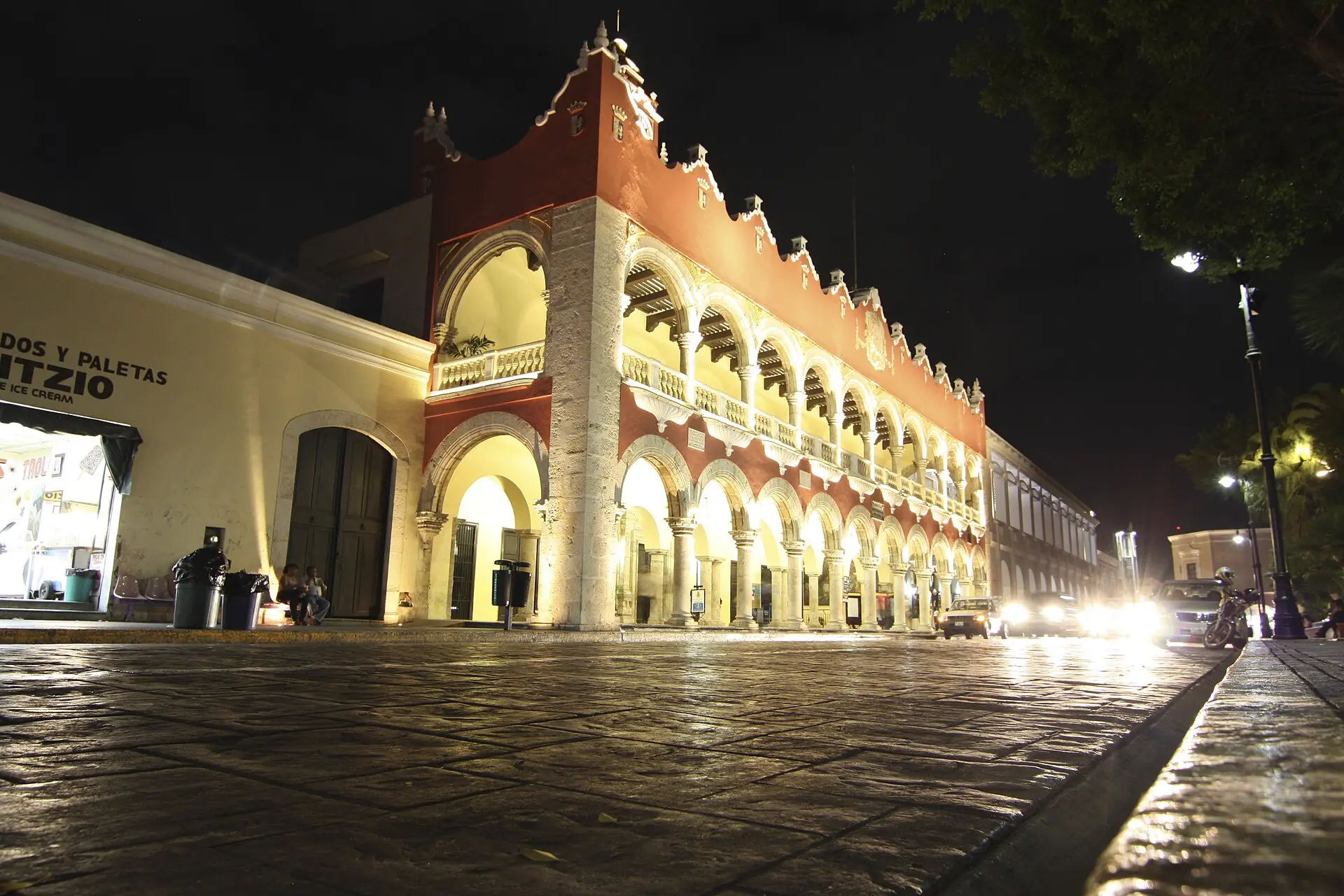
The city was founded by the Spanish in the 1540s on top of the Maya city of T’ho. Its cathedral, built in the late 16th century with stones from nearby Maya ruins, is regarded as the oldest cathedral on the American mainland, and the historic centre is among the largest old town districts in the Americas.
Day to day, Merida is a busy, relaxed city with museums, free concerts, markets and good regional food. It is also considered one of the safer large cities in Mexico, which makes it easy for first-time visitors.
Top things to do in Merida
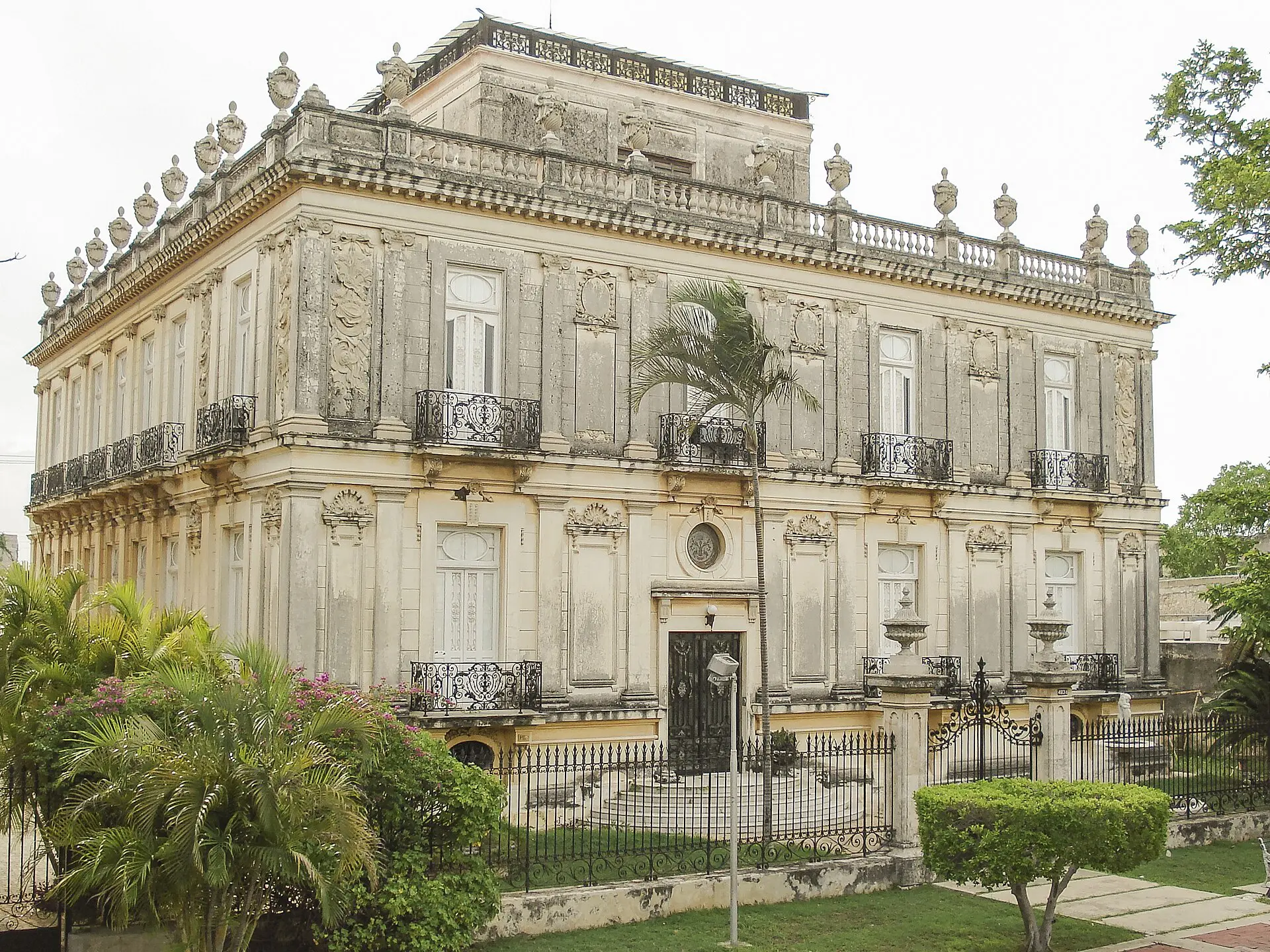
Plaza Grande and the cathedral
The main square is the heart of the historic centre, with the cathedral, government buildings and shaded benches. Allow one to two hours. Evenings and Sundays are lively, and free events are common; check the local schedule.
Casa de Montejo
The palatial house of the conquistador Montejo family stands on the main square and can be seen from outside, with a carved stone facade. Allow 30 minutes. Check whether any part is open to visitors at the time of your visit.
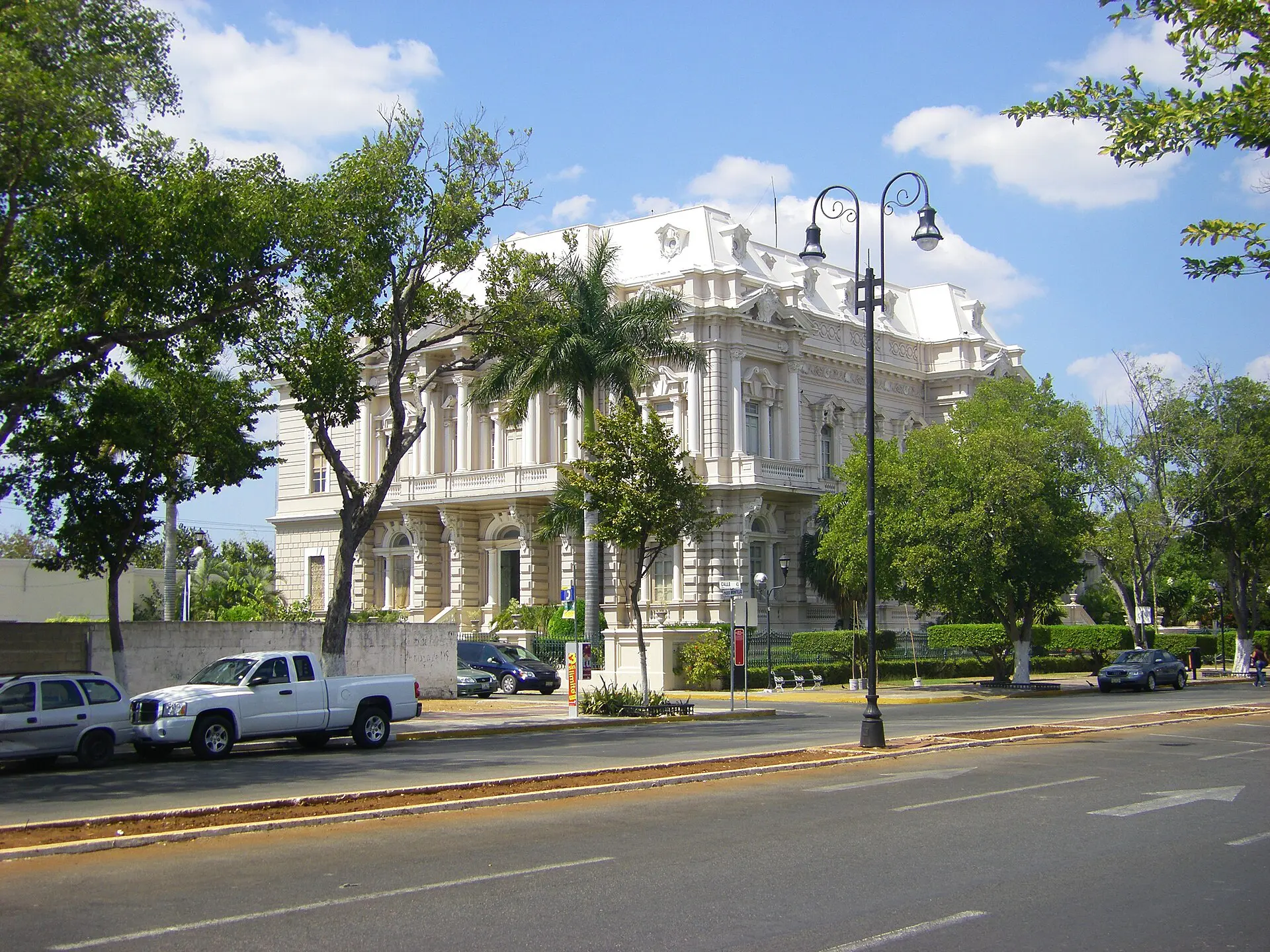
Paseo de Montejo
This wide, tree-lined boulevard is lined with 19th and early 20th century mansions, monuments and cafes. Allow an hour or two for a walk or bike ride. Go in the early morning or evening to avoid the midday heat.
Gran Museo del Mundo Maya
This museum focuses on Maya culture past and present, with archaeological pieces and exhibits. Allow two hours. It is a good first stop before visiting nearby ruins, so check opening days and ticket prices ahead of your trip.
Central market and street food
The large market near the main plaza sells crafts, produce and regional dishes. Allow one to two hours. Try local specialities such as cochinita pibil, and keep valuables secure in the crowds.
Sunday street events
On Sundays, a main street through the centre is closed to cars for markets, music and food stalls. Allow a morning. Arrive earlier for space, and check whether the usual programme is running.
Cenotes near the city
The limestone sinkholes around Merida offer cool swimming and are easy to reach by car or tour. Allow half a day. Bring a swimsuit and cash for entry, and check which cenotes have lifejackets and facilities.
Best time to visit Merida
Merida is hot all year. The most comfortable period runs from November to March, when days are warm and humidity is lower. April and May are very hot, with high temperatures, and the rainy season from roughly June to October brings heavy showers, humidity and the risk of tropical storms. December and January are popular times and prices can rise around holidays. Plan sightseeing for the morning and the late afternoon during hot periods.
| Season | Weather | Crowds and prices |
|---|---|---|
| Cool and dry (November-March) | Warm, lower humidity | Busiest, higher prices |
| Hot (April-May) | Very hot, dry | Quieter, good value |
| Rainy (June-October) | Hot, humid, storms | Quiet, lower prices |
How to get to Merida and around
Merida’s international airport has flights from Mexico City and other Mexican cities, as well as some international routes. Many visitors fly into Cancun and continue by bus or car, a journey of around four hours, depending on the route. Long-distance buses are comfortable and widely used; check operators and schedules in advance. Rental cars are useful for Maya sites and cenotes.
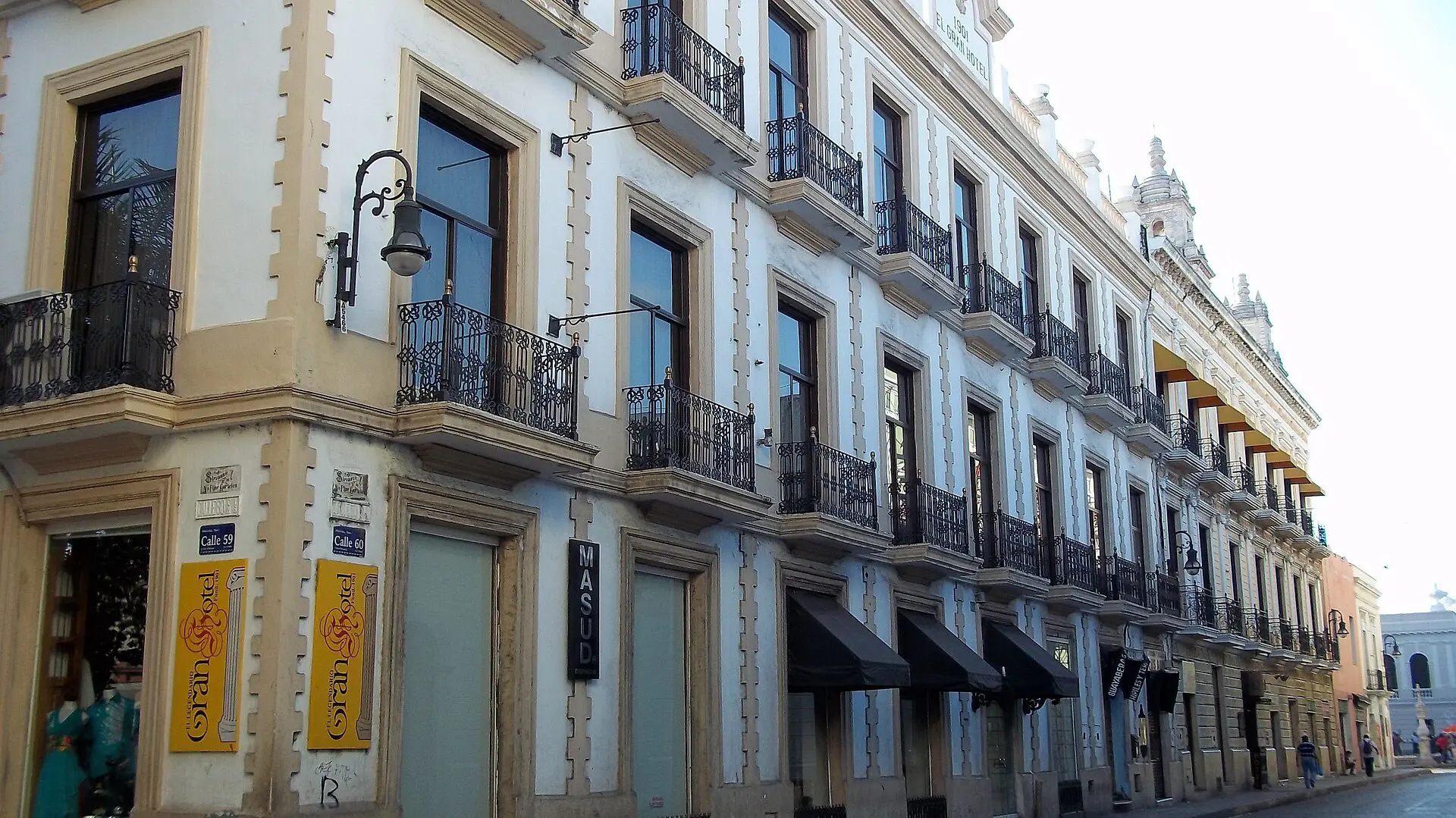
The historic centre is walkable, though pavements can be uneven and the heat makes a long walk tiring. Taxis and ride-hailing apps are common, and local buses and colectivos cover wider areas. Tours to nearby ruins and cenotes run daily, and booking with a reputable operator is a good option if you prefer not to drive.
Where to stay in Merida
Merida’s centre has many restored houses that operate as small hotels, and the north has newer hotels and malls.
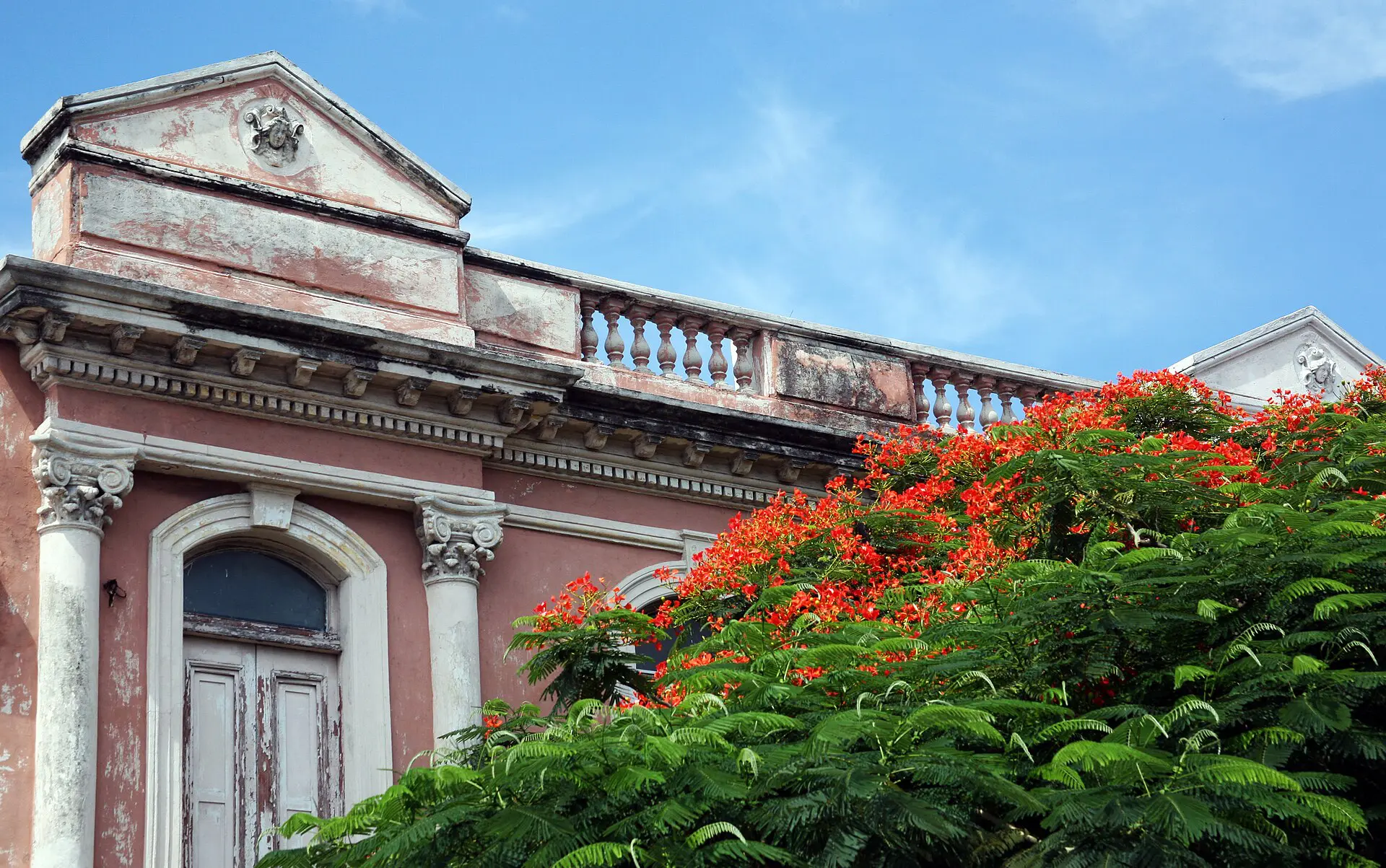
- Historic centre: boutique hotels and guesthouses in restored colonial buildings, within walking distance of the plaza and museums. Suits most first-time visitors, though some streets are noisy.
- Santa Ana and Santiago: quieter neighbourhoods with cafes and local churches. Suits travellers who want a residential feel while staying near the centre.
- Paseo de Montejo area: upscale hotels and restaurants along the boulevard. Suits travellers who want comfort and easy access to the north.
- Northern suburbs: modern hotels and malls. Suit business travellers and those with a car.
Look for air conditioning and a pool, and book early for December and January.
How many days do you need?
Two days covers the main sights in the centre and a market meal. Three to four days allows time for Uxmal or Chichen Itza and a cenote swim. A week suits a slower pace or a trip to the coast and smaller towns.
- Day 1: Plaza Grande, cathedral and the Casa de Montejo, then a stroll along Paseo de Montejo.
- Day 2: Gran Museo del Mundo Maya and the market, with an evening meal.
- Day 3: Day trip to Uxmal or Chichen Itza with a cenote stop on the way back.
Day trips and nearby
Uxmal
This Maya site, around 80 kilometres south, is known for its decorated buildings and the Pyramid of the Magician. Allow half a day. Go in the morning for cooler weather and check opening hours and ticket prices.
Chichen Itza
The best-known Maya site in the region lies roughly 120 kilometres east. It is crowded at midday, so go early or late. Allow a full day, and check current rules about climbing and access.
Celestun and Progreso
Both lie on the Gulf coast, with beaches and wildlife. Celestun is known for flamingos in the estuary, mostly in the cooler months. Allow a full day for either, and check boat tours and conditions.
Cancun and Tulum
These Caribbean destinations are several hours east and are better treated as a separate stop than a day trip. Bus and road links are good, so check schedules if combining the two coasts.
FAQ
Q1When is the best time to visit Merida?
November to March is the most comfortable period, with warm days and lower humidity. April and May are very hot, and the rainy season from about June to October brings humidity and storms, though prices drop and the city is quieter.
Q2How many days do you need in Merida?
Two days is enough for the historic centre and a museum, while three to four days lets you add a day trip to Uxmal, Chichen Itza or a cenote. A week suits a relaxed trip with coastal visits and smaller colonial towns.
Q3How do you get to Merida?
Fly to Merida International Airport from Mexico City or other cities, or arrive by bus or car from Cancun, which takes around four hours. Long-distance buses are comfortable and common. Check timetables and book ahead for busy periods.
Q4Is Merida safe?
Merida is regarded as one of the safer large cities in Mexico, and the centre is lively in the evenings. Normal city care applies: watch your belongings in crowds, use licensed taxis at night and check your government's current travel advice.
Prices, schedules and entry rules change. Check current details with official sources before you travel. Read the Mexico travel guide.