Why visit Dominica
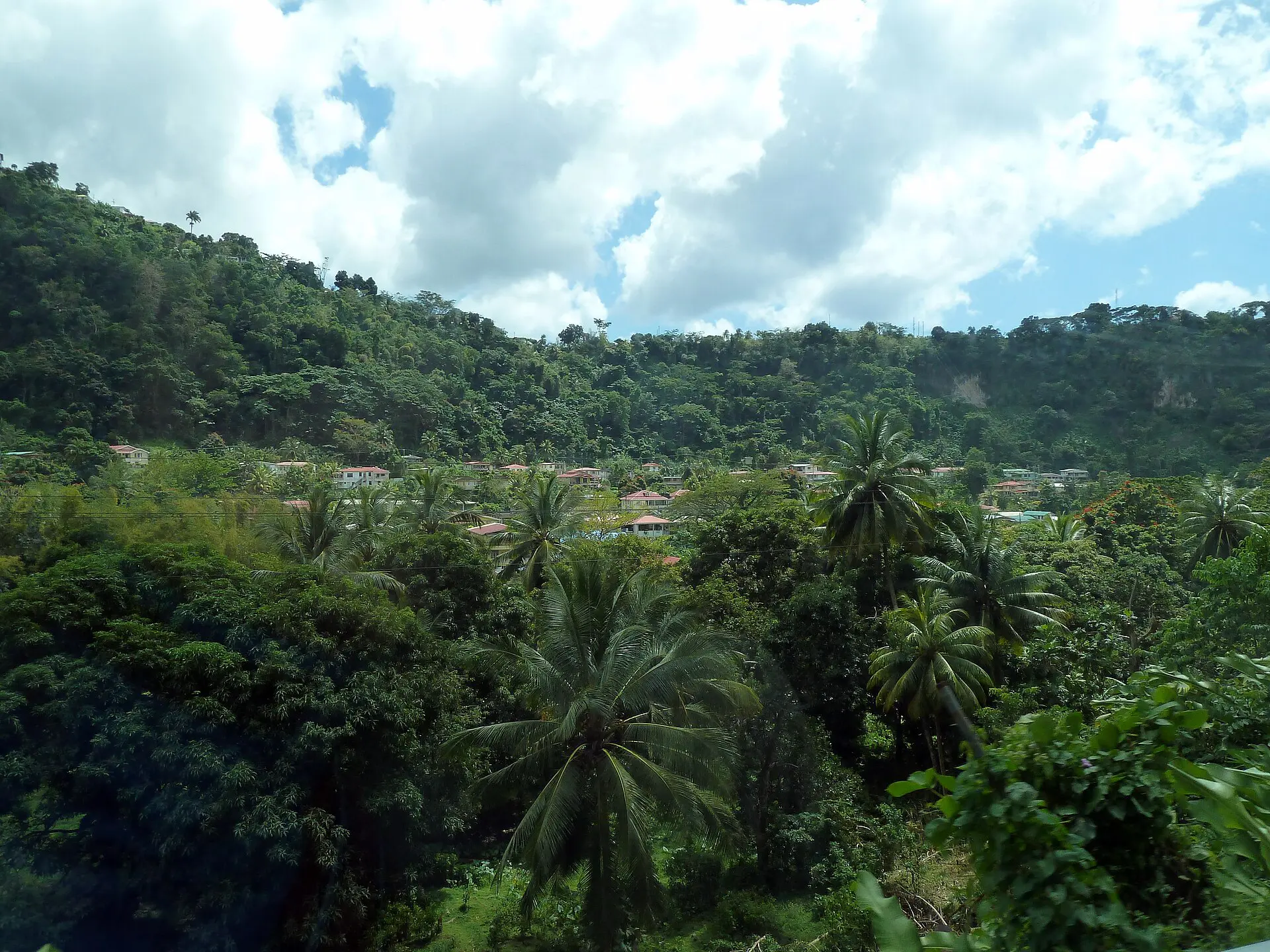
The best things to do in Dominica come from its terrain: it is the most mountainous island in the Lesser Antilles, covered in rainforest and fed by rivers, with black sand beaches and active volcanic features. The island, about 750 square kilometres, calls itself the Nature Island of the Caribbean, and national parks protect much of the interior. The Wikipedia overview covers its history and geography. Do not confuse it with the Dominican Republic, a much larger country on Hispaniola.
Dominica suits hikers, divers, birdwatchers and travellers who prefer small guesthouses to large resorts. It does not suit those looking for long white beaches, nightlife or big hotels. Roads are narrow and winding, rain is frequent, and the island was badly damaged by Hurricane Maria in 2017. Since then it has rebuilt, and the main trails, dive sites and lodges have reopened.
Best places to visit in Dominica
The best places to visit in Dominica are spread around a compact island where distances are short but roads are slow.
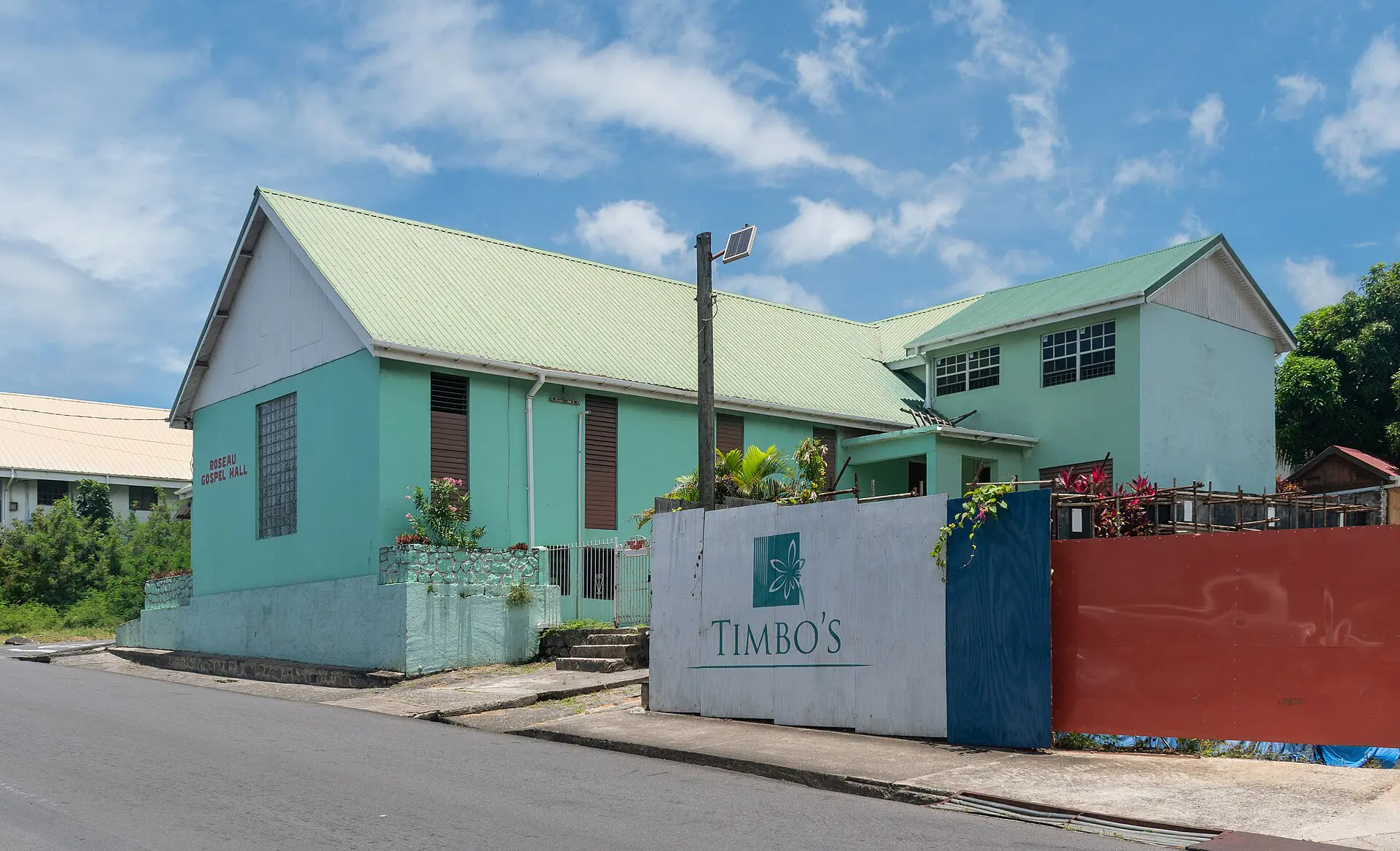
Roseau
The small capital on the southwest coast has a botanical garden, a colourful market and French-Creole wooden buildings. It is the main base for tours, ferries and restaurants.
Morne Trois Pitons National Park
This UNESCO World Heritage site in the south-centre holds the Boiling Lake, the Valley of Desolation, Emerald Pool and Middleham Falls. It is the island’s main hiking area.
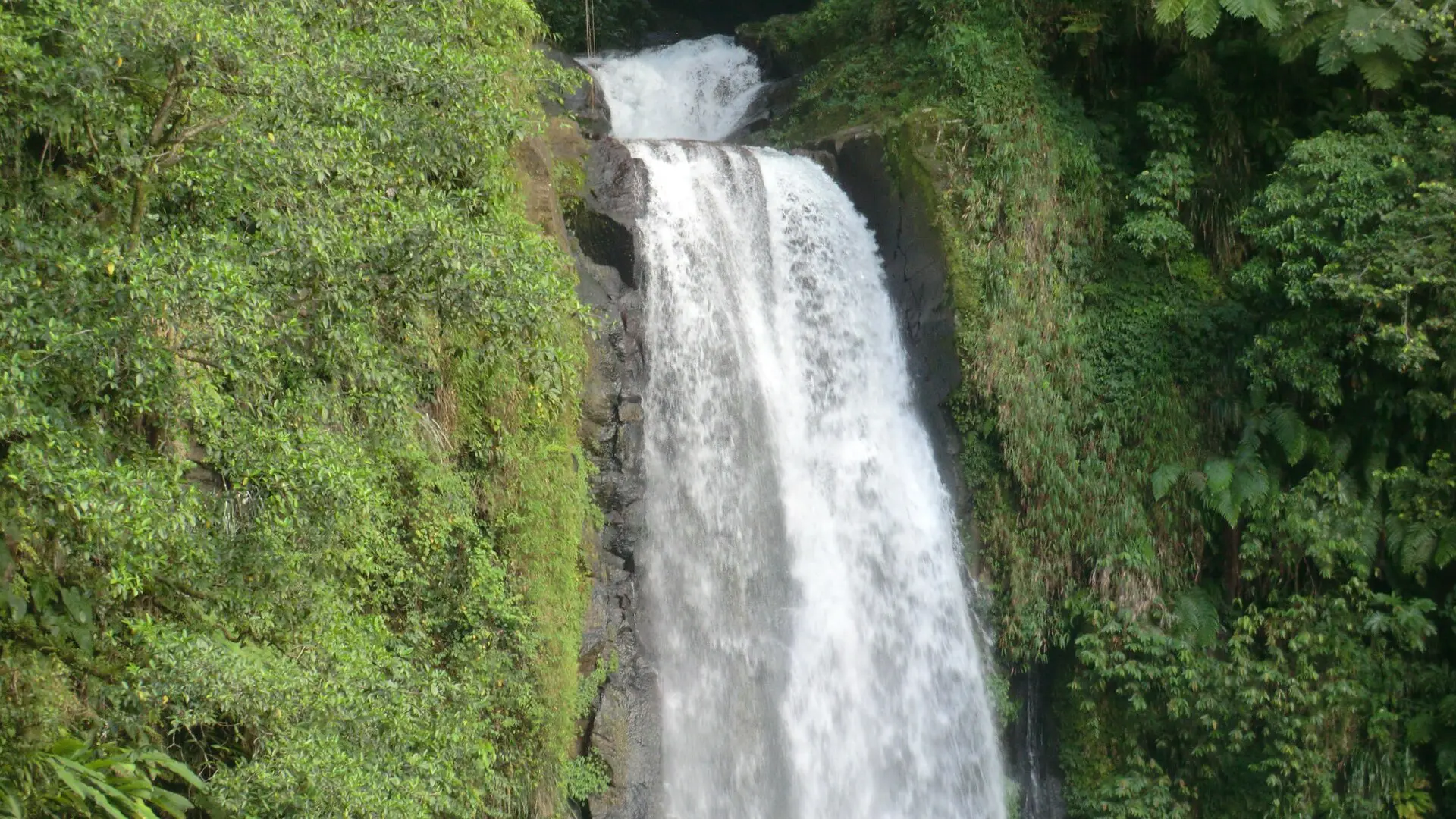
Trafalgar Falls and Wotten Waven
Just above Roseau, the twin Trafalgar waterfalls are reachable by a short walk, and Wotten Waven nearby has hot spring spas.
Portsmouth and Cabrits National Park
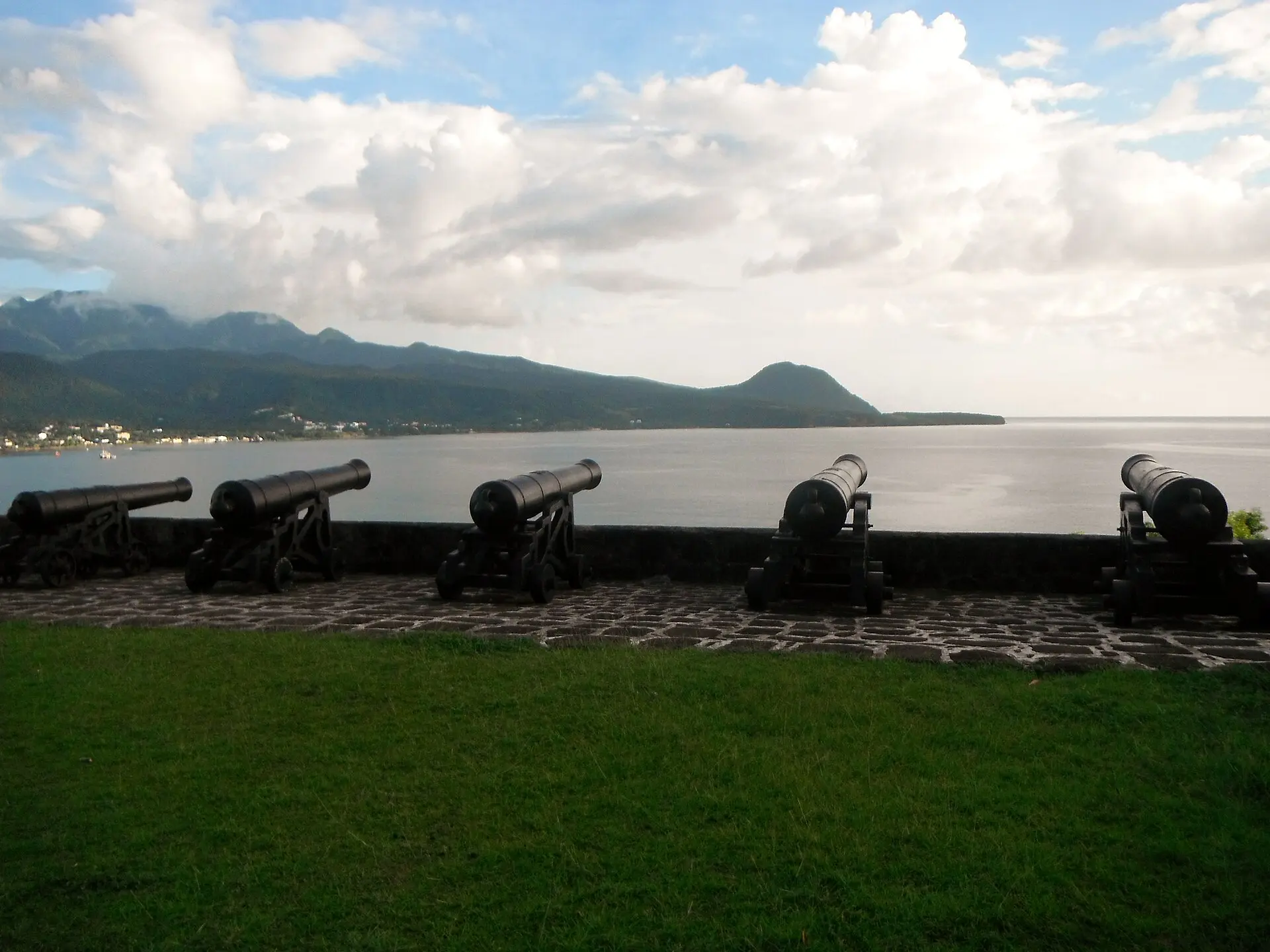
In the north, Portsmouth is a relaxed town beside Prince Rupert Bay, with the 18th-century Fort Shirley in Cabrits park and boat trips on the Indian River.
Soufrière and Scotts Head
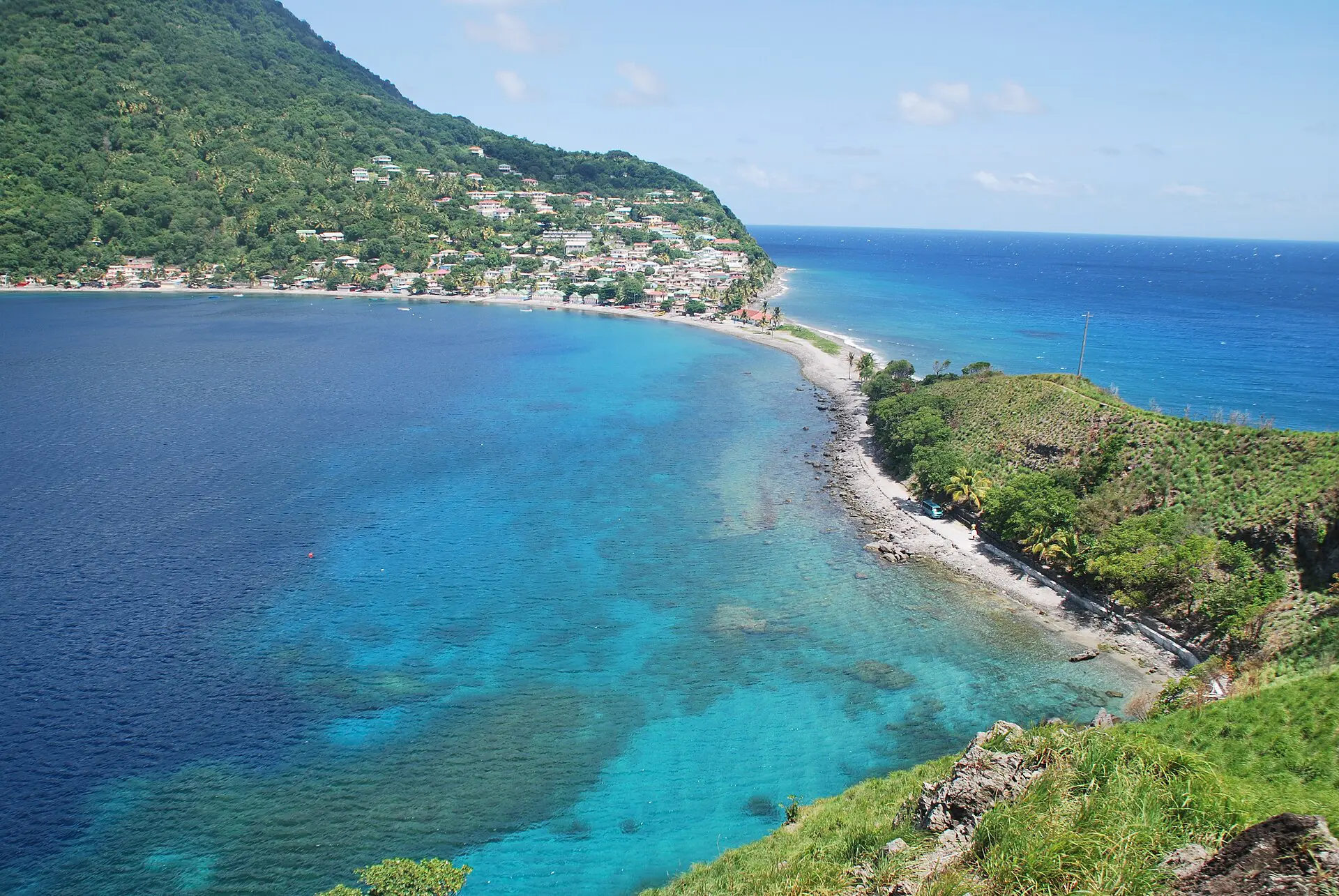
On the southwest tip, this fishing area has a crater-rim bay, Champagne Reef and some of the best snorkelling and diving on the island.
Kalinago Territory
On the east coast, this community of the island’s indigenous Kalinago people has craft shops, a model village and dramatic coastline.
Top things to do in Dominica
The top things to do in Dominica involve walking, swimming and diving. Many trails require a local guide, which also supports local communities.
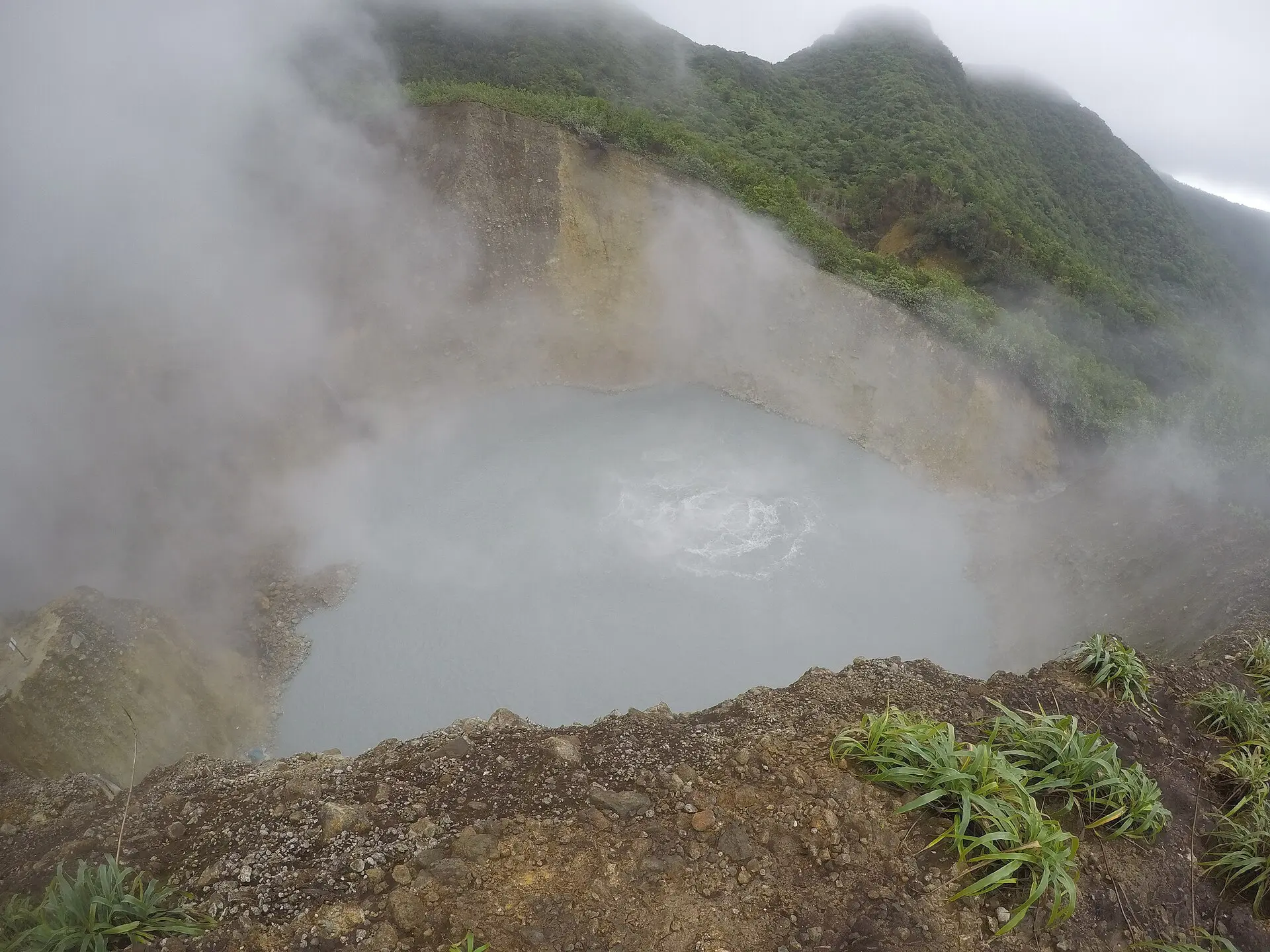
- Hike to the Boiling Lake: a demanding full-day trek through the Valley of Desolation to a steaming volcanic lake.
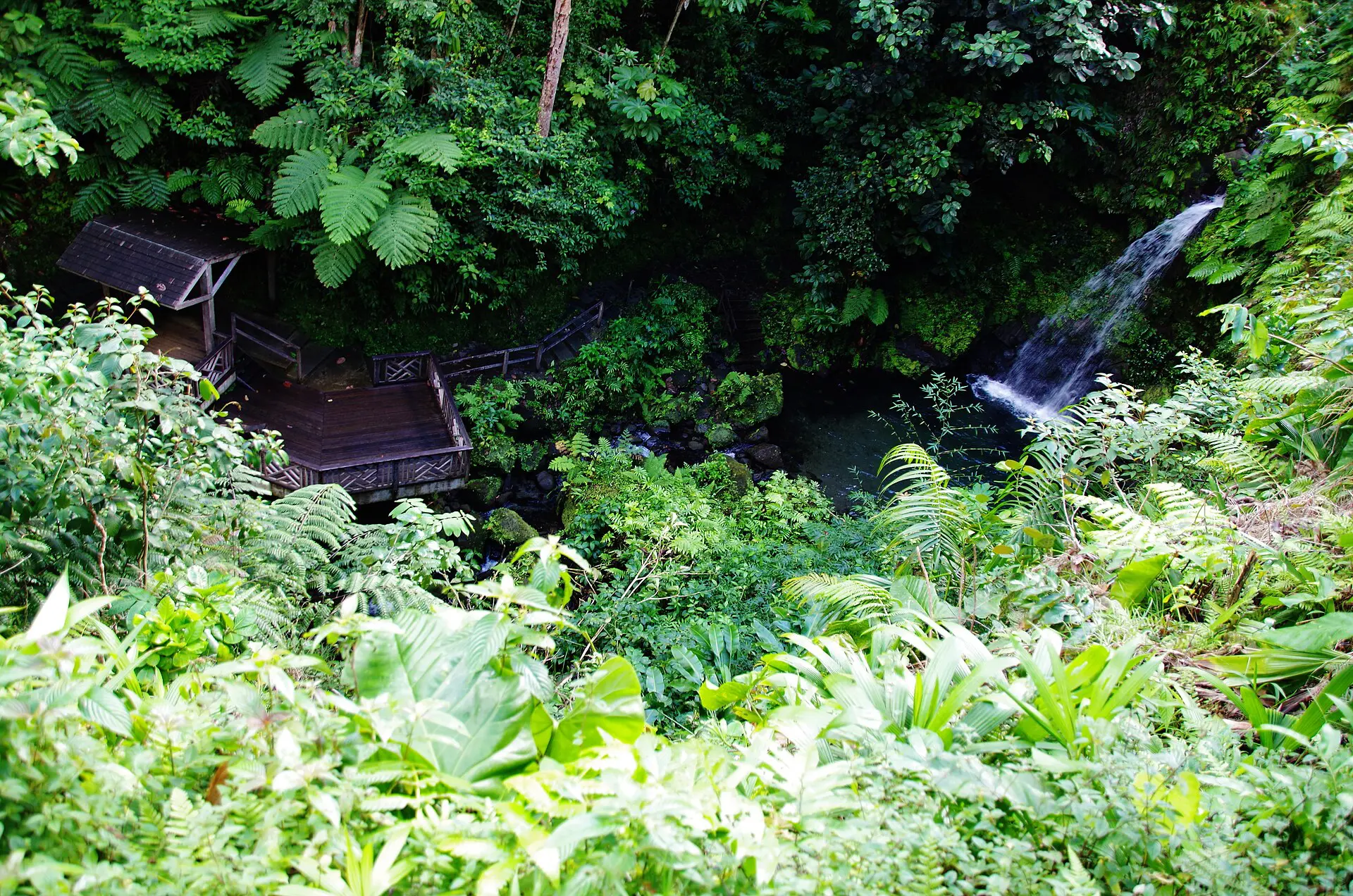
- Swim at Trafalgar Falls and Emerald Pool: short walks lead to cool pools in the rainforest.
- Float through Titou Gorge: a narrow volcanic canyon where hot and cold water meet.
- Watch sperm whales: boats leave from the west coast, and whales live offshore year-round.
- Snorkel at Champagne Reef: volcanic vents release warm bubbles through the water.
- Soak in Wotten Waven hot springs: mud and sulphur baths set among trees.
- Take an Indian River boat trip: rowed boats explore a mangrove-lined river near Portsmouth.
- Walk the Segment of the Waitukubuli National Trail: the 14-segment national trail crosses the island, and single segments make good day hikes.
- Visit the Kalinago Territory: learn about indigenous crafts, canoes and cassava bread.
- Dive at Scotts Head and Soufrière Bay: walls, reefs and drop-offs close to shore.
Best time to visit Dominica
The best time to visit Dominica is February to May, the driest and sunniest months, when trails are less muddy and seas are calm. December to April is the main tourist season, and whale watching is generally best from November to March. The wet season runs from about June to November, and the hurricane season peaks from August to October.
| Season | Weather | Crowds and prices | Good for |
|---|---|---|---|
| Dry (Feb-May) | Warm, least rain, 27 to 30 C | Moderate to high prices | Hiking, diving, beaches |
| Early wet (Jun-Jul) | Hot and humid, showers | Low | Quiet trails, cultural events |
| Hurricane peak (Aug-Oct) | Heavy rain, storm risk | Lowest | Little; check forecasts |
| Winter (Nov-Jan) | Showers, cooler evenings | High around Christmas | Whale watching, Creole festivals |
Rain falls year-round in the mountains, so pack waterproofs in every season.
Is Dominica safe to visit?
Yes, Dominica is generally safe for visitors, and violent crime against tourists is uncommon. The main risks are natural: hurricanes, flash floods and difficult hiking terrain. Whether Dominica is safe to visit in any given week depends on the weather as much as crime, so check your government’s travel advice, such as the UK FCDO or US State Department pages.
Hurricanes. The Atlantic hurricane season runs June to November. Buy flexible bookings and travel insurance, and follow local warnings.
Hiking. Trails are steep, slippery and sometimes poorly marked. Use a guide for Boiling Lake and other long routes, and avoid rivers and gorges after heavy rain, when flash floods can arise suddenly.
Crime. Petty theft from cars and beaches occurs. Do not leave valuables in a parked car, and avoid isolated areas at night.
Sea and health. Currents can be strong on some beaches. Mosquito-borne diseases such as dengue occur, so use repellent. Medical facilities are basic, so travel insurance with evacuation cover is wise.
Dominica visa and entry requirements
Dominica visa rules depend on nationality. Citizens of many countries, including the US, Canada, the UK and the EU, can enter without a visa for stays of several weeks or more, and several Caribbean and Commonwealth countries have similar access. Others need a visa arranged in advance through a Dominican embassy or online. Check the official Dominica immigration source before booking, because lists and durations change.
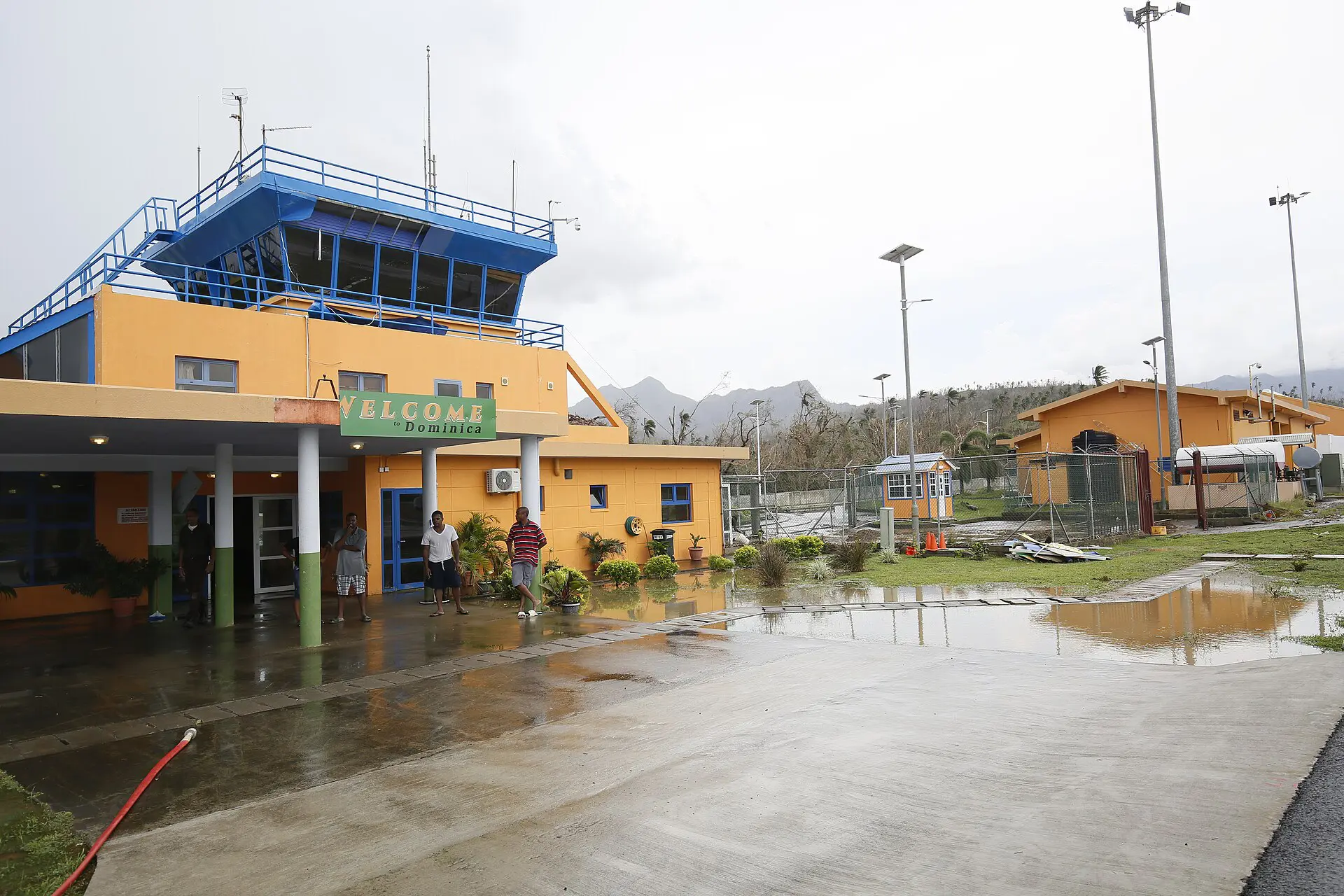
Bring a passport valid for at least six months, a return or onward ticket and proof of accommodation. Immigration officers may ask about funds. Some travellers have to complete an online arrival or health form, so check current requirements before flying.
A yellow fever certificate may be needed if you arrive from a country with a risk of transmission. Cruise passengers usually need only a passport. Dominica does not share an immigration area with other islands, so you clear entry each time you arrive, including from nearby Guadeloupe or Martinique by ferry. Customs rules limit some plant and food imports.
Getting to and around Dominica
Getting to Dominica usually means a connecting flight. Douglas-Charles Airport (DOM) on the northeast coast takes regional flights from Antigua, Barbados, Puerto Rico, St Maarten and other hubs, with some seasonal links from North America. Canefield Airport near Roseau is used by small aircraft. Ferries run between Dominica and Guadeloupe, Martinique and Saint Lucia on a schedule that should be confirmed before you book.
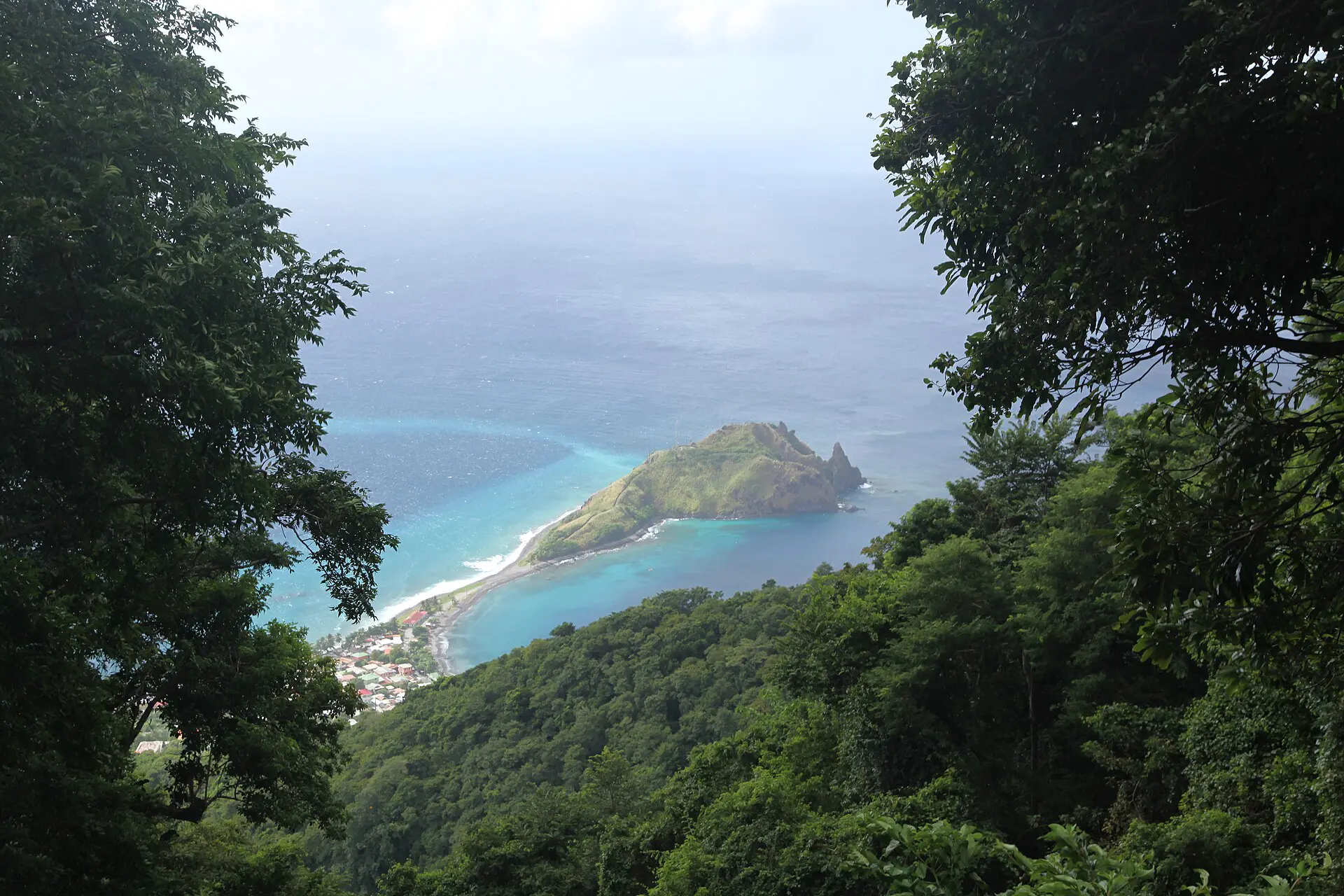
Distances are short, but roads are narrow, steep and twisting, so a 50 km trip can take two hours. Shared minibuses run between Roseau and most villages, and are cheap but irregular, especially on Sundays and after dark. Taxis and tour operators handle trailhead transfers and day trips.
Driving is on the left. A temporary local driving permit is required, and rental cars should be high-clearance, ideally 4×4. Expect landslides and potholes after rain, and drive carefully on blind bends. Many visitors hire a driver-guide for a day or two instead of renting a car.
How much does a trip to Dominica cost?
Dominica costs less than larger Caribbean resort islands, but it is not cheap because most goods are imported and tourism is small-scale. The official currency is the Eastern Caribbean dollar (XCD), pegged at about 2.7 to the US dollar, and US dollars are widely accepted. As rough guidance for 2026, budget USD 70 to 100 per day for budget travel, USD 120 to 220 mid-range and USD 300 or more for high-end stays.
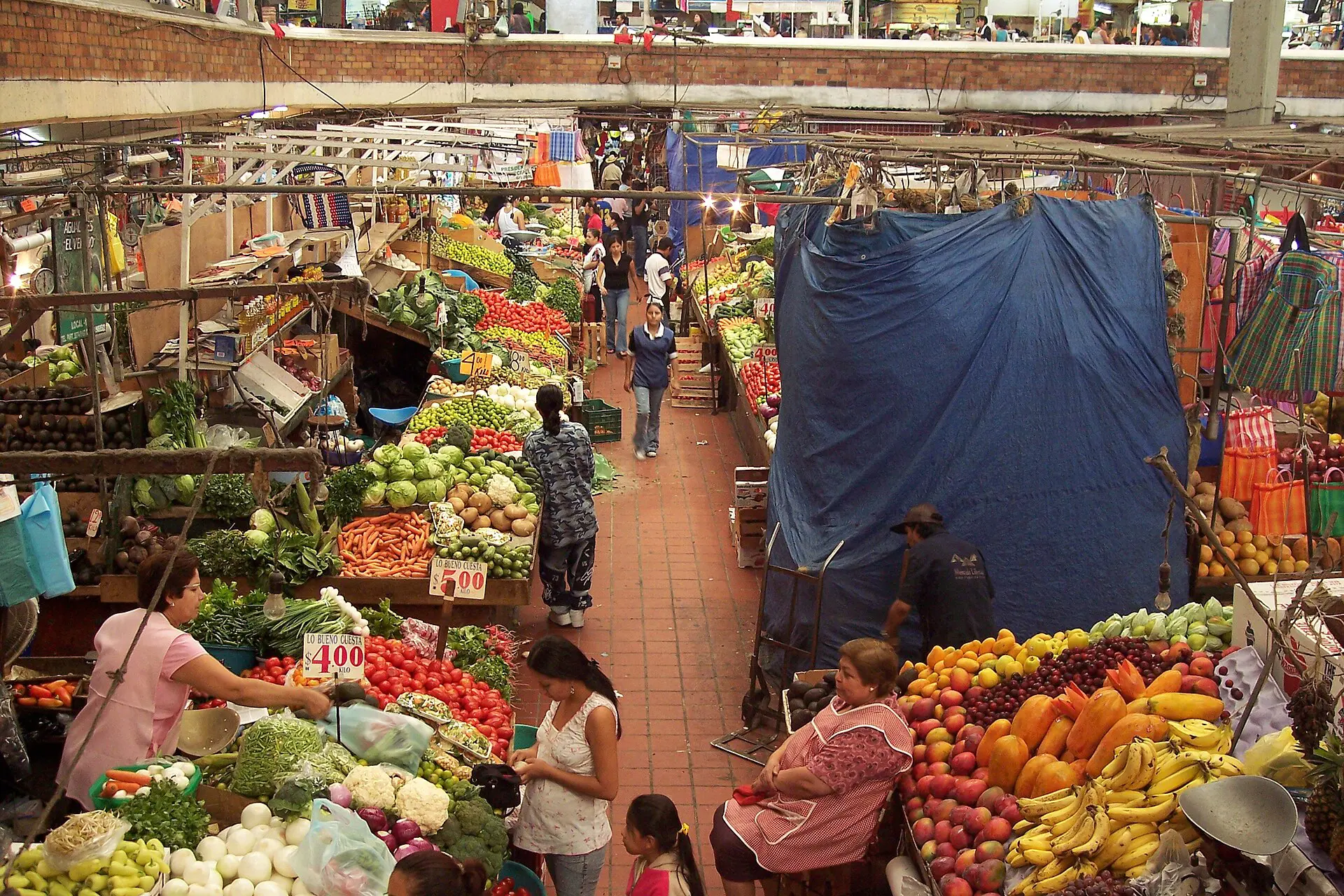
- Budget: guesthouse, local meals and minibuses, around USD 70 to 100.
- Mid-range: a small hotel or eco-lodge, restaurant meals, a rental car or driver and a guided hike, around USD 120 to 220.
- High: boutique lodges, private guides and diving, from around USD 300.
Driving costs include car hire and fuel, and guides cost about USD 40 to 80 for a half-day, more for Boiling Lake. Site entry passes for national parks are sold separately. A government site pass or a weekly pass is often cheaper than paying per site. Prices change, so confirm before you go.
Dominica food and drink
Dominica food is Creole cooking built on local produce: root vegetables, fresh fish, coconut and spices, with French, African and Kalinago influences. Dominica food is often organic by default, because many families grow their own produce.
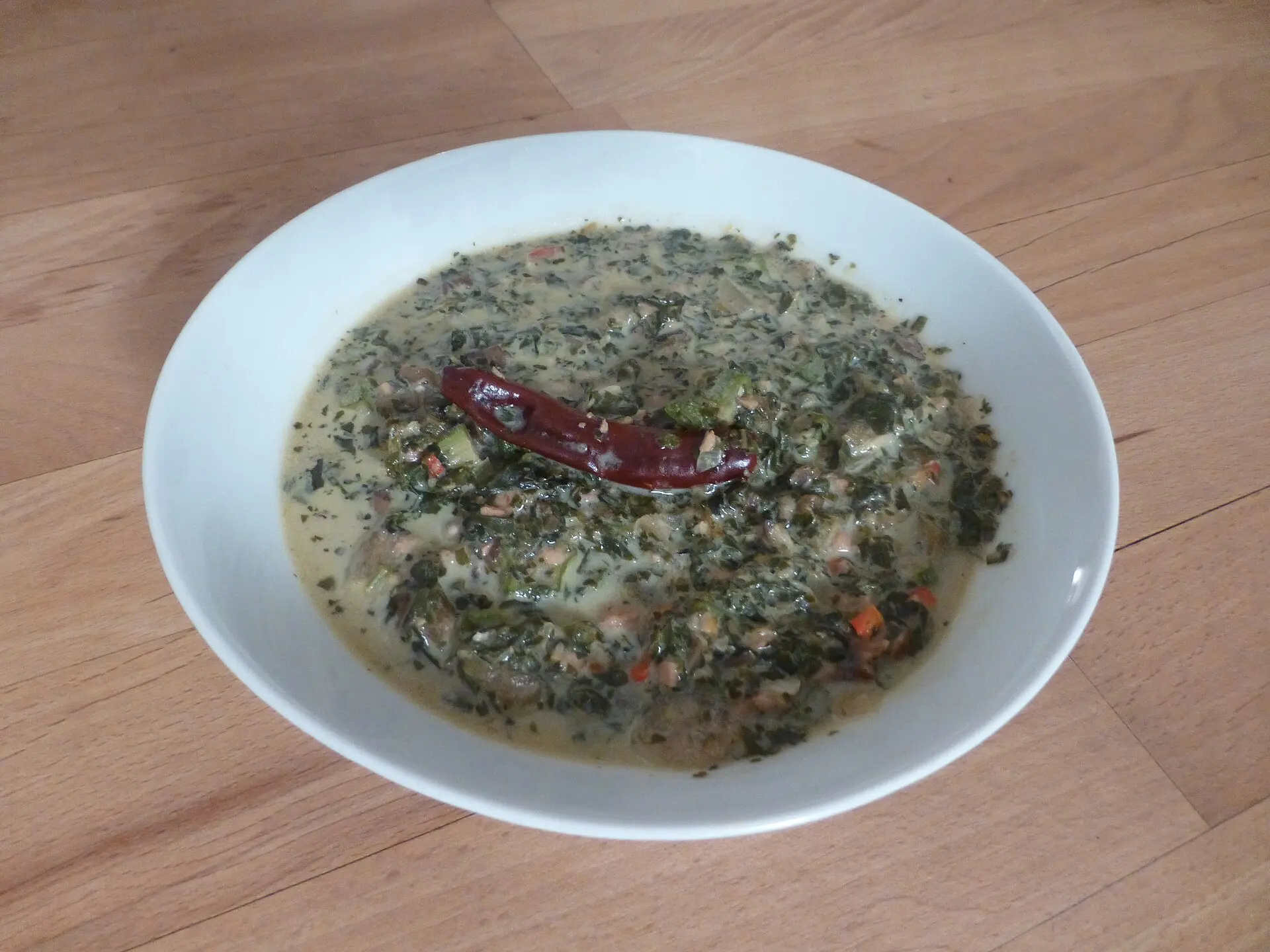
- Callaloo soup: a creamy soup of dasheen leaves, coconut milk and sometimes crab.
- Provision: boiled or fried root crops such as dasheen, yam, tannia and green fig (banana), served beside fish or stew.
- Fresh fish: mahi-mahi, tuna and snapper, grilled or in Creole sauce.
- Bakes and saltfish: fried or baked bread with salted cod, a typical breakfast.
- Bouyon: a thick soup with dumplings, vegetables and meat.
- Fruit juices and sorrel: passion fruit, soursop and, near Christmas, sorrel drinks.
- Kubuli beer and rum: Kubuli is the local lager, and bay rum and flavoured rum punches are widely sold.
Note that mountain chicken, a native frog, is critically endangered and should not be eaten. Vegetarian and vegan food is easy to find because provisions, beans and vegetables are everyday staples. Local lunch cafes cost far less than hotel restaurants, and tap water is generally drinkable, but check locally.
Culture, language and etiquette in Dominica
English is the official language, and most people also speak Dominican Creole (Kwéyòl), a French-based language used in song, storytelling and family life. A few phrases, such as bonjou for good morning, are appreciated.
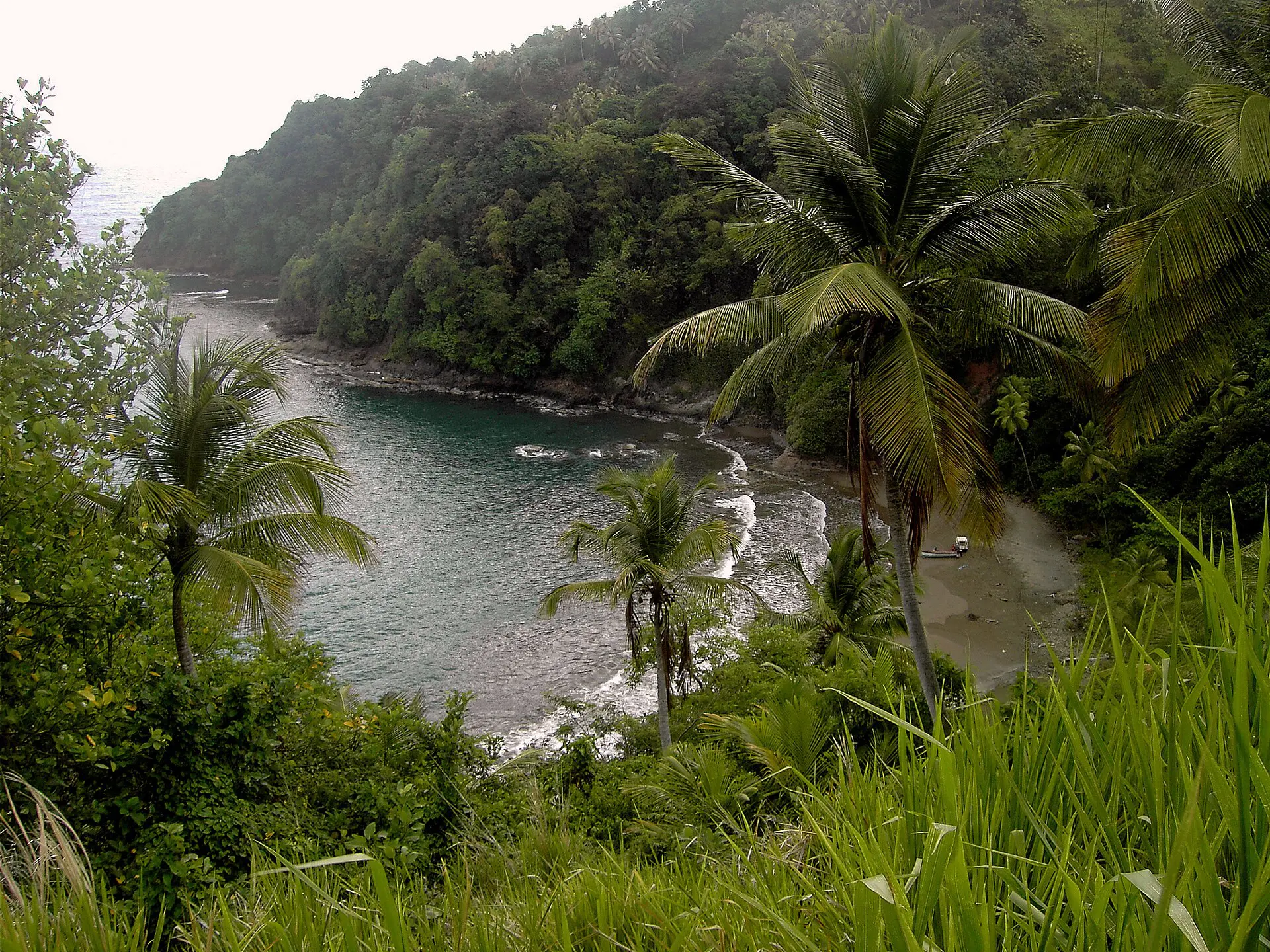
The population is mostly of African descent, with a Kalinago minority, and French, British and indigenous influences shape music, food and festivals. Creole Day, held in late October, celebrates language, dress and dance, and Carnival takes place before Lent. Church is important, and Sundays are quiet.
Greet people when entering shops or passing on a trail, since a quick good morning is expected. Dress modestly away from the beach, and do not wear swimwear in towns. Ask before photographing people, particularly in the Kalinago Territory. Tipping and haggling are low-key. Respect the environment: stay on trails, do not remove plants or coral, and use reef-safe sun protection. Politics and the history of slavery and colonialism are sensitive, so listen first. Pace is relaxed, so allow extra time for everything.
Dominica itinerary: a 7-day route
This route uses Roseau and the southwest as a base, then moves to the north, with a rental car or hired driver.
- Day 1: arrive, transfer to Roseau, and walk the botanical garden, Old Market and waterfront.
- Day 2: Trafalgar Falls, Wotten Waven hot springs and an evening in Roseau.
- Day 3: Boiling Lake hike with a guide, a long day of six to eight hours, then rest.
- Day 4: Emerald Pool and Titou Gorge in the morning, then Middleham Falls or an easy segment of the national trail.
- Day 5: snorkel at Champagne Reef, visit Scotts Head and take an afternoon whale watching trip.
- Day 6: drive across to the Kalinago Territory, then north to Portsmouth for an Indian River boat trip.
- Day 7: Cabrits National Park and Fort Shirley, then return to the airport or ferry.
Allow generous driving time, since distances are short but roads are slow. Reorder days to suit the weather, and book guides and boats in advance during peak season.
Practical tips for Dominica
A few practical points make the most of this small island.
- Money: the Eastern Caribbean dollar is official, but US dollars are widely accepted. Cards work at hotels and larger restaurants, while small places prefer cash. ATMs are common in Roseau.
- SIM and internet: local operators sell prepaid SIMs. Coverage is good on the coast and patchy in the mountains.
- Plugs: types D and G at 230 V.
- Tipping: around 10% if no service charge is added.
- Health: use insect repellent, drink bottled or purified water if unsure, and carry basic medicines.
- Packing: quick-dry clothing, waterproof jacket, hiking shoes with grip, water shoes and a dry bag.
- Guides: use certified guides for tough hikes, and book through the national tourism authority or your lodge.
- Planning: check Wikivoyage for local notes and the UNESCO page for the national park.
- Driving: remember left-hand traffic, sound the horn on blind bends and avoid night driving.
FAQ
Q1What are the best things to do in Dominica?
Hike to the Boiling Lake, swim at Trafalgar Falls and Emerald Pool, float through Titou Gorge, snorkel at Champagne Reef, soak in Wotten Waven hot springs and join a sperm whale watching trip. Book guides for the longer trails.
Q2What food is Dominica known for?
Creole dishes such as callaloo soup, fresh fish, bakes with saltfish, bouyon and provision (boiled root crops) are staples. Drinks include Kubuli beer, bay rum and fruit juices. Mountain chicken, a native frog, is endangered and should not be eaten.
Q3Is Dominica safe?
Yes, for most visitors; violent crime against tourists is uncommon. The main risks are hurricanes from June to November, flash floods and tough hiking trails. Use guides for long hikes, insure your trip and check your government's travel advice.
Q4When is the best time to visit Dominica?
February to May is driest and best for hiking and diving. Whale watching peaks from November to March. June to November is wetter, with hurricane risk from August to October, though prices are lower and trails are quieter.
Q5Do I need a visa for Dominica?
It depends on nationality. Citizens of many countries, including the US, Canada, the UK and the EU, can visit visa-free for stays of several weeks. Others need a visa in advance. Check the official Dominica immigration source before booking.
Q6Is Dominica the same as the Dominican Republic?
No. Dominica is a small, English-speaking island nation in the Lesser Antilles, known for rainforest and hiking. The Dominican Republic is a much larger Spanish-speaking country on Hispaniola with big beach resorts. They are in different parts of the Caribbean.
Q7How many days do you need in Dominica?
Five to seven days is enough for the main hikes, waterfalls, snorkelling and a whale watching trip. A long weekend covers Trafalgar Falls, Emerald Pool and Champagne Reef, but not the Boiling Lake with enough rest.