Why visit Macau
If you are planning things to do in Macau, expect a place where two histories sit side by side. It is a Special Administrative Region of China on the south coast, and it was a Portuguese territory until 1999. That legacy shows in the pastel buildings, tiled pavements, churches and street names, which sit alongside Chinese temples and markets.
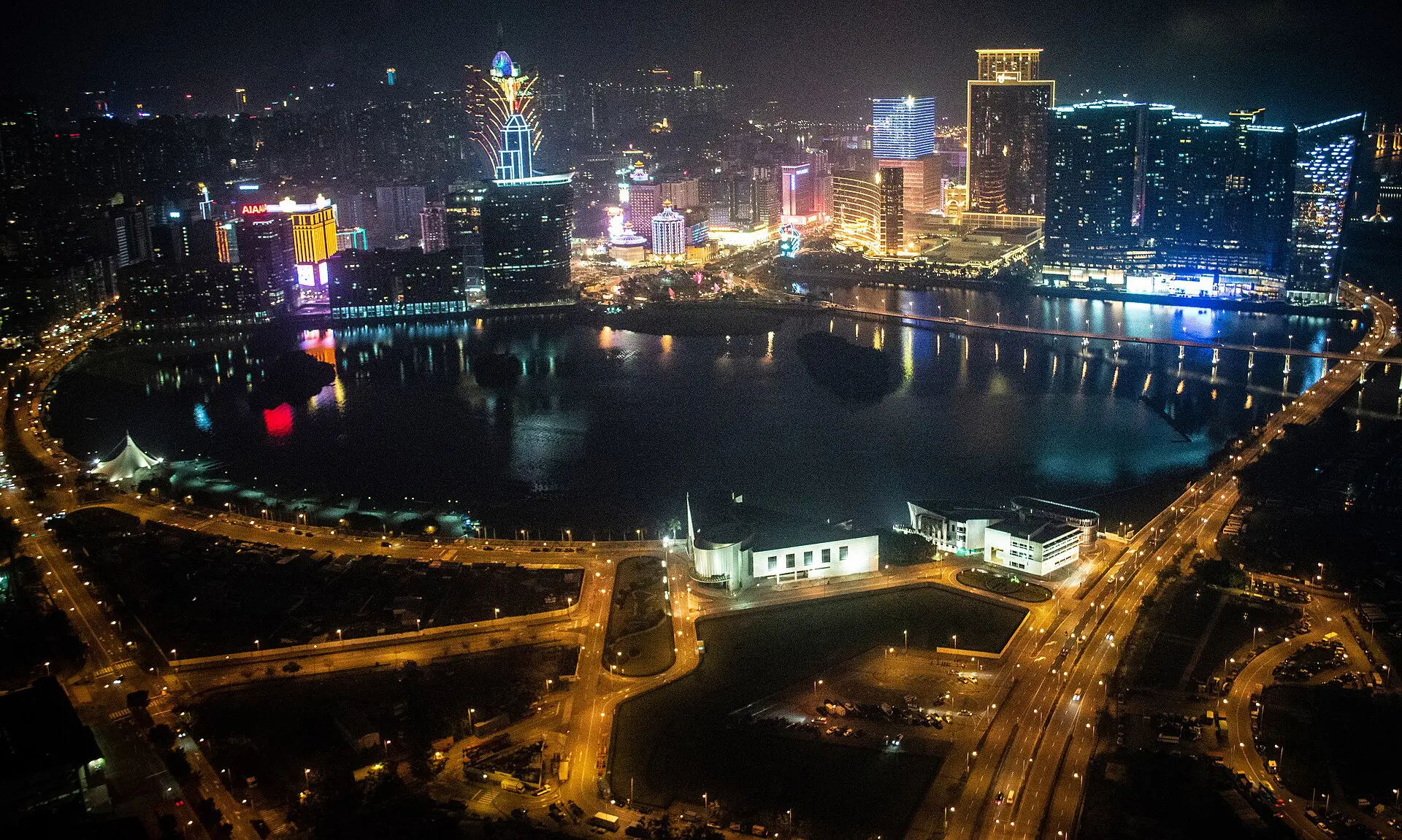
The historic centre has been recognised as a UNESCO World Heritage Site and is easy to explore on foot. Close by, large casino resorts rise from reclaimed land, giving the city an unusual skyline and a very different atmosphere after dark.
Macau is small, which is the appeal. In two or three days you can walk the old streets, eat well, visit a temple and see the resort strip, with enough time left for a long lunch or a coastal walk.
Top things to do in Macau
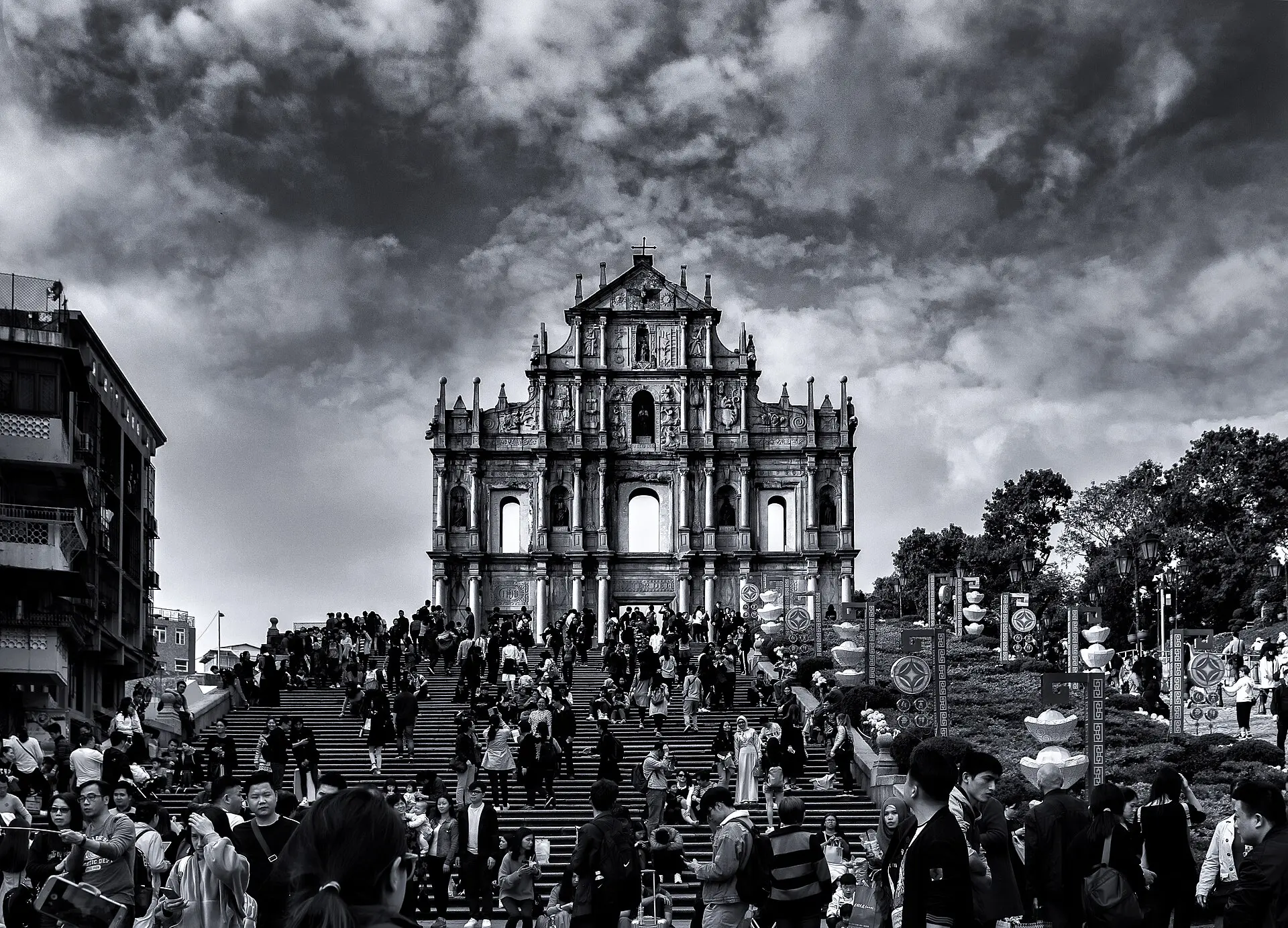
Ruins of St Paul’s
The carved stone facade is all that remains of a 17th-century church, and it is the most recognisable symbol of Macau. Plan about 30 to 60 minutes with the nearby museum and stairs. Go early in the day or on a weekday to avoid heavy crowds.
Senado Square
The wave-patterned pavement square is the centre of the historic district, surrounded by pastel colonial buildings. It is the natural starting point for a walk. Plan an hour, and be prepared for crowds in the afternoon and at weekends.
Macau Fortress and Museum
The fortress on a hill overlooks the old centre, with city views and a museum about local history. Allow one to two hours. Check opening hours and any entry fees, and wear comfortable shoes for the climb.
A-Ma Temple
One of the oldest temples in Macau, set against a hillside near the harbour. It is a working temple, so dress respectfully and keep a low profile when worshippers are present. Plan about an hour.
Taipa Village and Coloane
These former islands have a quieter, village feel with narrow streets, shops and restaurants. Allow half a day. Take a bus or taxi from the centre, and try the local food and baked goods.
Casino resorts on the Cotai Strip
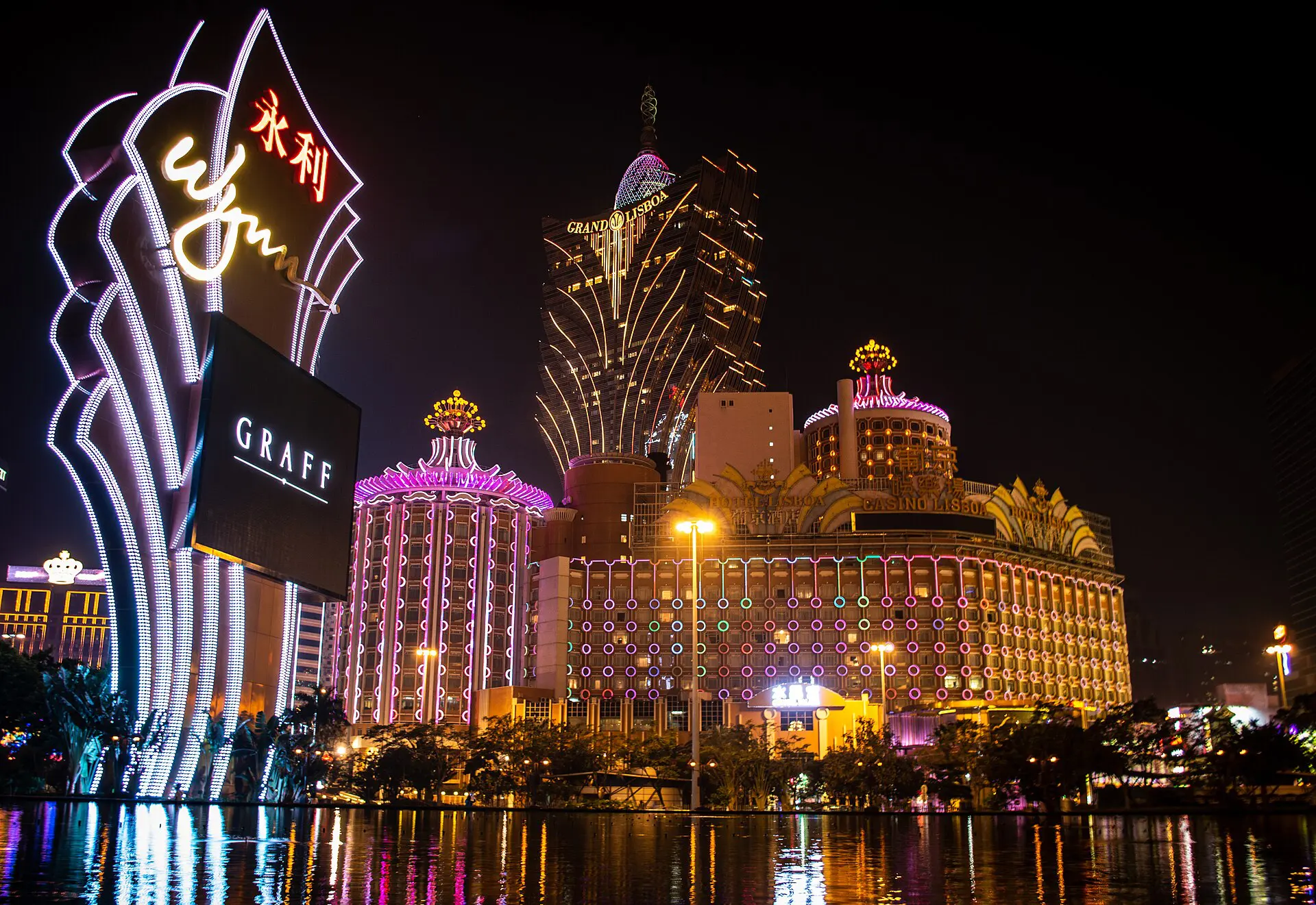
Large resorts offer free-to-enter public areas, shows, shops and dining. Walk through even if you do not plan to gamble. Check the minimum age and dress rules, and set a clear budget if you play.
Macanese and Portuguese food
The local cuisine mixes Portuguese and Chinese influences, with dishes and pastries found in small restaurants and bakeries. Try a few local classics rather than a big meal, and check opening times, as some places close between lunch and dinner.
Best time to visit Macau
Macau has a humid subtropical climate. Autumn, roughly October to December, is the most comfortable, with warm, drier weather and clearer skies. Spring can be pleasant, though humidity and fog rise from March to May. Summer is hot, humid and wet, and typhoons can occur from about June to October, which can disrupt ferries and outdoor plans. Winter is mild, with cool but rarely cold days. Public holidays, especially Lunar New Year and Golden Week in October, bring large crowds and higher hotel prices.
| Season | Weather | Crowds and prices |
|---|---|---|
| Spring (March-May) | Warm, humid, some fog | Moderate |
| Summer (June-September) | Hot, wet, typhoon risk | Moderate, lower prices |
| Autumn (October-December) | Warm, drier, clearer | Busy at holidays |
| Winter (January-February) | Cool, mild | Busy at Lunar New Year |
How to get to Macau and around
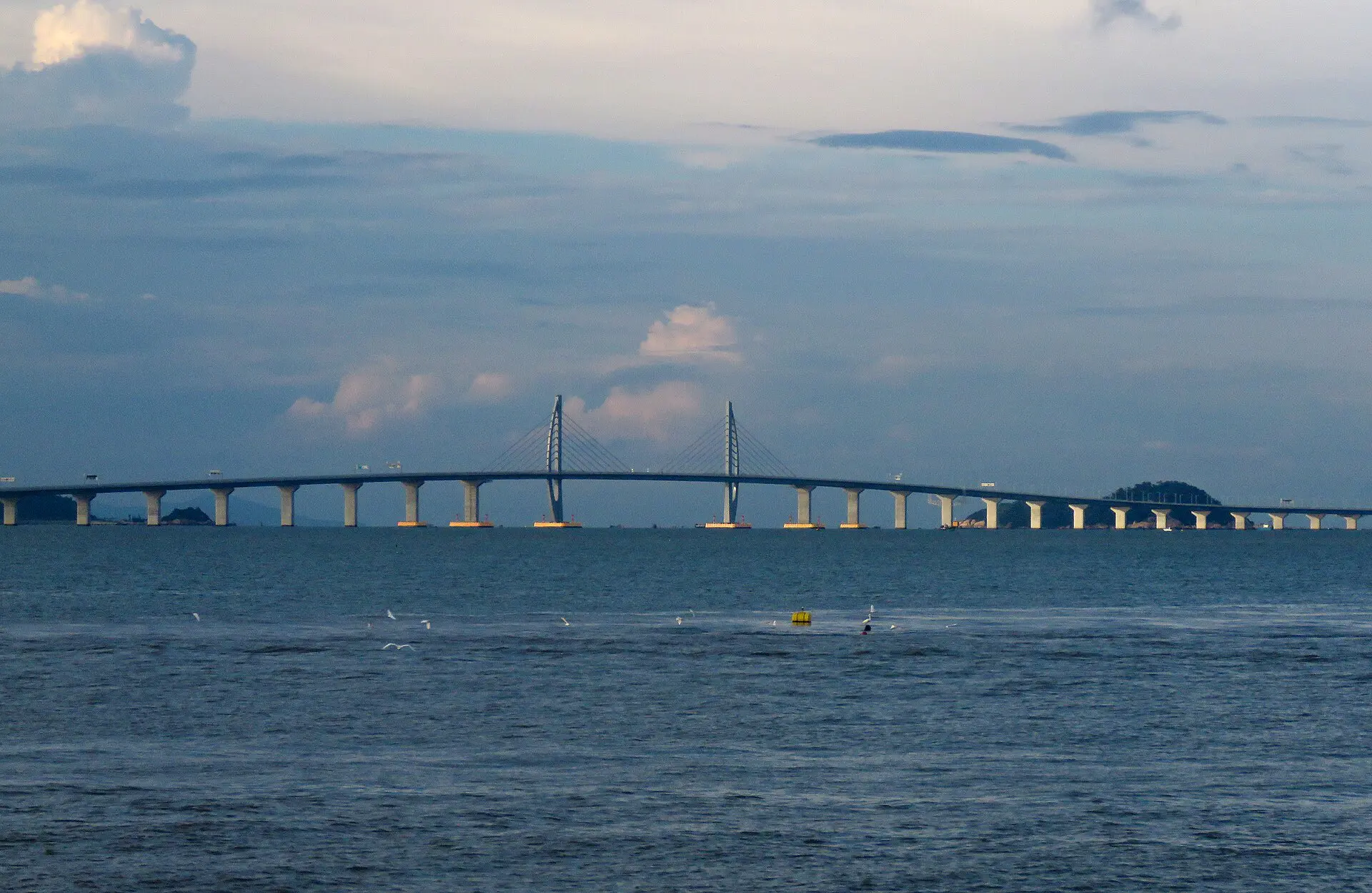
Most visitors arrive from Hong Kong, by ferry from the terminals in Hong Kong or by shuttle bus across the Hong Kong-Zhuhai-Macau Bridge; check current services and journey times. Macau International Airport has flights from Asian cities, and there is a land border with Zhuhai in mainland China. Entry rules vary by nationality, so check the current requirements before you travel.
Inside Macau, the historic centre is walkable, though hills and heat can be tiring. Public buses cover most of the territory and are cheap, and taxis are available. Many large resorts run free shuttle buses between the ferry terminals, casinos and border crossings, so check what is available. A light rail line serves parts of Taipa and the Cotai area.
Where to stay in Macau
Prices vary widely, and weekend rates at resort hotels can be several times weekday rates, so compare dates.
- Historic centre: small hotels and guesthouses near Senado Square. Best for walkers who want to be in the old streets, though rooms can be compact.
- Cotai Strip: large resort hotels with pools, restaurants and shows. Good for families and travellers who want amenities, but it is further from the old town.
- Taipa Village: quieter and local in feel, with small hotels and good food. A good compromise between old-town charm and resort access.
- Macau Peninsula waterfront: mid-range hotels with harbour views and quick access to ferry terminals.
Book early for holidays and weekends, and ask about shuttle buses from the hotel.
How many days do you need?
Two days covers the historic centre, a temple, Taipa and an evening on the resort strip. A third day lets you slow down or add Coloane. A day trip from Hong Kong is possible but tight, with little time left for dinner.
- Day 1: Walk the historic centre from Senado Square to the Ruins of St Paul’s and the fortress, then eat at a local restaurant.
- Day 2: Visit A-Ma Temple in the morning, then spend the afternoon in Taipa Village and the evening on the Cotai Strip.
- Day 3: Explore Coloane, take a coastal walk or visit a museum before heading back.
Wear comfortable shoes, as the historic centre involves many steps and slopes.
Day trips and nearby
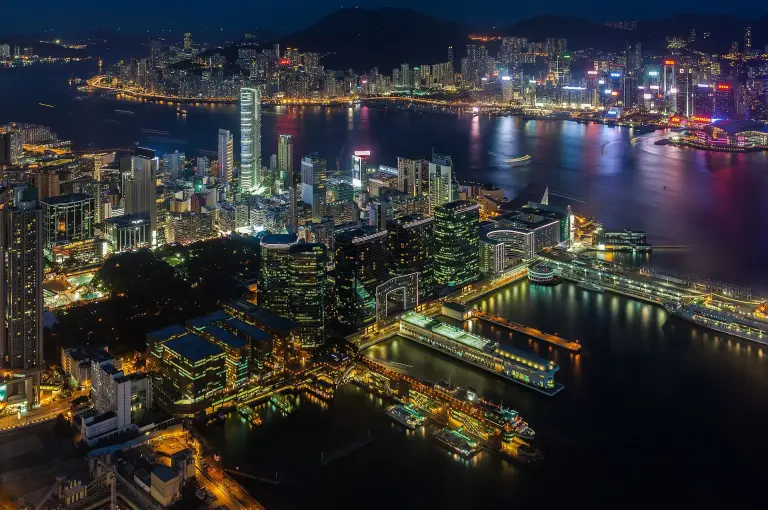
Hong Kong
The nearest major city, connected by ferry and bridge. Many travellers combine both in one trip. Allow time for border formalities, and check the latest ferry and bus schedules before you travel.
Zhuhai
The mainland Chinese city next to Macau, reached through the land border. Entry rules and visas depend on nationality, so check them first. It suits travellers who want to continue into mainland China.
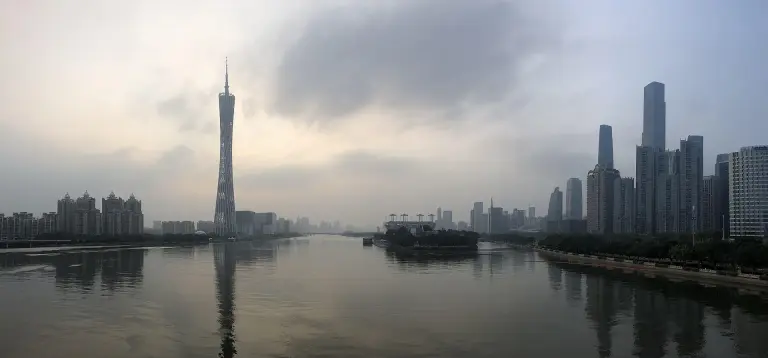
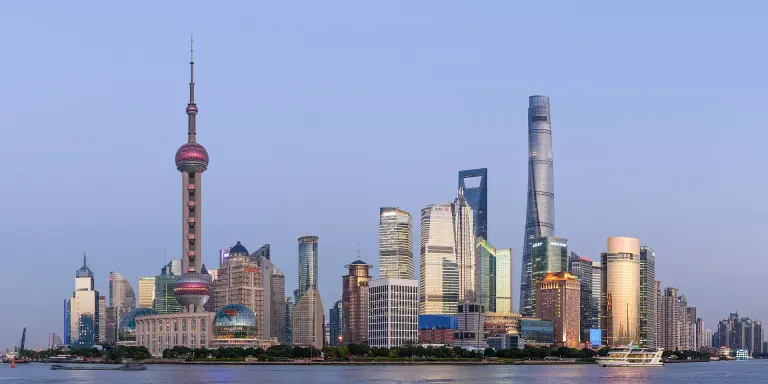
Shenzhen and Guangzhou
Larger mainland cities that can be reached by train or road with onward connections. They are better planned as separate legs of a longer trip than as day trips from Macau.
Guilin and further afield
Famous for its karst scenery, Guilin is far from Macau and usually reached by air or high-speed rail. Plan it as a separate stop, not a day trip.
FAQ
Q1How many days do you need in Macau?
Two to three days is a good range. That covers the historic centre, a temple, Taipa and the casino strip at an easy pace. A day trip from Hong Kong is possible, but you will have to move quickly.
Q2When is the best time to visit Macau?
October to December is generally the most comfortable, with drier, clearer weather. March to April can also be pleasant. Summer is hot and wet with typhoon risk, and holidays such as Lunar New Year and Golden Week are crowded.
Q3How do you get to Macau?
Most visitors come from Hong Kong by ferry or bridge shuttle. You can also fly into Macau International Airport or cross the land border from Zhuhai. Entry requirements depend on your nationality, so check them before travelling.
Q4Is Macau expensive?
It can be, especially at resort hotels on weekends. Expect mid-range costs of roughly USD 100-220 per day. Local restaurants, buses and free sights such as the historic centre keep costs down, and midweek stays are cheaper.
Prices, schedules and entry rules change. Check current details with official sources before you travel. Read the China travel guide.