Why visit Hong Kong
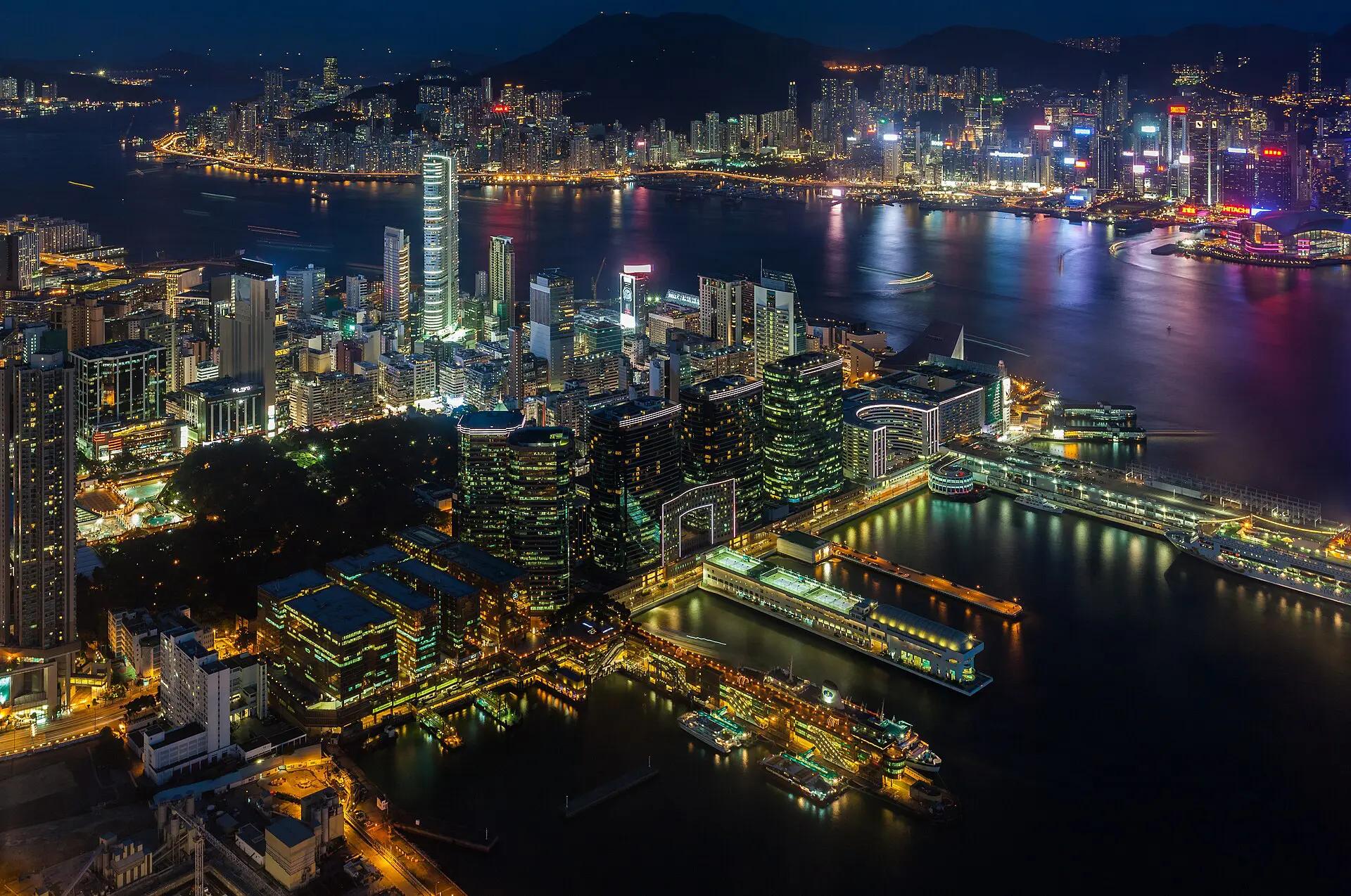
People looking for things to do in Hong Kong often expect only skyscrapers, but the territory offers much more. It is a special administrative region of China on the southern coast, made up of Hong Kong Island, Kowloon and the New Territories, with 7.5 million residents in a little over 1,100 square kilometres.
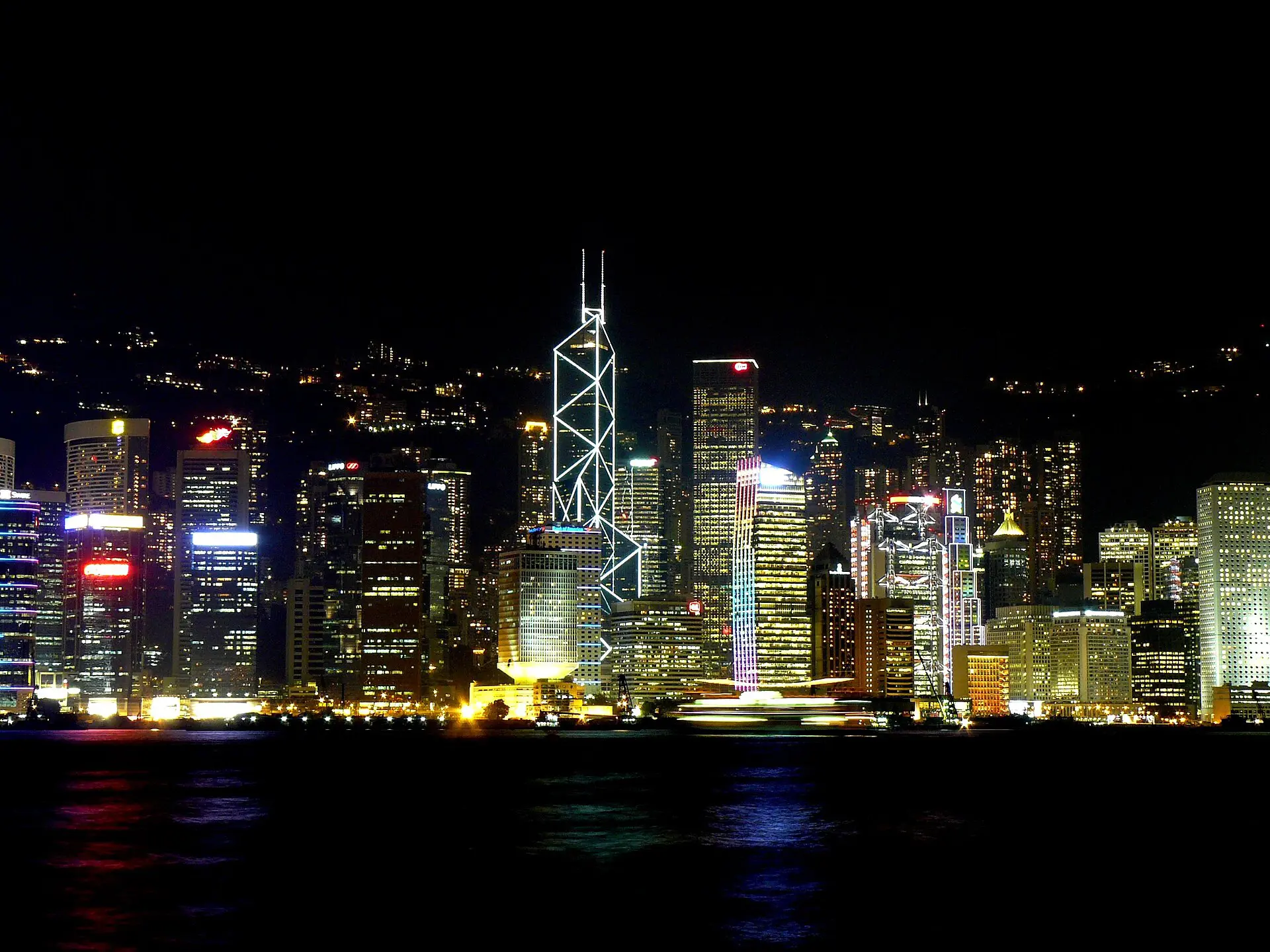
It is a city with multiple personalities: mainly Chinese, with visible British influence, and shaped by people from many places. It is a major financial hub and has long been a destination for both business and leisure travellers. The harbour, the trams and the food scene are the usual draws.
Away from the towers, much of the countryside is protected as country park, so you can find hills, beaches and rocky islands within an hour of the centre. The subtropical climate has seasons to suit different tastes. Hong Kong is also a good first stop for anyone heading deeper into China or elsewhere in Asia, as its airport is among the best connected in the region.
Top things to do in Hong Kong
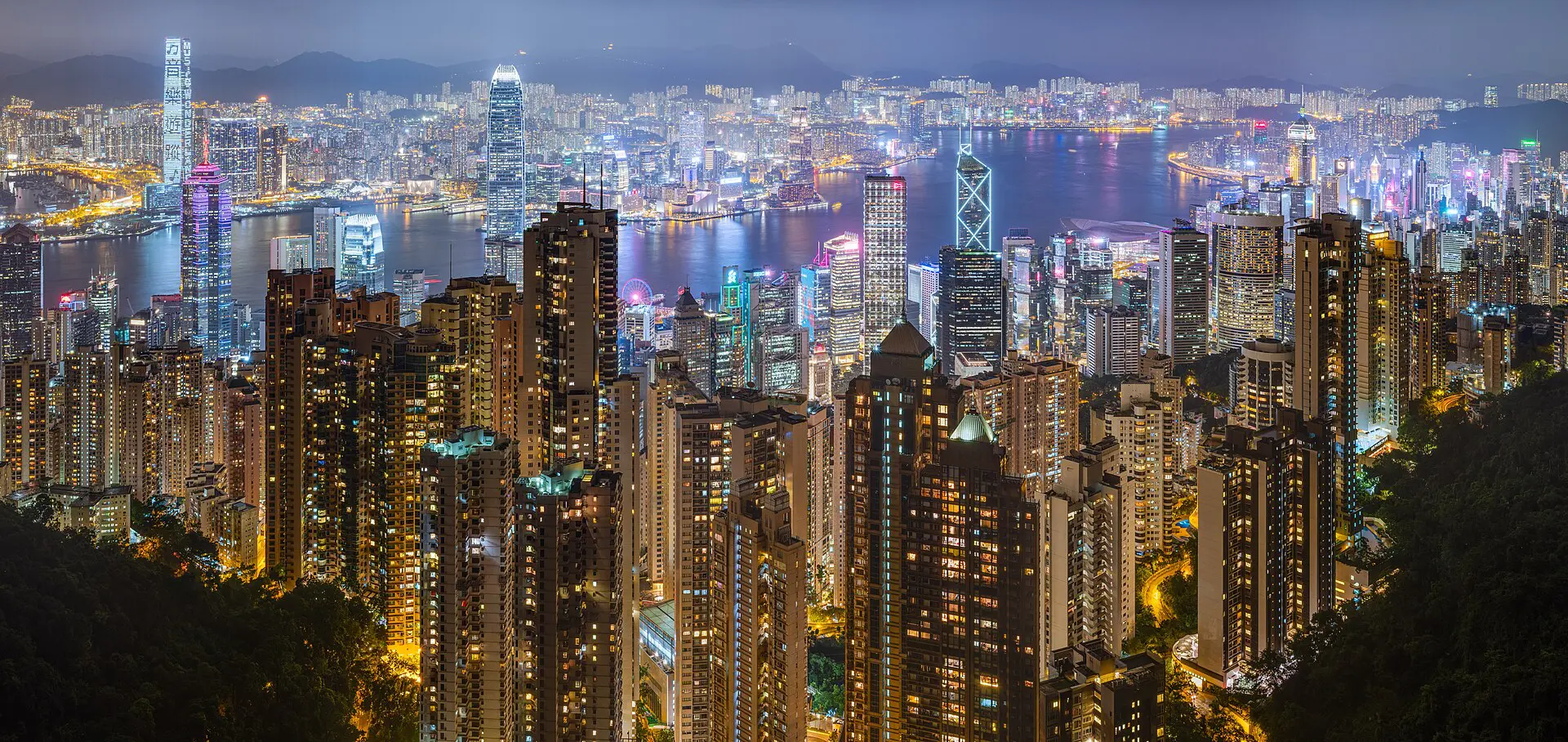
Victoria Peak
The most famous viewpoint looks down over Central, the harbour and Kowloon. Allow two to three hours including the ride up. Go on a clear day or at dusk, and check queue times for the tram, as popular periods can be busy.
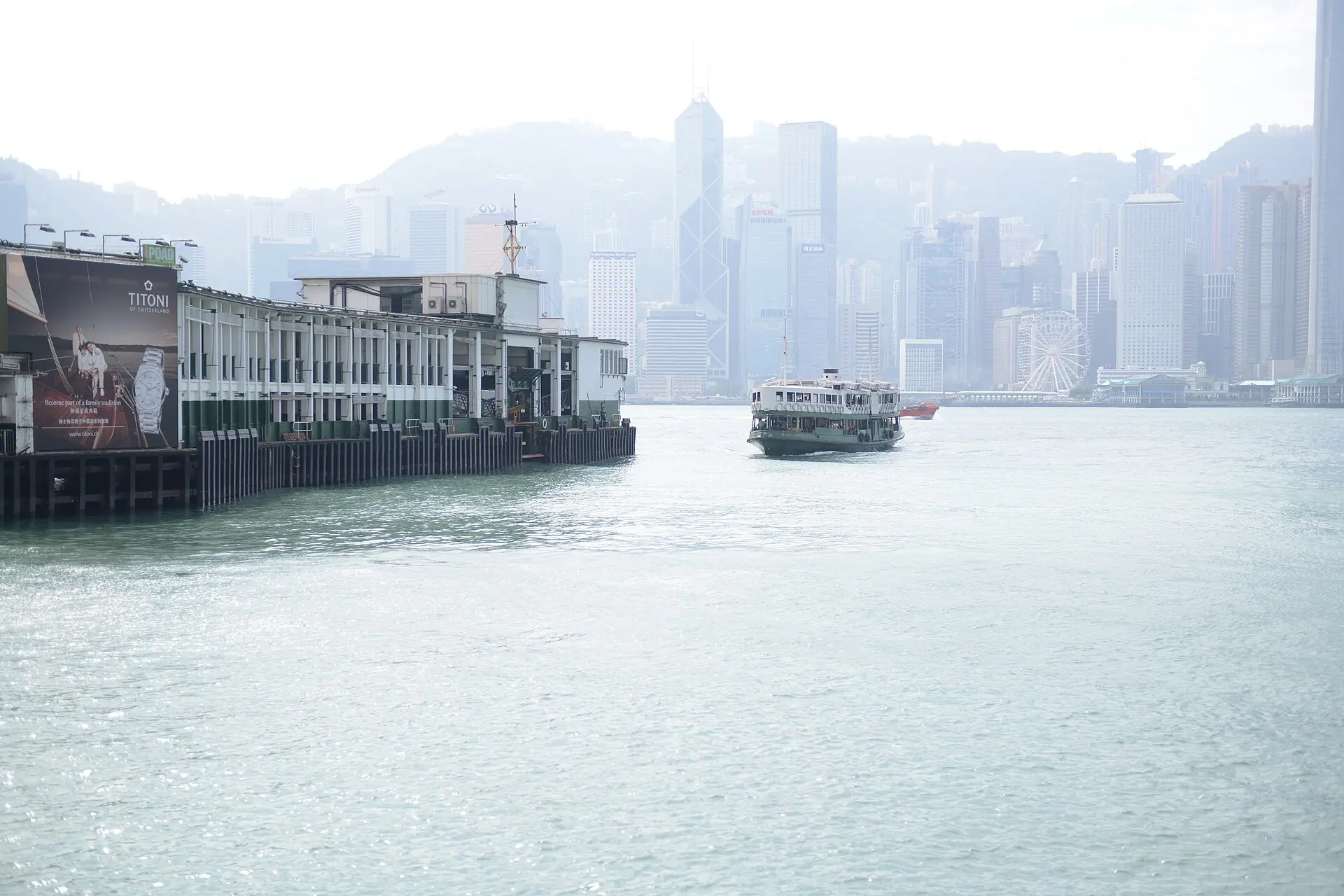
Star Ferry and the harbour
The ferry across Victoria Harbour is an inexpensive way to see the skyline from the water. The crossing is short, so combine it with a walk on the Kowloon waterfront. Evenings give the best light, and trips are cheap compared with most tours.
Trams and Central
The double-decker trams run along the north shore of Hong Kong Island and are a slow, cheap way to see street life. Allow an hour or two. Sit upstairs at the front, and pay with a travel card or by the stop, as fares are low.
Markets and street food
Hong Kong is known for its dim sum, roast meats and street snacks, and markets in Kowloon sell everything from food to clothes. Go in the evening, bring cash for small stalls, and be ready to queue for popular places.
Temples
Traditional temples sit among modern buildings, such as those dedicated to local deities. A visit takes about an hour. Dress modestly, keep your voice low and ask before taking photos of worshippers.
Outlying islands
Ferries run to islands such as Lantau and Cheung Chau, where you find walking trails, beaches and fishing villages. Allow half to a full day, check ferry times in advance and avoid weekends if you want fewer crowds.
Country park hikes
Much of the countryside is classified as Country Park. Trails range from short walks to long hill routes. Check the weather, carry water, and start early in summer, when heat and humidity can be intense.
Best time to visit Hong Kong
Hong Kong has a subtropical climate with distinct seasons. Autumn is generally the most comfortable, with lower humidity and clearer skies, which is also best for hiking and views. Summers are hot and humid and bring typhoon risk, while winters are cooler and can be dry or occasionally cold.
| Season | Weather | Crowds and prices |
|---|---|---|
| Spring (March to May) | Warm, humid, often hazy | Moderate |
| Summer (June to September) | Hot, humid, rain and typhoon risk | Hotels can be cheaper |
| Autumn (October to December) | Dry, clear, warm to mild | Busiest; book ahead |
| Winter (January to February) | Cool, mostly dry | Lunar New Year raises prices and crowds |
If a typhoon signal is raised, transport and shops may close, so keep your plans flexible during the season.
How to get to Hong Kong and around
Hong Kong International Airport is on Lantau Island, and the Airport Express rail line, buses and taxis connect it with the city, usually within about 25 to 45 minutes depending on your destination. It is regarded as one of the world’s best airports. Rail links also connect the territory with cities in mainland China, and ferries serve Macau.
The MTR metro is fast, clean and signed in English, and it covers most of the urban area. Buses, trams, minibuses and ferries fill in the gaps. A rechargeable travel card works across most modes and is much easier than buying single tickets.
Taxis are plentiful, but traffic can be heavy in the centre. Hills and heat make walking tiring, so use the elevated walkways and escalators in Central. Check entry requirements and visa rules for your nationality before travelling, as they depend on your passport.
Where to stay in Hong Kong
Rooms in Hong Kong tend to be small and prices high, so location matters more than size. Central and Wan Chai on Hong Kong Island suit business travellers and first-time visitors who want to be close to the MTR, restaurants and nightlife.
Tsim Sha Tsui in Kowloon is the classic tourist base, with harbour views, shops, museums and ferry access, and a wide range of hotels at different prices. Mong Kok and Yau Ma Tei are busier and more local, with markets and many budget options, suiting those who like street life.
For a quieter stay, consider the outlying islands or the south side of Hong Kong Island, though you will spend more time on transport. Book early for autumn and Lunar New Year, and compare the airport transfer options when choosing an area.
How many days do you need?
Three days is a good minimum to see the main sights and sample the food. A fourth day lets you add an outlying island or a hike. If you have only one or two days, stay near the harbour and focus on a viewpoint, a ferry ride and a market.
- Day 1: Victoria Peak, Central and the trams, then a Star Ferry crossing at dusk.
- Day 2: Kowloon markets and a temple, dim sum for lunch and a harbour promenade in the evening.
- Day 3: An outlying island such as Lantau or Cheung Chau, or a country park hike.
Day trips and nearby
Macau
The neighbouring special administrative region is reached by ferry or by the bridge link and is known for its Portuguese-influenced old town and casinos. It works as a day trip or overnight stay. Bring your passport and check entry rules.
Shenzhen
The mainland city just across the border is connected by rail and can be visited as a day trip with the right visa. Check entry rules for your nationality well ahead, as requirements vary.
Guangzhou
A major city to the north, reachable by high-speed rail in a relatively short time. It is more practical as an overnight visit than a day trip, and visa rules apply for most travellers.
Lantau and the islands
Within the territory itself, the outlying islands offer beaches, trails and seafood in fishing villages, all reachable by ferry. They make an easy, low-cost break from the city.
FAQ
Q1When is the best time to visit Hong Kong?
October to December is generally best, with drier, clearer and milder weather that suits both sightseeing and hiking. Summer is hot, humid and typhoon-prone, while winter is cool and Lunar New Year brings crowds and higher prices.
Q2How many days do you need in Hong Kong?
Three days lets you cover the Peak, the harbour, markets, temples and a food-focused itinerary. Add a fourth day for an outlying island or a country park hike, and more if you plan to include Macau or Shenzhen.
Q3How do you get from Hong Kong airport to the city?
The airport is on Lantau Island and is linked by the Airport Express rail line, buses and taxis. Journeys take roughly 25 to 45 minutes depending on your destination. Check current fares and schedules before you travel.
Q4Is Hong Kong expensive?
Accommodation is usually the biggest cost, since rooms are small and prices high. Public transport, street food and local restaurants are good value. Costs vary with exchange rates and season, so check current prices when planning.
Prices, schedules and entry rules change. Check current details with official sources before you travel. Read the China travel guide.