Why visit Shanghai
If you are planning things to do in Shanghai, start with the contrast between old and new. It is the most developed city in China, a centre of finance and fashion, and one of the world’s most populous urban areas. It is also known for its mix of East and West, visible in the shikumen houses that blend Chinese layouts with European detail, and in one of the world’s richest collections of Art Deco buildings.
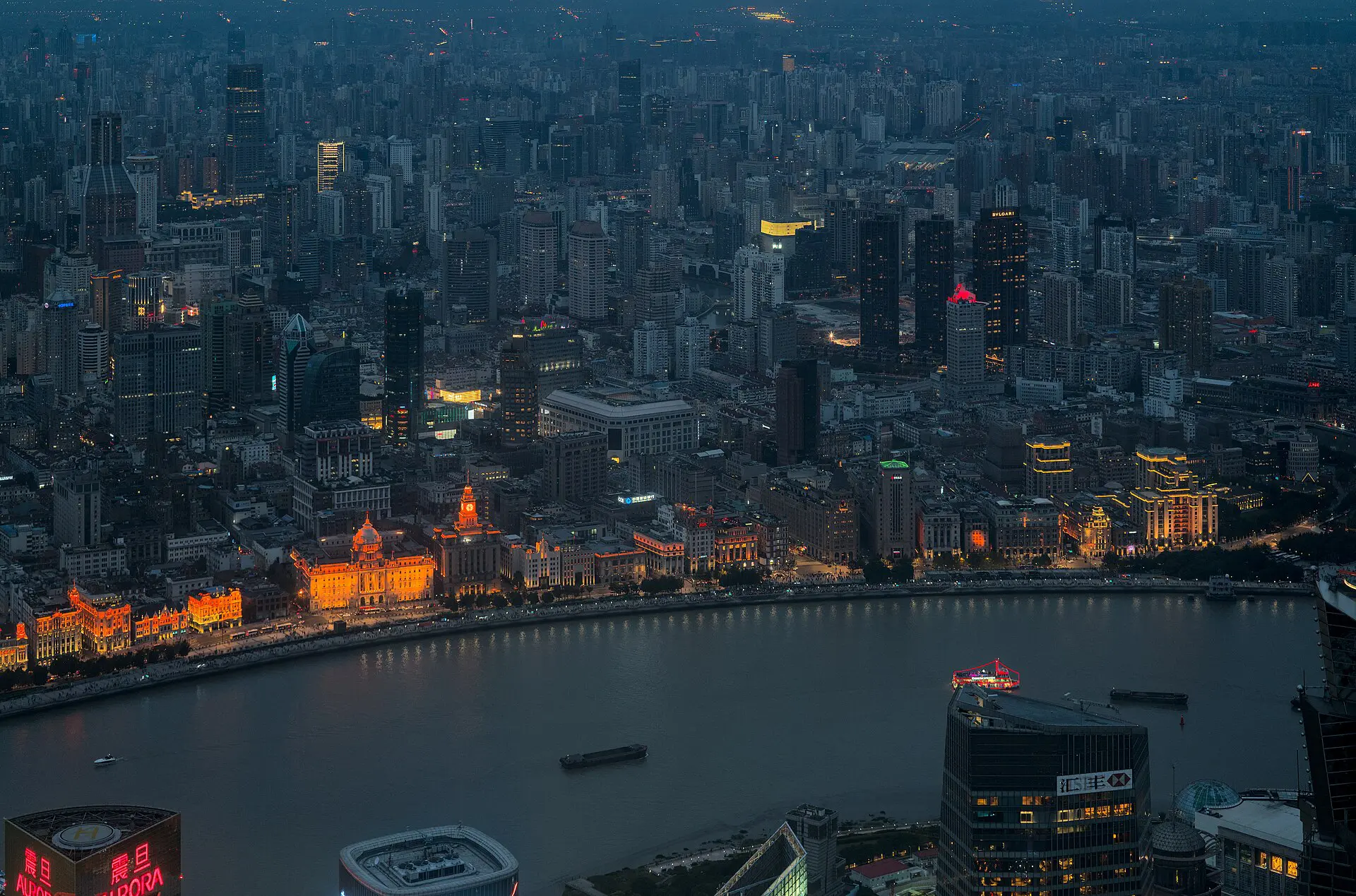
The Huangpu River splits the city into Puxi to the west and Pudong to the east. Puxi holds the historic districts, including the Bund and the former concessions that Western powers controlled in the late nineteenth and early twentieth centuries, while Pudong is the home of the modern skyscrapers.
Shanghai is large, but its main sights are well connected by metro, and the city is generally easy to navigate. It suits travellers who enjoy architecture, food, museums, shopping and nightlife, and it is a convenient hub for rail trips to nearby historic cities and canal towns.
Top things to do in Shanghai
The Bund
The Bund is a waterfront promenade lined with early twentieth-century buildings, facing the Pudong skyline across the river. Allow one to two hours. Visit at dusk, when the buildings and towers are lit, and expect crowds on weekends and public holidays.
Pudong skyline and observation decks
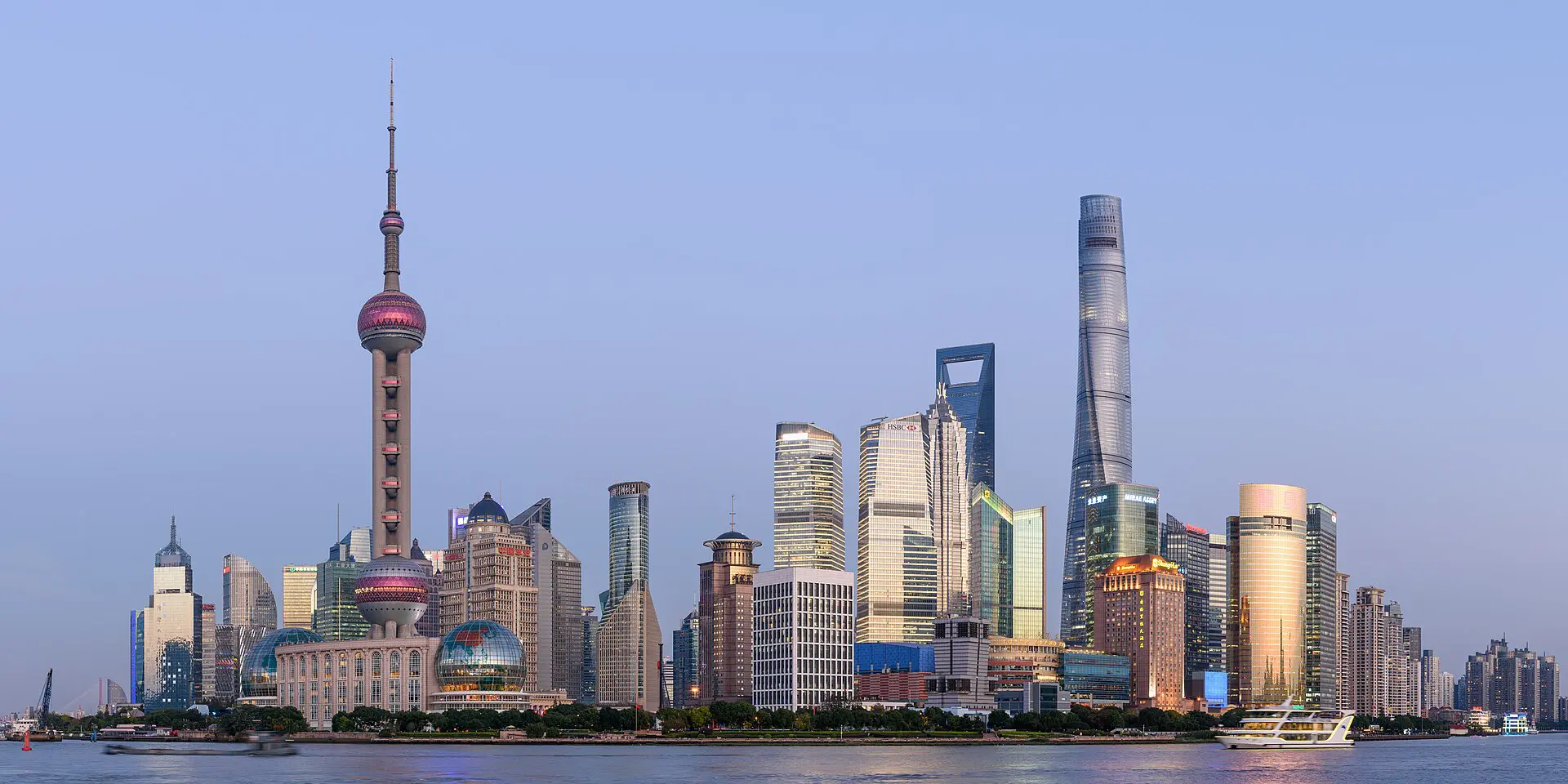
Pudong is home to the city’s tallest towers, and several have observation decks with views across the city. Allow about two hours per tower. Choose a clear day for the best views, and book tickets online if possible to avoid queues.
Yu Garden and the old city
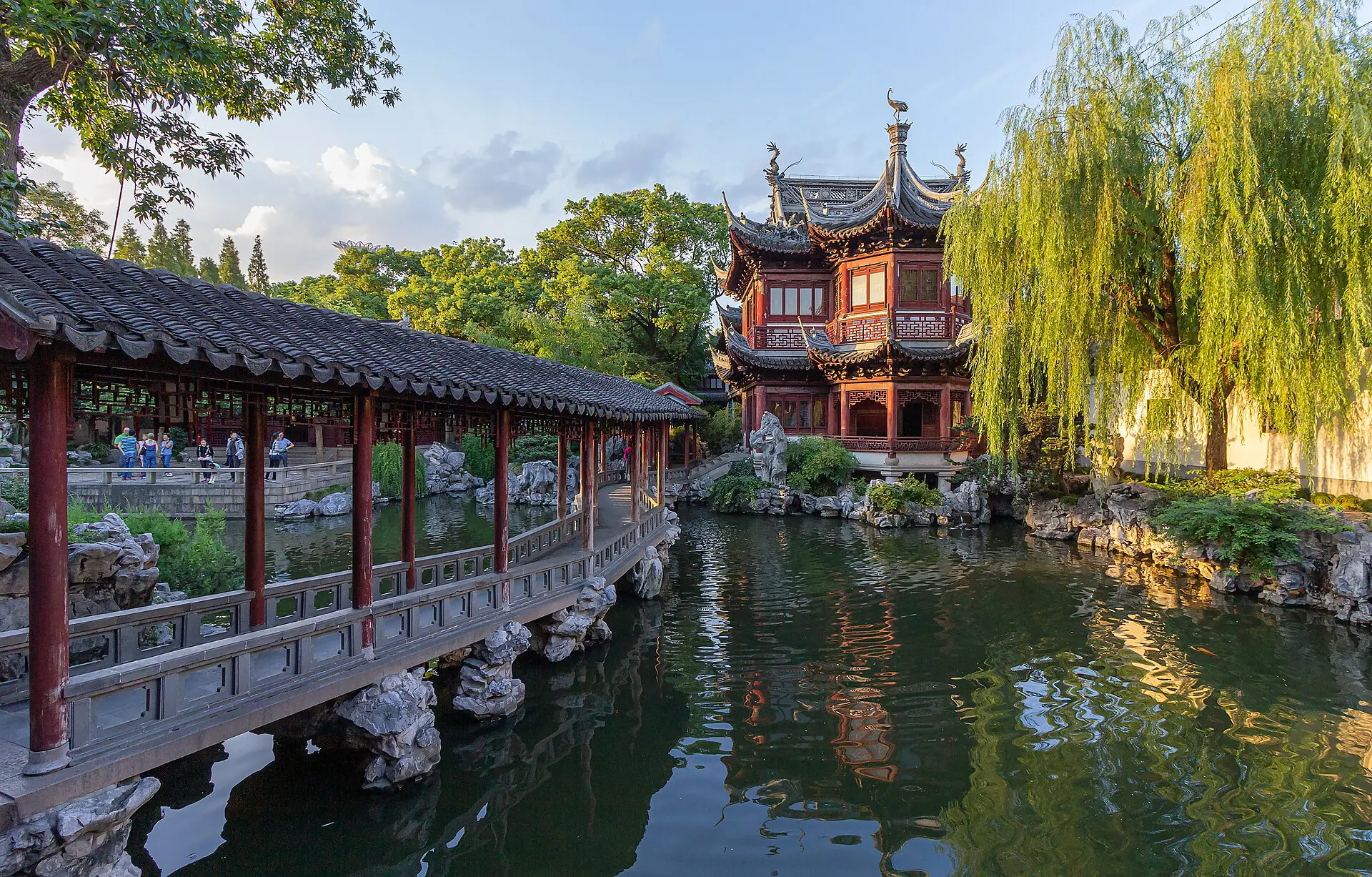
Yu Garden is a classical Chinese garden with pavilions, ponds and rockeries, surrounded by a busy bazaar area. Plan two hours. Go early in the morning to avoid crowds, and check current entry details and opening times.
Former French Concession
This district has tree-lined streets, cafes and restored villas, and it is one of the most pleasant areas for walking. Allow half a day. Combine it with boutique shopping and a long lunch, and use the metro to link areas.
Shanghai Museum
The museum at People’s Square holds a large collection of ancient Chinese art, including bronzes, ceramics and calligraphy. Plan two hours. Check opening days and any booking requirements, and bring identification if required for entry.
Nanjing Road and shikumen lanes
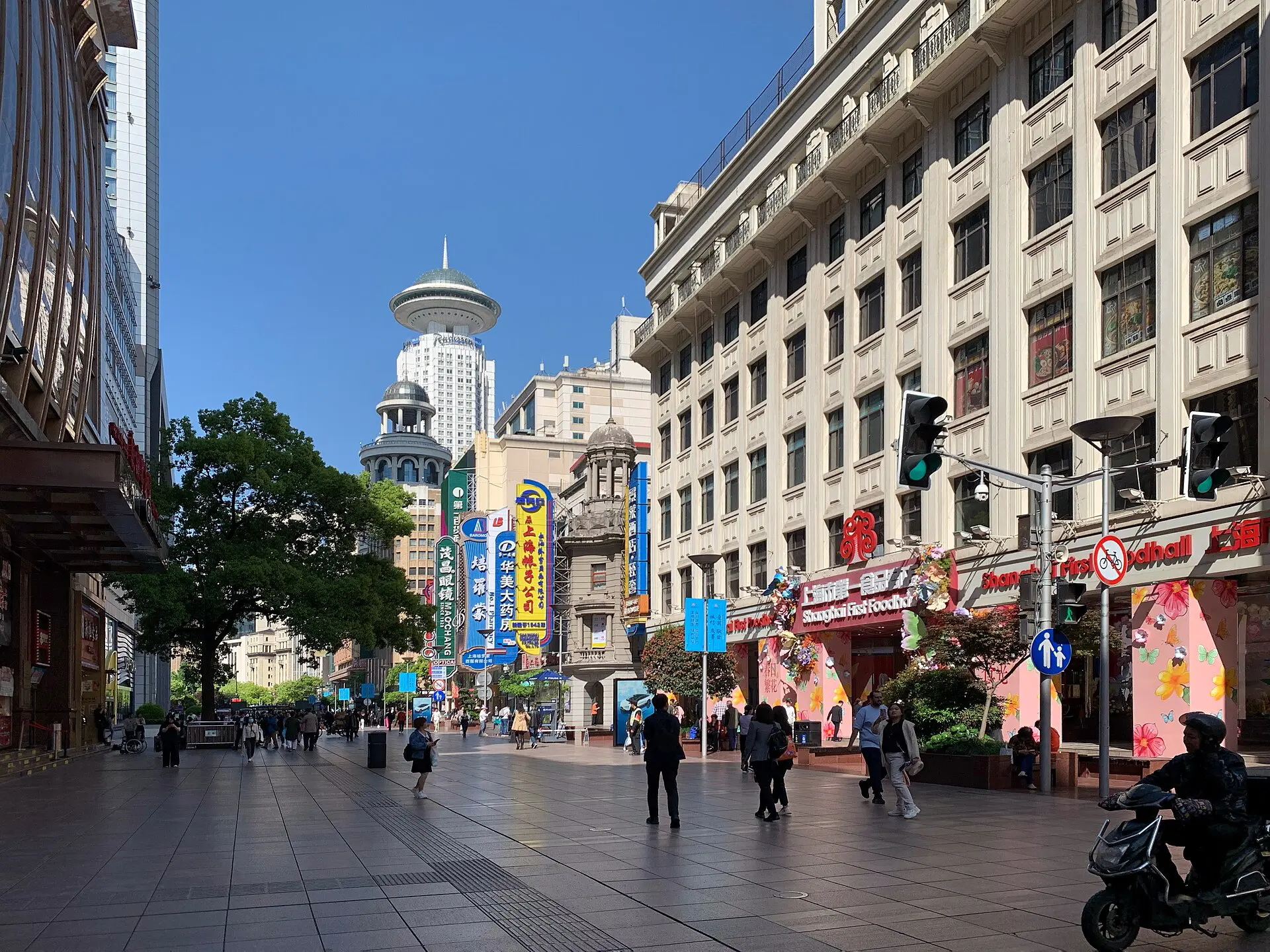
Nanjing Road is the city’s main shopping street, and nearby lanes of shikumen houses show an older side of the city. Allow two hours. Visit the lanes in daylight, when the neighbourhoods feel more local, and keep an eye on belongings in crowded areas.
Water towns and local food
Shanghai is known for soup dumplings, braised dishes and street food. Try them in local restaurants and markets, and look for places busy with locals. A nearby water town works as a half-day trip if you want a quieter contrast.
Best time to visit Shanghai
Shanghai has a humid subtropical climate with four seasons. Spring and autumn are the most comfortable for sightseeing, summer is hot and humid with a rainy period, and winter is cool and damp, with occasional cold snaps.
| Season | Weather | Crowds and prices |
|---|---|---|
| Spring (Mar-May) | Mild, increasingly warm, some rain | Moderate; public holidays are busy |
| Summer (Jun-Aug) | Hot, humid, rainy spells, typhoon risk | Busy domestic travel; prices vary |
| Autumn (Sep-Nov) | Pleasant, clearer skies | Popular; the early October holiday is very busy |
| Winter (Dec-Feb) | Cool, damp, occasional cold snaps | Quieter, except around the Lunar New Year |
Avoid China’s major public holidays, such as the first week of October and the Lunar New Year period, if you prefer lower crowds and prices.
How to get to Shanghai and around
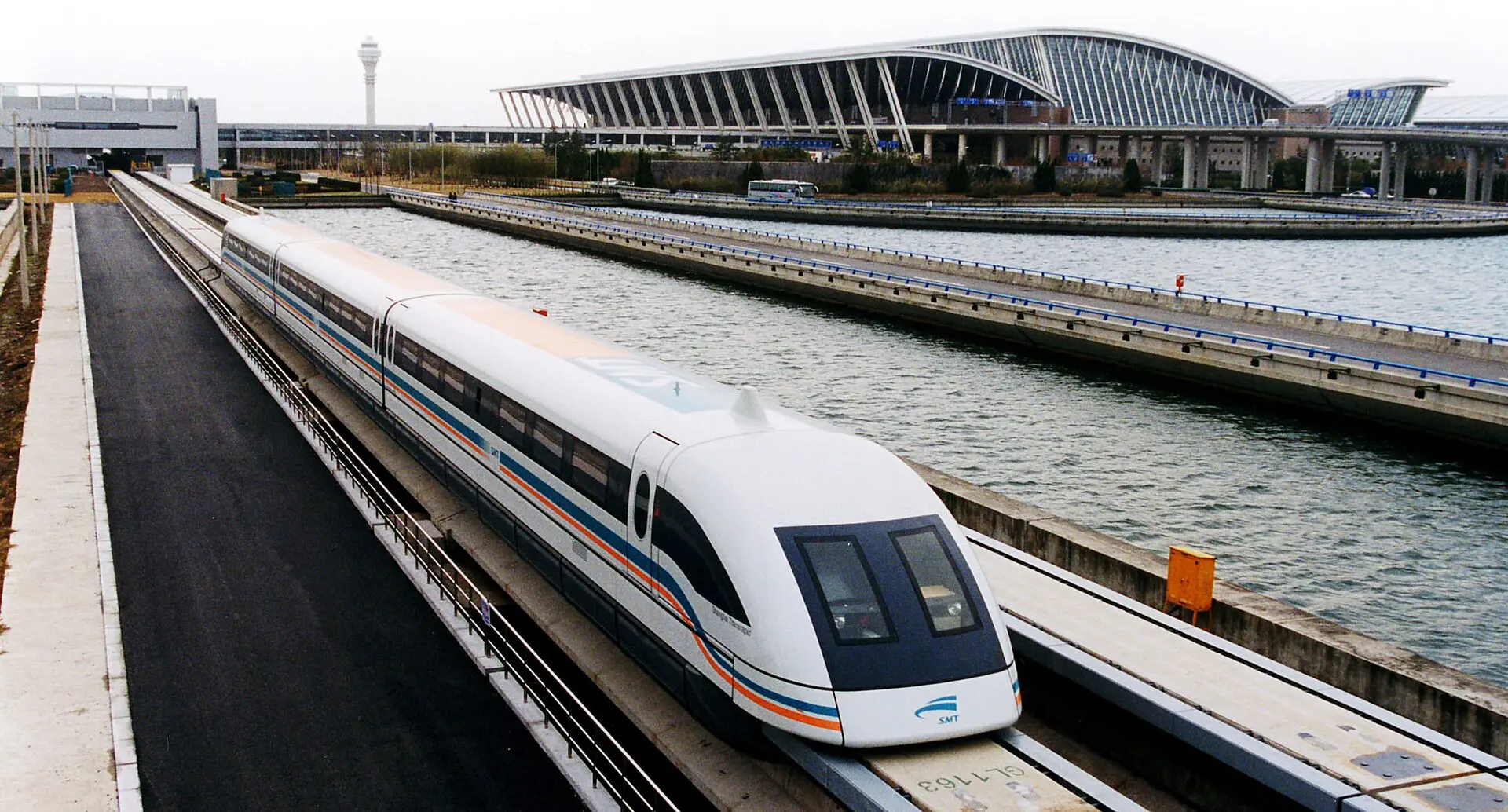
Shanghai has two main airports. Pudong International Airport handles most international flights, and a metro line and a maglev train connect it with the city, while Hongqiao Airport is closer to the centre and handles many domestic services. Check which airport your flight uses before booking onward transport.
High-speed trains link Shanghai with Beijing, Hangzhou, Suzhou, Nanjing and many other cities, usually arriving at Shanghai Hongqiao or Shanghai Railway Station. Book in advance in busy periods, and check current ticketing and identification requirements for foreign passport holders.
In the city, the metro is the most efficient way to travel and has signs in English. Taxis and ride-hailing apps are widely available, though some may require a local payment method, so check before you rely on them. Mobile payments are common, so carry a backup payment option and some cash.
Where to stay in Shanghai
The area around the Bund and People’s Square puts you close to the waterfront, museums and metro lines. It suits first-time visitors who want the main sights within reach, with a wide range of hotels from mid-range to luxury, although prices are higher than elsewhere.
The former French Concession is a more relaxed choice, with leafy streets, cafes and boutique hotels. It suits couples and travellers who enjoy strolling and eating well, and it has good metro access. Pudong has modern high-rise hotels with skyline views and suits business travellers and those arriving at Pudong Airport.
Jing’an is another central district with shopping, restaurants and easy transport links. Whichever area you choose, stay near a metro station and book early for national holidays and major trade fairs, when prices rise sharply.
How many days do you need?
Three days is a good length for Shanghai, giving you time for the Bund, Pudong, the old city and the former French Concession at an easy pace. With two days you can cover the headline sights, but a fuller trip with day trips benefits from four to five days.
- Day 1: Walk the Bund, visit People’s Square and the Shanghai Museum, then see the Pudong skyline in the evening.
- Day 2: Visit Yu Garden and the old city, then spend the afternoon and evening in the former French Concession.
- Day 3: Take a day trip to Suzhou or a nearby water town, returning for dinner in the city.
Day trips and nearby
Suzhou
Suzhou is known for classical gardens and canals, and it is reachable by high-speed train in roughly 30 minutes. It suits a full day trip, and you can combine several gardens with a canal walk. Check garden opening hours before you go.
Hangzhou
Hangzhou, home to West Lake, is also reachable by high-speed train in about an hour. It works as a long day trip but is better with an overnight stay, especially if you want to walk or cycle around the lake.
Zhujiajiao and other water towns
Water towns near Shanghai have canals, stone bridges and old streets, and they are popular half-day trips. Some can be touristy, so go early or on weekdays. Check current transport options from the metro or bus.
Nanjing
Nanjing is a former capital and sits on the high-speed rail line to the northwest. It offers museums, city walls and historic sites, and suits visitors who want a longer rail trip with an overnight stay.
FAQ
Q1How many days do you need in Shanghai?
Three days is enough for the Bund, Pudong, Yu Garden, the former French Concession and a museum. Add one or two days for a trip to Suzhou, Hangzhou or a nearby water town, all of which are easy by high-speed train.
Q2When is the best time to visit Shanghai?
March to May and September to November offer the most comfortable weather. Summer is hot and humid with typhoon risk, and winter is cool and damp. Avoid the first week of October and the Lunar New Year period if you dislike crowds.
Q3How do you get from Pudong Airport to the city?
Pudong International Airport is linked to the city by a metro line and a maglev train, and taxis are also available. Journey times vary with traffic and destination. Check current services and fares, and allow extra time during peak hours.
Q4Is Shanghai expensive?
Shanghai is among the more expensive cities in mainland China, mainly for hotels and international dining. Local food, metro travel and many attractions are affordable. Costs rise around national holidays and trade fairs, so compare options and book ahead.
Prices, schedules and entry rules change. Check current details with official sources before you travel. Read the China travel guide.