Why visit Chengdu
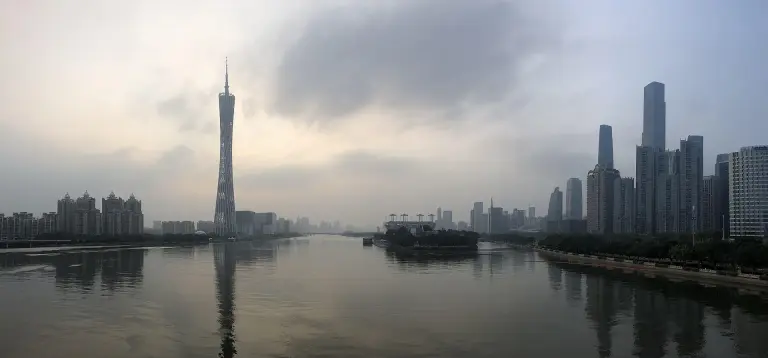
If you are planning things to do in Chengdu, begin with its pace. It is the provincial capital and largest city of Sichuan Province in southwest China, with over 21 million people in the wider administrative area, yet it is known for culture and relaxation rather than hurry.
The city sits on the edge of the fertile Red Basin, which explains its old nickname, the Heavenly Land of Plenty. It has many parks, teahouses and green spaces, a strong nightlife scene and new western-style buildings in the centre.
The best-known attraction is the Chengdu Research Base of Giant Panda Breeding just outside the city. Add the regional cooking, the teahouse habit of sitting for hours and the mountain foothills an hour to the west, and Chengdu works as both a city break and a base for Sichuan.
Top things to do in Chengdu

Giant Panda Breeding Research Base
The research base lies just outside the city and is the best-known reason to visit. Pandas are most active in the morning, so aim to arrive early. Allow half a day. Tip: book entry in advance where possible, and check current opening hours and ticket rules before you go.
Teahouses
Sitting in a teahouse is a core local pastime, and many are in parks and old streets. A cup can last an hour or more. Allow one to two hours. Tip: look for places where locals are playing cards or chatting, and check the price before you order.
People’s Park
A busy central park with a teahouse, lake and morning crowds of people dancing, singing and exercising. Allow one to two hours. Tip: go in the morning for the liveliest scene.
Wuhou Shrine and Jinli Street
This area links a historical shrine with a busy street of snacks and souvenirs. Allow two hours. Tip: the street is crowded at weekends, so visit on a weekday if you can.
Sichuan food
The cuisine is known for strong, numbing and spicy flavours, with hot pot as a classic. Allow an evening. Tip: ask for a milder level if you are not used to chilli, and share dishes to try more.
Kuanzhai Alley
Restored lanes with cafés, shops and snacks in a historic style. Allow one to two hours. Tip: it is touristy, so visit early or late to avoid peak crowds.
Parks and green spaces
Chengdu has many other parks suited to slow walks. Allow an hour. Tip: use them to break up a busy sightseeing day.
Best time to visit Chengdu
Spring (March to May) and autumn (September to November) are generally the most comfortable seasons, with milder temperatures for walking and parks. Pandas are often most active in cooler weather.
Summer is hot and humid, because the city is surrounded by small mountains to the east and sits in the Red Basin. Plan indoor breaks and early starts. Winter is cool and often overcast, with fewer crowds. National holidays, especially the early October holiday, bring heavy domestic travel and higher prices, so avoid them if you can or book early. Air quality and cloud cover vary, so check forecasts for any day trip.
How to get to Chengdu and around
Chengdu is one of western China’s main transport hubs, with international and domestic flights into its airports and high-speed trains to many major Chinese cities. Check which airport your flight uses, as there is more than one, and look at current visa and entry rules for your passport.

Inside the city, the metro is the easiest way to get around and links most major sights. Buses, taxis and ride-hailing apps fill the gaps. Mobile payment is common in China, so check that your cards or payment options work before you arrive, and carry some backup. The city is large, so group sights by area to limit travel time.
Where to stay in Chengdu
The city centre, near Tianfu Square and the main shopping streets, suits first-time visitors, with strong metro links and easy access to restaurants and teahouses. It is busy but convenient.
The areas around Kuanzhai Alley and Wuhou suit travellers who want historic streets close by. Neighbourhoods near the railway stations are practical for early departures and day trips. Because the city is large and traffic can be heavy, choose accommodation within walking distance of a metro line. Prices vary by season and holiday, so book early for national holidays.
How many days do you need?
Three days covers the pandas, the main city sights and food. Four days lets you add a day trip or a slower pace.
- Day 1: Giant Panda base early in the morning, then a teahouse in the afternoon.
- Day 2: People’s Park, Wuhou Shrine and Jinli Street, then Sichuan hot pot in the evening.
- Day 3: Kuanzhai Alley and a relaxed park walk, or a day trip to the foothills.
Day trips and nearby
Western foothills
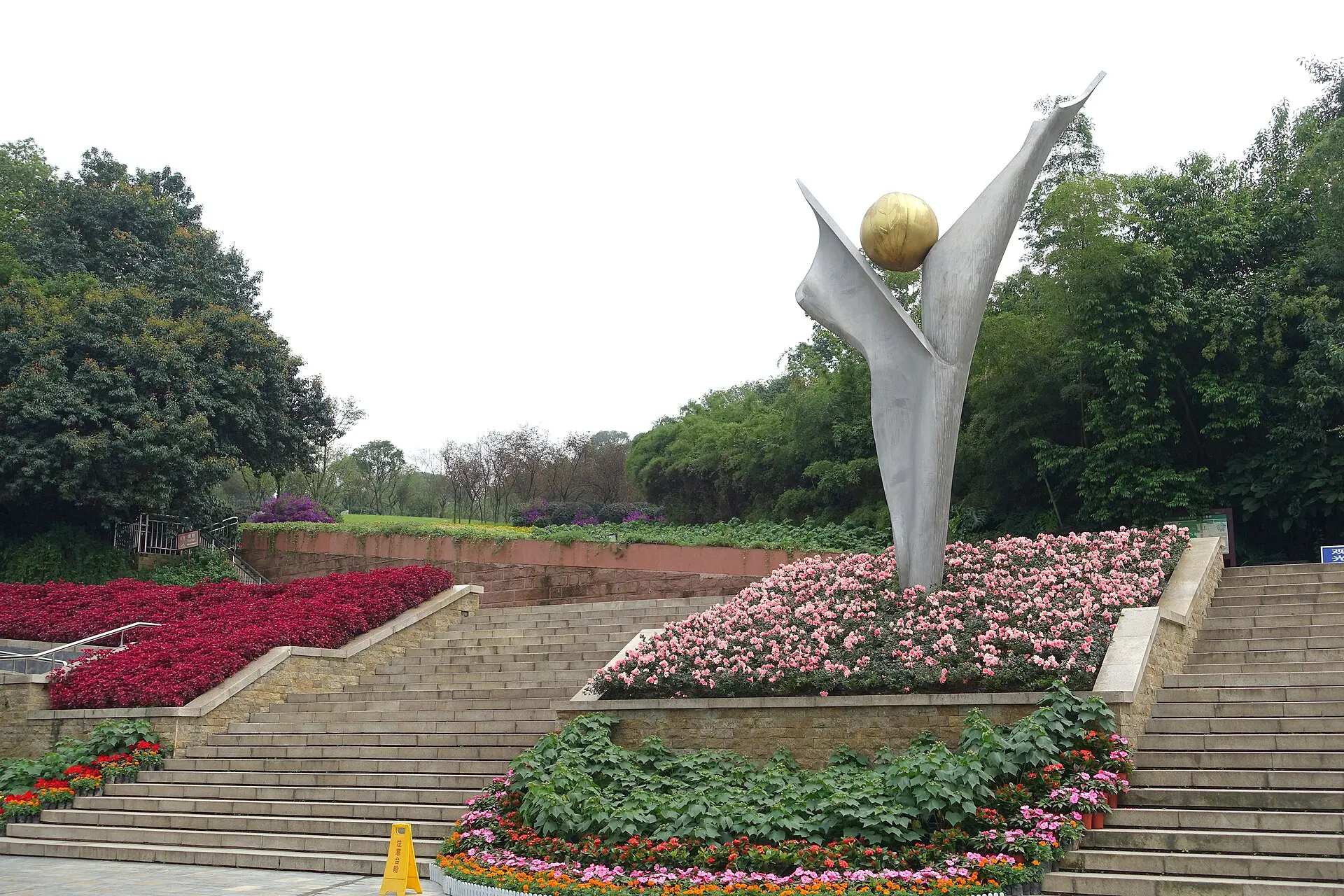
About an hour west of the city lie foothills of the mountains, with scenery and small towns. Check transport options and seasonal conditions before you go.
Chongqing
This large city lies to the east and is reachable by high-speed train. It works better as a separate stay than a hurried day trip. Check current rail timetables.
Xi’an
Xi’an is a longer rail journey. Plan an overnight stay rather than a day trip, and look at current timetables to decide how to fit it into your route.
Zhangjiajie
Zhangjiajie is far from Chengdu and requires a longer journey by plane or train. Treat it as a separate destination for a multi-day trip rather than a day outing.
FAQ
Q1When is the best time to visit Chengdu?
Spring (March to May) and autumn (September to November) are the most comfortable seasons, with milder temperatures. Summer is hot and humid because Chengdu sits in the Red Basin. Winter is cool and often overcast. Avoid major national holidays if you want fewer crowds.
Q2How many days do you need in Chengdu?
Three to four days works well. One day covers the giant panda base, one or two days cover teahouses, parks, historic streets and food, and an extra day allows a trip to the foothills or a slower pace. Two days is possible for a quick visit.
Q3How do you get to Chengdu?
Chengdu has international and domestic airports and high-speed rail connections to many Chinese cities. Check which airport your flight uses and current entry and visa rules for your nationality. Inside the city, the metro is the easiest way to get around.
Q4Is Chengdu worth visiting?
Yes, especially for pandas, teahouse culture and Sichuan food. It has a relaxed atmosphere compared with many Chinese megacities. It works well as a city break or as a base for exploring other parts of Sichuan and southwest China.
Prices, schedules and entry rules change. Check current details with official sources before you travel. Read the China travel guide.