Why visit North Korea
The things to do in North Korea are not like those in any other country, because you only see what the state allows. People travel to see a planned capital, Cold War monuments, the demilitarised zone and landscapes such as Mount Myohyang, and to learn how a closed system presents itself. The Wikipedia overview covers the country’s history since the 1945 division of Korea, the Korean War and the rule of the Kim family.
Before 2020 about 5,000 Western tourists visited each year, mostly on short package tours from China. Tourism then closed during the pandemic and has reopened only partly and unpredictably, mainly to selected groups. Travel is not for everyone. Visitors have no freedom of movement or speech, and a mistake can lead to detention. This guide is for readers researching the subject or weighing a tour, not an encouragement to go, and it begins and ends with the official advice you should check.
Best places to visit in North Korea
The best places to visit in North Korea are the ones that appear on guided itineraries, since nobody can choose their own route.
Pyongyang
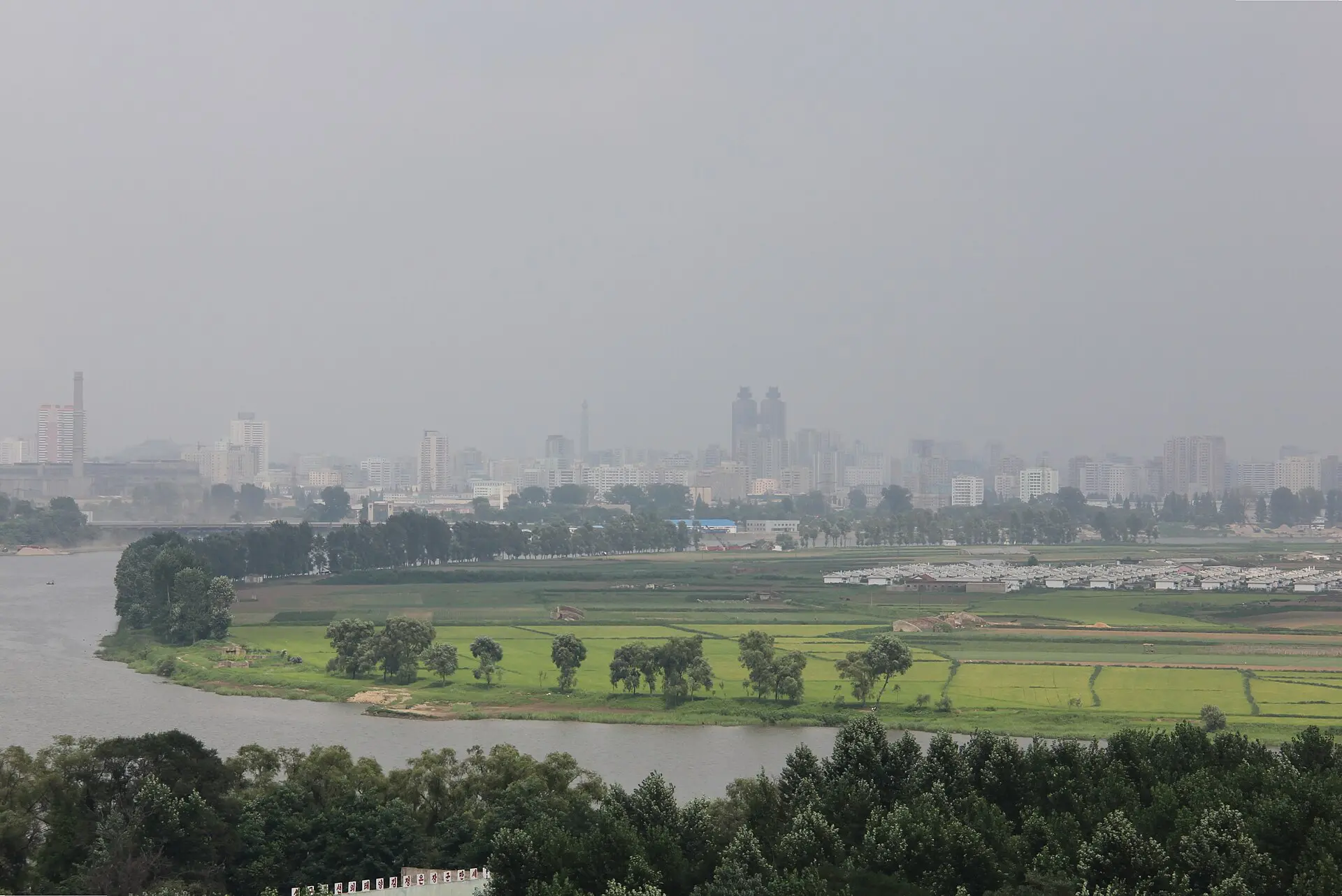
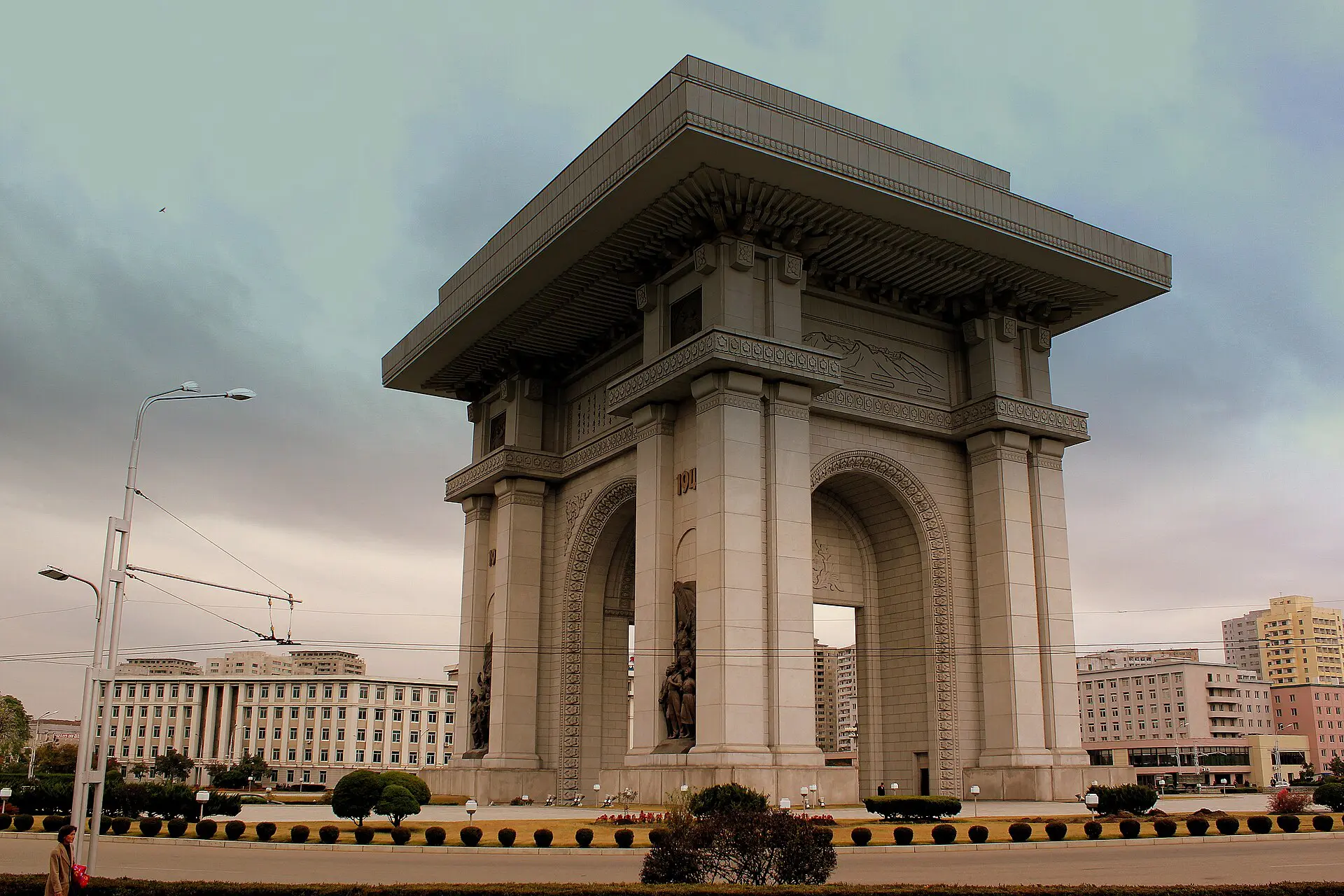
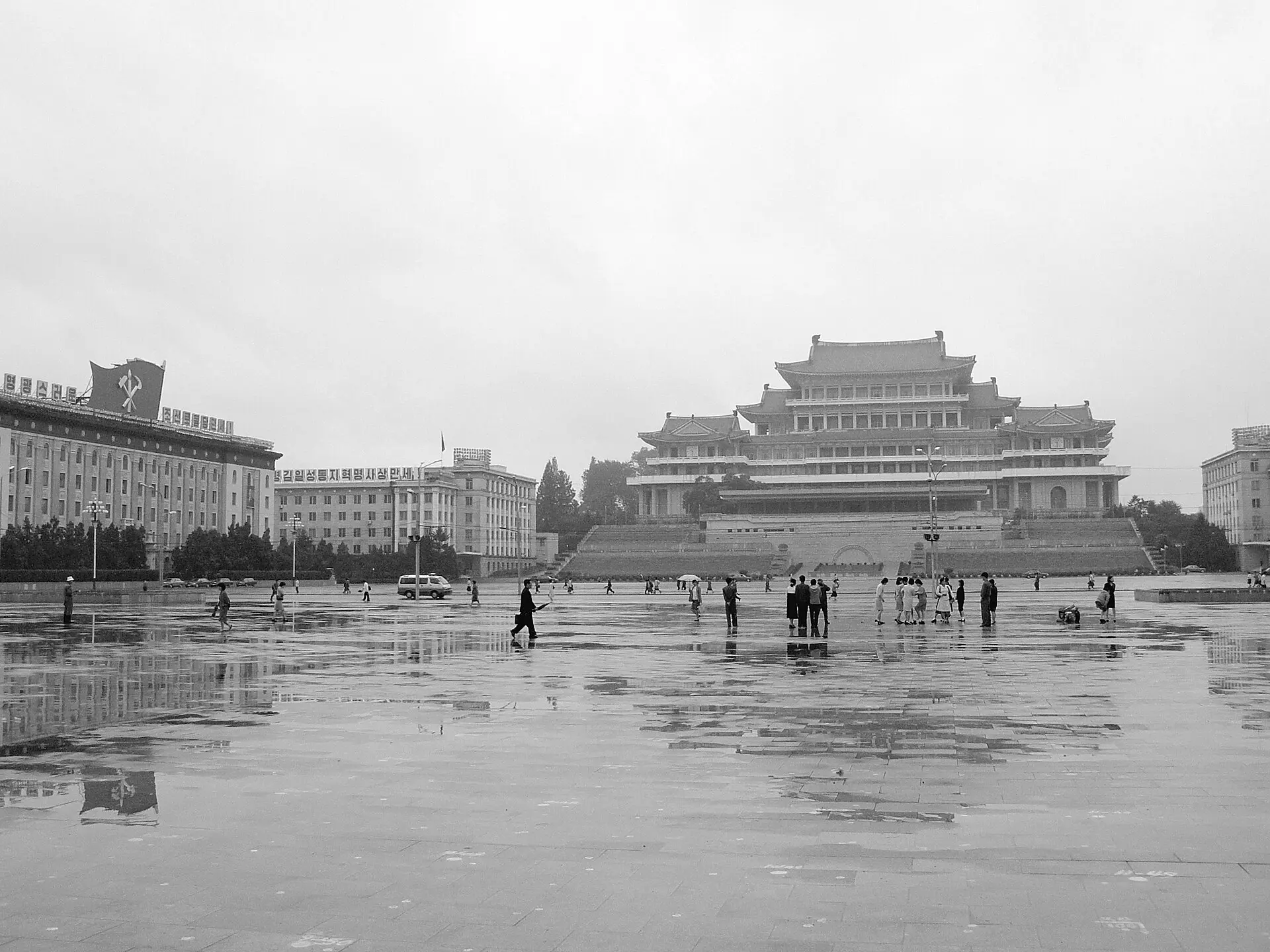
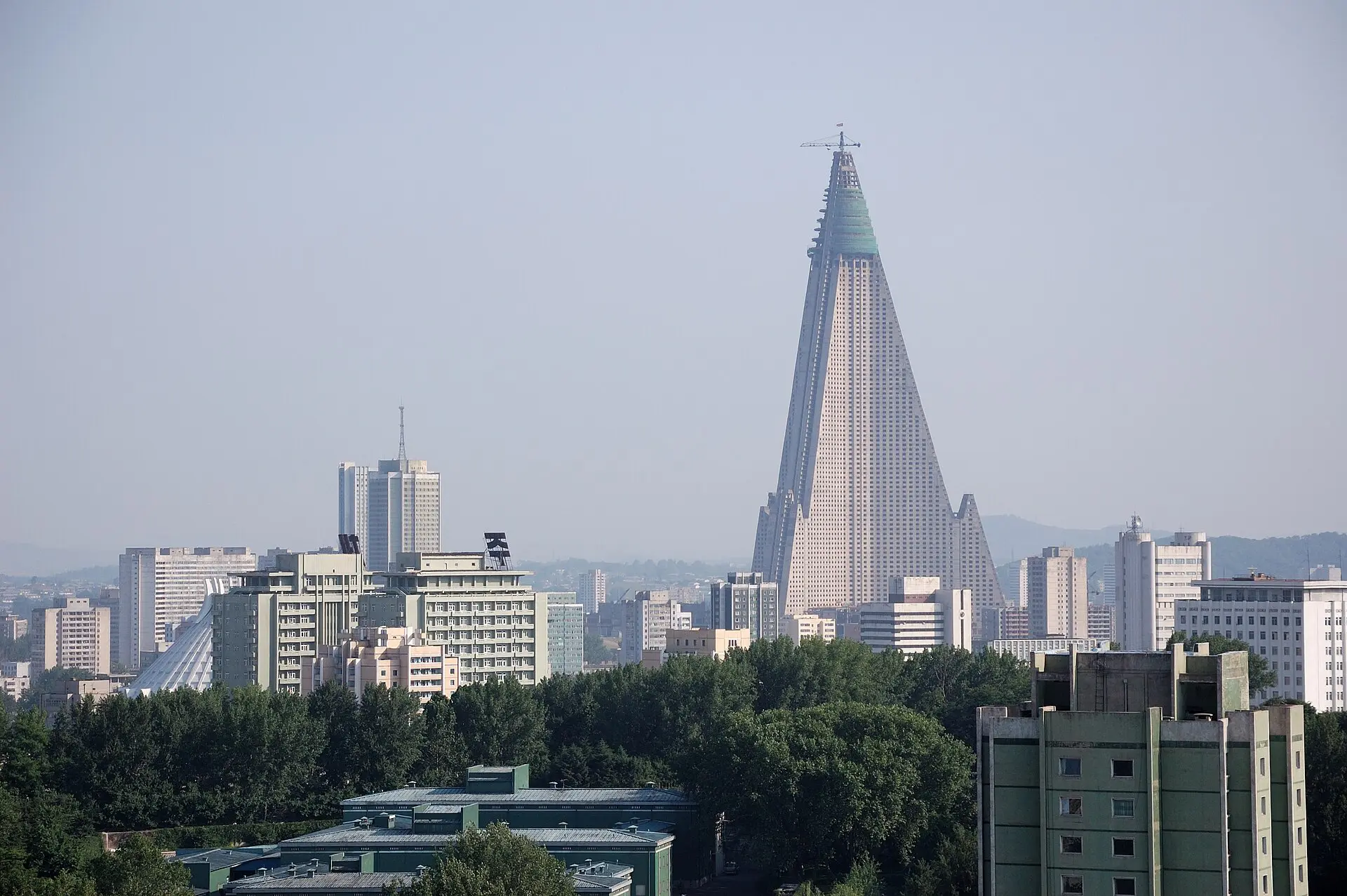
The capital is the centrepiece of every tour, with wide avenues, the Arch of Triumph, the Juche Tower, Kim Il Sung Square and the Mansudae monument. The metro stations are decorated with mosaics and chandeliers. The cityscape is staged, and your guide controls the schedule.
Kaesong
The former Goryeo capital lies south of Pyongyang near the border. It has the Koryo Museum, a preserved old quarter with traditional houses and the Sonjuk Bridge, which is tied to a famous medieval story.
Panmunjom and the DMZ
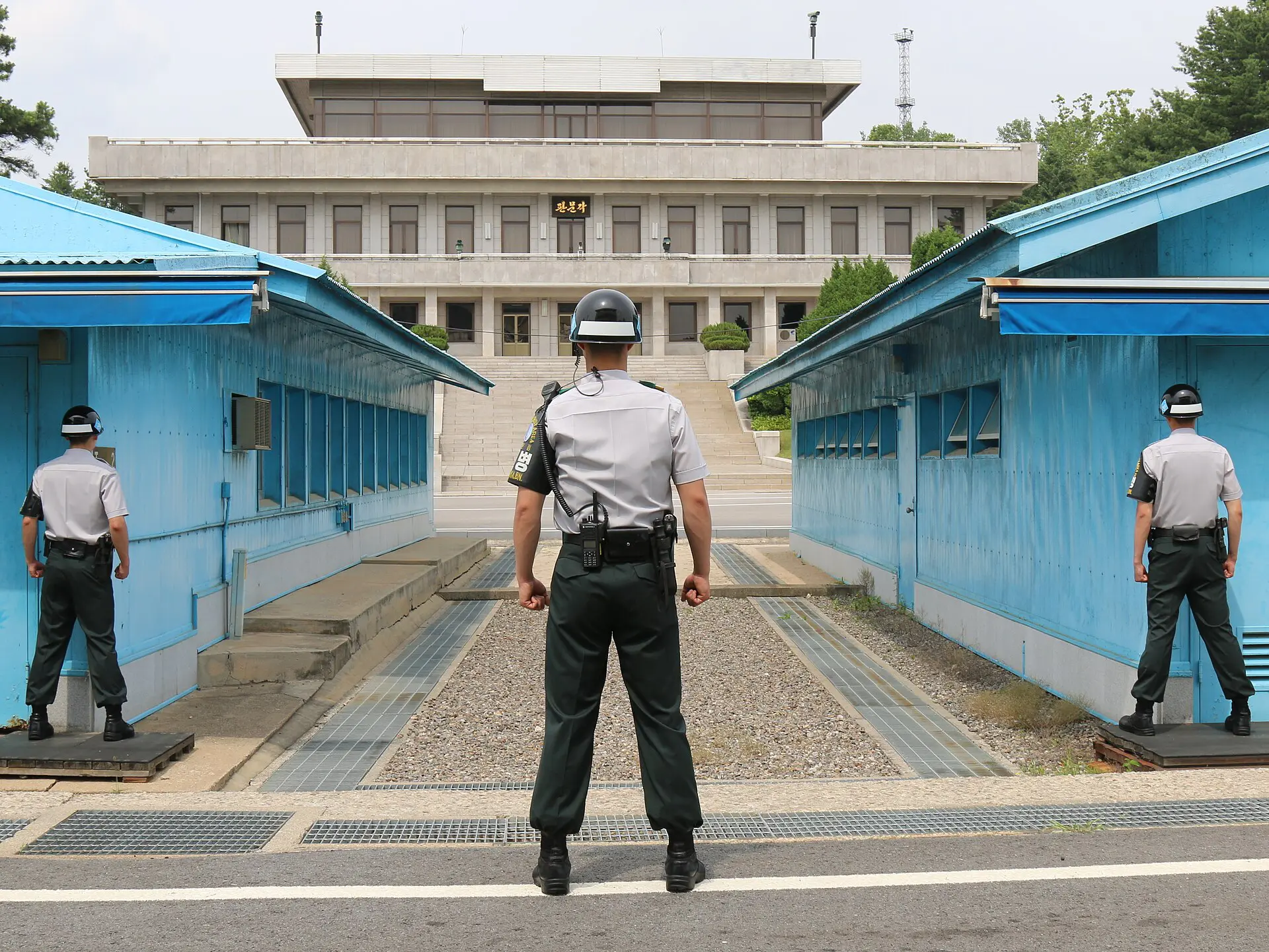
The Joint Security Area is the one place where North and South Korea face each other across a line. Tours from the North visit the armistice hall and may include a view of soldiers on guard.
Myohyangsan
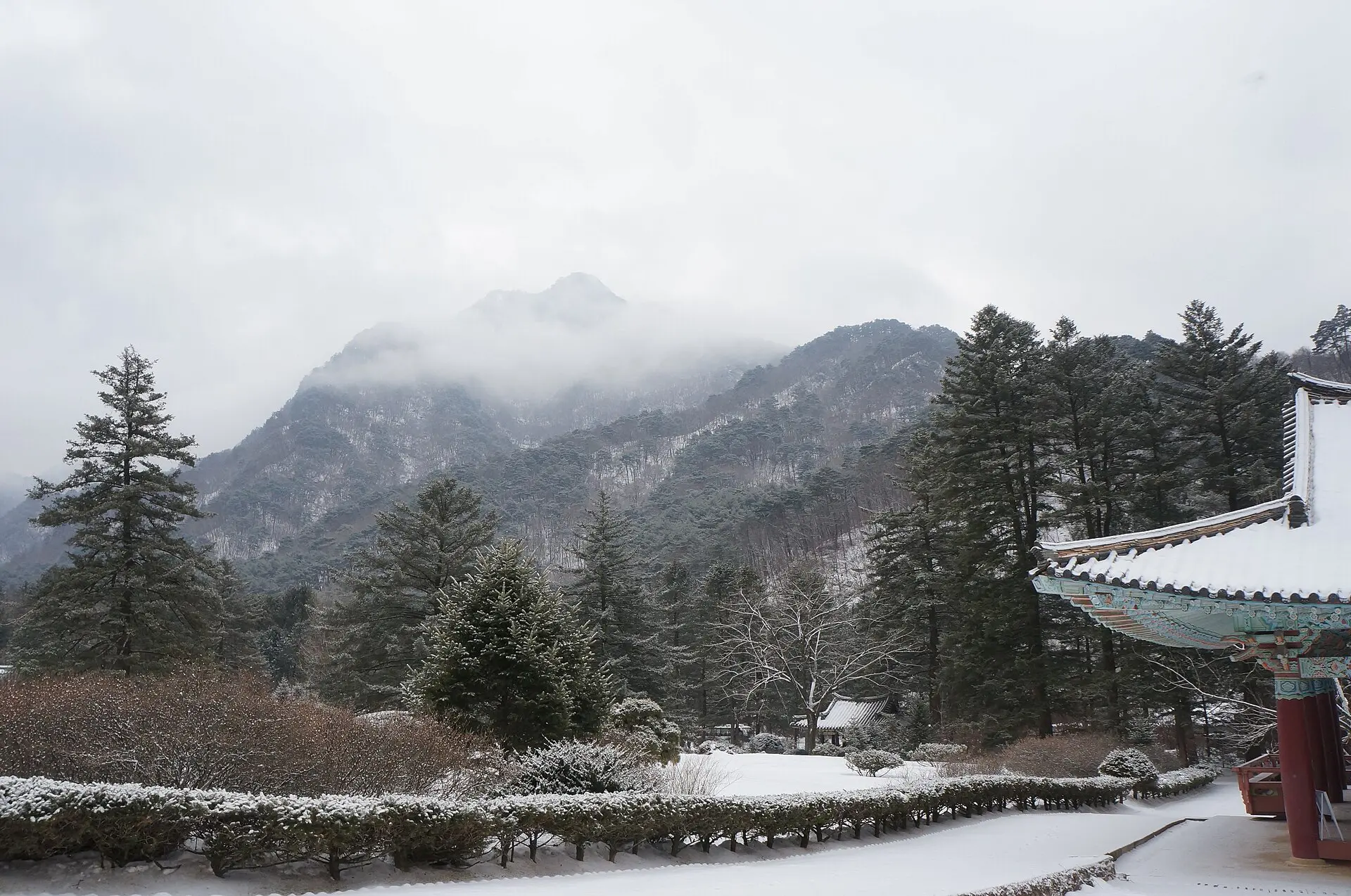
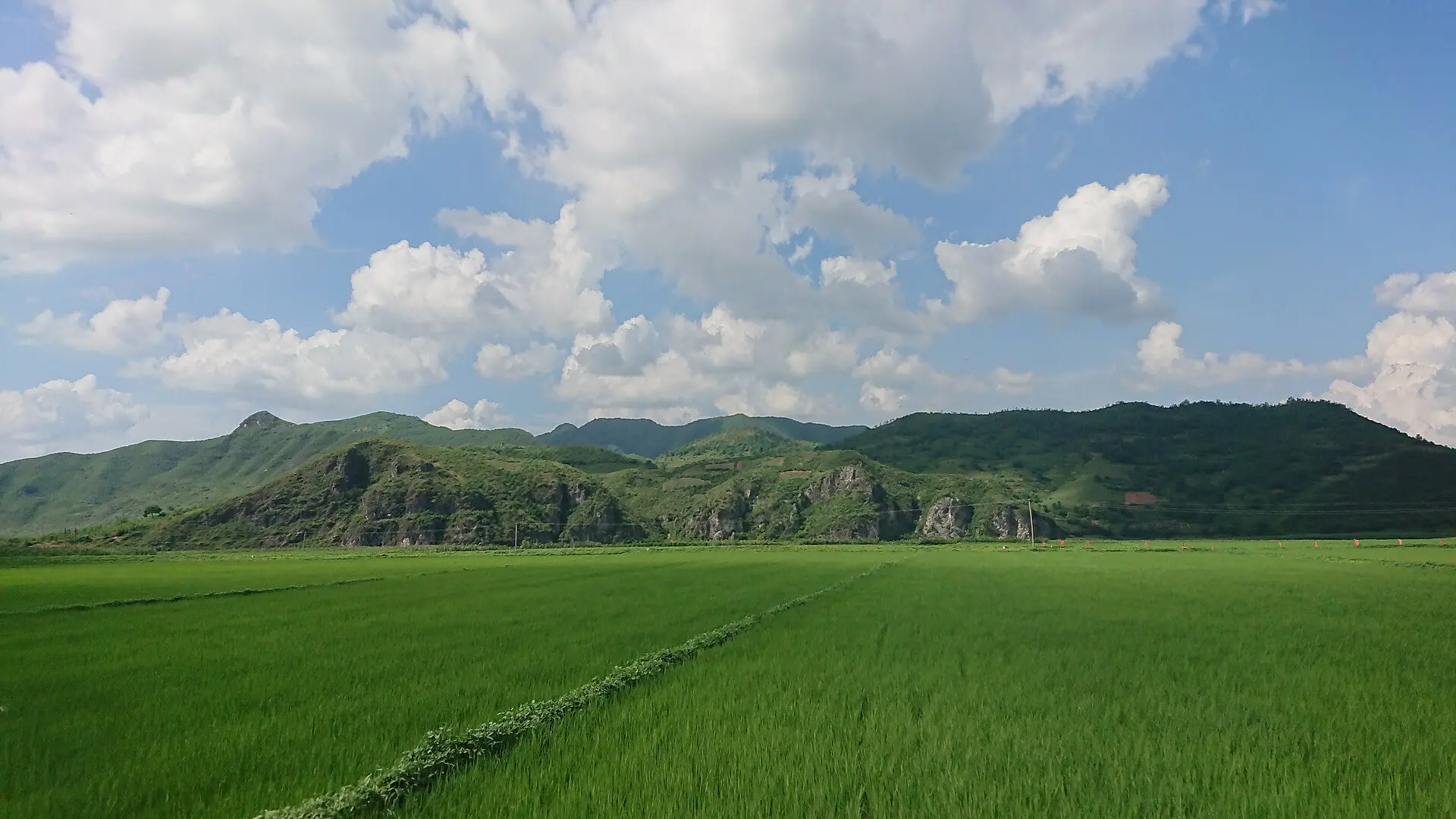
Mount Myohyang is a scenic mountain range north of Pyongyang with temples and hiking trails. The International Friendship Exhibition houses gifts given to the country’s leaders.
Wonsan and Mount Paektu
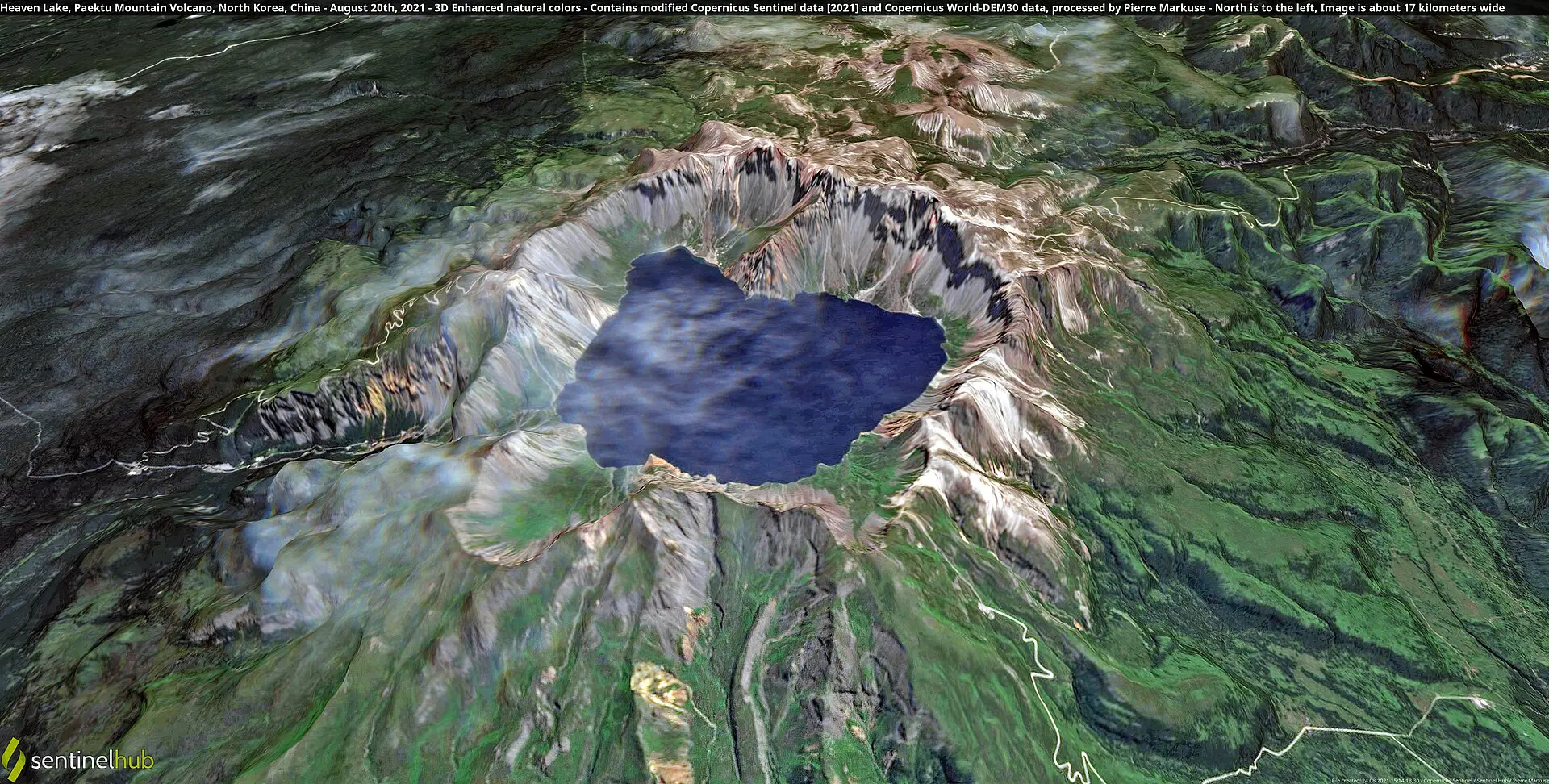
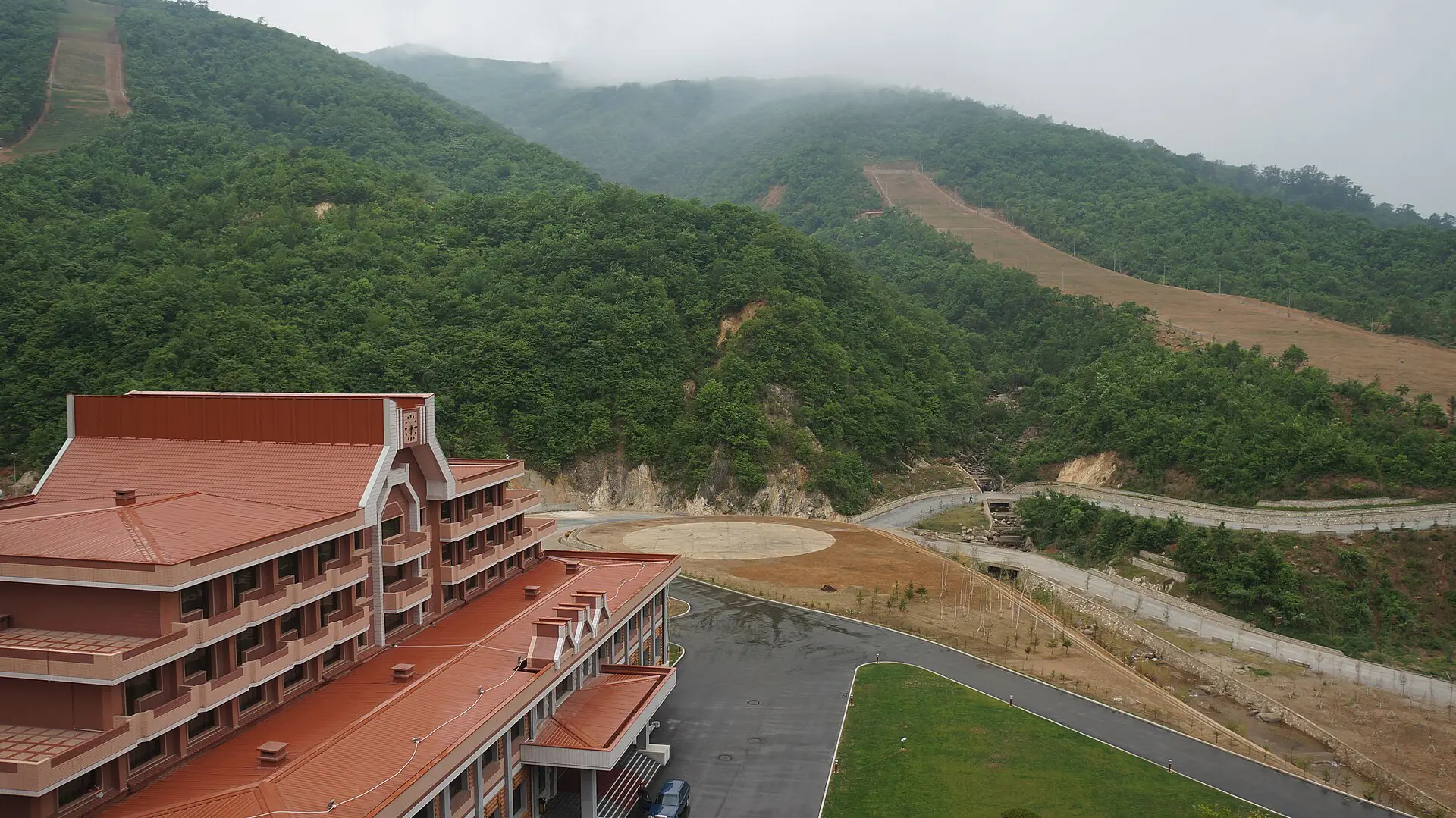
Wonsan, on the east coast, has a new beach resort and ski areas inland. Mount Paektu, the highest peak on the peninsula, has a crater lake and a place in national mythology, but access is limited.
Top things to do in North Korea
The top things to do in North Korea are guided, scheduled and photographed under rules. Few can be done outside a group, and during closures none can be booked.
- Ride the Pyongyang Metro: a short guided ride lets visitors see two or three deep stations with murals.
- See the Arch of Triumph: the monument in Pyongyang is taller than its Paris counterpart.
- Go up the Juche Tower: a lift reaches a viewing deck over the Taedong River and city.
- Visit Kim Il Sung Square: the main parade square is a standard photo stop.
- Bow at Mansudae Grand Monument: tours usually include a group visit with floral tributes and strict photo rules.
- Stand at Panmunjom: the armistice site is the closest view of the DMZ from the north.
- Walk in Kaesong: the old town and Koryo Museum cover earlier Korean history.
- Hike at Myohyangsan: a day trip with a guide, subject to weather and permission.
- Attend a performance or mass event: the Mass Games ended, but other shows and the Pyongyang Marathon have admitted foreigners at times.
- Relax at Wonsan or ski at Masikryong: new resorts focus on domestic and some foreign guests.
Best time to visit North Korea
The best time to visit North Korea, when tours run, is April to October. Spring and autumn are mild and clear, while summer is hot, humid and rainy, especially in July and August. Winters are very cold, with snow, and are mainly for skiing at Masikryong. Tour dates also follow the national calendar: April 15 marks the Day of the Sun, and September 9 and October 10 are major state anniversaries with parades or events. Pyongyang’s marathon is held in April.
| Season | Weather | Crowds and prices | Good for |
|---|---|---|---|
| Spring (Apr-May) | Cool to mild, clear, cherry blossom | Few tourists; marathon and holiday groups | Pyongyang, Kaesong, festivals |
| Summer (Jun-Aug) | Hot, humid, heavy rain in July-August | Fewer groups | Coastal resorts, mountains |
| Autumn (Sep-Oct) | Mild, dry, good light | Busiest for anniversary events | Hiking, city sights |
| Winter (Nov-Mar) | Very cold, snowy, as low as -15 C | Very few tourists | Skiing |
Access matters more than season: borders have opened and closed with little notice since 2020, and itineraries are set by the authorities.
Is North Korea safe to visit?
Is North Korea safe? For tourists, ordinary crime is rare, but legal and political risks are extreme, and most governments advise against travel. Check the UK FCDO and US State Department pages first. The US restricts the use of its passports for travel to North Korea, and some countries ban travel outright.
Arbitrary detention. Foreigners have been arrested for acts that would be trivial elsewhere, such as removing a political poster, mishandling an image of a leader or leaving a group. Sentences have been harsh, and the American student Otto Warmbier died in 2017 after being held. Most tours finish without incident, but if something goes wrong, due process is limited.
Surveillance and consular access. Guides accompany you at all times, phones and cameras may be checked, and few governments have embassies in Pyongyang. Sweden often acts as a protecting power for some nationals, but it cannot guarantee help.
Health and security. Medical care is basic, and evacuation is difficult. Tension on the peninsula can escalate quickly, and sanctions complicate payments and insurance.
Follow every rule, behave respectfully and do not carry religious or political material.
North Korea visa and entry requirements
The North Korea visa process is unlike anywhere else. You cannot apply on your own: visas are issued through approved foreign tour operators, which work with the state tourism authorities. Passport details are submitted several weeks before travel, and approval is not guaranteed. Journalists and some professions may be refused. South Korean citizens are not accepted on tours, and several governments restrict or ban travel by their citizens, including the United States.
Since 2020 tourism has been closed or tightly limited, with brief and partial openings to selected groups, so any tour dates should be treated as provisional. Tour operators set conditions, including conduct rules, forbidden items and photography limits, and charge deposits that may be lost if borders close.
On arrival, customs may inspect phones, laptops, books and cameras. Do not bring religious items or political materials, and leave South Korean publications at home. Confirm the current position with your government and the tour operator, because the situation can change without warning. For heritage reference, the UNESCO page for North Korea lists the World Heritage sites, though it does not cover entry rules.
Getting to and around North Korea
Most tours enter from China. Before 2020, the usual routes were a flight from Beijing or Shenyang to Pyongyang’s Sunan Airport with Air Koryo, or an overnight train from Beijing via Dandong. Russia has also been a link, with flights and rail connections from Vladivostok, and Rason in the north-east has had tours for Russian visitors. Services have restarted and stopped several times since 2020, so check with your tour operator.
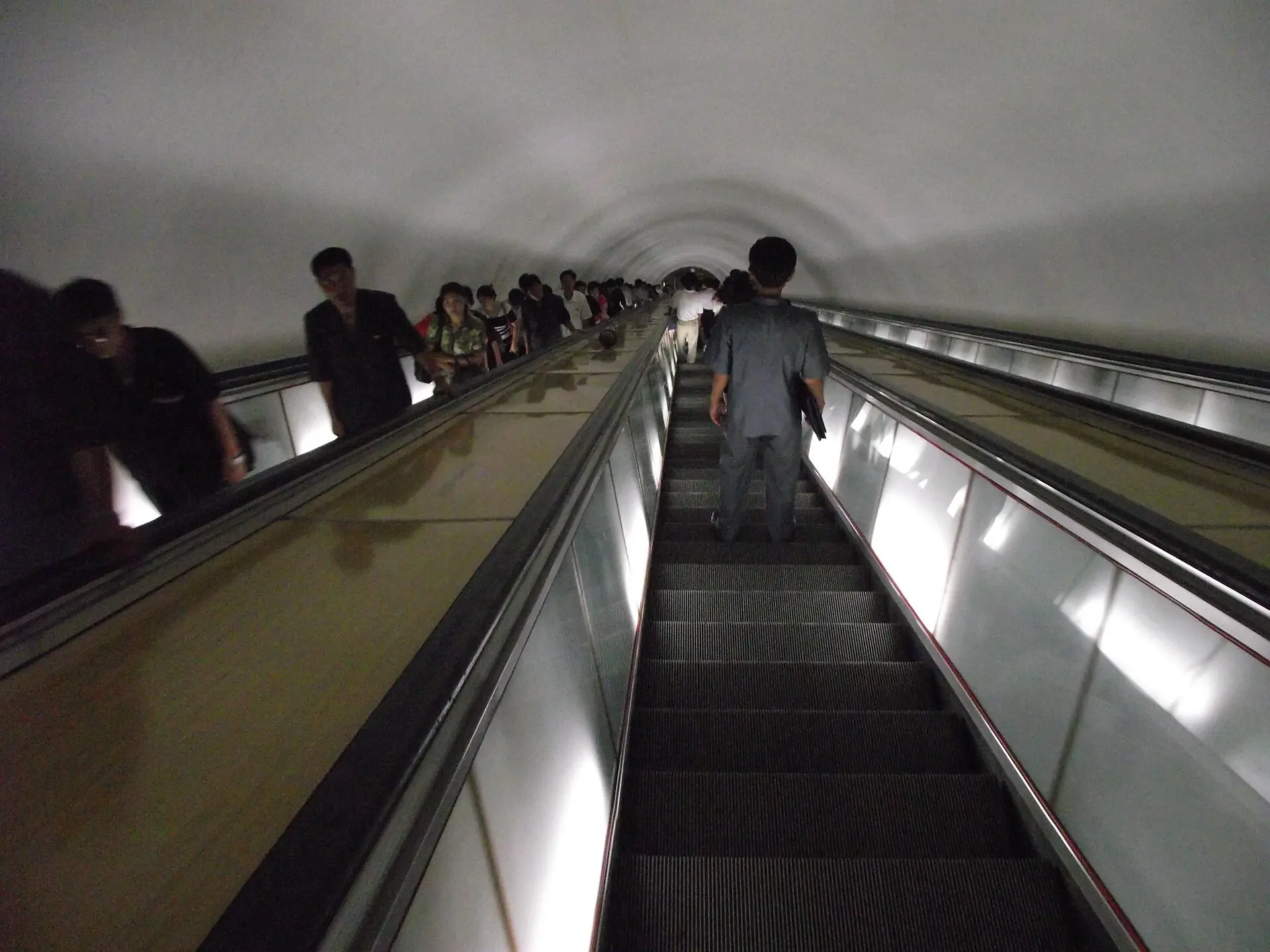
Inside the country you travel only with guides, in a vehicle arranged by the tour. Roads between cities can be rough, and Pyongyang to Kaesong takes around three hours, and Pyongyang to Myohyangsan about two to three hours. The Pyongyang Metro is open to visitors only on short guided rides. Internal flights, trains and special trips need advance approval.
You cannot walk alone, take a taxi, rent a car or change plans. Mobile data and internet are limited for foreigners, and calls abroad are expensive. The main practical task is choosing a reliable operator with a good safety record and clear refund terms.
How much does a trip to North Korea cost?
A trip to North Korea costs more than the country’s reputation suggests because you pay for a package. The local currency is the North Korean won (KPW), but visitors pay their operator in euros, US dollars or Chinese yuan, and foreign currency is used for souvenirs. Figures below are rough guides, and no standard price list exists.
- Short group tour: around EUR 1,000 to 1,800 for four to five days from Beijing, including visa, hotels, meals, transport and guides.
- Longer or specialised tours: around EUR 2,000 to 3,500 for a week or more, with extra regions, an event such as the marathon, or a ski stay.
- Per day: around EUR 150 to 300 per person on most packages.
Flights or trains to the departure point, Chinese or Russian visas, insurance and tips are extra. Insurers may refuse to cover the trip. Cash is needed for souvenirs, drinks and optional shows, and cards do not work from foreign banks. Prices rise for small groups, private tours and events. Choose operators with clear terms on cancellation, since deposits can be at risk.
North Korea food and drink
North Korea food is Korean cooking with local variations, served on tours in set-menu meals at hotels and approved restaurants. Rice, kimchi, soup and grilled meat are the basics, and several dishes are tied to the cities.
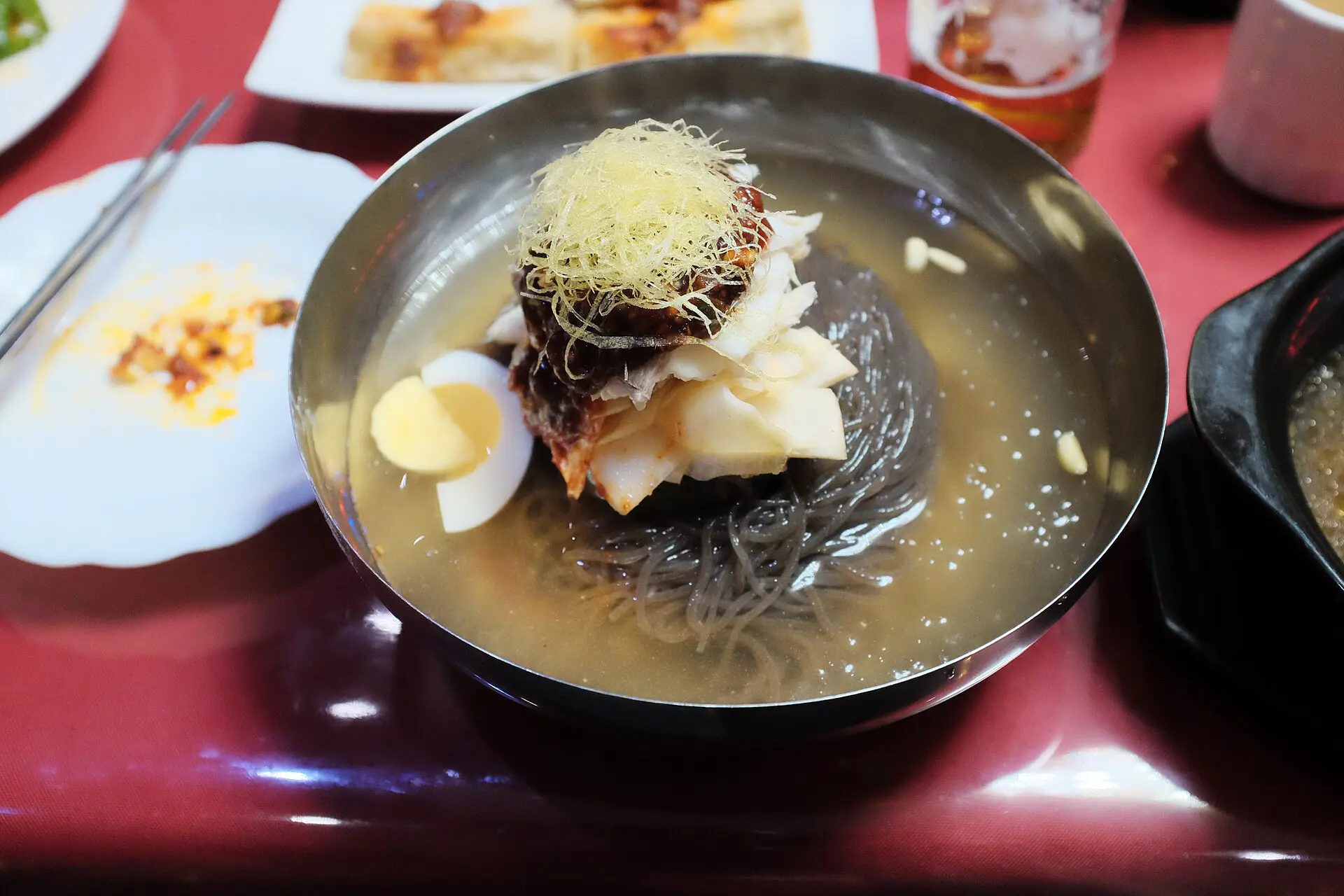
- Pyongyang naengmyeon: cold buckwheat noodles in a chilled beef or radish broth, the city’s best-known dish.
- Kimchi: fermented cabbage, served with almost every meal.
- Bibimbap and rice dishes: rice with vegetables and egg, common on menus.
- Korean barbecue and duck: grilled meat at the table, a favourite for groups.
- Kaesong cuisine: multi-dish court-style meals from the Goryeo capital.
- Soups and stews: many are spicy. Some menus offer dog meat soup, which some visitors avoid.
- Drinks: Taedonggang beer, soju and fruit liquors, plus tea and ginseng drinks.
Vegetarians can ask the tour operator in advance, but options may be limited, and portions are generous. Meals are scheduled by the guides, and special diets and allergies need advance notice. Bottled water is sold at hotels, and street food is not a part of the visitor experience.
Culture, language and etiquette in North Korea
Korean is the national language, and your guides usually speak English, Russian or Chinese. Official culture is built around the Juche ideology and the cult of the Kim family, and it is visible in monuments, murals, badges and daily ritual. Behaviour rules are taken very seriously, and ignorance is not accepted as an excuse.
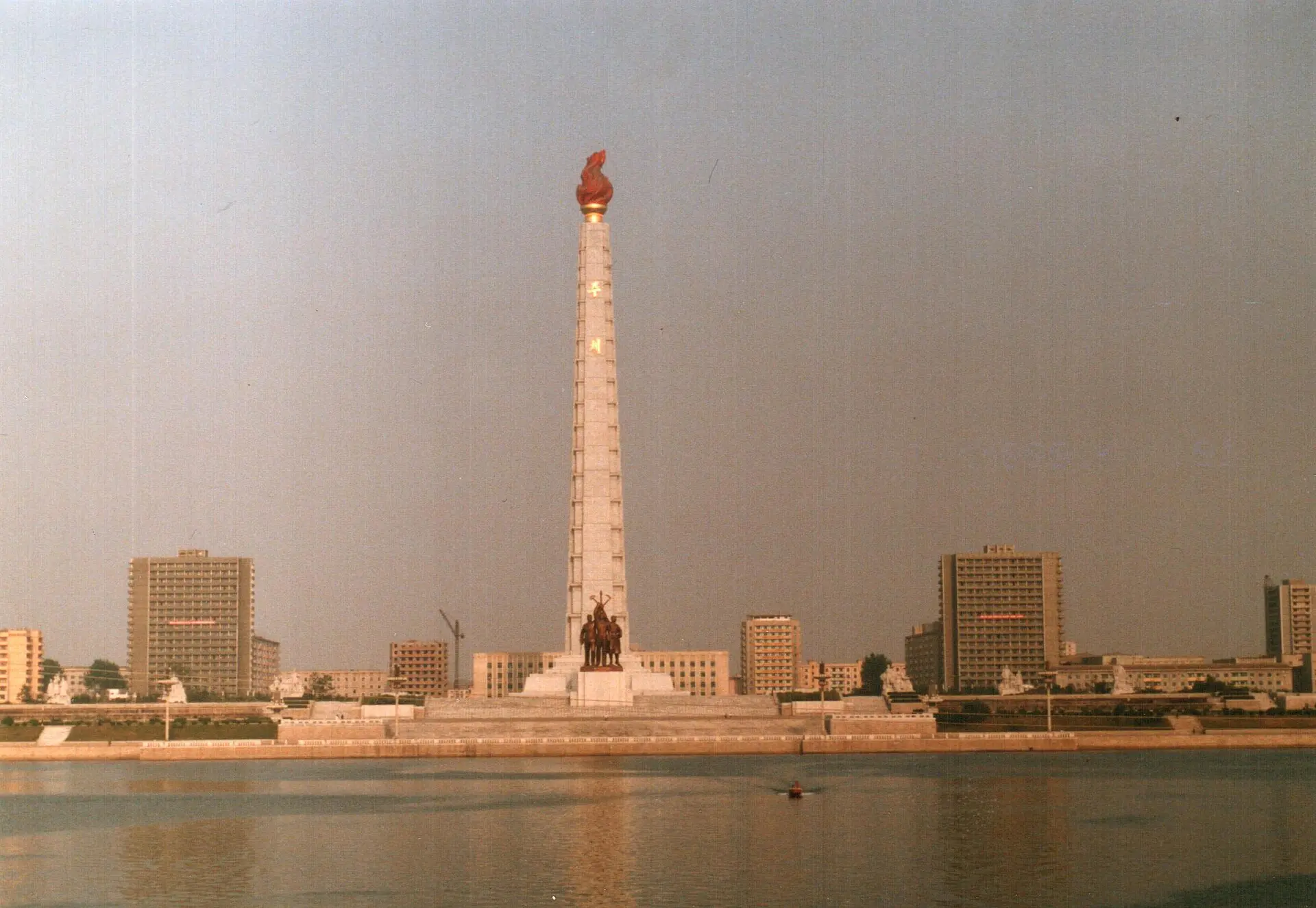
The most important rules are about the leaders. Photograph statues and portraits only in full, never crop them, and never lean on them, point at them or fold newspapers carrying their pictures. When your guide asks the group to bow at a monument, show respect, even if you do not take part in all gestures. Do not criticise the system or discuss politics, and avoid jokes about the leaders.
Follow the guides’ photo instructions, particularly for soldiers, construction, military sites and anyone working. Do not leave the hotel alone. Dress neatly, avoid ripped or political clothing, and stay modest. Gifts of small items are polite, but do not give media, religious material or large amounts of money to local people.
North Korea itinerary: a 7-day route
Independent travel is not possible, and no part of the country is advisable for unguided visits. This guide therefore does not offer a self-directed route. The outline below shows how a typical guided group tour used to run when borders were open, so you can judge what such a trip involves.
- Day 1, arrival in Pyongyang: fly or take the train from Beijing, meet the guides and see the first monuments.
- Day 2, Pyongyang: visit Kim Il Sung Square, the Juche Tower, the Arch of Triumph and the metro.
- Day 3, Kaesong and Panmunjom: travel about three hours south, visit the DMZ and the old town.
- Day 4, return to Pyongyang: see a museum, a school or cultural performance if on the schedule.
- Day 5, Myohyangsan: go by coach for the International Friendship Exhibition and a short hike.
- Day 6, Pyongyang: visit the Mansudae monuments and shops, and attend a sports event or show if available.
- Day 7, departure: transfer to the airport or station for the return to China.
Any real tour depends on your government’s advice, the operator’s contract and sudden changes by the authorities, so treat even a confirmed booking as provisional.
Practical tips for North Korea
- Advice: read your government’s travel page, tell someone your plans and register with your embassy if you can.
- Money: bring euros or Chinese yuan in small notes for extras. Cards from foreign banks do not work.
- SIM and eSIM: foreigners can buy a local SIM at times, but access to the global internet is limited. Plan to be offline and tell family beforehand.
- Plugs: sockets are usually type C or F at 220 V, but bring a universal adapter and a power bank.
- Tipping: not customary, though guides and drivers often receive a group tip at the end.
- Health: bring all medication, insurance if available and a medical kit, because pharmacies for foreigners are limited.
- Packing: neat clothes, layers for temperature swings, comfortable shoes for sightseeing, a long-lens camera if permitted and a notebook rather than devices.
- Rules: do not bring religious or political material, and leave sensitive content off your phone and laptop.
For wider background, see the Wikivoyage North Korea guide.
FAQ
Q1Is North Korea safe?
No. Many governments advise against all travel, and the United States restricts the use of US passports there. Foreigners face arbitrary detention, strict surveillance and almost no consular help. Most group tours finish without incident, but rule-breaking can lead to harsh punishment.
Q2What is North Korea food like?
North Korea food is Korean cooking: rice, kimchi, soups and grilled meat. Pyongyang is known for cold buckwheat noodles (naengmyeon), and Kaesong for multi-dish court-style meals. Tour meals are set menus, vegetarian options can be limited, and Taedonggang beer is the standard drink.
Q3What are the best things to do in North Korea?
On guided tours, visitors see Pyongyang's monuments, the Juche Tower and the metro, visit Kaesong and Panmunjom, hike at Myohyangsan and sometimes attend events such as the marathon. All activities are scheduled by guides, and tourism has been closed or limited since 2020.
Q4Is North Korea safe to visit for tourists?
Tourists are watched at all times, cannot travel independently and risk detention for small offences. Governments warn strongly against going, and insurance may not cover you. If you still consider a tour, check your government's rules and use an experienced operator.
Q5Do I need a visa for North Korea?
Yes. You cannot apply alone: visas come through approved tour operators, usually weeks before travel, and approval is not guaranteed. South Koreans cannot join tours, and the US restricts passport use for North Korea. Check official sources and the operator's current terms.
Q6How much does a trip to North Korea cost?
A short guided group tour from China has typically cost around EUR 1,000 to 1,800, or about EUR 150 to 300 per day, covering visa, hotels, meals, transport and guides. Travel to the departure point, insurance and tips are extra, and prices depend on tour type.