Why visit Mongolia
Mongolia is the answer for travellers who are looking for things to do in Mongolia that involve space rather than sightseeing queues. It covers about 1.56 million square kilometres, has a population of roughly 3.5 million and has the lowest population density of any sovereign country, with about half of its people living in Ulaanbaatar. Around 30 percent of the population is still nomadic or semi-nomadic, and horse culture is central to daily life (see the Wikipedia overview for the history from Genghis Khan onward).
It suits travellers who are comfortable with long drives, simple accommodation and limited English outside the capital. Photographers, hikers, riders, wildlife fans and anyone interested in nomadic culture and the Mongol Empire get the most from it. It is not a country for tight schedules, because distances are large and conditions change quickly.
Best places to visit in Mongolia
The best places to visit in Mongolia are spread across a country three times the size of France, so most trips pick one or two regions and travel overland.
Ulaanbaatar
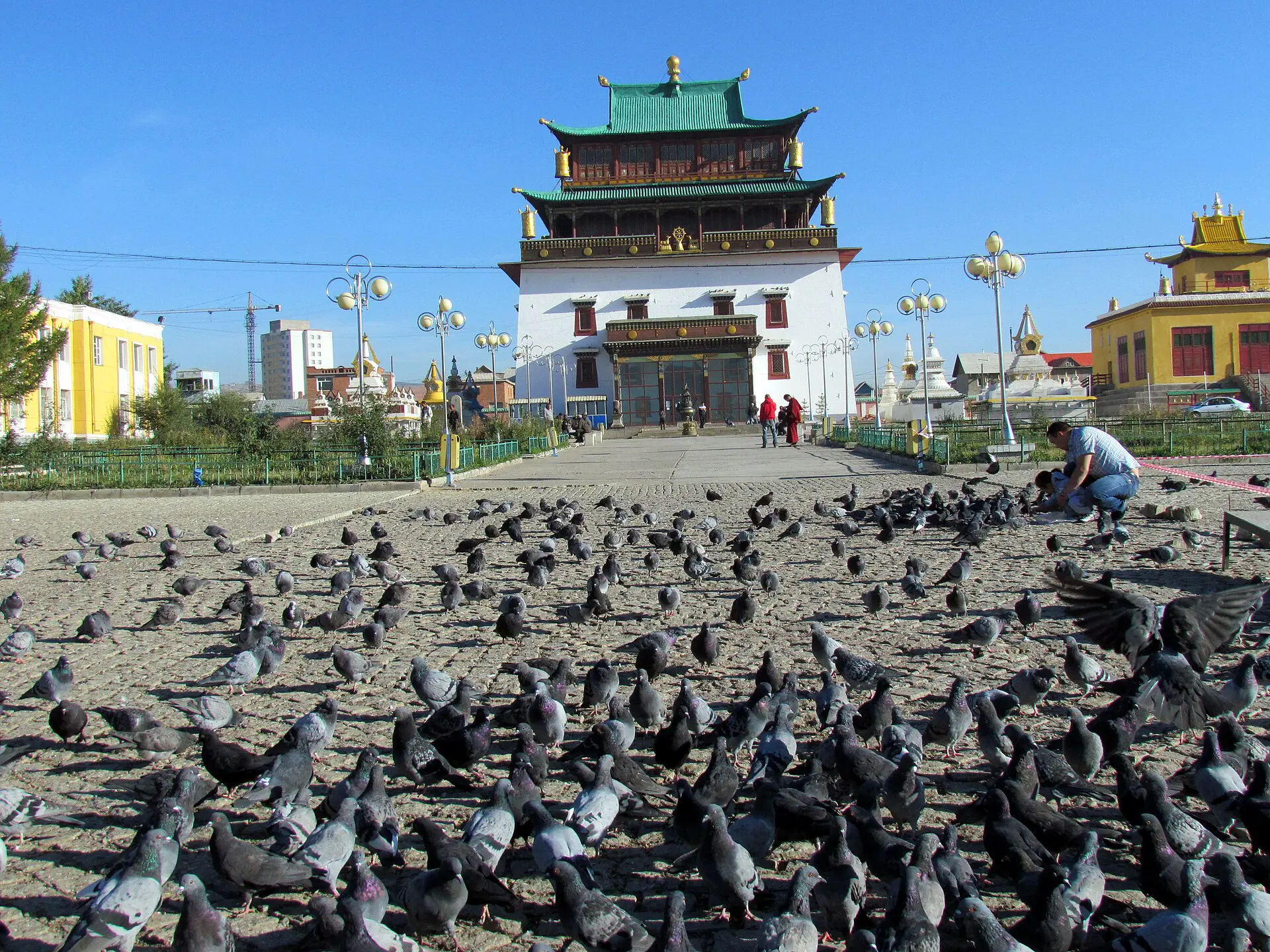
The capital has Gandan Monastery, Sükhbaatar Square, the Zaisan Memorial and several museums. It is the starting point for almost every trip and worth one or two days before heading out.
Gorkhi-Terelj National Park
About 70 km east of the capital, Terelj has granite formations, forested valleys and many ger camps. It is the easiest introduction to the steppe, and the nearby Genghis Khan statue complex is a short drive away.
Kharkhorin and the Orkhon Valley
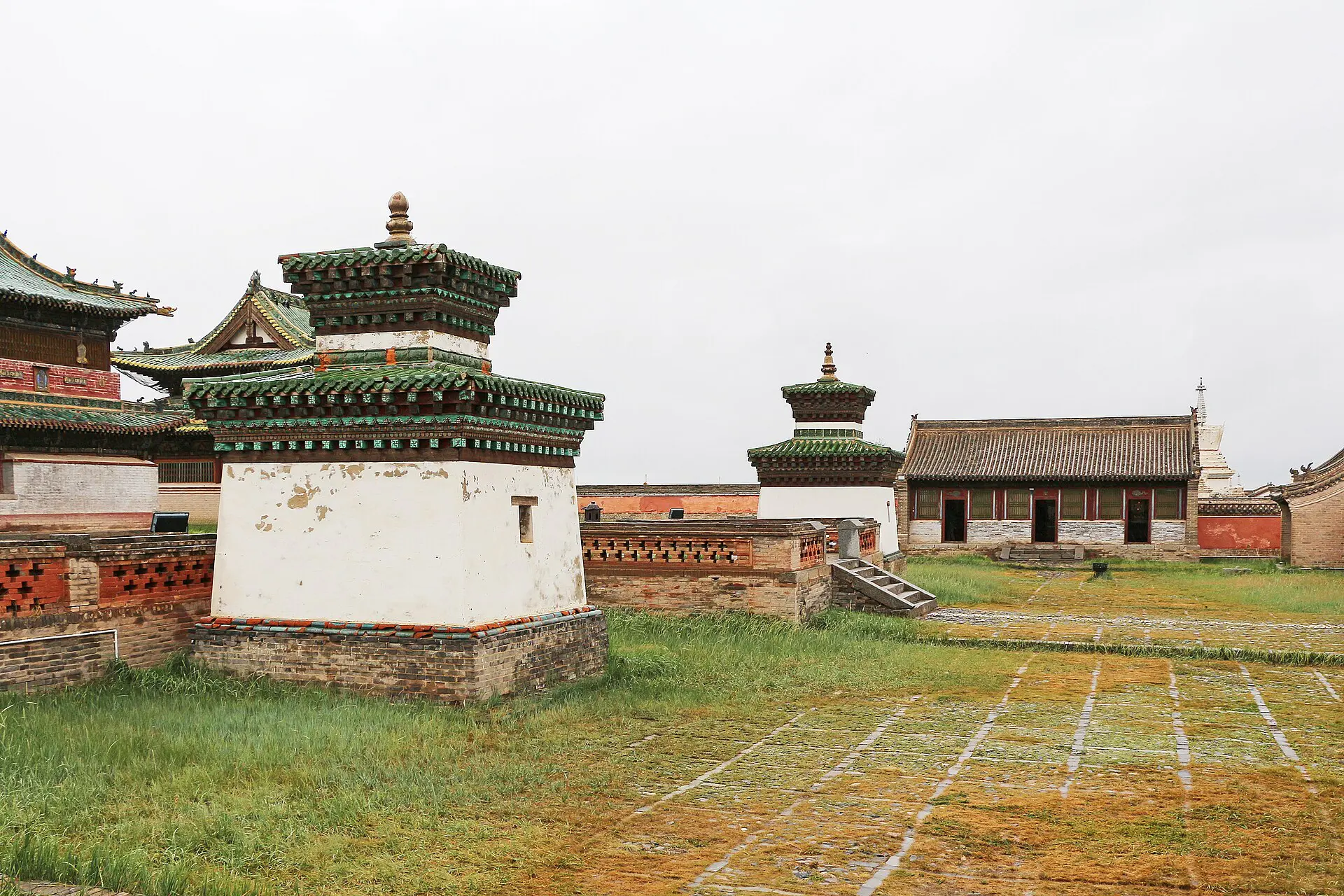
Kharkhorin is the site of the former Mongol capital, near the Erdene Zuu Monastery. The Orkhon Valley beyond has waterfalls, nomadic camps and a UNESCO-listed cultural landscape.
The Gobi
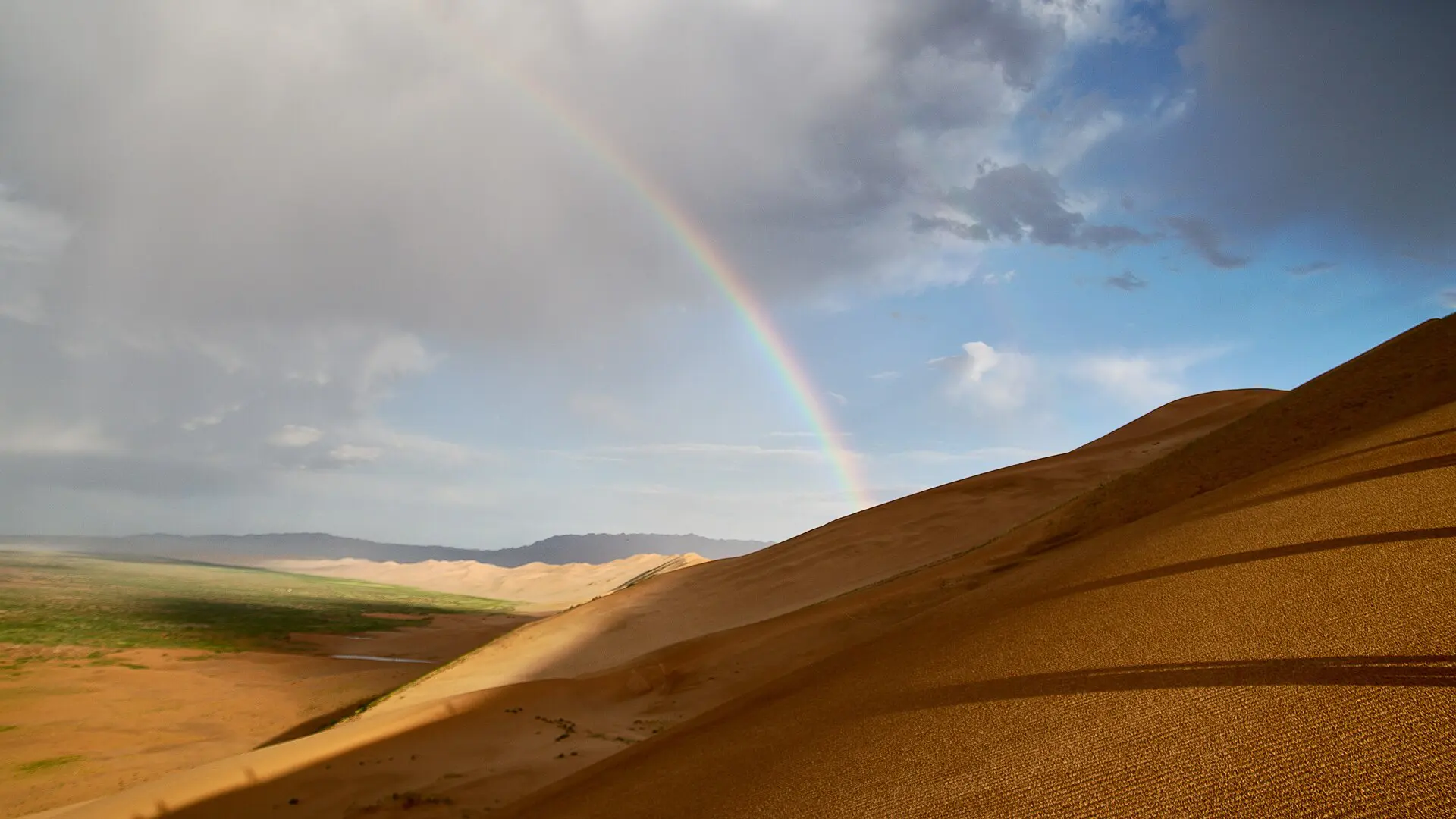
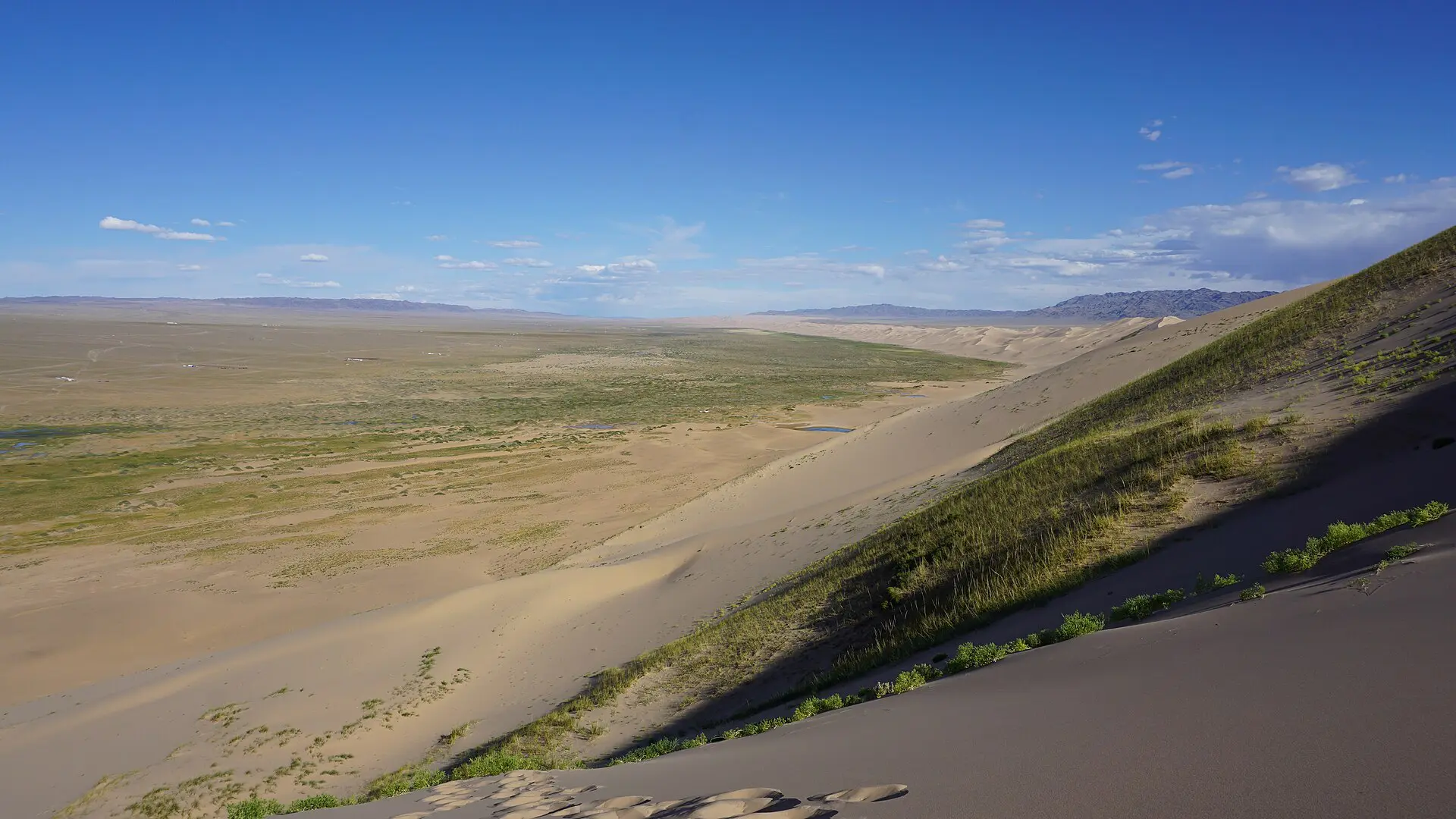
The south has the Khongoryn Els dunes, the Yolyn Am gorge and the red Bayanzag cliffs. Distances are long, so many travellers fly to Dalanzadgad.
Lake Khövsgöl
The country’s deep northern lake is surrounded by forest and mountains and is popular for hiking, riding and swimming in July and August.
Altai Tavan Bogd and Ölgii
The far west is the home of Kazakh eagle hunters, with glaciers, petroglyphs and the highest peaks in Mongolia.
Top things to do in Mongolia
The top things to do in Mongolia centre on landscapes and nomadic life, and most require a guide or a driver for logistics.
- Stay in a ger camp or with a family: a felt tent heated by a stove is the standard way to sleep outside the capital.
- Ride a Mongolian horse: short rides are offered at Terelj and Khövsgöl, and multi-day treks across the steppe are possible with local guides.
- Climb Khongoryn Els: the Gobi’s singing sand dunes rise to about 200 m, and the climb takes under an hour.
- Visit Erdene Zuu Monastery: the walled site in Kharkhorin dates from the 16th century and is one of the oldest Buddhist sites in the country.
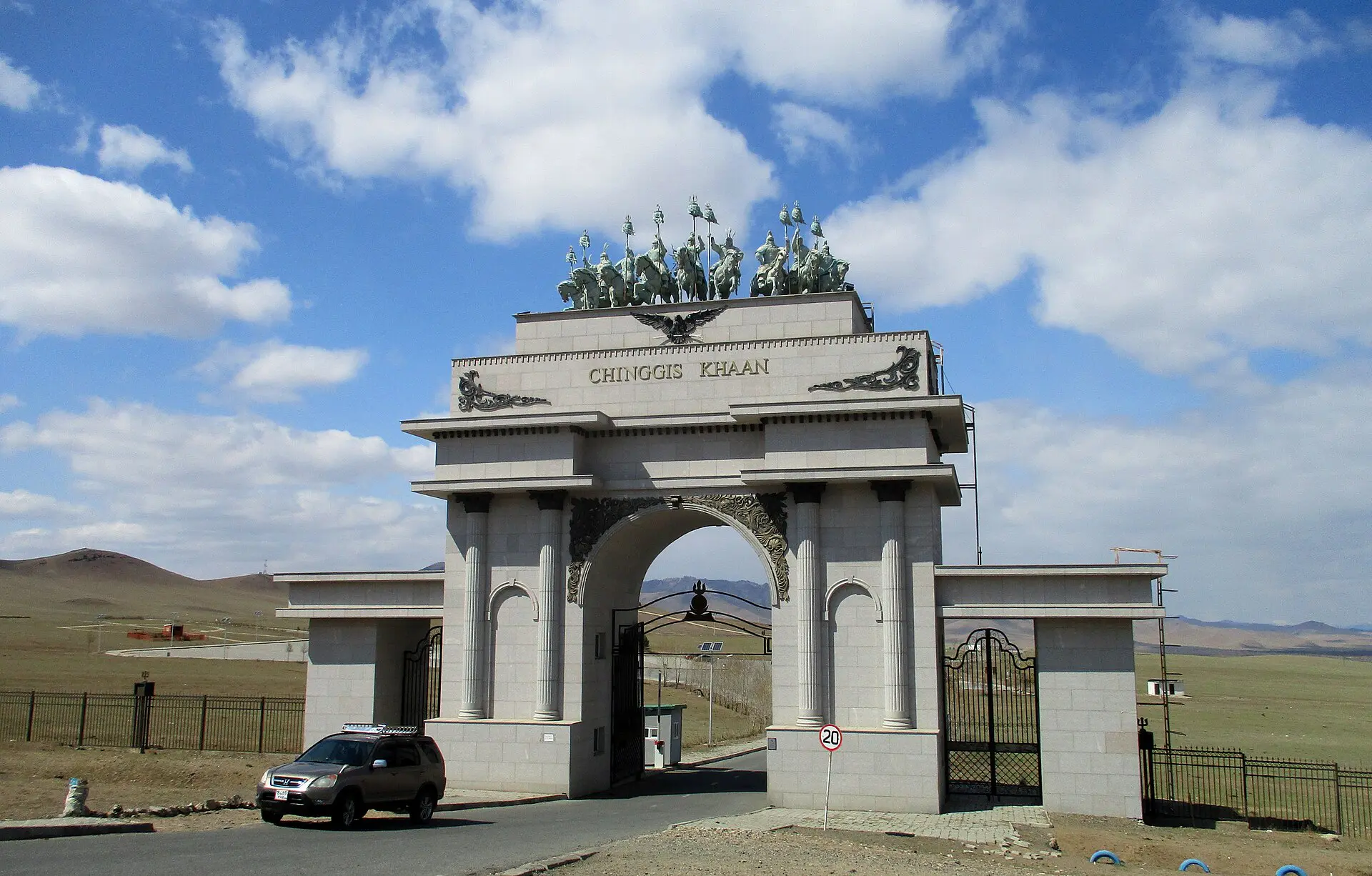
- See the Genghis Khan statue: the huge steel statue on a hill east of Ulaanbaatar has a museum underneath.
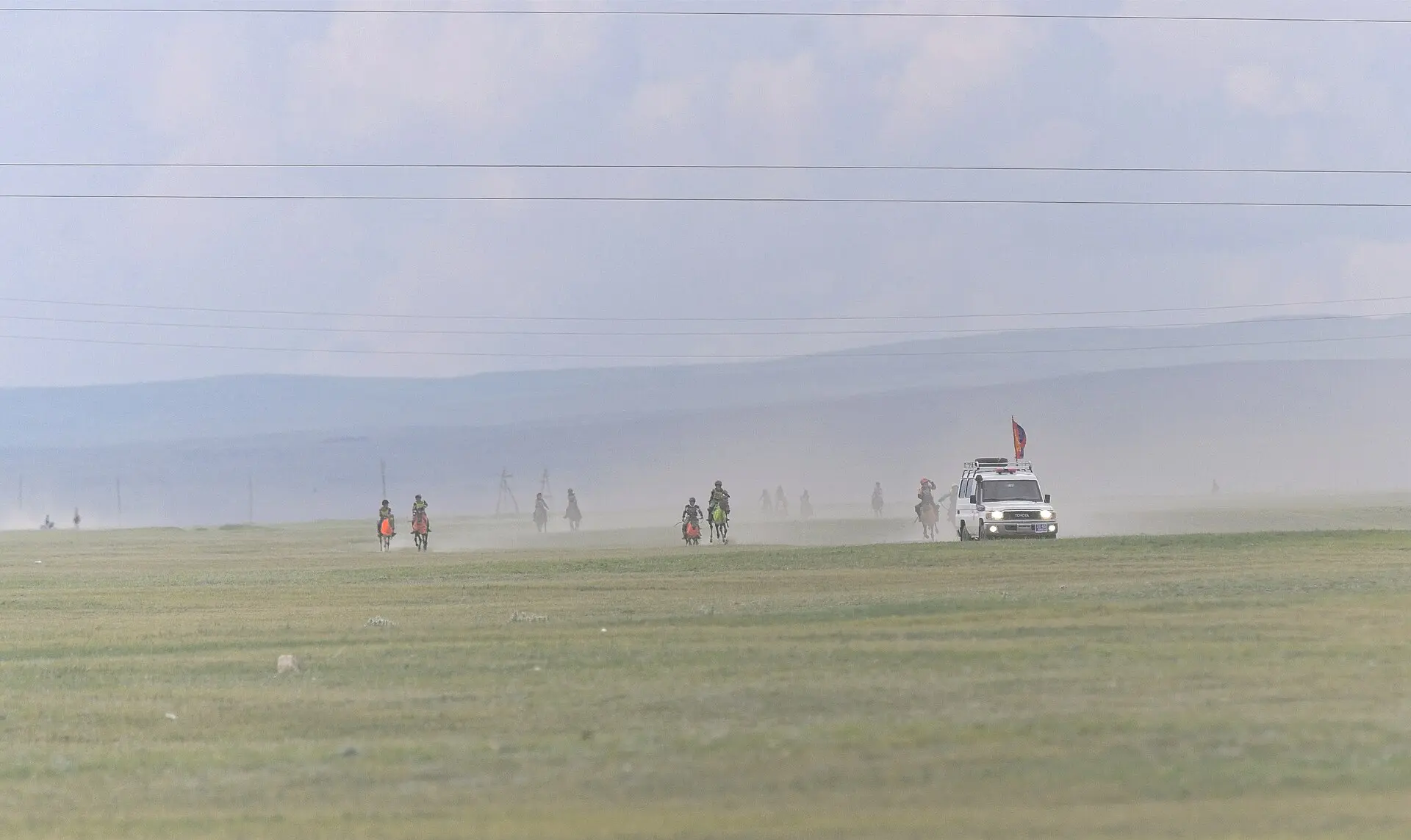
- Watch Naadam: wrestling, archery and horse racing take place on 11 to 13 July, with the largest event in Ulaanbaatar.
- Soak in Tsenkher hot springs: a popular stop on the way to the Orkhon Valley.
- Spot Przewalski’s horses: Hustai National Park protects the takhi, the only true wild horses.
- Meet eagle hunters: Kazakh families near Ölgii host visitors, with festivals held in autumn.
- Walk at Lake Khövsgöl: trails run along forested shores with views of the Sayan range.
Best time to visit Mongolia
The best time to visit Mongolia is June to September, when the days are warm, the grass is green and ger camps and roads are open. July is the busiest month, with Naadam on 11 to 13 July, and August is also popular. Winter is extremely cold, with temperatures that can fall below minus 30 C, and many camps close.
| Season | Weather | Crowds and prices | Good for |
|---|---|---|---|
| Spring (Apr-May) | Cold to cool, windy, dust storms in the Gobi | Low; many camps still closed | Budget trips, birdwatching |
| Summer (Jun-Aug) | Warm to hot, rain in the north, cool nights | Highest prices and crowds | Gobi, Khövsgöl, festivals, riding |
| Autumn (Sep-Oct) | Cool, clear, first snow possible | Falling; eagle festivals in the west | Photography, golden steppe |
| Winter (Nov-Mar) | Very cold, down to about -30 C or lower | Low, but services are limited | Winter festivals, ice at Khövsgöl |
Mongolia is sometimes called the Land of Blue Skies, with about 250 sunny days a year, but conditions change quickly. Carry layers even in summer.
Is Mongolia safe to visit?
Yes, Mongolia is generally safe for travellers, and violent crime against tourists is uncommon. The main risks are the remoteness, the road conditions and the weather rather than people. Check your government’s current travel advice, such as the UK FCDO or US State Department pages, before you book.
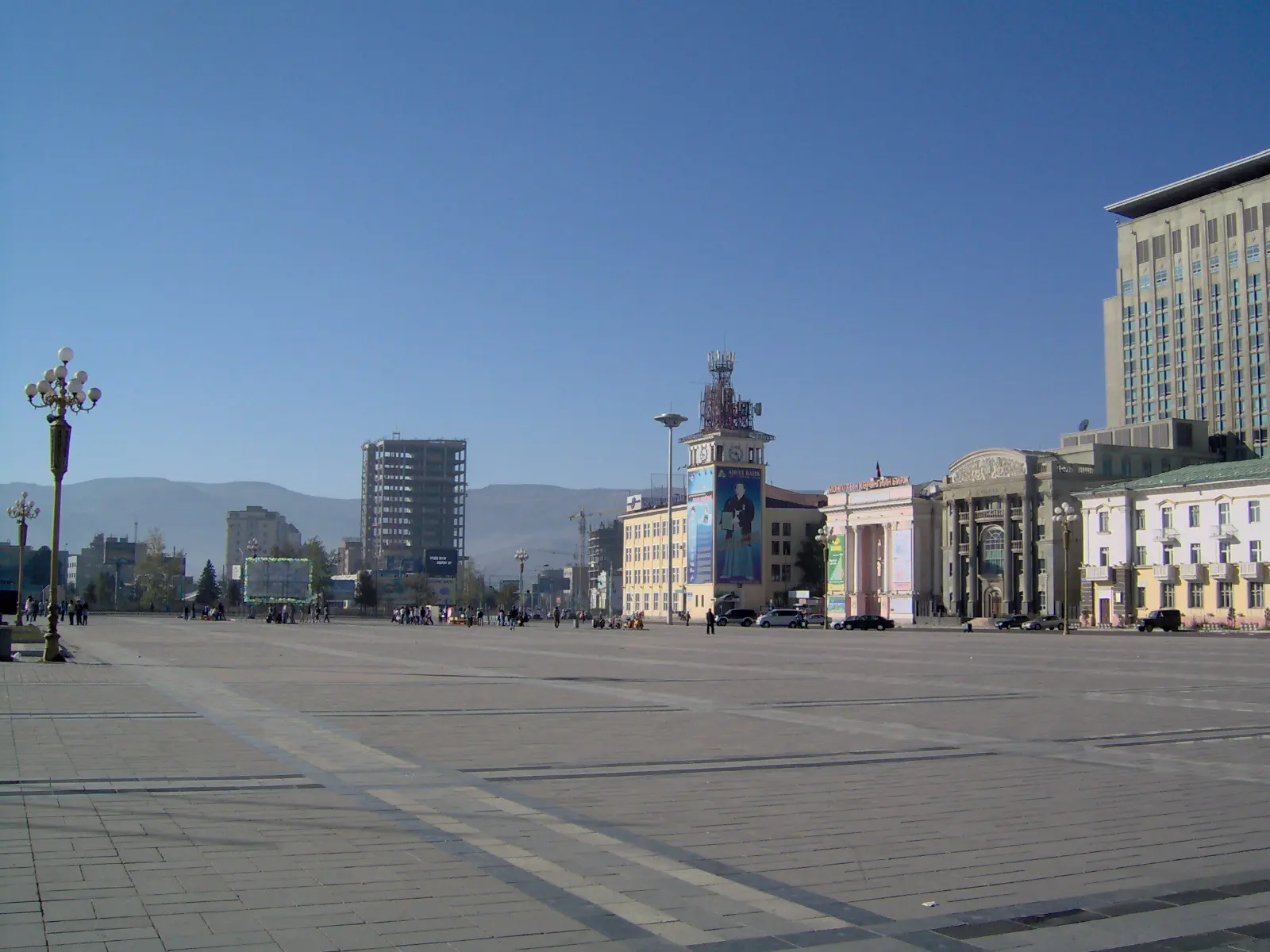
Cities. Pickpocketing and bag-slashing happen in crowded areas of Ulaanbaatar, including markets, buses and the main square. Keep valuables in front pockets and avoid walking alone late at night after drinking.
Roads and remoteness. Most roads outside the main highways are dirt tracks, vehicles break down, and mobile coverage is patchy. Travel with a reputable operator or an experienced driver, and carry extra water and food.
Weather and health. Winter cold, spring dust storms, summer thunderstorms and cold nights can be hazardous. Medical facilities outside Ulaanbaatar are limited, so carry travel insurance that covers evacuation. Avoid contact with marmots and stray dogs, as plague and rabies exist in rural areas, and eat only well-cooked meat.
Air quality. Winter smog in Ulaanbaatar is severe.
Visa and entry requirements for Mongolia
Entry rules depend on your nationality. In recent years Mongolia has allowed citizens of a growing list of countries to visit visa-free for short tourist stays, and an e-visa system exists for others, but the list and the permitted length of stay change. Confirm the current rule for your passport with the Mongolian immigration authority or the nearest embassy before you book.
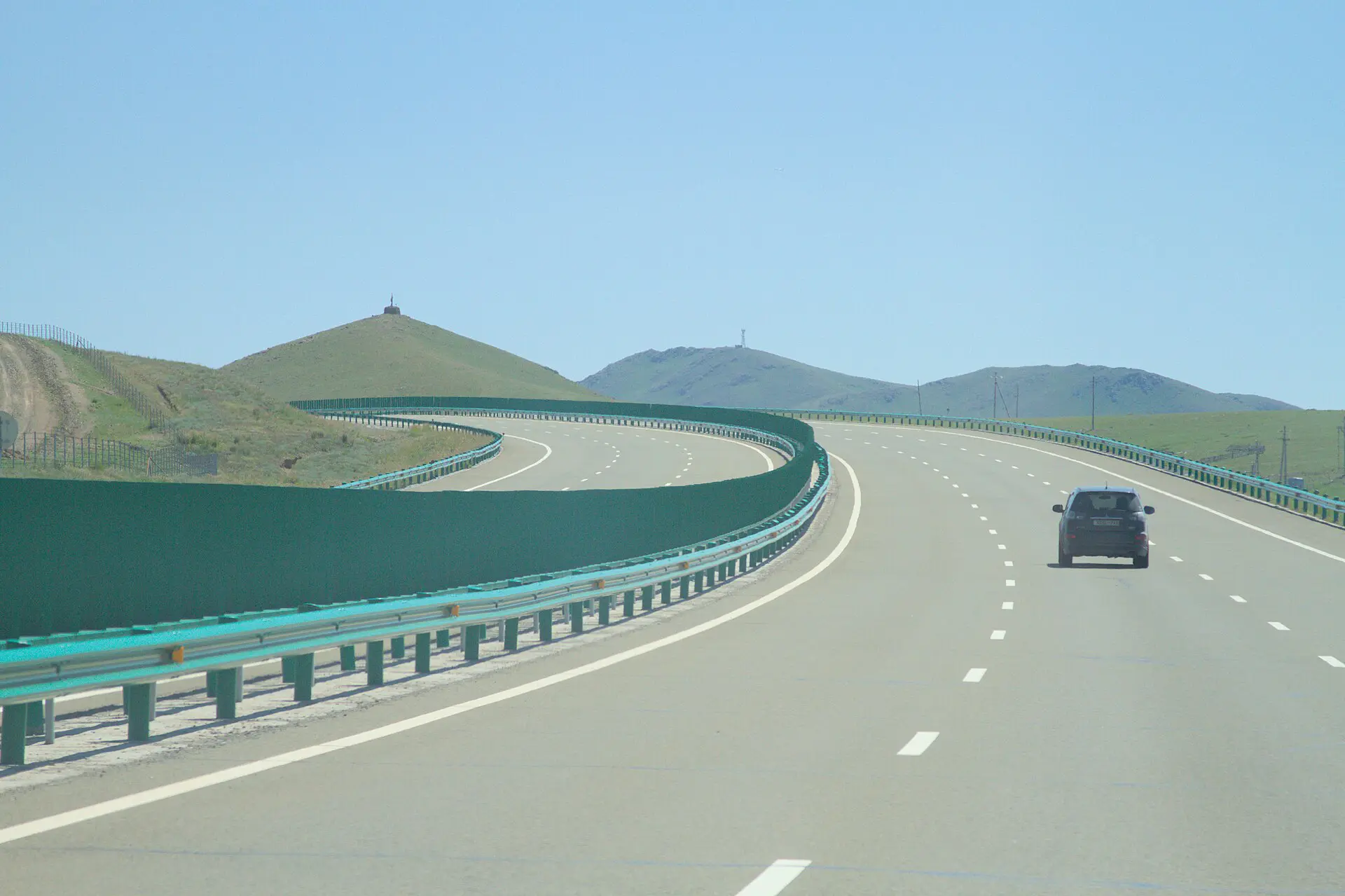
Bring a passport valid for at least six months and, if you arrive by land from China or Russia, check the border schedule, as some crossings have limited hours. Foreigners staying longer than a set number of days may need to register with the immigration office, so ask your hotel or operator.
Border-area national parks, including those near the Chinese and Russian frontiers, require separate permits that guides can arrange. The Wikivoyage Mongolia page has more on permits and regional travel.
Getting to and around Mongolia
Most visitors fly into Chinggis Khaan International Airport (UBN), which opened in 2021 about 50 km from Ulaanbaatar and has flights to several Asian and European hubs. The Trans-Mongolian railway links Ulaanbaatar to Beijing and to Russia, and the trip from Beijing takes around 30 hours, with a border stop.
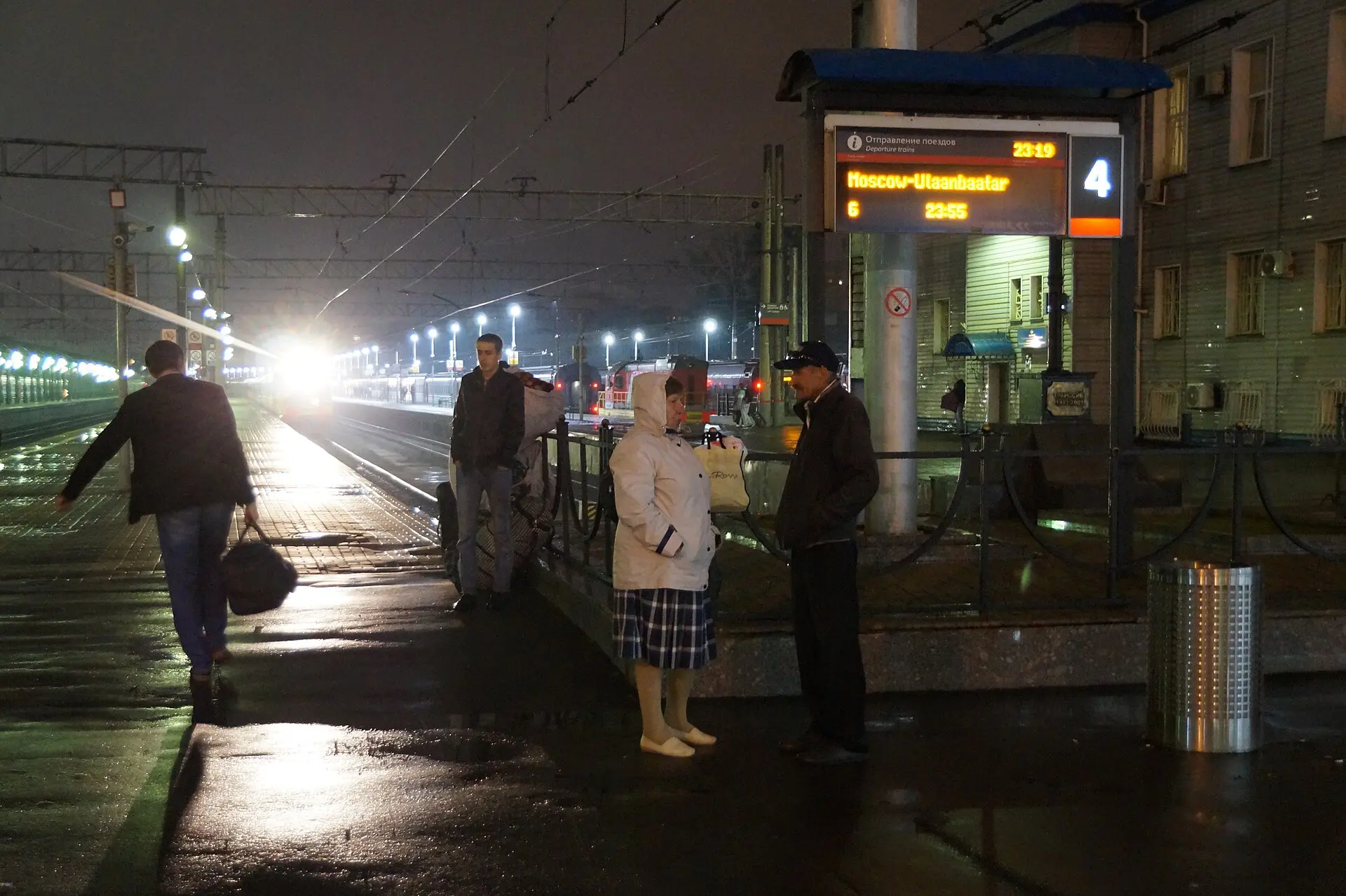
Roads are the main way to get around. Paved highways link Ulaanbaatar with the main cities, but most rural roads are dirt tracks, so tours use 4×4 vehicles or Russian-built vans with a driver. Distances are long: Ulaanbaatar to Kharkhorin takes around six hours, and the Gobi is two to three days overland.
Domestic flights serve Dalanzadgad in the Gobi, Mörön near Khövsgöl and Ölgii in the west. Shared minibuses and buses run between towns, but they are slow. Self-driving is difficult because of navigation, and Mongolian drivers are mostly hired with the vehicle.
How much does a trip to Mongolia cost?
Mongolia is cheap for food and lodging but expensive for transport, because the distances are long and most travel needs a driver. The currency is the Mongolian tögrög (MNT). Figures are rough guides for the 2026 season.
- Budget: around USD 40 to 80 per day, using guesthouses in Ulaanbaatar, shared tours and simple ger camps.
- Mid-range: around USD 80 to 200 per day, with a private driver and guide, ger camps and meals.
- High-end: from around USD 250 per day, with comfortable camps, domestic flights and private itineraries.
Transport and fuel are the biggest costs, so joining a group tour cuts the price significantly. Entry fees for national parks and monasteries are low. Meals in the capital cost a few dollars, while camp meals are usually included in the tour price. Cash is needed outside towns.
Mongolia food and drink
Mongolia food is built around meat and dairy from the herds of sheep, goats, cattle, horses and camels. Meals are filling and simple, and vegetables are limited outside the capital.
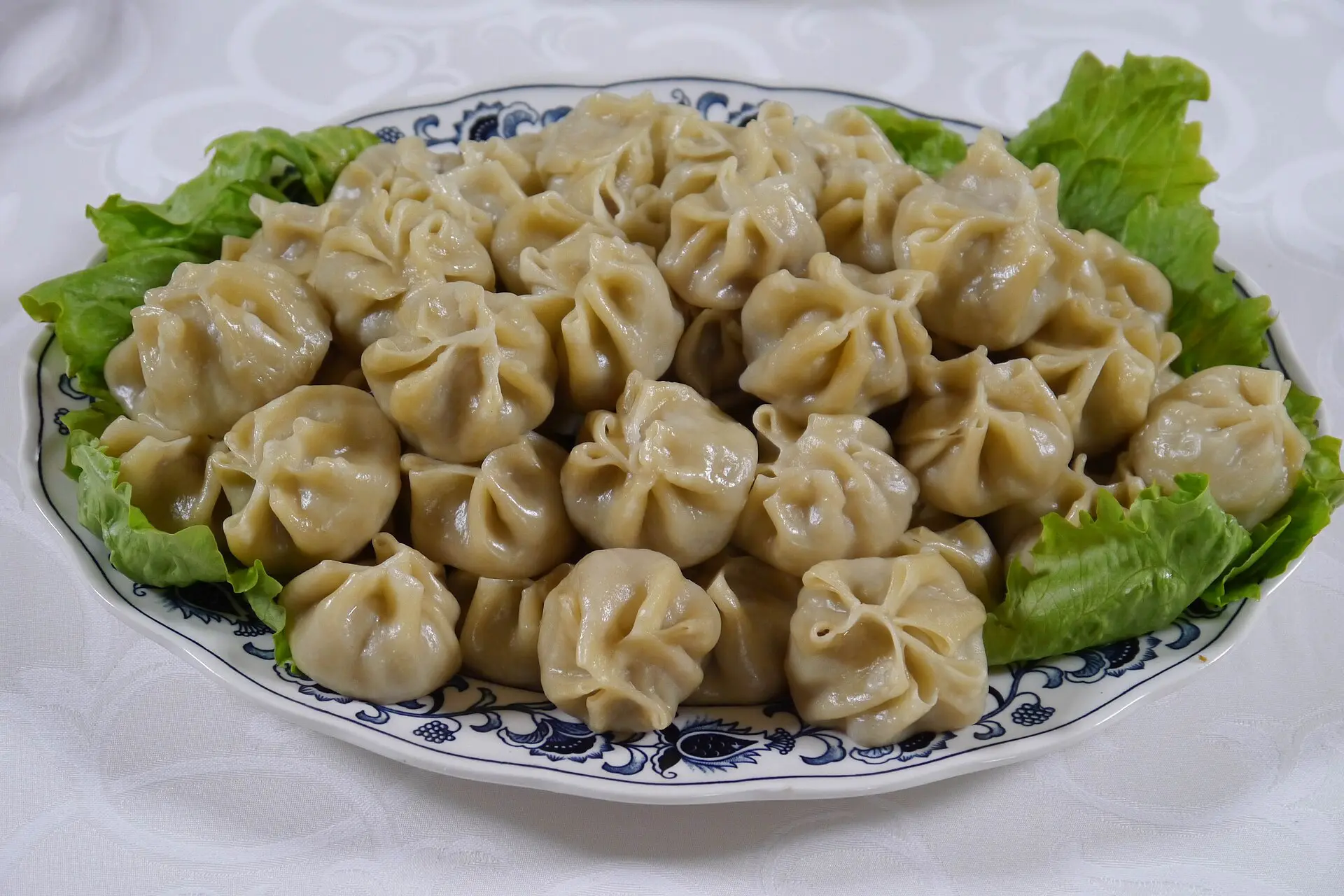
- Buuz: steamed dumplings filled with minced mutton or beef, eaten especially at Tsagaan Sar, the lunar new year.
- Khuushuur: fried, flat meat-filled pastries sold at festivals and roadside stops.
- Tsuivan: stir-fried noodles with meat and vegetables.
- Khorkhog: mutton cooked with hot stones in a pot, a feast dish for guests.
- Suutei tsai: salty milk tea, the usual welcome drink in a ger.
- Airag: fermented mare’s milk, mildly alcoholic and best in summer.
- Aaruul: dried curds, a hard sour snack that travels well.
Vegetarians should expect to struggle outside Ulaanbaatar, where restaurants offer more choice, so tell your tour operator in advance. Mongolia vodka and Chinggis beer are common at celebrations, and it is polite to accept a drink with your right hand.
Culture, language and etiquette in Mongolia
Mongolian is the national language, written in Cyrillic in everyday use, and English is common among younger people in Ulaanbaatar and in tourism but rare in the countryside. A few words, such as sain baina uu (hello) and bayarlalaa (thank you), go a long way. Most people follow Tibetan Buddhism or describe themselves as non-religious, and shamanic traditions remain visible.
Hospitality is central, and visitors to a ger are offered tea or food. Some customs matter: knock or call out before entering, do not step on the threshold, walk clockwise around the stove, and accept food or drink with your right hand, or both hands. Do not lean on the support poles or toss rubbish into the fire.
Genghis Khan, usually written Chinggis Khaan, is a national symbol, and respectful interest is welcomed. Ask before photographing people, and dress modestly in monasteries.
Mongolia itinerary: a 7-day route
This route loops west of Ulaanbaatar on a private or small-group tour with a driver, and avoids the very long drives of the Gobi.
- Day 1, Ulaanbaatar: arrive, visit Sükhbaatar Square and Gandan Monastery, and shop for supplies.
- Day 2, Terelj: drive about two hours to the national park, ride horses and stay in a ger camp.
- Day 3, Hustai or the Genghis Khan statue: look for wild takhi horses, then continue west.
- Day 4, Kharkhorin: drive about five to six hours to Erdene Zuu Monastery and the Khogno Khan dunes.
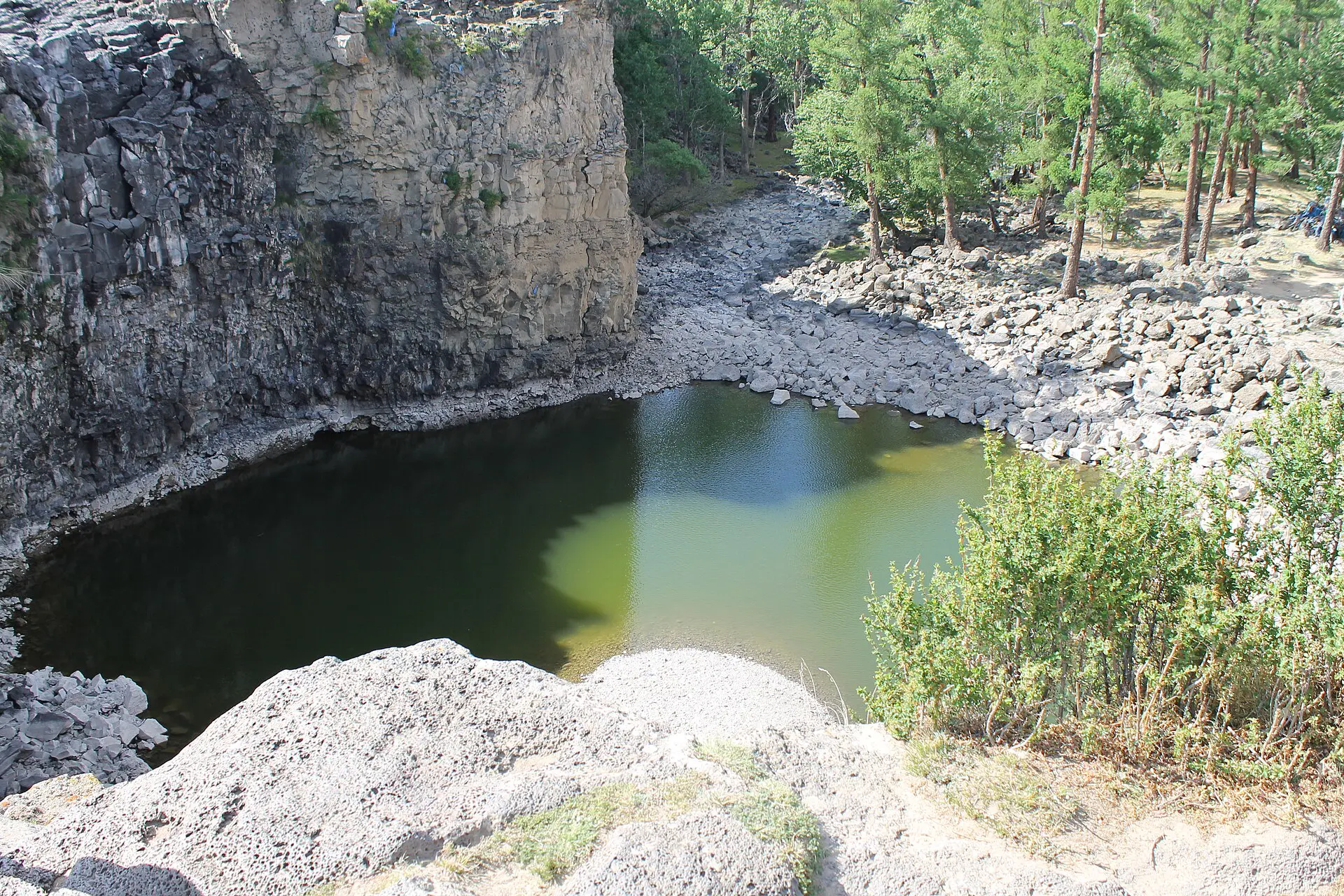
- Day 5, Orkhon Valley: see the Orkhon waterfall, walk the gorge and stay with a herding family.
- Day 6, Tsenkher hot springs: relax in the springs and drive toward the capital.
- Day 7, Ulaanbaatar: return, visit the museums or Zaisan Memorial, and fly out.
For the Gobi, allow at least five extra days or fly to Dalanzadgad. In July, book camps well ahead.
Practical tips for Mongolia
- Money: the tögrög is the local currency; ATMs and cards work in Ulaanbaatar and larger towns but rarely in the countryside, so carry cash.
- SIM and eSIM: local SIMs and eSIMs are inexpensive; coverage is good in towns and along main roads but absent in remote areas.
- Plugs: types C and E at 230 V.
- Tipping: not expected, but guides and drivers appreciate a small tip at the end of a trip.
- Health: bring a first-aid kit, any prescription medicines and insurance with evacuation cover.
- Packing: warm layers even in summer, sturdy boots, a sun hat, a headlamp and a sleeping bag liner.
- Booking: use an established operator for multi-day trips, and book camps early for July and August.
- Time: allow buffer days, as breakdowns and weather delays are common.
For more background, see the Wikivoyage Mongolia guide.
FAQ
Q1What food is Mongolia known for?
Mongolia food is based on meat and dairy: buuz (steamed dumplings), khuushuur (fried pastries), tsuivan (noodles), khorkhog (stone-cooked mutton), salty milk tea and airag (fermented mare's milk). Vegetarians have limited choice outside Ulaanbaatar, so tell your operator in advance.
Q2What are the top things to do in Mongolia?
Top picks are staying in a ger, riding on the steppe, climbing the Khongoryn Els dunes in the Gobi, visiting Erdene Zuu Monastery in Kharkhorin, seeing wild takhi horses at Hustai, and watching Naadam in July. Most require a guide or driver.
Q3Is Mongolia safe?
Yes, for most travellers. Violent crime is uncommon, but pickpocketing occurs in Ulaanbaatar, and the main risks are remoteness, rough roads, extreme weather and limited medical care. Travel with a reputable operator, carry insurance with evacuation cover and check your government's travel advice.
Q4What is the best time to visit Mongolia?
June to September is best, with warm days, green grass and open camps. July has Naadam but is busiest and costs more. Autumn suits photography and eagle festivals, while winter is bitterly cold, down to minus 30 C or lower, and many services close.
Q5Do you need a visa for Mongolia?
It depends on your nationality. Many travellers have recently been able to enter visa-free for short stays, and others can use an e-visa, but lists and lengths of stay change. Confirm with the official Mongolian immigration source or an embassy before booking.
Q6Can you travel Mongolia independently?
Ulaanbaatar and the main towns are easy, but remote regions are hard without a vehicle. Roads are unpaved, signage is scarce and breakdowns are common. Most visitors hire a driver and guide, join a small group tour or fly to regional hubs.
Q7How many days do you need in Mongolia?
Seven days covers Ulaanbaatar, Terelj and the Kharkhorin and Orkhon area. Add at least five days for the Gobi, or up to ten to combine Khövsgöl or the west. Distances are long, so fewer stops give a better trip.