Why visit Shenzhen
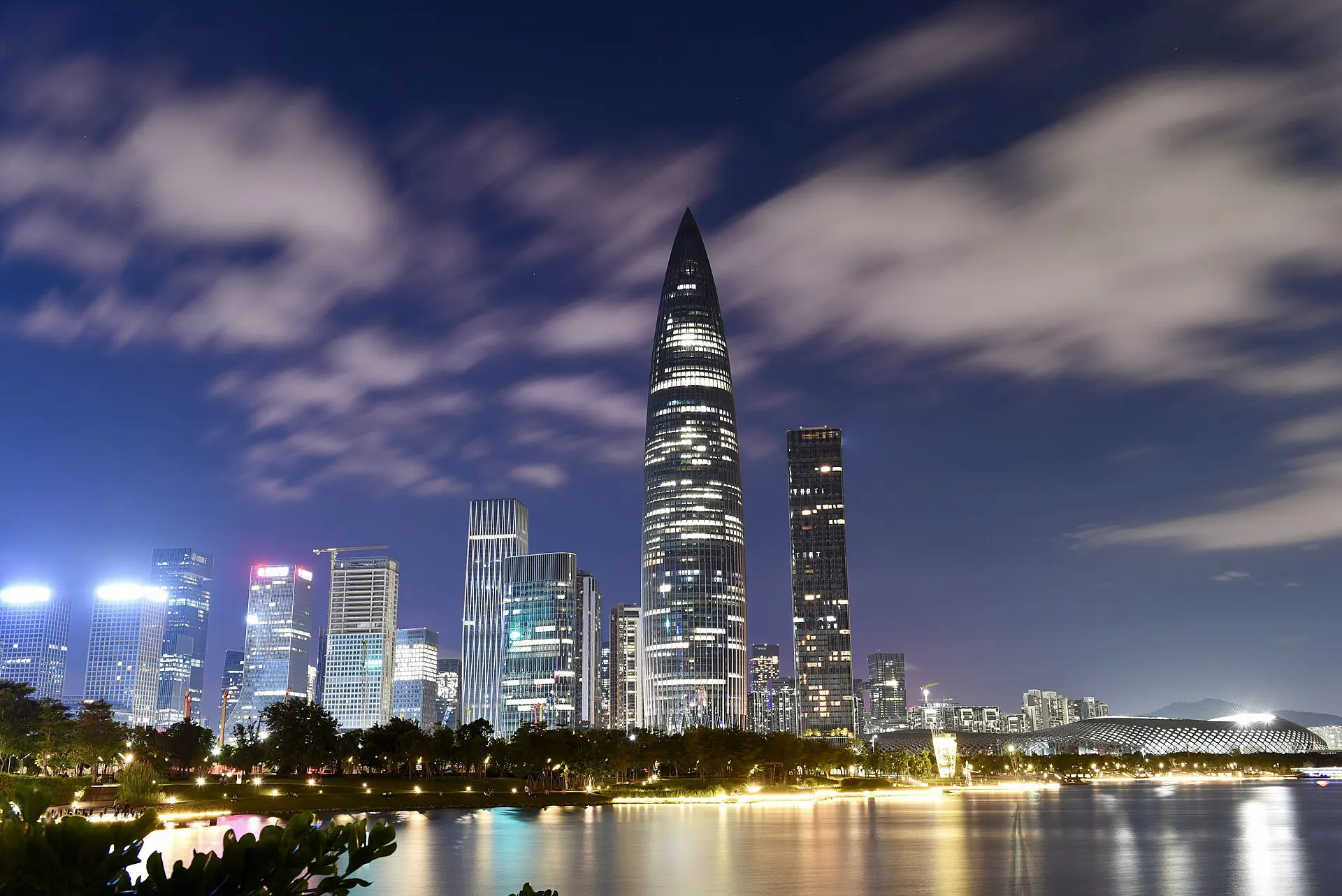
If you are looking for things to do in Shenzhen, start with what makes the city unusual. It was developed from a largely rural area in 1979 and became China’s first special economic zone, helped by its position on the Hong Kong border. Today it is one of the most populous and richest cities in the country, and a hub for technology, trade and design.
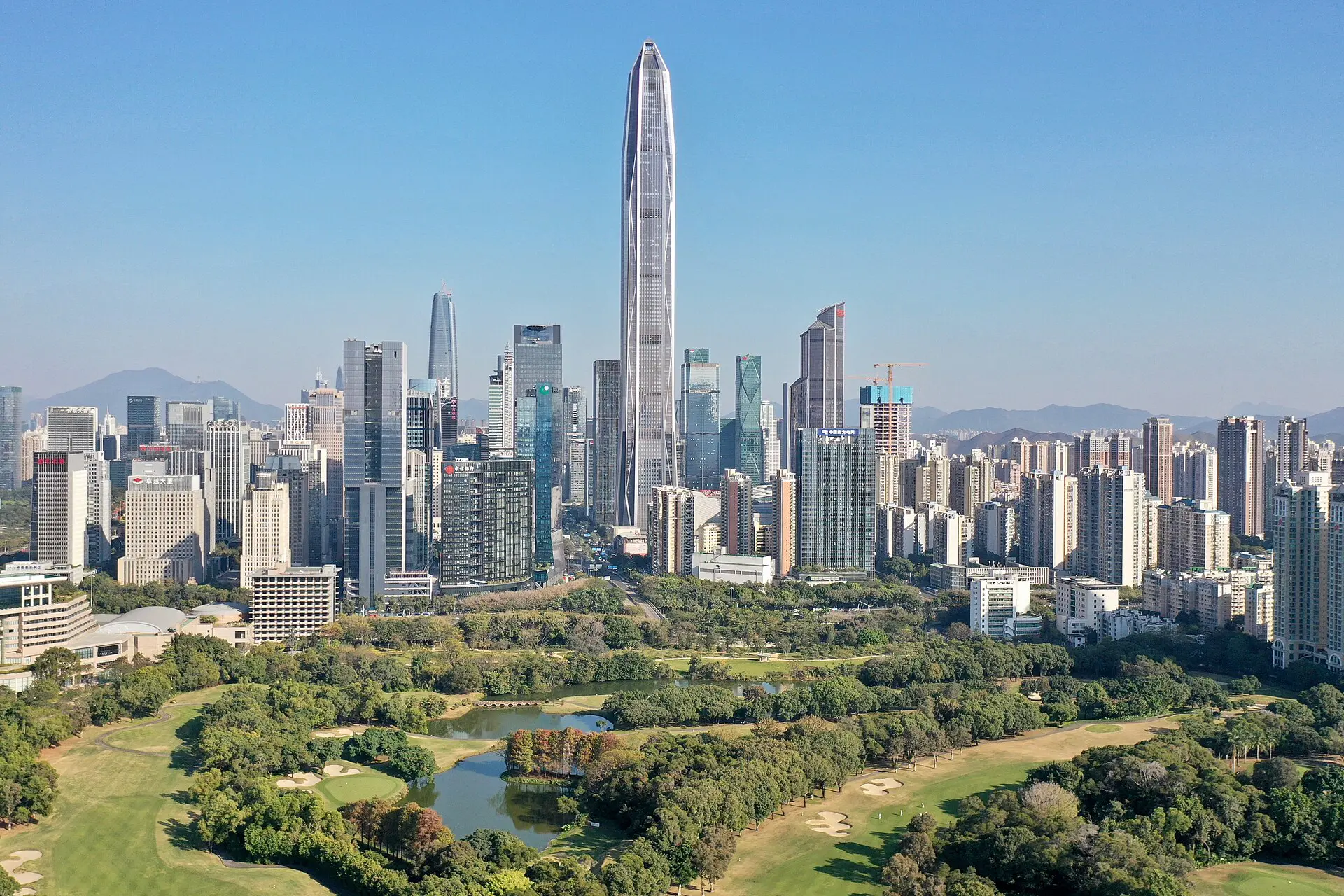
That history shapes the trip. You will not find an old walled centre or ancient temples at every turn. Instead there are huge electronics markets, glass towers, museums and galleries, big urban parks and a metro that makes much of it easy to reach. The city is on the list of UNESCO Creative Cities as a design hub.
Shenzhen suits people curious about modern China, gadgets, architecture and food from across the country, since its population comes from all over. It is also a practical stop if you are already in Hong Kong and want to cross into mainland China for a few days.
Top things to do in Shenzhen
Huaqiangbei electronics markets
The massive electronics markets are the thing most visitors come for, with stalls selling components, gadgets and accessories. Allow two to three hours. Prices are often negotiable, quality varies, and you should test items before buying. Go on a weekday if you dislike crowds.
Shenzhen Museum and Civic Center
The Civic Center area in Futian has the city hall, museums and a large public square. The history museum tells the story of how a small area became a metropolis. Plan around two hours, and check opening days, as many museums close on one weekday.
Lianhuashan Park
This hilltop park near the centre gives skyline views over the city and has paths for an easy walk. It is a good place to see how the towers sit against the hills. Allow one to two hours, and bring water in warm months.
OCT Loft and creative districts
The former factory zones have been turned into galleries, cafes and design shops. They are a good way to see the city’s creative side in a relaxed afternoon. Check what is on, since exhibitions change often, and expect to spend two hours or so.
Dameisha and the east coast beaches
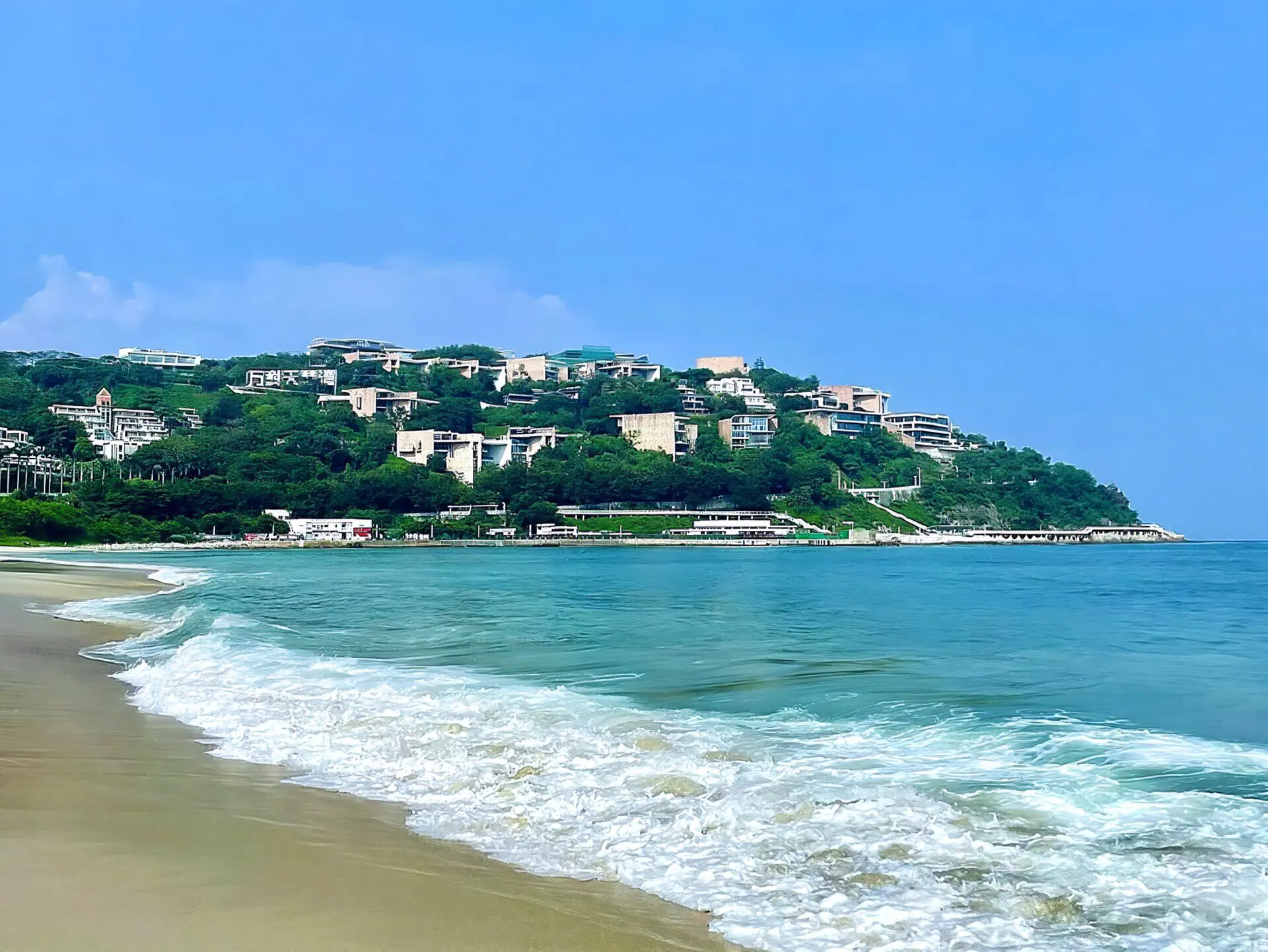
Shenzhen has a long coastline, and the eastern shore has beaches and coastal walks that suit a break from the city. Facilities and crowds vary by season, so check conditions. A half-day is enough, and weekdays are quieter.
Window of the World and theme parks
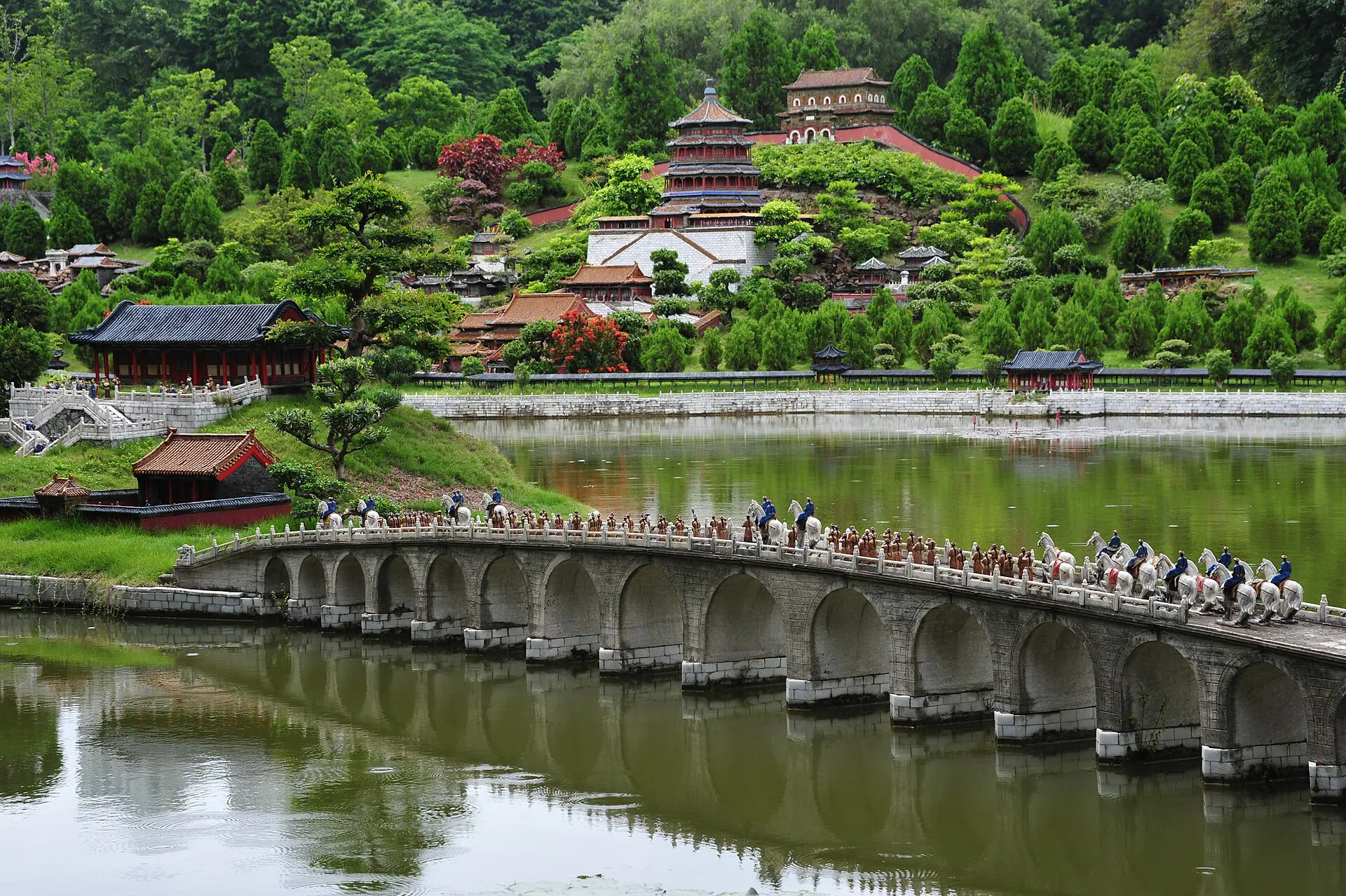
The city has several large theme parks, among them one that displays miniature versions of world landmarks. They suit families and those who want a lighter day. Buy tickets online ahead, and allow most of a day.
Dapeng Peninsula
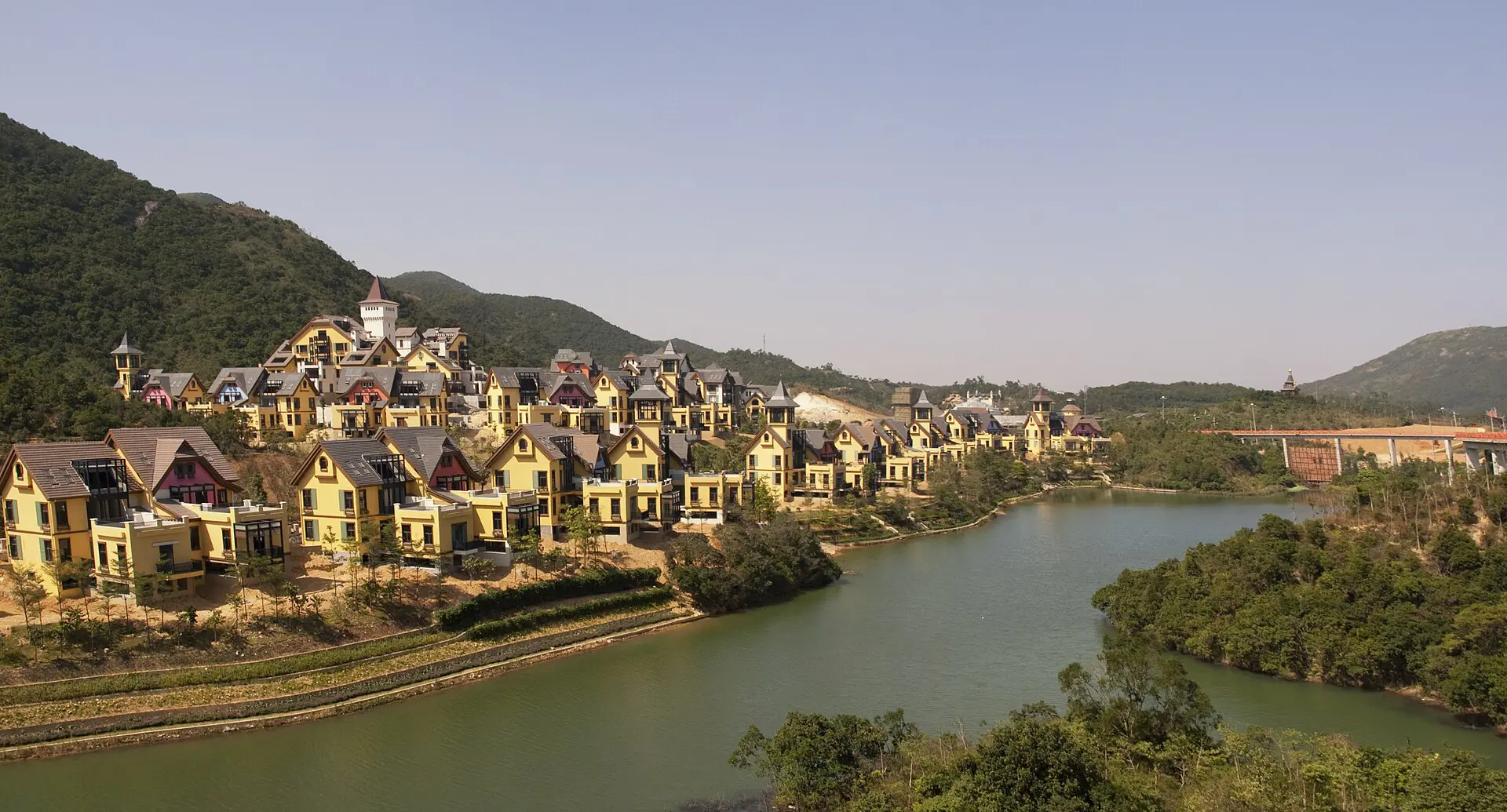
The Dapeng Peninsula east of the centre has old villages, beaches and hiking. It takes longer to reach, so plan a full day and check transport. It makes a pleasant contrast to the city core.
Best time to visit Shenzhen
Shenzhen has a subtropical climate. Summers are hot, humid and wet, with a typhoon season in the later months, so travel then can be disrupted. Autumn, from about October to December, is usually the most pleasant, with milder temperatures and clearer skies. Winter is cool but generally mild. Spring can be damp and humid.
Chinese public holidays, especially the early October holiday and the Lunar New Year period, bring crowds and higher prices. Book ahead for those dates.
| Season | Weather | Crowds and prices |
|---|---|---|
| Spring | Warm, humid, some rain | Moderate |
| Summer | Hot, wet, typhoon risk | Moderate; lower prices |
| Autumn | Mild, clearer skies | Busy around holidays |
| Winter | Cool and mostly dry | Peaks near Lunar New Year |
How to get to Shenzhen and around
Shenzhen is on the east bank of the Pearl River estuary, bordering Hong Kong to the south. The city has its own airport, Bao’an International Airport, with domestic flights and some international ones. Many travellers instead fly into Hong Kong and cross by train or metro.
Several border crossings link Hong Kong and Shenzhen, including rail and metro connections. You need a valid visa or an eligible visa-free arrangement for mainland China, so check the current rules for your passport before you go. High-speed trains also connect Shenzhen with Guangzhou, about 100 km north, and other major cities.
Within the city, the metro is the easiest option, supported by buses, taxis and ride-hailing apps. Mobile payment is widely used, so bring a way to pay that works with local systems, and carry some backup cash.
Where to stay in Shenzhen
Futian is a good base for first-time visitors. It has the Civic Center, many hotels, shopping malls and metro lines, and it is near the Hong Kong border crossing at Futian.
Luohu is the older district beside the main border crossing with Hong Kong. It suits travellers who cross often, want cheaper rooms and are close to the train station.
Nanshan is more modern and leafy, with a tech park, waterfront areas and a mix of business and upscale hotels. It suits those who want a quieter, more polished stay.
For beaches and a slower pace, consider the eastern coast, though it is further from the centre and needs more travel time.
How many days do you need?
Two days is enough for the essentials, and three lets you add the coast or a creative district. If you are just crossing from Hong Kong for a taste of the city, a long day is possible but tiring. Add time if you want to continue to Guangzhou or elsewhere in Guangdong.
- Day 1: Civic Center and museum in the morning, Huaqiangbei markets in the afternoon, dinner in Futian.
- Day 2: Lianhuashan Park for views, then OCT Loft galleries and cafes.
- Day 3: Dapeng Peninsula or the east coast for beach and hiking time.
Day trips and nearby
Hong Kong
Hong Kong is just across the border and is the obvious add-on, with rail and metro links. Allow a full day at least, and bring your passport. Check entry rules and transport times before you go.
Guangzhou
Guangzhou lies about 100 km to the north and is easy to reach by high-speed train. It has older neighbourhoods, markets and Cantonese food, and works well as a day trip or a one-night stop.
Macau
Macau is to the southwest across the Pearl River estuary. Travel there is possible by road, bridge or ferry via Hong Kong or Zhuhai. It suits those combining the region over several days.
Zhangjiajie
The dramatic mountain scenery of Zhangjiajie is far to the northwest and needs a flight or long train ride. Treat it as a separate trip rather than a day excursion.
FAQ
Q1How many days do you need in Shenzhen?
Two to three days covers the main sights: the electronics markets, the Civic Center, a park for views and a creative district. A day trip from Hong Kong is possible, but it will feel rushed. Add extra time if you want the coast.
Q2When is the best time to visit Shenzhen?
October to December is usually the most pleasant, with milder weather and clearer skies. Summers are hot and humid with a typhoon season. Avoid the big public holidays if you dislike crowds and want lower prices.
Q3How do you get from Hong Kong to Shenzhen?
Rail and metro links cross the border, and there are several crossing points. You need the right visa or an eligible exemption for mainland China, so check the current rules for your passport before travelling. Allow time for immigration queues.
Q4Is Shenzhen worth visiting?
Yes, if you are interested in modern China, technology, design and food. It is not a city of ancient monuments. Its parks, museums and markets give a different view of the country, and it is easy to combine with Hong Kong or Guangzhou.
Prices, schedules and entry rules change. Check current details with official sources before you travel. Read the China travel guide.