Why visit Busan
If you are searching for things to do in Busan, expect a coastal city that works as a counterweight to Seoul. It is South Korea’s second most populous city, with more than 3.3 million people, and it is home to the country’s busiest port. It has beautiful beaches, mountains, spas and renowned seafood.
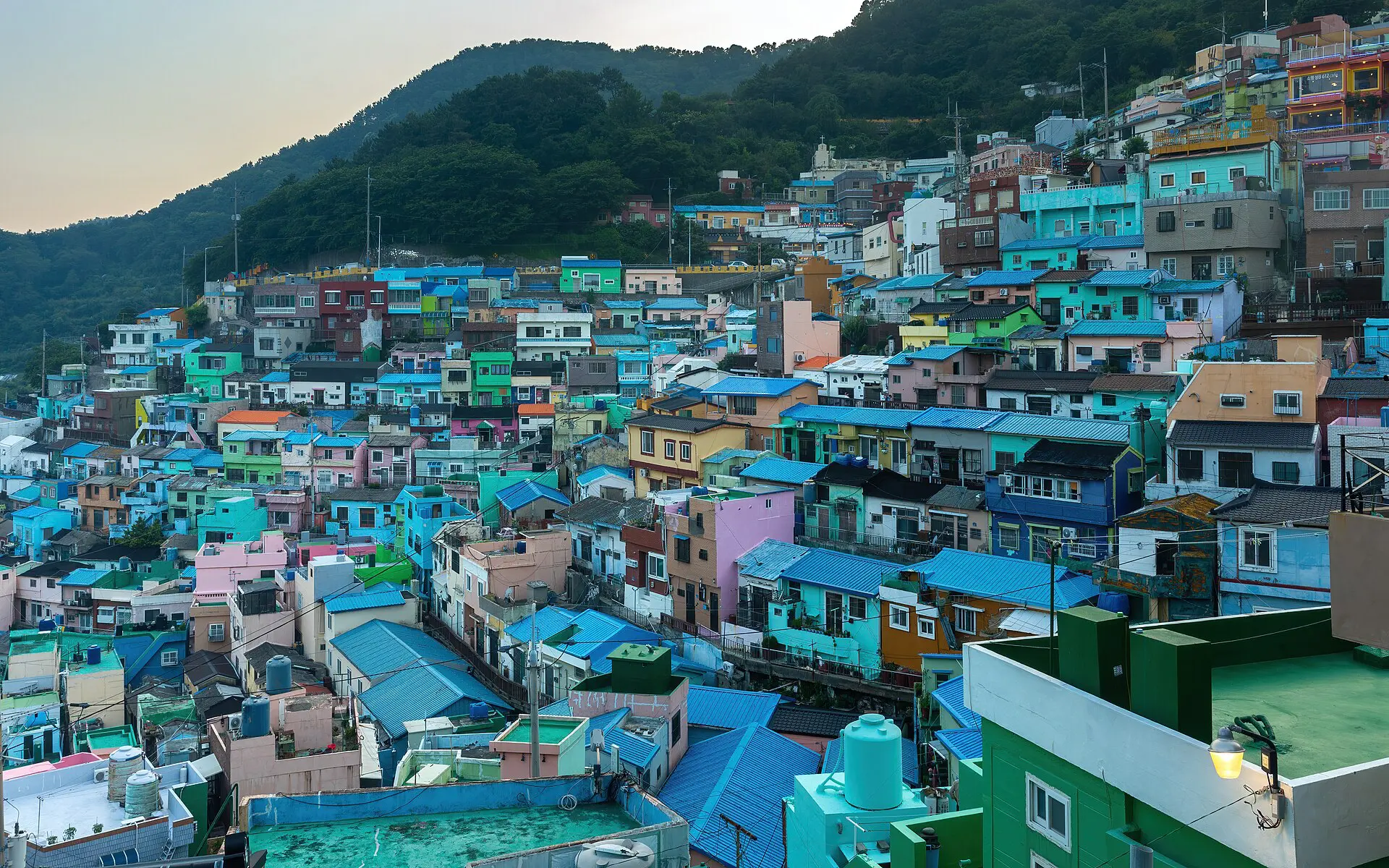
The city is built in narrow valleys between hills and the sea, which gives it dramatic views and an uneven shape. You can spend a morning at a temple on the water, an afternoon in a hillside village of painted houses and an evening eating raw fish in a market.
The city also has events, including the Busan International Film Festival, held in autumn, and the busy beach season in summer. Busan suits travellers who like food, sea air and neighbourhood walks, and it is easy to reach from Seoul on fast trains.
Top things to do in Busan
Gamcheon Culture Village
This hillside neighbourhood of pastel houses and narrow lanes has become one of the city’s best-known sights, with murals and small galleries. Allow two to three hours. Tip: it is popular, so go early on a weekday, and remember that people live here, so keep voices down and stay on the marked routes.
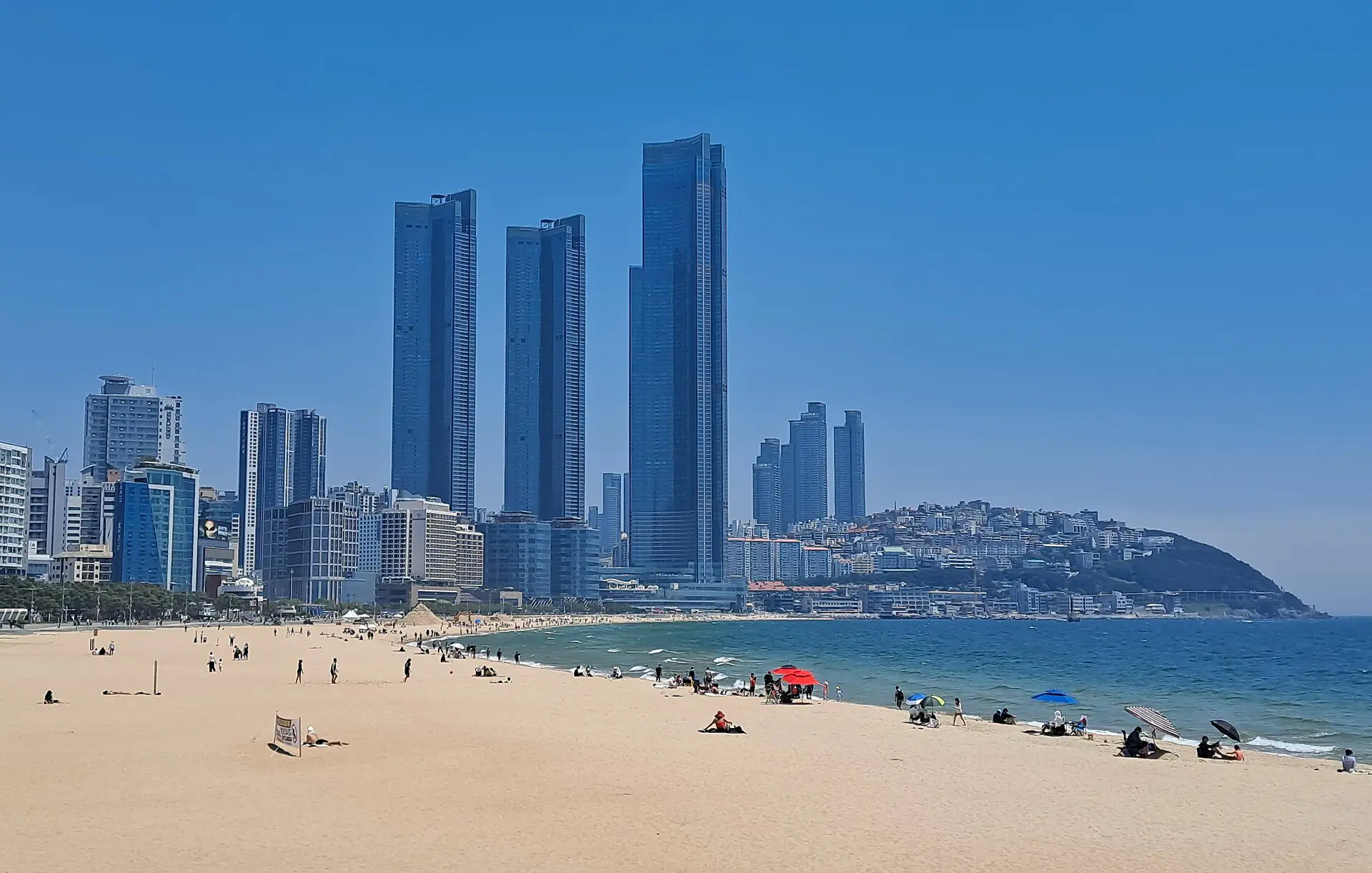
Haeundae Beach
The city’s most famous beach is a long arc of sand backed by hotels and high-rise towers, and it is packed in summer. Allow a few hours. Tip: in peak season go in the morning to find space, and check swimming rules and flag signals, since beaches are supervised only during the official season.
Haedong Yonggungsa Temple
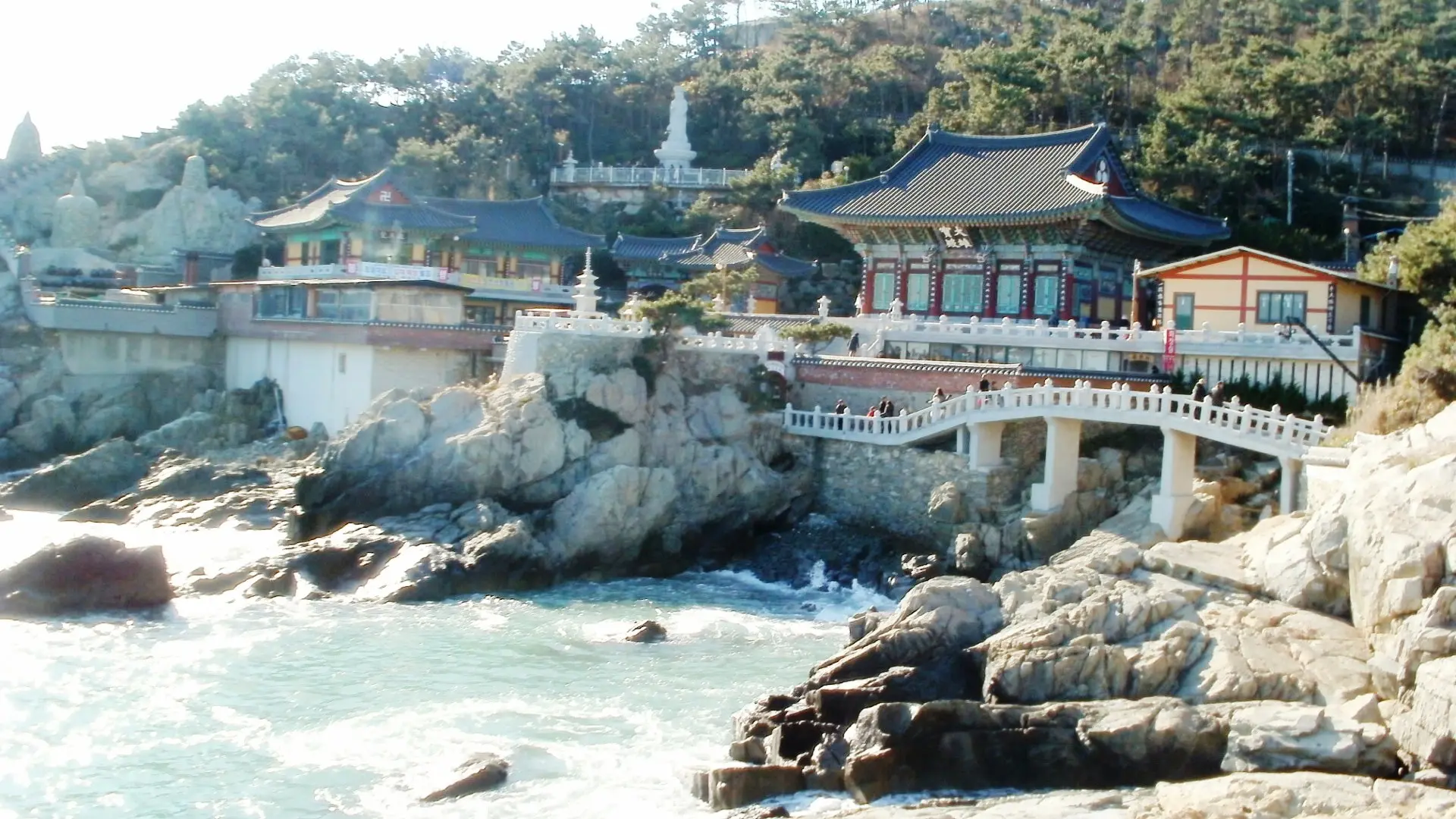
Unlike most Korean temples, this Buddhist complex sits on the coast, with stone pagodas and steps leading down to the sea. Allow about two hours. Tip: go early, because tour groups arrive later, and wear comfortable shoes for the steps and uneven paths.
Jagalchi Fish Market
It is the most famous seafood market in Korea. Vendors sell fresh fish, shellfish and dried seafood, and you can usually have a meal cooked on site. Allow one to two hours. Tip: look at the displayed prices and check what is included before you order, since raw seafood can be costly.
Gwangalli Beach and Gwangan Bridge
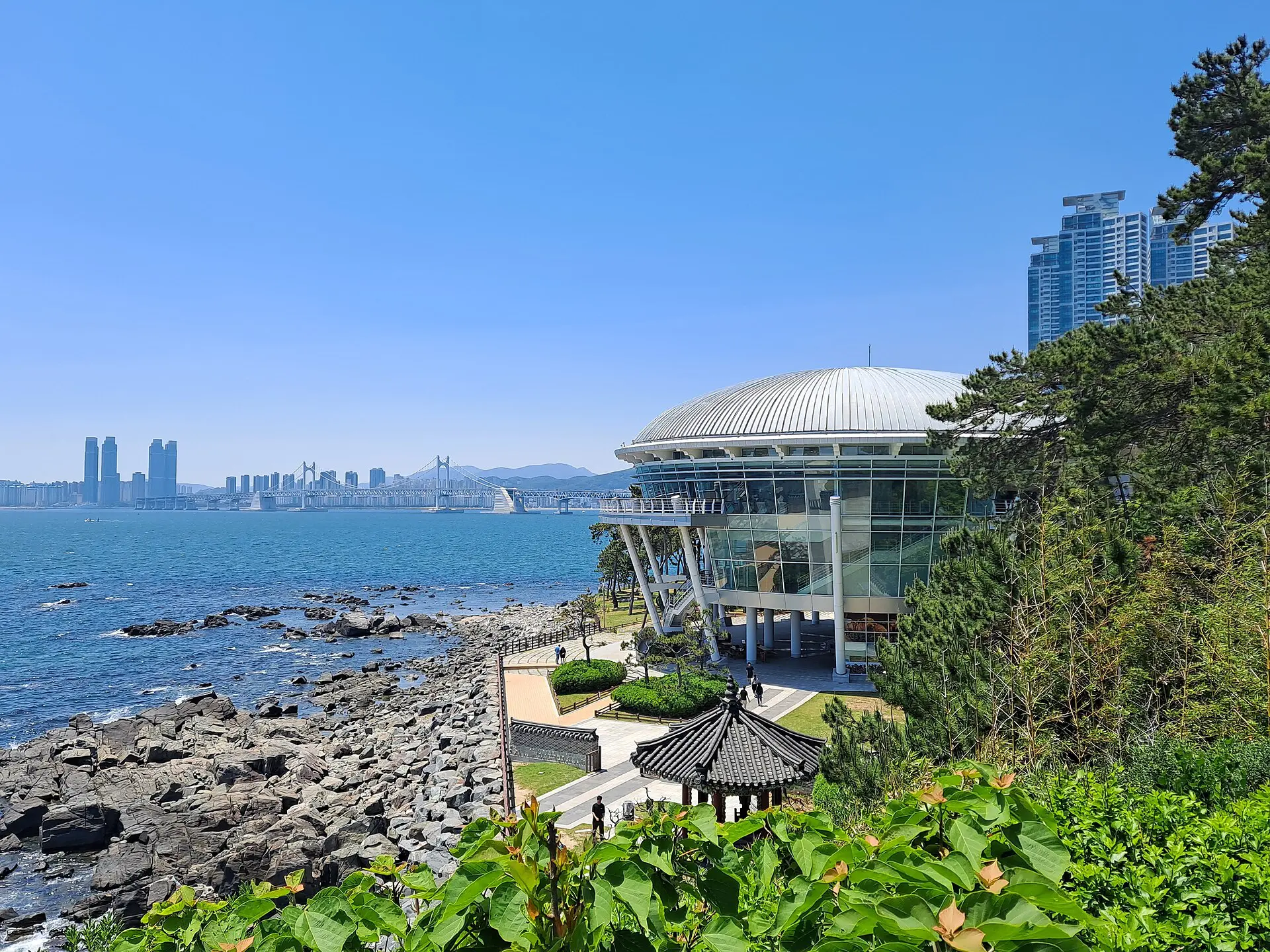
This beach is smaller and calmer than Haeundae and faces the illuminated Gwangan Bridge, which looks best after dark. Allow an evening. Tip: cafes along the shore are good places to wait for sunset, and the area is lively on weekends.
Taejongdae Park
This park at the southern tip of Yeongdo island has cliffs, forest paths and sea views. Allow two to three hours. Tip: a tourist shuttle train loops through the park in season, but check current operation, and bring water in summer since the walk can be tiring.
BIFF Square and Nampo-dong
The old downtown area has shops, street food and the film-festival heritage that gives the square its name. Allow two hours. Tip: it pairs well with Jagalchi and the nearby Busan Tower, so combine them in a half-day walk.
Best time to visit Busan
Busan has a coastal climate that is milder than inland Korea, but summers are hot and humid and winters can be cold and windy. Spring and autumn usually offer the most comfortable weather for walking, temples and day trips.
| Season | Weather | Crowds and prices |
|---|---|---|
| Spring (March to May) | Mild, blossoms in the hills | Moderate crowds, fair prices |
| Summer (June to August) | Hot, humid, rainy spells | Beaches packed, higher hotel prices |
| Autumn (September to November) | Clear, comfortable | Busy during the film festival |
| Winter (December to February) | Cold, dry, windy | Quiet, lower prices |
Late summer can bring typhoon season to the region, so check forecasts before you travel.
How to get to Busan and around
Gimhae International Airport is the main air gateway, with domestic flights from Seoul and international flights from several Asian cities. A subway or light rail line links the airport to the city, so check current routes and travel time. Many visitors arrive by high-speed KTX train from Seoul to Busan Station, which takes roughly two and a half to three hours, and there are also intercity buses and ferry services from Japan, so confirm current schedules.
The city has a subway network that reaches most major sights, plus buses and taxis. A rechargeable transport card works on buses and the subway and is the easiest way to pay. Some areas, such as Gamcheon and the temple on the coast, need a bus or taxi from the nearest station. Distances between districts are larger than they look on the map, so group sights by area.
Where to stay in Busan
Haeundae is the best-known base, with beach access, large hotels, restaurants and a subway line. It suits families and visitors who want beach time, though it is expensive and crowded in summer. Gwangalli is a good alternative with more cafes and a calmer feel, and it faces the lit bridge.
Seomyeon is a central business and entertainment district with many shops, restaurants and strong transport links, and it works well if you plan to see the whole city. Nampo-dong and the area around Busan Station suit those arriving by train and wanting the old port atmosphere. Prices rise in summer and during the film festival, so book early. Check recent reviews for noise levels, since nightlife areas can be loud late into the evening.
How many days do you need?
Three days is enough for most visitors to see the main sights and still have time for a long seafood meal and a beach. Two days works if you are short on time and focus on a single side of the city. Add a day if you want to visit Gyeongju or relax by the sea.
- Day 1: Jagalchi Fish Market, Nampo-dong and BIFF Square, then Taejongdae Park in the afternoon.
- Day 2: Gamcheon Culture Village in the morning, then Gwangalli Beach and the bridge at dusk.
- Day 3: Haedong Yonggungsa Temple early, then Haeundae Beach.
Day trips and nearby
Gyeongju
Gyeongju was the capital of the ancient Silla kingdom and is often called a museum without walls, with royal tombs, temples and a national museum. It lies roughly an hour from Busan by train or bus. Allow a full day, and check current schedules.
Daegu
Daegu is a large inland city northwest of Busan, known for its markets, food and nearby mountains. It is reachable by train in roughly an hour. It works better as a stop on the way to Seoul than as a day trip.
Jeju Island
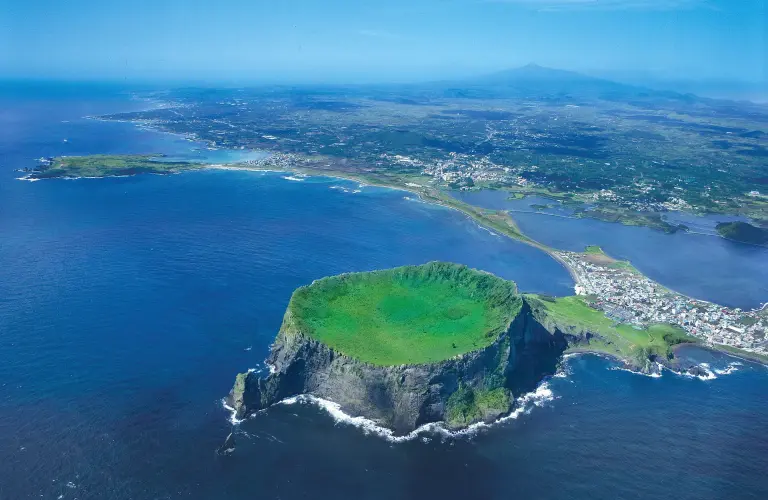
South Korea’s best-known island has volcanic scenery, beaches and walking routes, and short flights from Busan connect it. Plan at least two nights rather than a day trip. Tip: check current flight schedules and book ahead for holiday periods.
Seoul
The capital is the usual pairing for a Korea trip and is reachable by high-speed rail in a few hours. It is possible as a long day trip but better with an overnight stay. Check ticket availability on public holidays.
FAQ
Q1When is the best time to visit Busan?
April to June and September to November are generally the most comfortable, with mild weather and clear skies. Summer is best if you want the beaches, but it is hot, humid and crowded. Winter is quiet and cold, and late summer can bring typhoons.
Q2How many days do you need in Busan?
Three days cover the main sights, including Gamcheon, Jagalchi, a beach and the coastal temple. Two days is possible if you are selective, and four days lets you add Gyeongju or a slower schedule. Group sights by district to save travel time.
Q3How do you get to Busan?
You can fly into Gimhae International Airport or take the KTX high-speed train from Seoul, which takes roughly two and a half to three hours. Buses and ferries from Japan are also options. Check current schedules and book ahead for holidays and weekends.
Q4Is Busan expensive?
Busan is generally cheaper than Seoul for hotels and meals, though summer beach areas and seafood restaurants can be costly. Public transport is inexpensive. Costs change, so compare current prices, and set a budget before ordering raw seafood.
Prices, schedules and entry rules change. Check current details with official sources before you travel. Read the South Korea travel guide.