Why visit Seoul
For anyone researching things to do in Seoul, the surprise is how many different cities are packed into one. Seoul is the capital and largest city of South Korea, with a metropolitan area of more than 20 million people, set on the Han River and ringed by mountains. It has been a capital for more than 600 years, and its old palaces sit a few subway stops from glass towers and shopping districts.
You can spend a morning in a Joseon-era palace, an afternoon in a market eating tteokbokki or hotteok, and an evening at a rooftop bar or a karaoke room. Parks and peaks are surprisingly close, so hiking trails on the edge of the city are often accessible by metro.
Seoul is also safe, clean and easy to navigate, with signs in English and good public transport. It suits first-time visitors to Asia, food lovers, and anyone interested in contemporary Korean culture, from design and fashion to music and cafes.
Top things to do in Seoul
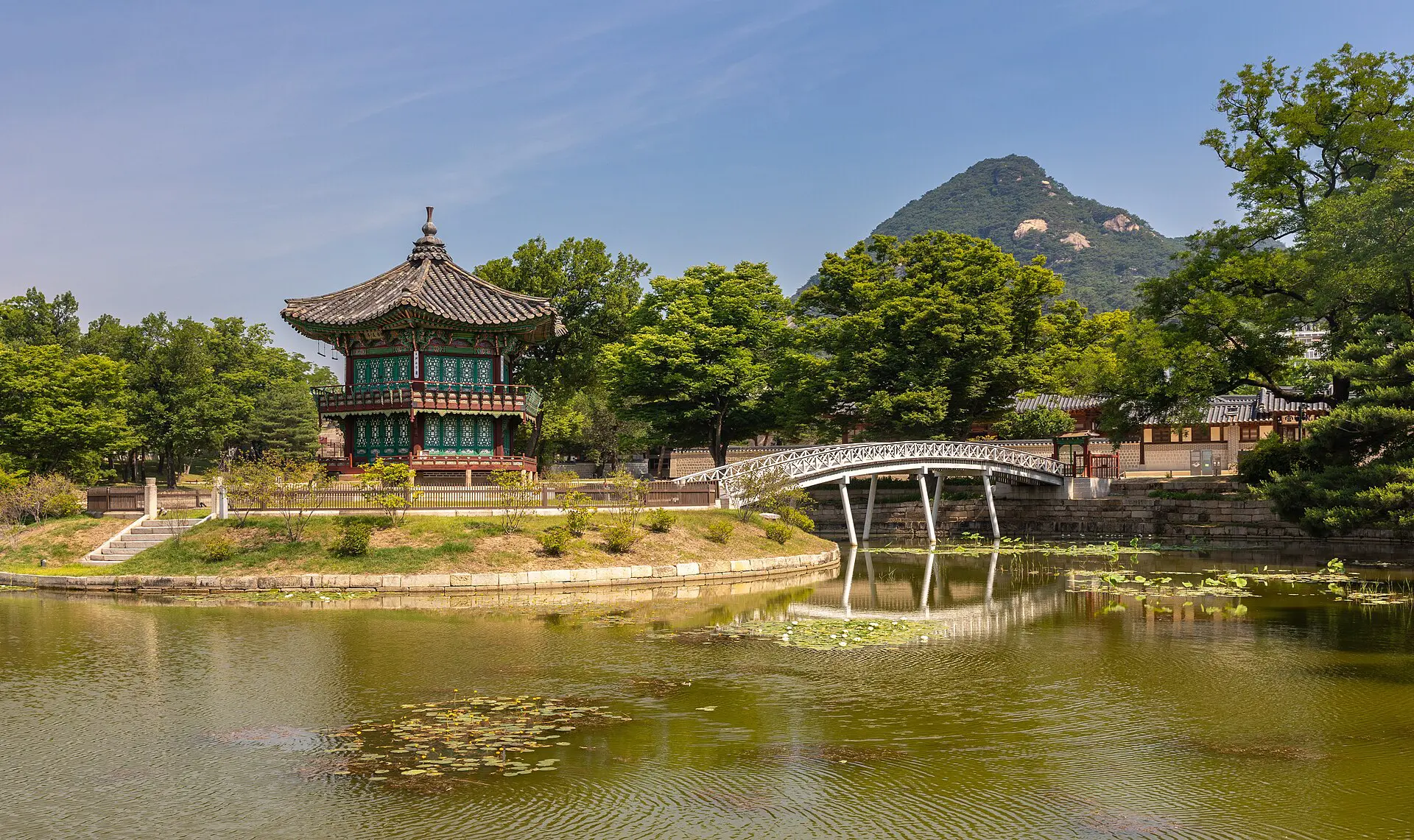
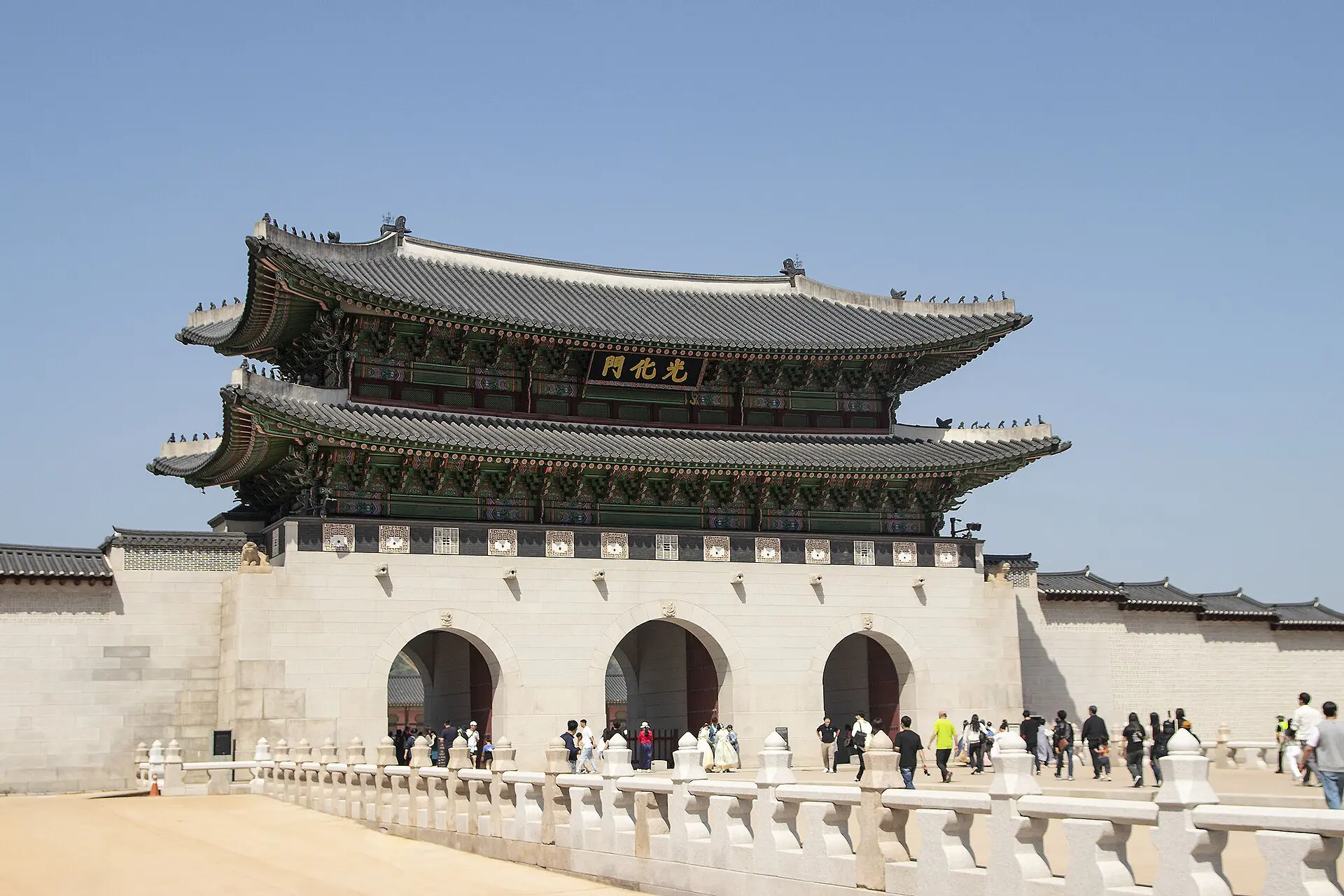
Gyeongbokgung Palace
The largest of Seoul’s historic palaces sits at the foot of Bugaksan mountain. Allow two hours. Palace admission is usually reduced or free if you wear hanbok, the traditional dress that you can rent nearby, and the changing of the guard is worth timing for. The palace is usually closed one day a week, so check.
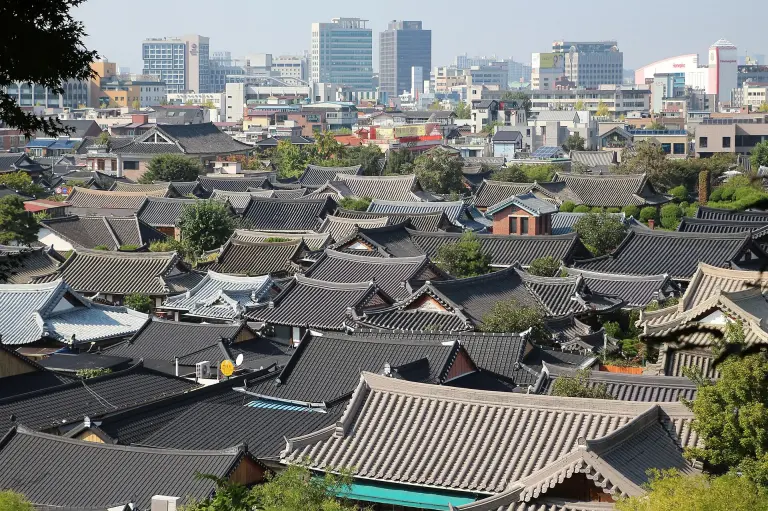
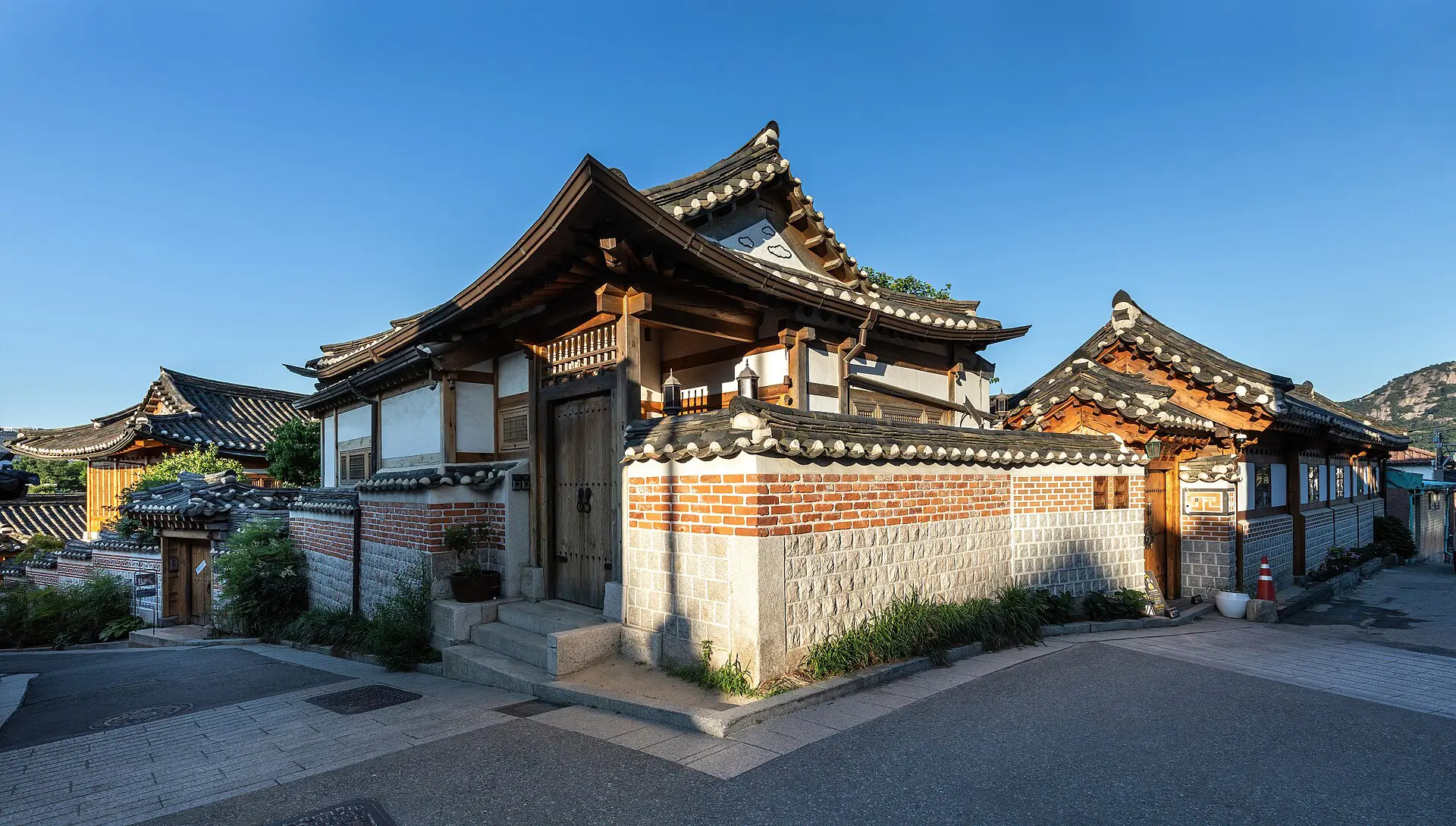
Bukchon Hanok Village
Narrow lanes of traditional wooden houses between two palaces make a pleasant walk of about an hour. Many houses are private homes, so keep your voice down and respect any visiting-hour signs. Early morning is the quietest time and gives the best light.
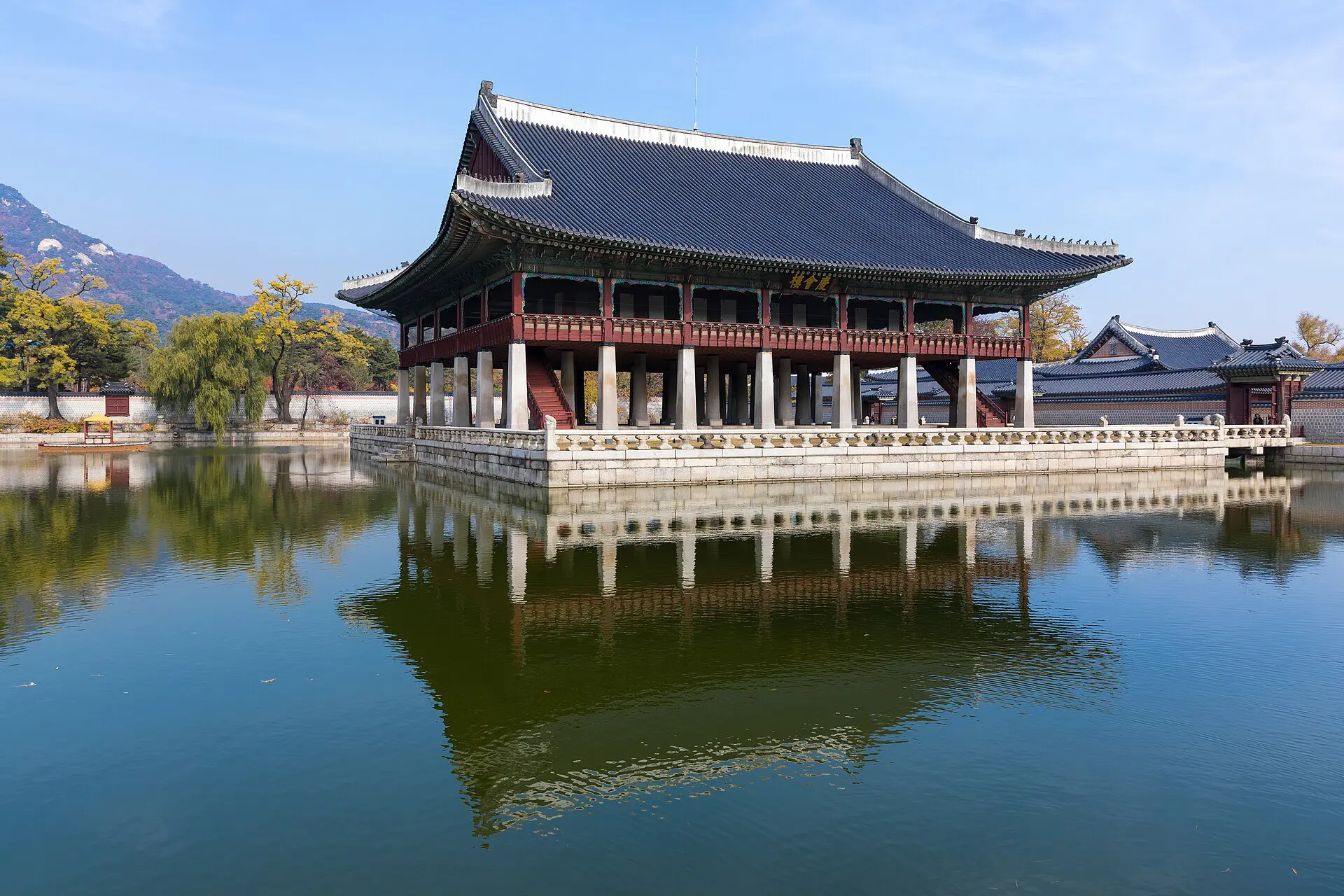
Changdeokgung and its Secret Garden
This UNESCO-listed palace is known for its sprawling rear garden, which is usually visited on a guided tour. Allow around two hours and book ahead in spring and autumn, when the foliage draws crowds.
Namdaemun and Gwangjang markets
Seoul’s traditional markets are the best place for cheap, filling street food, such as mung bean pancakes and gimbap. Go hungry and carry some cash alongside your card. Plan one to two hours, and eat at busy stalls where turnover is high.
Hongdae, Itaewon and Gangnam
Each district has its own character: Hongdae for students, street performance and nightlife, Itaewon for international restaurants, and Gangnam for shopping and polished cafes. Choose one or two rather than trying to see all of them in a single evening.
Namsan and N Seoul Tower
A hill in the middle of the city with walking paths and a tower with panoramic views. You can walk up, take a cable car or ride a bus. Allow two to three hours, and go near sunset for city lights.
Bukhansan National Park
Granite peaks on the northern edge of the city, reachable by metro and bus, offer marked trails of varying difficulty. Allow a half to full day, bring water and sturdy shoes, and avoid the trails in icy conditions.
Best time to visit Seoul
Seoul has four distinct seasons. Spring, with cherry blossoms in early April, and autumn, with red and gold foliage in October and early November, are the most pleasant and also the most popular. Summer is hot and humid, with a rainy monsoon period around late June to July. Winter is cold and dry, sometimes very cold.
| Season | Weather | Crowds and prices |
|---|---|---|
| Spring (March to May) | Cool to warm, blossoms in April | Busy at blossom time |
| Summer (June to August) | Hot, humid, monsoon rain | Moderate; lower prices |
| Autumn (September to November) | Clear and mild, colourful foliage | Busy in October |
| Winter (December to February) | Cold and dry, some snow | Quieter, good value |
Major holidays such as Lunar New Year and Chuseok can close some shops and fill trains, so plan transport ahead if you travel then.
How to get to Seoul and around
Incheon International Airport is the main entry point, about 50 to 70 km from central Seoul. The AREX train takes roughly an hour to Seoul Station, and airport buses and taxis serve many districts. Gimpo Airport handles domestic flights and some short international routes and is closer to the centre.
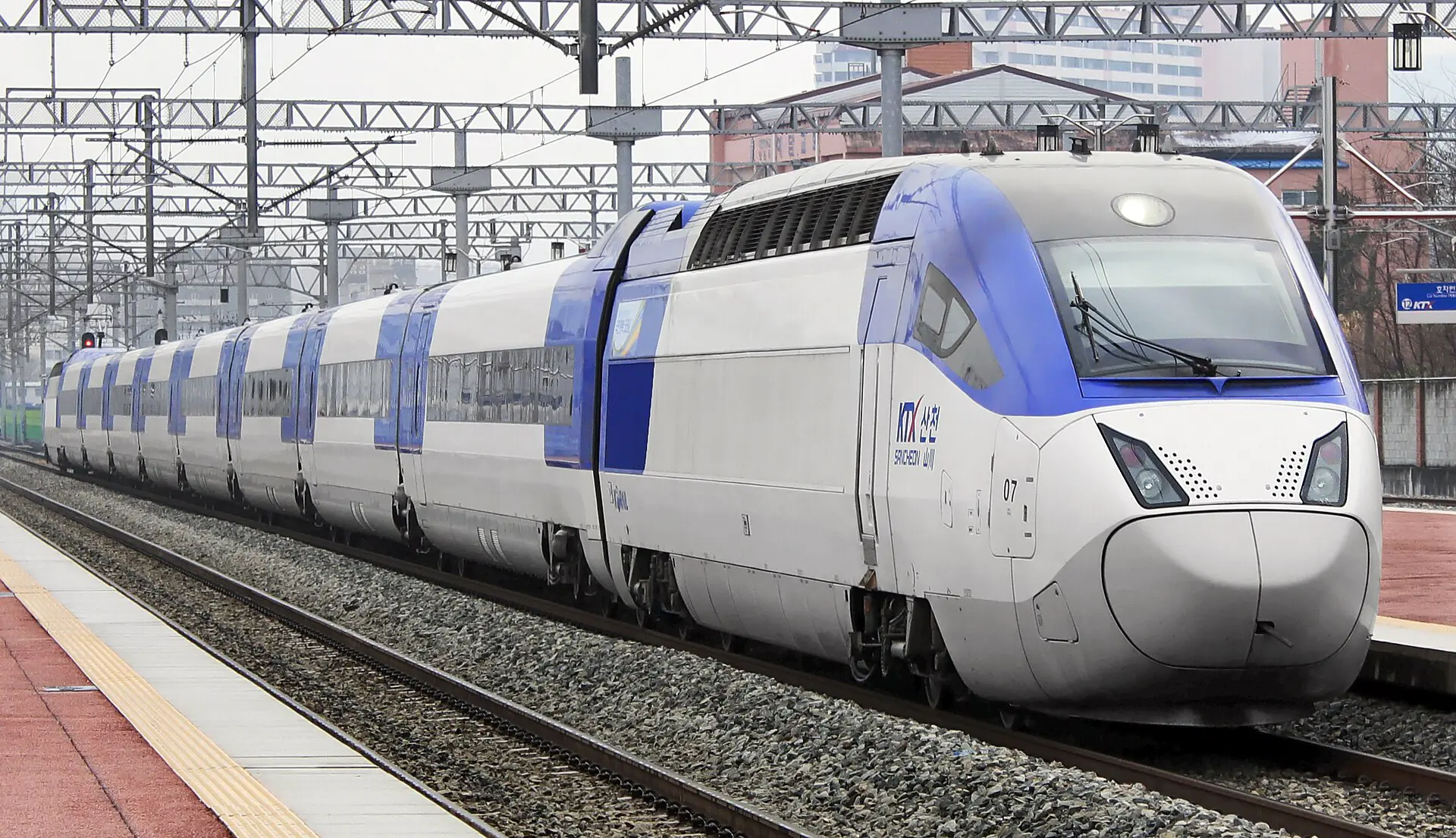
High-speed KTX trains connect Seoul with Busan and other cities, and intercity buses cover the rest of the country.
Getting around is straightforward. The metro covers most places you will want to go, with signs in English and several other languages, and buses fill the gaps. A rechargeable transport card works on metro, buses and many taxis, and is easy to buy at convenience stores. Taxis are relatively affordable, though you may want a translation app for addresses. Walking works well within neighbourhoods but distances between districts can be large.
Where to stay in Seoul
Myeongdong and the area around City Hall are central, with metro lines nearby, and suit first-time visitors who want shopping and easy transfers. Prices are moderate to high.
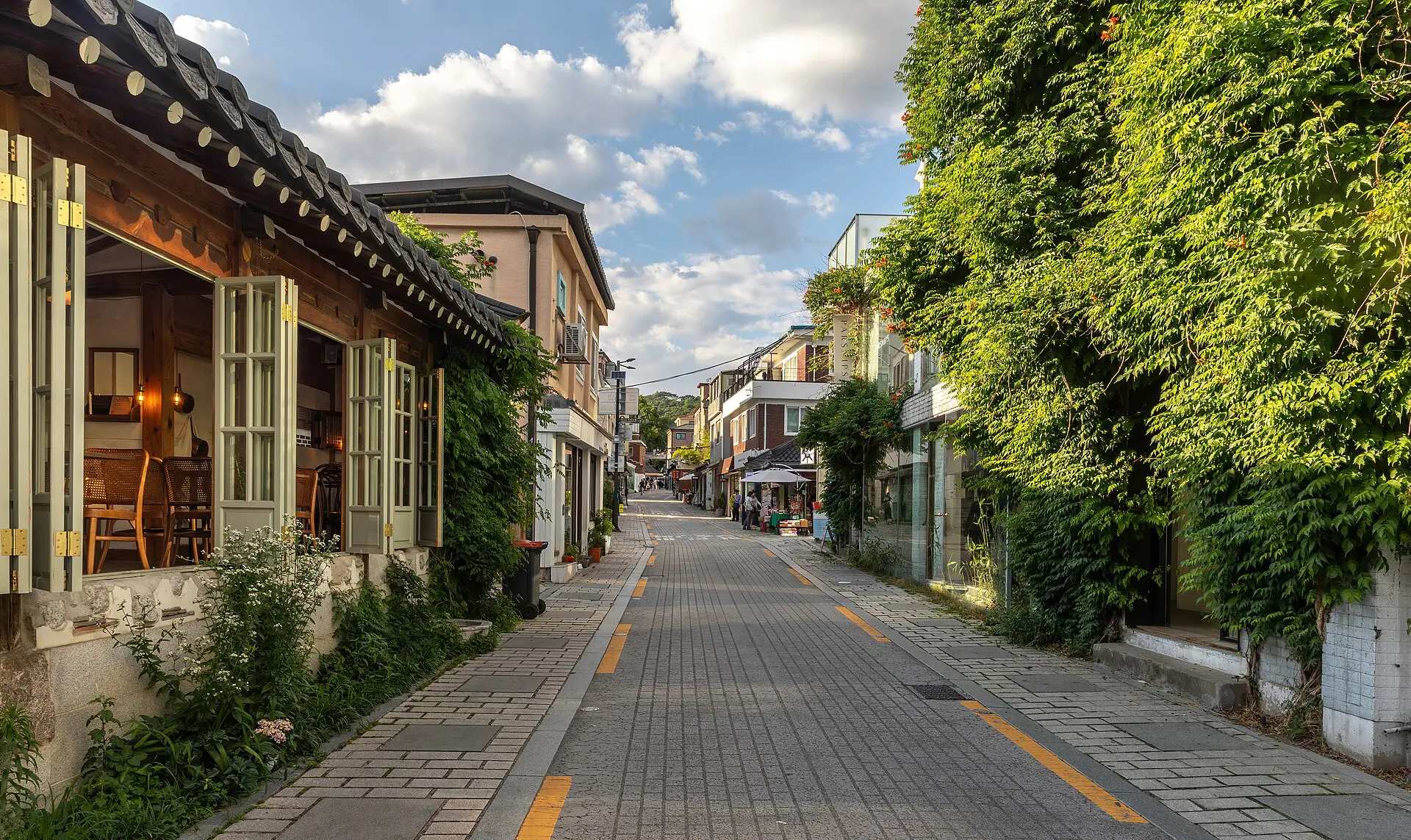
Hongdae is a good base for younger travellers and nightlife lovers, with hostels and small hotels, though it can be noisy late at night. Insadong and the area around the palaces suit travellers more interested in history and traditional guesthouses, including some hanok stays.
Gangnam is polished and well connected, a good option for business travellers and anyone wanting upscale hotels and shopping. Staying near any major metro interchange, such as Seoul Station or Jongno, saves time on day trips. Book early for spring and autumn.
How many days do you need?
Three days covers the palaces, markets and a couple of neighbourhoods, but four or five allow a mountain hike, a day trip and slower evenings. Seoul is large, and moving between districts takes time, so avoid packing more than two areas into a day.
- Day 1: Gyeongbokgung Palace, Bukchon Hanok Village, Insadong, then a market dinner.
- Day 2: Changdeokgung, Namdaemun or Gwangjang market, Namsan at sunset.
- Day 3: Hongdae or Itaewon in the afternoon, followed by an evening of food, cafes and nightlife.
With extra days, add Bukhansan, a museum or a trip to the countryside.
Day trips and nearby
Suwon
Suwon is south of Seoul and reachable by metro or train in under an hour. Its UNESCO-listed fortress walls can be walked in two to three hours. It makes an easy half-day trip.
Incheon
Beyond the airport, Incheon has a historic port area, Chinatown and sea views. Reach it by metro in about an hour. It suits a relaxed half day, especially if you have a late flight.
Chuncheon
This lakeside city east of Seoul is known for dakgalbi, a spicy chicken dish, and for lake scenery. Trains take roughly an hour or a little more, making a pleasant day out.
Gyeongju and Busan
Both are further south. Gyeongju is a historic city of royal tombs and temples, and Busan is a major port with beaches. High-speed rail makes each possible as a long day trip, though an overnight stay is better.
FAQ
Q1When is the best time to visit Seoul?
April to May and September to November are the most comfortable, with mild weather and either blossoms or autumn colour. Summer is hot and humid with monsoon rains, and winter can be very cold. Book early for blossom season and major holidays.
Q2How many days do you need in Seoul?
Three days covers the palaces, markets and main neighbourhoods for a first visit. Four to five days lets you add a mountain hike, a day trip to Suwon or Chuncheon, and more relaxed meals. Seoul is spread out, so travel times add up.
Q3How do I get from Incheon Airport to Seoul?
The AREX airport railway takes roughly an hour to Seoul Station, and airport buses and taxis serve many districts. Gimpo Airport is closer to the centre. Check current timetables and fares, and buy a transport card on arrival for metro and bus trips.
Q4Is Seoul expensive?
Seoul is cheaper than many Western capitals for food and transport, though hotels and shopping can be pricey. Street food and market meals cost little, the metro is inexpensive, and many palace visits cost only a modest fee, so a mid-range budget stretches fairly well.
Prices, schedules and entry rules change. Check current details with official sources before you travel. Read the South Korea travel guide.