Why visit Jeju Island
If you are looking for things to do in Jeju Island, the short answer is nature on a manageable scale. South Korea’s largest island covers about 1,833 square kilometres and lies in the Korea Strait, roughly 83 km south of the nearest point on the mainland. It was formed by the eruption of a submarine volcano about two million years ago, and it contains a natural World Heritage Site, the Jeju Volcanic Island and Lava Tubes.
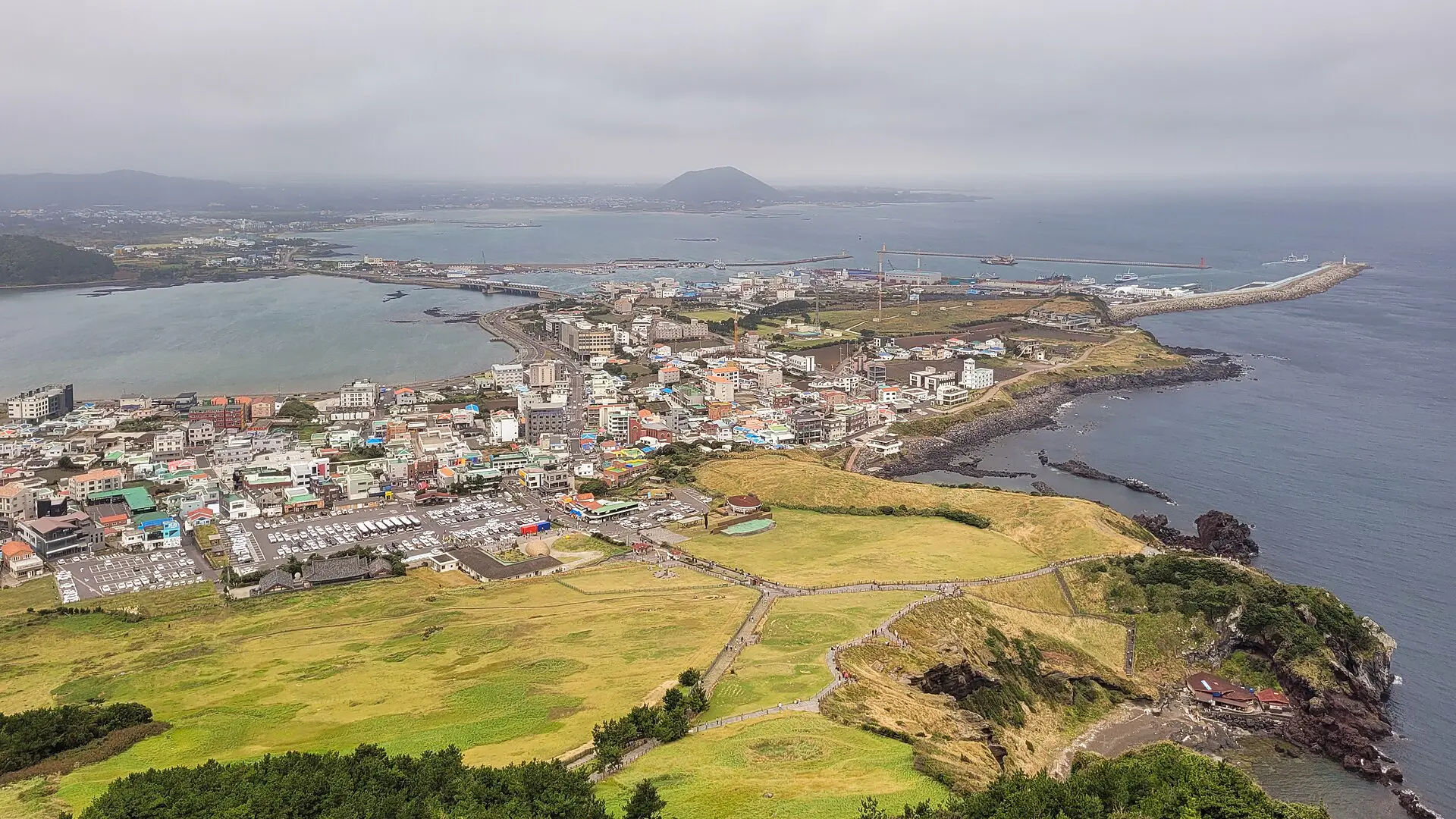
The island is oval, about 73 km east to west and 31 km north to south, with the peak of Hallasan rising gently in the centre. It is a popular holiday and honeymoon destination for Koreans and Chinese, so expect crowds all year. Jeju also keeps its own culture: the Jeju language is considered critically endangered, and the island is one of the places where Shamanism is most intact. Come for the coast, the hiking and the slower pace.
Top things to do in Jeju Island
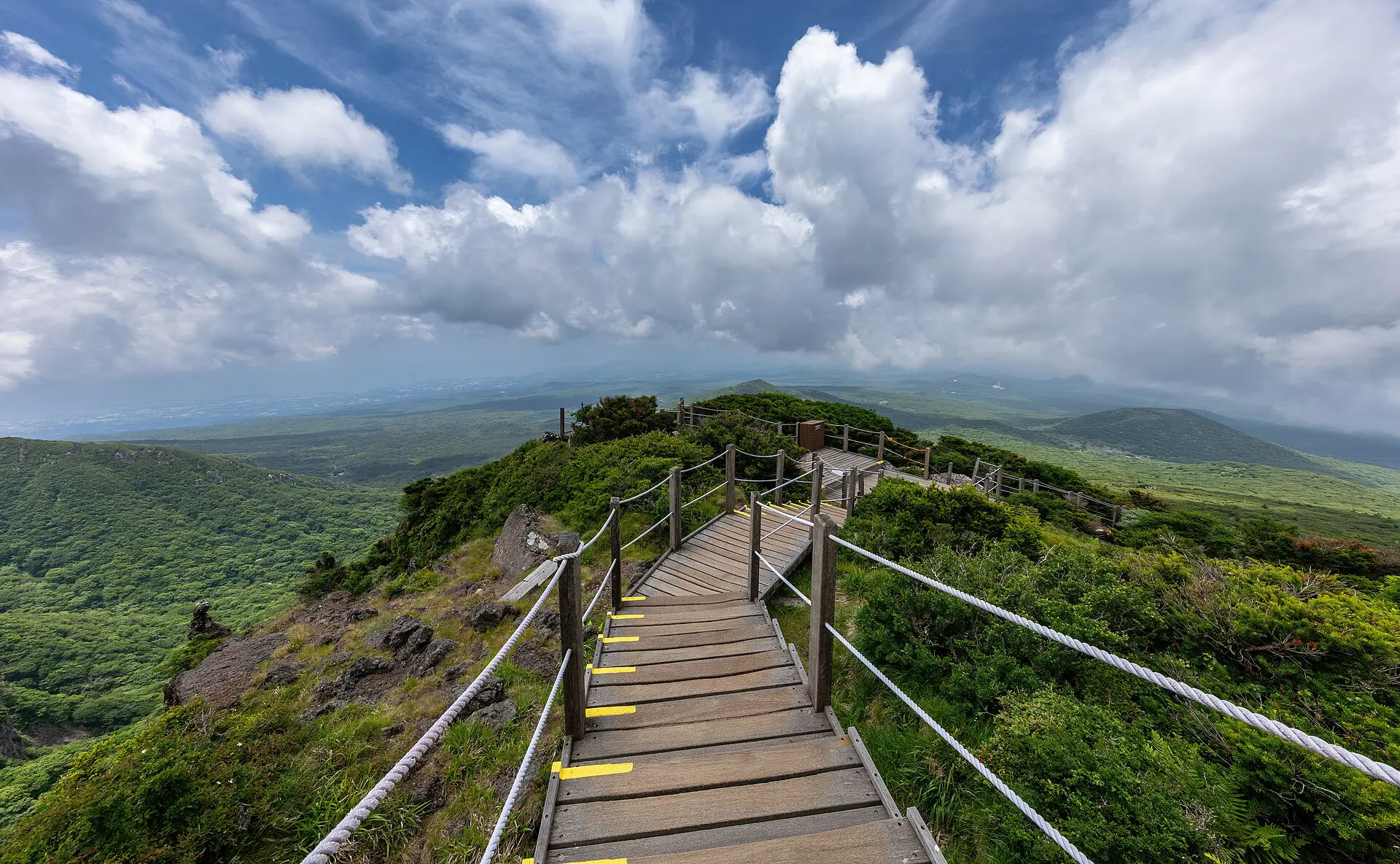
Hike Hallasan
Hallasan is South Korea’s highest mountain and sits inside Hallasan National Park. Allow a full day for a summit hike, starting early. Check current rules, since trails can require reservations and close in bad weather, and carry layers, water and food, because conditions change quickly on the slopes.
Climb Seongsan Ilchulbong
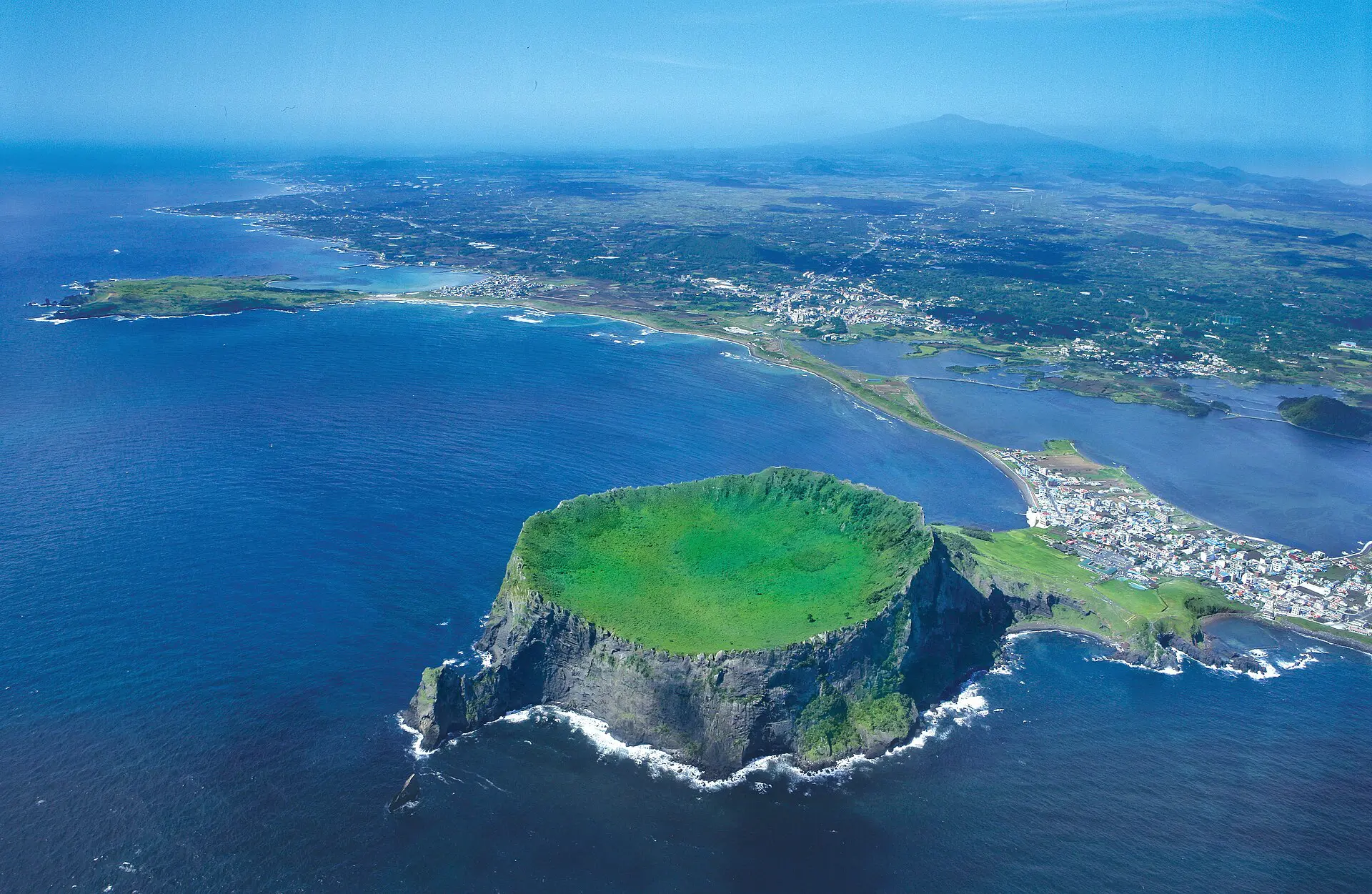
This volcanic cone marks the eastern end of the island and is one of its best-known landmarks. The climb is short, usually well under an hour, but the steps are steep. Go at sunrise or late afternoon for the best light, and check current entry hours and fees before you go.
Explore the lava tubes
The island’s volcanic origins left caves and tunnels, part of the World Heritage listing. Visiting one takes about one to two hours. Wear shoes with good grip and a warm layer, because the inside is cool and the floor can be damp. Check which sections are open before you travel.
Take a ferry to Udo Island
Udo is a small island off the east coast that is popular with day-trippers. Allow half a day, longer if you want to walk or cycle the coast. Check ferry times, and go on a weekday if you want fewer people.
Walk the coast
The island has about 258 km of coastline, and walking even a short stretch shows off cliffs, black rock and small harbours. Pick a section of one to three hours, and take water and sun protection. Wind can be strong, so a light jacket helps even in warm months.
Base yourself in Seogwipo
Seogwipo is the main town on the south side and is close to many tourist sites. Spend an evening here for restaurants and a harbour walk, or use it as a base for the southern coast. Check opening hours for individual attractions, as some close one day a week.
Visit Jeju City
The city has few major attractions, but it has bars and restaurants and is where the airport sits. Plan an evening, not a full day. It suits arrival or departure nights and gives you the easiest access to shops and transport.
Best time to visit Jeju Island
Jeju is crowded with tourists all year round, so the choice is mostly about weather and how much walking you plan to do. Spring and early summer, and autumn, are generally the most comfortable for hiking and coastal walks. Summer is warm and humid, and winter is cooler with wind on the coast and snow possible on the upper slopes of Hallasan.
School holidays and public holidays in Korea bring many domestic visitors, which raises prices for flights and rooms. If you can choose, travel midweek and book early. Typhoon season in late summer can disrupt flights and ferries, so keep your plans flexible and check forecasts before heading to the mountain or the smaller islands. Visibility on Hallasan can be poor in any season, so build in a spare day if the summit matters to you.
How to get to Jeju Island and around
Most visitors fly into Jeju International Airport, in Jeju City on the north side. It is connected to Seoul and other Korean cities by short domestic flights, and some international services also arrive. Ferries from the mainland also run, but they take much longer, so check current schedules.
The main road around the island is about 181 km long, which makes a loop manageable in a day of driving, though you will want more time to stop. A rental car is the most flexible way to reach the coast and mountain trailheads, and you should check licence requirements before you travel. Buses link the main towns and sights, but they take longer and run less often in rural areas. Taxis are useful for short hops and day tours. Book a car early for peak periods.
Where to stay in Jeju Island
Jeju City, on the north coast, suits arrival nights, short stays and travellers who want restaurants, bars and shops close by. It is also close to the airport, which helps if you have an early flight.
Seogwipo and the south coast suit visitors who want to be near the main tourist sites, with a harbour town feel and easy access to the southern attractions. The nearby Jungmun resort area offers larger hotels and a resort atmosphere.
The east side, near Seongsan, suits sunrise seekers and quieter beach stays, with smaller guesthouses and a village pace. Fewer services mean you will usually want a car.
Book ahead in school holidays and public holiday periods, and compare prices between the north and south, as they can differ.
How many days do you need?
Three to four days is enough for the main sights without rushing. Two days works if you only want Hallasan and one stretch of coast. A week suits slow travel, island hopping and spare weather days. Here is a simple plan.
- Day 1: Arrive in Jeju City, drive or take a bus to the east coast and climb Seongsan Ilchulbong.
- Day 2: Hike Hallasan, starting early.
- Day 3: Explore Seogwipo, the south coast and a lava tube, then relax along the shore.
Add a fourth day for Udo Island or a longer coastal walk.
Day trips and nearby
Udo Island
A small island off the east coast, popular with day-trippers. It takes a short ferry ride, and you can walk or cycle most of the coast in a few hours. Check ferry times and go early to avoid queues.
Gapado Island
This small island lies between Jeju and Marado. It is quieter and flatter, making it good for an easy walk. Check ferry schedules in advance, since sailings depend on the weather and the season.
Marado Island
The southernmost point of South Korea is small and remote. Plan a half day, and confirm the ferry timetable and any landing rules before you set out, because sea conditions can cancel sailings.
Seoul and the mainland
Many visitors combine Jeju with Seoul or Busan, since the flight from the capital is short. Treat it as a separate trip rather than a day trip, and check flight times before you plan.
FAQ
Q1When is the best time to visit Jeju Island?
Spring, early summer and autumn are generally the most comfortable for hiking and coastal walks. Summer is warm and humid, and winter is cooler and windy, with snow on the upper slopes of Hallasan. Korean holidays are busy, so book early and check typhoon forecasts.
Q2How many days do you need on Jeju Island?
Three to four days covers Hallasan, Seongsan Ilchulbong, the south coast and one small island trip. Two days is possible for a quick visit, and a week suits slow travel. Add a spare day if you want a clear summit view.
Q3How do you get to Jeju Island?
Most visitors fly into Jeju International Airport in Jeju City, with short domestic flights from Seoul and other Korean cities. Ferries from the mainland also run but take much longer. Check current schedules and book early for holidays.
Q4Do you need a car on Jeju Island?
A car is the most flexible option for reaching the coast and mountain trailheads, but it is not essential. Buses connect the main towns and sights, and taxis and tours fill the gaps. Check licence rules before you rent, and expect slower travel by bus in rural areas.
Prices, schedules and entry rules change. Check current details with official sources before you travel. Read the South Korea travel guide.