Why visit Jeonju
If you are planning things to do in Jeonju, start with the food and the old town. Jeonju is the capital of North Jeolla province in South Korea, a city of roughly 650,000 to 670,000 people that has been a regional centre for centuries and is regarded as the birthplace of the Joseon dynasty, because the royal family clan came from here.
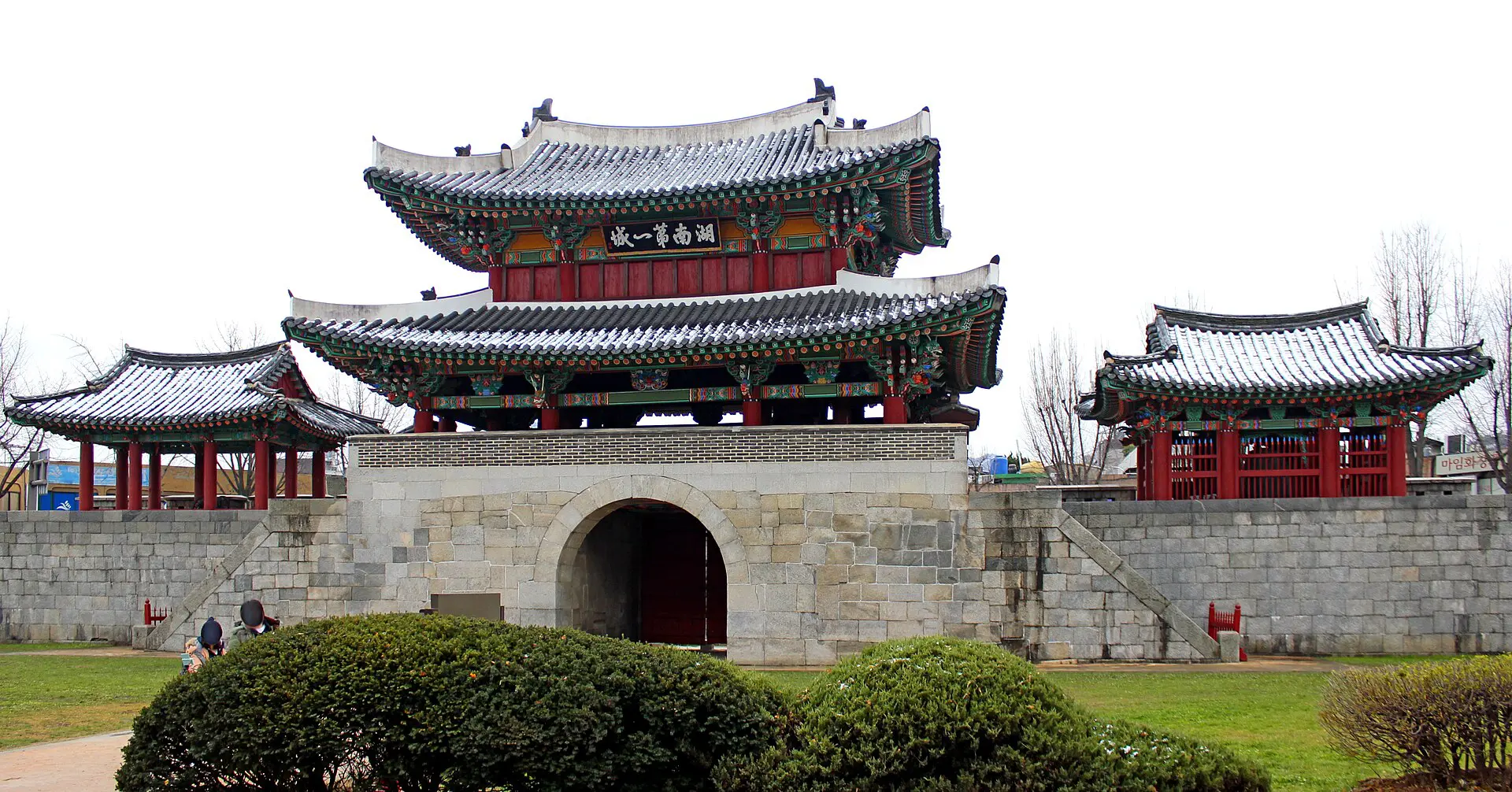
In 2012 UNESCO named it a Creative City for Gastronomy, recognising its home-style cooking, food research and festivals. That reputation is the main reason Koreans travel here, and the dish most associated with the city is bibimbap.
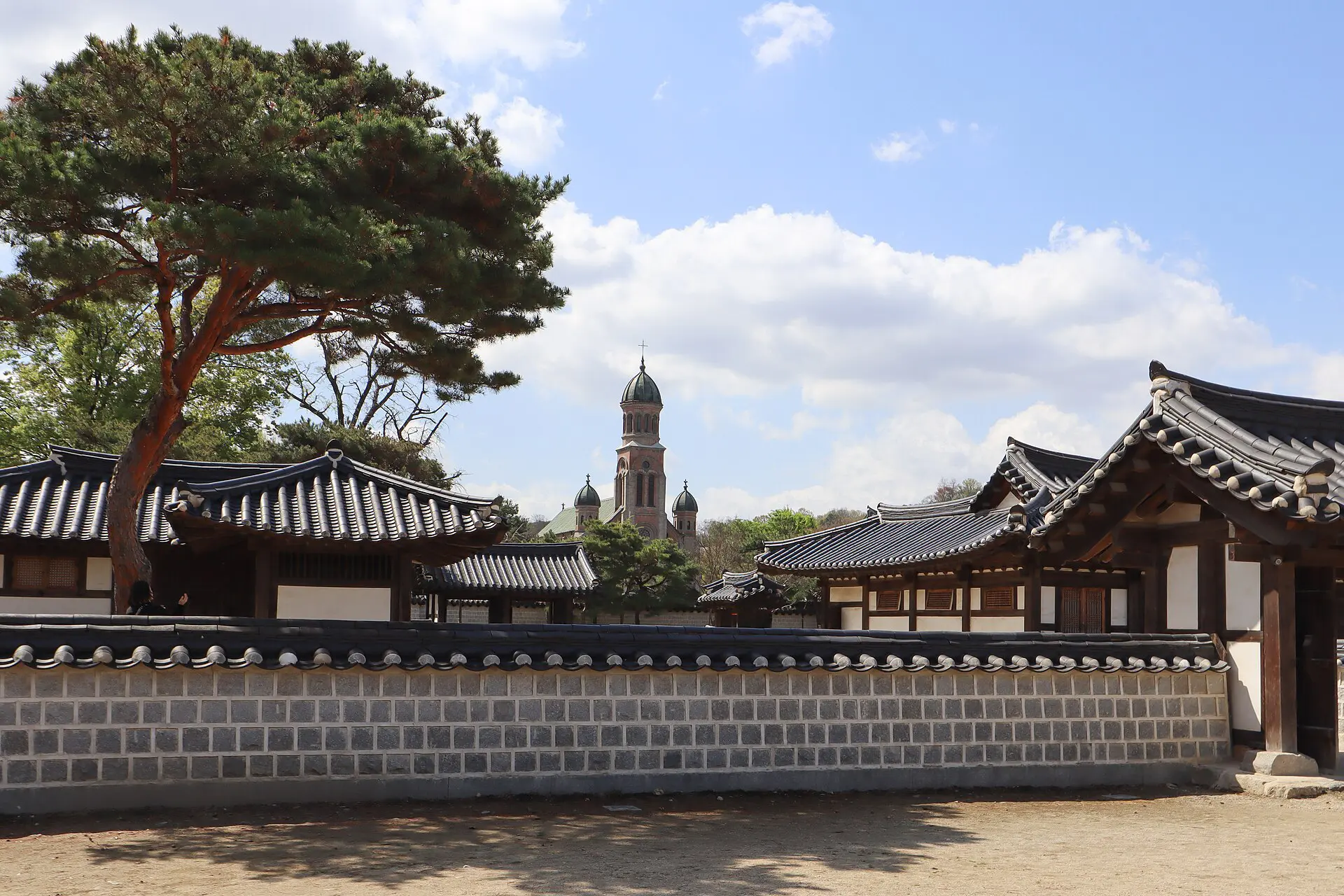
The city also keeps a large cluster of traditional hanok houses, a cathedral, a former royal shrine and a handful of museums, all within a compact area you can cover on foot. It is quieter and cheaper than Seoul, and the pace suits a weekend. Expect domestic crowds at weekends and festivals, and far fewer foreign visitors than in Seoul or Busan.
Jeonju also sits in a basin ringed by low mountains, so a short bus or taxi ride puts you on forested trails.
Top things to do in Jeonju
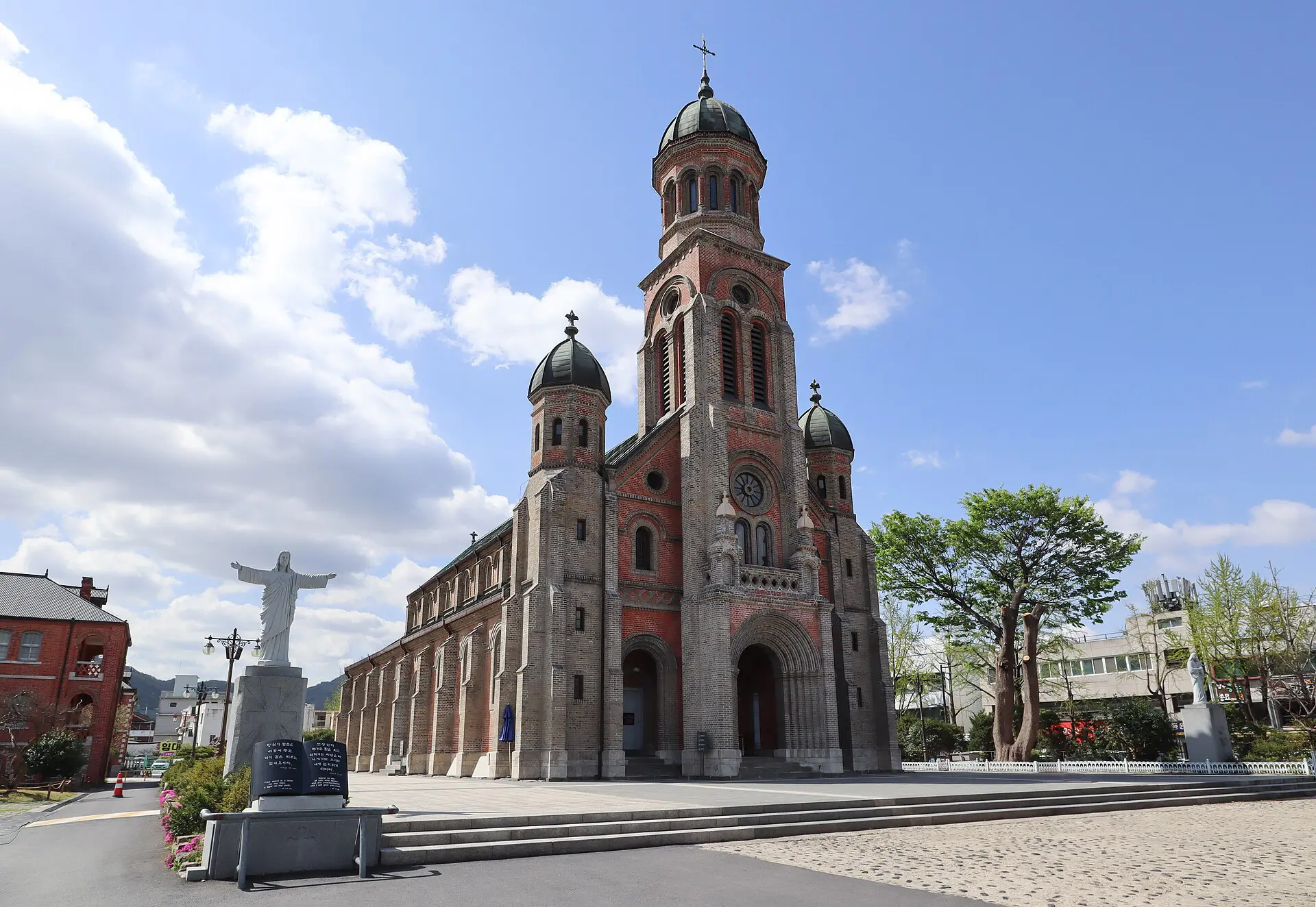
Jeonju Hanok Village
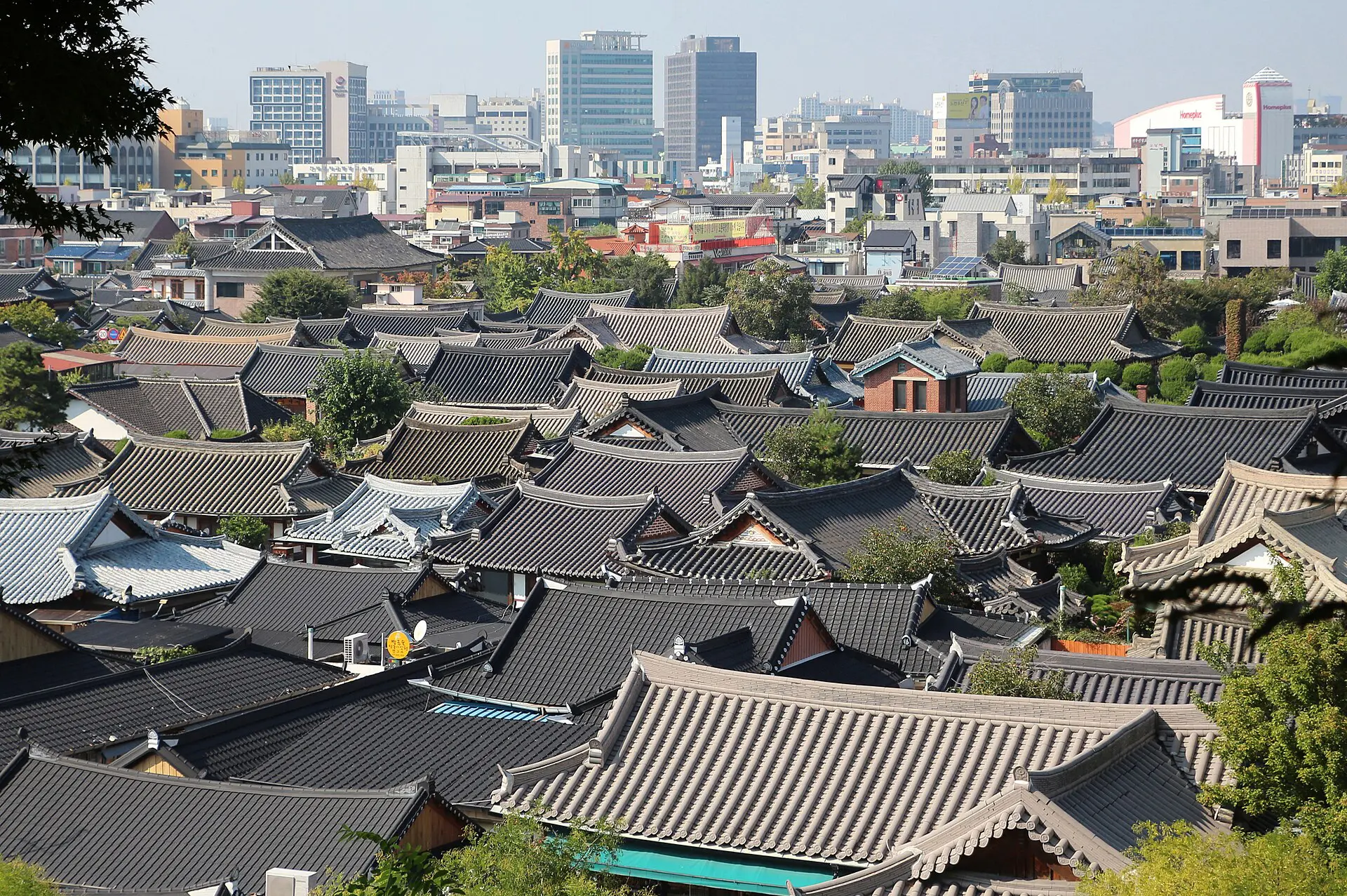
This is the heart of the city: hundreds of traditional Korean houses with curved tile roofs, turned into tea houses, craft shops, guesthouses and snack stalls. Allow two to three hours. Go early in the morning or on a weekday evening, when day-trippers have left. Many visitors rent hanbok clothing here for photos, which is optional and priced per hour (check on arrival).
Gyeonggijeon Shrine
This compound in the hanok area is associated with the Joseon royal family and houses a portrait shrine linked to the dynasty’s founder. It is calm and uncrowded compared with the surrounding lanes. Plan on 30 to 45 minutes. Entrance has typically been inexpensive, but check the current fee and closing day.
Jeondong Cathedral
A Romanesque-style Catholic church built in brick, standing at the edge of the hanok village on ground tied to early Korean Catholic history. It is one of the most photographed buildings in the city. A visit takes 20 to 30 minutes. Dress modestly and keep quiet, as it is an active place of worship.
Bibimbap and Korean food
Eating is the main activity. Try bibimbap, the rice dish topped with vegetables and seasoning, along with the many side dishes served at traditional restaurants. Look for set meals that arrive with a spread of small plates. Budget around an hour per meal, and expect restaurants to be busiest at lunch.
Nambu Market
A traditional market south of the old quarter, known for street food and, in the evening, a night market section that has run on certain days. Go hungry and graze for an hour or two. Cash is handy, though many stalls accept cards. Check which evenings the night market operates before planning around it.
Omokdae and the Jeonju city viewpoint
A short climb from the hanok area leads to a pavilion on a ridge above the old town, with views over the roofs. It takes about 30 minutes round trip from the village and is a quiet spot for sunset. Wear shoes with grip, as the paths can be slippery after rain.
Jeonju Hanji and craft museums
Jeonju is known for hanji, traditional mulberry-bark paper, and for other local crafts. Small museums and workshops let you see how it is made, and some run short hands-on sessions. Allow an hour. Opening days vary, so check ahead and book a workshop slot if you want one.
Moaksan and nearby hills
The mountains around Jeonju offer half-day hikes and temple visits. Moaksan, southeast of the city, is a common choice. Plan four to six hours including transport, carry water, and confirm bus connections in advance, since rural services run less often.
Best time to visit Jeonju
Spring and autumn are the most comfortable seasons. April and May bring mild days and blossom, while late September to November offers clear skies and autumn colour in the nearby hills. Summers are hot and humid, with a rainy period in early summer, and winters are cold and can be dry with occasional snow.
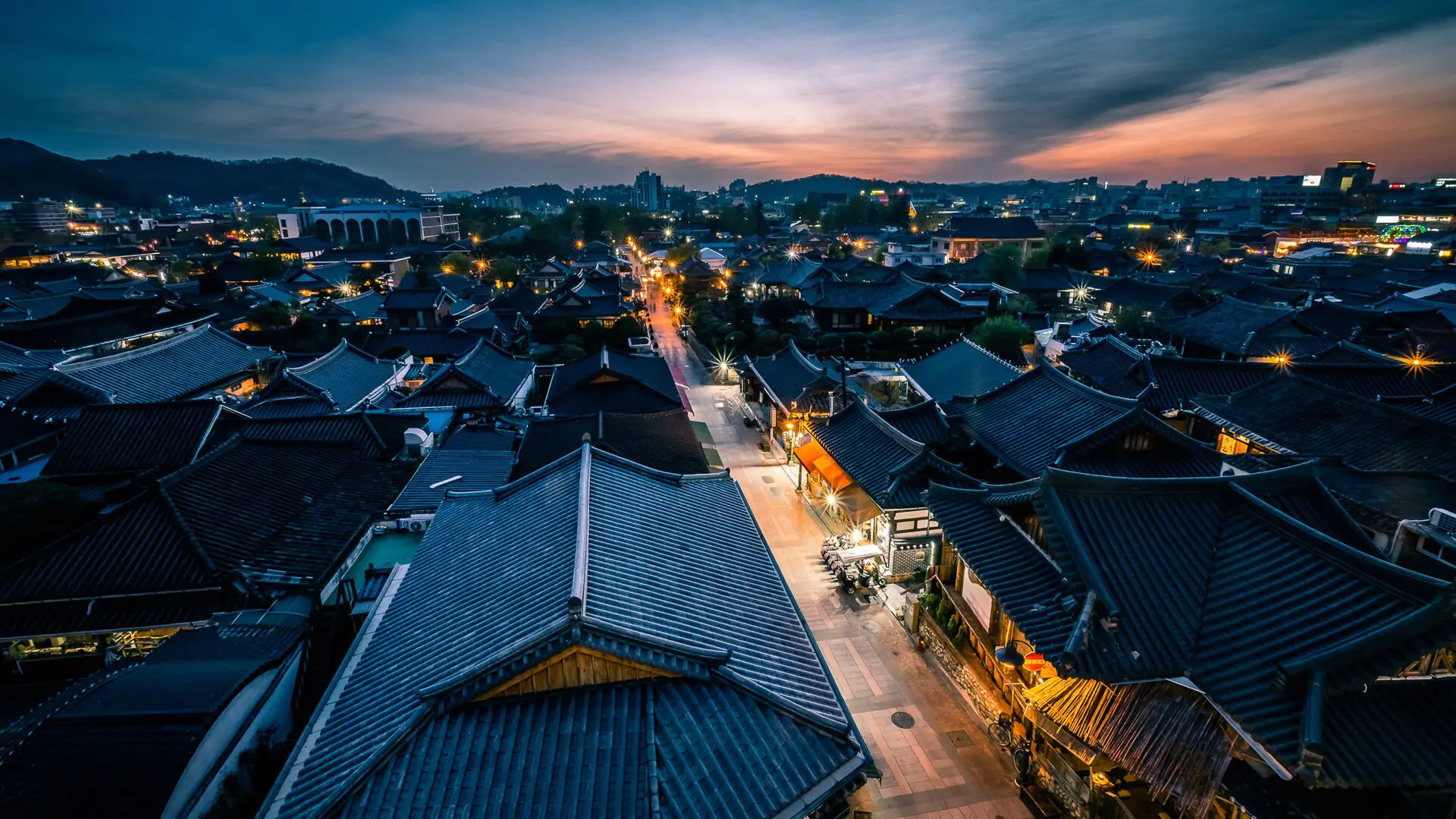
Jeonju hosts festivals, including food and film events, that fill hotels, so book early if your dates overlap. Weekends are busier than weekdays all year.
| Season | Weather | Crowds and prices |
|---|---|---|
| Spring (Mar-May) | Cool to mild, blossom | Busy at weekends, higher prices |
| Summer (Jun-Aug) | Hot, humid, rain | Moderate, good value midweek |
| Autumn (Sep-Nov) | Mild, clear, colour | Busy, book ahead |
| Winter (Dec-Feb) | Cold, some snow | Quiet, lower prices |
How to get to Jeonju and around
The fastest route from Seoul is the KTX high-speed train to Jeonju Station, which takes about two hours, with most services leaving from Yongsan Station and a few from Seoul Station. In 2025 the basic fare was around 33,000 won. Express buses from Seoul are cheaper and often take a similar or slightly longer time, depending on traffic. The express and intercity bus terminals sit next to each other in Jeonju.
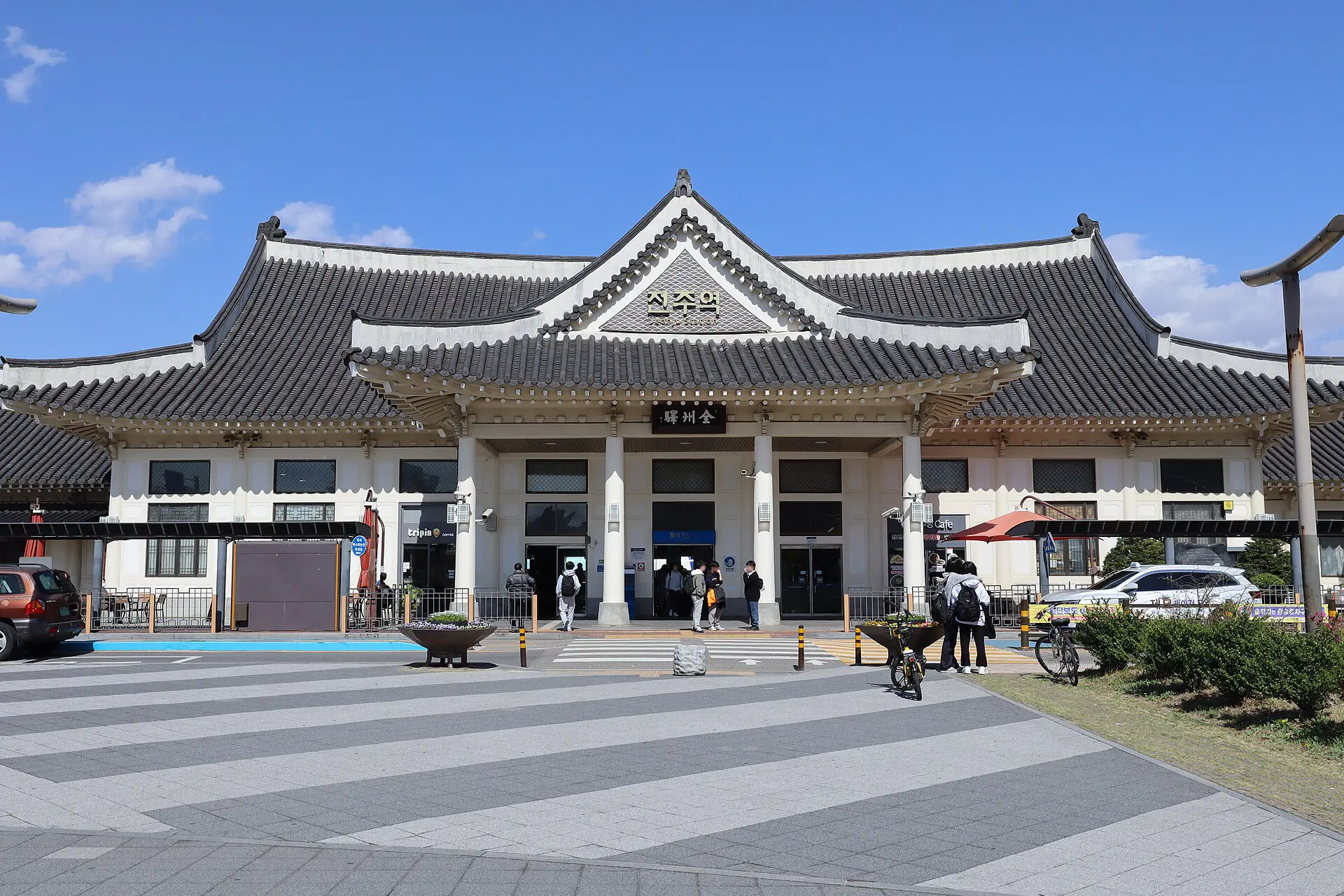
From Busan, Gyeongju and Changwon the journey is awkward, with a detour and a transfer, often at Osong, so many travellers route through Seoul or take buses instead.
The nearest major airport is Incheon, so plan on connecting via Seoul. Once in the city, the hanok village is walkable, and local buses and taxis cover the rest. Taxis are inexpensive by international standards. Check station and terminal distances to the old quarter before booking a hotel.
Where to stay in Jeonju
The most atmospheric choice is a hanok guesthouse inside or beside the hanok village. You sleep on a heated floor in a traditional house, which suits couples and anyone who wants the full setting. Rooms are often compact and bathrooms can be basic, so read recent reviews before booking.
The area around the old quarter and the main shopping streets offers standard hotels and motels with easier amenities, good for families or travellers who want a bed rather than floor bedding. Prices are generally lower than in Seoul.
Near the train station and bus terminals, you will find practical, budget-friendly options. This suits late arrivals, early departures or anyone using Jeonju as a stop on a longer route. Check the distance to the village, as it is a taxi or bus ride rather than a stroll.
How many days do you need?
Two days is the sweet spot. One day is enough for the hanok village and a couple of meals if you arrive early from Seoul, but you will miss the quiet evening and morning hours when the old quarter is at its best. A third day suits hikers or those who want to visit nearby sights.
- Day 1: Arrive, drop bags, walk the hanok village, visit Gyeonggijeon Shrine and Jeondong Cathedral, then eat a bibimbap or set meal. Finish at a tea house or a market.
- Day 2: Climb to the viewpoint in the morning, visit a hanji or craft museum, have lunch at Nambu Market, then take the afternoon train or bus back.
- Day 3 (optional): Spend a day hiking Moaksan or exploring a nearby town, returning for dinner.
Day trips and nearby
Gwangju
The largest city in the Jeolla region, Gwangju has museums, markets and a strong food culture. It is a feasible add-on by bus, though a full visit deserves its own day. Check current schedules and consider overnighting.
Daejeon
A science and transport hub in central South Korea, useful as a rail connection point rather than a destination in itself. Some travellers stop here to change trains or visit parks and spas before moving on.
Seoul
Most visitors arrive from the capital, and the two pair well on a three- or four-day trip. The KTX makes a return the same weekend realistic, though an overnight stay in Jeonju is more rewarding.
Gyeongju
Famed for ancient royal tombs and temples from the Silla era. It is reachable from Jeonju only with transfers, so treat it as a separate leg of a longer South Korean route rather than a day trip.
FAQ
Q1When is the best time to visit Jeonju?
April and May and late September to November are the most comfortable, with mild temperatures and good light for photos. Summer is hot and humid with seasonal rain, and winter is cold. Weekends and festival dates are busier, so book accommodation early.
Q2How many days do you need in Jeonju?
Two days is ideal: one for the hanok village, shrine and cathedral, and one for markets, viewpoints and museums. A day trip from Seoul is possible, but you will have little time for evenings. Add a third day for hiking nearby.
Q3How do you get from Seoul to Jeonju?
The KTX high-speed train takes about two hours from Yongsan Station, with some services from Seoul Station. Express buses are a cheaper alternative and run frequently. Check current timetables and fares, and book train seats ahead on weekends and holidays.
Q4Is Jeonju expensive?
It is generally cheaper than Seoul. Meals at traditional restaurants and market stalls are affordable, and hanok guesthouses range from budget to mid-range. Prices rise at weekends and during festivals, so travelling midweek usually saves money on rooms.
Prices, schedules and entry rules change. Check current details with official sources before you travel. Read the South Korea travel guide.