Why visit Da Nang
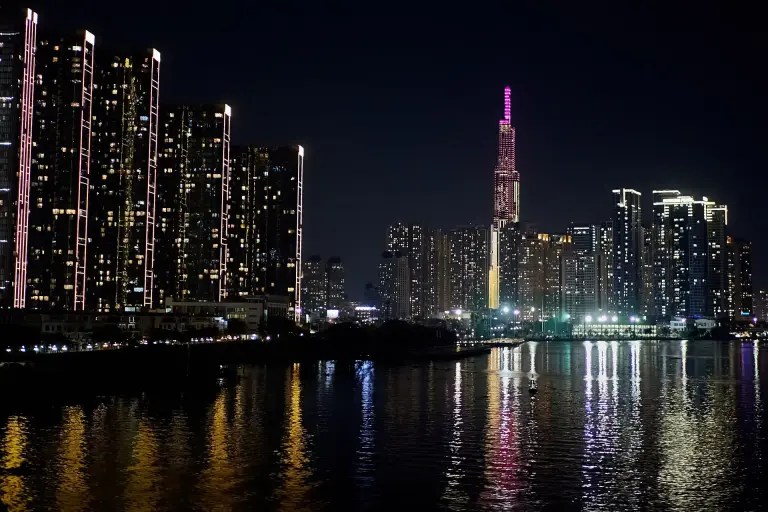
If you are planning things to do in Da Nang, start with the setting: a major port city on Vietnam’s central coast, with a wide sandy beach on one side, the Han River through the middle and green mountains rising to the north. It is one of the country’s largest cities and has grown quickly in recent decades.

Compared with Hanoi or Ho Chi Minh City, it feels spacious and easy. Modern bridges cross the river, the beachfront is lined with cafes and seafood restaurants, and the traffic is calmer than in the big cities.
It also works well as a base. Hoi An’s old town, the imperial city of Hue, the My Son ruins and the coastal Hai Van Pass are all within a day trip, so you can combine culture and beach time without changing hotels. Visit between February and May for the most reliable weather.
Top things to do in Da Nang

My Khe Beach
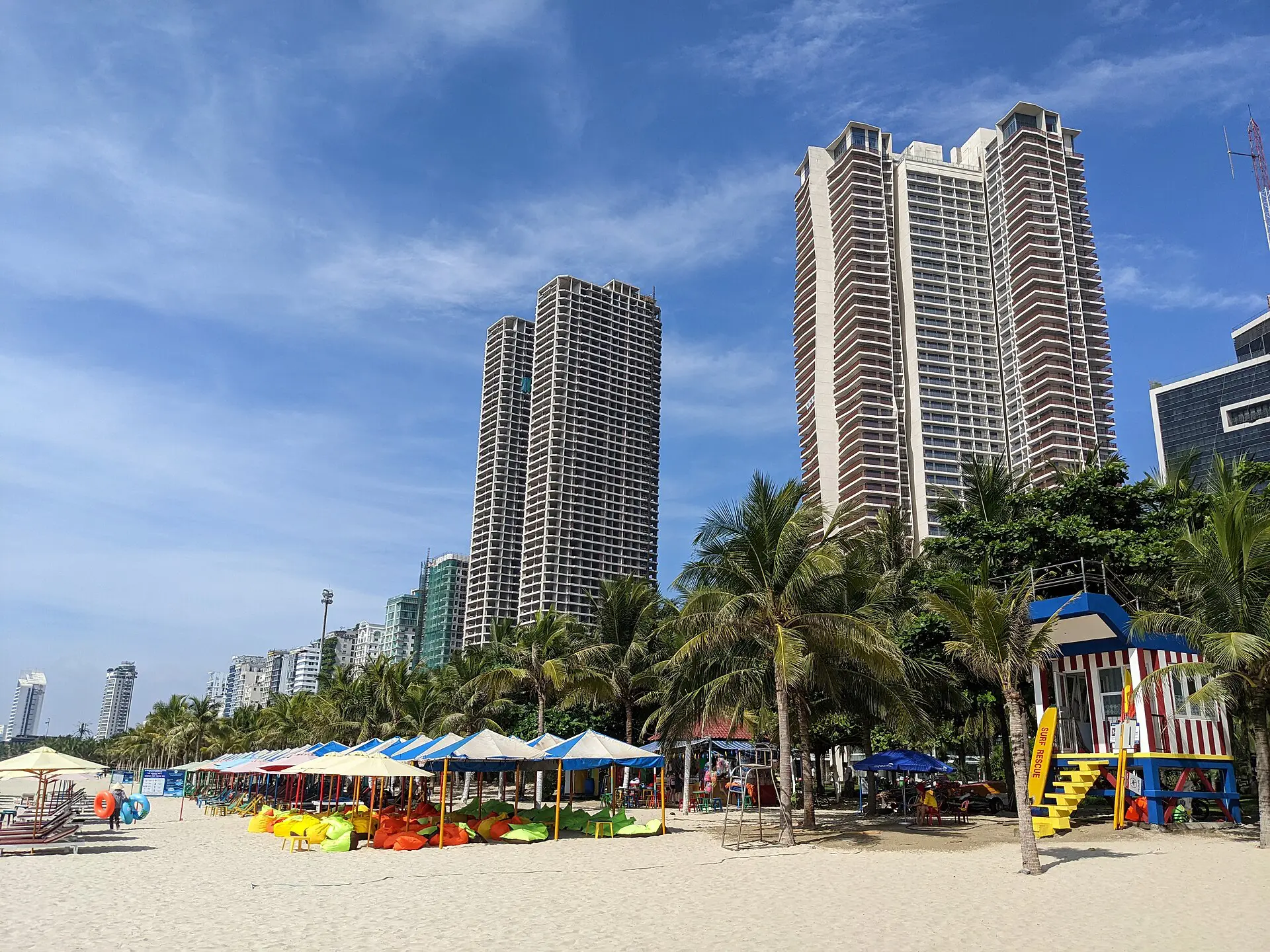
The city’s main beach is a long, wide stretch of sand that is popular for swimming, sunrise walks and seafood meals. Allow half a day. Currents and waves can be strong outside the summer season, so swim only where lifeguards and flags indicate it is safe.
Marble Mountains
Five limestone and marble hills south of the city contain caves, pagodas and viewpoints, and stone carving workshops line the nearby village. Allow two to three hours. Go early to avoid heat and crowds, wear sturdy shoes for stairs, and check current entry fees.
Son Tra Peninsula
This forested peninsula northeast of the city has coastal roads, viewpoints and the Linh Ung pagoda with its large Lady Buddha statue. A half-day by taxi, motorbike or tour works well. Roads can be steep and wet, so avoid motorbikes if you are inexperienced.
Dragon Bridge
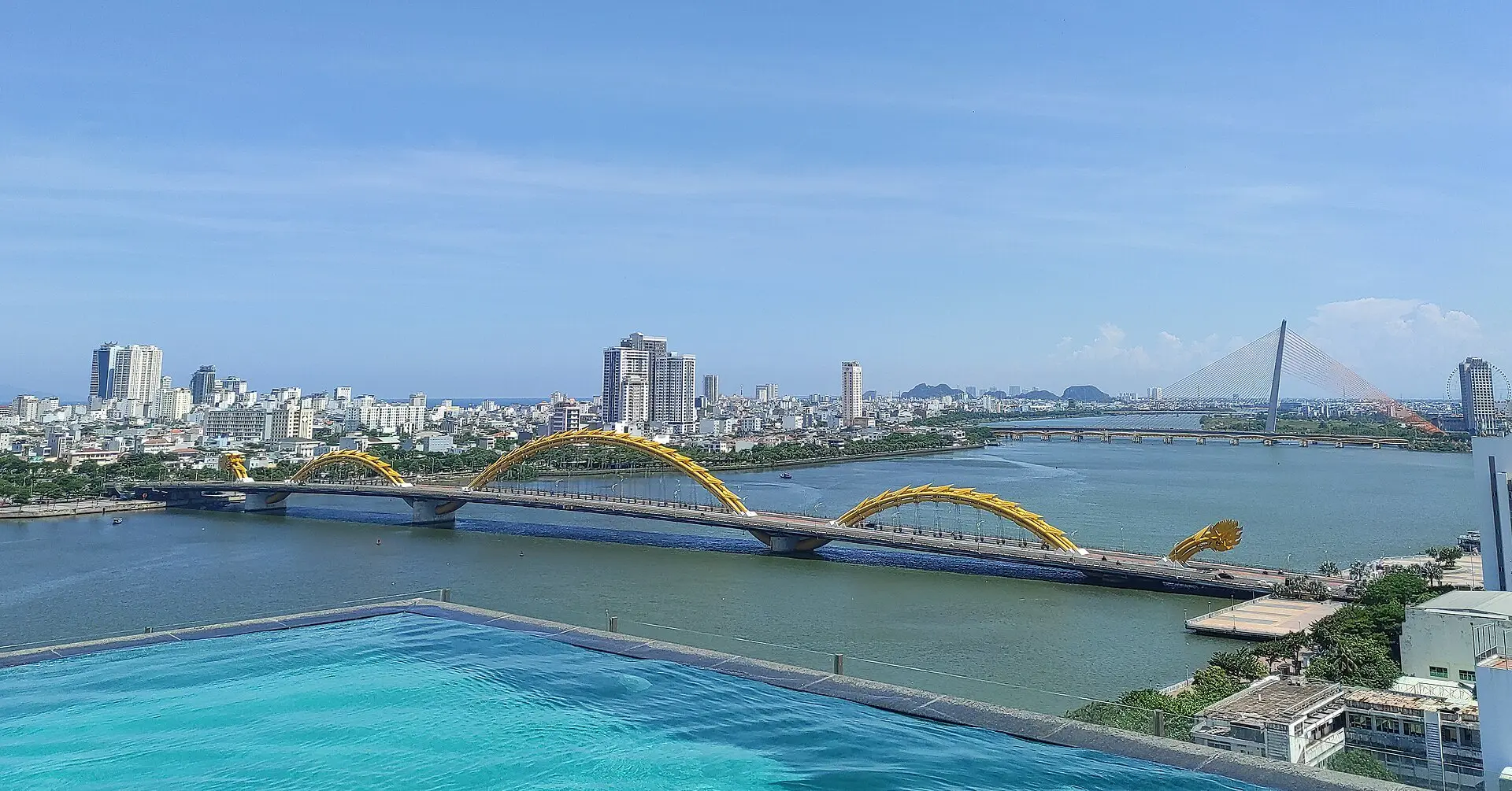
The steel bridge shaped like a dragon crosses the Han River and is a symbol of the modern city. At weekends in the evening it is known for a show in which the dragon breathes fire and water, but schedules change, so check locally. Allow an hour.
Museum of Cham Sculpture
This museum holds a major collection of sculpture from the Cham civilisation, which once ruled much of central Vietnam. It is compact and can be seen in about an hour. It is a good rainy-day option and helps put the My Son ruins in context.
Han Market and street food
The central market is useful for local snacks, fabric and souvenirs, and the city is known for dishes such as mi quang noodles and fresh seafood. Eat where locals do, ask for prices before ordering and bring small notes. Mornings are the best time.
Ba Na Hills
A hill resort reached by a long cable car, with gardens, theme-park style attractions and the Golden Bridge held by giant stone hands. It is crowded and ticketed, so go early on a weekday and allow most of the day.
Best time to visit Da Nang
Da Nang has a tropical climate with a hot, drier period and a wetter season later in the year. The most reliable beach weather is generally from February to May, when it is warm and mostly sunny, with fewer typhoon risks than in the autumn.
| Season | Weather | Crowds and prices |
|---|---|---|
| February to May | Warm, dry, sunny | Moderate, rising towards May |
| June to August | Hot, humid, good beach days | Busy with domestic holidaymakers |
| September to December | Rainy, storm and flood risk | Quieter, lower prices |
Typhoons and heavy rain are most likely in the autumn, which is also when flooding can affect Hoi An. Check forecasts before a late-year trip, and remember that winter mornings can be cool.
How to get to Da Nang and around
Da Nang International Airport is close to the centre, usually around 10 to 20 minutes by taxi. It has domestic flights from Hanoi and Ho Chi Minh City, and regional international routes, which vary by season. The city is also on the main north-south railway and highway.
Trains from Hue are a scenic option, passing along the coast and near the Hai Van Pass, and take roughly two to three hours. Buses connect to Hoi An and other cities, and taxis or ride-hailing apps are the simplest option from the airport.
Within the city, ride-hailing and metered taxis are cheap. Motorbike hire is common but carries real risk if you have little experience. Hoi An is about 30 minutes by road, and day tours often include transport.
Where to stay in Da Nang
Staying along My Khe Beach suits families and beach-focused trips, with hotels, cafes and seafood restaurants in walking distance. Prices are usually higher than in the centre, but you are close to the water and sunrise swims.
The area near the Han River and Dragon Bridge suits short stays and nightlife, and it is convenient for markets and the museum. It is more urban, and rooms often cost less than on the beach.
Son Tra and the quieter outlying beaches suit travellers who want resort stays away from the city. Remember that many travellers also base themselves in Hoi An, about 30 minutes away, for a more historic atmosphere. Book ahead during Vietnamese holidays and summer weekends.
How many days do you need?
Three days covers the main sights and one day trip, while four or five lets you add both Hoi An and Hue without rushing. For a beach-only break, two days is enough.
- Day 1: Morning at My Khe Beach, afternoon at the Museum of Cham Sculpture, then dinner near the Han River and a walk to see the Dragon Bridge.
- Day 2: Marble Mountains early, then the Son Tra Peninsula and the Lady Buddha in the afternoon.
- Day 3: Day trip to Hoi An for the old town, with a late return to Da Nang.
Add a fourth day for Hue or Ba Na Hills.
Day trips and nearby
Hoi An
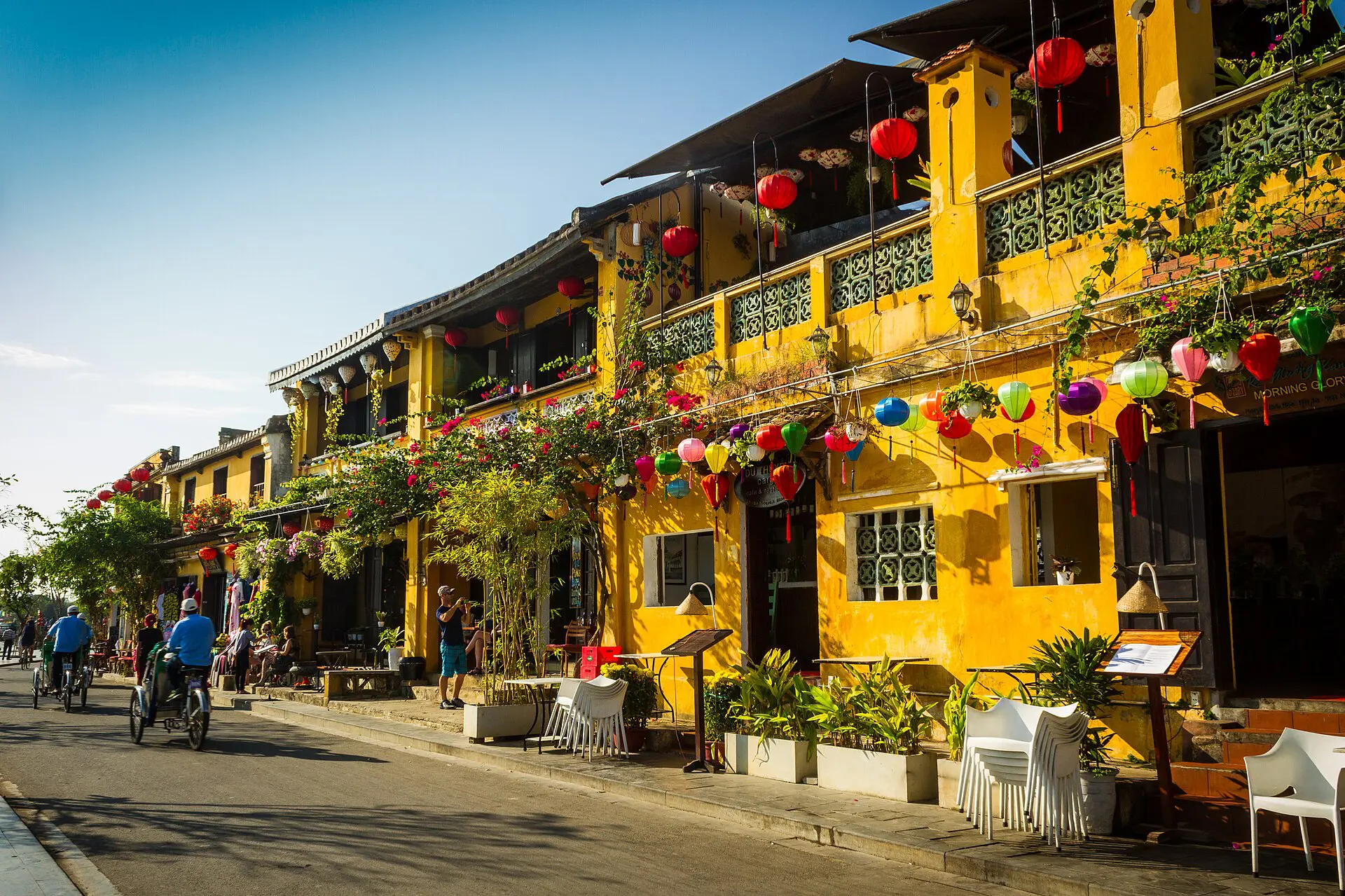
A well-preserved old trading port about 30 minutes south, known for its lantern-lit streets, tailors and riverside restaurants. It is crowded in the evenings, so go late afternoon and stay for dusk, or spend a night.
Hue
The former imperial capital, with its citadel, royal tombs and river views, is roughly three to four hours by road or train. It is a long day trip, but works well as an overnight stop on a north-south journey.
Hai Van Pass
A coastal mountain road between Da Nang and Hue, famous for its views of bays and hills. Many travellers see it by car, motorbike tour or on the train. Go in clear weather, since mist can hide the views.
My Son sanctuary
Ruins of Cham Hindu temples in a jungle valley roughly an hour or two inland. Early morning visits avoid heat and tour groups. Ask a guide to explain the carved brickwork.
FAQ
Q1When is the best time to visit Da Nang?
February to May is generally the most reliable period, with warm, dry and sunny weather. June to August is hotter and busier, while autumn brings heavy rain and typhoon risk. Check forecasts for any late-year trip.
Q2How many days do you need in Da Nang?
Three to four days works well: one or two for the beach and city sights, plus a day trip to Hoi An or Hue. Add another day if you want Ba Na Hills or the Hai Van Pass at a relaxed pace.
Q3How do you get to Da Nang?
Fly to Da Nang International Airport, which has domestic routes and some regional international flights, or arrive by train or bus along Vietnam's main north-south corridor. The airport is a short taxi ride from the city centre.
Q4Is Da Nang expensive?
By international standards it is moderate. Food and local transport are cheap, while beachfront hotels and attractions like Ba Na Hills cost more. Prices rise during national holidays and summer weekends, so book ahead for those periods.
Prices, schedules and entry rules change. Check current details with official sources before you travel. Read the Vietnam travel guide.