Why visit Hanoi
If you are searching for things to do in Hanoi, start with the city’s age. It has been a capital for more than a thousand years, and its mix of Chinese influence and French colonial heritage still shows in its streets, temples and buildings. The Imperial Citadel of Thang Long, Hoan Kiem Lake and the Ho Chi Minh Mausoleum are among its best-known sites.
The city’s population is around 8.7 million as of 2026, so Hanoi is large, but the old centre is compact and made for walking. It is a blend of East and West and a rising star in Southeast Asia, and the pace of change is quick.
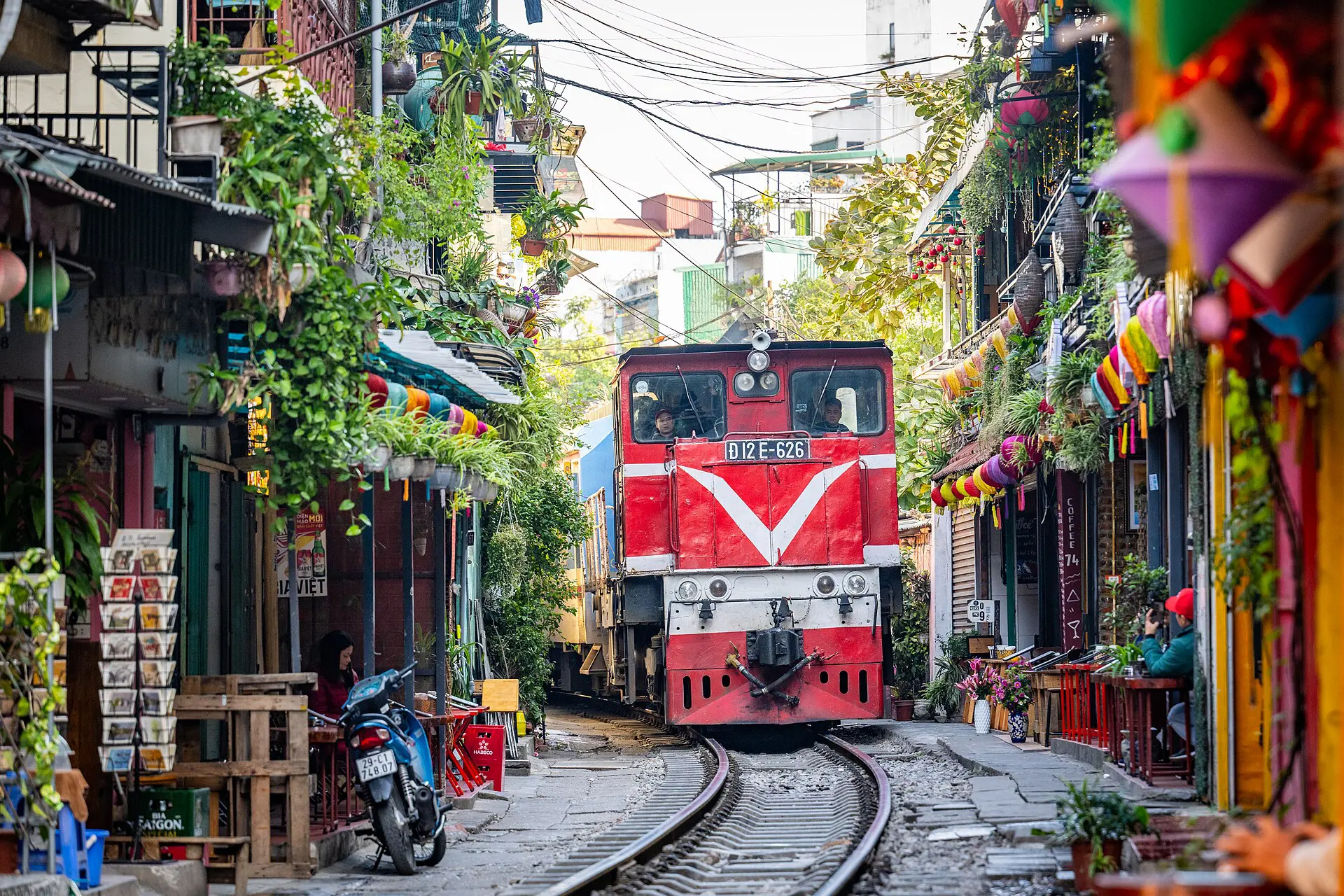
Expect crowded streets, motorbike traffic, strong flavours and a lot of life on the pavement. If you accept the noise and take time for slow walks, cafes and meals, Hanoi is one of Southeast Asia’s most rewarding cities.
Top things to do in Hanoi
Old Quarter
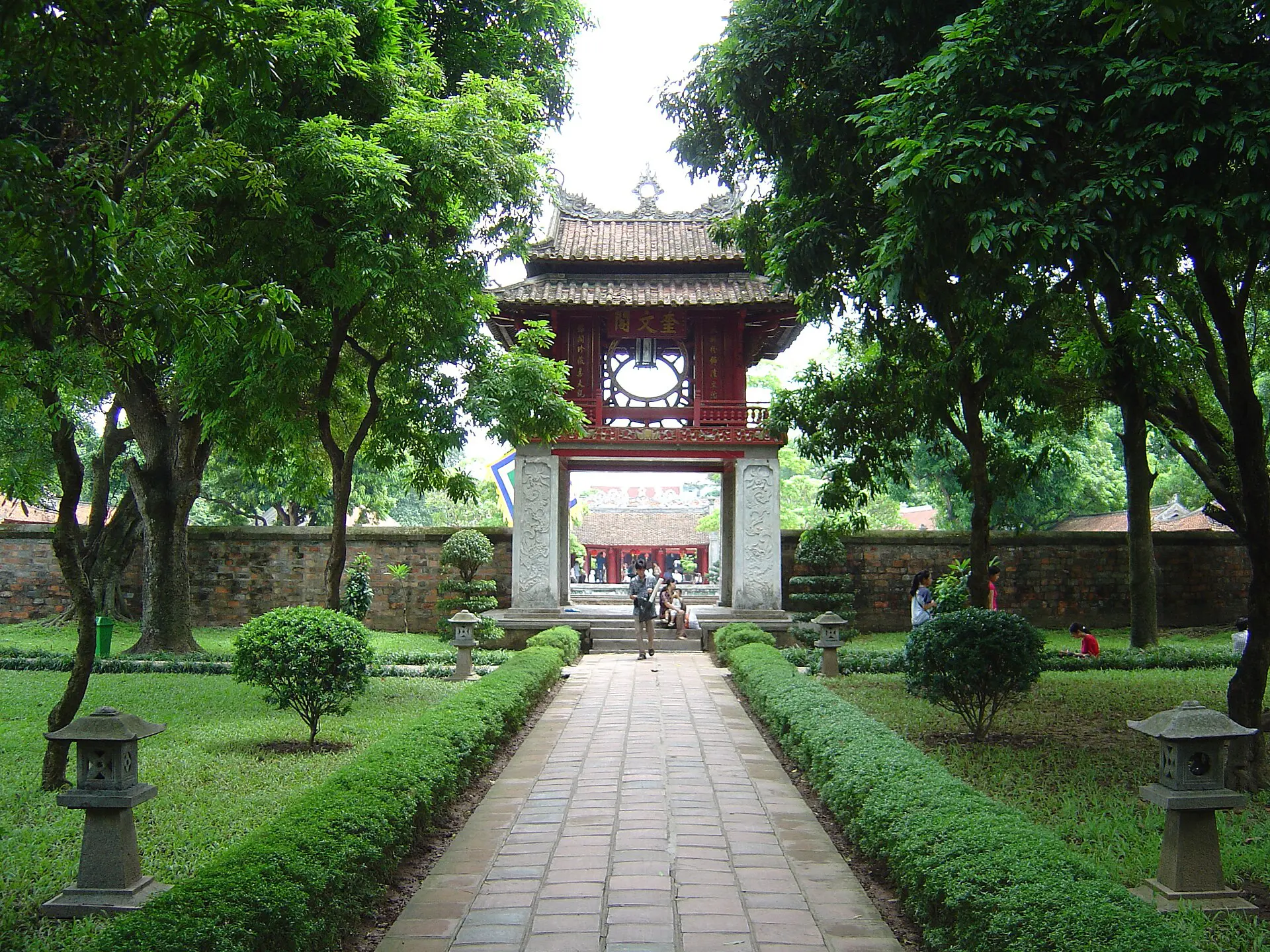
This maze of narrow streets was historically organised by trade, and today it holds shops, street food stalls, cafes and small temples. Allow half a day. Tip: crossing the street is part of the experience, so walk at a steady pace, let motorbikes steer around you, and watch your phone and bag.
Hoan Kiem Lake and Ngoc Son Temple
The lake sits at the centre of the city, and legends about it are linked to the 15th-century hero Le Loi. A small temple is reached by a red bridge. Allow one to two hours. Tip: go early in the morning to see locals exercising, and check temple opening hours and dress expectations.
Temple of Literature
This complex of courtyards and gates is associated with Vietnam’s first national university and Confucian scholarship. Allow about an hour. Tip: visit in the morning to avoid crowds, and check current opening hours and the entry fee.
Imperial Citadel of Thang Long
This archaeological site, recognised as a UNESCO site, preserves remains from the capital founded in 1010. Allow one to two hours. Tip: wear comfortable shoes and bring water, since there is little shade, and check what is open.
Ho Chi Minh Complex
The mausoleum and surrounding grounds are central to Vietnam’s modern history, and visitors queue to enter under strict dress and conduct rules. Allow half a day. Tip: check the current opening schedule, since the mausoleum has closed periods, and dress modestly.
Hanoi street food and cafes
Local dishes such as pho and bun cha are part of the city’s identity, and Hanoi is known for its coffee culture. Allow a few hours across the day. Tip: choose busy stalls with high turnover, and carry small notes for payment.
West Lake and Tran Quoc Pagoda
West Lake is the city’s largest lake and is lined with cafes, and the pagoda on a small peninsula is among the oldest in the city. Allow two hours. Tip: cycle or take a taxi to reach it, and go in late afternoon for softer light.
Best time to visit Hanoi
Hanoi has four distinct seasons, with a hot, wet summer and a cool, sometimes damp winter. Autumn and spring are the most comfortable seasons for walking, while the height of summer can be very humid.
| Season | Weather | Crowds and prices |
|---|---|---|
| Spring (February to April) | Cool to warm, some drizzle | Busy around the Tet holiday, then moderate |
| Summer (May to August) | Hot, humid, heavy rain | Fewer foreign visitors, lower prices |
| Autumn (September to November) | Mild, clearer skies | Popular, good weather |
| Winter (December to January) | Cool, grey, damp | Moderate, can be cold in hotels |
Tet, the lunar new year, usually falls in late January or February. Many shops close and transport is busy, so check dates and book ahead.
How to get to Hanoi and around
Most international visitors arrive at Noi Bai International Airport, roughly 30 km north of the city. Buses, taxis and ride-hailing apps run into the centre, and the trip typically takes 45 minutes or more depending on traffic. Check current fares, and confirm the taxi uses a meter or an agreed price. Trains and buses link Hanoi with other Vietnamese cities, including Hue and Da Nang, and sleeper trains are a popular option for long journeys.

In the city, the Old Quarter and lake area are best covered on foot. For longer distances, ride-hailing apps and taxis are inexpensive and widely used, and a growing metro network and buses are also available. Motorbike taxis are common but carry risk, so wear a helmet. Cyclos are available but tourist-oriented, so agree on the price and route before you start.
Where to stay in Hanoi
The Old Quarter is the most popular base, with hostels, small hotels and guesthouses within walking distance of food and sights. It is also loud and busy, particularly at night, so ask for a room away from the street. The streets just south of Hoan Kiem Lake, often called the French Quarter, are quieter and more orderly, with larger hotels and wider pavements.
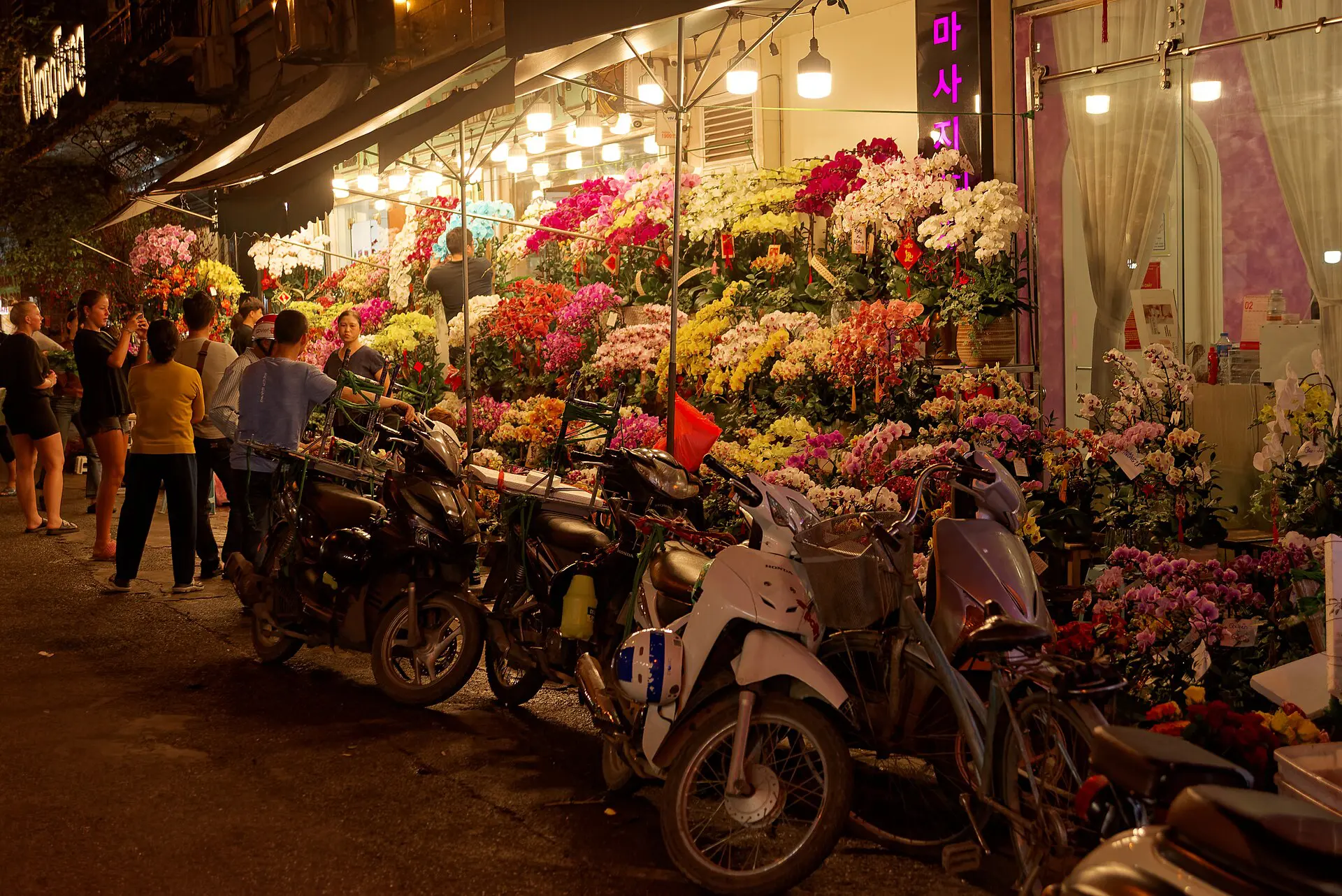
Tay Ho, the area around West Lake, is a calmer residential district with cafes and a large expatriate community, and it suits longer stays or travellers who want a break from the crowds. Hanoi prices are lower than in many Asian capitals, but check recent reviews for noise, air quality and the accuracy of room descriptions, and book early for Tet.
How many days do you need?
Three days is enough to see the main sights and eat well. Two days work if you are focusing on the Old Quarter and the lake. If you want to visit Ha Long Bay or Ninh Binh, add at least two more days, since the trips take time.
- Day 1: Old Quarter, Hoan Kiem Lake and Ngoc Son Temple, then street food in the evening.
- Day 2: Temple of Literature, the Imperial Citadel and the Ho Chi Minh complex if open.
- Day 3: West Lake and Tran Quoc Pagoda, then a cafe stop and a final walk.
Day trips and nearby
Ninh Binh
Known for its limestone karst scenery, rivers and temples, Ninh Binh lies about two hours south of Hanoi by road or train. It works as a long day trip but is better with an overnight stay. Tip: check boat tour details and current prices.
Ha Long Bay
The bay is famous for limestone islands rising from the sea and is reached by road in roughly three hours or more. Many travellers take an overnight cruise. Tip: choose an operator with good safety reviews, and check weather forecasts.
Sapa
This mountain town in the north is known for terraced rice fields and hiking and is reached by road or sleeper train. It needs at least two nights. Tip: check seasonal conditions and book ahead for peak periods.
Hue
The former imperial capital lies in central Vietnam and holds a citadel and royal tombs. It is a flight or long train ride from Hanoi, so treat it as a stop on a longer route rather than a day trip.
FAQ
Q1When is the best time to visit Hanoi?
October to April is generally the most comfortable, with milder temperatures and less rain, although winter can be damp and grey. Summer is hot, humid and wet but cheaper. Tet, usually in late January or February, is busy and many places close, so check dates.
Q2How many days do you need in Hanoi?
Three days cover the Old Quarter, the lake, the main historic sites and plenty of food. Add two days if you want to visit Ninh Binh or Ha Long Bay. With only two days, focus on the Old Quarter and one or two major attractions.
Q3How do you get to Hanoi?
Most visitors fly into Noi Bai International Airport, about 30 km north of the centre, and take a bus, taxi or ride-hailing car. Trains and buses link Hanoi with other Vietnamese cities. Check current fares, travel times and visa rules before booking.
Q4Is Hanoi safe and cheap?
Hanoi is generally safe for visitors, though petty theft, traffic and scams can be an issue, so keep valuables close and be cautious crossing streets. Prices are usually low by international standards, but check current costs and agree on fares before you start a taxi ride.
Prices, schedules and entry rules change. Check current details with official sources before you travel. Read the Vietnam travel guide.