Why visit San Jose
If you are looking at things to do in San Jose, Costa Rica, plan it as a compact city stop rather than a long stay. San Jose is the capital and largest city, set in the Central Valley at roughly 1,100 metres above sea level, which gives it a mild climate that is cooler than the coasts.
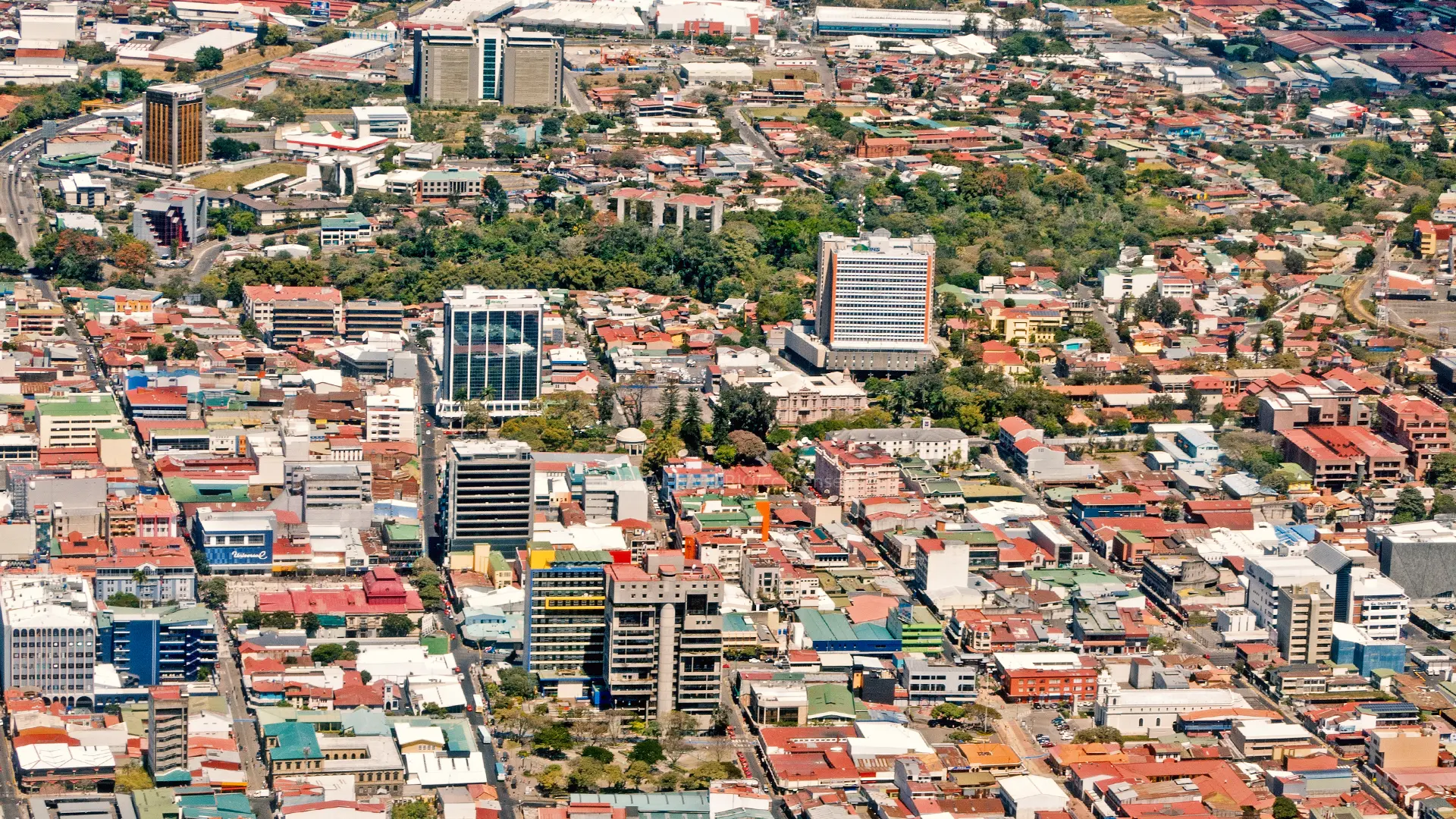
The centre has the National Theatre, a number of museums covering gold, jade and national history, plus busy markets and cafes. It is not a postcard city. Traffic, noise and some tatty streets are part of the picture, and many visitors treat it as a gateway to the rest of the country.
What makes it useful is access. Volcanoes, coffee farms and highland towns are within easy reach, and most long-distance routes pass through the capital. A day or two is usually enough to see the highlights, and with some planning you can combine city sightseeing with a coffee tour or a visit to a nearby volcano. Like any large Latin American city, it rewards sensible precautions, especially after dark.
Top things to do in San Jose
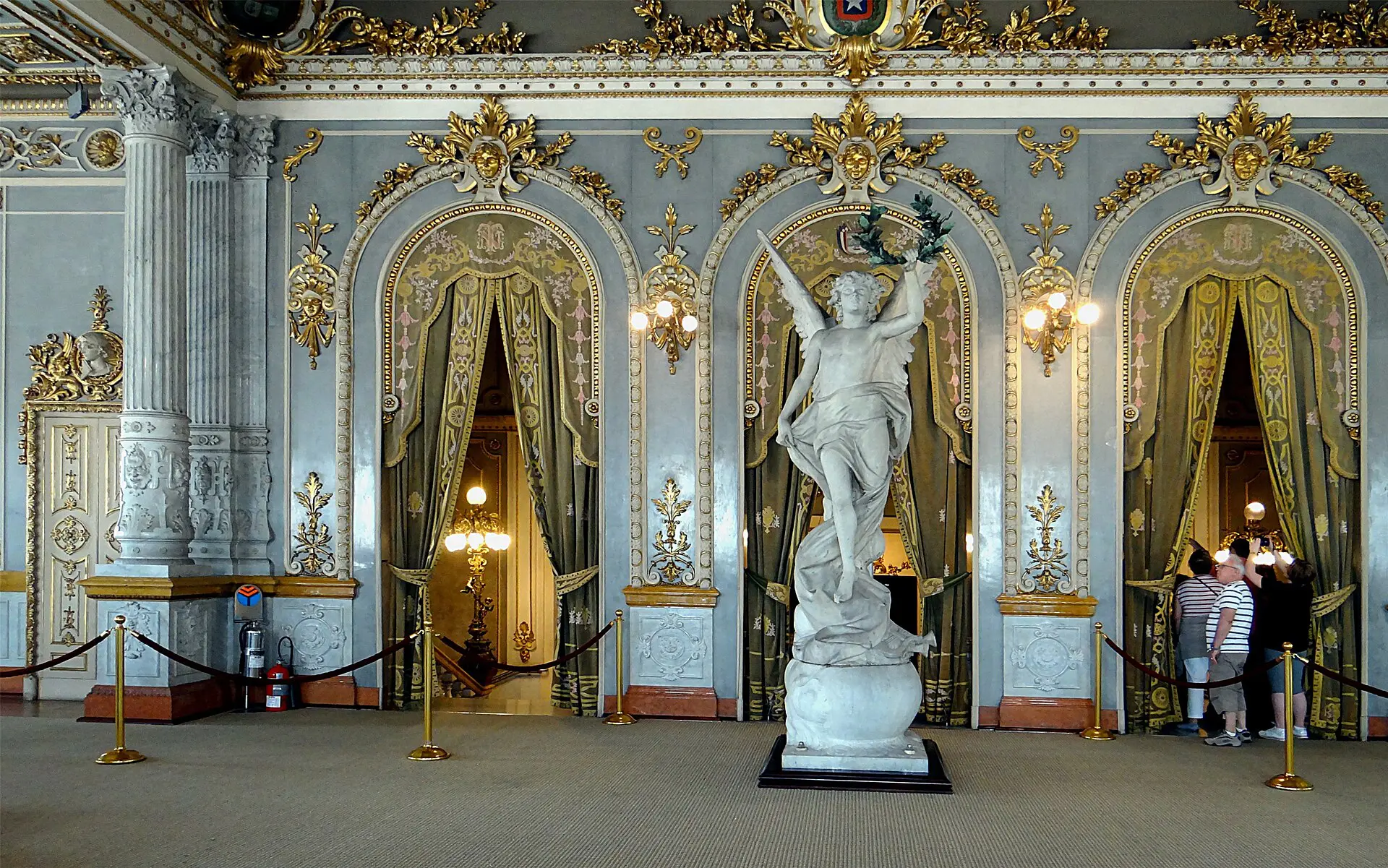
National Theatre
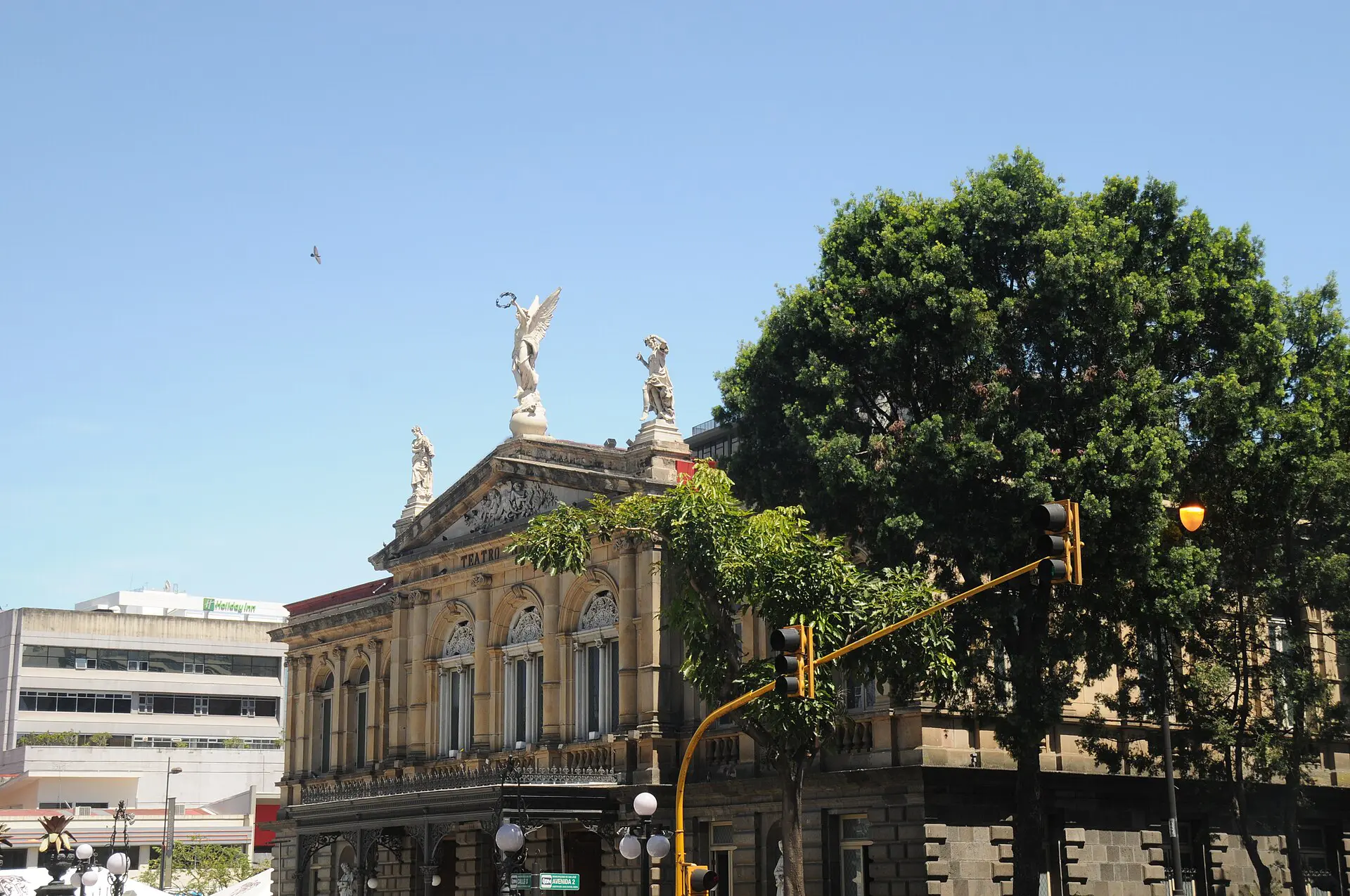
The National Theatre is the city’s most admired building, a neoclassical hall with an ornate interior. You can visit on a guided tour or by attending a performance, and there is a cafe on site. Allow about one hour, and check tour times and ticket availability before you go.
Gold Museum and Jade Museum
The Pre-Columbian Gold Museum and the Jade Museum hold collections that explain the region’s indigenous cultures and craftsmanship. The Jade Museum is in a modern building and is often rated highly. Allow around one to two hours each, and check opening days, as museums often close on certain weekdays.
Central Market
The Mercado Central is a maze of stalls selling food, coffee, flowers and crafts. It is a good place for a cheap lunch of local dishes. Visit in the morning, keep valuables secure and take small bills. Allow about an hour.
Plaza de la Cultura and the pedestrian streets
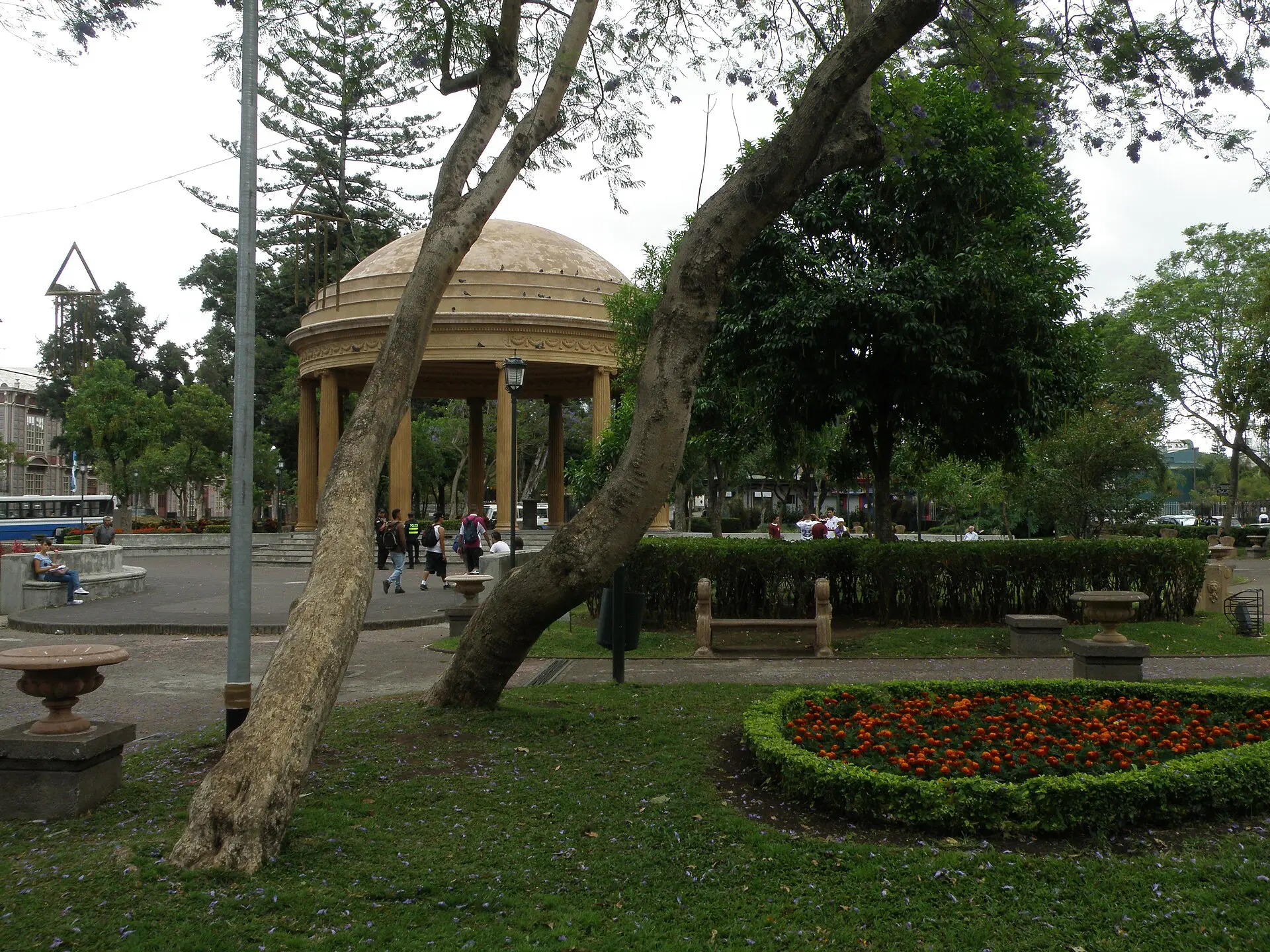
The plaza is a lively open space near the National Theatre, with street performers and people-watching, and pedestrian avenues lead off it. It is a good starting point for a self-guided walk through the centre. Stay alert for pickpockets and keep phones out of sight.
Coffee tours
The surrounding Central Valley has coffee farms that offer tours explaining how beans are grown, processed and roasted. Tours usually take half a day, including transport, and often end with a tasting. Check whether a tour includes pickup and the harvest calendar if you want to see picking.
Parks and green spaces
La Sabana Metropolitan Park, west of the centre, is the city’s largest park, with walking paths, sports facilities and an art museum on its edge. It suits a relaxed morning stroll or a break from the traffic. Go in daylight and avoid wandering alone after dark.
Nearby volcano visits
Volcano national parks near the capital, such as Poas, can be visited on a half-day or full-day trip. Access and viewing conditions depend on volcanic activity and weather, so check the park status before booking. Go early, as clouds often cover the crater by midday.
Best time to visit San Jose
The capital has a mild highland climate, with two main seasons, a drier one and a wetter one.
| Season | Weather | Crowds and prices |
|---|---|---|
| Dry (Dec-Apr) | Sunny, mild days, cool nights | Peak crowds and prices |
| Early wet (May-Jul) | Mornings clear, afternoon showers | Moderate, good value |
| Wet (Aug-Nov) | Frequent, heavy rain, especially Sep-Oct | Lowest prices, fewer visitors |
December to April is the most reliable window and is also the busiest for the whole country. The green season has lower prices and lush scenery, but afternoon rain is common, so plan outdoor activities for the morning and keep a light waterproof with you.
How to get to San Jose and around
Most international visitors arrive at Juan Santamaria International Airport (SJO), in Alajuela, roughly 20 to 30 minutes from the centre depending on traffic. Taxis, ride-hailing apps and hotel shuttles serve the city. Check current prices and use licensed taxis, usually marked by their colour and meter.
San Jose is also the hub of the national bus network. Long-distance buses leave from several terminals around the centre to the Pacific coast, the Caribbean and the northern volcano region, and tickets are cheap. Check the right terminal for your destination before you travel, as they are not in one place.
In the city, walking works for the centre by day. For longer trips, ride-hailing apps and taxis are practical. Traffic can be heavy at rush hour, and there is little rail transport. If you plan to drive, think carefully about parking and road conditions outside the city.
Where to stay in San Jose
Most visitors only stay one or two nights, so choose a base that makes arrivals, departures and sightseeing easy.
- Barrio Amon and Barrio Otoya are historic neighbourhoods north of the centre, with older mansions turned into guesthouses and boutique hotels. They suit travellers who want character and quieter streets.
- Downtown is closest to the theatre, museums and markets, and it suits budget travellers, though it can be noisy and rougher at night.
- Escazu and Santa Ana are suburbs to the west with modern hotels, malls and restaurants, and they suit those who prefer comfort and a calmer setting.
- Near the airport in Alajuela is practical for early flights or late arrivals.
Ask your hotel to arrange taxis at night.
How many days do you need?
One full day covers the main sights, and two days allows a coffee or volcano excursion. Most travellers do not need more, because the best nature is outside the capital. If you arrive late or leave early, a single night near the airport may be enough.
- Day 1: Morning at the Gold Museum or Jade Museum, lunch at the Central Market, then the National Theatre and Plaza de la Cultura in the afternoon.
- Day 2: A half-day coffee tour or volcano trip, returning to town by late afternoon.
- Day 3 (optional): Head onwards by bus or shuttle to the coast or cloud forest.
Leave enough time for traffic when planning flights.
Day trips and nearby
Poas Volcano
Poas is an active volcano with a large crater, about one to two hours from San Jose by road. Entry rules, including time slots, can change, and the crater is sometimes closed because of gas. Check the park status and go early for clear views.
Cartago
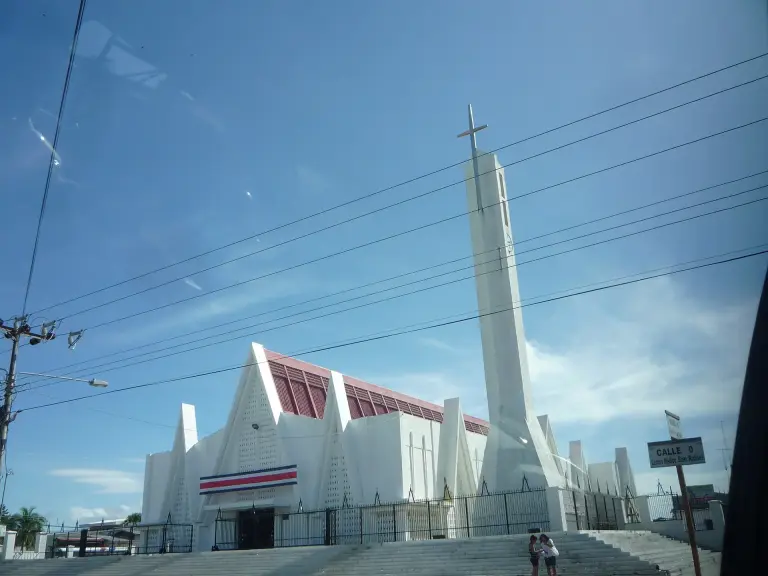
Cartago is a former capital to the east, known for its basilica, a major pilgrimage site, and ruins of an old church. It is about 30 to 45 minutes by bus or car. It makes an easy half-day trip, and can be combined with the Irazu volcano.
Arenal Volcano
Arenal lies in the north and is known for its symmetrical cone and hot springs. It is a long day trip, usually three to four hours each way, so most travellers stay overnight. Shuttle buses and tours run from the capital.
Manuel Antonio National Park
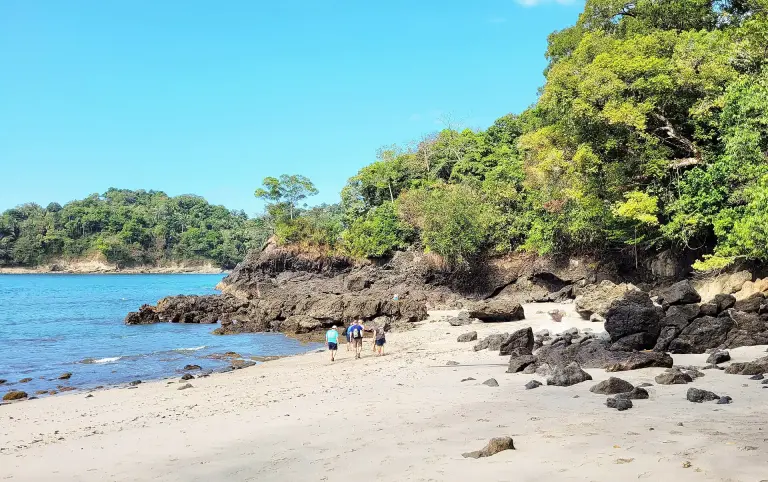
This Pacific coast park combines beaches and rainforest, with a good chance of seeing monkeys and sloths. It is around three hours by road, so an overnight stay is better than a day trip. Entry is limited, so book ahead in high season.
FAQ
Q1When is the best time to visit San Jose, Costa Rica?
December to April is the driest and most reliable period, with sunny days and mild temperatures, but it is also the busiest and most expensive time nationwide. The green season, from May to November, brings afternoon rain, lower prices and fewer crowds. Plan outings for mornings.
Q2How many days do you need in San Jose?
One full day covers the main sights, including the National Theatre, a museum and the market. Two days allow a coffee tour or a half-day volcano trip. Most travellers use San Jose as a transport hub and move on to beaches or cloud forests within one or two nights.
Q3How do you get from the airport to San Jose?
Juan Santamaria International Airport is in Alajuela, roughly 20 to 30 minutes from the centre depending on traffic. Taxis, ride-hailing apps and hotel shuttles are the usual options. Use licensed taxis, and check current prices and any airport transfer your hotel offers.
Q4Is San Jose safe for tourists?
Many visitors have trouble-free stays, but petty theft is common in the centre. Keep valuables out of sight, avoid walking alone at night, use taxis after dark and stay in well-regarded neighbourhoods. Check current travel advice from your government before you go.
Prices, schedules and entry rules change. Check current details with official sources before you travel. Read the Costa Rica travel guide.