Why visit Jaco
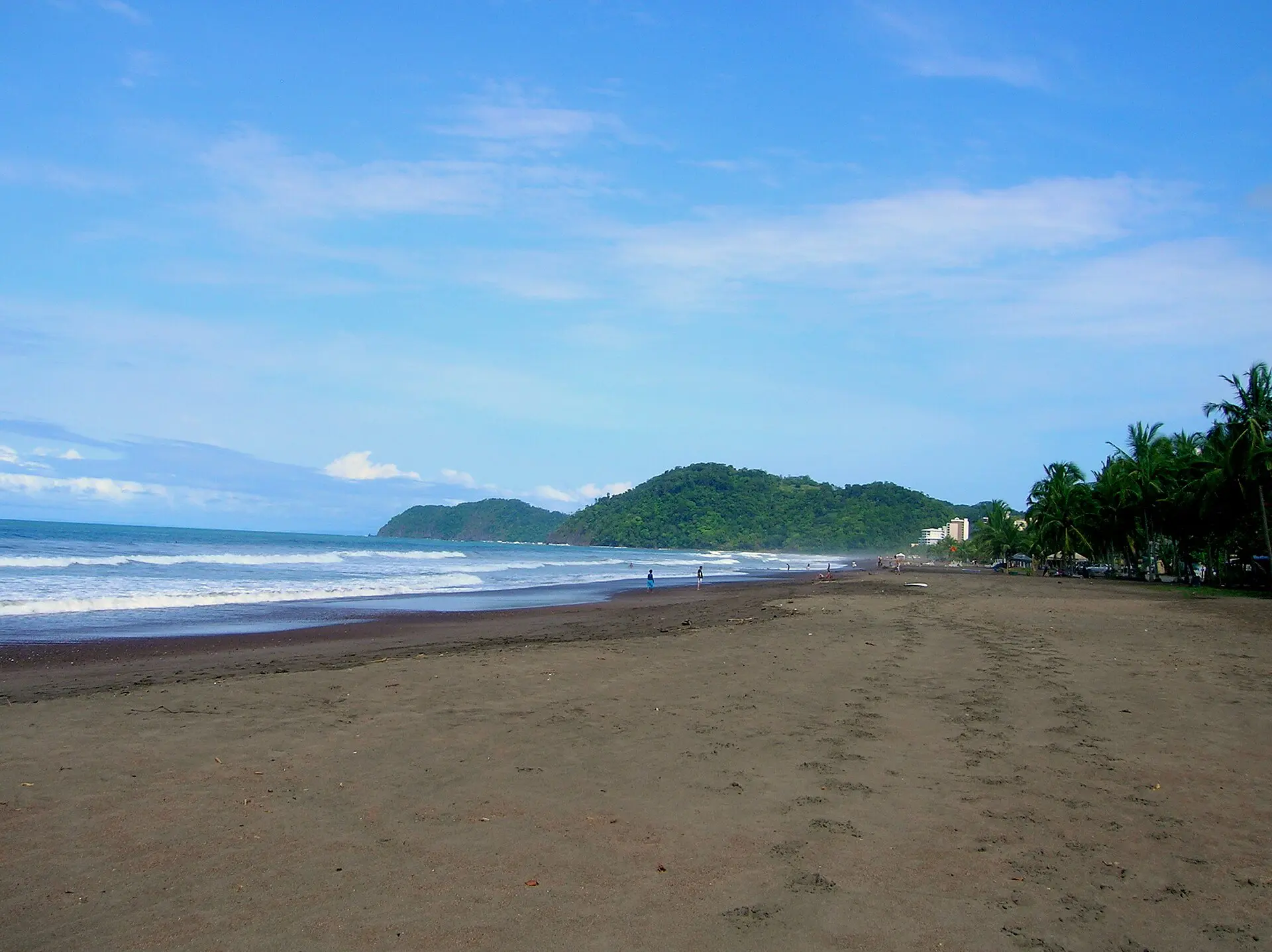
If you are looking for things to do in Jaco, Costa Rica, begin with the beach. The town has a black sand beach about four kilometres long that is popular with surfers, and it is one of the two largest tourist towns on the Central Pacific coast.
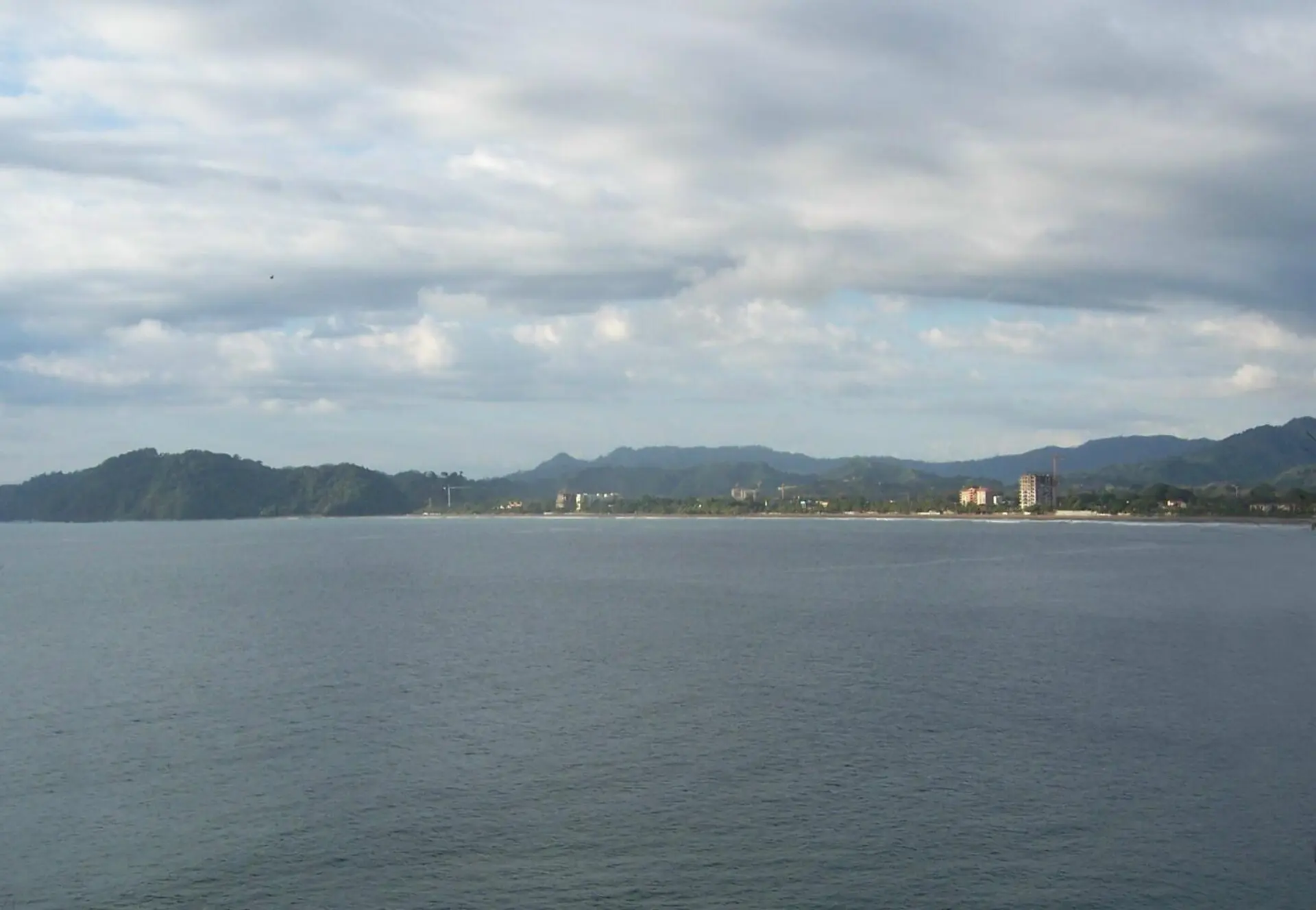
Jaco is easy to reach. It lies roughly 100 kilometres from San Jose, around an hour and a half from the main international airport, so it works as a first or last stop on a trip. The town has a lively strip of surf shops, bars and restaurants, and it is more developed than many Costa Rican beach villages.
The setting adds variety. Hills and rainforest lie behind the town, Carara National Park is about 35 kilometres north, and Manuel Antonio National Park is around 75 kilometres south. That mix of beach, wildlife and nightlife explains why Jaco suits short stays.
Top things to do in Jaco
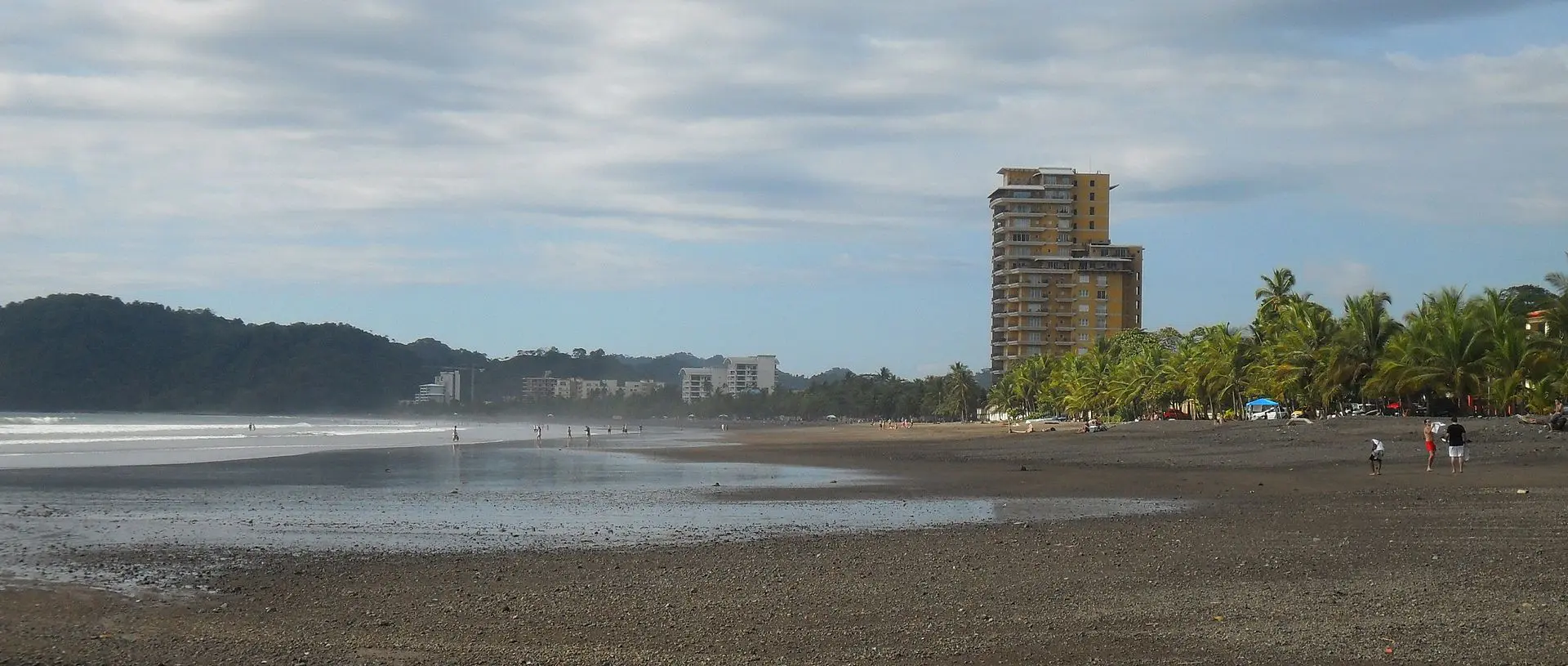
Jaco Beach
The main beach is a wide stretch of dark sand, good for walking and watching surfers. Allow a morning or sunset. Swim only where the waves are manageable, and heed lifeguard flags and rip current warnings, as conditions change quickly.
Surf lessons
Local surf shops rent boards and sign up beginners for lessons, and the town’s steady waves make it a common place to learn. Allow two to three hours for a lesson. Choose a school that provides a board, safety briefing and small groups.
Carara National Park
About 35 kilometres north, Carara protects dense forest and is known for one of the largest populations of scarlet macaws in the country. Allow half a day, ideally with a guide. Go early for animal activity and bring repellent and water.
Tarcoles River crocodile bridge
On the way from the airport, a bridge over the Tarcoles River is a well-known place to see wild crocodiles from above. Stop for 15 to 30 minutes. Do not feed the animals, which is illegal, and watch your belongings while parked.
Playa Hermosa
This beach just south of Jaco is a stronger surf spot with more powerful waves, and it is quieter than the town. Allow a few hours. Beginners should stay out of the heavy surf, and everyone should check conditions with locals first.
Waterfall and rainforest hikes
Short trails in the hills behind Jaco lead to waterfalls and viewpoints, usually reached with a guide or a tour. Allow half a day. Wear shoes with grip, carry water and check conditions after heavy rain, when trails can be slippery.
Nightlife and dining
Jaco is known for bars, restaurants and live music along its main strip. Allow an evening. Stay aware of your belongings, use licensed taxis late at night and check prices before ordering, as tourist areas can be pricey.
Best time to visit Jaco
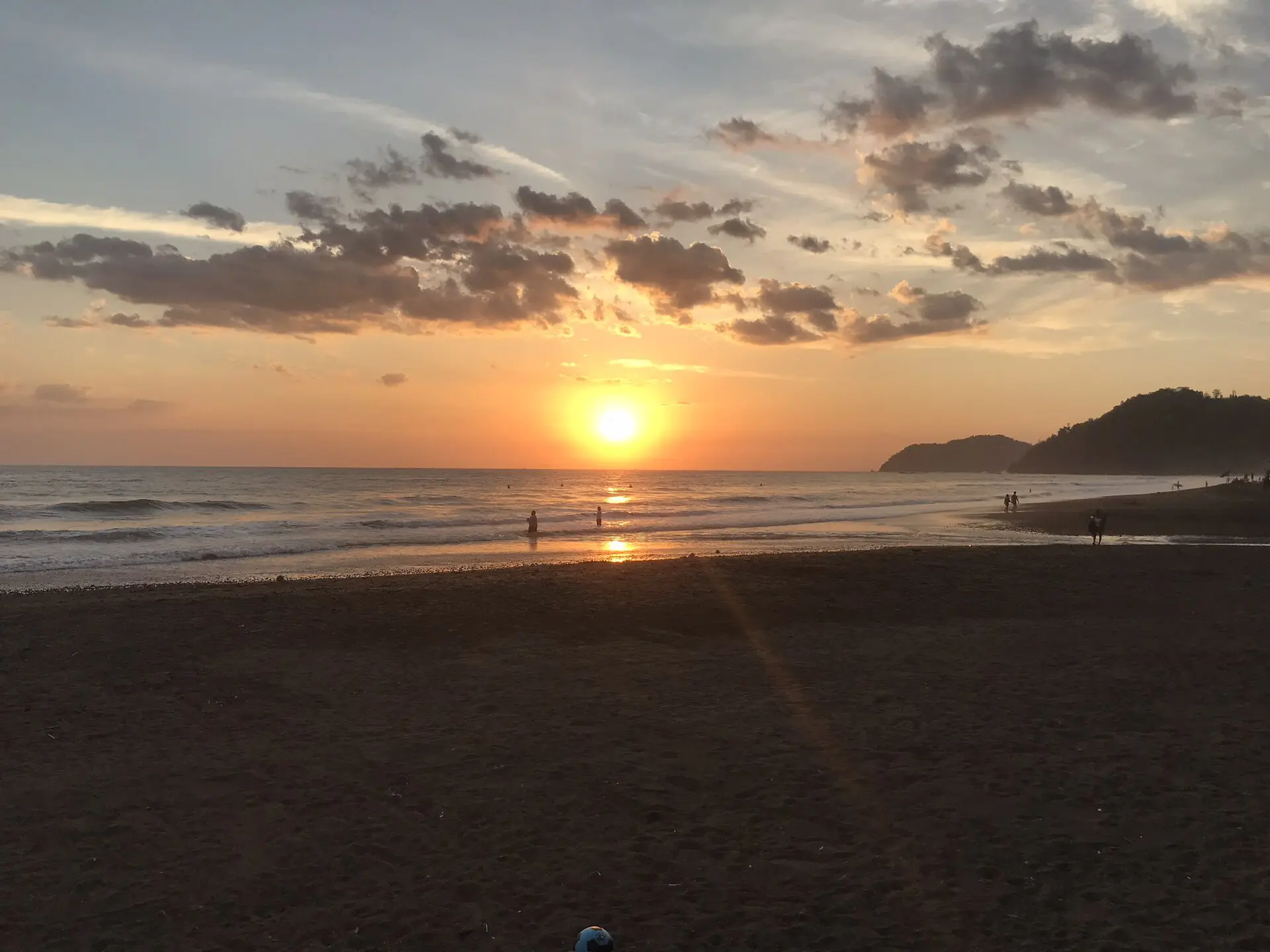
Jaco has a tropical climate with a distinct dry and green season. The dry season, from roughly December to April, brings sunshine and calm days, which makes it the most popular and expensive period. The green season, from about May to November, brings afternoon rain and lush scenery, with lower prices and fewer visitors. September and October are usually the wettest months, and heavy rain can disrupt roads and activities. Surf is generally larger in the wetter months.
| Season | Weather | Crowds and prices |
|---|---|---|
| Dry (December-April) | Hot, sunny, little rain | Busiest, highest prices |
| Early green (May-August) | Hot, afternoon showers | Moderate, lower prices |
| Late green (September-November) | Heaviest rain | Quietest, cheapest |
How to get to Jaco and around
Jaco is about 130 kilometres from Juan Santamaria International Airport, the nearest major airport. By road along the Autopista del Sol it is roughly an 80-minute drive in good conditions, and traffic can lengthen that. Private transfers and shared shuttles are the most convenient option from the airport, though more expensive than public transport.
Public buses run from San Jose’s Coca Cola terminal to Jaco, with fares of about US$7 and a journey of around two and a half hours; check operators and timetables before you go. In town, the main areas are walkable, and taxis, scooters and bike rentals fill the gaps. A rental car helps if you want to reach nearby parks and beaches, and ride-hailing may be available.
Where to stay in Jaco
Jaco is compact, and your choice of area depends on how much you want to be near the bars and restaurants.
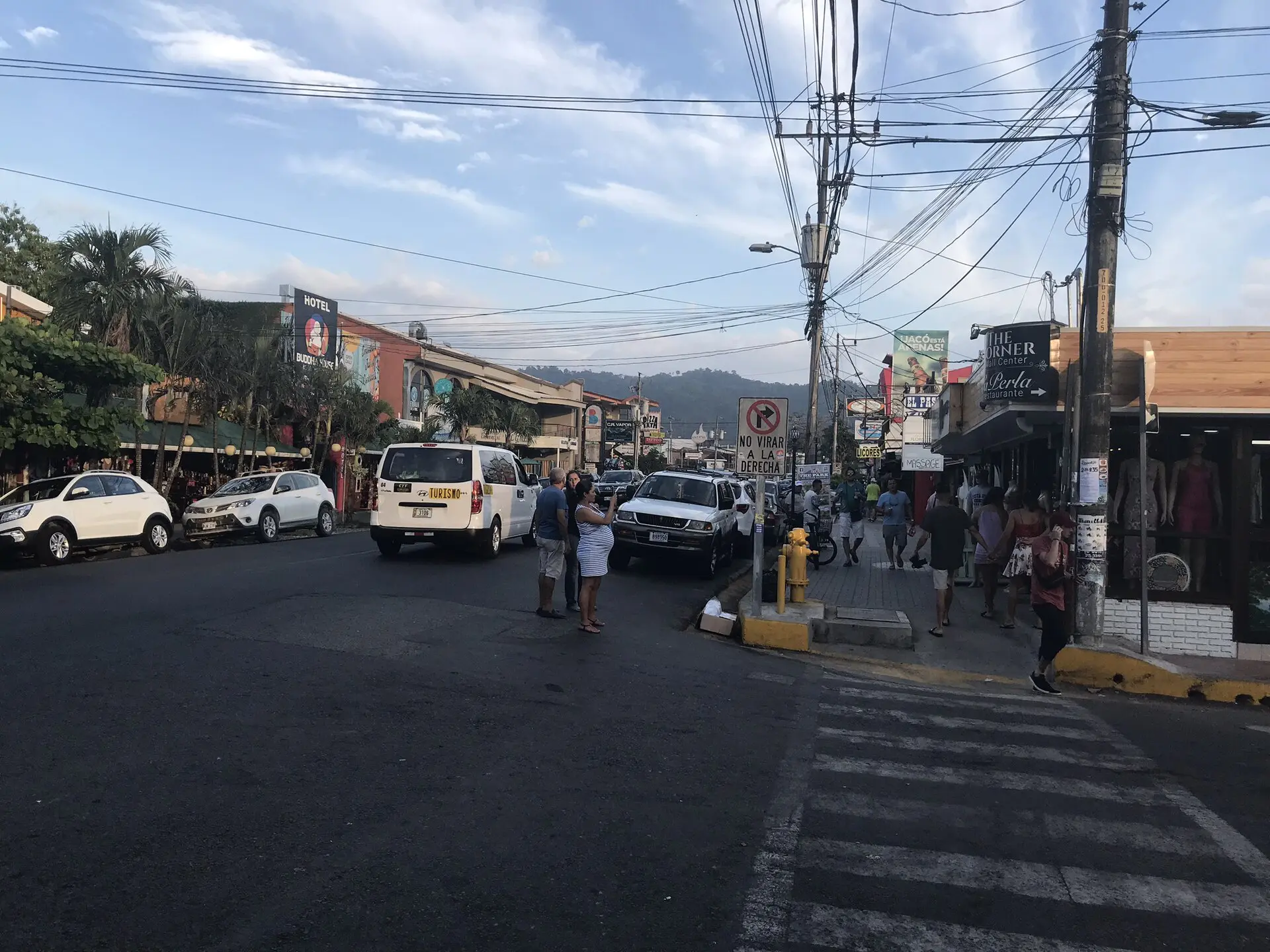
- Beachfront and central Jaco: close to the main strip, restaurants and surf shops. Suits first-timers and groups, though it can be noisy at night.
- Quieter streets inland and north: small hotels and apartments a few blocks back. Suits couples and families who still want the beach on foot.
- Playa Hermosa: a calmer setting with surf lodges and villas. Suits experienced surfers and those with a car.
- Hillside villas and apartments: views and pools, usually a short drive from town. Suits longer stays and groups.
Check air conditioning, parking and security features, and book early for December to April.
How many days do you need?
Two days gives you beach time, a surf lesson and an evening out. Three to four days lets you add a wildlife trip to Carara or a waterfall hike. A week is more than most visitors need, unless you combine Jaco with other stops along the coast.
- Day 1: Surf lesson in the morning, rest at the beach and dinner on the main strip.
- Day 2: Morning visit to Carara National Park, then a stop at the Tarcoles River bridge on the way back.
- Day 3: Waterfall hike or a day trip south to Manuel Antonio National Park.
Day trips and nearby
Manuel Antonio National Park
About 75 kilometres south, this coastal park combines forest trails, wildlife and beaches. Allow a full day, and expect crowds. Go early, book entry if required and check current rules for tickets and closing days.
Carara National Park
Carara lies around 35 kilometres north and is easy to combine with the drive from San Jose. Allow half a day with a guide for the best chance of spotting scarlet macaws and other wildlife.
San Jose
The capital is about two hours away and works as a stop before or after your stay. It has museums, markets and restaurants, and most visitors use it as a base for flights rather than a long visit.
Monteverde
The cloud forest region is a long drive, usually a full day each way with stops. It suits an overnight stay rather than a day trip, with hanging bridges and wildlife tours. Check road conditions in the rainy season.
FAQ
Q1When is the best time to visit Jaco?
December to April offers the driest, sunniest weather and is the most popular period. The green season from May to November has afternoon rain, lower prices and larger surf, which suits experienced surfers and travellers who prefer fewer crowds.
Q2How many days do you need in Jaco?
Two to four days is enough for most visitors. That gives time for a surf lesson, a day at the beach, a wildlife trip to Carara National Park and an evening out, without needing to rush between activities.
Q3How do you get to Jaco from San Jose?
You can drive, take a shuttle or ride a public bus. The drive from the main airport is roughly 80 minutes to two hours depending on traffic, while buses from San Jose take around two and a half hours. Check schedules and fares before you go.
Q4Is Jaco safe for tourists?
Jaco is a busy tourist town, and petty theft can occur, especially from parked cars and on the beach. Keep valuables out of sight, use licensed taxis at night and stay in lit areas. Check your government's current travel advice before you travel.
Prices, schedules and entry rules change. Check current details with official sources before you travel. Read the Costa Rica travel guide.