Why visit Manuel Antonio National Park
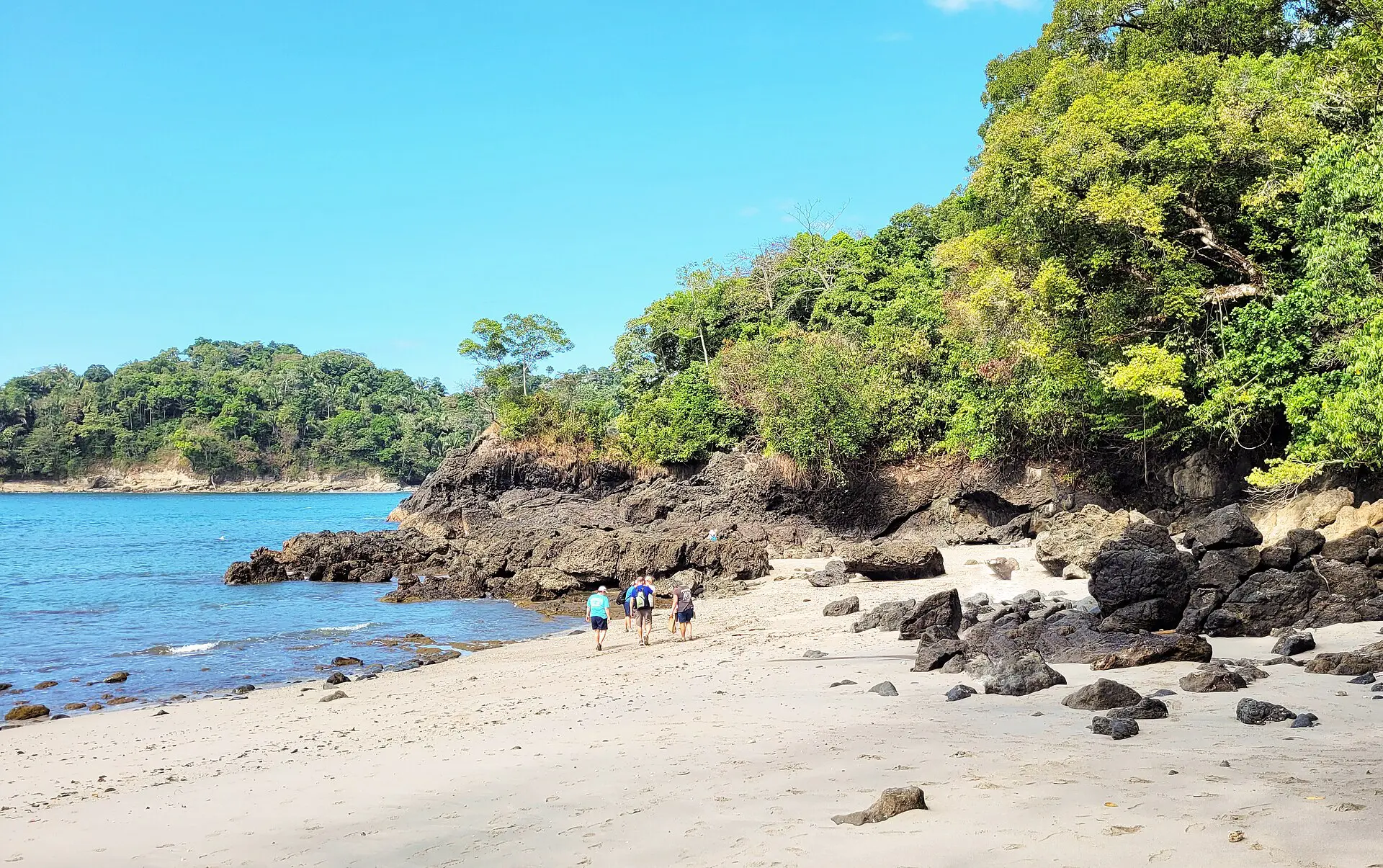
Travellers looking for things to do in Manuel Antonio usually want beaches, forest and wildlife in one place. The national park is on the Pacific coast of Costa Rica, just south of Quepos in Puntarenas, about 157 km from San José. It was established in 1972 after the local community sought to protect the area from development.
It is small, with a land area of roughly 1,983 hectares, but it is the most popular of Costa Rica’s national parks and is known for beaches, rocky islets, hiking trails, tropical forest and a variety of wildlife. Forbes listed it among the world’s most beautiful national parks in 2011.
There is another side: some visitors find it crowded and pricey, and the monkeys are used to being fed by tourists. Going early on a weekday, keeping expectations realistic and respecting wildlife rules makes for a far better visit.
Top things to do in Manuel Antonio National Park
Walk the main park trails
Short, well-marked paths lead through tropical forest to viewpoints and beaches. Allow two to four hours. Tip: go at opening time, when animals are more active and the heat is lower, and carry water, since options inside are limited.
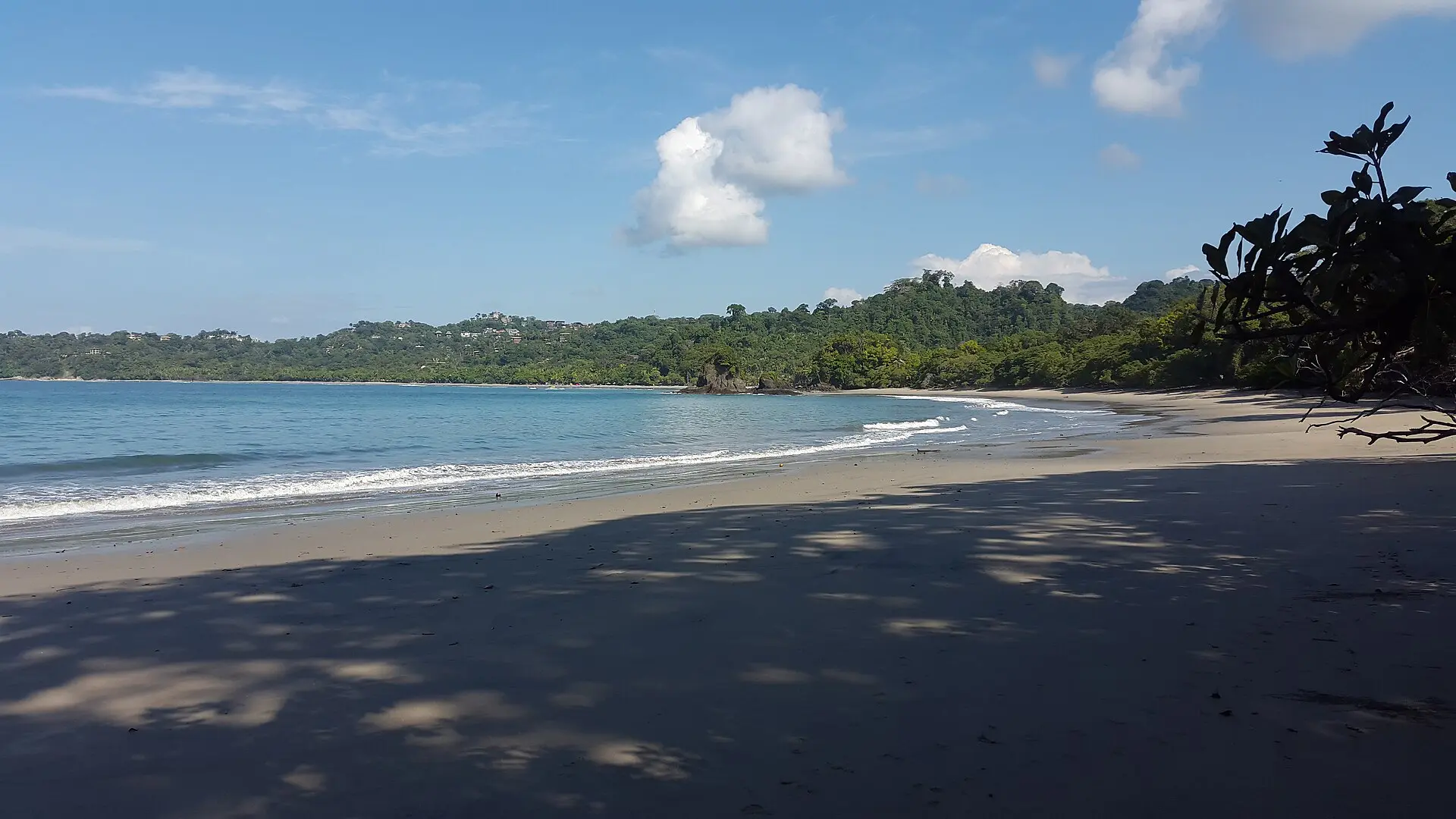
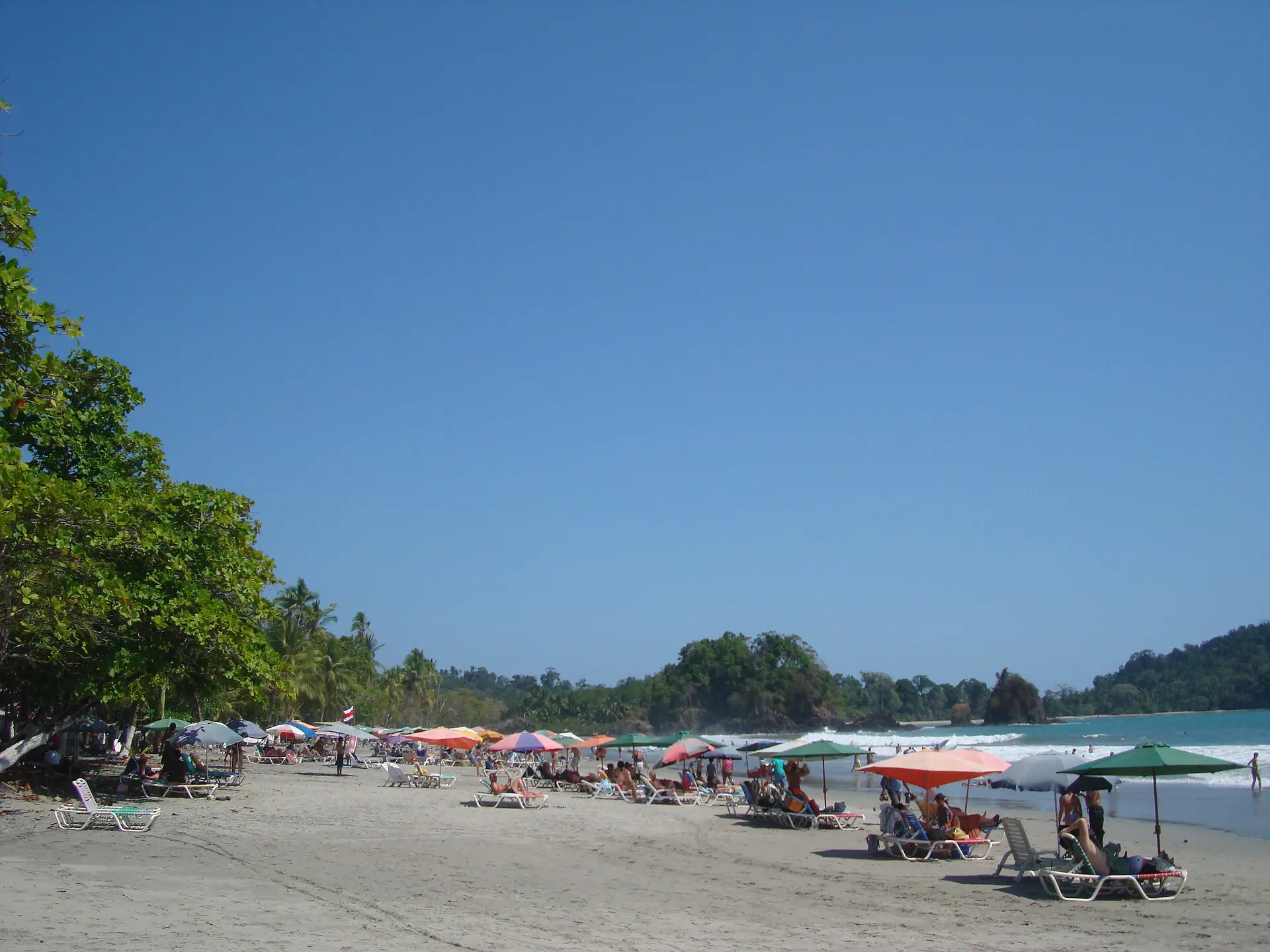
Spend time on the beaches
The park has several beaches with forest behind them, some more sheltered for swimming. Allow two to three hours. Tip: pay attention to flags and signs about currents and tides, and never leave bags unattended.
Look for wildlife
The park is known for its variety of wildlife, and sloths, monkeys and birds are commonly seen. Allow a morning. Tip: a licensed guide can help you spot animals, but do not feed any of them, and keep food zipped away.
Take a guided nature tour
Guides can explain the forest and point out animals that are easy to miss. Allow two to three hours. Tip: choose a guide who is registered and check what is included, as prices vary.
Walk to the viewpoints
Higher trails offer views over the coast and the rocky islets offshore. Allow an hour or two. Tip: wear closed shoes, since trails can be muddy and slippery in the wetter months.
Go snorkelling or on a boat trip
Operators in the Quepos area run boat trips along the coast, sometimes with snorkelling. Allow half a day. Tip: check the operator is licensed and weather conditions, since sea conditions affect trips.
Visit Quepos
The nearby town has restaurants, a marina and shops, and works as a base for supplies. Allow two to three hours. Tip: stock up on sun cream and water here, as it is cheaper than near the park gate.
Best time to visit Manuel Antonio National Park
Costa Rica’s Pacific coast has a dry season and a wet season. The dry season, roughly December to April, brings the most sunshine and the most visitors, with higher hotel rates. The wetter months, roughly May to November, bring afternoon downpours and greener scenery, with lower prices and fewer people. Wildlife can be seen year-round.
| Season | Weather | Crowds and prices |
|---|---|---|
| December to April | Dry, sunny, hot | Busiest, highest prices |
| May to November | Wetter, humid, afternoon rain | Quieter, lower prices |
The park has typically had a closing day each week and limits on daily visitors, so check the current rules and book entry ahead where required.
How to get to Manuel Antonio National Park and around
The park is about 157 km from San José, and the drive typically takes several hours depending on traffic. Many visitors use shared shuttles, public buses or private transfers, or hire a car at San José airport (Quepos also has a small airfield with limited domestic flights). Check current timetables, since services vary by season.
The nearest town is Quepos, about 7 km north of the park. Local buses run between Quepos and the park entrance, and taxis are available. Parking near the entrance is limited and informal, so use official car parks and avoid leaving valuables in the car. Entry tickets are usually bought in advance, so check the park’s current ticketing rules.
Where to stay in Manuel Antonio National Park
Most visitors stay in the Manuel Antonio area or in Quepos rather than in the park itself, which has no accommodation.
- The road to the park: best for views, pools and short trips to the entrance, with a wide range of hotels and villas.
- Quepos: a cheaper, more local base with restaurants and buses, though further from the beach.
- Hillside lodges: suited to travellers who want forest views and wildlife around their rooms, with some steep access roads.
- Budget hostels: good for backpackers who want low prices and a social setting.
Rates rise in the dry season and over holidays, so book ahead and check what is included, such as breakfast and transfers.
How many days do you need?
You can see the park in half a day, but two to three days in the area gives you time for beaches, a guided walk and a rest. Because the park is small and busy, starting early matters more than adding extra time inside it.
- Day 1: Arrive, check in and spend the afternoon at a beach outside the park or in Quepos.
- Day 2: Enter the park at opening time, walk the main trails and the beach, then rest in the afternoon.
- Day 3: A boat trip, snorkelling or a day trip to another part of the coast.
If you are short on time, a guided morning visit is a good compromise.
Day trips and nearby
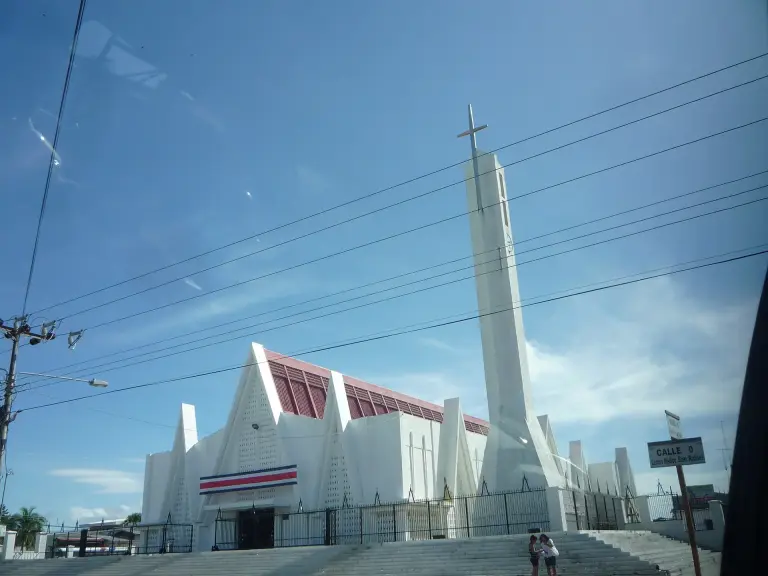
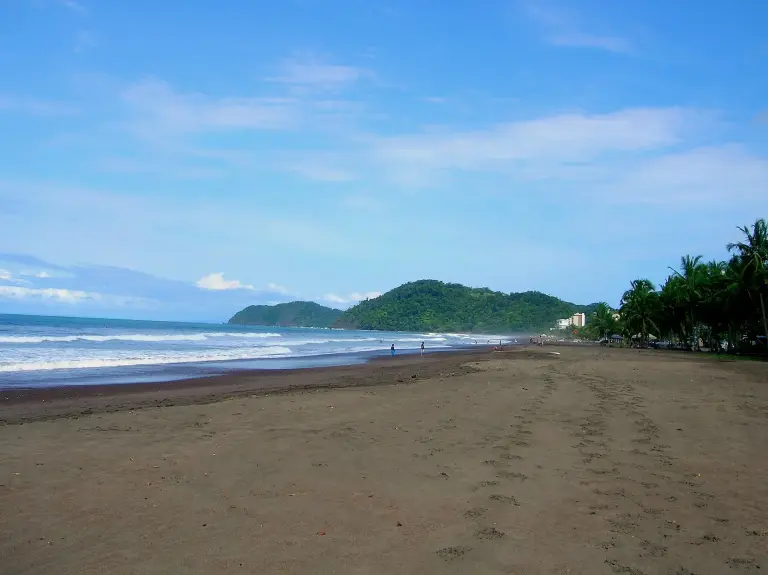
Jaco
Jaco is a surf and nightlife town on the central Pacific coast, north of Manuel Antonio. It suits travellers who want a livelier setting. Allow a full day, and check the drive time with traffic.
San José
The capital is the usual arrival point and has museums and markets. Most travellers pass through rather than stay long. Check transfer times before booking an early flight out.
Monteverde
Monteverde is a cloud forest area in the highlands, known for canopy walks and wildlife. It is a long journey from Manuel Antonio, so allow at least one overnight stay.
Cartago
Cartago is a historic town in the central highlands, east of San José. It is a long way from the coast, so it fits a wider Costa Rica itinerary rather than a day trip.
FAQ
Q1When is the best time to visit Manuel Antonio National Park?
The dry season from about December to April has the most sunshine but also the most visitors and highest prices. The wetter months are greener and quieter, with afternoon rain. Go early in the day in any season for cooler weather and more active wildlife.
Q2How many days do you need for Manuel Antonio?
Half a day covers the park itself, but two to three days in the area gives time for beaches, a guided walk and a boat trip. Entry is usually capped and the park has a weekly closing day, so check the rules before planning.
Q3How do you get to Manuel Antonio National Park?
The park is about 157 km from San José and 7 km from Quepos. Most visitors use shuttles, buses, private transfers or a rental car. Journey times vary with traffic, so check current services and allow several hours from the capital.
Q4Is Manuel Antonio worth visiting?
Many travellers find it worth it for easy wildlife and beaches, while others find it crowded and pricey. Go early on a weekday, take a guide if you want to see animals, and do not feed the monkeys. Check current entry fees and rules.
Prices, schedules and entry rules change. Check current details with official sources before you travel. Read the Costa Rica travel guide.