Why visit Alexandria
If you are looking for things to do in Alexandria, begin with its history. Founded by Alexander the Great in 331 BC, the city became one of the largest and most important in the ancient world, a centre of science, culture and scholarship, and home to the legendary Pharos lighthouse.
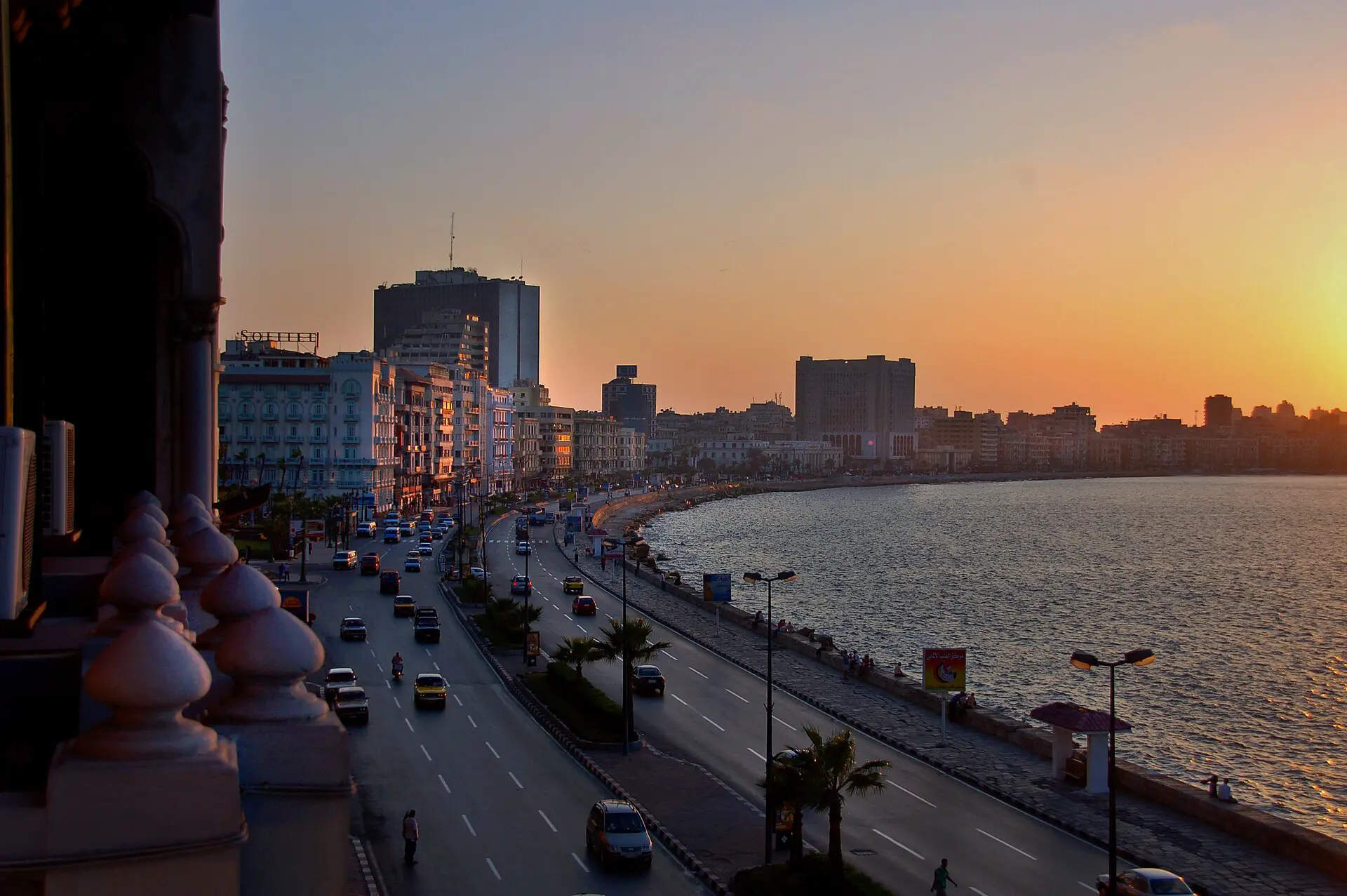
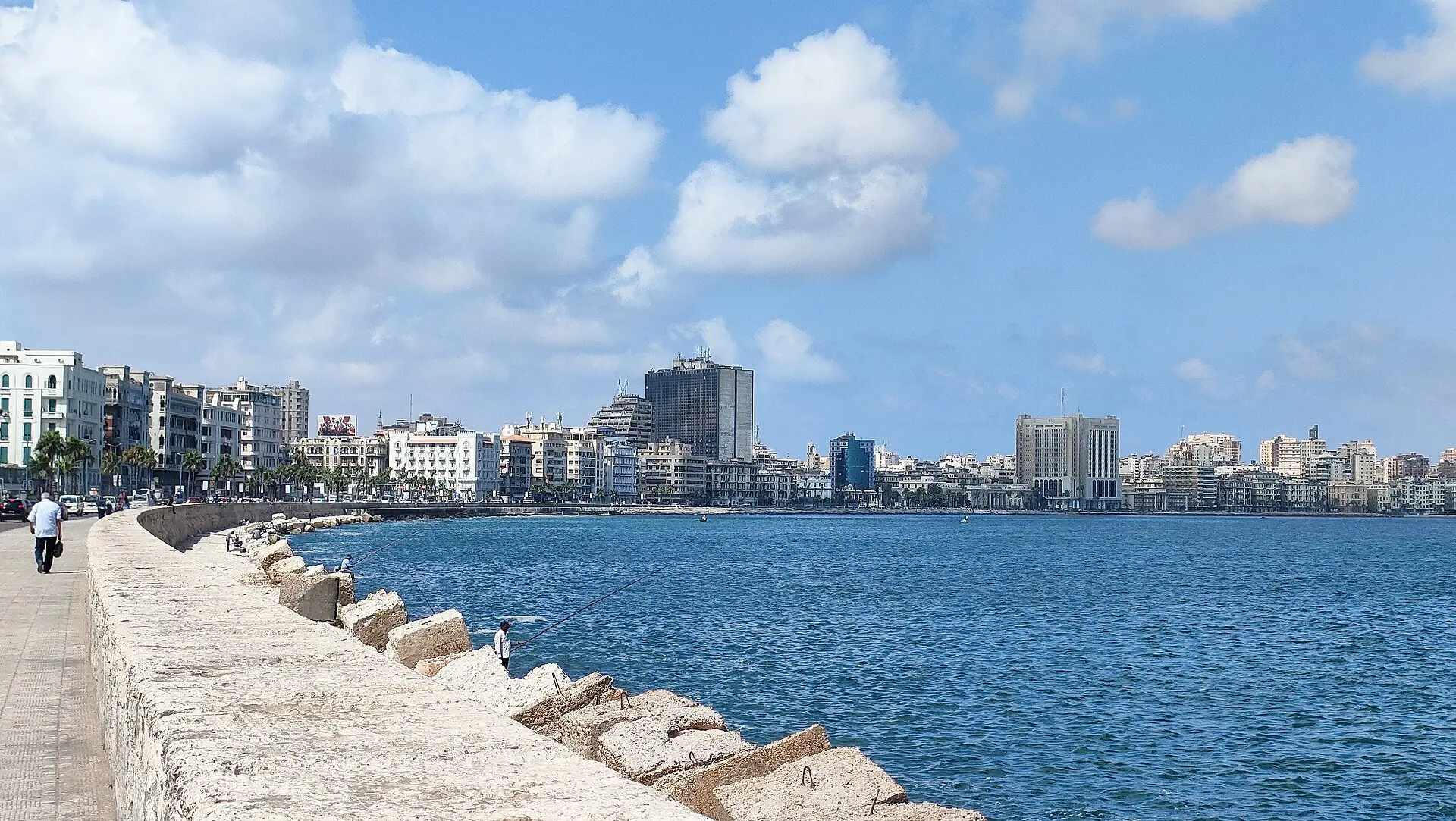
Today it is Egypt’s second largest city and its main seaport, stretched about 40 kilometres along the Mediterranean coast at the western edge of the Nile Delta. It is a faded shadow of its glorious cosmopolitan past, but it is still worth a visit, particularly for the new library and the palpable traces of earlier eras.
The mood is different from Cairo. Sea breezes, a long seafront promenade, cafes and a more relaxed pace make it a pleasant add-on to a trip to the pyramids and the Nile. Many people come for a day or two, and it rewards a slower visit. Some governments advise against travel to parts of Egypt, so check current official travel advice before you book.
Top things to do in Alexandria
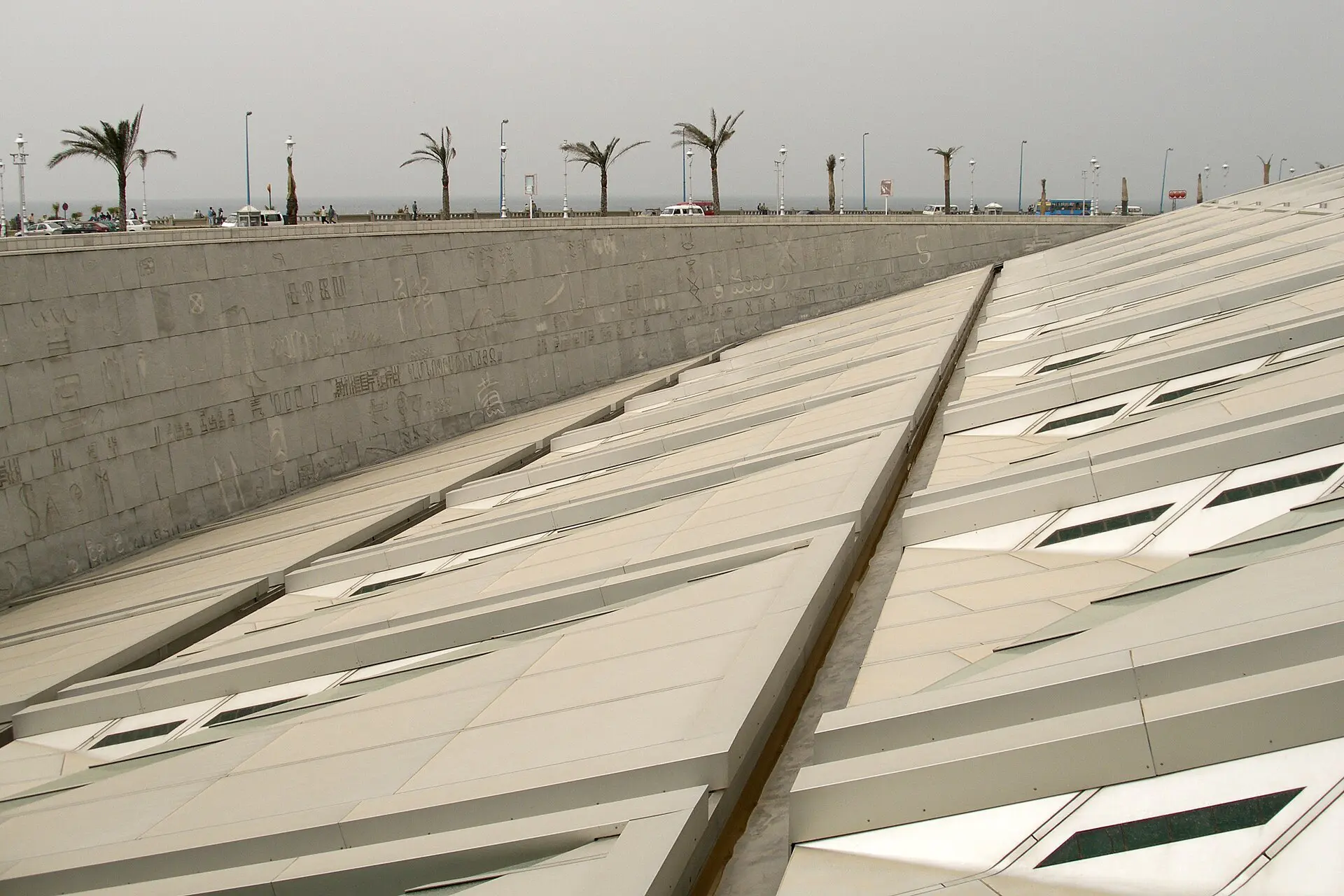
Bibliotheca Alexandrina
The modern library, opened in 2002 near the site of the ancient one, is a striking building with reading rooms, museums and exhibition spaces. Allow two hours. Check which sections visitors can enter and the current ticket rules, which can vary.
Qaitbay Citadel
This fortress stands on the eastern harbour near the site of the ancient Pharos lighthouse. Allow one to two hours, including time on the walls for sea views. Visit in the morning for cooler weather, and check opening hours and the ticket price.
Kom el Shoqafa Catacombs
These Roman-era burial chambers combine Egyptian, Greek and Roman styles and are among the city’s most unusual sites. Allow about an hour. The spaces are narrow and sometimes damp, so wear shoes with grip and check access rules in advance.
Pompey’s Pillar and the Serapeum
The tall granite column stands on a hill in the area of the ancient Serapeum temple, along with underground galleries. Allow about an hour. It combines well with the catacombs, which are close by, and tickets are usually sold at the site.
Roman Amphitheatre at Kom el Dikka
This small Roman theatre and nearby ruins sit in the middle of the modern city. Allow 45 minutes. Check opening times and whether the full site is accessible, since restoration work sometimes limits entry.
The Corniche
The seafront road runs along the harbour and the sea, lined with cafes and fish restaurants. Allow an hour for a walk at sunset. Be careful with traffic, and take care in windy weather, when waves splash over the sea wall.
Montaza Palace Gardens
On the eastern side, this royal estate has gardens and a shoreline that residents use for outings. Allow two hours. Check entry arrangements, as the palace itself is generally not open to the public, while the gardens are.
Best time to visit Alexandria
Alexandria has a Mediterranean climate that is milder than Cairo’s, with humid summers and cool, rainy winters. The most comfortable months for sightseeing run from October to April, with spring and autumn offering the best balance. Summer is hot and humid, and it is the time when many Egyptians visit the coast, so the Corniche and beaches become busy and prices rise. Winter can be windy and wet, and sea breezes feel colder than the temperature suggests.
| Season | Weather | Crowds and prices |
|---|---|---|
| Spring (March-May) | Warm, pleasant | Moderate |
| Summer (June-September) | Hot, humid | Busy with domestic visitors |
| Autumn (October-November) | Warm, comfortable | Moderate, good value |
| Winter (December-February) | Cool, wet, windy | Quiet, lower prices |
How to get to Alexandria and around
Borg El Arab Airport serves Alexandria, with links to other Egyptian and regional cities, but most international visitors arrive through Cairo. From Cairo, trains run to Alexandria’s main station in roughly two to three hours depending on the service, and buses, shared taxis and private drivers also make the trip. Check timetables and book tickets for faster services in advance.

Within the city, the old tram lines and minibuses are cheap but confusing for newcomers. Taxis and ride-hailing apps are the easiest way to cover long distances, and the Corniche stretches far enough that you will want a ride between districts. Agree on fares before you set off if the meter is not used, and allow extra time during rush hours.
Where to stay in Alexandria
Most hotels cluster along the seafront or near the centre, and the right area depends on your priorities.
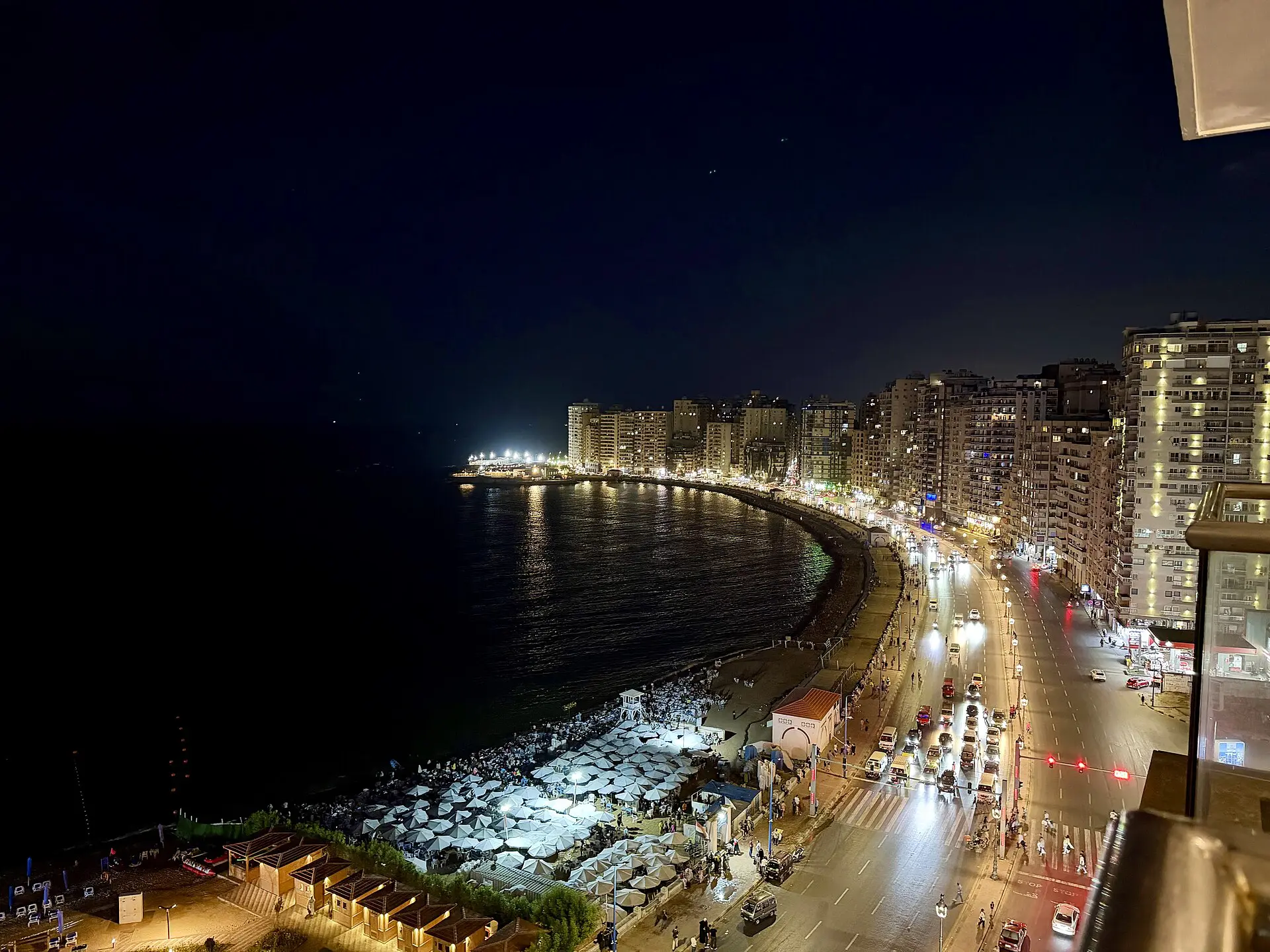
- Downtown and the eastern harbour: closest to the citadel, cafes and historic streets. Suits first-time visitors who want to walk.
- Along the Corniche: hotels with sea views and promenade access. Suits travellers who prefer a seaside setting, though traffic and noise are common.
- Montaza and eastern suburbs: quieter, near gardens and beaches. Suits families and longer stays with a car or taxis.
- Budget guesthouses: simple rooms in older buildings in the centre. Suit backpackers, though standards vary, so read recent reviews.
Check air conditioning and noise levels, and book ahead for summer weekends.
How many days do you need?
Two days covers the main sights and a seafront meal. Three days adds a slower pace and a day trip. If you are on a short Egypt itinerary, a single long day from Cairo is possible but tiring, and an overnight stay is much better.
- Day 1: Kom el Shoqafa, Pompey’s Pillar and the Roman Amphitheatre, then a Corniche walk.
- Day 2: Qaitbay Citadel and the Bibliotheca Alexandrina, finishing with seafood by the harbour.
- Day 3: Montaza Gardens, or a day trip to El Alamein or Rosetta.
Day trips and nearby
El Alamein
About 100 kilometres west, this coastal town is known for its Second World War cemeteries and museum, and for clear Mediterranean beaches. Allow a day. It is easiest by private car or tour; check conditions and opening hours before you go.
Cairo
Cairo and the pyramids are around two to three hours away by train or road. Most visitors treat the two cities as separate stops rather than a single day trip, so plan an overnight in each if time allows.
Rosetta
This Nile Delta town on the coast, also known as Rashid, is known for Ottoman-era houses and its link to the Rosetta Stone. Allow a half-day trip by private car or taxi, and check road conditions beforehand.
North Coast beaches
West of the city, a long strip of beach towns draws Egyptian holidaymakers in summer. They suit swimming and relaxing but can be crowded and are largely seasonal, with many places closed in winter.
FAQ
Q1When is the best time to visit Alexandria?
October to April offers the most comfortable weather for sightseeing, with spring and autumn being the best balance. Summer is hot, humid and crowded with domestic visitors, while winter can be wet and windy but quiet and cheaper.
Q2How many days do you need in Alexandria?
Two days is enough for the Bibliotheca Alexandrina, Qaitbay Citadel and the main Roman sites. A third day allows for a slower pace along the Corniche or a day trip to El Alamein, while a single day from Cairo feels rushed.
Q3How do you get to Alexandria from Cairo?
Trains are the most popular choice and take roughly two to three hours depending on the service. Buses, shared taxis and private drivers also run the route. Check current timetables and book faster trains ahead, especially on weekends and holidays.
Q4Is Alexandria worth visiting?
Yes, if you like layered history and a relaxed seaside setting. It has fewer monumental ruins than Cairo or Luxor, but the library, citadel, catacombs and Corniche make a rewarding stop, particularly when you add it to a wider Egypt itinerary.
Prices, schedules and entry rules change. Check current details with official sources before you travel. Read the Egypt travel guide.