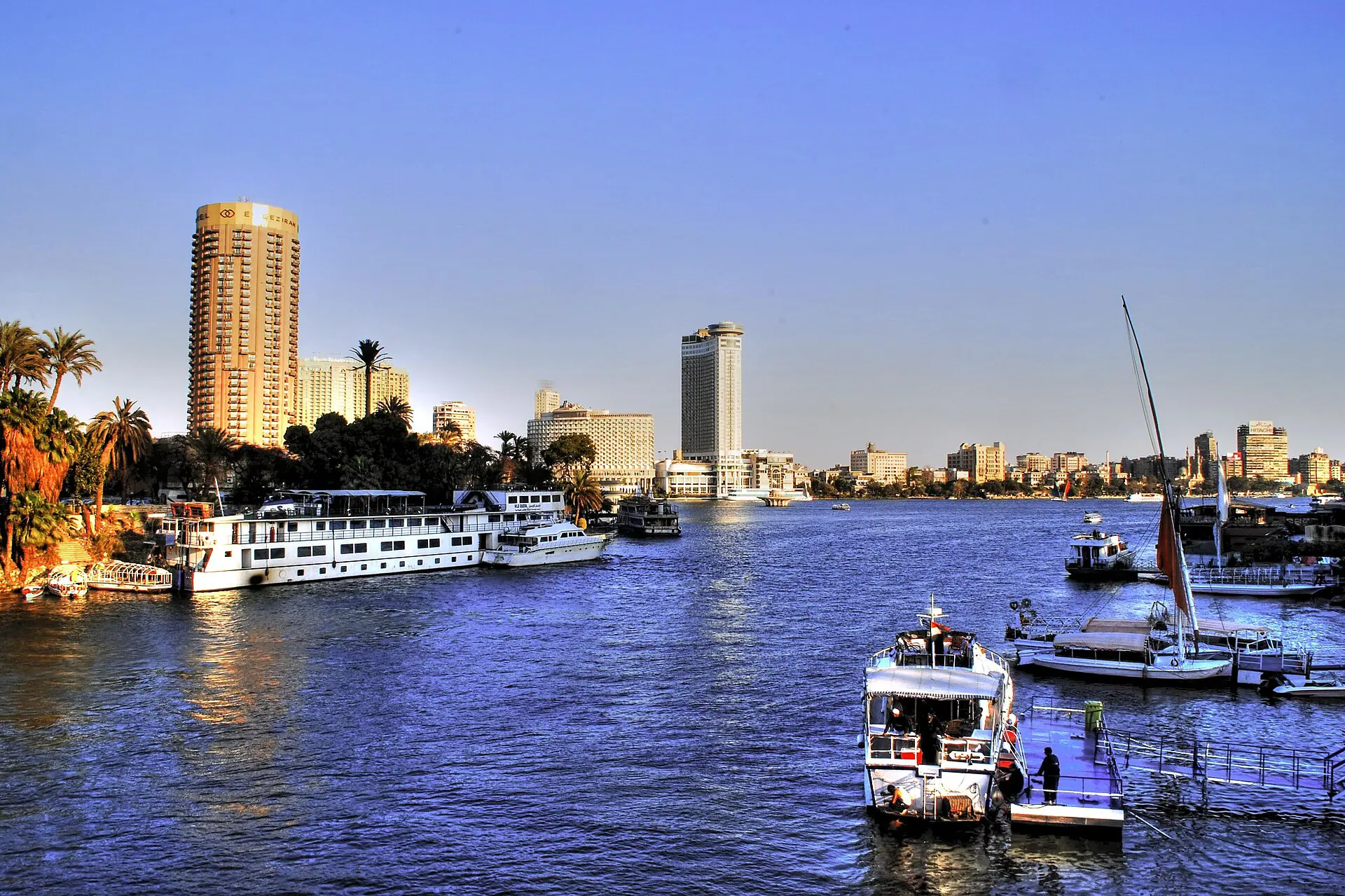
Why visit Cairo
The best things to do in Cairo cover several thousand years. The city is the capital of Egypt and, with a greater metropolitan population of more than 16 million, one of the largest in Africa and the Middle East. It sits on the Nile and is the base for the Giza Pyramids and the nearby Saqqara complex.
Beyond the Pharaonic sights, historic Cairo is inscribed on the UNESCO World Heritage list. Its medieval Islamic quarter and the Coptic sites of Old Cairo hold mosques, madrasas and churches, and the Khan al-Khalili bazaar is a classic place to shop and wander.
Cairo is intense. Traffic, heat, noise and hassle are part of the experience, and visiting works best with an early start, a flexible plan and a reliable way to move around. Visitors who accept the chaos usually come away with some of the most memorable sights in the region.
Top things to do in Cairo
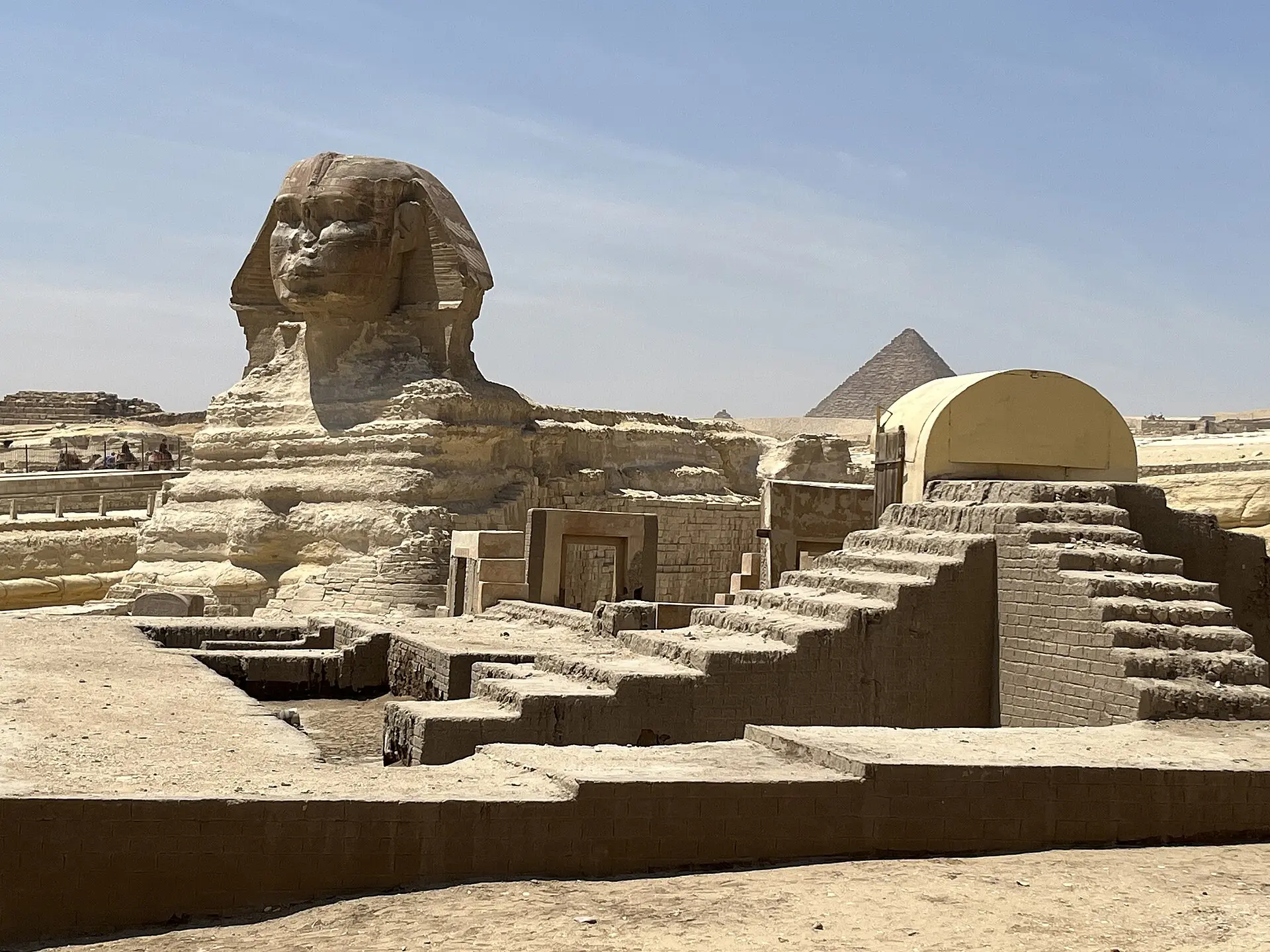
Giza Pyramids and the Sphinx
The only surviving wonder of the ancient world, on the edge of the city. Allow at least half a day. Go at opening time to beat the heat and the crowds, check the current ticket structure for entering the pyramids themselves, and agree on prices before any camel or horse ride.
Grand Egyptian Museum
A large museum near the pyramids holding major Ancient Egyptian collections, including treasures from the tomb of Tutankhamun. Check the current opening status, ticket options and whether timed entry applies. Allow three to four hours and book ahead where possible.
Egyptian Museum, Tahrir Square
The older museum in the city centre has long been famous for its enormous collection of antiquities. Check what is currently on display, since objects have been moved between museums. Allow two to three hours and carry water.
Islamic Cairo
A dense quarter of medieval mosques, gates and madrasas. Walk Al-Muizz Street, then climb a minaret for views if one is open. Allow half a day. Dress modestly, carry small change for tips and shoe-keepers, and avoid midday heat.
Khan al-Khalili bazaar
A centuries-old market of metalwork, spices, lamps and souvenirs. Allow one to two hours. Bargain politely, compare prices at several stalls, and stop at a traditional cafe for tea. The area is busiest in the evening.
Old Cairo and Coptic sites
Churches, a synagogue and the Coptic Museum cluster in one compact area, accessible by metro. Allow two to three hours. Check opening hours, as some churches have restricted times, and dress modestly.
Citadel of Saladin
A medieval fortress on a hill with the Muhammad Ali Mosque and wide views over the city. Allow about two hours. Visit in the morning, check ticket prices at the gate, and cover shoulders and knees for the mosque.
Best time to visit Cairo
October to April is the most comfortable period, with warm days and cool evenings. Winter nights can be cold, so bring a light jacket. Peak tourist demand comes in the cooler months, especially around Christmas and New Year.
Summer, from June to August, is very hot, with daytime highs that make walking tours tiring. Mid-day sightseeing is best avoided, and early mornings are essential. Ramadan changes opening hours and meal times, and the date moves each year, so check the calendar.
| Season | Weather | Crowds and prices |
|---|---|---|
| October to April | Warm days, cool nights | Peak season; higher prices around holidays |
| May to September | Hot to very hot | Fewer visitors; lower hotel rates |
How to get to Cairo and around
Cairo International Airport serves the city, with flights from Europe, the Middle East and Africa. Taxis and ride-hailing apps run to the centre, taking around 30 to 60 minutes depending on traffic. New facilities and routes are being added, so check current options for your arrival.

Inside the city, the metro is cheap and quick on the lines it covers, with some carriages reserved for women. Ride-hailing apps and taxis are the practical choice elsewhere, and they help avoid price haggling. Traffic is heavy, so allow plenty of time.
For the pyramids and several sights, many travellers hire a driver for the day. Agree the route, waiting time and price beforehand. Some governments advise against travel to parts of Egypt, such as North Sinai and border areas, and treat Cairo differently, so check current official travel advice before you book.
Where to stay in Cairo
Choose an area that matches how much of the city you want to cover on foot.
- Downtown and Tahrir: central, near the older museum, shops and restaurants, with a mix of old and modern hotels. Suits those who want to be in the middle of things.
- Zamalek: an island district on the Nile with cafes, galleries and calmer streets. Suits first-time visitors who want a gentler base.
- Giza: hotels with views of the pyramids, handy for early entry. Suits travellers focused on the pyramids, though it is further from the old city.
- Islamic Cairo: a few guesthouses for travellers who want atmosphere and do not mind noise.
How many days do you need?
Three days is a good minimum, giving time for the pyramids, a museum and the old city. Four days allows a slower pace and a day trip, while two days feels rushed. Keep your afternoons light in hot months.
- Day 1: Giza Pyramids and the Sphinx in the morning, and the Grand Egyptian Museum in the afternoon.
- Day 2: Islamic Cairo, the Citadel and Khan al-Khalili in the evening.
- Day 3: Old Cairo, the Egyptian Museum and a Nile-side dinner.
Day trips and nearby
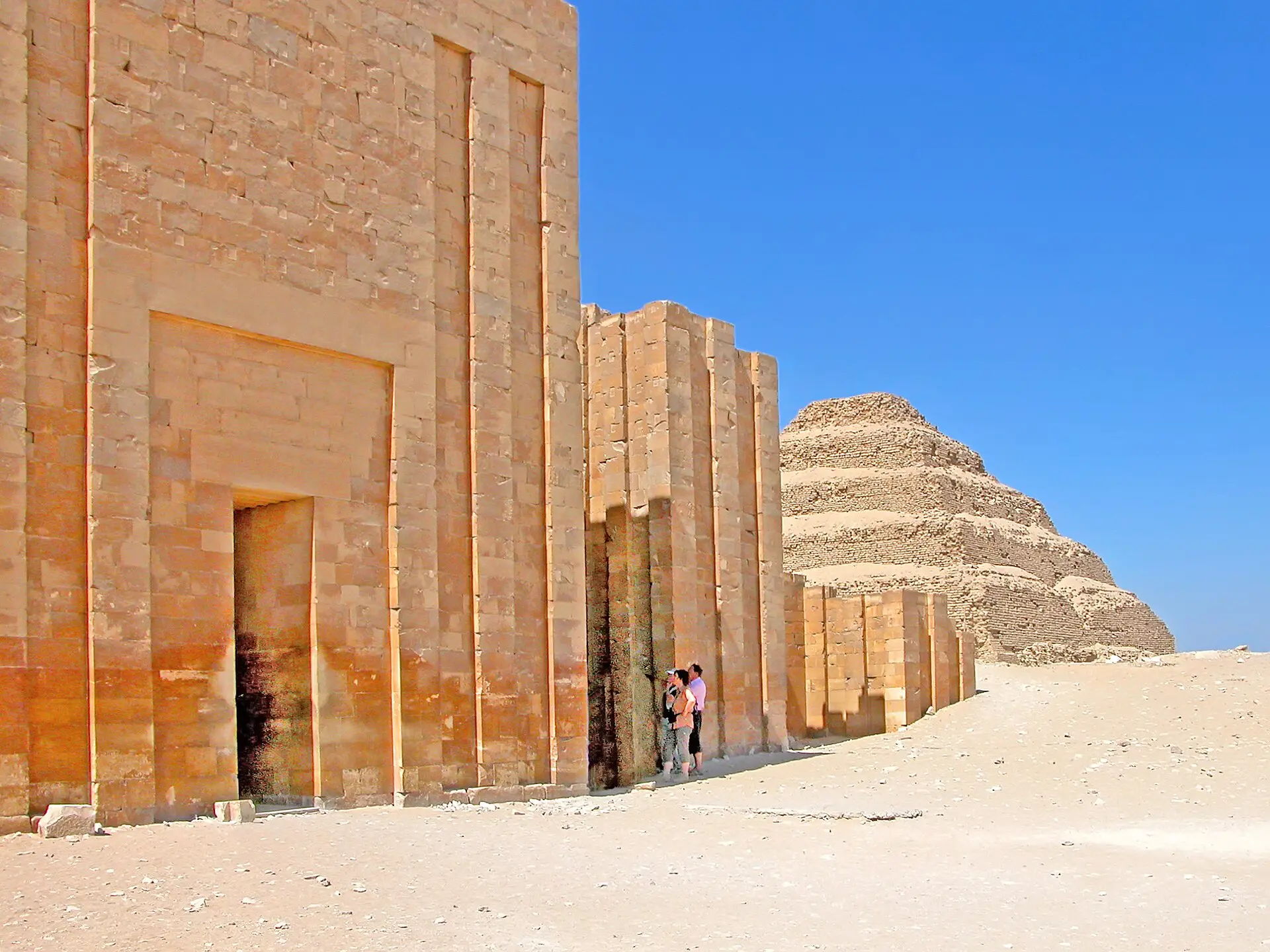
Saqqara and Memphis
Saqqara holds the Step Pyramid of Djoser, among the oldest stone monuments of its scale, and Memphis was an early capital. Together they make a half-day or full-day trip by car. Hire a driver and check tomb opening times.
Alexandria
Egypt’s Mediterranean port is reachable by train in about two to three hours, depending on the service. It suits a long day trip or an overnight stay, with seafront walks, a library and fish restaurants.
Fayoum
An oasis region southwest of Cairo with lakes, waterwheels and desert scenery. It is usually done by car, taking around two hours each way. Arrange transport in advance.
Luxor and Aswan
These Upper Egypt highlights are best reached by a short flight or sleeper train and need several days. They are not day trips but are natural next steps for anyone wanting temples and tombs.
FAQ
Q1When is the best time to visit Cairo?
October to April is the most comfortable, with warm days and cool nights. Summer is very hot, so sightsee early and rest in the afternoon. Ramadan alters opening hours and daily rhythm, so check dates before booking.
Q2How many days do you need in Cairo?
Three to four days covers the pyramids, the museums, Islamic Cairo and the bazaar at a decent pace. Add a day for Saqqara or Alexandria. Two days is possible but rushed, particularly in hot weather.
Q3How do you get around Cairo?
Ride-hailing apps and taxis are the easiest way to cross the city, and the metro is quick on its lines. Traffic is heavy, so allow extra time. For the pyramids, many visitors book a driver for the day.
Q4Is Cairo expensive?
Cairo is generally inexpensive by international standards, with food, local transport and mid-range hotels costing less than in Europe. Entry fees for major sites are set in foreign currency, so check them. Agree prices before rides and tours.
Prices, schedules and entry rules change. Check current details with official sources before you travel. Read the Egypt travel guide.