Why visit Burkina Faso
Before listing the things to do in Burkina Faso, a plain warning: the country has been affected by serious violence since the late 2010s, and many governments advise against travel. The country was once welcoming and rarely visited, with music, film and traditional art as its draws, until unrest made travel unsafe. This guide describes the country and its sights for research and future planning. It is not an invitation to go now.
Burkina Faso, whose name is often translated as the Land of the Upright Men, is a landlocked West African country of about 23 million people (see the Wikipedia overview for background). It has been known for FESPACO, the major African film festival, craft fairs, mask festivals, Mossi history and Sahelian architecture. Anyone with a professional or family reason to travel should follow official advice and use specialist security support.
Best places to visit in Burkina Faso
These are the places that made Burkina Faso a destination, listed for background and not as a travel recommendation under current advisories. Many lie in regions where governments advise against all travel.
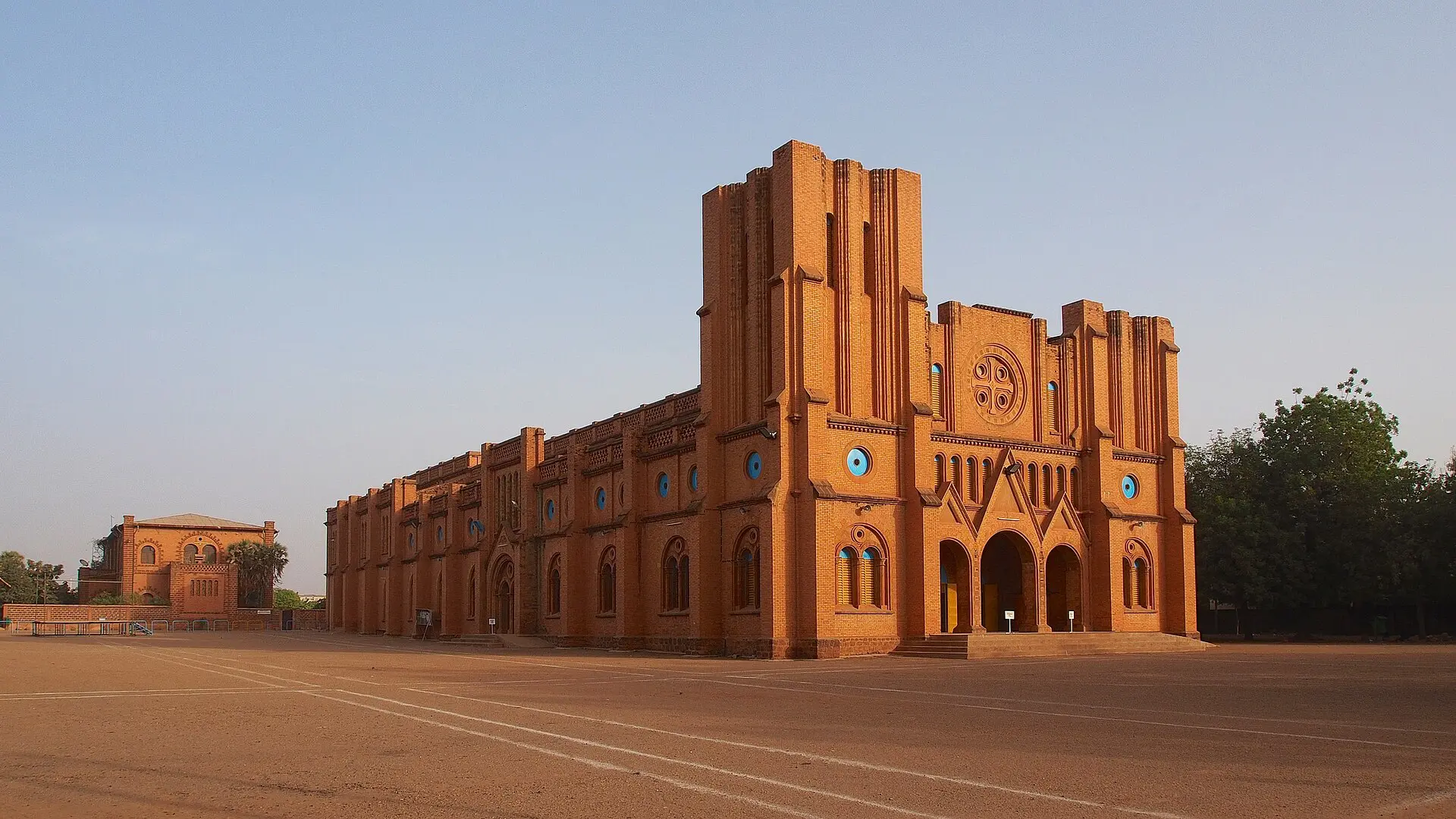
Ouagadougou
The capital has museums, craft markets and a lively music scene, and it hosts the FESPACO film festival every two years. Security conditions here and elsewhere can change quickly.
Bobo-Dioulasso
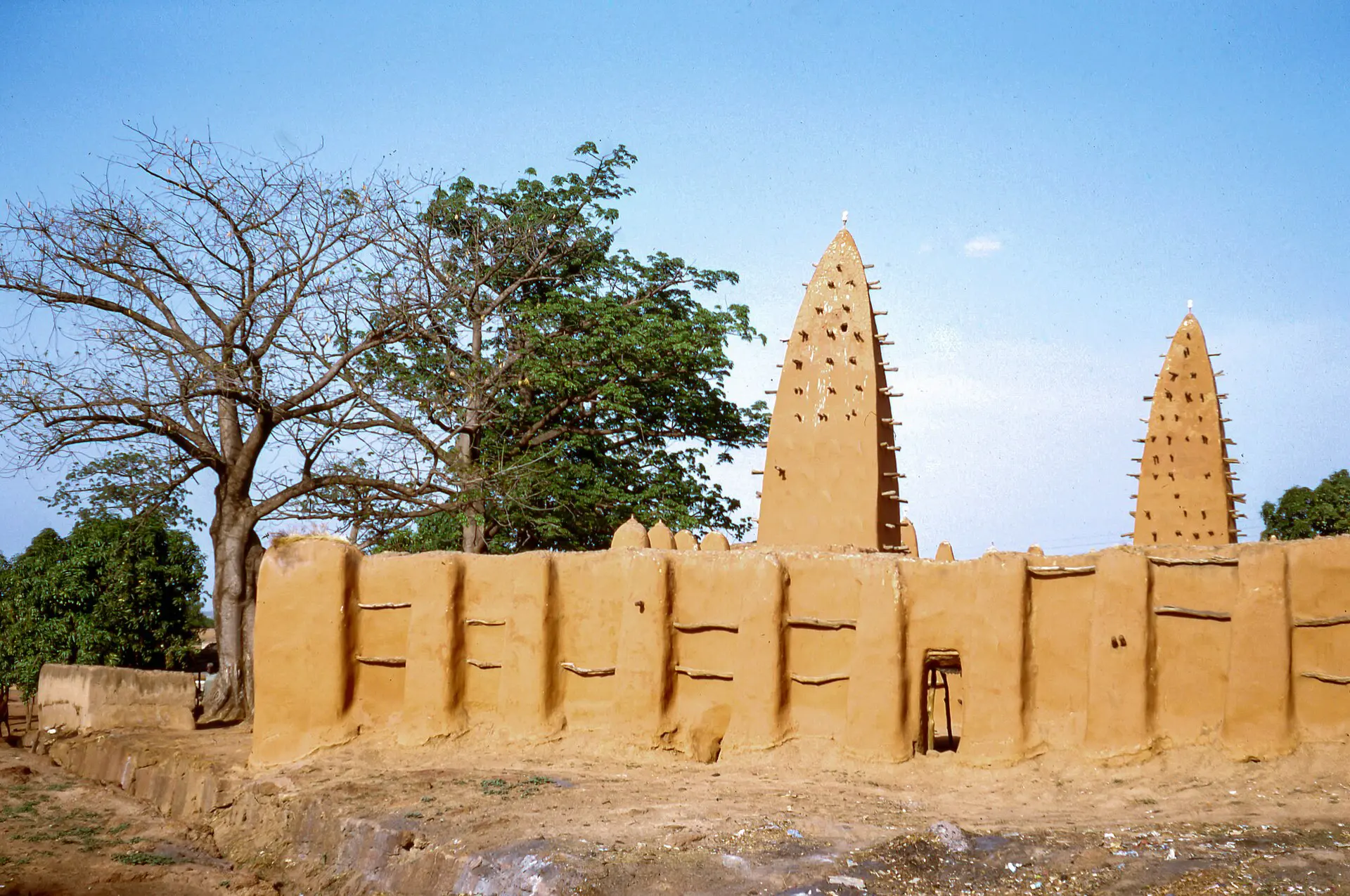
The second city has long been the cultural and musical centre. Its earthen Grand Mosque in the old Kibidwe quarter is the most photographed building, and it is known for its markets and traditional music.
Banfora and the southwest
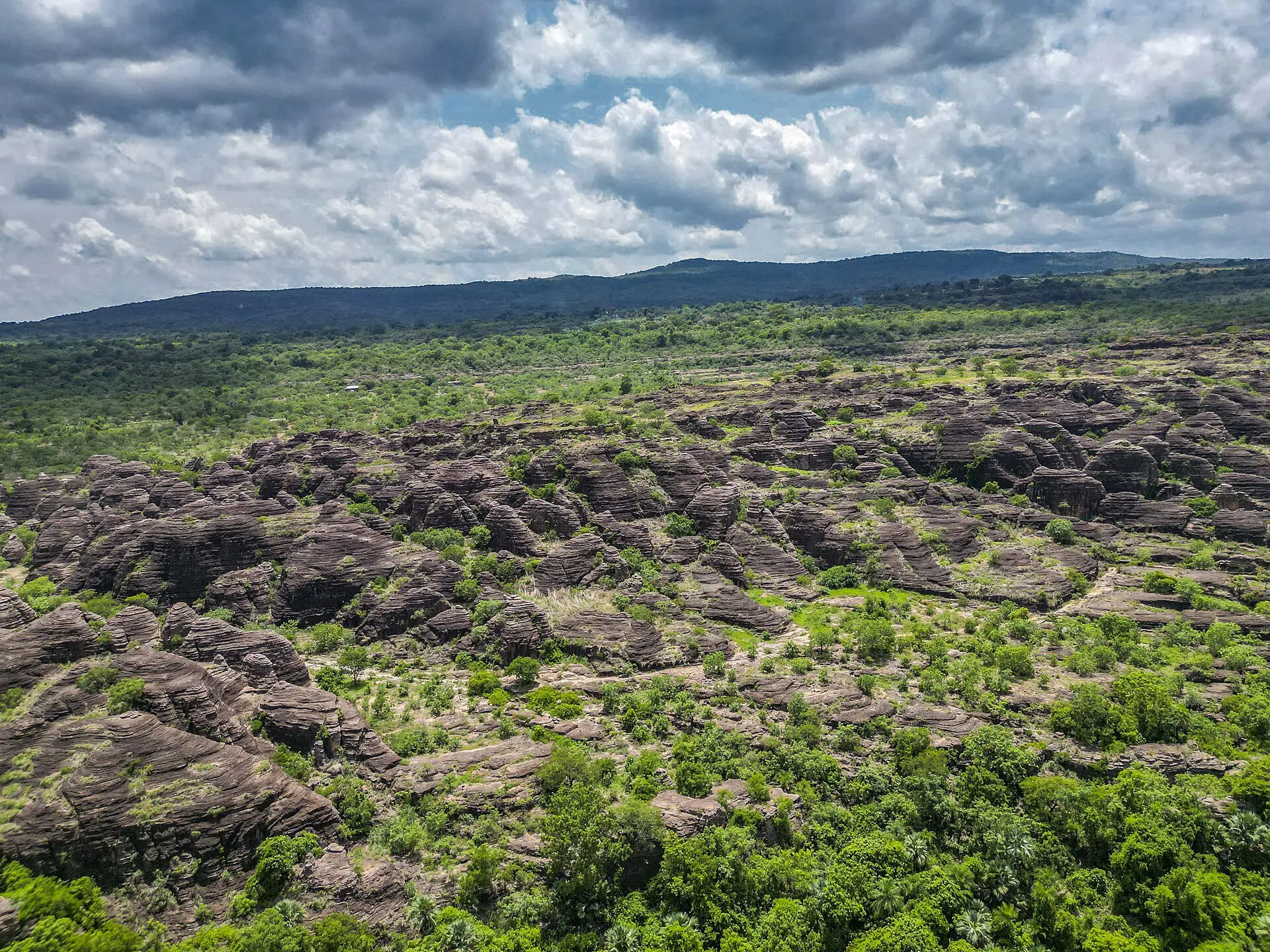
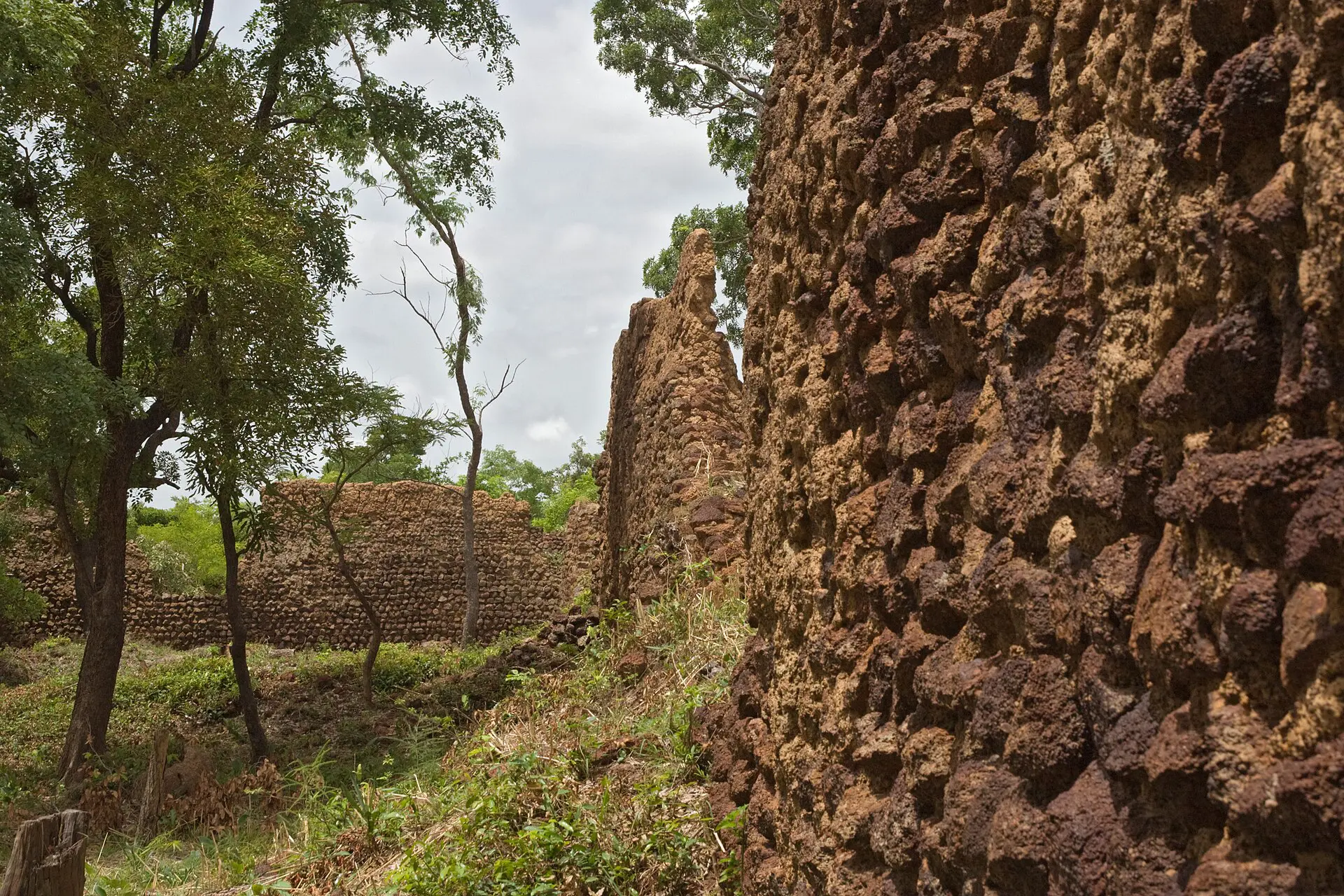
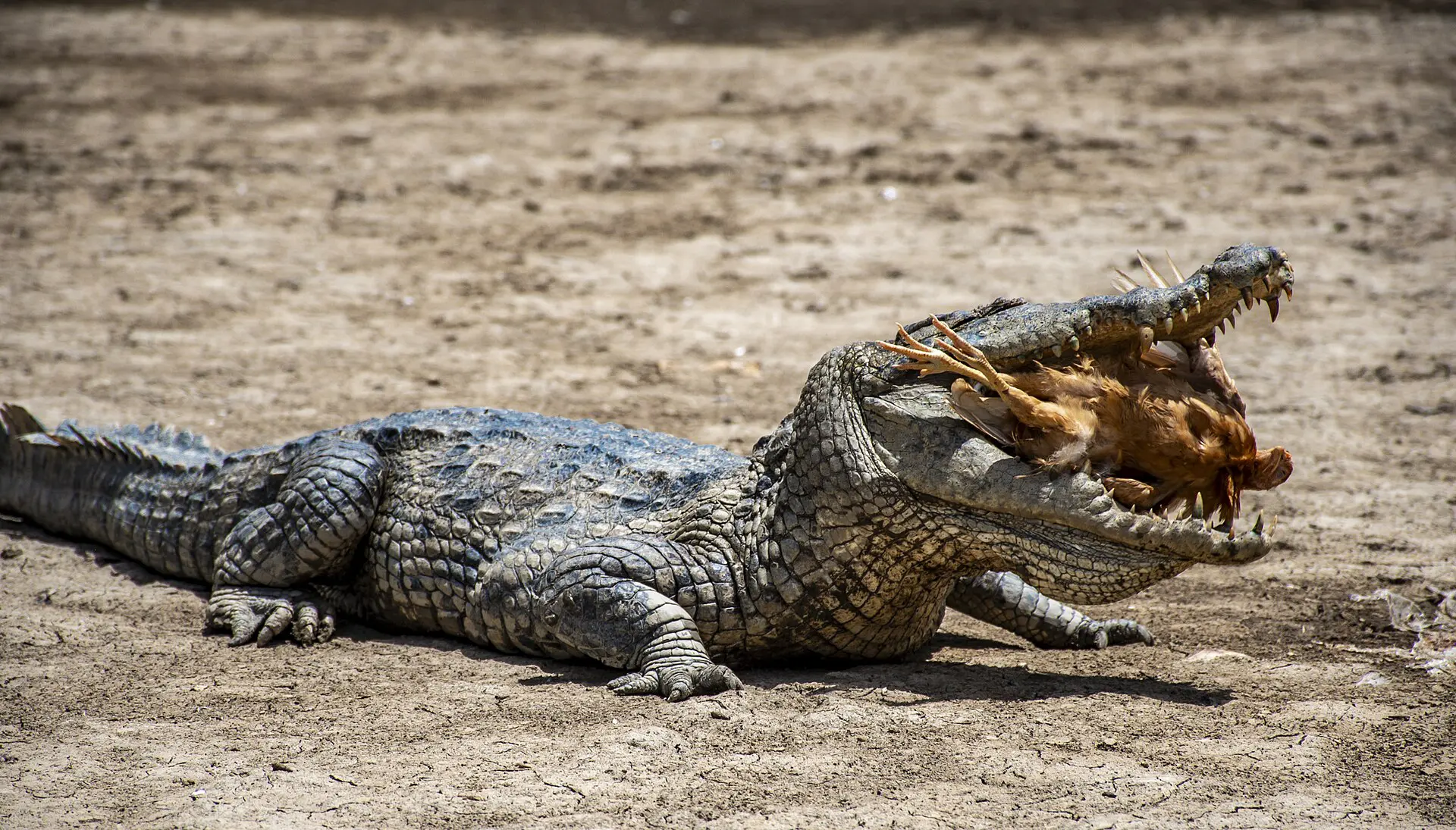
The Banfora area holds the Karfiguéla Cascades, the Sindou Peaks, the Dômes de Fabédougou and Lake Tengrela, where hippos live. The Ruins of Loropéni, a UNESCO World Heritage fortified site, are further west.
Tiébélé
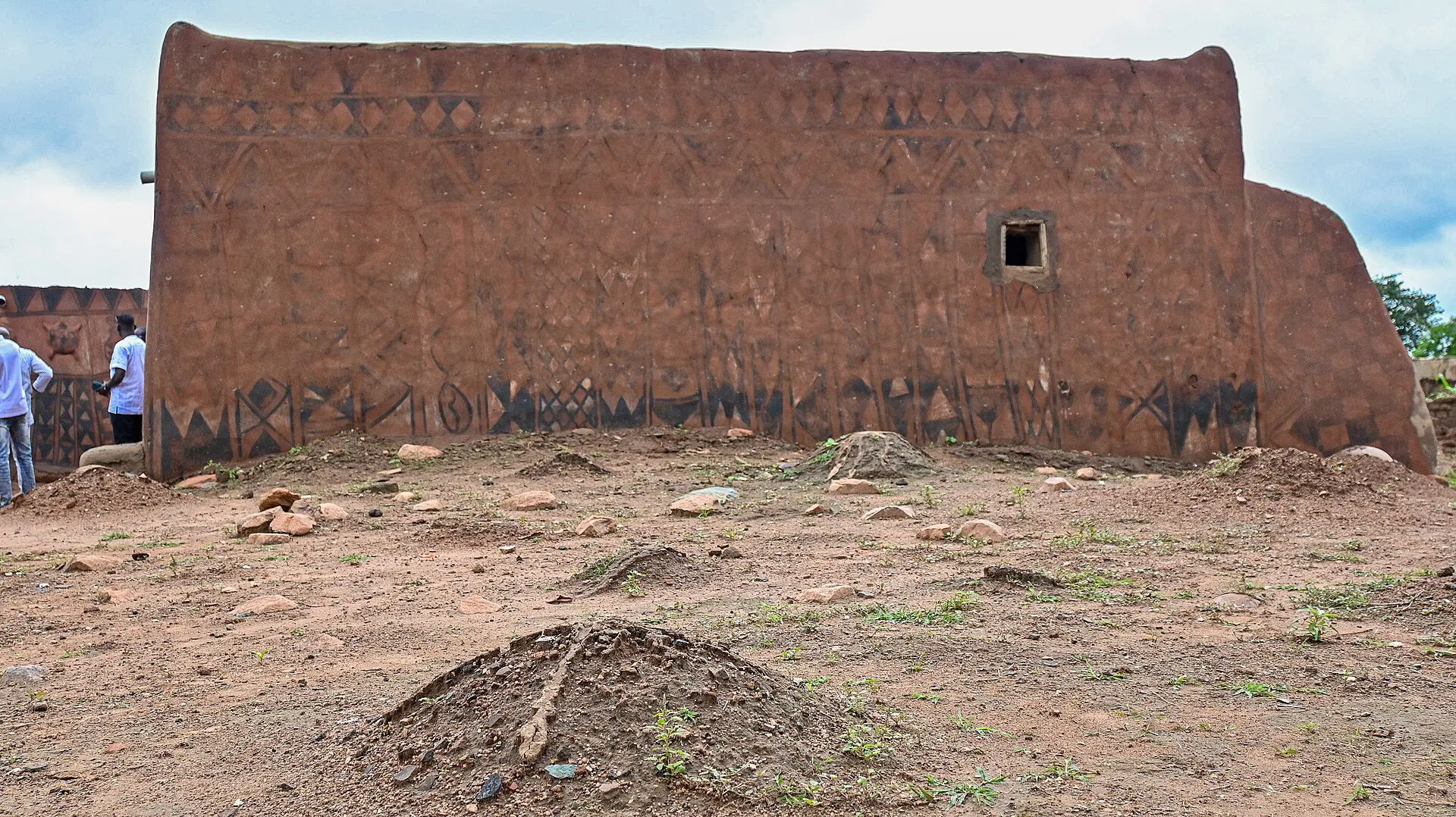
In the far south near the Ghana border, this Kassena village is known for its painted earthen compound walls.
Nature reserves
Arly, W and Nazinga were once visited for elephants, birds and savanna. They are close to the borders with Niger, Benin and Ghana, and governments currently warn against travel to such areas.
Top things to do in Burkina Faso
The things to do in Burkina Faso below are what travellers did in more settled years. Do not treat them as a plan: check government advice first, and assume most activities outside the biggest cities are not currently advisable.
- See the Grand Mosque of Bobo-Dioulasso: a mud-brick landmark of Sudano-Sahelian style built in the 19th century.
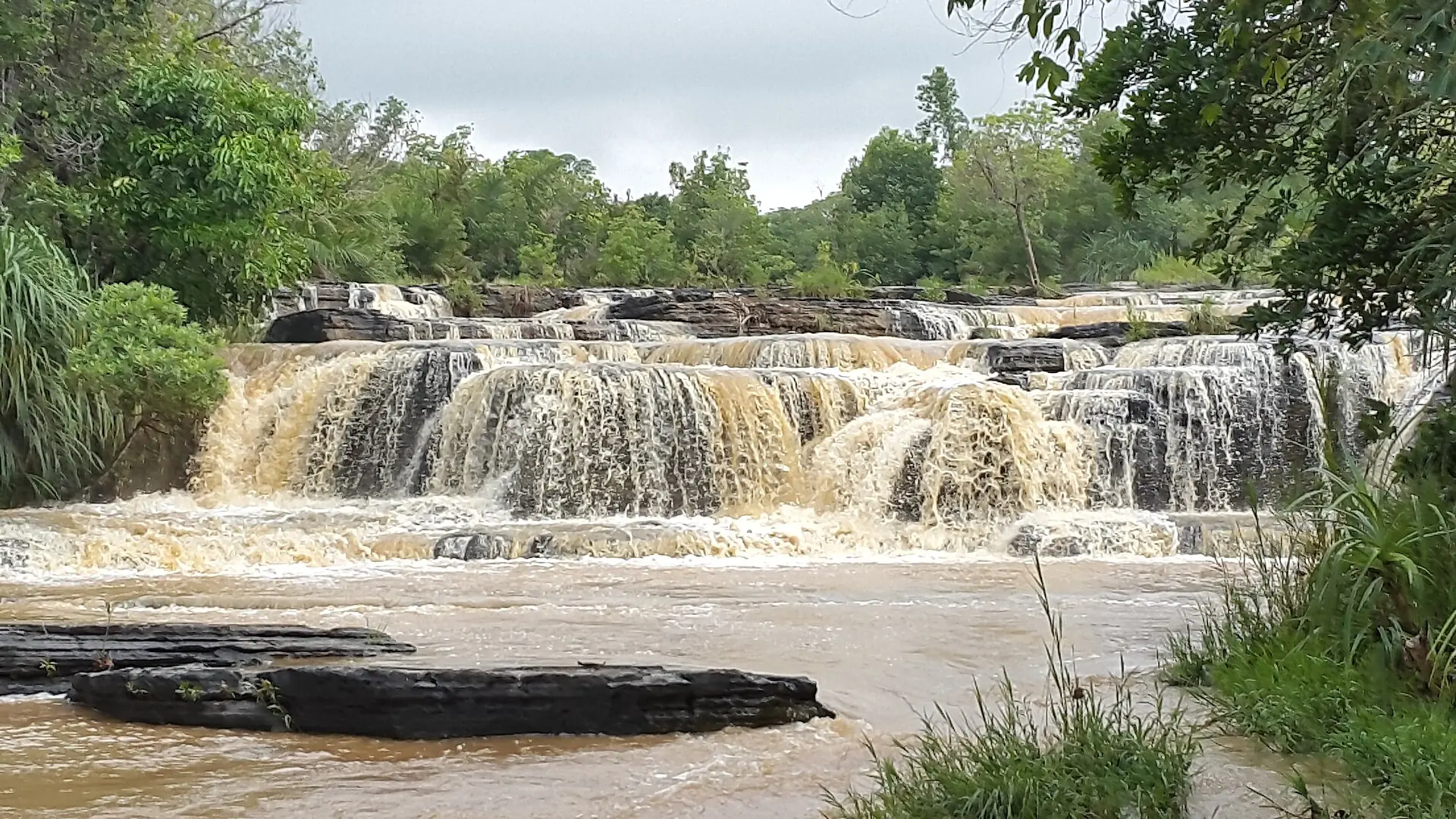
- Visit the Karfiguéla Cascades: multi-tiered falls with natural pools, best after the rains.
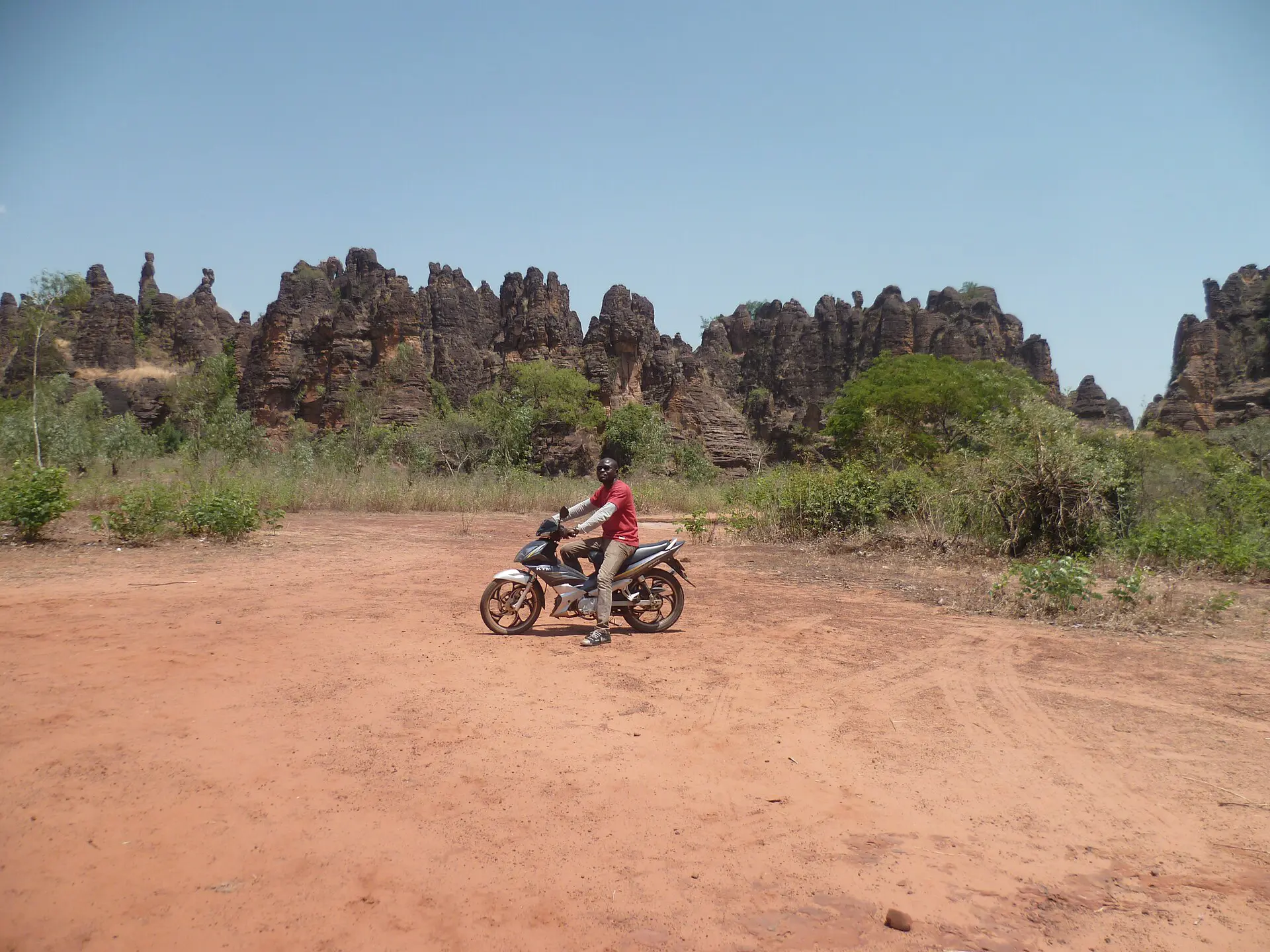
- Climb the Sindou Peaks: a field of sandstone pinnacles reached from Banfora.
- Tour the Ruins of Loropéni: the stone-walled remains of a trading settlement, inscribed by UNESCO in 2009.
- Attend FESPACO: the film festival in Ouagadougou, held every two years.
- Shop at the SIAO craft fair: the international arts and crafts fair held in Ouagadougou, normally every two years.
- Watch hippos at Lake Tengrela: boat trips near Banfora were a popular half-day.
- Visit Tiébélé: decorated walls and a traditional royal compound.
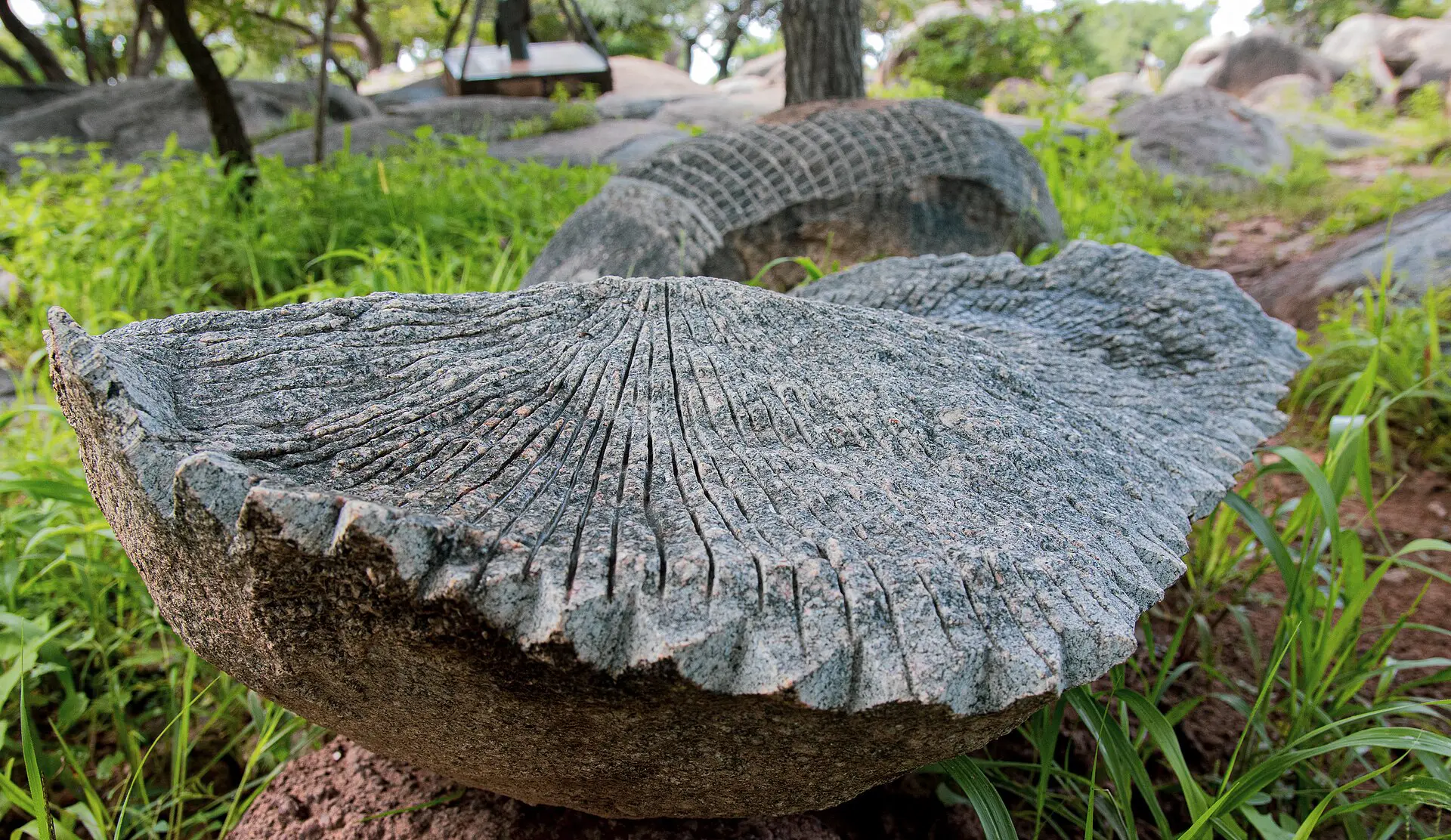
- See the Laongo granite sculptures: an open-air art site near the capital.
Best time to visit Burkina Faso
The best time to visit Burkina Faso in climate terms is November to February, when the weather is dry and cooler, although the Harmattan wind can bring dust. Security, however, is the main factor, and government advice should decide whether and when to travel at all.
| Season | Weather | Crowds and prices | Good for |
|---|---|---|---|
| Nov-Feb | Dry, warm days, cooler nights; dusty Harmattan | Low tourist numbers | Festivals, travel by road |
| Mar-May | Very hot, often above 40 C | Low | Little; heat is severe |
| Jun-Sep | Rainy season, humid, roads can flood | Low | Green landscapes, waterfalls |
| Oct | Rains ending, still warm | Low | Waterfalls, early travel |
The rains can cut off unpaved roads in the south and southwest, and Sahelian heat in March to May is hard for most visitors.
Is Burkina Faso safe?
Is Burkina Faso safe? No. Governments including the UK and US advise against all travel to the country or to most of it, citing terrorism, kidnapping, armed group attacks and political instability. Violence by armed groups has affected large parts of the north, east and other regions, and the situation is volatile. Read your government’s advice, such as the UK FCDO or US State Department pages, before considering any travel.
Terrorism and kidnapping. Attacks have targeted security forces, civilians, markets, places of worship and venues popular with foreigners, including in Ouagadougou. Foreigners have been kidnapped.
Roads and checkpoints. Travel by road outside the main cities carries a high risk of attack or ambush. Checkpoints are common, and curfews and travel restrictions can be imposed with little notice.
Political risk. The country has had several coups, including two in 2022, and rules on movement, media and photography can change suddenly.
Health. Malaria is widespread, and yellow fever vaccination is typically required. Medical care outside the capital is limited, and insurers often exclude travel to countries under government warnings.
Burkina Faso visa and entry requirements
Burkina Faso visa rules vary by nationality, and most visitors from outside West Africa have needed to obtain a visa before arrival, either at an embassy or through an online system. Rules have changed in recent years, so check the official Burkinabe foreign ministry or an embassy, and also your own government’s advice, which currently warns against travel.
You will usually need a passport with several months of validity and blank pages, proof of accommodation and a yellow fever vaccination certificate. Airlines may refuse boarding without the certificate. Entry points and border crossings can close at short notice, and land borders with several neighbours have been affected by insecurity.
Travel insurance is difficult to get for countries under government warnings, so read the exclusions. Register with your embassy if you are in the country. The UNESCO page for Burkina Faso lists the World Heritage sites, such as the Ruins of Loropéni.
Getting to and around Burkina Faso
Ouagadougou Airport is the main international gateway, with flights from Paris, Brussels, Istanbul, Casablanca, Abidjan, Accra, Dakar and other African hubs, though schedules change. Bobo-Dioulasso has a smaller airport. Land borders with Côte d’Ivoire, Ghana, Togo and others have long been used, but crossings can close at short notice and road travel near borders is dangerous in many regions.
Within the country, long-distance buses link Ouagadougou with Bobo-Dioulasso in about five to six hours, and shared taxis and minibuses serve smaller towns. A railway to Abidjan once carried passengers, but services have been disrupted. In cities, taxis and motorbike taxis are common, and agreed fares are essential.
Given the current security picture, independent travel by road outside major cities is not advisable. Anyone who must travel should use a reputable agency with up-to-date security advice, avoid night driving and follow official guidance on movement restrictions.
How much does a trip to Burkina Faso cost?
Burkina Faso is inexpensive for local costs, but security, insurance and evacuation cover can make any trip costly. The currency is the West African CFA franc (XOF), which is pegged to the euro at roughly 655 francs per euro. The figures below are rough per-person guides and are not a recommendation to travel.
- Budget: around XOF 12,000 to 25,000 per day, with basic guesthouses, local meals and shared transport.
- Mid-range: around XOF 25,000 to 50,000 per day, with air-conditioned rooms, restaurant meals and taxis.
- High-end: from around XOF 80,000 per day, with the best Ouagadougou hotels and a private driver and guide.
Air-conditioning and reliable accommodation are the biggest local cost, followed by vehicle hire with a driver. Specialist security advice, medical evacuation insurance and flexible tickets add substantially to the true cost. Many insurers refuse cover where governments advise against travel.
Burkina Faso food and drink
Burkina Faso food is West African Sahelian cooking: grain staples, spicy sauces, grilled meat and fresh vegetables. Meals are simple, filling and cheap, and eating is usually communal.
- Tô: a thick paste of millet, sorghum or maize served with a leaf, okra or peanut sauce, the national staple.
- Riz gras: rice cooked in tomato, onion and meat stock, popular at celebrations.
- Poulet bicyclette: free-range chicken, grilled or stewed, named for the bicycle-hauled birds.
- Brochettes: grilled meat skewers sold in the evening, often with onions and pepper.
- Benga: a bean dish with a spicy sauce, often eaten with rice or fried plantain.
- Zoom-koom: a sweet millet drink, usually served cold.
- Dolo: a traditional millet beer, especially in the south and west.
- Bissap: a hibiscus drink served chilled.
Vegetarians can eat beans, rice, plantain and vegetable sauces, but meat stock is common. Avoid raw salads and ice if you do not trust the water, and choose freshly cooked food. Alcohol is available in many places, but it is less common in strictly Muslim areas.
Culture, language and etiquette in Burkina Faso
French is the language of administration and is widely used in towns, but most people speak national languages: Mooré is the most widely spoken, followed by Dioula and Fulfulde. Greetings matter, and a polite, unhurried exchange before any request is expected. Bonjour and merci are always welcome.
The Mossi are the largest ethnic group and have a long history of kingdoms such as Ouagadougou, Tenkodogo and Yatenga. About two thirds of people are Muslim, around a quarter Christian, and many follow traditional beliefs, especially in the southwest. The country is known for mask traditions, drumming, balafon music and craftwork such as bronze casting and textiles.
Dress modestly, particularly in rural and Muslim areas. Use the right hand for eating and giving. Ask permission before photographing people, religious sites and markets, and never photograph soldiers, police, checkpoints or government buildings, as this can bring arrest. Avoid discussing politics, the military government or armed groups in public.
Burkina Faso itinerary: a 7-day route
Independent travel in Burkina Faso is not currently advisable, so this guide does not recommend a route. Governments advise against all travel to most of the country, and overland routes between towns carry a high risk. Anyone who needs to travel for work or family reasons should follow official advice and use specialist security support instead of a tourist itinerary.
For future planning, if advice eases, a cautious week would stay in the south and southwest, and would be set only after checking current advisories:
- Day 1, Ouagadougou: arrive and stay in the capital, with a short, safe local itinerary.
- Day 2, Ouagadougou: visit the museums and the Laongo sculptures, subject to local advice.
- Day 3, Ouagadougou to Bobo-Dioulasso: travel about five to six hours by daylight transport.
- Day 4, Bobo-Dioulasso: see the Grand Mosque and markets.
- Day 5, Banfora: visit the Karfiguéla Cascades and Lake Tengrela.
- Day 6, Banfora: see the Sindou Peaks and Fabédougou domes if guides confirm the area is open.
- Day 7, return: travel back to Ouagadougou or fly from Bobo-Dioulasso.
Treat this as a research outline only. Do not travel on it unless advisories change.
Practical tips for Burkina Faso
- Safety first: read the UK FCDO and US State Department advice, register with your embassy and have a plan for evacuation if you must travel.
- Money: the West African CFA franc is the only currency widely used. ATMs exist in the main cities and often do not accept foreign cards, so carry euros to exchange.
- SIM and eSIM: local prepaid SIMs are cheap, and coverage is good in towns. Mobile internet can be restricted during unrest.
- Plugs: types C and E at 220 V.
- Tipping: not expected, but small amounts for guides, drivers and helpful staff are appreciated.
- Health: yellow fever vaccination is typically required, and malaria prevention is essential. Seek a travel clinic before departure.
- Packing: light, modest clothing, a head covering for dust and sun, repellent and a first-aid kit.
- Insurance: check exclusions carefully, as many policies do not cover countries with government warnings.
For wider background, see the Wikivoyage Burkina Faso guide.
FAQ
Q1What is Burkina Faso food like?
Burkina Faso food is Sahelian: millet or sorghum paste called tô with leaf or okra sauces, riz gras, grilled chicken and brochettes, beans and fried plantain. Drinks include bissap, zoom-koom and dolo millet beer. Meals are cheap, and vegetarians can eat beans and vegetables.
Q2Is Burkina Faso safe?
No. Governments including the UK and US advise against all travel to Burkina Faso or most of it, citing terrorism, kidnapping, armed group attacks and political instability. Violence affects many regions, and roads are dangerous. Read your government's current advice before making any decision.
Q3What are the best things to do in Burkina Faso?
Sights include the Grand Mosque in Bobo-Dioulasso, the Karfiguéla Cascades and Sindou Peaks near Banfora, the Ruins of Loropéni and the FESPACO film festival. Many are in regions under travel warnings, so treat them as background, not a current plan.
Q4Do I need a Burkina Faso visa?
Most visitors from outside West Africa have needed a visa before arrival, plus a yellow fever certificate. Rules change, so confirm with the Burkinabe foreign ministry or an embassy. Also read your own government's advice, which currently warns against travel.
Q5What is the best time to visit Burkina Faso?
On climate alone, November to February is best, with dry weather and cooler nights. March to May is extremely hot, and June to September is rainy. Security matters more than season, and governments currently advise against travel, so check advice first.
Q6Is Burkina Faso safe to visit for tourists right now?
No, not according to current government advice. The UK and US warn against travel because of terrorism, kidnapping and unrest, and consular help is limited. Travel insurance is often void in such countries. Anyone with a work or family reason to go should seek specialist security advice.