Why visit Benin
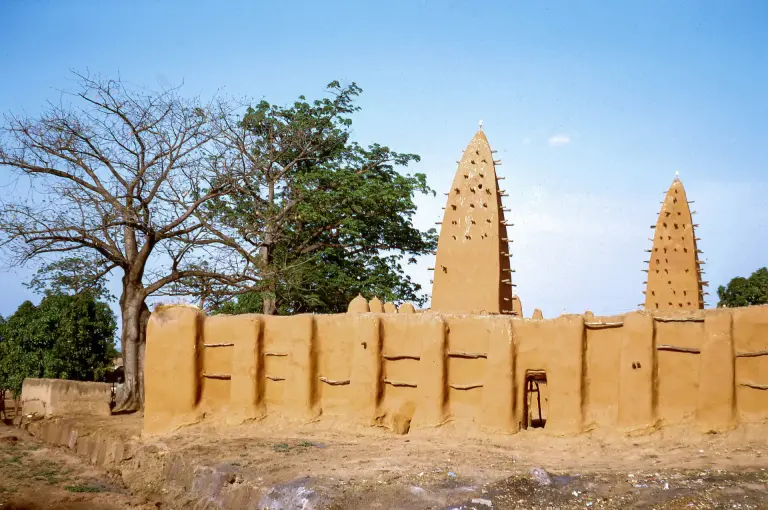
The best things to do in Benin revolve around history that is easy to touch. This was the heartland of the Kingdom of Dahomey, the homeland of Vodun, and a major point of the transatlantic slave trade, which is why the coast was once called the Slave Coast. It is one of the more stable countries in the region (see the Wikivoyage Benin guide).
Benin suits travellers who like heritage, markets and conversation more than resorts. French is the official language, roads and hotels are basic outside the cities, and the north needs extra care. Formerly named Dahomey, the country is small enough for a rewarding trip along the southern corridor between Cotonou and Grand-Popo.
Best places to visit in Benin
The best places to visit in Benin sit close together in the south, so one base in Cotonou or Ouidah covers most of them.
Abomey
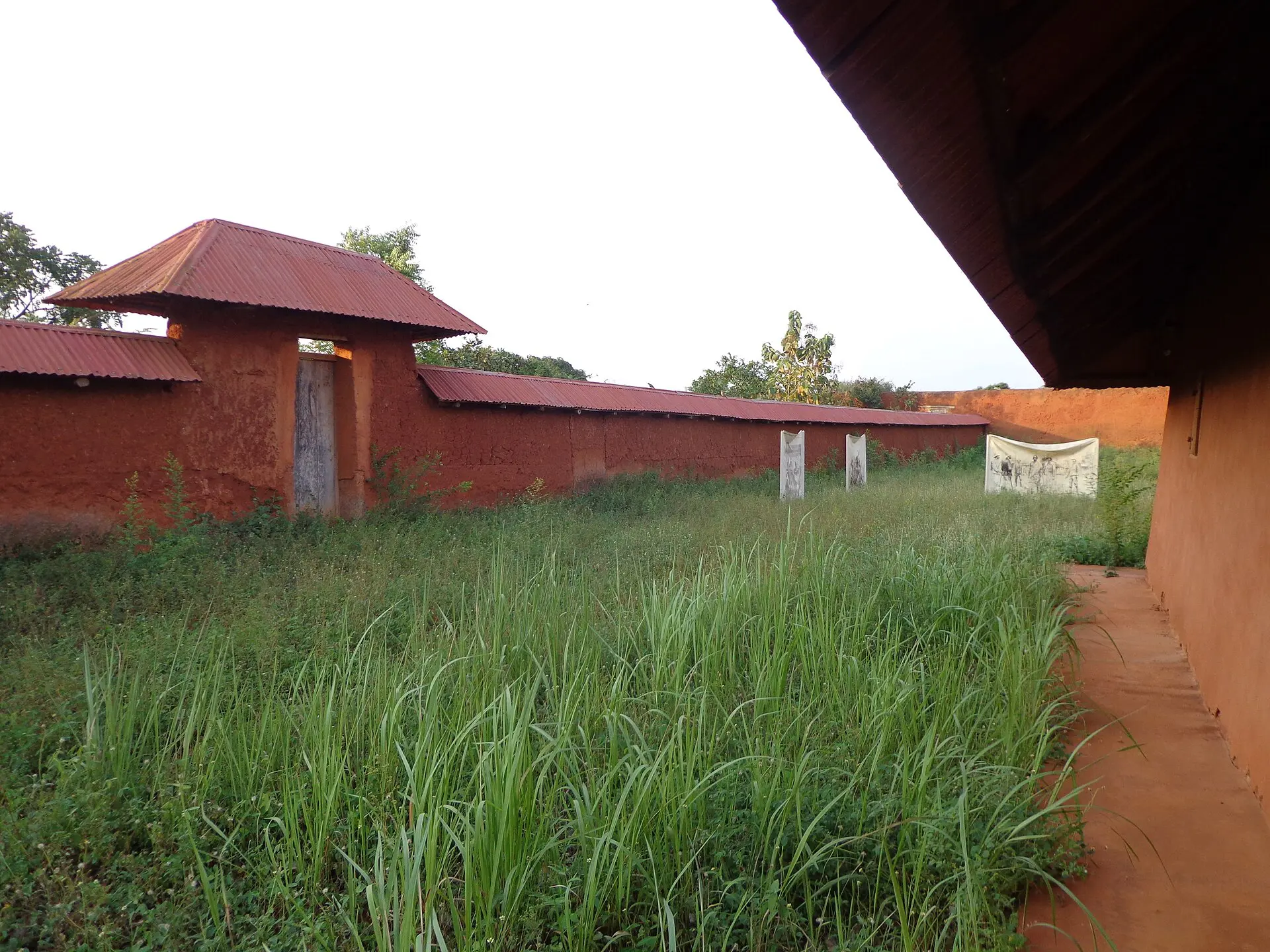
The former capital of Dahomey holds the Royal Palaces of Abomey, a UNESCO World Heritage Site. Earthen palaces and a historical museum tell the story of the kings, their bas-reliefs and the female warriors known as the Amazons. Allow half a day.
Ouidah
A former slave-trading port and the centre of Vodun, Ouidah has a historic museum in a Portuguese fort, a Temple of Pythons and the Route des Esclaves ending at a memorial arch on the beach.
Ganvié
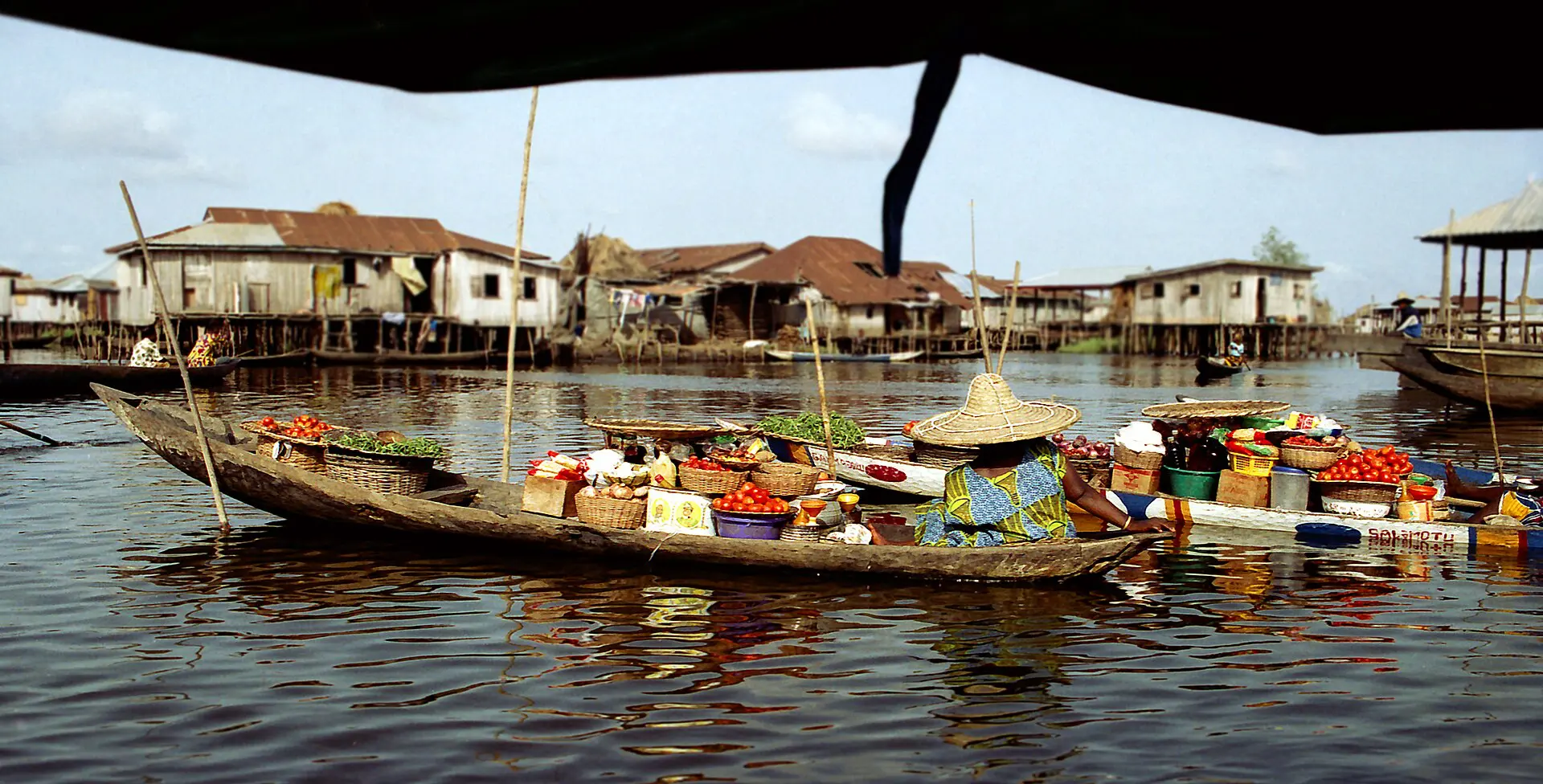
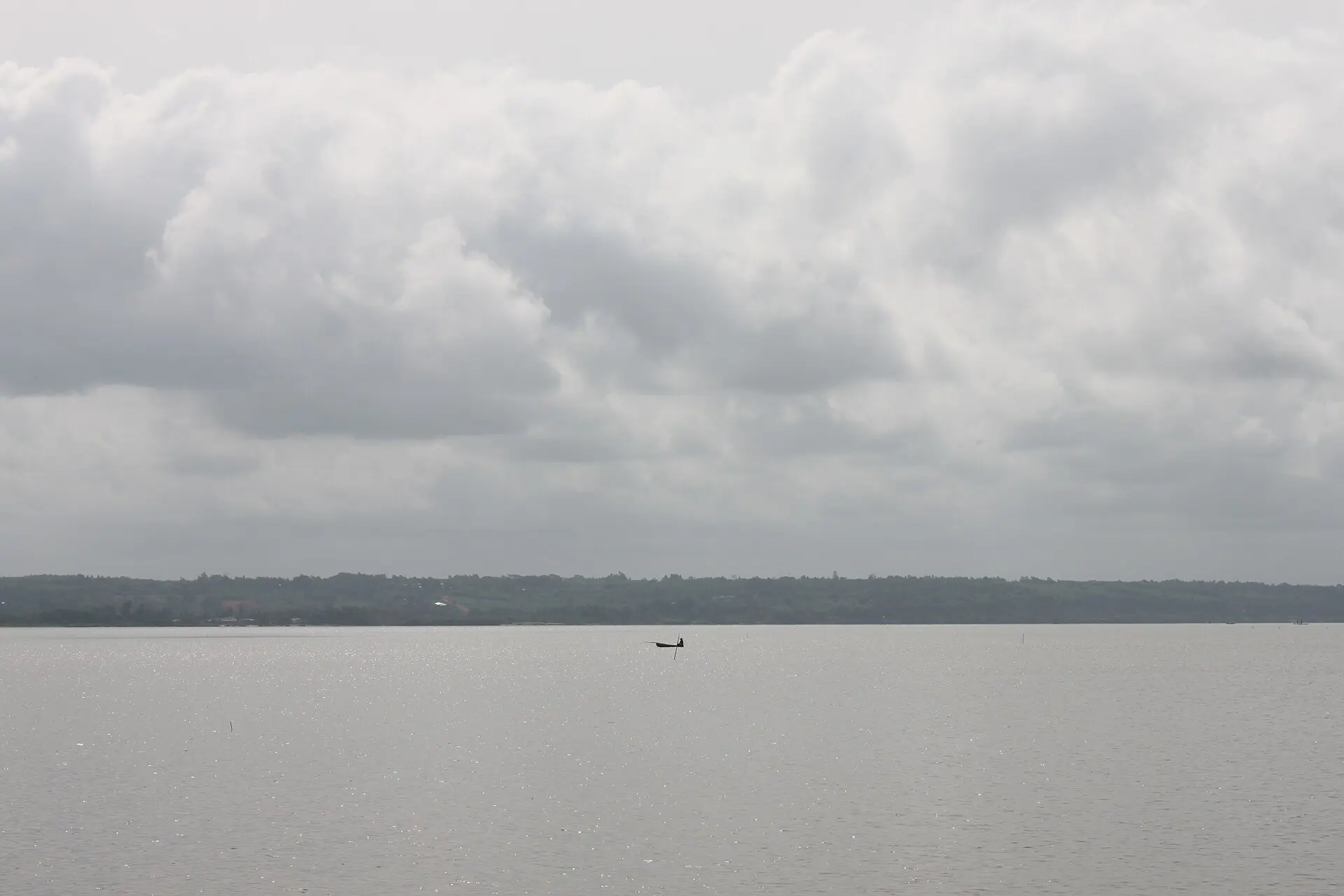
This village built on stilts in Lake Nokoué is reached by pirogue from Calavi near Cotonou. Visit with a local guide, agree the boat price first and treat it as a living community, not a set.
Porto-Novo
The official capital has the Honmé Royal Palace, an ethnographic museum, colonial buildings and a Brazilian-style mosque, all within walking distance of each other.
Grand-Popo and Lake Ahémé
Grand-Popo is a quiet beach town near the Togo border, with palm-lined sand and the Mono River estuary. Nearby Possotomé on Lake Ahémé is a calm stop for boat trips.
Top things to do in Benin
The top things to do in Benin combine heritage sites, water and markets, and most fit into a week in the south.
- Tour the Abomey palaces: a guide explains the thrones, bas-reliefs and royal history.
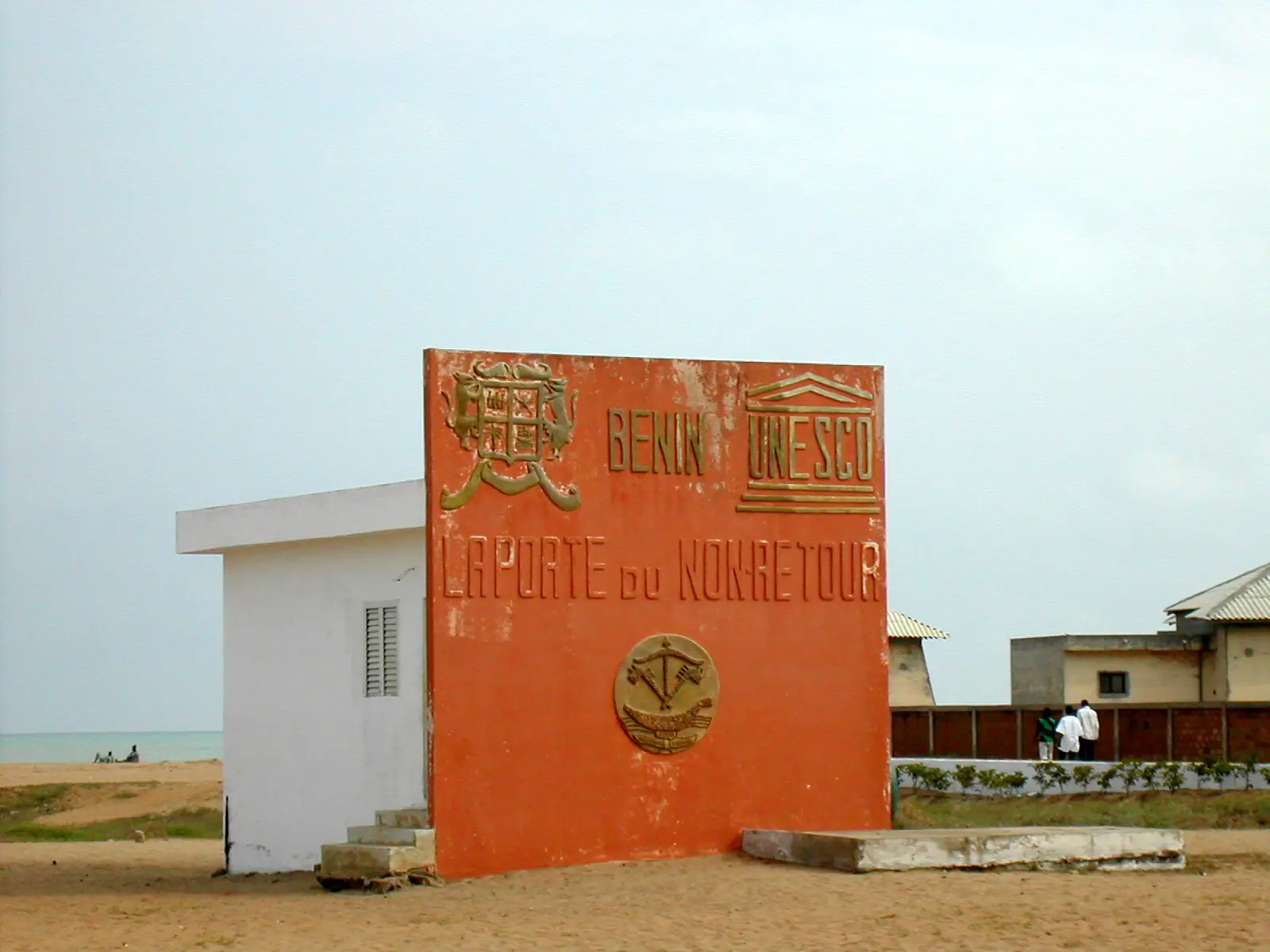
- Walk the Route des Esclaves in Ouidah: it ends at the Door of No Return memorial on the Atlantic.
- Visit the Temple of Pythons: sacred snakes are kept in a Vodun temple in Ouidah.
- Take a pirogue to Ganvié: go early, when the lake is calm.
- Browse Dantokpa Market in Cotonou: one of West Africa’s largest markets, best with a guide.
- See a Vodun ceremony respectfully: ask a licensed local guide, and pay any requested fee openly.
- Relax at Grand-Popo: long beaches, but strong currents make swimming risky.
- Explore Porto-Novo’s museums: the Da Silva Museum and Honmé Palace cover Afro-Brazilian and royal history.
- Cruise Lake Ahémé: fishing villages and birdlife around Possotomé.
Best time to visit Benin
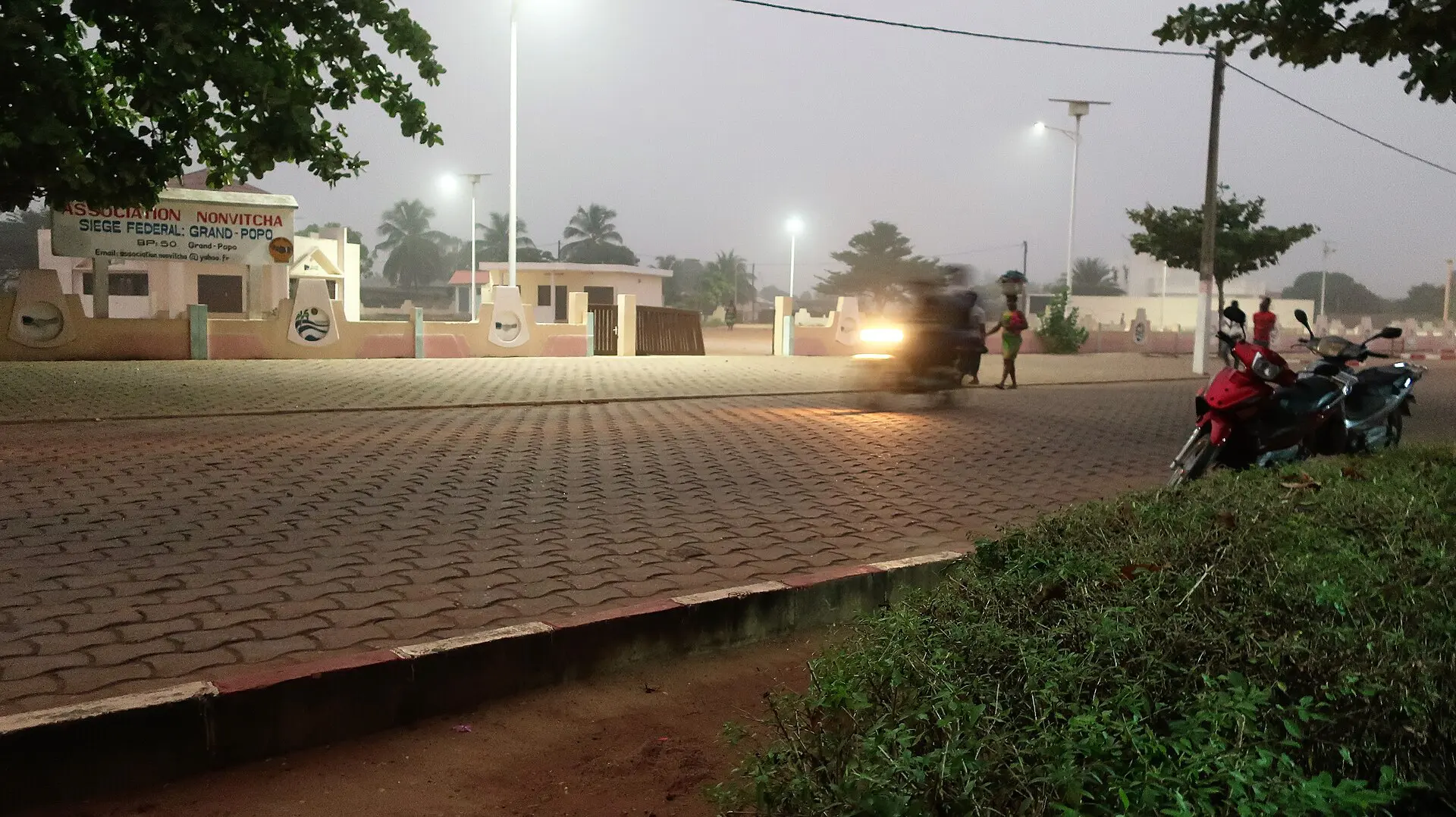
The best time to visit Benin is the main dry season from November to February, when roads are passable and humidity is lower. Harmattan dust can haze the sky from December to January. The south has two rainy seasons, roughly April to July and a lighter one in September and October.
| Season | Weather | Crowds and prices | Good for |
|---|---|---|---|
| Nov-Feb | Dry, hot, dusty harmattan haze | Busiest, still modest | Palaces, Ouidah, the coast |
| Mar-Apr | Very hot and humid | Quiet | City visits |
| May-Jul | Heavy rain in the south | Low | Budget travel, green landscapes |
| Aug-Oct | Short dry spell, then lighter rain | Low to moderate | Lakes, markets |
Ouidah hosts a national Vodun festival every 10 January, the best time to see ceremonies in a public setting.
Is Benin safe to visit?
Is Benin safe? The south is generally welcoming and calm, but the far north is not recommended. Governments advise against travel near the borders with Burkina Faso and Niger and in Pendjari and W national parks. Check the UK FCDO or US State Department pages before booking, and re-check close to departure.
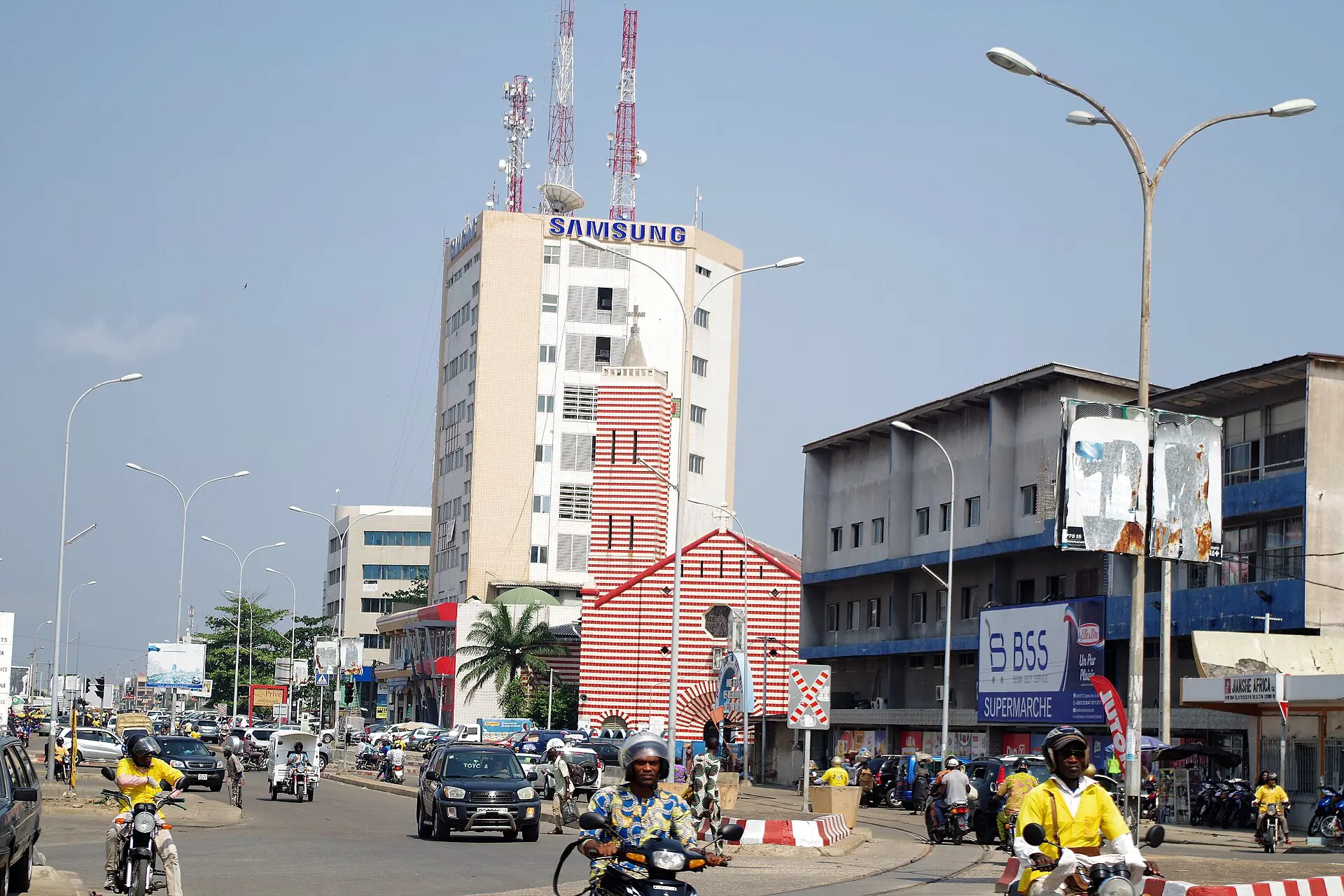
Petty crime. Cotonou has bag snatching and pickpocketing, especially around Dantokpa Market and at night. Keep phones hidden and avoid walking after dark.
Roads. Motorbike taxis called zémidjans are everywhere and a leading cause of injuries. Insist on a helmet or choose a car taxi for long trips.
Health. Malaria is present, so ask a doctor about prophylaxis and use repellent. A yellow fever certificate is usually required. Drink bottled or filtered water.
Sea. Atlantic currents are strong along the whole coast; swim only where locals do.
Benin visa and entry requirements
Benin visa rules depend on nationality, and most visitors from outside West Africa have needed to apply in advance, usually through an official e-visa portal. Fees, processing times and document lists have changed more than once, so confirm the current process with the Benin government or your nearest embassy before you pay anyone.
Travellers have also generally needed a yellow fever vaccination certificate, which officials may ask to see at the airport. Bring a passport valid for at least six months, a hotel booking or invitation, and a return ticket. If you drive in from Togo or Nigeria, expect road checkpoints and slow border formalities.
For background on Benin’s two World Heritage listings, see the UNESCO page for Benin, though it does not cover entry rules.
Getting to and around Benin
Most visitors fly into Cardinal Bernardin Gantin Airport in Cotonou, which has connections to Paris, Brussels, Istanbul and several African hubs. Overland routes come from Togo at Hilacondji, from Nigeria at Seme, and from the north via Burkina Faso and Niger, which are not advisable.
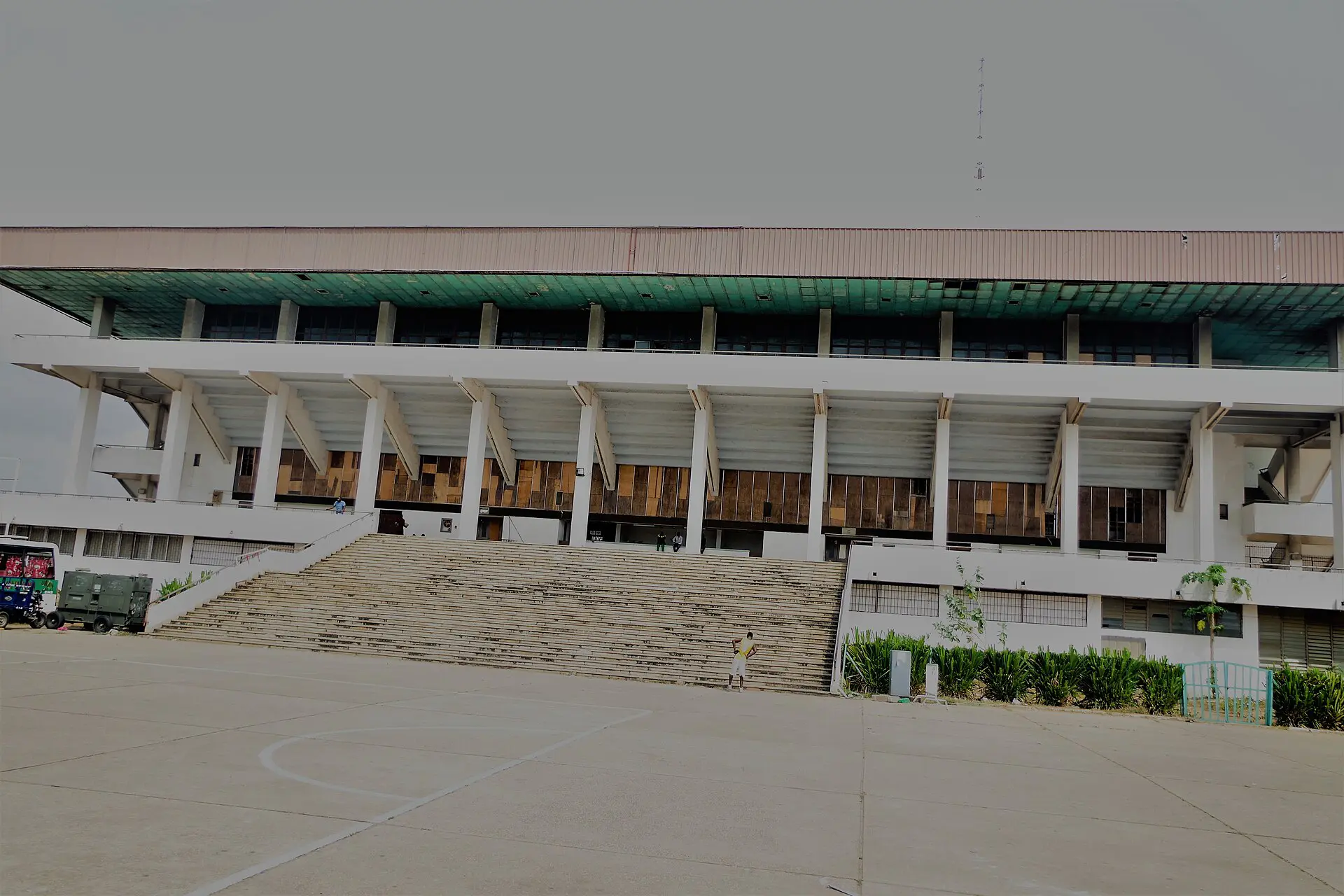
Within the south, shared taxis and buses link Cotonou with Porto-Novo (about one hour), Ouidah (about 45 minutes to 1 hour) and Abomey (about two to three hours). Zémidjans cover short trips, and ride apps work in Cotonou. For multi-stop trips, a hired car with a driver usually costs the least stress, though roads can be congested around Cotonou. There is no practical passenger rail.
How much does a trip to Benin cost?
Benin is moderately priced, with a few expensive items such as flights and the visa. The currency is the West African CFA franc (XOF), pegged to the euro. Figures below are rough per-person guides and change with fuel prices.
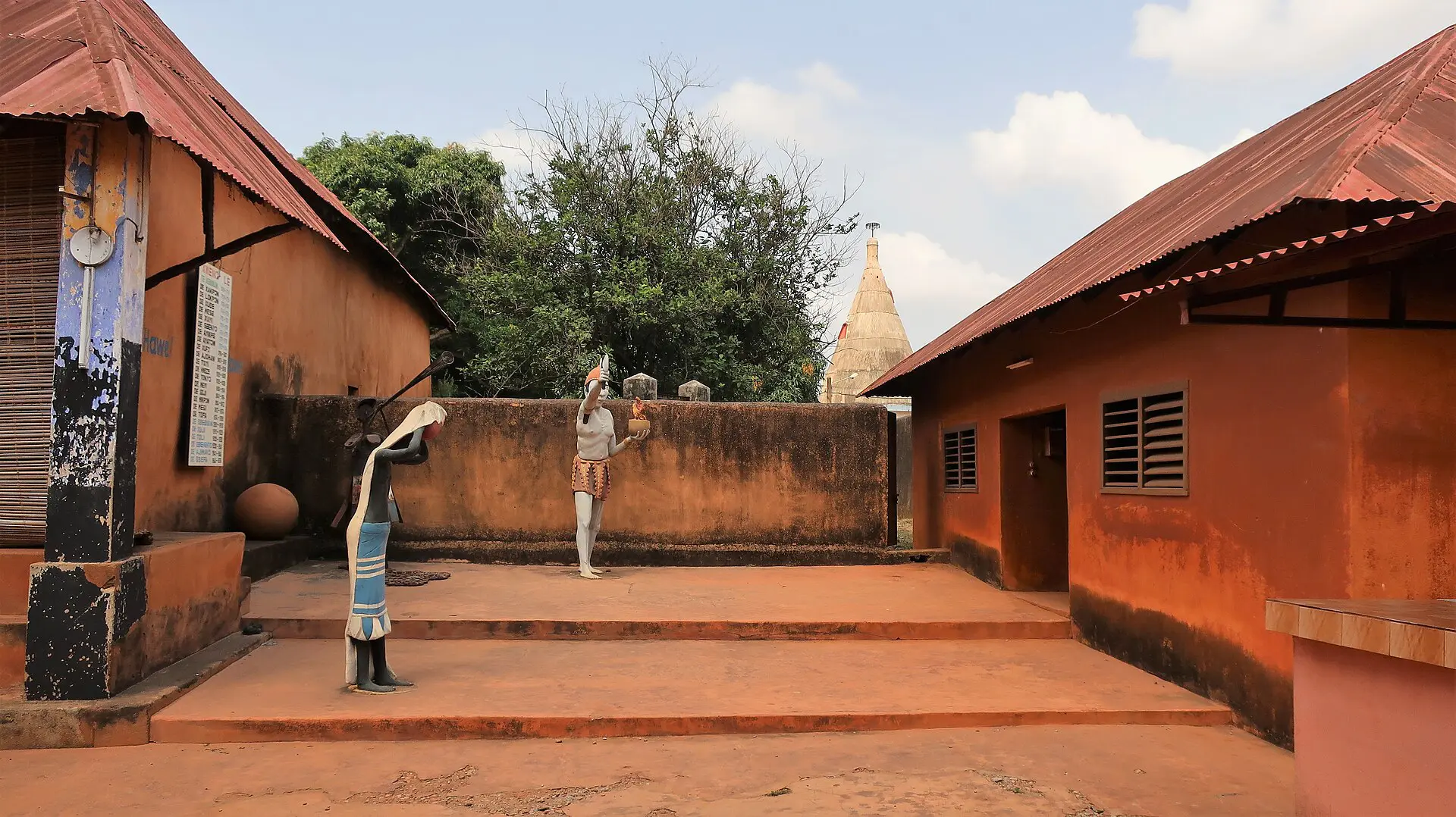
- Budget: around EUR 25 to 40 per day, with simple guesthouses, shared taxis and street food.
- Mid-range: around EUR 40 to 90 per day, with air-conditioned hotels, restaurant meals and a guide or driver for some days.
- High-end: from around EUR 120 per day, with the best Cotonou hotels and private transport.
Guides, car hire with a driver and entry fees at palaces and museums add up, and tourist sites often charge separately for photography. Cash is dominant outside Cotonou.
Benin food and drink
Benin food is built on maize, yam, cassava, beans, fish and spicy sauces, with French bread and coffee as legacies of colonial rule.
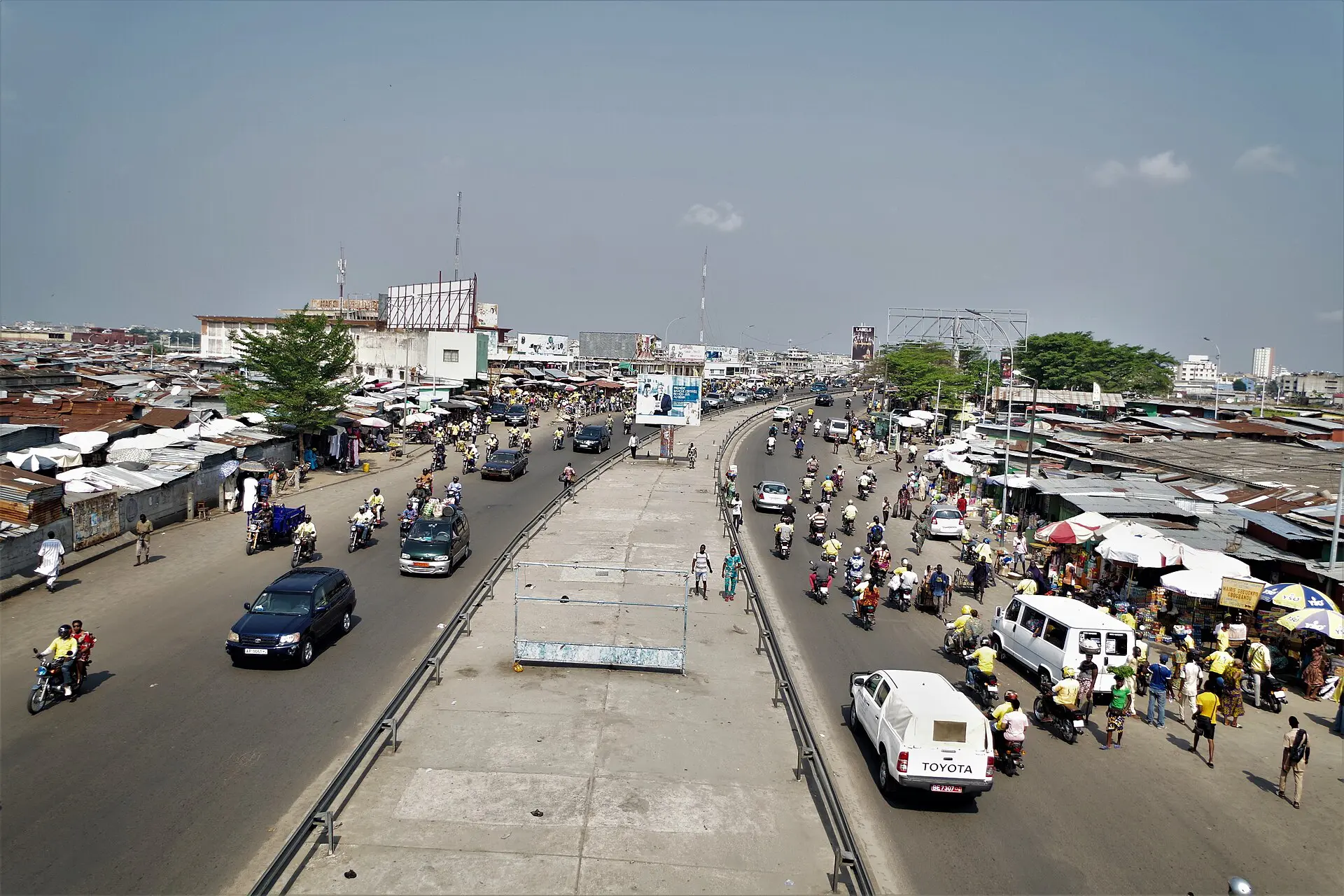
- Pâte with sauce: a thick maize or cassava paste eaten with okra, peanut or tomato sauce.
- Igname pilée: pounded yam served with a rich sauce.
- Aloko: fried plantain with chilli sauce, a common street snack.
- Poulet bicyclette: free-range grilled chicken, leaner and chewier than farmed birds.
- Wagashi: fried or grilled local cheese, often served with a spicy sauce.
- Sodabi: a strong palm spirit made locally.
- La Béninoise: the national beer, sold everywhere.
Eat at busy maquis, the local open-air restaurants, and choose cooked-to-order dishes. Vegetarians can eat beans, fried plantain and rice with sauce, but ask about fish stock.
Culture, language and etiquette in Benin
French is the official language, but Fon, Yoruba, Bariba and Dendi are widely spoken, and a few words of Fon will be well received. Christianity is the largest religion, followed by Islam, and many people also practise Vodun, which is recognised nationally.
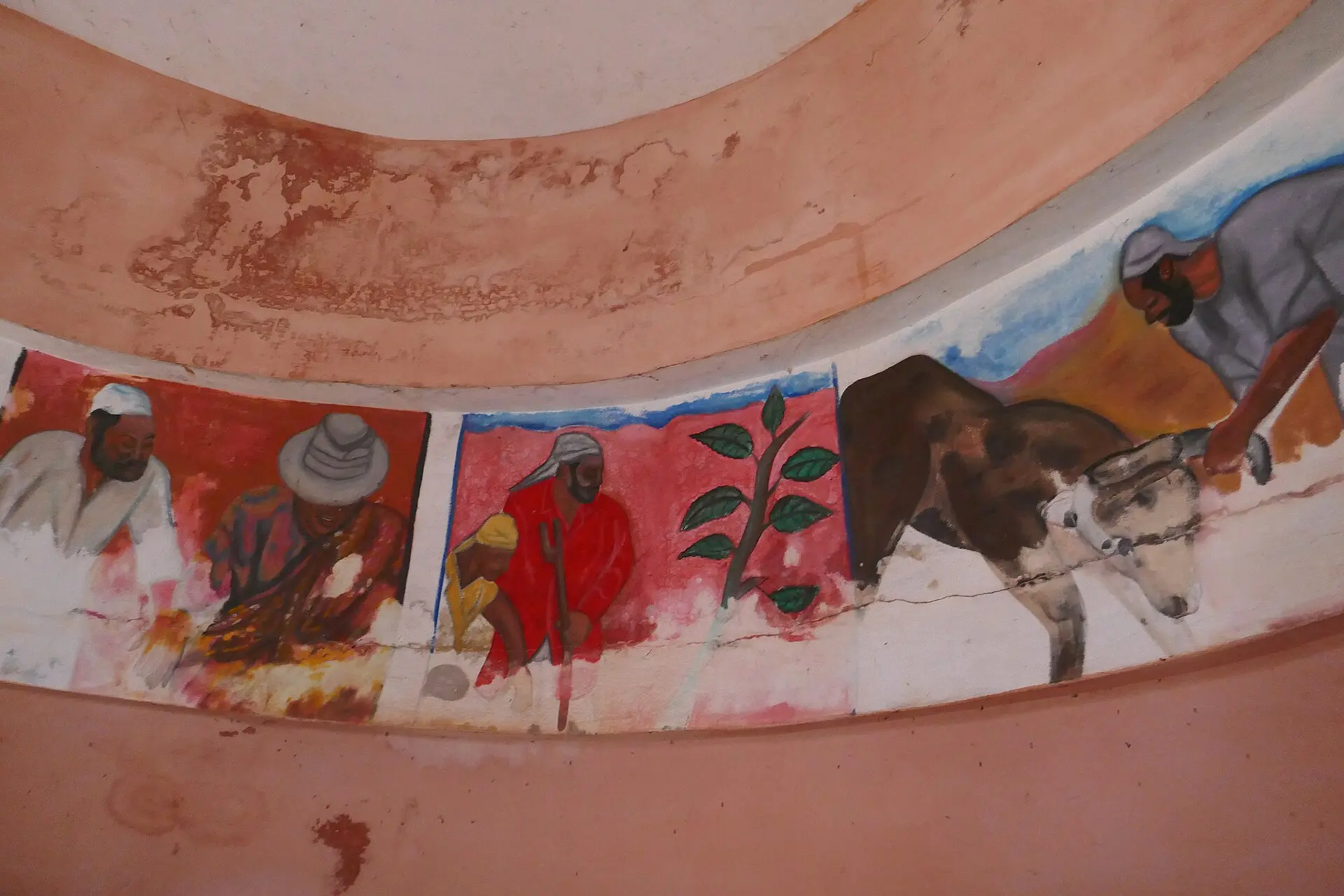
Greet people before asking a question, usually with a handshake and a few polite words. Dress modestly, particularly around mosques, churches and shrines. Ask before taking photographs of people and always at ceremonies; some sacred objects and ceremonies must not be photographed, and a small contribution is customary. Treat memorials such as the Route des Esclaves as sites of remembrance. Avoid political discussion, and use your right hand for giving and receiving.
Benin itinerary: a 7-day route
This route stays in the south, where governments do not advise against travel, and avoids the far north entirely.
- Day 1, Cotonou: arrive, rest and visit Dantokpa Market with a guide.
- Day 2, Ganvié: take a morning pirogue to the stilt village and return for the afternoon on the waterfront.
- Day 3, Porto-Novo: travel about one hour, visit Honmé Palace and the museums.
- Day 4, Abomey: go inland (about two to three hours) to tour the Royal Palaces and stay overnight.
- Day 5, Ouidah: visit the Temple of Pythons and the Historical Museum, then the Route des Esclaves.
- Day 6, Grand-Popo: relax by the Atlantic and visit Lake Ahémé.
- Day 7, return: allow about two hours back to the airport in Cotonou.
Time it for 10 January to see the Ouidah festival.
Practical tips for Benin
- Money: carry West African CFA francs in cash; ATMs are mostly in Cotonou and Porto-Novo, and cards work in a few hotels.
- SIM and eSIM: local prepaid SIMs are cheap, and coverage is good in the south.
- Plugs: types C and E at 230 V.
- Tipping: not expected; small change or around 10 percent for good service is appreciated.
- Health: arrange a yellow fever certificate, malaria advice and travel insurance with medical evacuation.
- Packing: light cotton clothes, repellent, a hat, a torch for power cuts and small bills.
- Language: basic French is very helpful outside the main hotels.
For more background reading, see the Wikipedia article on Benin.
FAQ
Q1What is Benin food like?
Benin food centres on maize or cassava paste, pounded yam, fried plantain, grilled chicken and fish with spicy tomato, okra or peanut sauces. Wagashi cheese and sodabi palm spirit are local specialities. Eat at busy maquis and choose freshly cooked dishes.
Q2Is Benin safe?
The south is generally calm, with the main risks being petty theft in Cotonou, motorbike-taxi accidents and malaria. The far north near Burkina Faso and Niger is not recommended by several governments. Check current UK or US travel advice before booking.
Q3What are the best things to do in Benin?
Top choices are touring the Royal Palaces of Abomey, walking the Route des Esclaves in Ouidah, visiting Ganvié by pirogue, exploring Porto-Novo's museums, browsing Dantokpa Market and relaxing at Grand-Popo. Add Lake Ahémé if you have time.
Q4Do I need a visa for Benin?
Most visitors outside West Africa have needed a visa, usually an e-visa applied for before travel, plus a yellow fever certificate. Rules and fees change, so confirm the current requirement on Benin's official immigration portal or with your embassy.
Q5Is Benin safe to visit for tourists?
Yes in the south, with normal care. Avoid walking at night in Cotonou, use official taxis, and hire local guides for markets and ceremonies. Avoid the northern border areas and the Pendjari and W national parks unless the latest government advice changes.
Q6What is the best time to visit Benin?
November to February is best, with dry weather and easier roads, though harmattan dust can haze the sky. The Ouidah Vodun festival on 10 January is the cultural highlight. May to July is rainy, which makes some roads difficult.
Q7How many days do you need in Benin?
Seven days covers Cotonou, Ganvié, Porto-Novo, Abomey, Ouidah and Grand-Popo at a comfortable pace. Four to five days is possible if you skip the coast, but the road travel between sites takes longer than the distances suggest.