Why visit Cape Verde
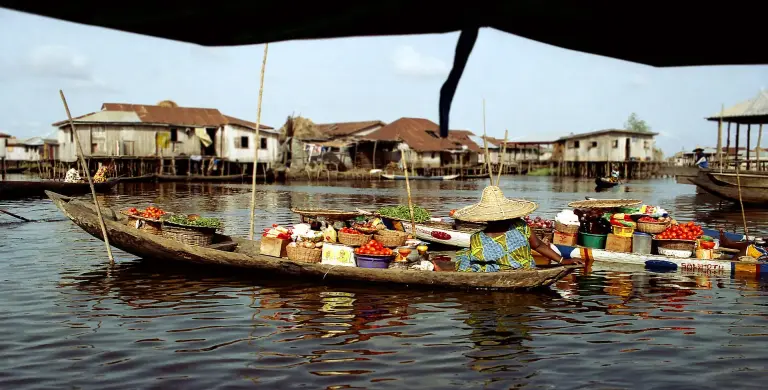
Cape Verde travel is easy to like: ten volcanic islands, 570 kilometres off the coast of Senegal, offer year-round sun, long beaches, dramatic mountains and a blend of African and Portuguese culture (see the Wikipedia overview). The country has been officially called Cabo Verde since 2013, and you will see both names in guidebooks and on flight listings. It is among the most stable democracies in Africa, which makes it one of the most approachable places to visit on the continent.
Each island has its own character, so the choice of where to go matters more than the choice of when. It suits beach and watersports travellers, hikers, music lovers and anyone looking for a short flight from Europe, around six hours from the UK or about four from Lisbon. It is less suited to travellers who want quick transport or lots of historic sights, since inter-island travel is slow and the sights are mostly natural.
Best places to visit in Cape Verde
The best places to visit in Cape Verde are spread across separate islands, so pick two or three rather than trying to see all ten.
Sal
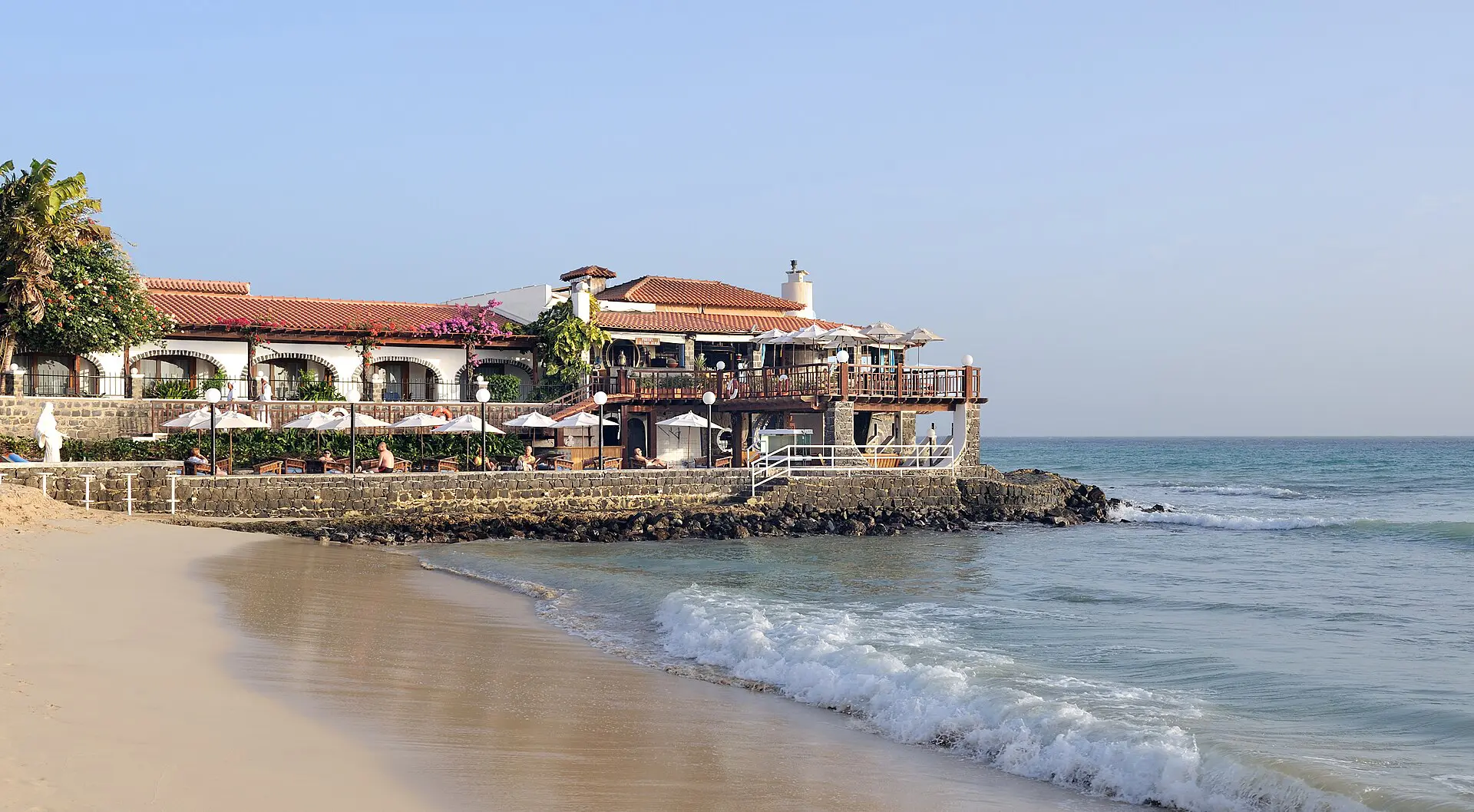
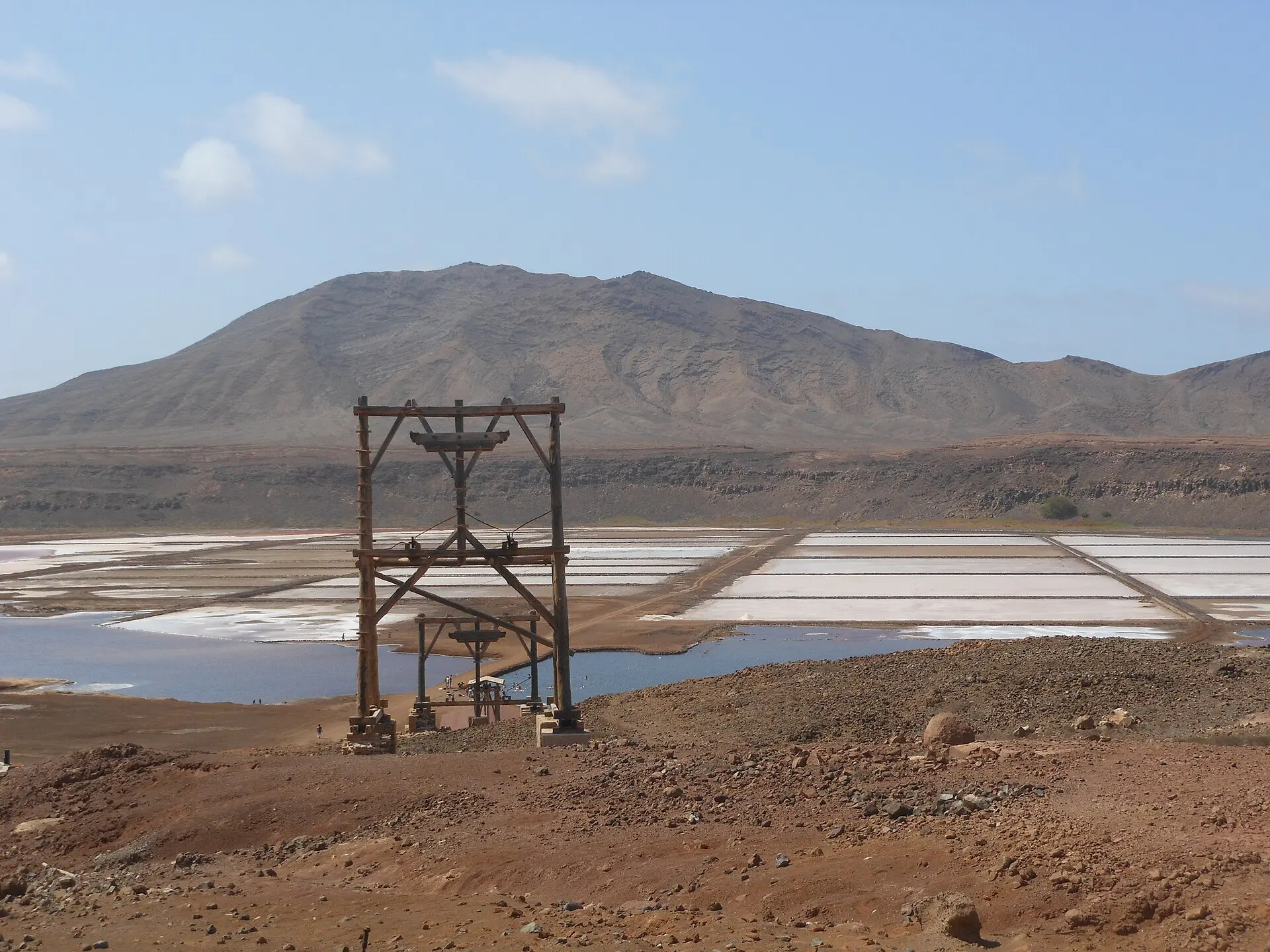
Sal is flat and dry, with Santa Maria’s long white-sand beach, resort hotels and wind-sports. Pedra de Lume, a salt lake inside a volcanic crater, is a short drive away. It is the easiest island for a simple beach holiday.
Boa Vista
Boa Vista has some of the longest dunes and emptiest beaches in the country, a desert-like interior and turtle-nesting beaches in summer. Sal Rei is the main town.
Santiago
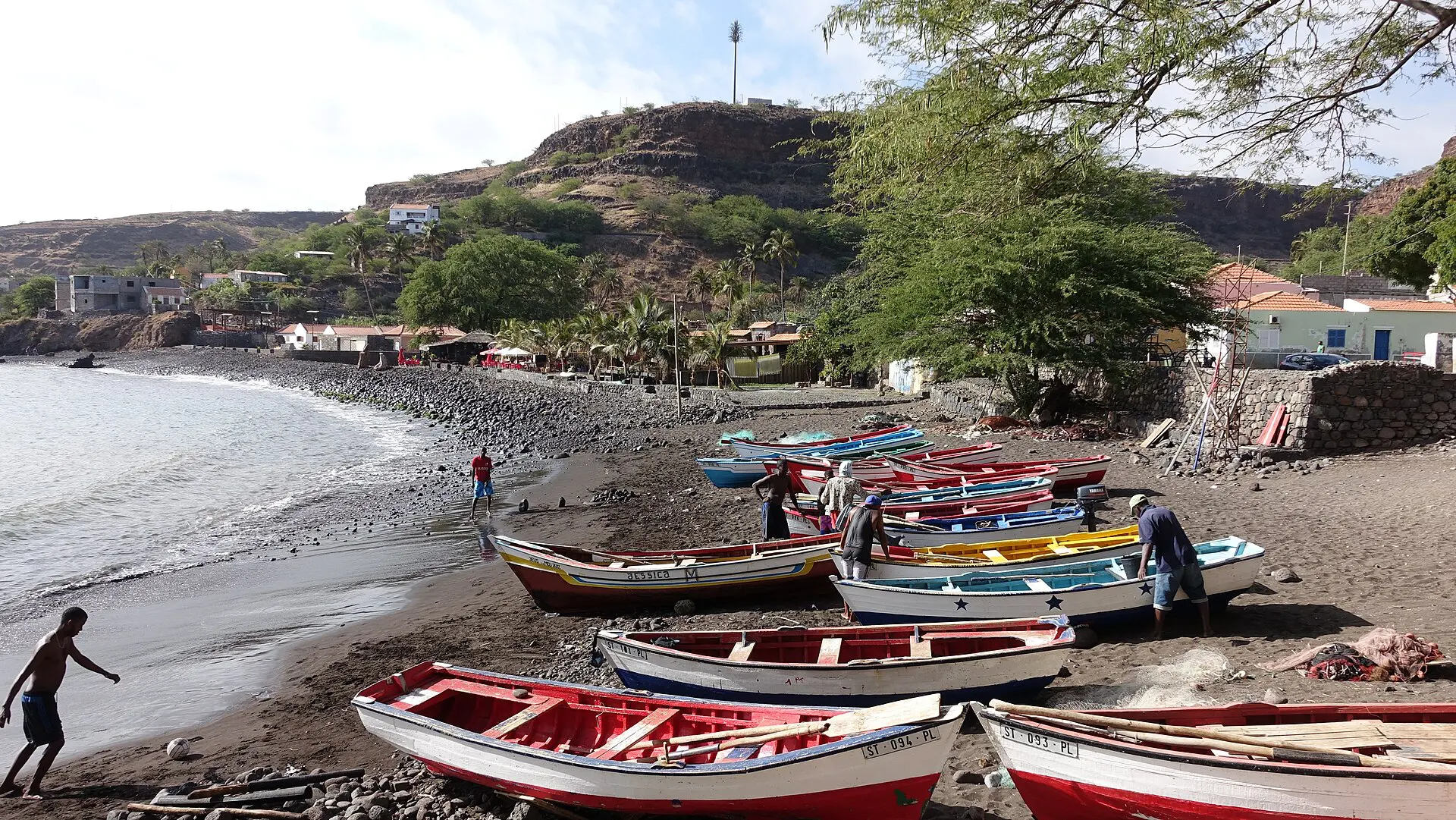
The largest island holds Praia, the capital, and Cidade Velha, the first European colonial town in the tropics and a UNESCO World Heritage Site. It is the best island for history and local life.
Fogo
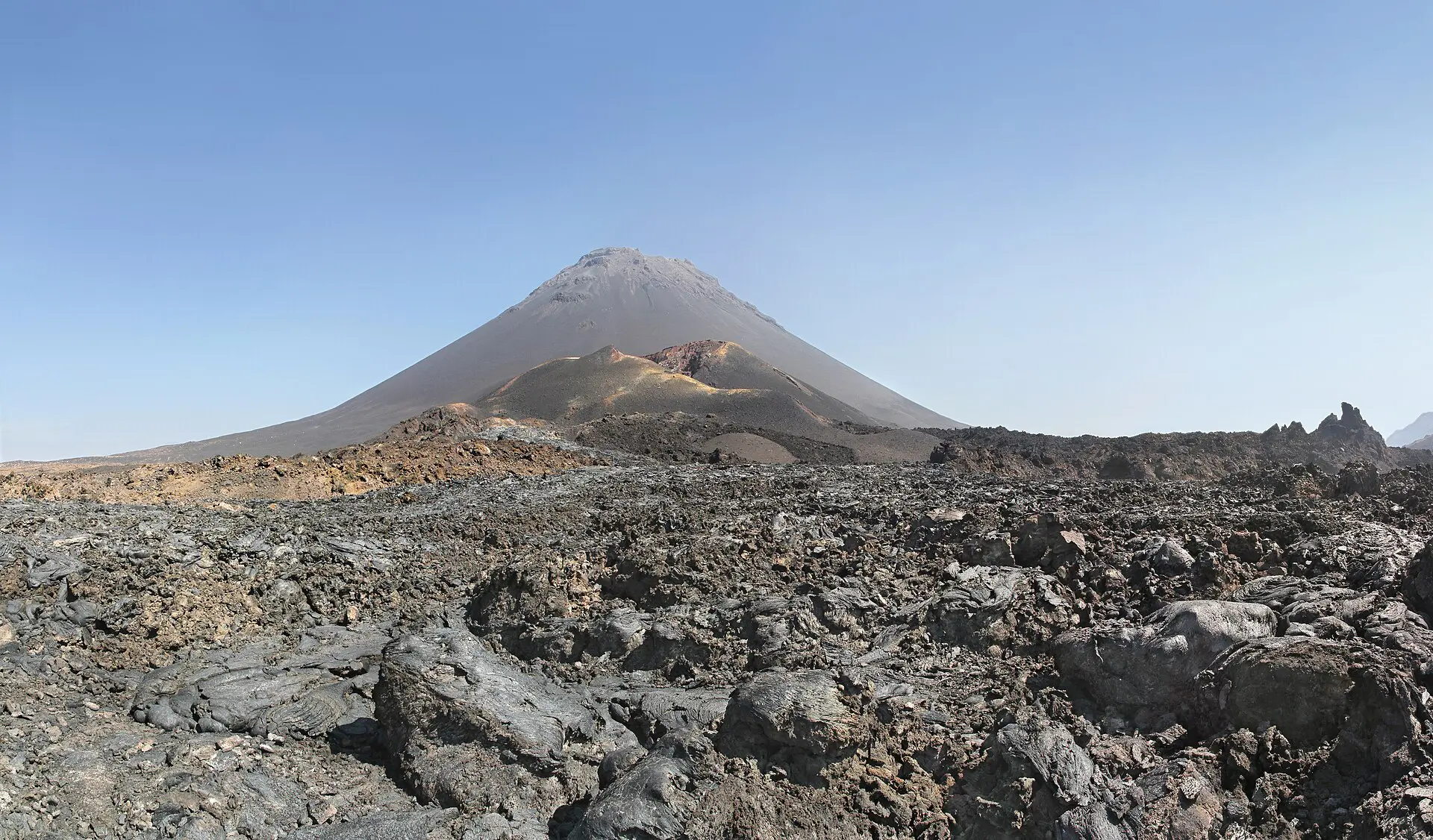
Fogo is dominated by the Pico do Fogo volcano, which last erupted in 2014 and 2015. Visitors hike to the crater, taste local wine in Chã das Caldeiras and visit the colonial town of São Filipe.
Santo Antão
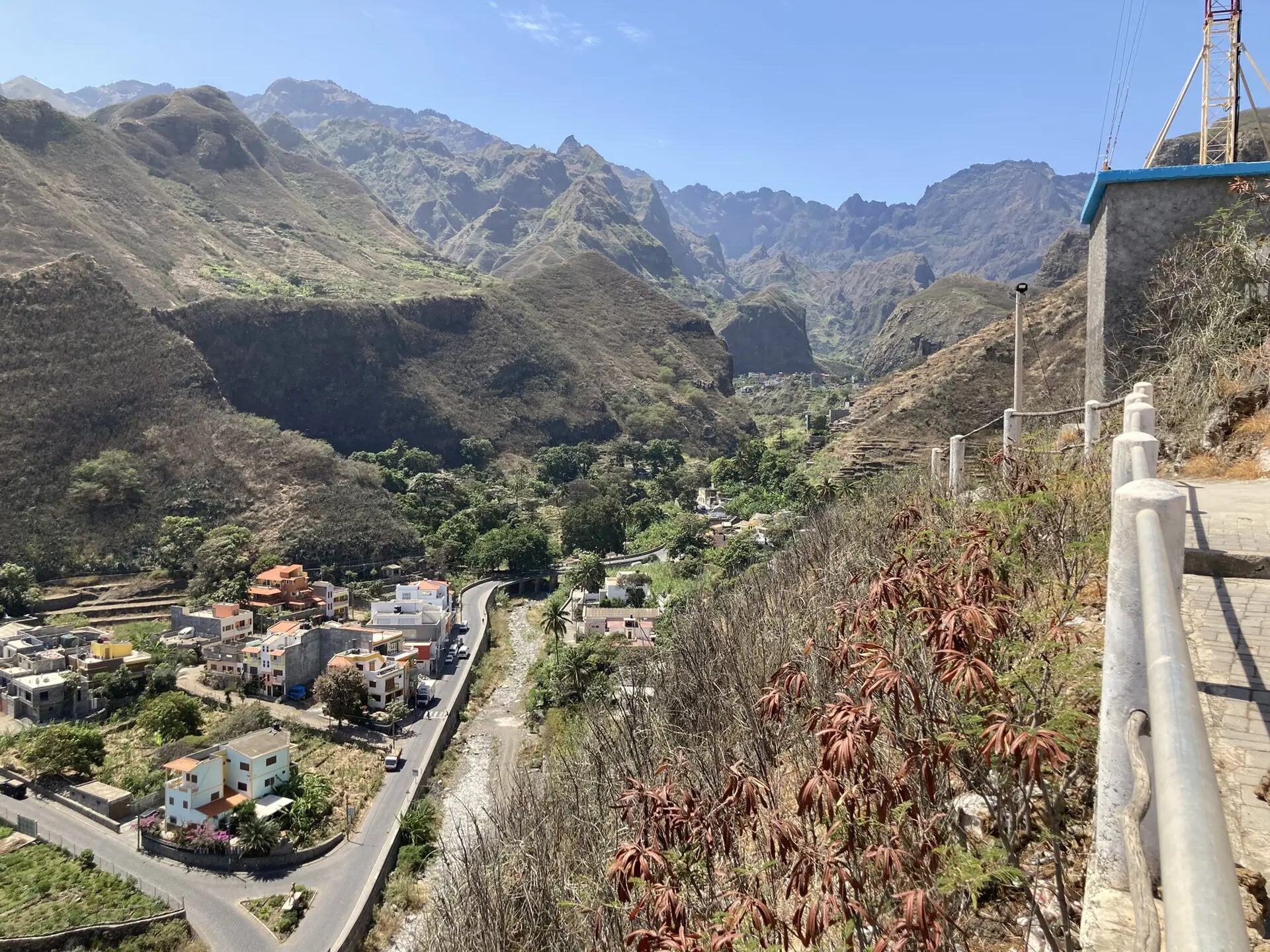
The greenest island has deep valleys, terraced farms and some of Africa’s best coastal and mountain hiking, reached by ferry from São Vicente.
São Vicente
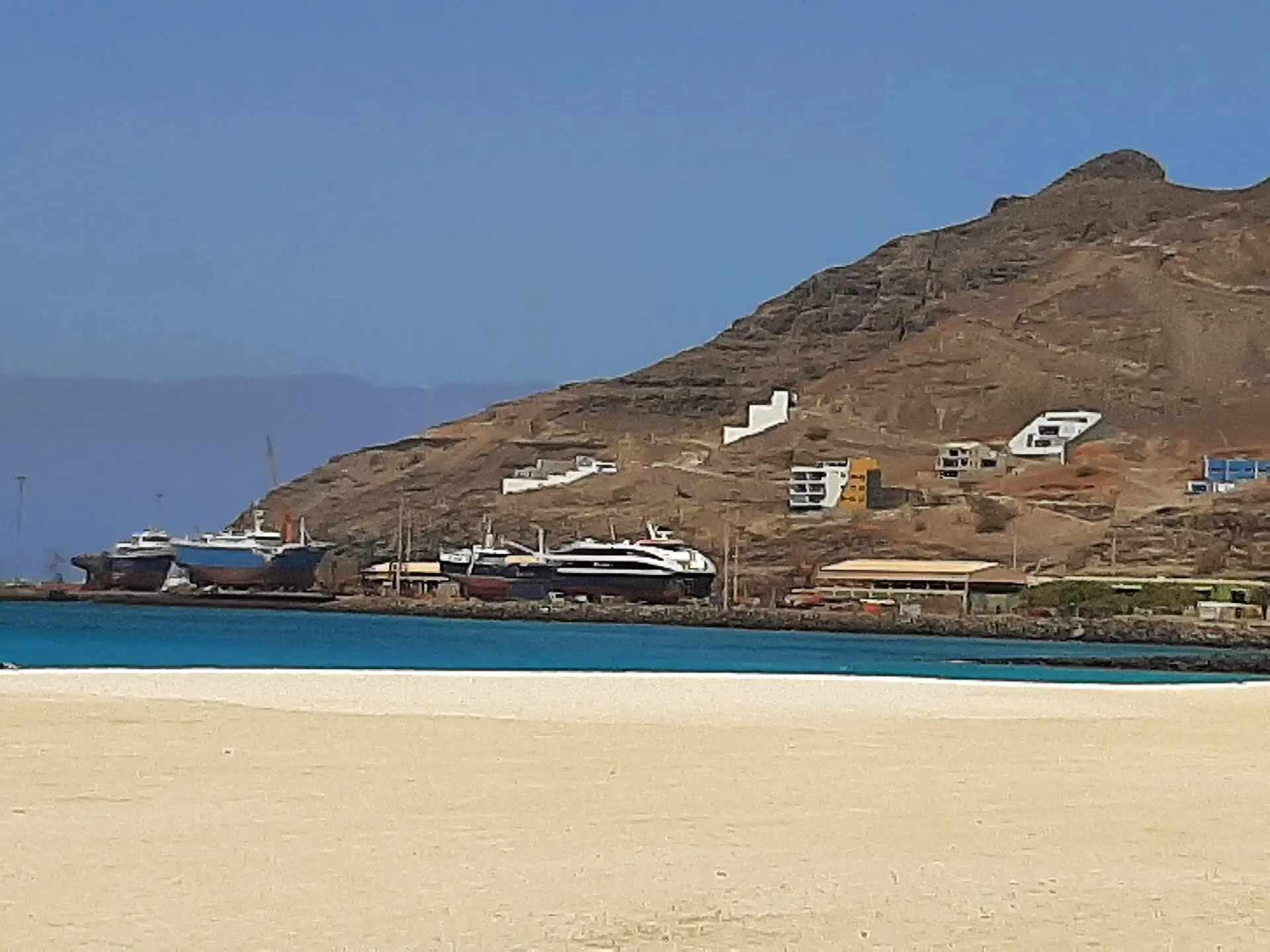
Mindelo is the cultural capital, known for live music, a lively harbour, colonial buildings and Carnival.
Top things to do in Cape Verde
The top things to do in Cape Verde mix beaches, volcano hikes and music. Here are the main ones.
- Hike Pico do Fogo: a guided climb to the crater rim takes around four to six hours, with views over the clouds.
- Walk the Paul Valley on Santo Antão: a green gorge route of terraces and villages, usually done downhill with a guide.
- Relax on Santa Maria beach: calm water and long sand in Sal.
- Float in the Pedra de Lume salt lake: the heavy salt water lets you float, and a former salt works sits beside it.
- Visit Cidade Velha: climb the Real fortress above the oldest colonial settlement in the tropics.
- Hear live morna in Mindelo: the home of Cesária Évora has bars with nightly music.
- Kitesurf or windsurf: Sal and Boa Vista have strong, steady winds from about November to May.
- Watch turtle nesting: guided night walks on Boa Vista and Sal run in summer and autumn, with a licensed conservation group.
- Go whale watching: humpback whales pass the islands in spring, with boat trips from Boa Vista.
- Dive or snorkel: Sal, Boa Vista and Santiago have reefs and wrecks.
- Taste Fogo wine and coffee: small estates around Chã das Caldeiras offer tastings.
Best time to visit Cape Verde
The best time to visit Cape Verde is November to June, when the weather is dry, sunny and warm, with air temperatures mostly in the mid 20s C. Rain falls mainly from August to October, peaking in September, and is heaviest on Santiago, Fogo and Santo Antão. The flat islands of Sal, Boa Vista and Maio stay almost dry all year.
| Season | Weather | Crowds and prices | Good for |
|---|---|---|---|
| Dec-Feb | Warm, windy; dusty haze at times | Busiest, highest prices | Beaches, kitesurfing, hiking |
| Mar-Jun | Warm and sunny, less wind | Moderate | Whales, beaches, hiking |
| Jul-Oct | Hot, humid, showers, greener hills | Lower prices | Turtles, green Santo Antão, diving |
| Nov | Dry again, landscapes still green | Rising | Hiking, island-hopping |
Hiking is best from October to early spring, when the mountains are green after the rains and the weather is cooler. Dust from the Sahara, called the harmattan or bruma seca, can reduce visibility from December to February.
Is Cape Verde safe to visit?
Yes, Cape Verde is generally safe, and it is one of the safest and most stable destinations in West Africa. Violent crime against tourists is rare, but petty theft happens. Check your government’s travel advice, such as UK FCDO or US State Department pages, before you book.
Theft. Pickpocketing and bag snatching occur in busy areas of Praia, Mindelo and Santa Maria, and some visitors report muggings after dark in Praia. Keep valuables out of sight, avoid walking alone at night and lock your hotel room.
Sea. Strong currents, rip tides and large waves cause drownings every year. Swim at beaches with lifeguards, heed flags and be careful on Sal and Boa Vista.
Hiking. Trails are steep, with drop-offs and loose volcanic ground. Use a local guide on Fogo and Santo Antão, carry water and avoid hiking in heavy rain.
Health. Tap water is not always recommended for drinking, so choose bottled water. Mosquito-borne illnesses such as dengue have occurred, so use repellent. Carry travel insurance with medical cover, as clinics on smaller islands are basic.
Cape Verde visa and entry requirements
Cape Verde visa rules depend on your nationality. Travellers from some West African countries and a few others can enter without a visa. Citizens of the EU and several other countries have been visa-exempt but must pay a security fee on arrival of around EUR 30 to 35, and complete a short online pre-registration through the official EASE portal, which speeds up the airport process. Other travellers can usually get a visa online or on arrival for a similar fee.
Rules and fees change, so check the official Cabo Verde government portal or your nearest embassy before you book. Your passport should be valid for several months beyond your stay, with a spare blank page.
Keep a printed copy of your pre-registration receipt and return ticket for the airport. If you plan to visit several islands, remember that you only complete entry formalities once, on arrival, and not for domestic flights. Arrive early at small airports, where queues form as flights land.
Getting to and around Cape Verde
Four islands have international airports: Sal, Boa Vista, Santiago (Praia) and São Vicente. Direct flights come from Lisbon, Amsterdam, London, Paris and other European cities, while charter flights serve the resorts on Sal and Boa Vista. A typical flight from Lisbon takes about four hours.
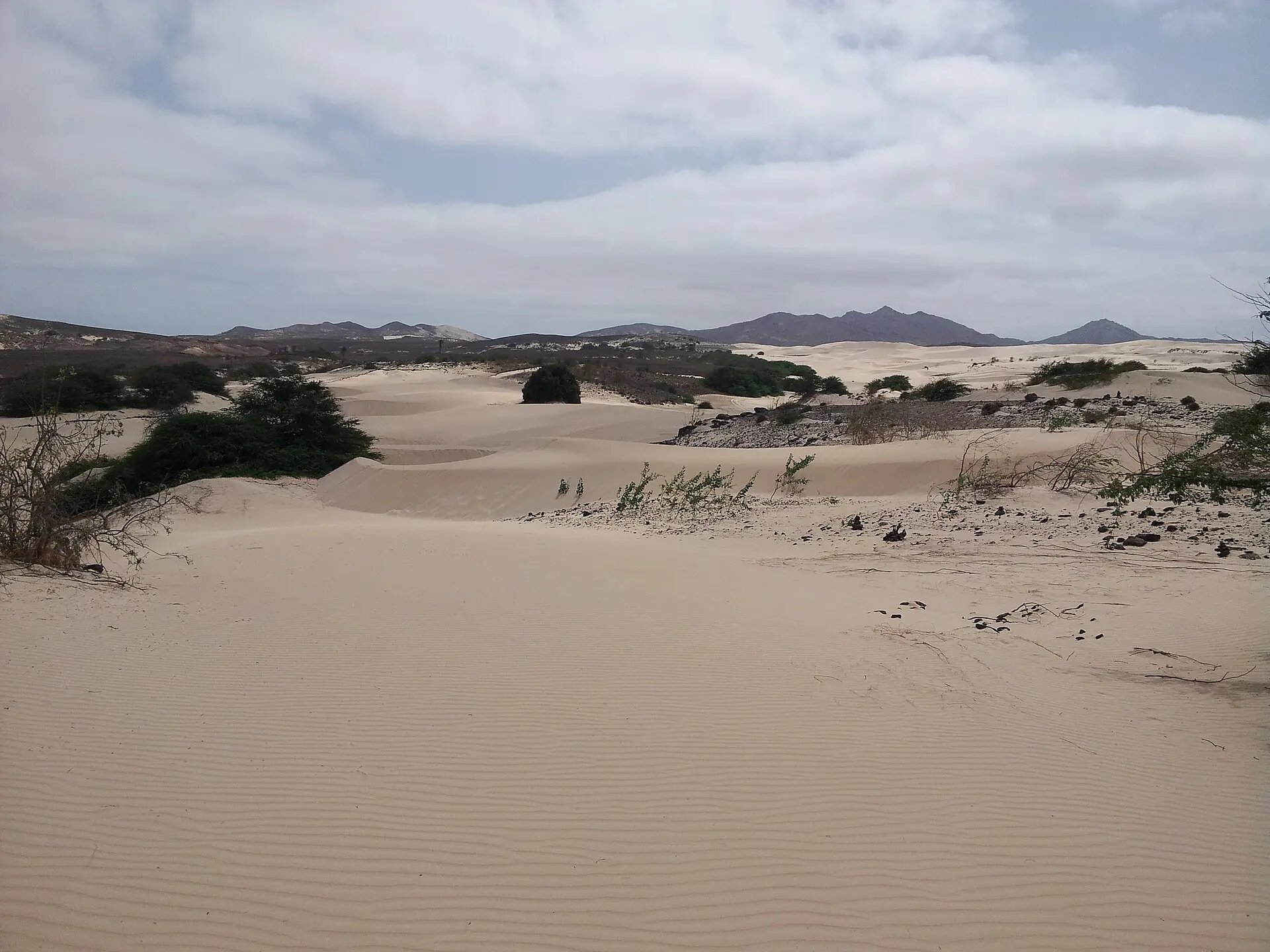
Getting between islands needs planning. Domestic flights run between most islands, are the quickest option and often sell out, so book early. Ferries run between some islands, such as São Vicente and Santo Antão, which takes about an hour, but schedules can be unreliable, particularly in rough seas, so keep a flexible plan and buffer days before international flights.
On each island, shared minibuses called aluguers run set routes and are cheap but crowded, and taxis are available in towns. A rental car or a hired driver is useful for exploring Sal, Boa Vista and Santiago. Many roads are cobbled and rough, which is hard on wheeled luggage, so pack a soft bag.
How much does a trip to Cape Verde cost?
Cape Verde is cheaper than southern Europe but more expensive than much of mainland Africa, because many goods are imported. The currency is the Cape Verdean escudo (CVE), which is pegged to the euro, and euros are accepted in many resorts. Figures below are rough per-person guides for 2026.
- Budget: around EUR 35 to 55 per day, with guesthouses, local meals and aluguers.
- Mid-range: around EUR 60 to 110 per day, with private rooms or small hotels, restaurant meals and some taxis or tours.
- High-end: from about EUR 150 per day, with beach resorts, guided excursions and car hire.
Flights from Europe and inter-island flights are the main extra costs, and the airport entry fee adds around EUR 30. Package holidays to Sal and Boa Vista are often cheaper than booking independently. Local meals cost a few euros, while imported items, alcohol and resort drinks are more expensive. Guides for hikes on Fogo and Santo Antão are fairly priced and recommended.
Cape Verde food and drink
Cape Verde food combines Portuguese and West African influences, with plenty of fish, maize, beans and cassava. Island cooking is simple and filling, and fresh seafood is excellent.

- Cachupa: a slow-cooked stew of hominy corn, beans, and pork, fish or chicken, the national dish; leftovers are fried for breakfast as cachupa refogada.
- Grilled tuna and lobster: fresh fish and spiny lobster are found on every coastal island.
- Pastel com diabo dentro: a fried pastry filled with tuna and spicy sauce, a common snack.
- Xerém: a maize dish similar to polenta, often eaten with fish or beans.
- Goat cheese: small island cheeses, especially from Santo Antão and Fogo.
- Grogue: a strong cane spirit, the local drink, sold as a rough rum and mixed with honey as ponche.
- Fogo wine and coffee: grown on the volcano slopes in small quantities.
- Strela and Sagres beer: local and Portuguese lagers are cheap and common.
Vegetarians can eat rice, beans, vegetables and cheese, though many dishes contain pork or fish. On small islands, restaurants may need notice for large meals, so order ahead. Ask your guesthouse for home-cooked dinners.
Culture, language and etiquette in Cape Verde
Portuguese is the official language, and Kriolu, a Portuguese-based creole, is the language of daily life. Many people in tourist areas speak some English, French or Italian, but older and rural people may not. Greetings in Portuguese or Kriolu, such as bom dia (good morning) and obrigado (thank you), are warmly received.
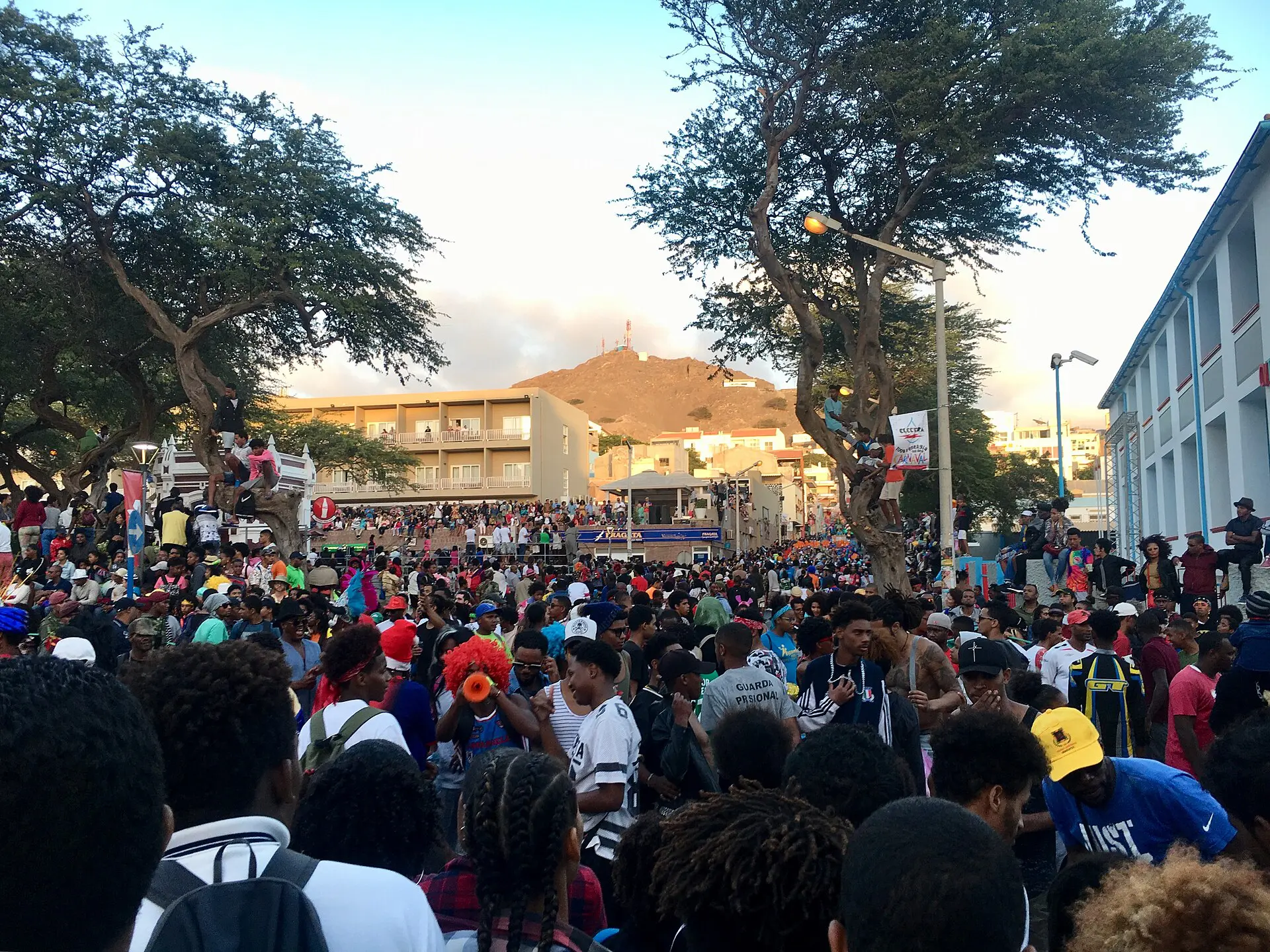
Cape Verdeans are known for their relaxed, friendly manner, and the phrase no stress sums up the pace of life. Greet people before asking questions, take time over meals and accept that schedules are flexible. The country has a strong music tradition, led by morna, a melancholy song style made famous by Cesária Évora, and the livelier funaná, coladeira and batuque. Carnival in Mindelo in February or March is the biggest event of the year.
Most people are Roman Catholic. Dress modestly in towns and churches, and keep swimwear for beaches and pools. Ask before photographing people, and keep politics and emigration light, since many families have relatives overseas.
Cape Verde itinerary: a 7-day route
This route links Santiago, Fogo and the north-western islands, and flight and ferry timings should be checked before you book.
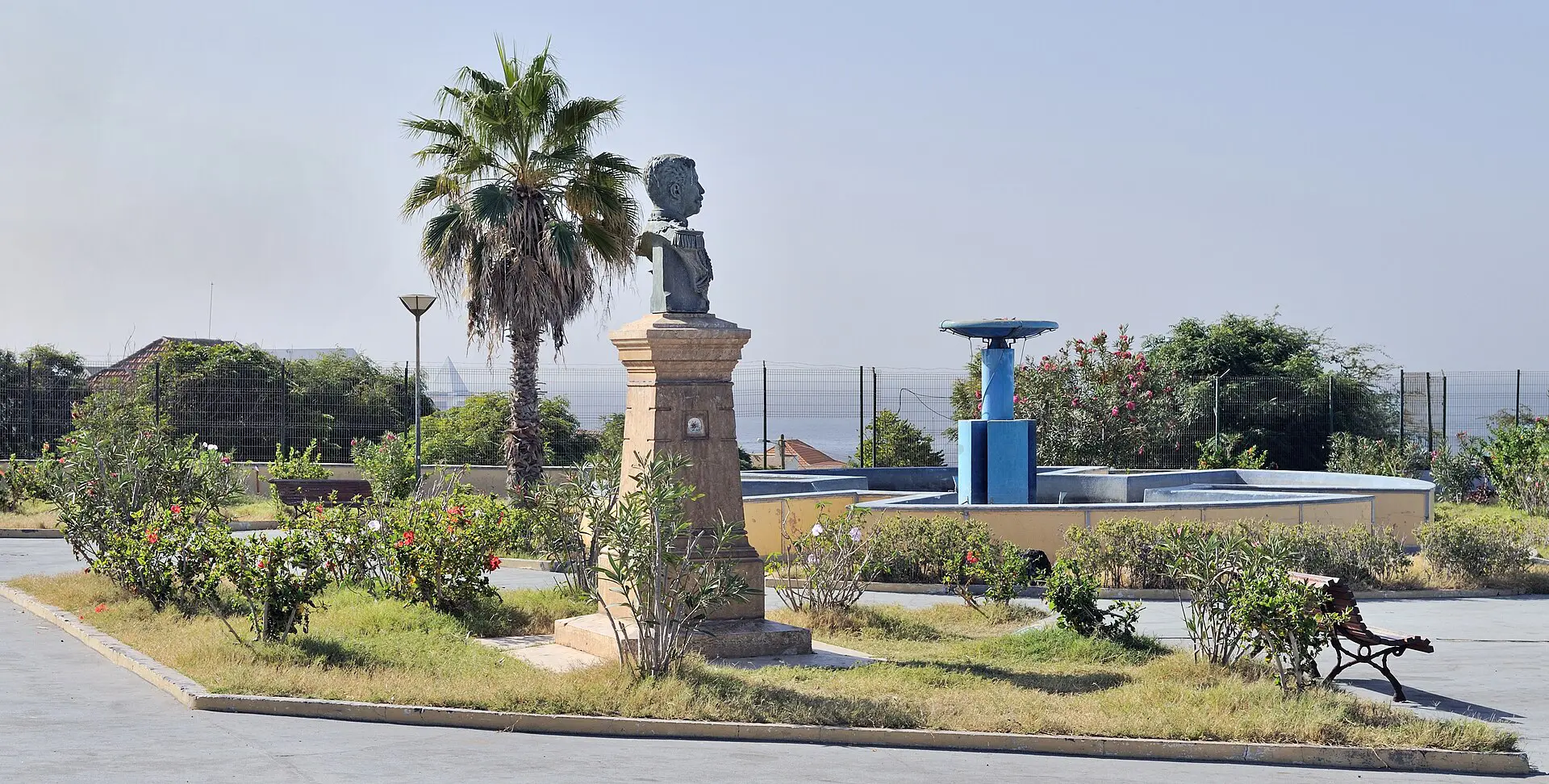
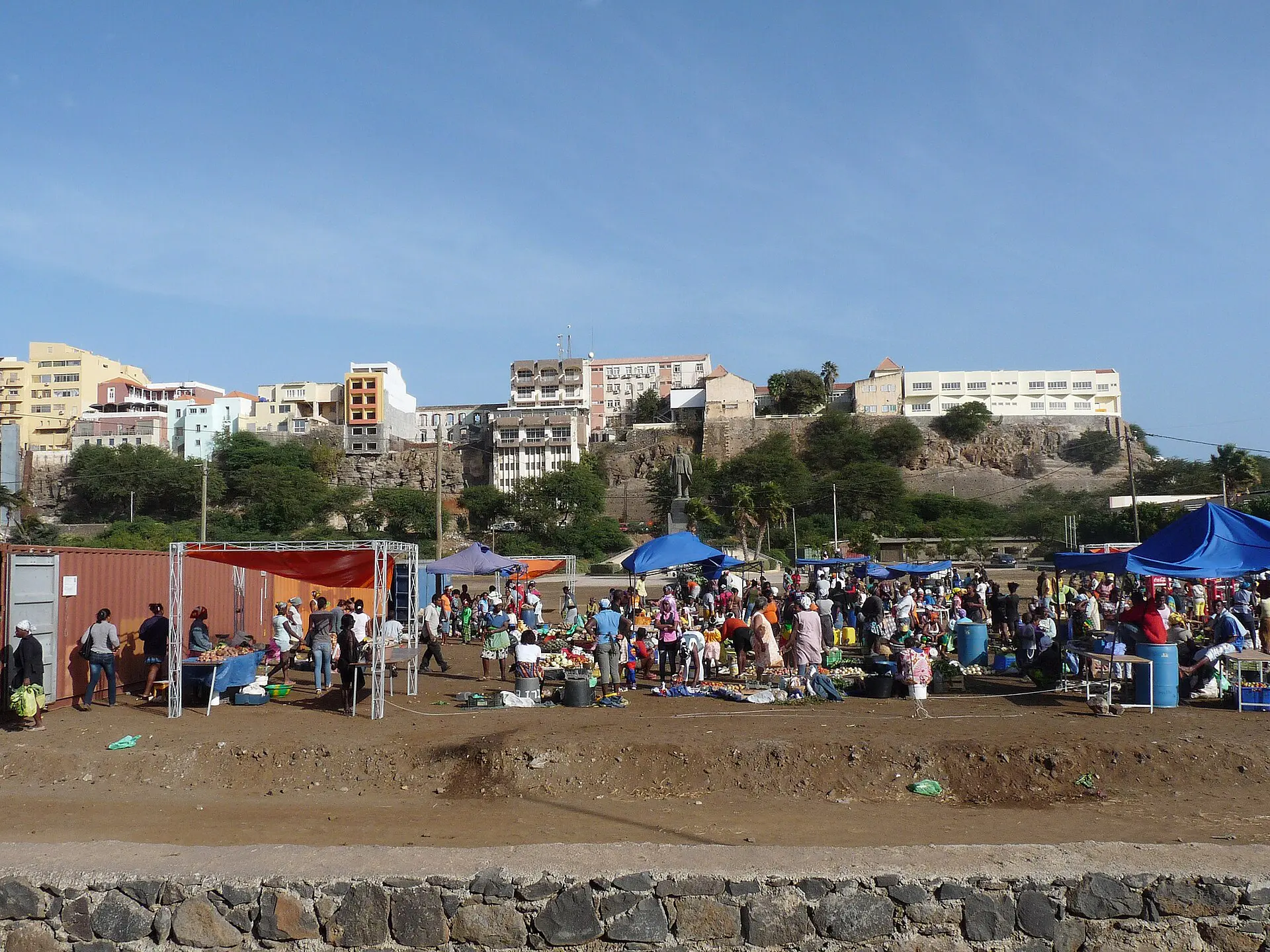
- Day 1, Praia: arrive in Praia, walk the Plateau district and the market, and eat dinner on the waterfront.
- Day 2, Cidade Velha: drive about 30 minutes to the UNESCO colonial town, climb the fortress, then return to Praia.
- Day 3, Fogo: fly from Praia to São Filipe, then drive up to Chã das Caldeiras for the night.
- Day 4, Pico do Fogo: climb the volcano with a guide, taste local wine, then return to São Filipe.
- Day 5, São Vicente: fly via Praia, which may need a connection, to Mindelo and spend the evening listening to live music.
- Day 6, Santo Antão: take the one-hour ferry to Porto Novo and walk the Paul Valley with a guide.
- Day 7, return: ferry back to Mindelo and fly out, allowing extra time for weather delays.
For a pure beach trip, spend all seven days on Sal or Boa Vista. In the rainy season, drop the hikes and add Sal for sun.
Practical tips for Cape Verde
- Money: the escudo is the currency; euros are widely accepted in resorts, but you get better prices in escudos. ATMs are common in towns, and cards work in hotels and bigger restaurants but not everywhere.
- SIM and eSIM: local SIMs from CV Móvel and Unitel T+ are inexpensive, and coverage is good in towns. Check roaming costs if you are not from the EU.
- Plugs: types C and F at 230 V, as in continental Europe.
- Tipping: not required, but about 10 percent is welcome at restaurants.
- Health: use sunscreen and repellent, drink bottled water and carry insurance.
- Packing: a soft bag rather than wheels for cobbled streets, sturdy shoes for volcano trails, a windproof layer and a hat.
- Time zone: the country is on UTC-1, one hour behind Greenwich Mean Time and two hours behind much of Europe.
- Booking: reserve domestic flights and ferries early, and keep a buffer day before your international flight.
For wider background, see the Wikivoyage Cape Verde guide, and the UNESCO page for Cape Verde for heritage sites.
FAQ
Q1Is Cape Verde safe?
Yes, generally. Cape Verde is a stable democracy with little violent crime against tourists. Watch for petty theft in Praia, Mindelo and Santa Maria, avoid walking alone at night, respect strong sea currents and hire a guide for volcano and mountain hikes. Check your government's travel advice before you go.
Q2What is Cape Verde food like?
Cape Verde food is hearty and fish-based, with Portuguese and African influences. Try cachupa, a slow-cooked corn and bean stew, grilled tuna, spiny lobster, pastel pastries filled with tuna and local goat cheese. Grogue, a cane spirit, and Fogo wine are the local drinks.
Q3What is the best time to visit Cape Verde?
November to June is best, with dry, sunny weather and temperatures in the mid 20s C. August to October brings occasional heavy showers, mainly on the mountainous islands. Winter is windy, which suits kitesurfers, and spring suits hikers and whale watchers.
Q4What are the best things to do in Cape Verde?
Hike Pico do Fogo and the Paul Valley on Santo Antão, relax on Santa Maria beach in Sal, float in the Pedra de Lume salt lake, visit Cidade Velha, hear live morna in Mindelo and watch turtles or whales in season.
Q5Is Cape Verde safe to visit for solo travellers and women?
Generally yes. Cape Verde is considered one of the safer destinations in West Africa, and solo travellers, including women, report friendly encounters. Normal precautions apply: avoid isolated beaches and empty streets at night, use registered taxis and hike with guides on remote trails.
Q6Do I need a Cape Verde visa?
It depends on your passport. Many travellers, including EU citizens, can enter visa-free but must pay an airport security fee of around EUR 30 and pre-register online through the official EASE portal. Others get a visa online or on arrival. Check official sources before you travel.
Q7Which island in Cape Verde is best?
Sal and Boa Vista suit beach holidays and kitesurfing, Santo Antão and Fogo suit hiking, Santiago suits history and local life and São Vicente suits music. For a first trip, combine Sal with one hiking island, or Santiago with Fogo.