Why visit Gambia
The things to do in Gambia combine beach time with river, wildlife and history. Officially the Republic of The Gambia, and often searched for as the Gambia, it is the smallest country on mainland Africa, a ribbon less than 50 kilometres wide on either side of the Gambia River and almost entirely surrounded by Senegal (see the Wikipedia overview for background). English is the official language, flights from Europe are short, and the dry winter climate makes it a popular escape from northern cold.
Gambia suits sun-seekers, birdwatchers, anglers and travellers who want an easy first step into West Africa, as well as visitors tracing history linked to the Atlantic slave trade and Alex Haley’s Roots. Expect warm hospitality, basic infrastructure outside the coast and a pace that rewards patience. The tourist strip is relaxed, and day trips reach the more traditional river towns.
Best places to visit in Gambia
The best places to visit in Gambia are along the coast and up the river, with most trips based around Kololi and Kotu.
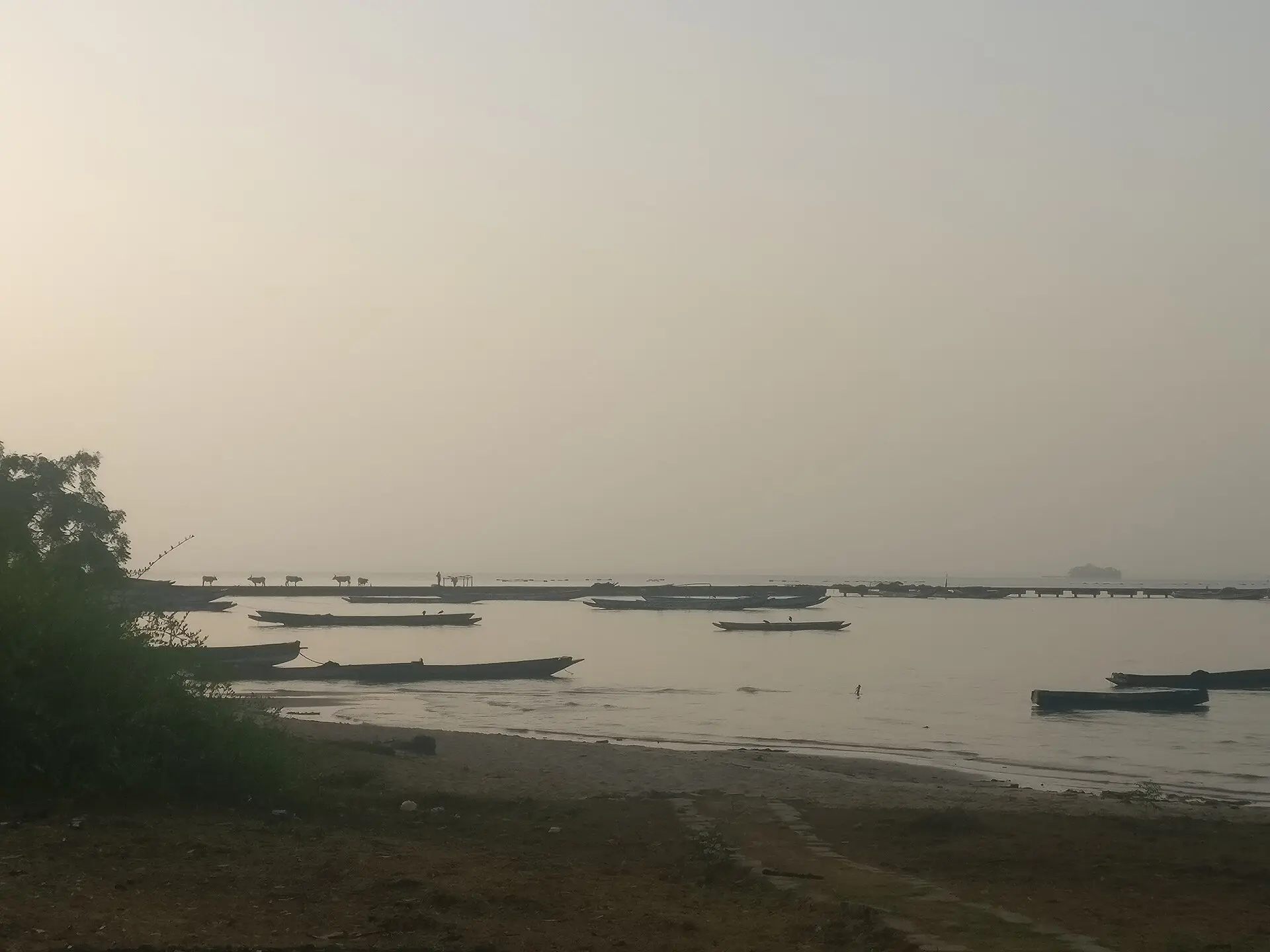
Kololi, Kotu and the coast
The Atlantic resort strip, around Senegambia, Kotu and Fajara, has beaches, restaurants, hotels and the Bijilo Forest Park, home to monkeys.
Banjul
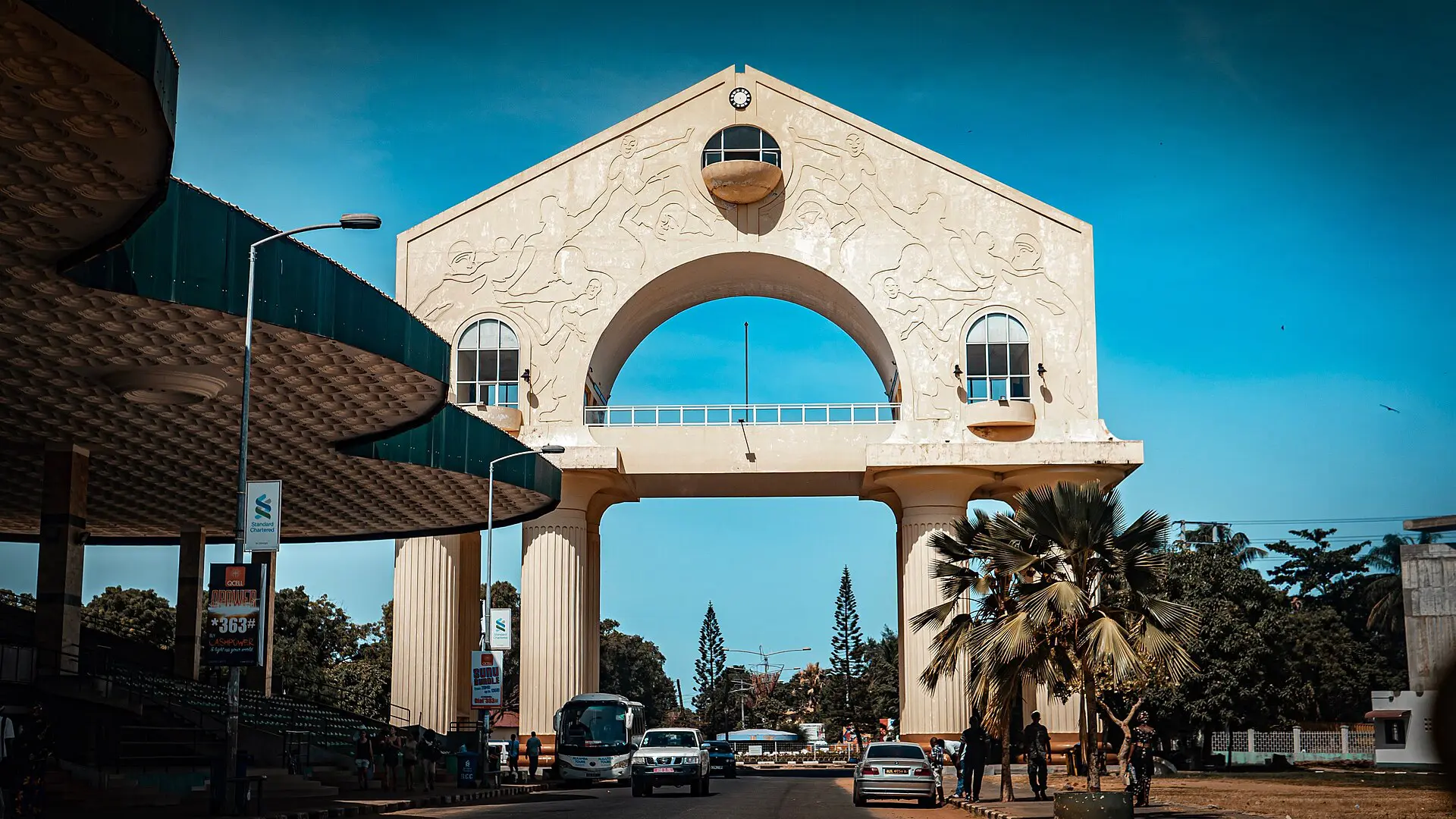
The compact capital sits on an island at the river mouth, with Arch 22, a national museum, markets and colonial-era buildings. It is quiet, and best seen on a half-day visit.
Bakau and Serrekunda
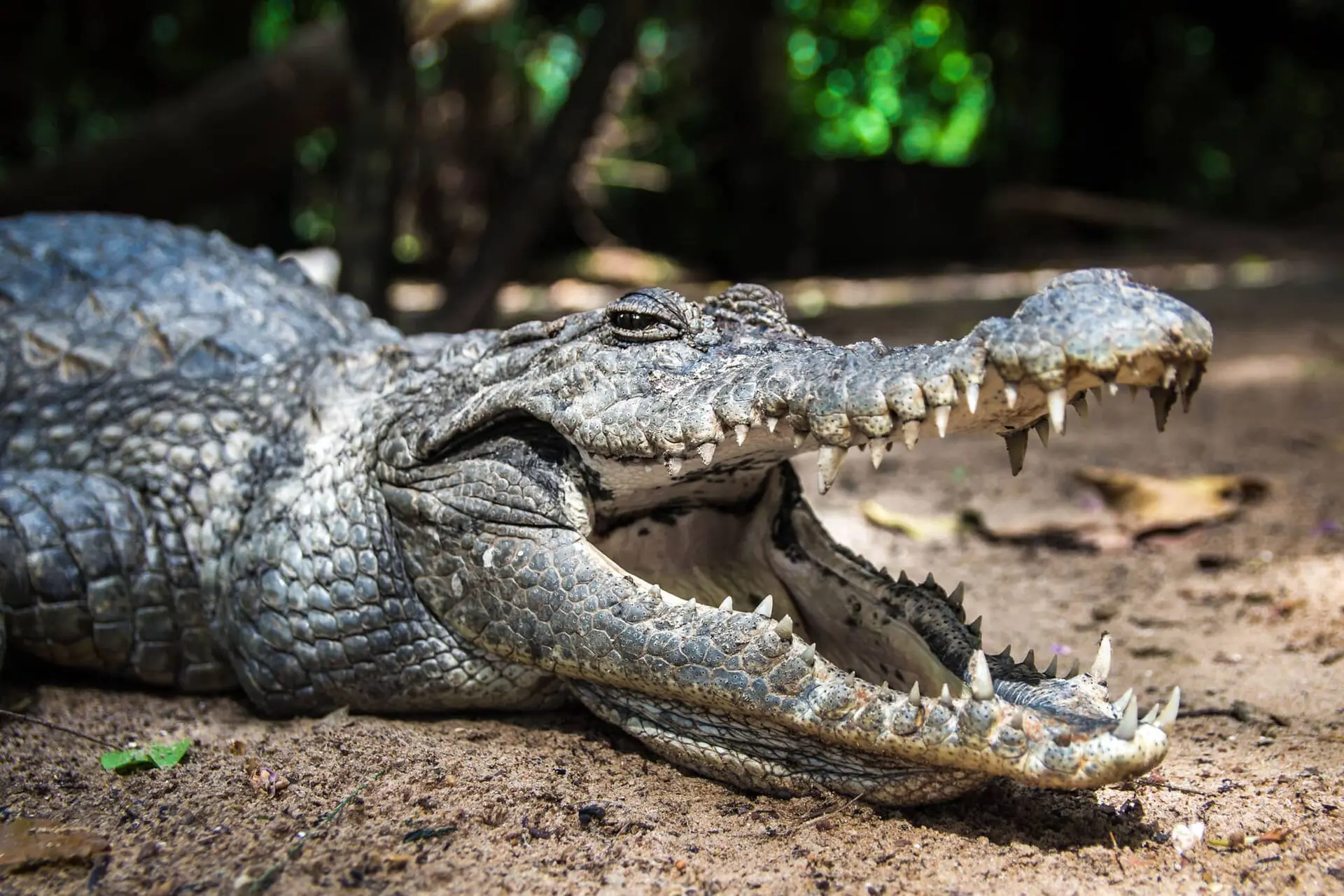
Bakau has the Kachikally Crocodile Pool and a lively fish market, while Serrekunda, the largest urban area, has crowded markets.
Juffureh and Kunta Kinteh Island
Reached across the river from Banjul, Juffureh is tied to Roots, and nearby James Island, now Kunta Kinteh Island, is a UNESCO site with the ruins of a slave-trade fort.
Wassu and the Upper River
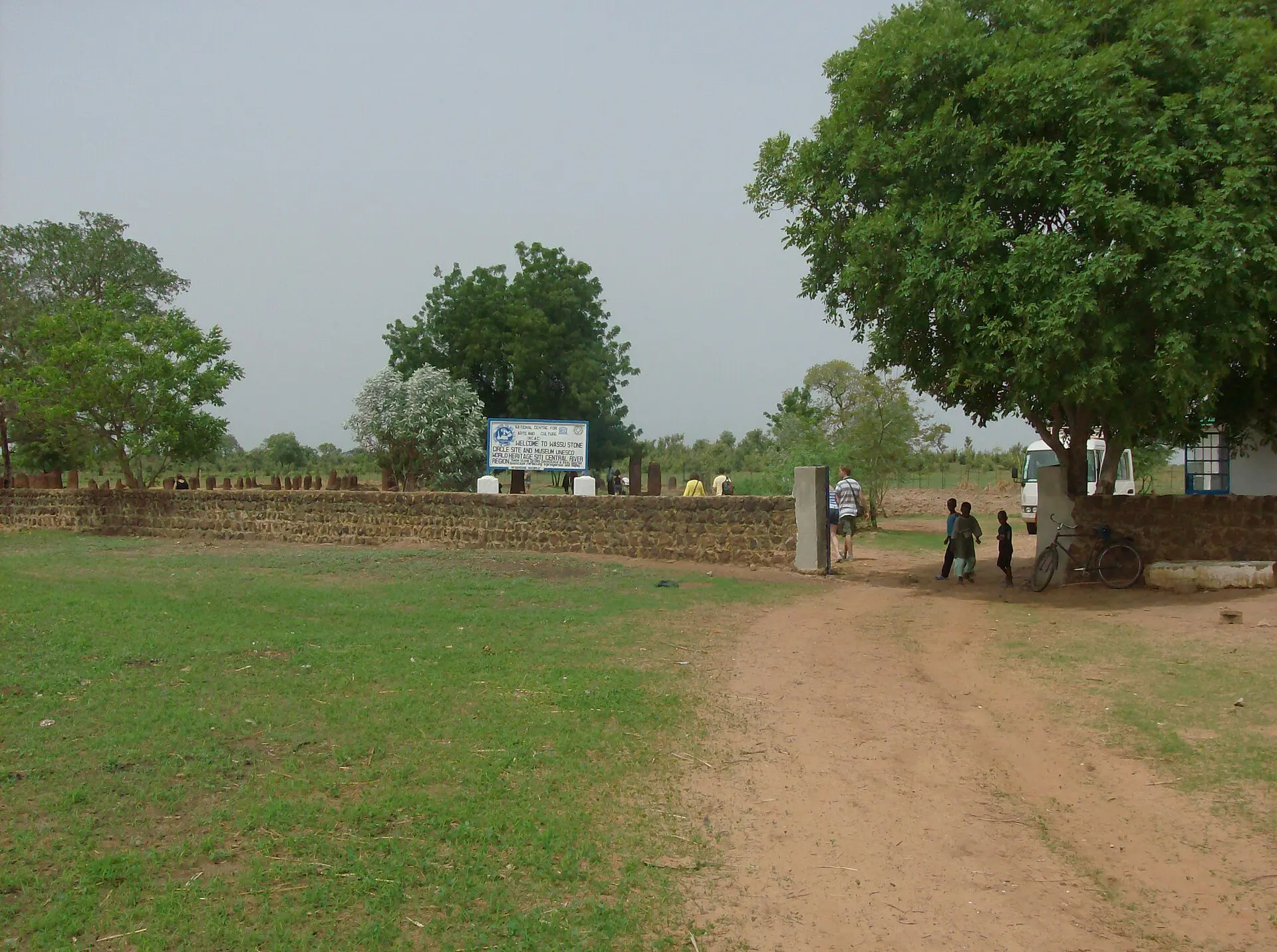
The Wassu Stone Circles, a UNESCO site, and the river town of Janjanbureh are the main upriver stops.
Tendaba and the south bank
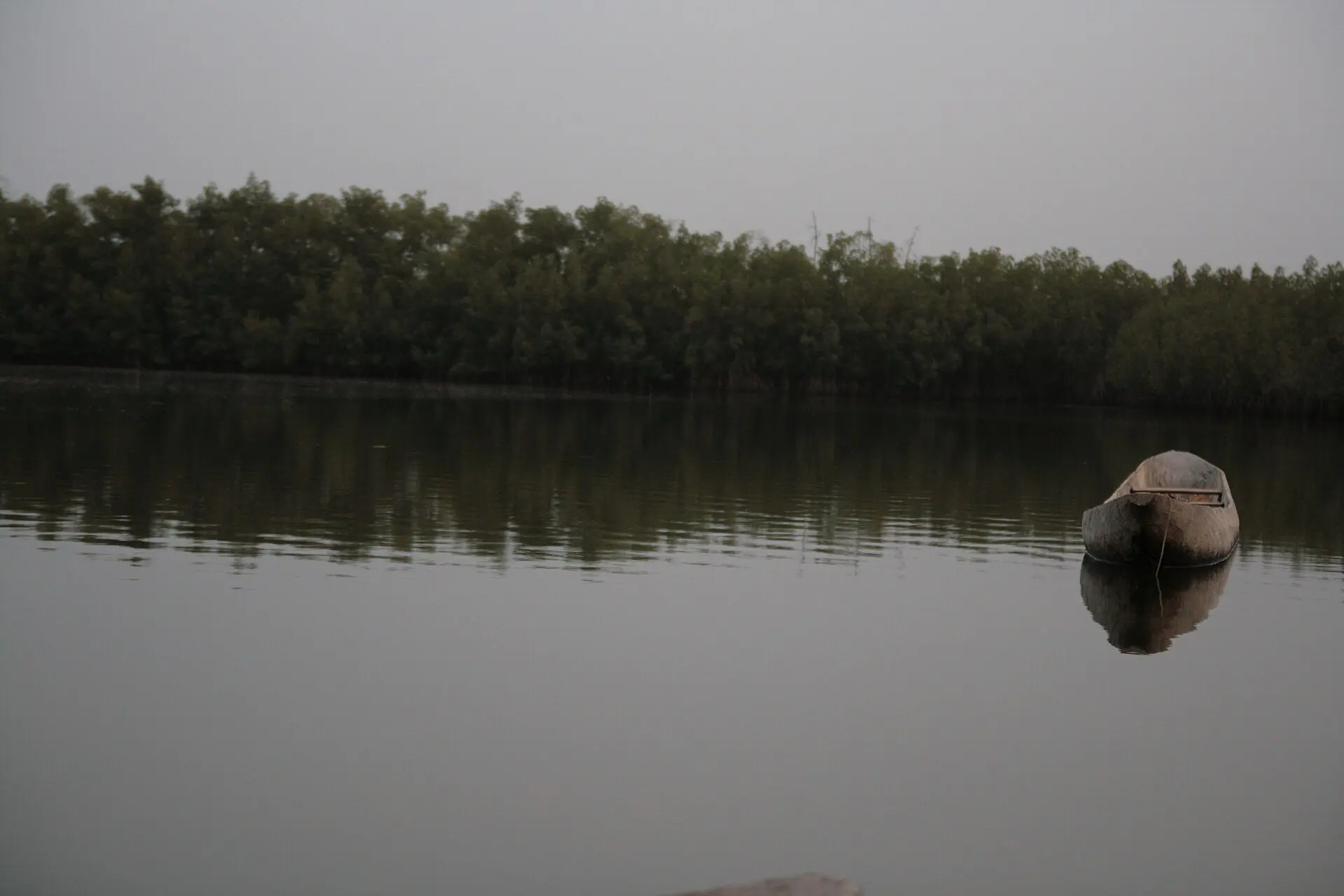
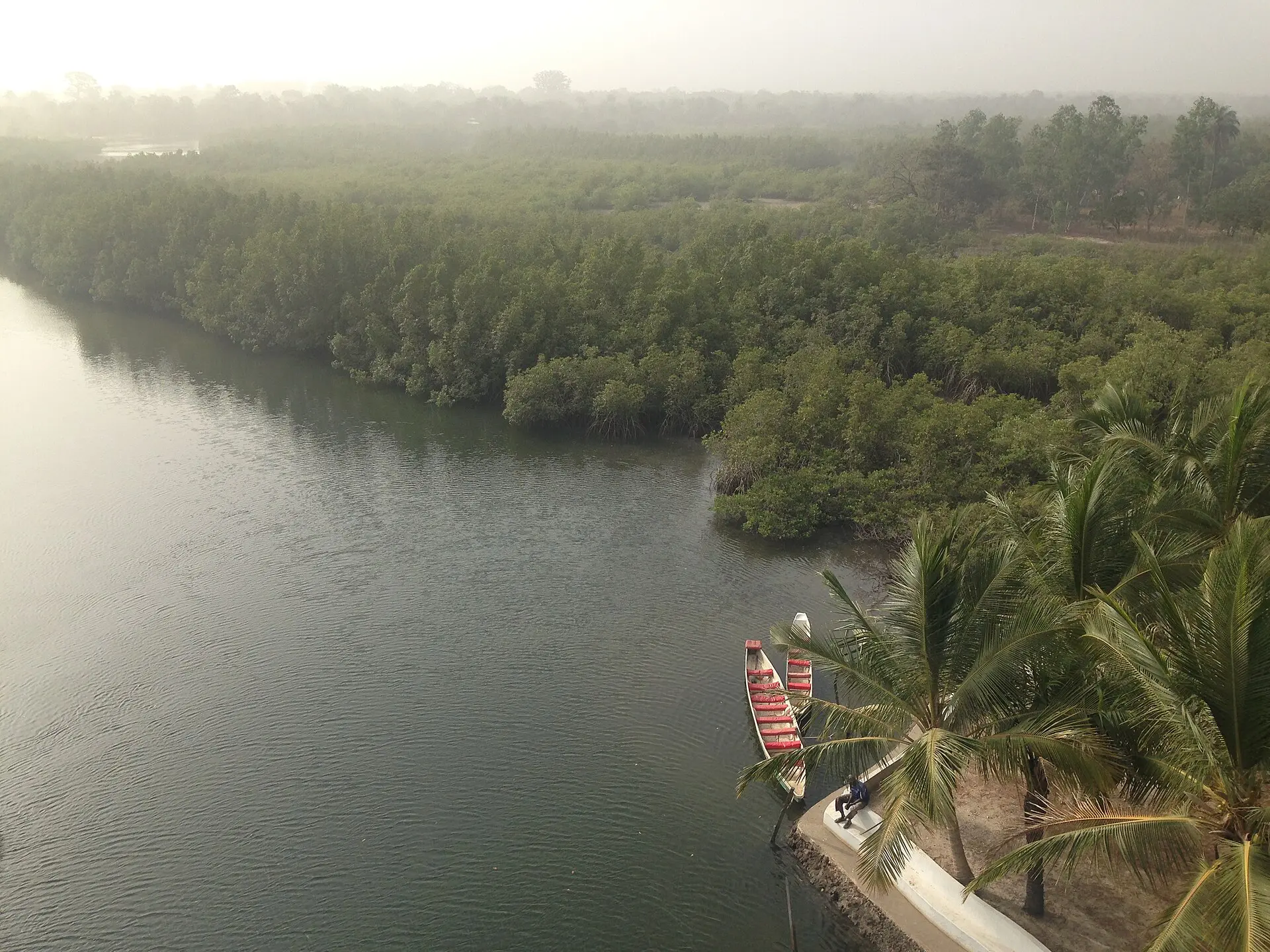
Tendaba is a base for creeks, mangroves and birdwatching along the lower river.
Things to do in Gambia
The top things to do in Gambia, also searched as things to do in the Gambia, mix beaches, wildlife and culture, and many can be done as day trips.
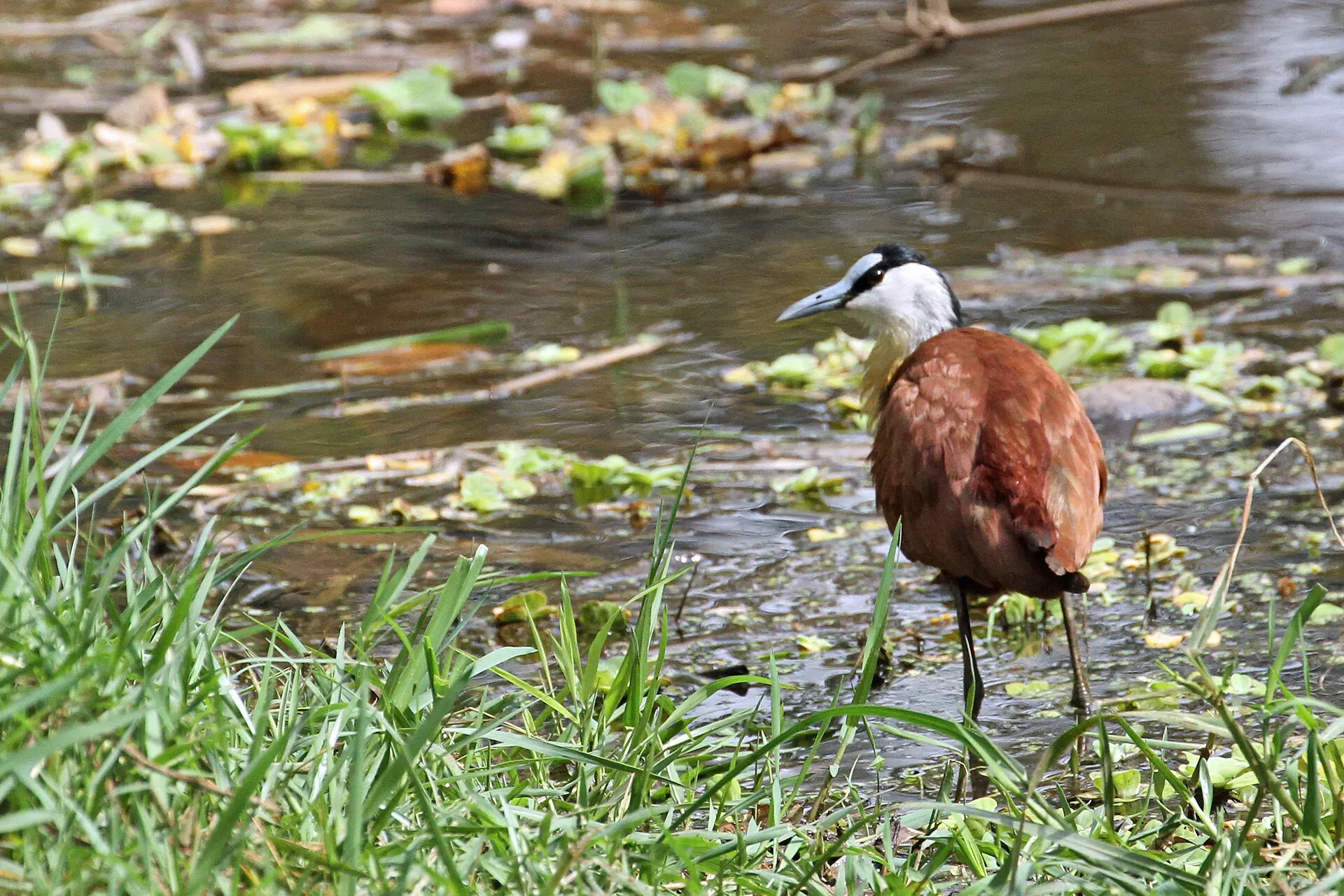
- Go birdwatching: Abuko Nature Reserve, Tanji and the river creeks hold hundreds of species, and local guides are easy to find.
- Take a river boat trip: day cruises and creek tours leave from Banjul and Bakau, with chances to see hippos and monkeys.
- Visit Kunta Kinteh Island: a guided boat trip reaches the old fort and nearby Juffureh.
- Meet the crocodiles at Kachikally: the sacred pool in Bakau is a short, easy stop.
- Watch the fish landing at Tanji: in the late afternoon, boats unload to a busy beach market.
- See the Wassu Stone Circles: the mysterious megaliths sit along the north bank road.
- Walk Bijilo Forest Park: a short trail with red colobus and vervet monkeys.
- Climb Arch 22: the Banjul monument has a viewing platform and a small museum.
- Join a fishing trip: sea and river charters leave from the coast.
- Relax on the beach: Kotu and Cape Point are good for swimming in calm conditions.
- Shop for crafts: markets sell batik, wood carvings and drums.
Best time to visit Gambia
The best time to visit Gambia is the dry season from November to May, with the most reliable sunshine from December to March. Days are warm, nights are cooler and humidity is lower. The rainy season, from June to October, brings heavy showers, humid heat and some flooded roads, though it is green and much cheaper.
| Season | Weather | Crowds and prices | Good for |
|---|---|---|---|
| Cool dry (Nov-Feb) | Sunny, 28 to 32 C days, cooler nights | Highest prices and crowds | Beaches, birding, river trips |
| Hot dry (Mar-May) | Hot and dusty, up to the mid-30s C | Falling | Beaches, bargains, culture |
| Rainy (Jun-Sep) | Hot, humid, heavy rains | Lowest | Green landscapes, budget stays, migrant birds |
| Late rains (Oct) | Humid, storms easing | Low | Quiet trips, early season deals |
Harmattan winds from the Sahara can bring dust haze in December and January, which is worth knowing if you plan photography.
Is Gambia safe?
Yes, Gambia is generally considered safe for visitors, and violent crime against tourists is uncommon. The most common problems are petty theft, persistent touts known as bumsters and health issues. Check your government’s current travel advice, such as the UK FCDO or US State Department pages, before you book.
Theft and hassle. Keep valuables out of sight on beaches, avoid walking alone on deserted beaches at night and say a polite no to unsolicited offers. Agree taxi and boat prices in advance.
Sea. Rip currents are dangerous on Atlantic beaches, and few have lifeguards. Swim in front of hotels and avoid it after drinking.
Health. Malaria is present year-round, so take prophylaxis advice and use repellent. A yellow fever certificate may be requested if arriving from certain countries. Drink bottled water, and carry travel insurance with medical cover.
Law and politics. Gambian law is strict on drugs and on same-sex relations, so be discreet and respectful. Avoid protests and photographing government buildings or the military. Roads are poor in places, so avoid night driving.
Gambia visa and entry requirements
Entry rules depend on your nationality and have changed over the years. Citizens of several countries, including many in West Africa and some Commonwealth states, have been allowed to enter without a visa for short stays, while others need to apply for a visa before arrival or use an online system. Confirm the current rule for your passport with the Gambia Immigration Department or your nearest embassy before booking.
Bring a passport valid for at least six months, proof of onward travel and accommodation details. A yellow fever vaccination certificate may be requested, especially for travellers arriving from countries with yellow fever risk. Registration or health forms are sometimes handed out at the airport.
If you plan to cross by land from Senegal, check that the border post is open and what documents are required, as crossings can be slow, and bringing a vehicle needs separate paperwork. The UNESCO page for Gambia lists its World Heritage sites, though it does not cover entry rules.
Getting to and around Gambia
Most visitors fly into Banjul International Airport at Yundum, around 25 kilometres from the main resort area. Charter and scheduled flights run from the UK, Netherlands, Belgium, Scandinavia and Spain, and regional airlines link Banjul with Dakar, Accra and other West African hubs. Land crossings from Senegal are possible, including the Senegambia Bridge at Farafenni.
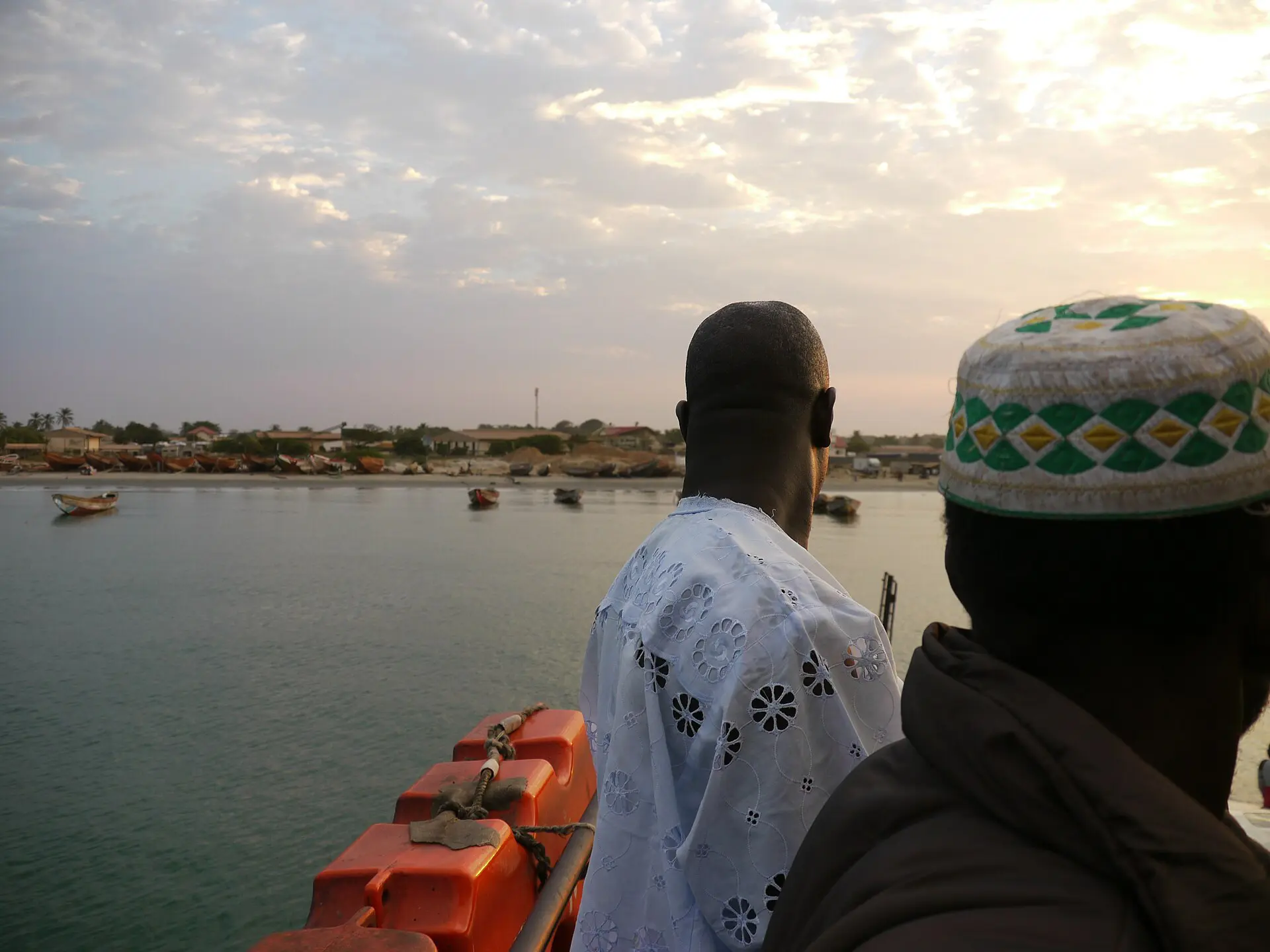
On the coast, taxis are cheap but unmetered, so agree a fare before you get in. Yellow-and-green shared taxis run set routes, and minibuses called gelleh-gelleh are the cheapest option. The Banjul to Barra ferry across the river mouth runs often but can have long queues and delays.
Upriver, roads along both banks are improved but still uneven, and journey times can stretch with checkpoints and potholes. A hired car with a driver is often better value than self-driving. Boats offer some of the best views, and organised river tours of several days link the main stops from the coast.
How much does a trip to Gambia cost?
Gambia is affordable compared with many winter-sun destinations, though costs depend on hotel choice. The currency is the dalasi (GMD), and euros, pounds and dollars are widely accepted in tourist areas. Figures below are rough per-person guides for 2026, and December to February is the peak.
- Budget: around EUR 30 to 50 per day, with a simple guesthouse, local meals and shared taxis.
- Mid-range: around EUR 50 to 90 per day, with a comfortable hotel, restaurant meals and a few excursions.
- High-end: from around EUR 150 per day, with beach resorts, private guides and boat charters.
Accommodation is the biggest swing factor, with many visitors booking package deals from Europe. Local food is cheap, and a plate of rice and stew costs a few euros. Excursions such as river trips or bird guides are good value if negotiated. Cash is king, as ATMs can be unreliable and cards are accepted only in larger hotels and some restaurants.
Gambia food and drink
Gambia food is hearty, built on rice, fish, peanuts and vegetables, and the best meals are often at small local restaurants called chop shops.
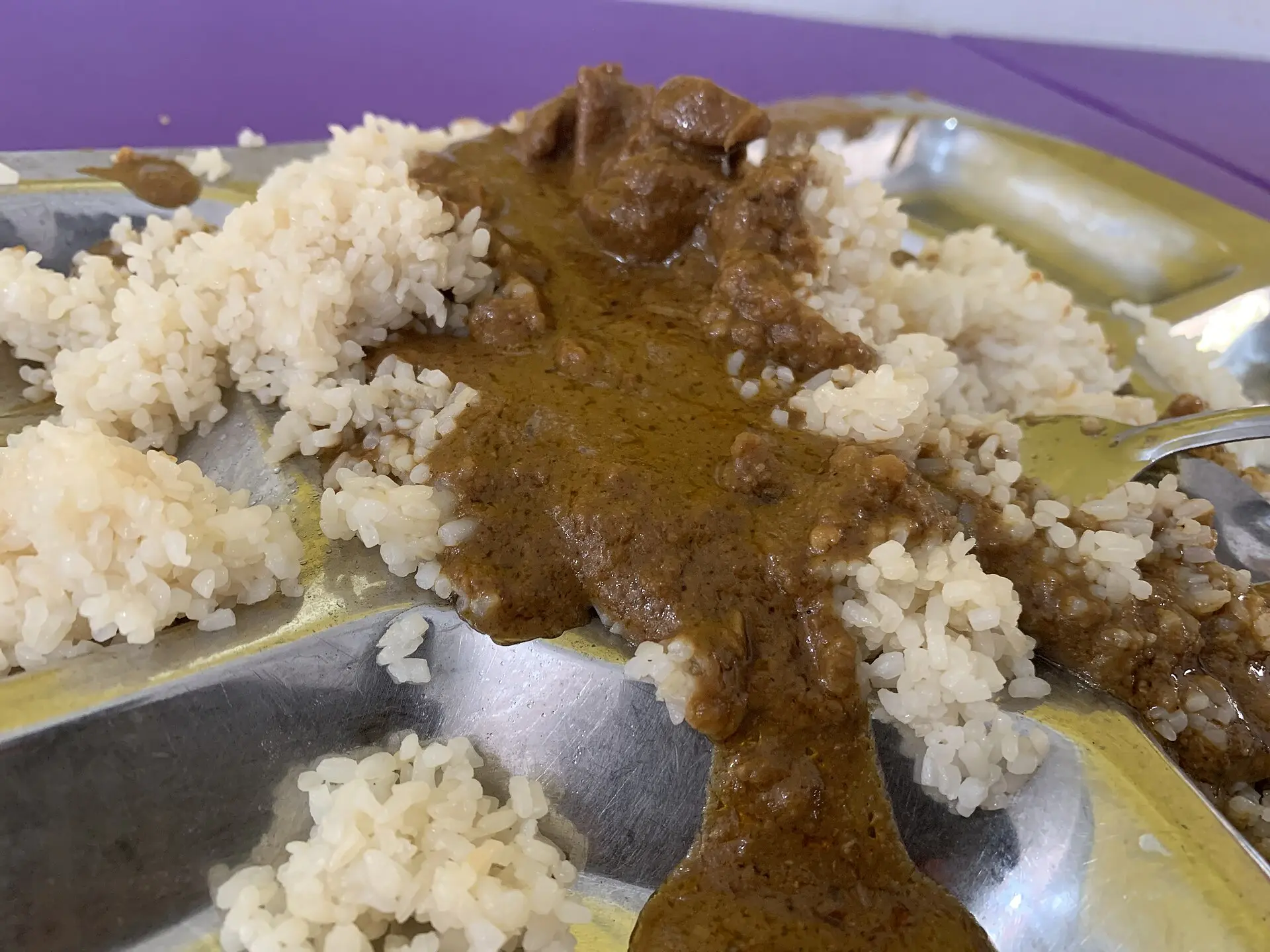
- Domoda: a rich peanut stew with meat or fish, served with rice, and often called the national dish.
- Benachin: a one-pot rice dish with fish, vegetables and tomato, close to jollof rice.
- Yassa: chicken or fish in a sharp onion and lemon sauce.
- Superkanja: okra stew with palm oil, fish and meat.
- Grilled fish: fresh from the beach at Tanji or Bakau, usually with salad.
- Ataya: strong, sweet green tea served in three rounds, an important social ritual.
- Julbrew and fruit juices: Julbrew is the local beer, and baobab, ginger and hibiscus juices are common.
Fish, chicken and beef feature heavily, so vegetarians may need to ask for vegetable-only versions. Street food is cheap, and busy stalls are safest. Alcohol is available in tourist areas, though Gambia is a mostly Muslim country. Drink bottled water.
Culture, language and etiquette in Gambia
English is the official language, and the main local languages are Mandinka, Wolof, Fula, Jola and Serahule. A few words of Mandinka, such as abaraka (thank you), are warmly received. Greetings are long and important: ask about family and health before business.
About 95 percent of Gambians are Muslim, and religion shapes daily life, with prayers five times a day and Friday as the main day of worship. Dress modestly away from the beach, with covered shoulders and knees, particularly in villages and mosques. During Ramadan, avoid eating and drinking in public during daylight.
Use your right hand for greetings, giving and eating. Ask before photographing people, and do not take photos of military or government sites. Hospitality is central, and you may be invited to share a meal or tea.
Politics and religion are best left to locals to raise. Be discreet about relationships, and be aware that local laws are conservative. Bargaining is normal in markets, so do it with a smile.
Gambia itinerary: a 7-day route
This route combines the coast with a trip upriver, using a driver or organised transport; times are approximate and depend on traffic and ferry queues.
- Day 1, coast: arrive, settle in at Kololi or Kotu, and walk the beach at sunset.
- Day 2, Abuko and Bakau: visit Abuko Nature Reserve in the morning, then Kachikally and the Bakau fish market.
- Day 3, Banjul and Tanji: see Arch 22 and the museum, then watch the evening fish landing at Tanji.
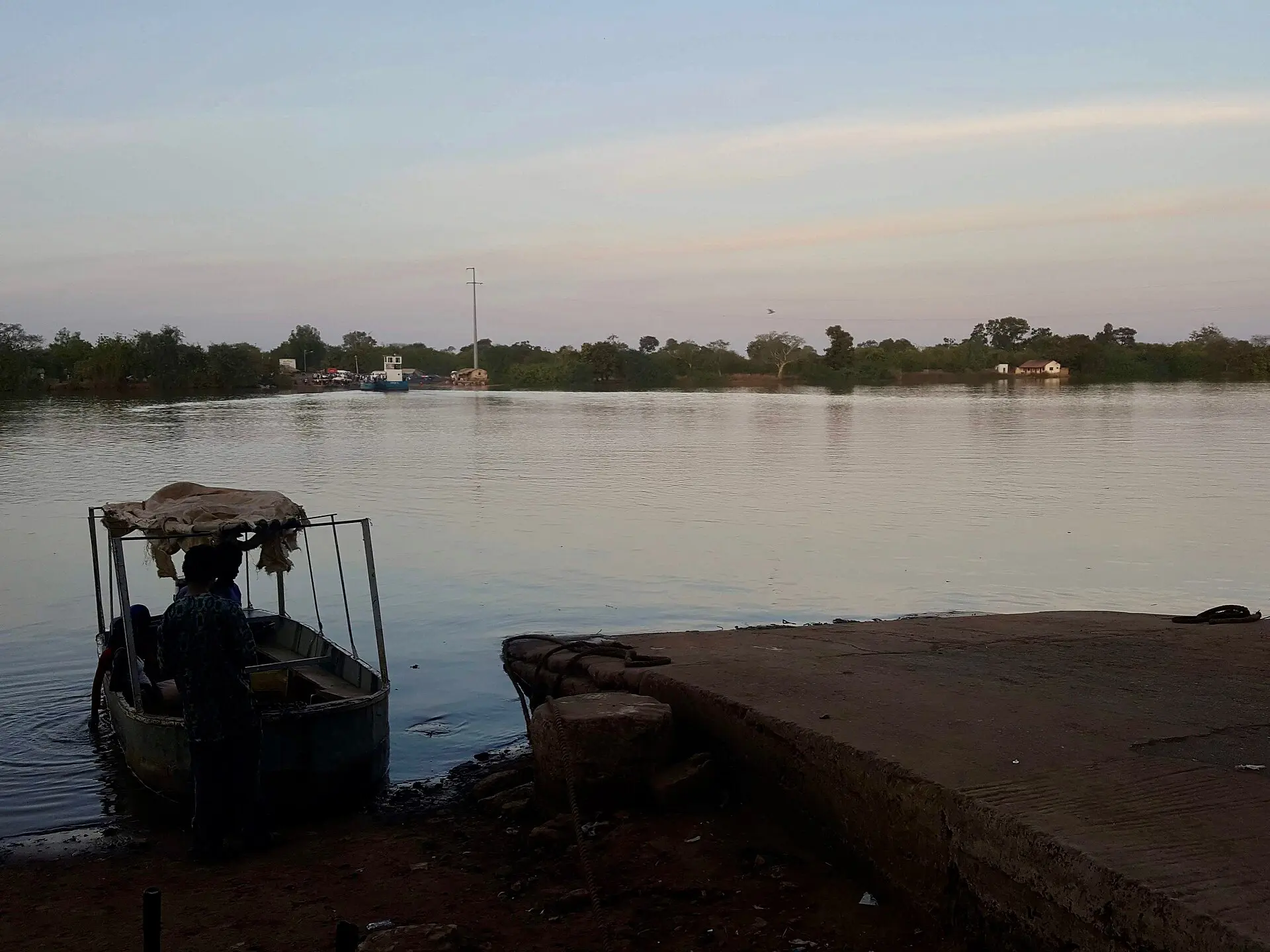
- Day 4, Juffureh: take the ferry to Barra, then travel by road to Juffureh, and cross by boat to Kunta Kinteh Island (a long day of about 4 to 5 hours each way).
- Day 5, Wassu and Janjanbureh: visit the stone circles and continue to Janjanbureh for a night by the river.
- Day 6, return: travel back toward the coast, with an optional stop at Tendaba or the river creeks.
- Day 7, departure: a last swim and a transfer to the airport.
For a lazier trip, skip the upriver section and add a second night at Bijilo Forest Park and a day of fishing.
Practical tips for Gambia
- Money: the dalasi (GMD) is the local currency; change money at banks or licensed bureaux, and carry cash, as ATMs are limited and sometimes out of service.
- SIM and eSIM: local SIMs from providers such as Africell and Gamcel are cheap and available at the airport. Coverage is good on the coast and patchy upriver.
- Plugs: type G (UK-style) at 230 V, so bring an adapter.
- Tipping: not obligatory; around 10 percent in restaurants and a small tip for guides and drivers is appreciated.
- Health: take malaria advice, use repellent, drink bottled water and carry travel insurance. Check vaccine recommendations well before travel.
- Packing: light cotton clothing, a hat, high-factor sunscreen, binoculars and a small torch for power cuts.
- Booking: reserve beach hotels early for December to February.
- Time: Gambia uses GMT year-round.
For wider background, see the Wikivoyage Gambia guide.
FAQ
Q1Is Gambia safe?
Yes, Gambia is generally safe for tourists, and violent crime is uncommon. Expect petty theft, persistent touts, strong rip currents on the beaches and malaria risk. Keep valuables hidden, swim carefully, avoid isolated beaches at night and check your government's travel advice before you go.
Q2What is Gambia food like?
Gambia food is built on rice, fish, peanuts and vegetables. Try domoda (peanut stew), benachin (one-pot rice), yassa (onion and lemon chicken or fish), superkanja (okra stew) and grilled fish. Local eateries are cheap, and vegetarians may need to ask for dishes without fish or meat.
Q3What are the best things to do in Gambia?
Top picks are birdwatching at Abuko and the river creeks, a boat trip to Kunta Kinteh Island and Juffureh, Kachikally Crocodile Pool, the Wassu Stone Circles and the fish landing at Tanji. Beaches around Kotu and Kololi suit relaxed days between excursions.
Q4What are the best things to do in the Gambia for birdwatchers?
Abuko Nature Reserve, Bijilo Forest Park, Tanji and the river creeks around Tendaba are the main birding sites, with hundreds of species recorded. November to April is best, when migrants are present. Local guides are inexpensive and greatly improve sightings.
Q5What is the best time to visit Gambia?
November to May is best, with dry sunny weather and the best conditions from December to March. Expect the highest prices then. The rainy season from June to October is hot and humid with heavy rain, but cheaper and green, and good for quiet trips.
Q6Is Gambia safe to visit for solo travellers and women?
Many solo travellers visit without problems, including women. The tourist coast is relaxed, though persistent attention from touts can be tiring. Dress modestly away from beaches, avoid walking alone at night, use trusted taxis and be firm but polite in declining offers.
Q7How many days do you need in Gambia?
Seven days is enough for the coast, Abuko, Banjul and a trip upriver to Juffureh and Wassu. A beach-only stay can work with four or five days. Add two or three days for a river tour, since roads and ferry queues slow longer trips.