Why visit Santa Marta
If you are comparing things to do in Santa Marta, Colombia, the first point is its age. It was founded in 1525 by Rodrigo de Bastidas, which makes it the oldest surviving city in Colombia and one of the first Spanish settlements in South America. It is a port city on a bay on the Caribbean coast, and the capital of Magdalena Department.
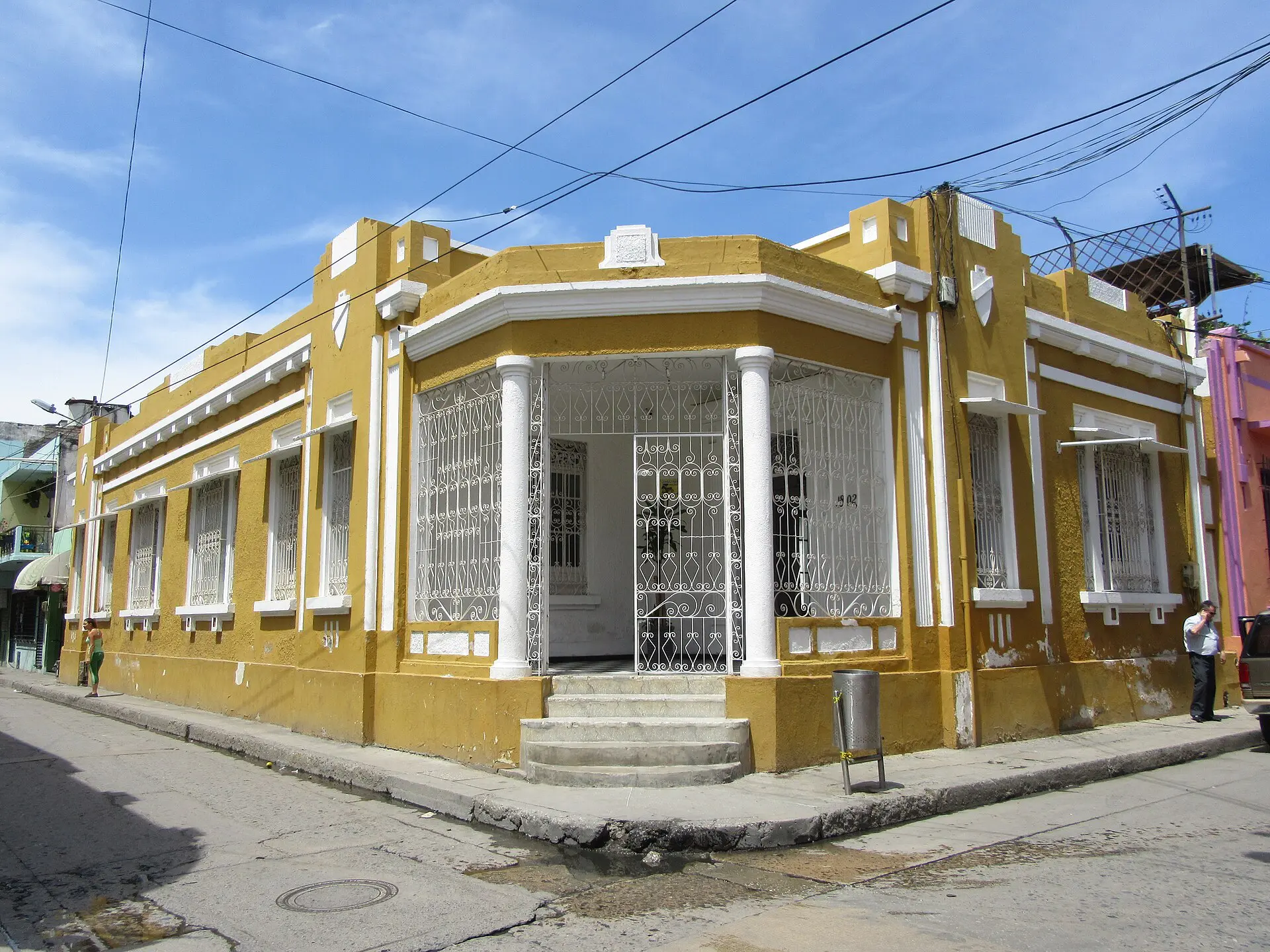
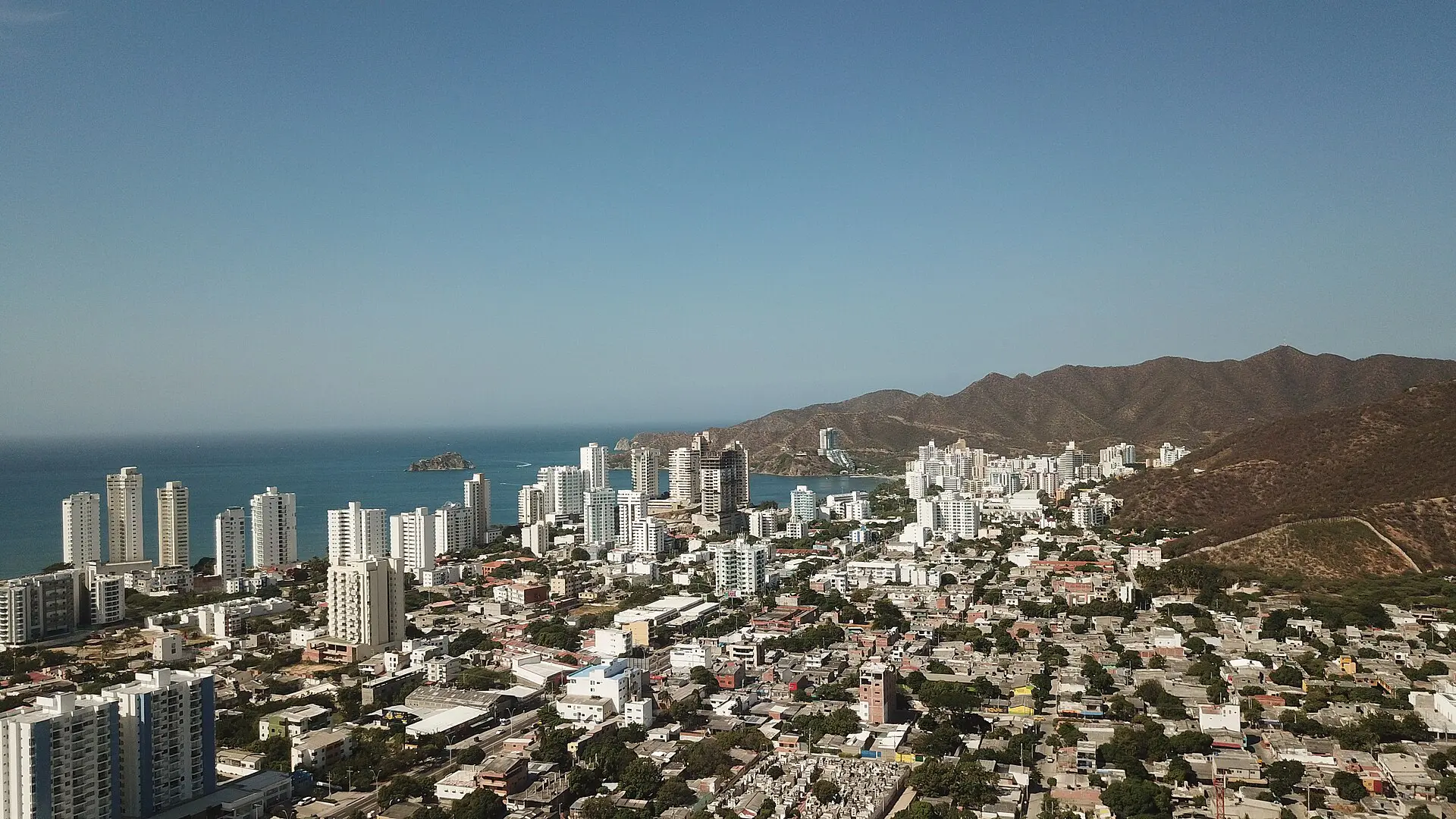
It is best seen as a base rather than a single sight. The old centre has colonial streets and one of the country’s oldest cathedrals. The city beaches are busy and close to town. To the south is the resort suburb of El Rodadero, and to the north the former fishing village of Taganga, known for scuba diving.
Behind the city rise the snow-capped Sierra Nevada mountains, which shape the climate and give the area its backdrop. The city is also known as the place where Simon Bolivar died.
Top things to do in Santa Marta
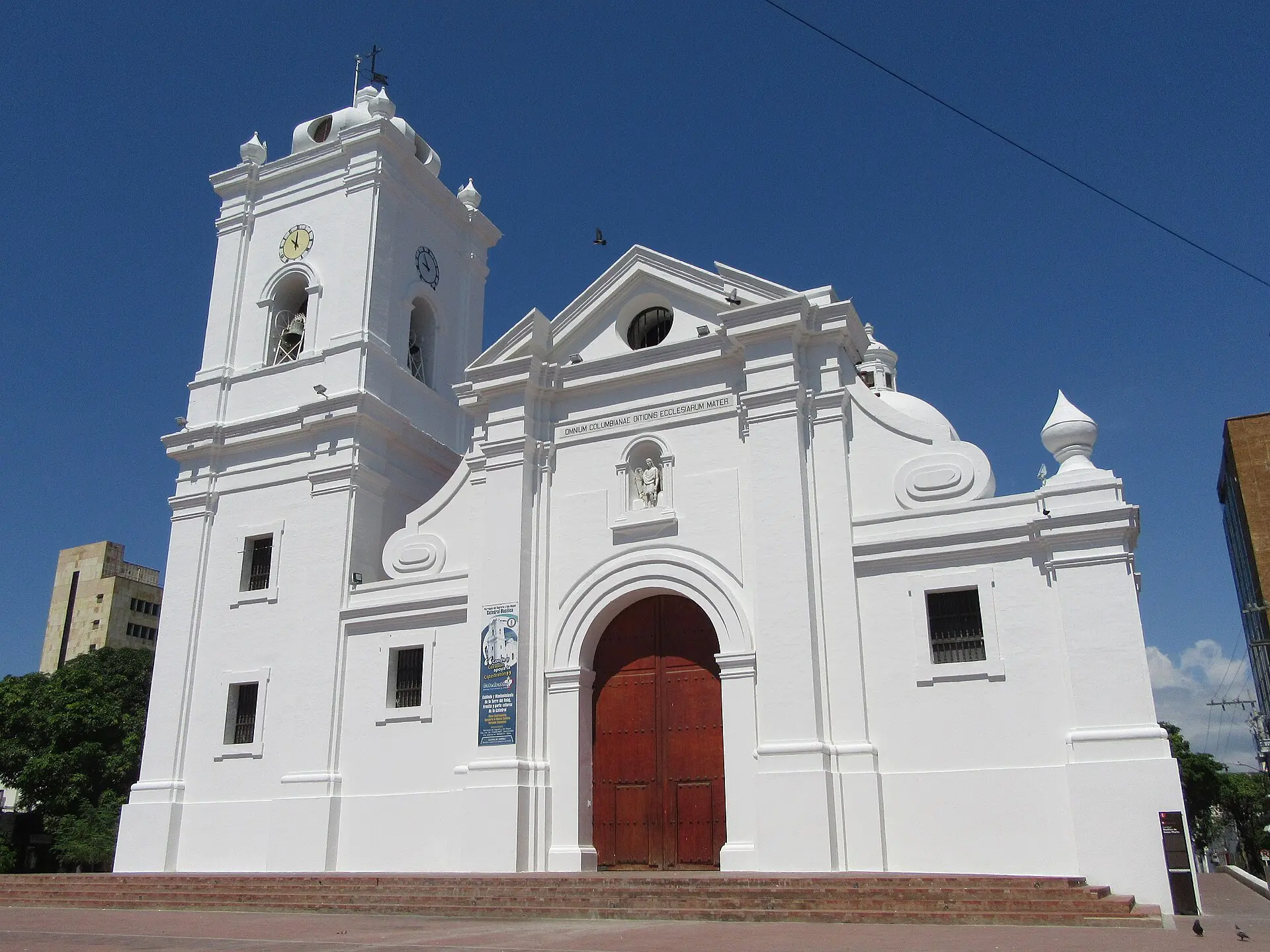
Historic centre and the cathedral
The old centre has pedestrian streets, small plazas and the Cathedral Basilica, one of the oldest structures in the city. Allow a couple of hours to wander, stopping for coffee or a cold drink. Go in the morning or at dusk, because midday heat on the Caribbean coast can be intense.
Quinta de San Pedro Alejandrino
This former hacienda just outside the centre is the place where Simon Bolivar died in 1830, and it now holds a museum and gardens. Allow one to two hours. Check opening hours and entry fees, and consider a guide, since much of the interest lies in the historical context.
Playa Los Cocos and the city beaches
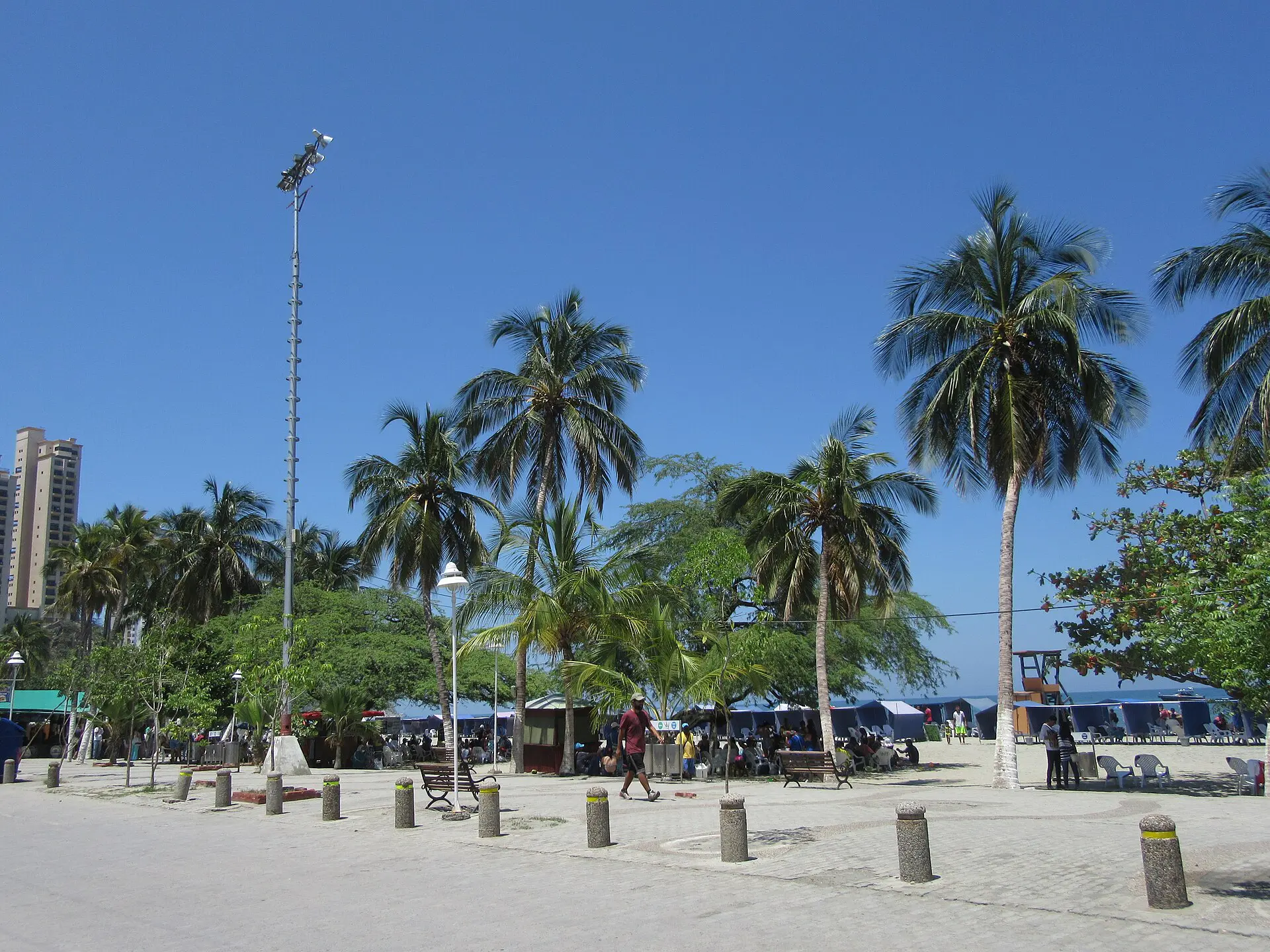
The beaches near the waterfront are convenient and lively but can be noisy, with vendors working the sand. They are fine for a quick dip and an evening stroll. Be cautious with valuables, and consider the quieter beaches further out for a longer swim.
Taganga and scuba diving
Taganga is a small bay north of the city, once a fishing village and now popular with backpackers and divers. Many dive operators offer courses and trips. Compare safety records and equipment, check certifications, and ask about group sizes before booking.
El Rodadero
El Rodadero is the resort suburb to the south, with a long beach, high-rise hotels and a more family-oriented feel. It suits a half-day by the sea or a base for those who prefer resort-style stays. Local buses and taxis link it with the centre.
Tayrona National Natural Park
Tayrona lies to the east along the coast, with forest trails and beaches. It is usually visited as a long day trip or an overnight stay. Check entry rules, closures and seasonal restrictions, bring water and sun protection, and arrive early to avoid queues at the gate.
Sunset on the waterfront
From the beach and the promenade, the Caribbean view runs roughly west, which gives good sunsets, with a large rocky island offshore. Evenings are a good time for a walk, a seafood dinner and people-watching, after the heat of the day has eased.
Best time to visit Santa Marta
Santa Marta has a hot Caribbean climate, with a high season and a low season. The high season runs from December to April, with a peak from mid-December to late January because of the holidays. These months are drier and sunnier, but also the busiest and most expensive, so book accommodation early.
The low season has more rain and humidity, with lower prices and fewer visitors. Some national park areas can have seasonal closures, so check before you go. Mid-year school holidays also bring domestic crowds. If you want a balance of good weather and fewer people, consider the shoulder weeks at either end of the dry season.
| Season | Weather | Crowds and prices |
|---|---|---|
| December to April | Drier, sunny, hot | Busiest, highest prices |
| May to November | Hotter, more humid, more rain | Quieter, lower prices |
How to get to Santa Marta and around
Santa Marta is served by an airport a short drive from the city, with flights from Bogota and other Colombian cities. Check current routes, since they change by season. Long-distance buses run along the Caribbean coast, including routes from Cartagena and Barranquilla, and take several hours.
In the city, the old centre and waterfront are walkable. Taxis and ride-hailing apps are common for longer trips, and local buses reach El Rodadero and other suburbs. Agree the fare or check the meter before getting into a taxi.
For Tayrona and other coastal sights, you can use buses with a transfer, or book a tour or private driver. Allow extra time, since traffic on the coastal road can be slow.
Where to stay in Santa Marta
The historic centre suits visitors who want to walk to restaurants, bars and the waterfront, and it has a mix of boutique guesthouses and mid-range hotels. It can be noisy at night, so ask about rooms away from the street.
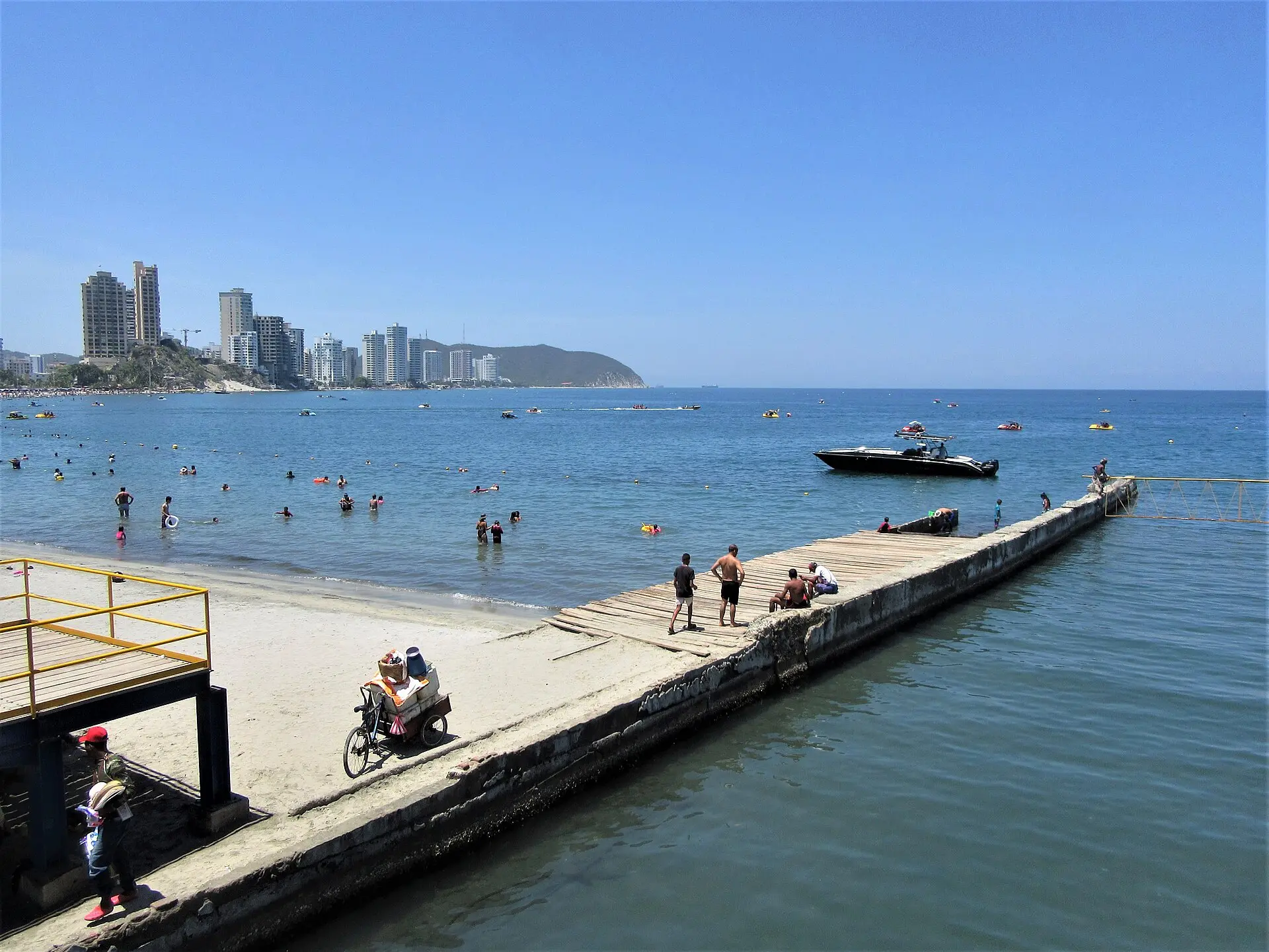
El Rodadero suits families and those who want beach access, pools and resort-style services. Taganga suits backpackers and divers, with simple guesthouses and dive shops, though it is more basic.
If you plan to spend most of your time in Tayrona, consider a night near the park entrance or in a park lodge, which cuts early-morning travel. Book ahead in the high season.
How many days do you need?
Two days is enough to see the old centre, the Bolivar site and the waterfront. Three to four days lets you add a Tayrona trip or diving. A week is useful if you want to include a trek in the Sierra Nevada or other long excursions.
- Day 1: Historic centre and cathedral in the morning, Quinta de San Pedro Alejandrino after lunch, sunset on the waterfront.
- Day 2: A full day at Tayrona National Natural Park, starting early.
- Day 3: Beach time in Taganga or El Rodadero, or a dive trip.
Keep a flexible buffer for weather and park closures.
Day trips and nearby
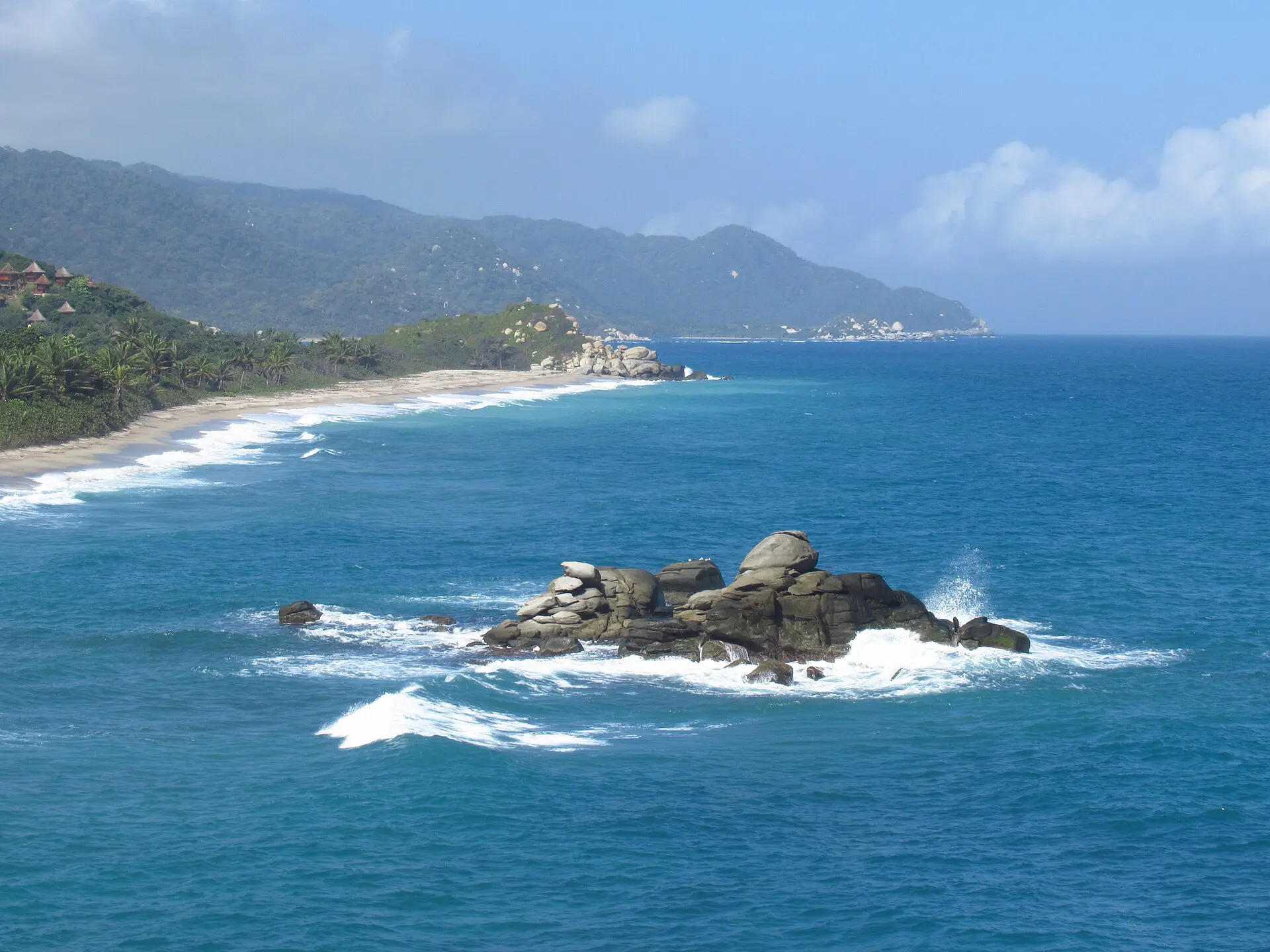
Tayrona National Natural Park
The park, on the coast northeast of the city, is the most popular excursion, with forest paths and beaches. A day visit is possible, though staying overnight allows a calmer pace. Book entry and accommodation ahead in busy periods.
Cartagena
Cartagena is the major historic city further west along the coast, known for its walled old town. It is a long bus or short flight away, and is better treated as a separate stop on a Caribbean itinerary than a day trip.
Minca and the Sierra Nevada foothills
Minca is a small village in the foothills above the city, popular for cooler air, coffee farms and birdwatching. Check current transport and conditions, since road access can vary. It makes a restful change from the coast.
FAQ
Q1When is the best time to visit Santa Marta?
December to April is the drier, sunnier season, and the busiest, with a peak from mid-December to late January. The rest of the year is hotter and more humid with more rain, but quieter and cheaper. Book early for the holidays and check park closures.
Q2How many days do you need in Santa Marta?
Two days covers the old centre, the Bolivar site and the waterfront. Add one or two days for Tayrona National Natural Park, and more if you want to dive in Taganga or trek in the Sierra Nevada. Three to four days suits most travellers.
Q3How do you get to Santa Marta?
You can fly to the local airport from Bogota and other Colombian cities, or take a long-distance bus along the Caribbean coast from Cartagena or Barranquilla. Check current flight schedules and bus times before you go, and allow extra time for road traffic.
Q4Is Santa Marta safe for tourists?
Most visitors have trouble-free trips, but petty theft and aggressive vendors can happen, especially on city beaches and at night. Keep valuables out of sight, use licensed taxis or apps after dark, and check current local advice before travelling.
Prices, schedules and entry rules change. Check current details with official sources before you travel. Read the Colombia travel guide.