Why visit Bogota
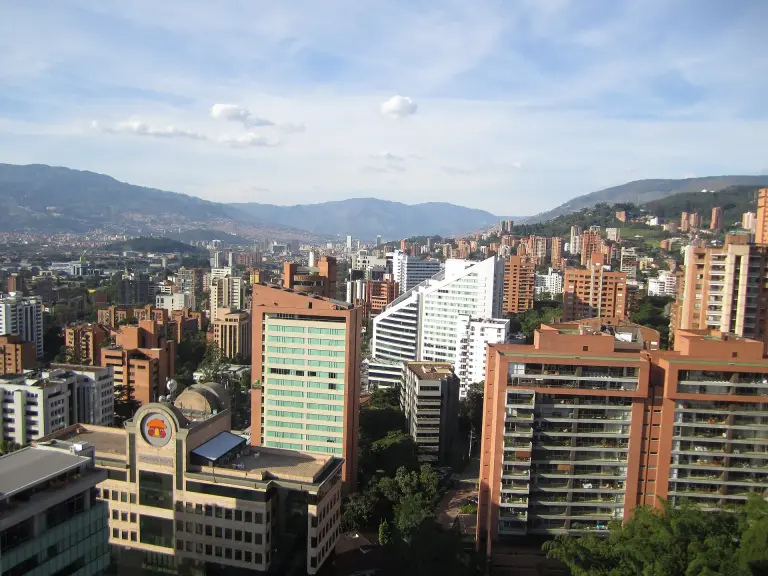
If you are planning things to do in Bogota, expect a big city with a lot of depth. It is the capital of Colombia and one of the world’s mega-cities, a centre of finance, politics, culture and media. At the same time it holds colonial-era streets, major museums and a lively performing arts scene.
The city sits high in the Andes, which gives it a cool climate and mountain backdrop. It is divided into 20 localities, and the Parque Metropolitano Simon Bolivar is among the largest urban parks in the Americas. The city also has an extensive network of bike paths.
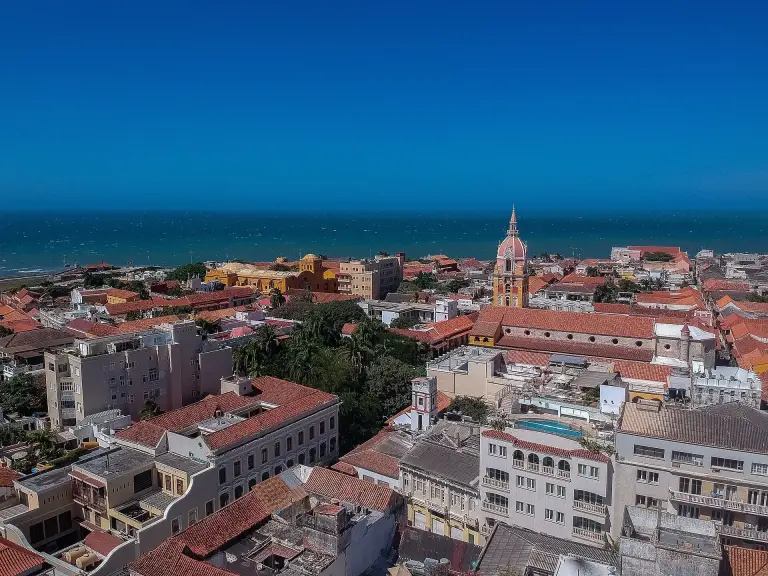
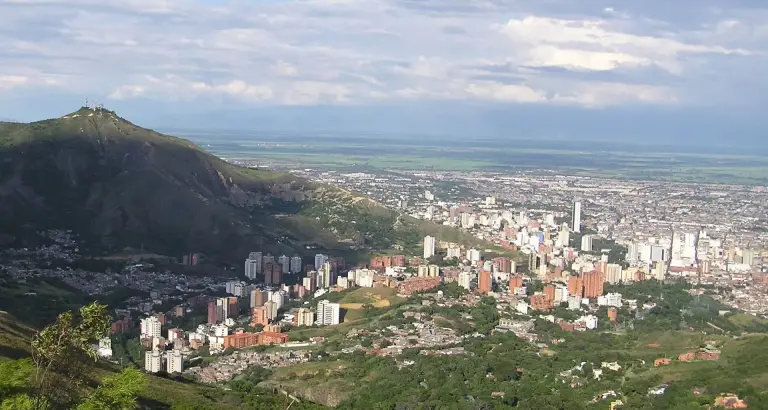
Bogota is not a beach or resort town. It rewards visitors who like urban exploration, culture and food, and who are comfortable using taxis or ride-hailing and staying aware of their surroundings. Many people combine it with Cartagena, Medellin or coffee country.
Top things to do in Bogota
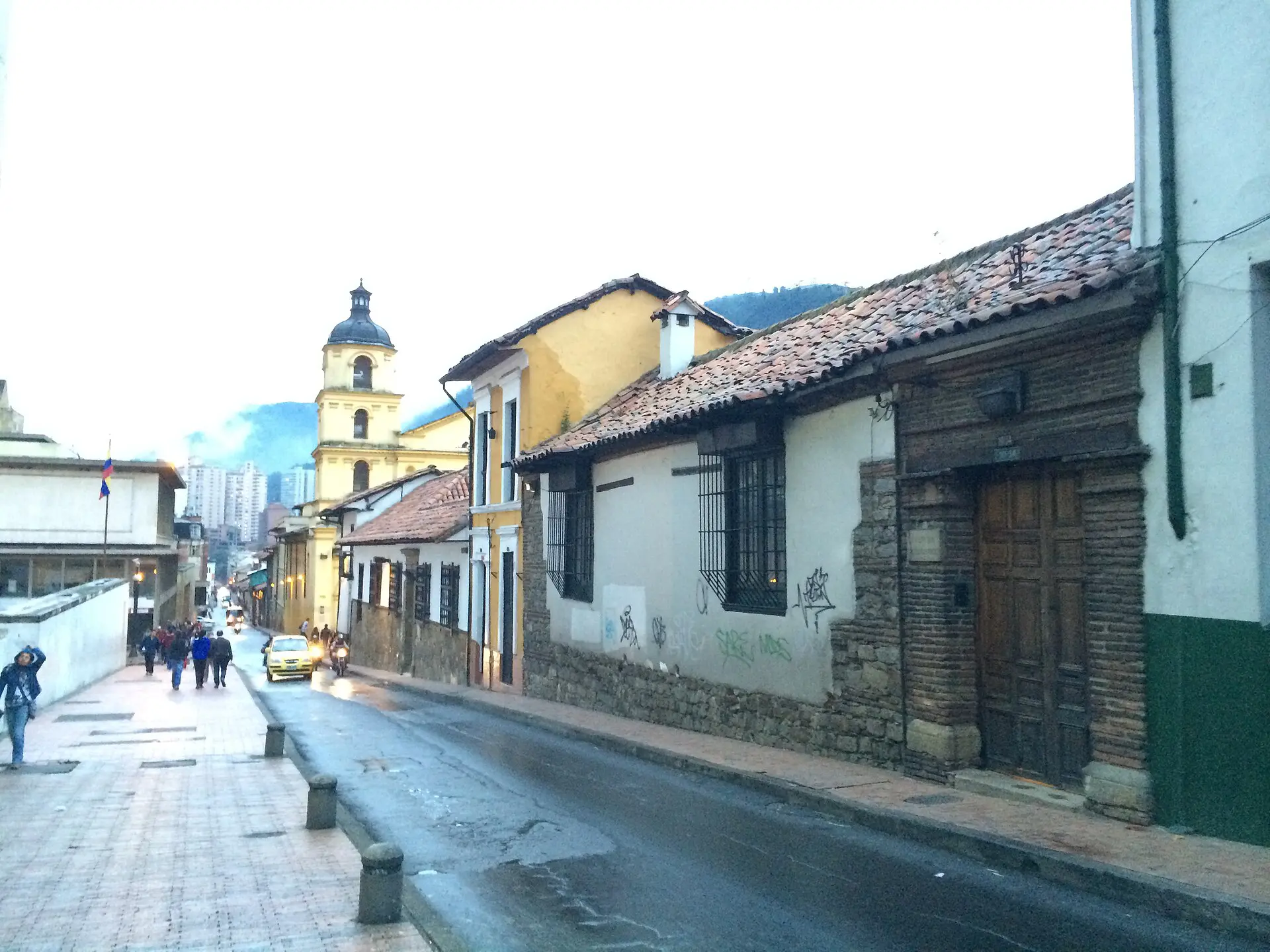
La Candelaria
The historic centre has colonial houses, churches, plazas and street art. It is the best place to start. Allow half a day. Visit in daylight, keep phones out of sight in quiet streets, and join a walking tour for context.
Gold Museum
The Museo del Oro holds one of the largest collections of pre-Hispanic gold work in the world. Allow two to three hours. Check opening days and the entry fee, and note that the museum has sometimes offered free entry on certain days.
Monserrate
A hilltop sanctuary above the city, reached by cable car, funicular or a steep walking path. Plan about half a day including travel. The summit is high, so go slowly and bring a jacket. Check operating hours and go on a clear morning.
Botero Museum
A small museum of works donated by the artist Fernando Botero, including his own pieces and international works. Allow an hour or two. It sits in La Candelaria and pairs well with a nearby cultural museum. Check the current entry fee.
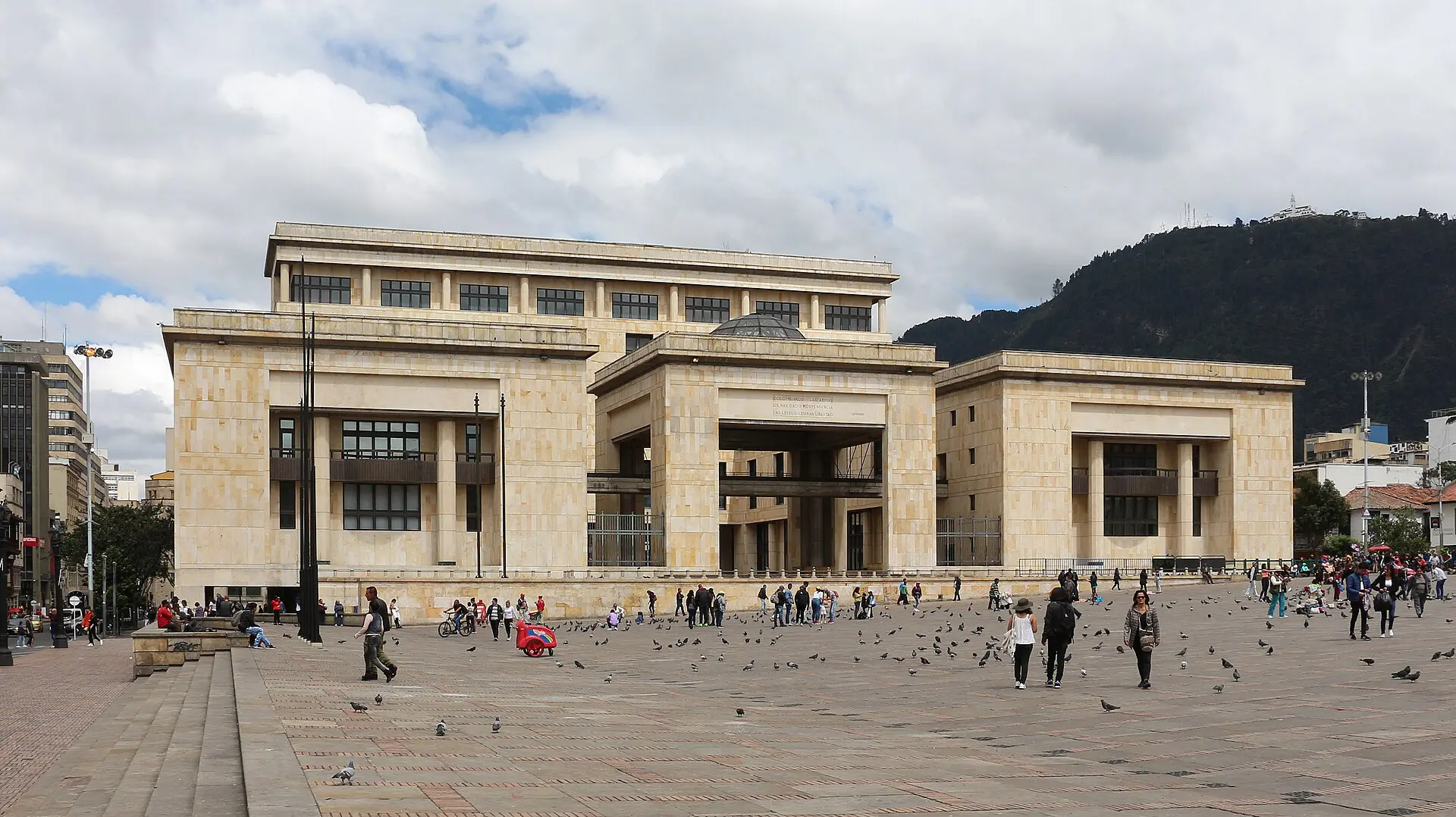
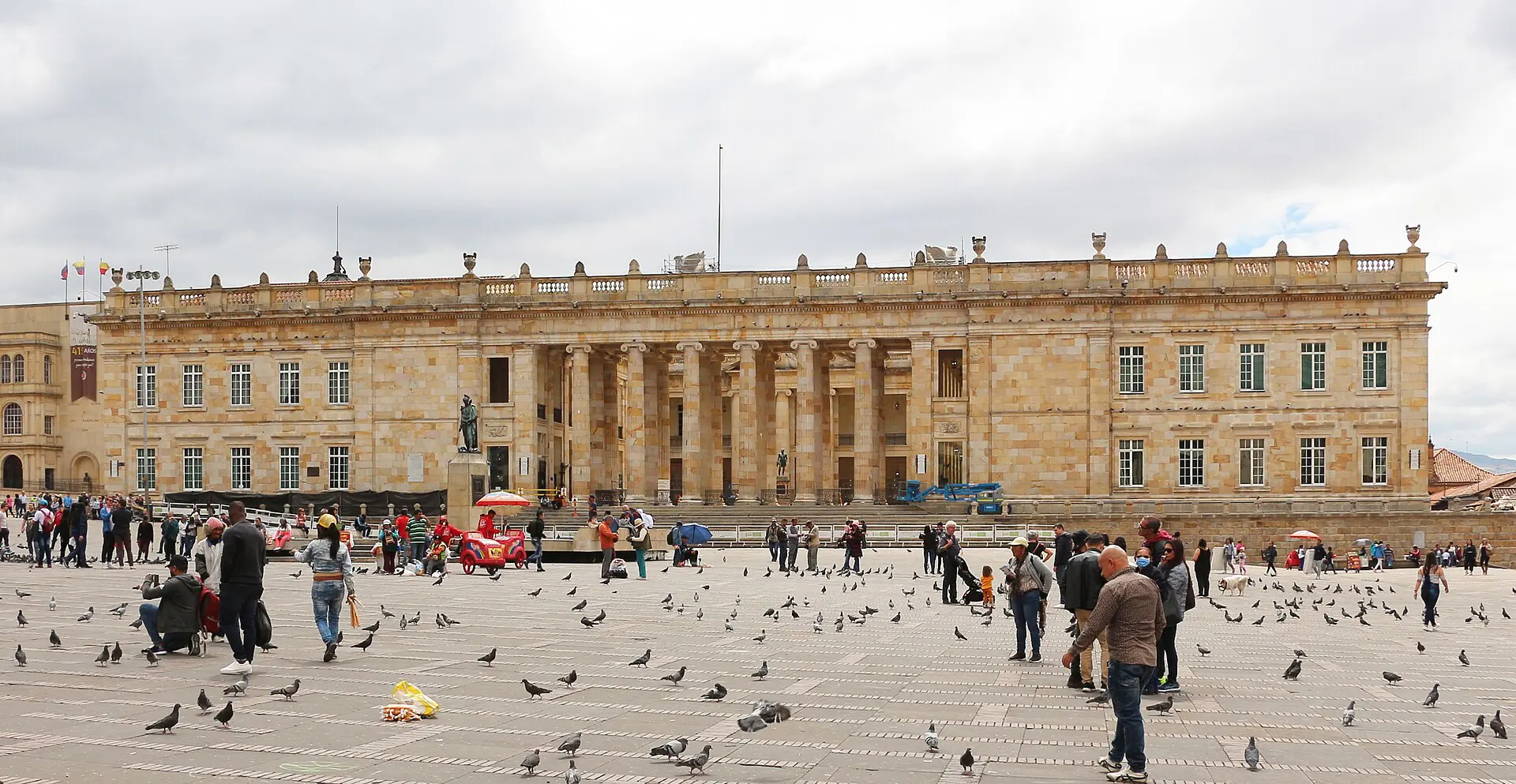
Plaza de Bolivar
The main square is surrounded by the cathedral, the Capitol and other government buildings. It is a quick 20 to 30 minute stop. Go in the daytime and keep belongings close, since the plaza is busy.
Street art tour
Bogota has a notable graffiti scene, especially around La Candelaria and La Macarena. Guided tours explain the stories and artists. Allow about two to three hours, and choose a recommended local guide.
Ciclovia on Sundays
On Sundays and public holidays, major roads are closed to cars and opened to cyclists and walkers. Rent a bike and join in for an hour or two. Check the current schedule and routes.
Best time to visit Bogota
Bogota’s temperature stays fairly constant year round, with cool days and chilly nights, so the main difference is rain. December to March is usually the driest and sunniest period, with July and August also relatively dry. April to May and October to November tend to be the wetter months.
Bring layers in any season, plus a waterproof jacket. Colombia’s holiday periods, such as Christmas, Holy Week and long weekends, bring more domestic visitors and higher prices.
| Season | Weather | Crowds and prices |
|---|---|---|
| December to March | Drier, cool, clear skies | Busy at Christmas; moderate after |
| April to June | Wetter, cool | Quieter; Holy Week is busy |
| July to August | Relatively dry, windy | Holiday crowds |
| September to November | Wetter, cool | Quiet |
How to get to Bogota and around
El Dorado International Airport is the country’s main hub, with flights from North America, Europe and Latin America and many domestic routes. A taxi or ride-hailing car into the centre can take 30 to 60 minutes depending on traffic, and public buses also link the airport with the city.
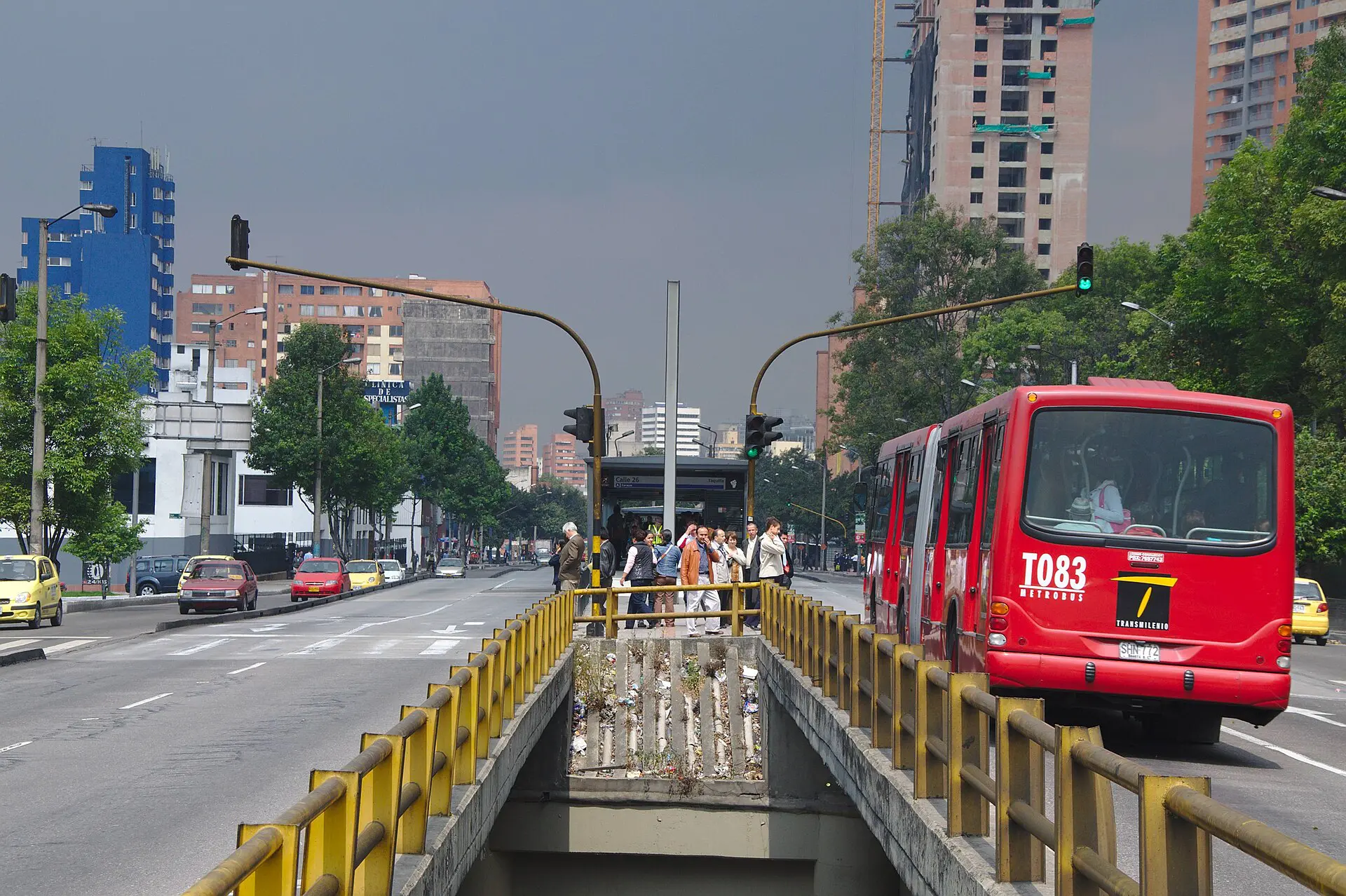
Within the city, the TransMilenio bus rapid transit system is cheap but crowded, and a cable car and cycle paths add options. Many visitors rely on taxis and ride-hailing apps, particularly in the evening. Traffic can be heavy at rush hour, so allow extra time.
The city is large. Plan sightseeing by area, and use a taxi to go between neighbourhoods rather than walking long distances.
Where to stay in Bogota
Choose a neighbourhood that is comfortable at night and close to the activities you want.
- La Candelaria: atmospheric and close to museums, with guesthouses and hostels. Suits budget travellers and culture seekers, though it is best to take taxis at night.
- Chapinero and Zona G: restaurants, bars and cafes. Suits food lovers and nightlife.
- Zona T and Parque 93: upscale, with polished hotels, shops and restaurants. Suits those who want comfort and easy dining.
- Usaquen: a village-like district in the north with weekend markets. Suits couples and those who want a calmer base.
How many days do you need?
Two days covers the main sights, and three adds food, a street art tour and a Sunday bike ride. With only one day, focus on La Candelaria and the Gold Museum. Take it slowly on arrival to adjust to the altitude.
- Day 1: La Candelaria, Plaza de Bolivar, Gold Museum and the Botero Museum.
- Day 2: Monserrate in the morning, then a street art tour or a food-focused afternoon.
- Day 3: Usaquen, a Sunday ciclovia, or a day trip to Zipaquira or Villa de Leyva.
Day trips and nearby
Zipaquira Salt Cathedral
An underground church carved inside a salt mine, about an hour north of Bogota. It makes a half-day trip by bus, train on some days or tour. Check tickets, opening hours and transport options beforehand.
Villa de Leyva
A well-preserved colonial town with a huge cobbled plaza, reached in roughly three to four hours by road. It suits an overnight stay, and is popular for relaxed walks and nearby natural sites.
Guatape
Known for its rock monolith and colourful town, it lies near Medellin, so it is better as part of a trip to that city. Check flight and bus options before planning.
Salento and the coffee region
The coffee zone is a short domestic flight away and offers farms, hikes and the Cocora Valley. Plan at least two or three nights, and combine with Medellin or Cartagena for a fuller Colombia route.
FAQ
Q1When is the best time to visit Bogota?
December to March is usually the driest and sunniest, with July and August also relatively dry. Temperatures stay cool all year, so the main variable is rain. Pack layers and a waterproof jacket whenever you go.
Q2How many days do you need in Bogota?
Two to three days covers La Candelaria, the Gold Museum, Monserrate and a food or street art outing. Add a day for Zipaquira or Villa de Leyva. Spend the first day easing into the altitude.
Q3How do you get around Bogota?
Taxis and ride-hailing apps are the easiest option for visitors, particularly at night. TransMilenio buses are cheap but crowded. Cycle paths and the Sunday ciclovia are good for leisure rides. Allow extra time for traffic.
Q4Is Bogota safe for tourists?
Many visitors enjoy the city without issues, but petty theft and street crime exist. Avoid showing phones in the street, use ride-hailing or radio taxis at night, and stay in well-lit areas. Check current advice before you go.
Prices, schedules and entry rules change. Check current details with official sources before you travel. Read the Colombia travel guide.