Why visit Cartagena
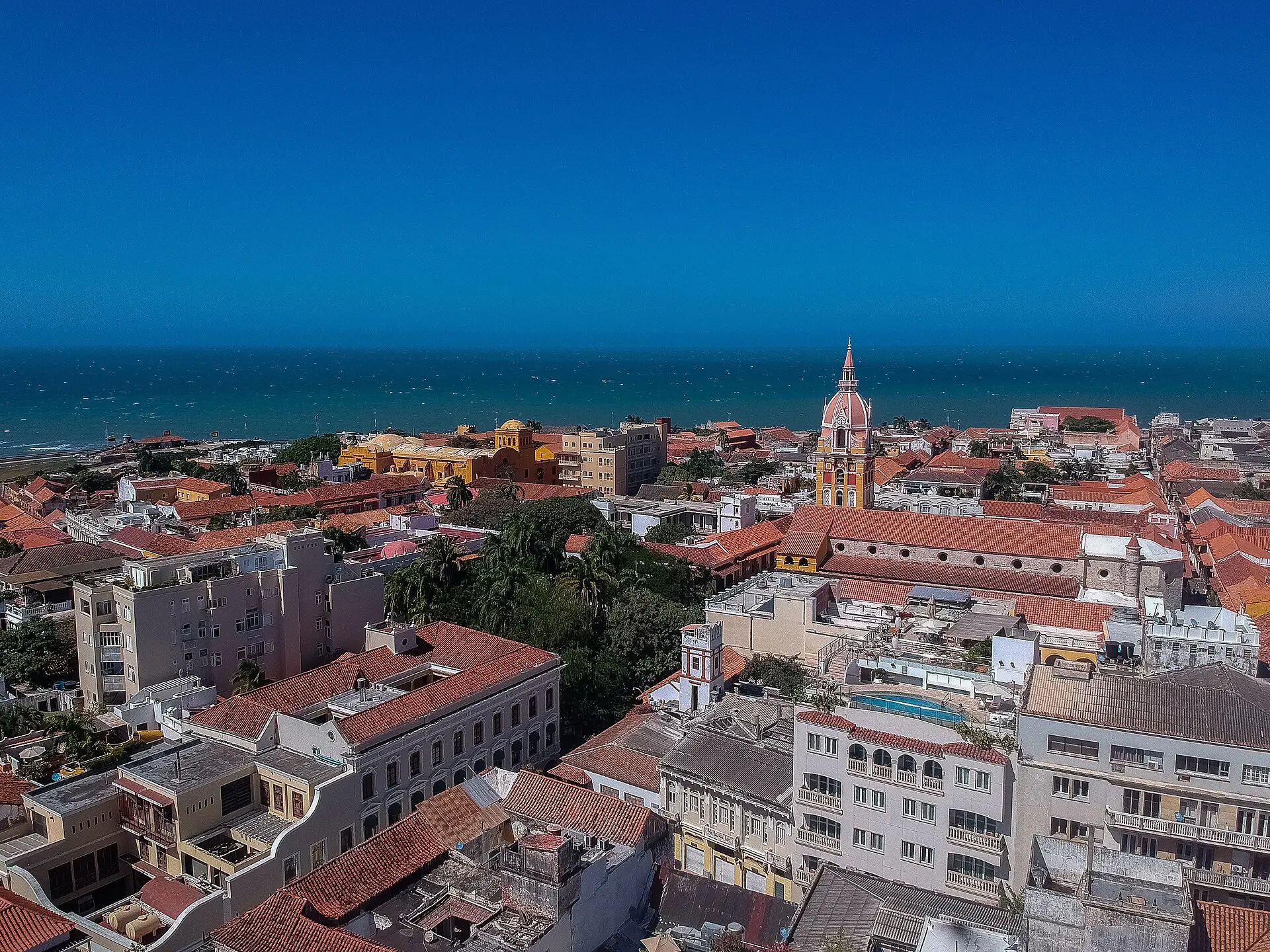
If you are searching for things to do in Cartagena, start with the walled city. Founded by the Spanish in 1533, the colonial centre is now a UNESCO World Heritage site and, Cartagena is the Colombian city most visited by tourists. It has a long defensive history, with fortifications built to protect against pirate attacks in the Caribbean.
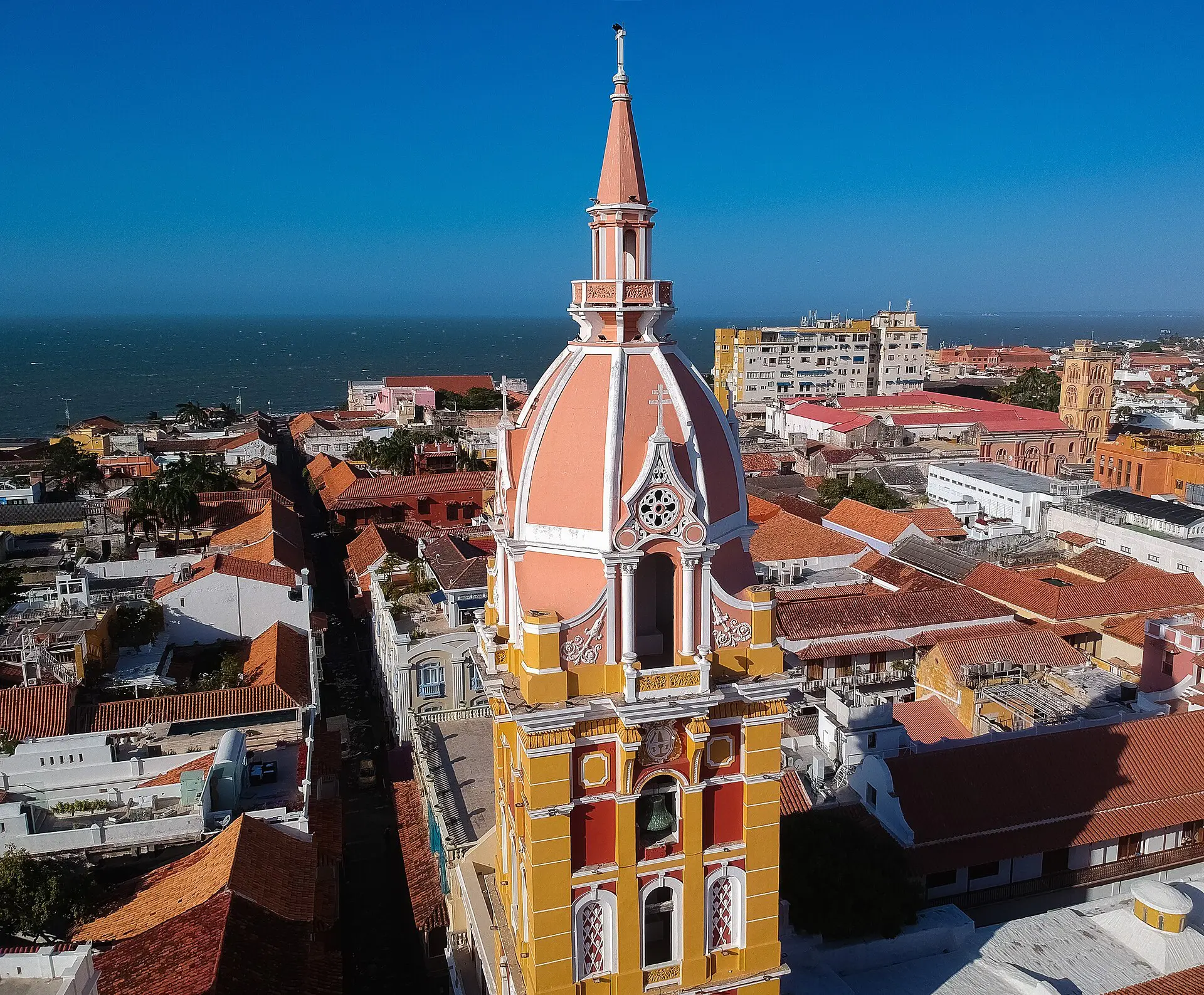
The city has almost 1 million inhabitants and lies on Colombia’s northern coast. It was a key port for trade between Spain and its colonies, and it was also one of the first sanctuaries of freed African slaves in the Americas, so its history is complex and worth learning about while you are there.
You can split your visit between the colonial centre, the beach districts and nearby islands. The weather is hot, the streets are busy and prices are higher than elsewhere in Colombia, but the setting is hard to match. Governments advise against travel to some parts of Colombia, so check current official advice for any route beyond the city.
Top things to do in Cartagena
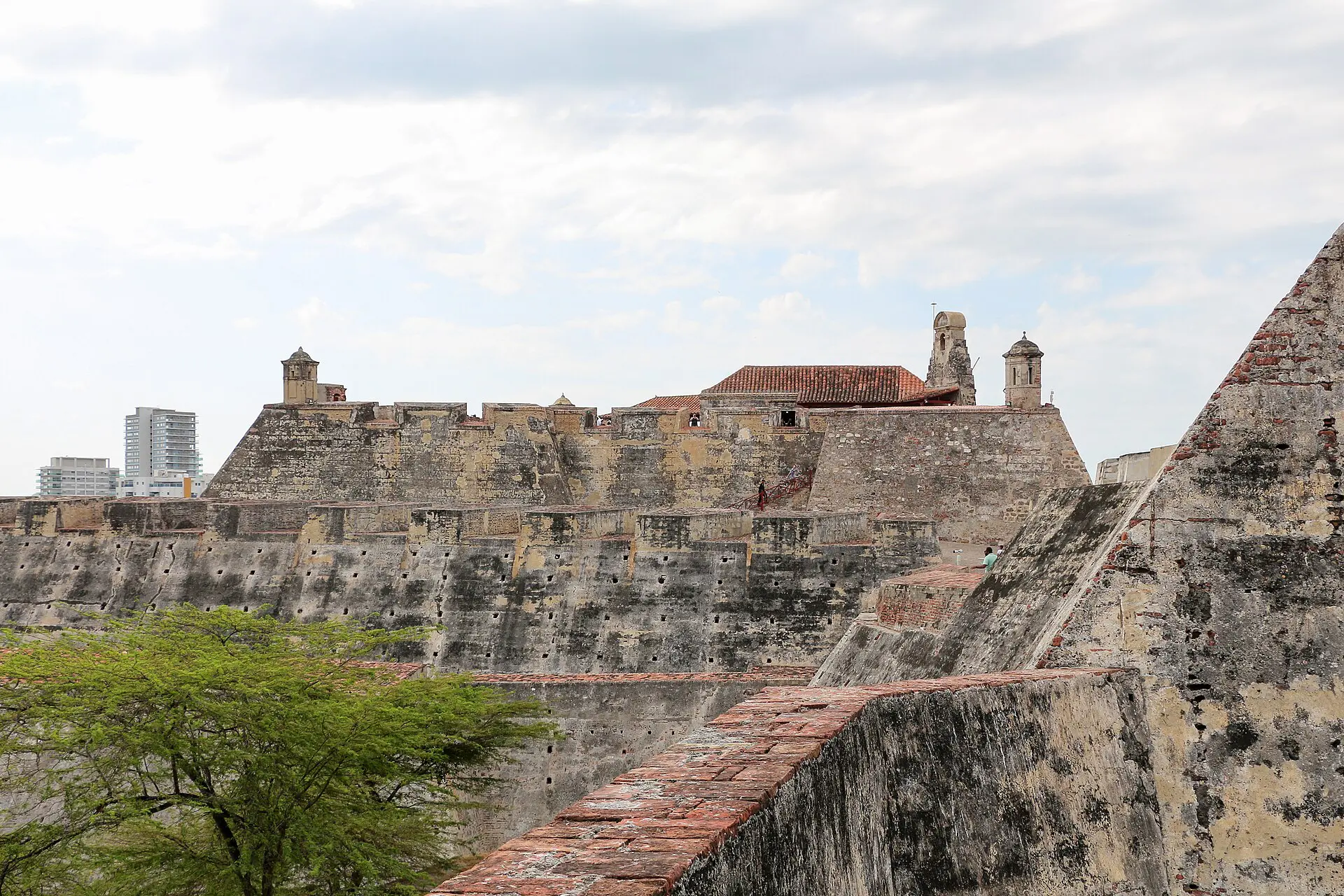
Walled city (Ciudad Amurallada)
The old town is a grid of colourful streets, plazas, churches and balconies, and it holds many of the city’s restaurants and hotels. Allow half a day. Tip: walk early in the morning or late in the afternoon to avoid the midday heat, and compare prices before sitting at plaza cafes.
Castillo San Felipe de Barajas
This large stone fortress on a hill overlooks the city and shows how Cartagena was defended against attacks. Allow about two hours. Tip: bring water and a hat, since there is little shade, and check current opening hours and entry fees.
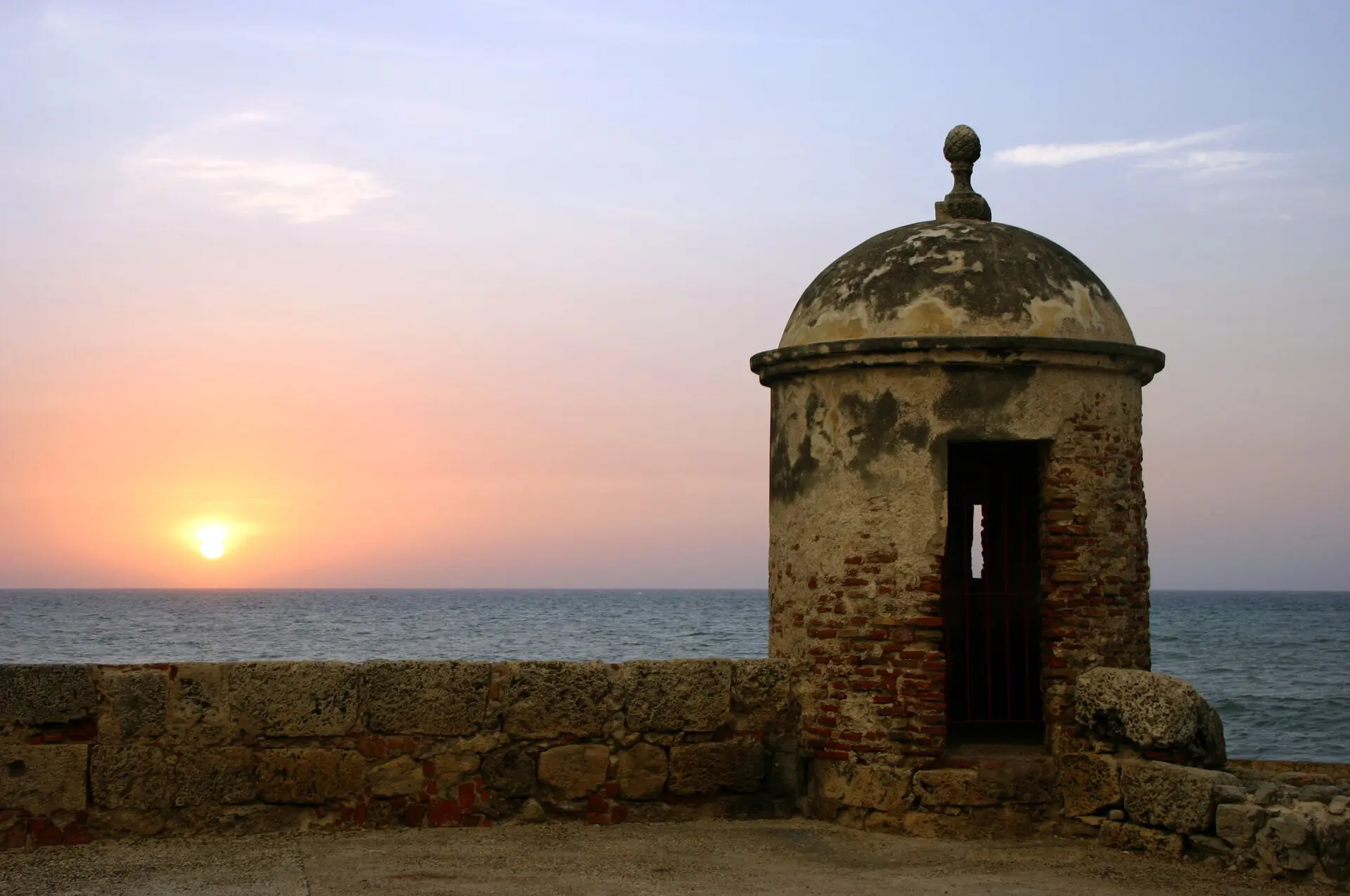
City walls at sunset
You can walk on parts of the old fortifications that circle the colonial centre, with views over the sea. Allow one hour. Tip: plan to be on the walls around sunset, and check which stretches are open.
Getsemani
This neighbourhood just outside the walls is known for street art, small plazas and a more local feel. Allow two to three hours. Tip: it is lively in the evening, so keep valuables out of sight and be careful with drinks.
Islas del Rosario
This archipelago off the coast has clear water, coral and beaches and is reached by boat. Allow a full day. Tip: compare tours, confirm what is included and the cost of any entry fees, and bring sun protection.
Palace of the Inquisition
The city was the centre of the Inquisition in the region, and this museum covers that history. Allow one hour. Tip: check opening hours and consider it a sober visit.
Bocagrande beach
This strip of high-rise hotels and condos fronts the beach and offers an easy place for a swim. Allow a few hours. Tip: the water here is not the clearest, so many visitors prefer the islands for swimming, and avoid unlicensed vendors.
Best time to visit Cartagena
Cartagena is hot and humid all year. It gets extremely crowded in the December holidays and Holy Week, when schools are out and Colombians take their vacations.
| Season | Weather | Crowds and prices |
|---|---|---|
| December to April | Drier, breezy, hot | Peak season, highest prices |
| May to June | Hot, humid, rain begins | Quieter, better value |
| July to August | Hot, some showers | Domestic holidays, moderate crowds |
| September to November | Wettest, heavy showers | Lowest prices, fewer visitors |
If you travel in the wet season, plan for flooded streets after heavy storms, and check forecasts. Book well ahead for Christmas, New Year and Holy Week.
How to get to Cartagena and around
Rafael Nunez International Airport lies a short drive from the walled city, with flights from Bogota, Medellin and other Colombian cities, as well as some international routes. Taxis run to the centre, and the trip takes around 15 to 30 minutes depending on traffic. Check current fares and use a licensed taxi or booked transfer. Long-distance buses connect Cartagena with other coastal towns, but travel times are long.
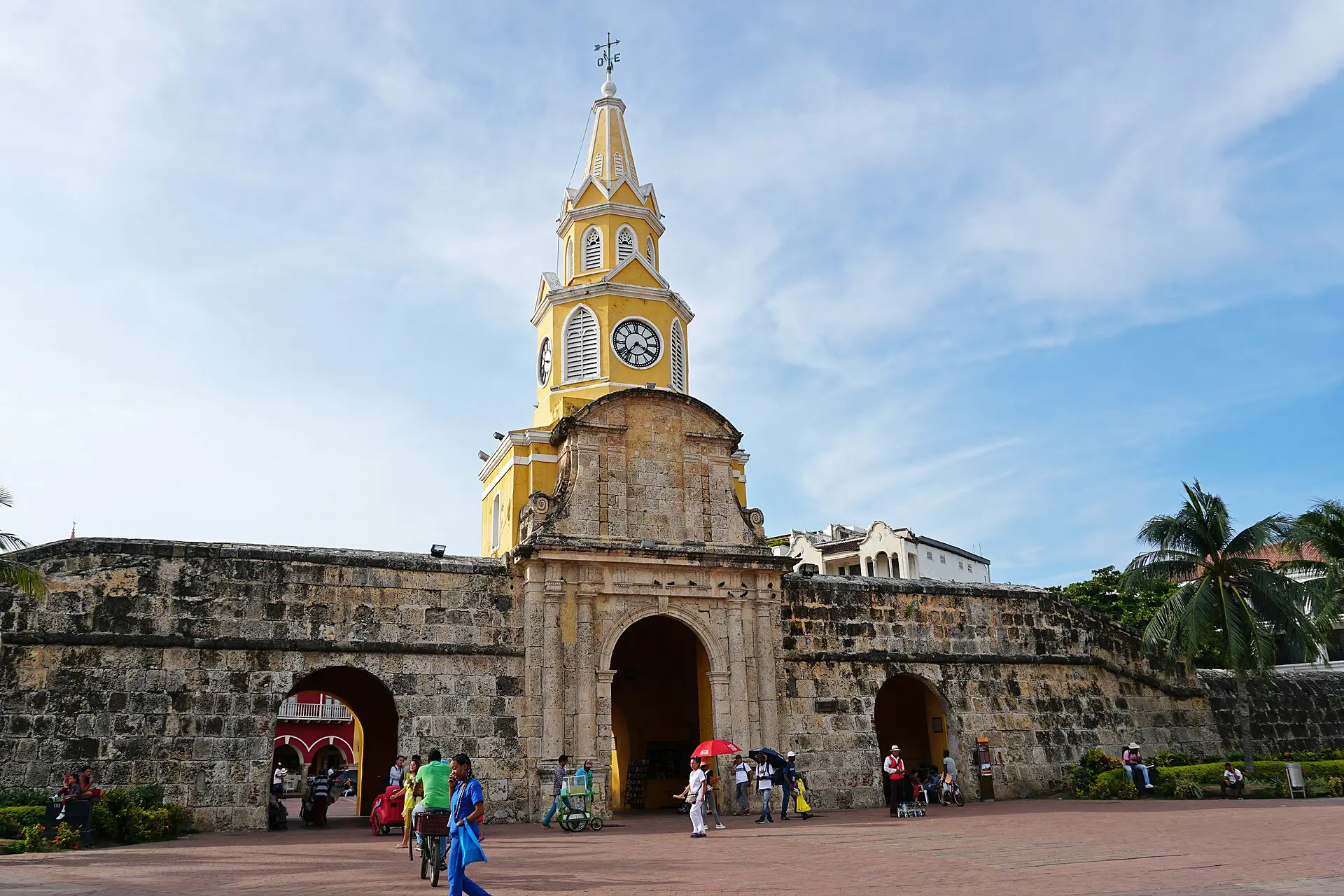
The walled city and Getsemani are easy to cover on foot, though the heat means you will want frequent breaks. Taxis are common for longer trips to the fortress or Bocagrande, and fares should be agreed before you set off. Boats to the islands leave from the port area, so check current departure points and times. Horse-drawn carriages are offered in the old town, but consider animal welfare and agree on the price.
Where to stay in Cartagena
The walled city is the classic choice, with historic buildings converted into hotels, restaurants and bars within walking distance of the main sights. It suits couples and first-time visitors who want atmosphere, but it is expensive and can be noisy in the evening.
Getsemani is a good alternative, with a younger, more casual feel, hostels, small hotels and street food. It is close to the old town and popular with budget and mid-range travellers. Bocagrande has beachfront towers and large hotels, which suit families who want pools and beach access, though it feels more like a resort than a historic city. Book early for peak periods, and check recent reviews for air conditioning, noise and safety.
How many days do you need?
Three days is a good length for most visitors, with time for the old town, the fortress and some relaxing on the coast. Two days is possible if you skip the islands. Add a fourth day if you want a slower pace or a second beach trip.
- Day 1: Walk the walled city in the morning, then the city walls at sunset.
- Day 2: Castillo San Felipe de Barajas, then Getsemani in the evening.
- Day 3: Boat trip to the Islas del Rosario for swimming and snorkelling.
Day trips and nearby
Islas del Rosario
This island group off the coast is known for clear water and beaches and is reached by boat. Allow a full day, or stay overnight. Tip: compare tours, confirm what is included, and check sea conditions.
Santa Marta
Santa Marta is a Caribbean port city that serves as a base for beaches and national park hiking. It is several hours by road, so it is better as an overnight stop. Tip: check bus times and local conditions.
Medellin
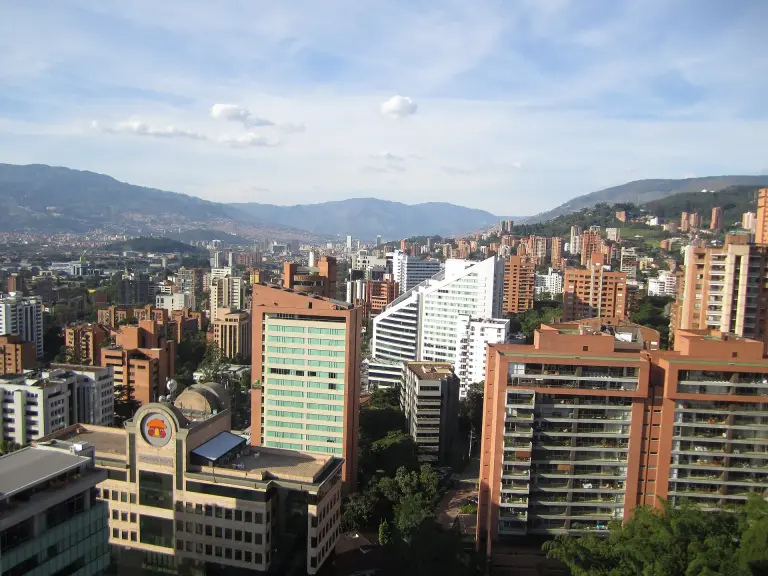
Colombia’s second city lies inland in the Andes, about an hour by air. It has a mild climate and a very different feel from the coast. Tip: treat it as a separate stop of three days or more, and check flight schedules.
Bogota
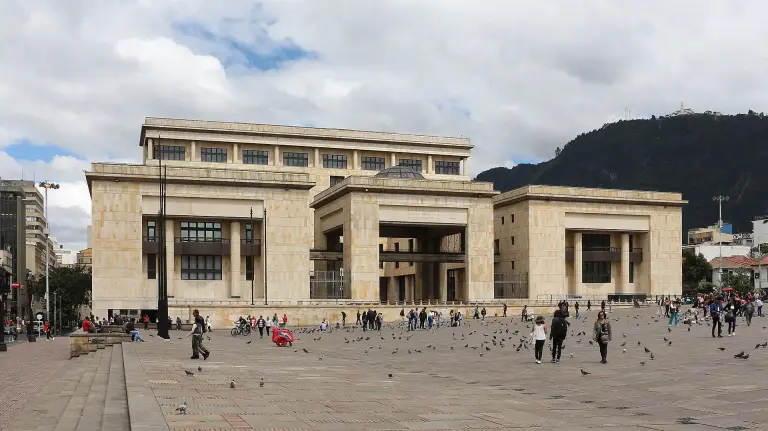
The capital is reached by a short flight and has museums and a historic centre. It works well as the start or end of a Colombia trip. Tip: pack for cooler weather at altitude, and check flight times.
FAQ
Q1When is the best time to visit Cartagena?
December to April is the driest and breeziest period, but also the busiest and most expensive. May, June and the later part of the year are cheaper but wetter. Book early for Christmas, New Year and Holy Week, when prices rise and crowds peak.
Q2How many days do you need in Cartagena?
Three days cover the walled city, the fortress, Getsemani and a boat trip to the islands. Two days work if you skip the islands, and four days let you slow down or add another coastal stop. It is a compact city.
Q3How do you get to Cartagena?
Most visitors fly into Rafael Nunez International Airport, a short drive from the walled city, with flights from Bogota, Medellin and some international hubs. Taxis and transfers run to the centre. Check current fares and agree on prices before you travel.
Q4Is Cartagena safe and expensive?
Cartagena is a busy tourist city where most visits are trouble-free, but petty theft and overcharging occur, especially at night and on beaches. Prices are higher than elsewhere in Colombia. Check current costs and official travel advice, and agree on fares in advance.
Prices, schedules and entry rules change. Check current details with official sources before you travel. Read the Colombia travel guide.