Why visit Medellin
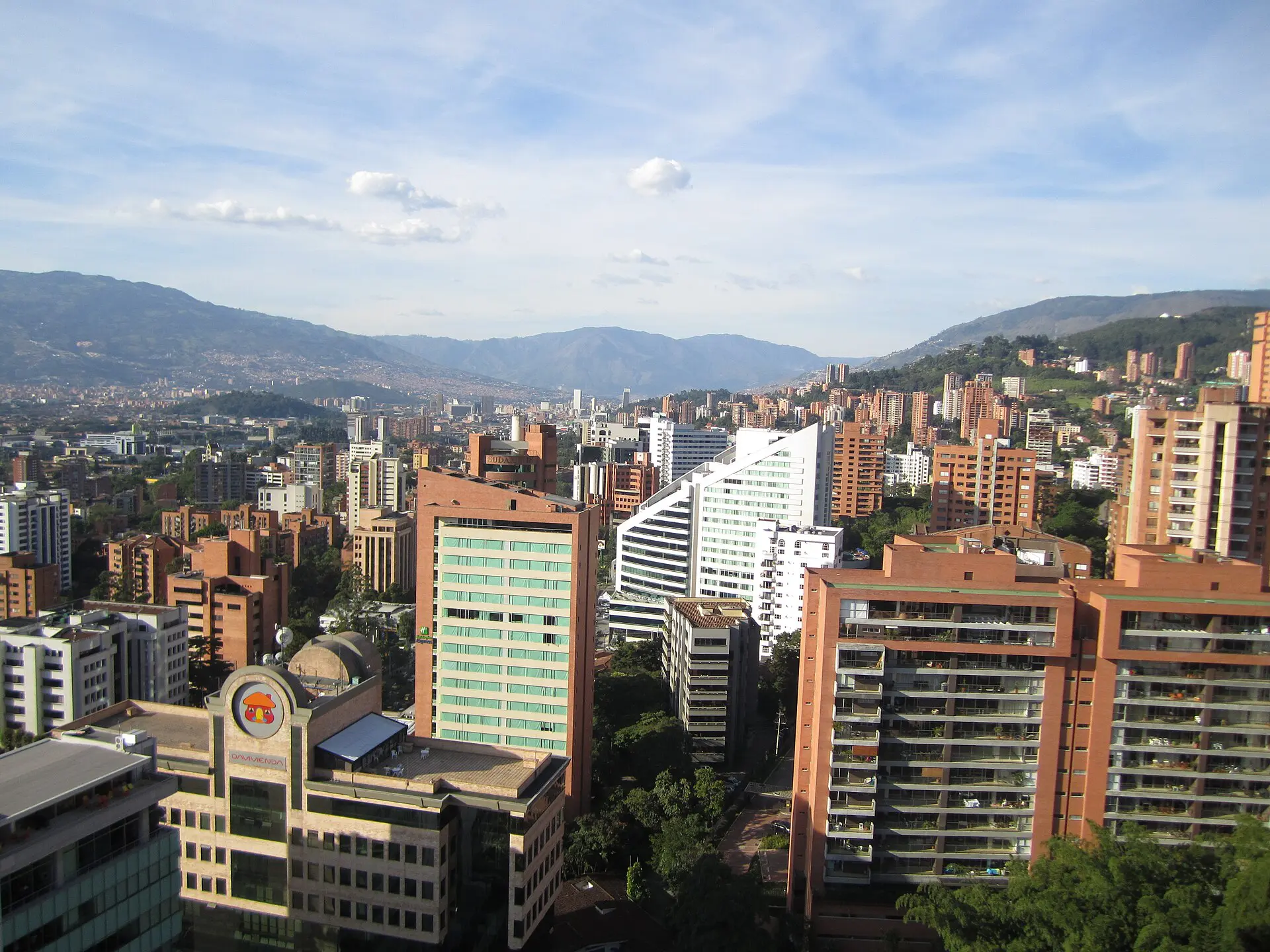
If you are searching for things to do in Medellin, start with the setting. The city fills the Aburra Valley, a high basin in the Andes, and it is nicknamed the city of eternal spring because temperatures stay mild through most of the year. It is the capital of the department of Antioquia and the second-largest city in Colombia, with roughly 2.4 million people in the city and more than 4 million in the metropolitan area.
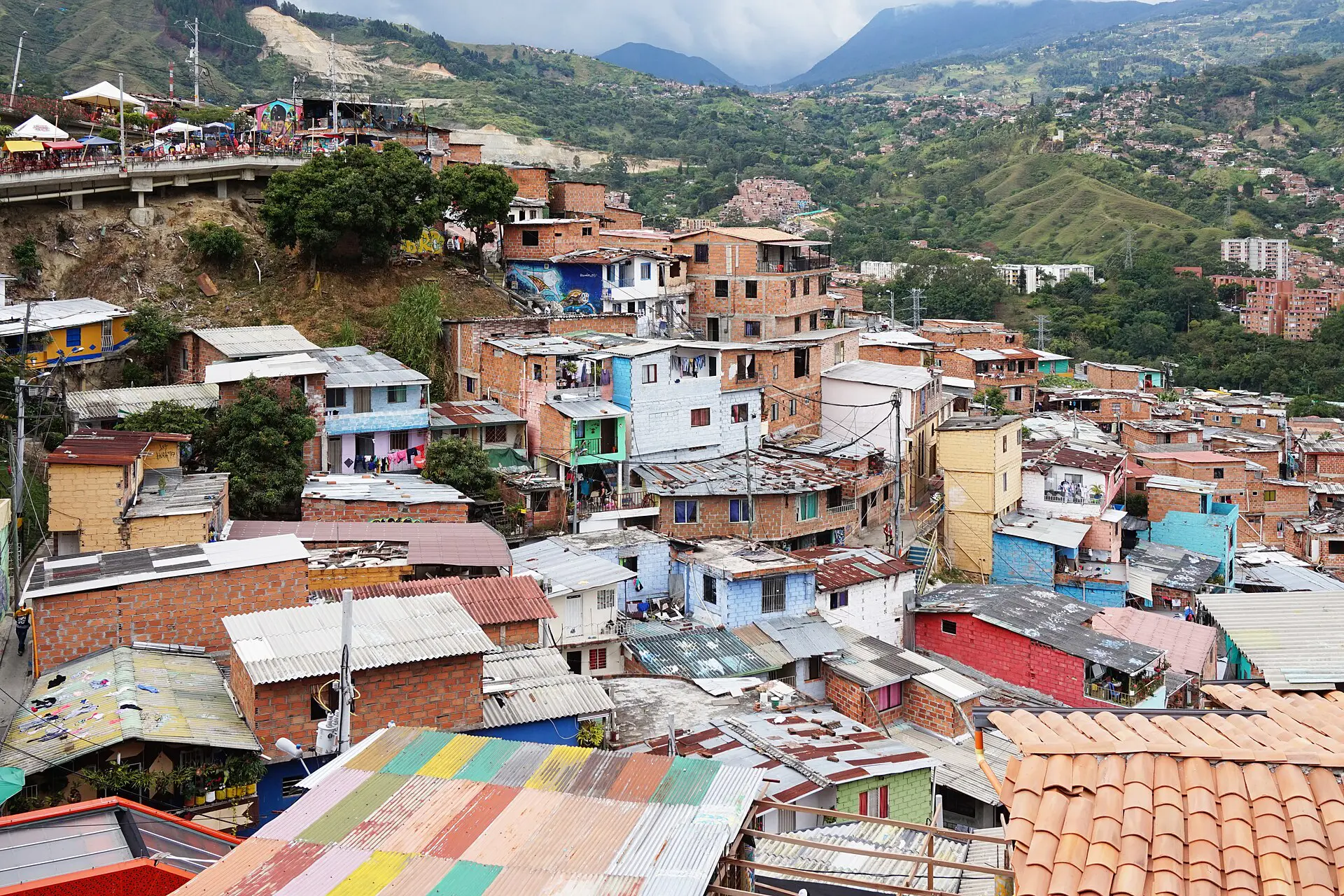
For many years the name Medellin was linked mainly to the drug trade of the 1980s and 1990s. Violence has fallen sharply since then, and the city has invested in transport, libraries and public spaces, including cable cars that connect hillside neighbourhoods to the metro.
Today you come for the museums and plazas, the food, the green hills and the chance to see a modern Latin American city that has changed a great deal. It is a large city, so choose a base, learn the metro, and plan a few focused days. Some parts of Colombia are subject to government travel warnings, so check current official advice for your route.
Top things to do in Medellin
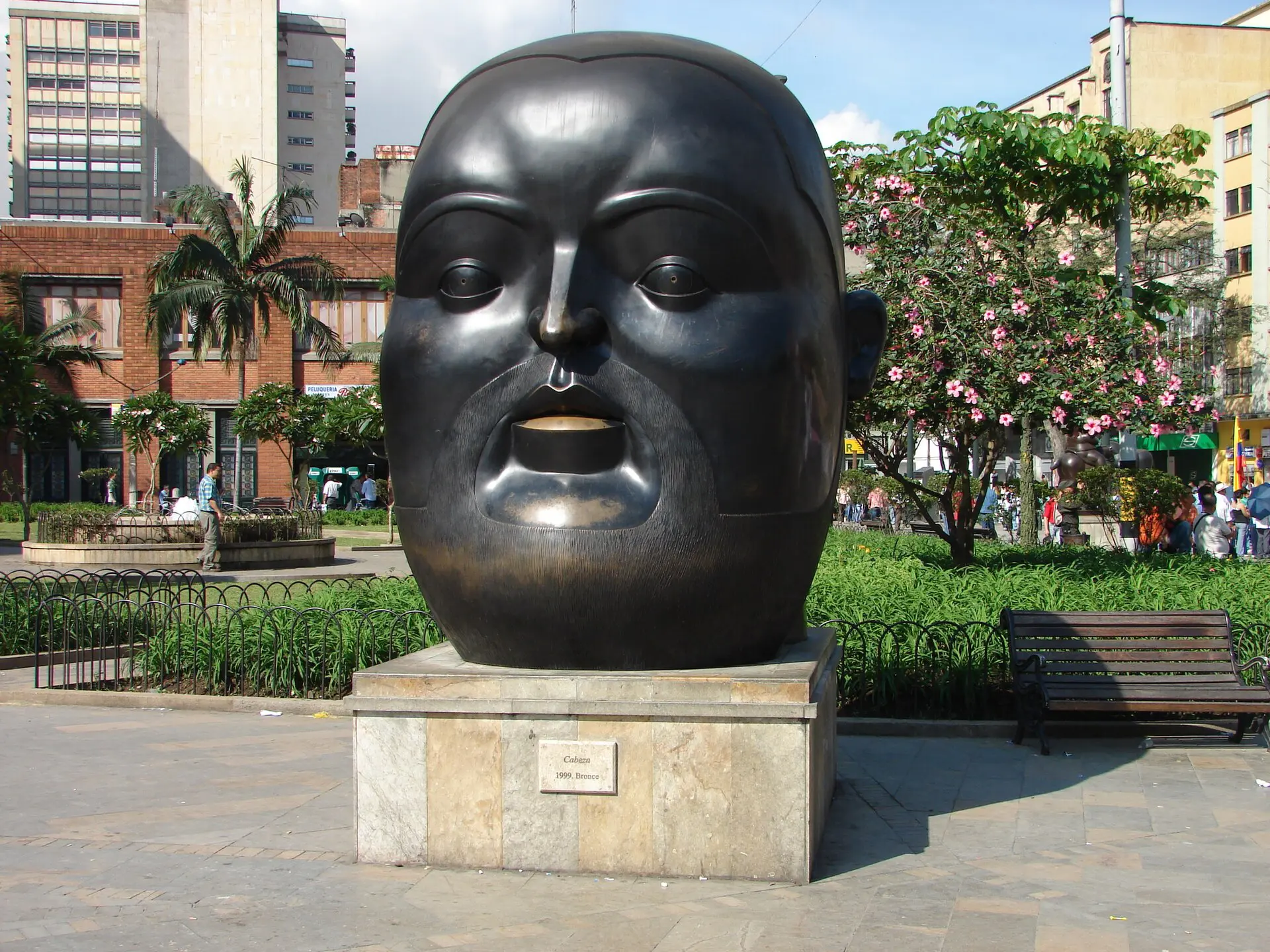
Plaza Botero and the Antioquia Museum
The main plaza in the centre is filled with large bronze sculptures by Fernando Botero, and the Antioquia Museum beside it holds an extensive collection of his paintings. Allow two to three hours for both. Tip: the central district is busy and can be rough in places, so keep your phone and bag out of sight and go in daylight.
Metrocable and the metro
The metro and its cable car lines are a sightseeing trip in themselves, climbing from the valley floor to hillside neighbourhoods with wide views. Allow two to three hours for a round trip on one line. Tip: buy a rechargeable card if you will ride several times, and check current fares and operating hours before you go.
Comuna 13 neighbourhood walk
This hillside area is known for its street art, outdoor escalators and the story of its recovery from conflict. Local residents lead many of the walking tours. Allow half a day. Tip: choose a tour run by or with people from the neighbourhood, stay with the group, and avoid carrying valuables.
Parque Arvi
Reached by cable car, this large nature area on the hills above the city has walking trails and cooler air. Allow half a day to a full day. Tip: bring a light rain layer, since afternoon showers are common, and check the current cable car schedule and entry rules.
El Poblado and Parque Lleras
El Poblado is where the city first took root and now holds many of its restaurants, cafes and nightlife. Walk the leafy streets in the morning and eat out in the evening. Allow two to three hours. Tip: this is also the busiest area for tourists, so be careful with drinks and with offers from strangers at night.
Botanical Garden
The botanical garden is a calm green space with orchids, lawns and ponds, and it sits near the university and the Parque Explora science museum. Allow one to two hours. Tip: it is a good rainy-hour or hot-afternoon option, and entry is usually free or low cost, but confirm the current rules.
Pueblito Paisa and Nutibara Hill
A small replica of a traditional Antioquian village sits on a hill near the centre and gives broad views over the valley. Allow an hour. Tip: go before sunset for the light, and use a taxi or ride-hailing app for the return rather than walking in the dark.
Best time to visit Medellin
Medellin’s elevation keeps temperatures fairly steady all year, so the main difference between seasons is rain rather than heat. Plan for a shower in most months and carry a light jacket for evenings.
| Season | Weather | Crowds and prices |
|---|---|---|
| December to March | Drier, sunny spells, warm days | Busier around the holidays and the Christmas lights; higher prices |
| April to May | Wetter, frequent afternoon rain | Quieter, good value |
| June to August | Drier again, comfortable | Moderate crowds; domestic holiday travel adds demand |
| September to November | Rainy periods, mild | Quieter, generally lower prices |
The Feria de las Flores, held in August, is the city’s best-known festival. Book ahead if you plan to attend, and check current dates.
How to get to Medellin and around
Most international and domestic flights use José María Córdova International Airport in Rionegro, in the hills east of the city. Allow around an hour by road to the centre, and check current options for taxis, shuttle buses and fixed-price transfers. A second, smaller airport closer to town handles some domestic routes. Flights from Bogota take roughly an hour, and long-distance buses also run to the capital and to the Caribbean coast, though the road journey is much slower.
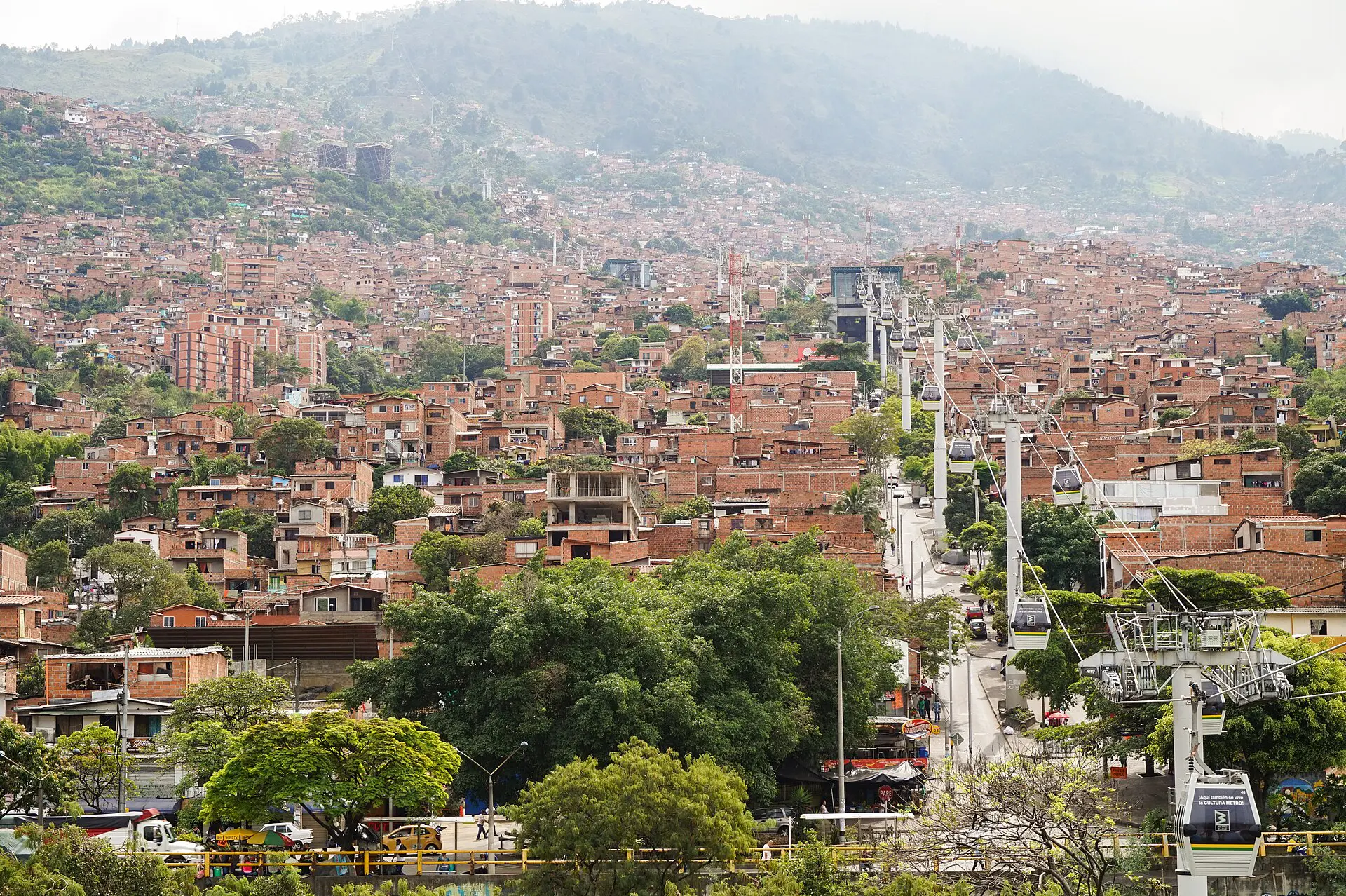
In the city, the metro runs north to south along the valley and is clean, cheap and easy to use. Metrocable lines and the tram link it to hillside districts, and buses fill the gaps. Taxis and ride-hailing apps are common, and many visitors use them in the evening. Walking is pleasant in El Poblado, Laureles and the centre by day, but check the route and the time first.
Where to stay in Medellin
El Poblado is the most popular base for first-time visitors, with the widest choice of hotels, restaurants and cafes, and an easy ride to the metro. It is also the most expensive area and the busiest at night. If you want quieter, lower-key streets, look at Laureles, which is flatter, residential and full of local restaurants and good for longer stays.
The city centre is the practical choice if you plan to spend your days at museums and plazas and want to be near the metro, but it is less comfortable after dark, so many travellers prefer to sleep elsewhere. Some visitors also choose to stay in a hillside guesthouse or a rented apartment in a residential area. Wherever you stay, check recent reviews on location and safety, and book early for the Christmas season and the August flower festival.
How many days do you need?
Three days is a good minimum for Medellin. It allows you to see the central museums, ride the cable cars and spend time in one or two neighbourhoods without rushing. Add a fourth day for Guatape or a slower pace. If you plan to continue to the coffee region, give Medellin three nights and then travel on.
- Day 1: Plaza Botero and the Antioquia Museum in the morning, then the metro to Pueblito Paisa for an afternoon view.
- Day 2: A local-led walk in Comuna 13, then the botanical garden or El Poblado for the evening.
- Day 3: Metrocable up to Parque Arvi for a walk, then dinner in Laureles.
Day trips and nearby
Guatape
This lake town east of Medellin is known for its colourful painted facades and for the huge granite monolith nearby, which you can climb by stairs for views over the reservoir. Allow a full day. Tip: go on a weekday if possible, since weekends and holidays are crowded, and check bus times.
Salento
Salento lies in Colombia’s coffee region, roughly six to eight hours by road or a short flight to Pereira or Armenia plus a transfer, and is known for the nearby Cocora Valley. It is better treated as a stay of one or two nights than a day trip. Tip: check the current route and transport options before you go.
Santa Marta
On the Caribbean coast, Santa Marta is a base for beaches and for the national park and hiking areas around it. It is a flight away, so treat it as part of a wider Colombia trip rather than an excursion. Tip: check current weather and any local advisories.
Cartagena
The walled colonial city on the coast is one of Colombia’s most visited destinations and is easily reached by air from Medellin. It works best as a separate stop of two to three days. Tip: book well ahead in the December holidays and Holy Week.
FAQ
Q1When is the best time to visit Medellin?
December to March and June to August are the drier periods, with the most comfortable weather for walking and day trips. The city stays mild all year, so rain is the main variable. The August flower festival and the Christmas season are busy, so book early.
Q2How many days do you need in Medellin?
Three days cover the main museums, a cable car ride, a neighbourhood walk and a good meal or two. Add a fourth day for Guatape or a quieter pace. If you are also heading to the coffee region or the coast, you can keep Medellin to two nights.
Q3How do you get to Medellin?
Most visitors fly into José María Córdova Airport, about an hour by road from the centre, with taxis and shuttle buses linking the two. Domestic flights from Bogota take around an hour, and long-distance buses run across Colombia, though journeys are slow.
Q4Is Medellin safe?
Medellin is far safer than in the 1980s and 1990s, and many visitors have trouble-free trips, but petty theft and drink spiking do occur, especially around nightlife. Use ride-hailing at night, keep valuables hidden, and check official travel advice before you go.
Prices, schedules and entry rules change. Check current details with official sources before you travel. Read the Colombia travel guide.