Why visit Pisa
If you are planning things to do in Pisa, you already know the Leaning Tower. This Tuscan city is best known for it, but the tower is not the only thing to see. There are other architectural and artistic marvels, and the city is far more than a photo stop.
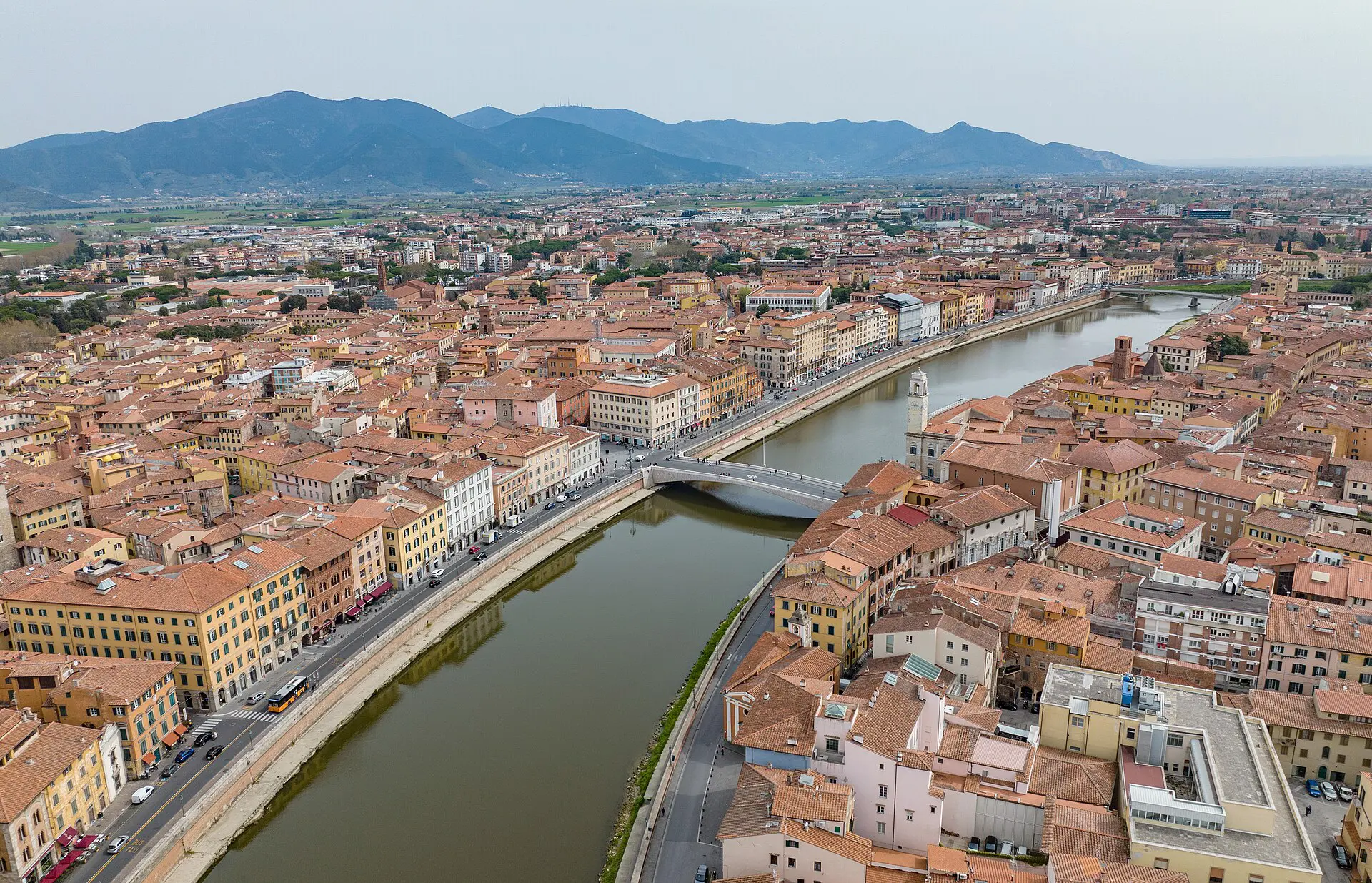
The half-hour walk from the Campo dei Miracoli to the train station follows a pedestrian street with many interesting sights, shops and restaurants. The city centre is small and cosy, and the best way to visit is on foot, enjoying the streets and atmosphere.
Pisa would not be Pisa without its university. Students animate the city, organise parties, shows and cultural events, and fill the central street at night. That gives the town a youthful energy that many Tuscan destinations lack, and a good range of affordable places to eat. Combine the monuments with a stroll along the Arno river and you have a rewarding one- or two-day visit.
Top things to do in Pisa
Leaning Tower
The tower is the icon of Pisa, and climbing it gives views over the square and the city. Tickets are timed and often sell out, so book ahead in high season. Allow about an hour, and check current rules on bags and age limits before you go.
Piazza dei Miracoli
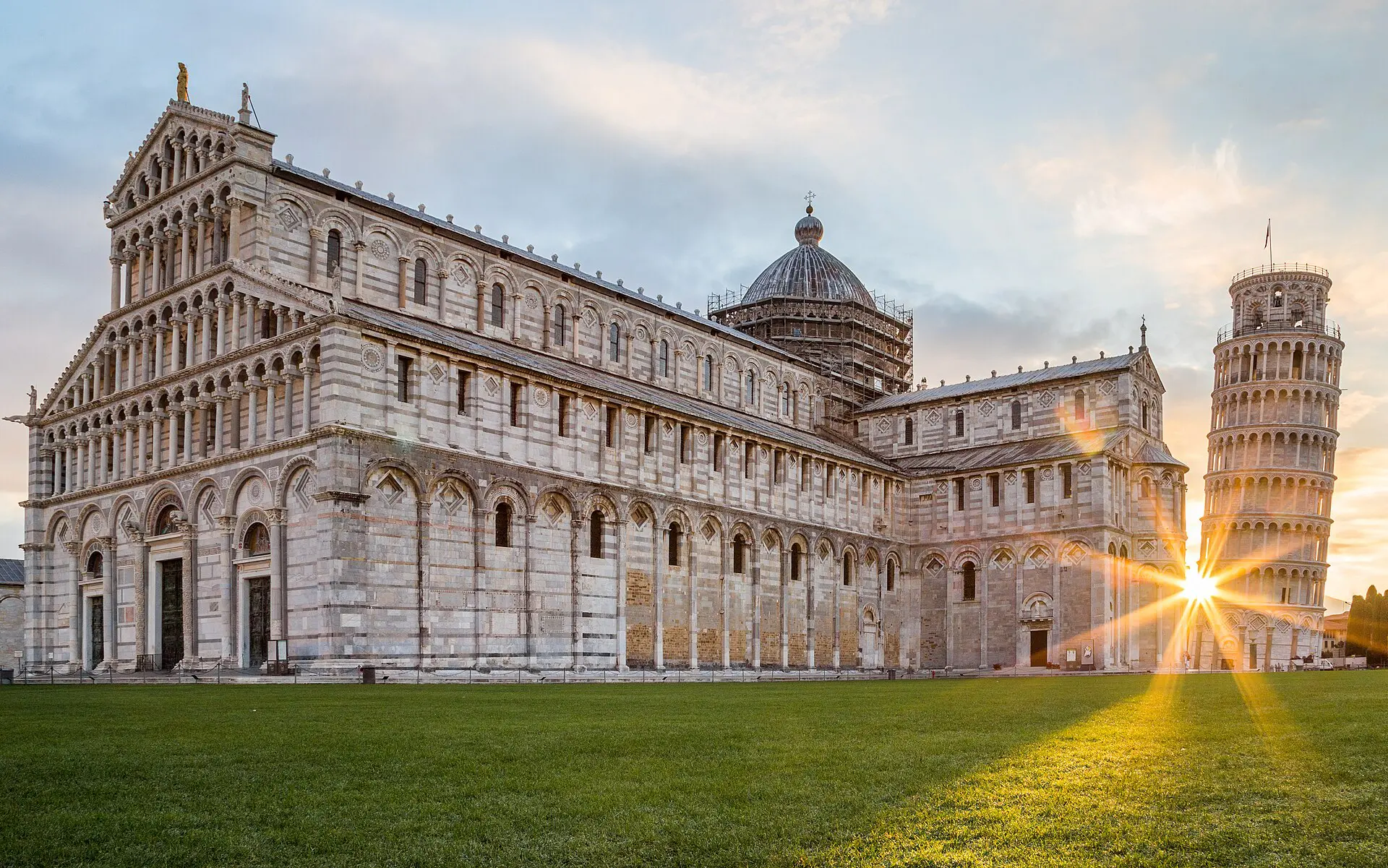
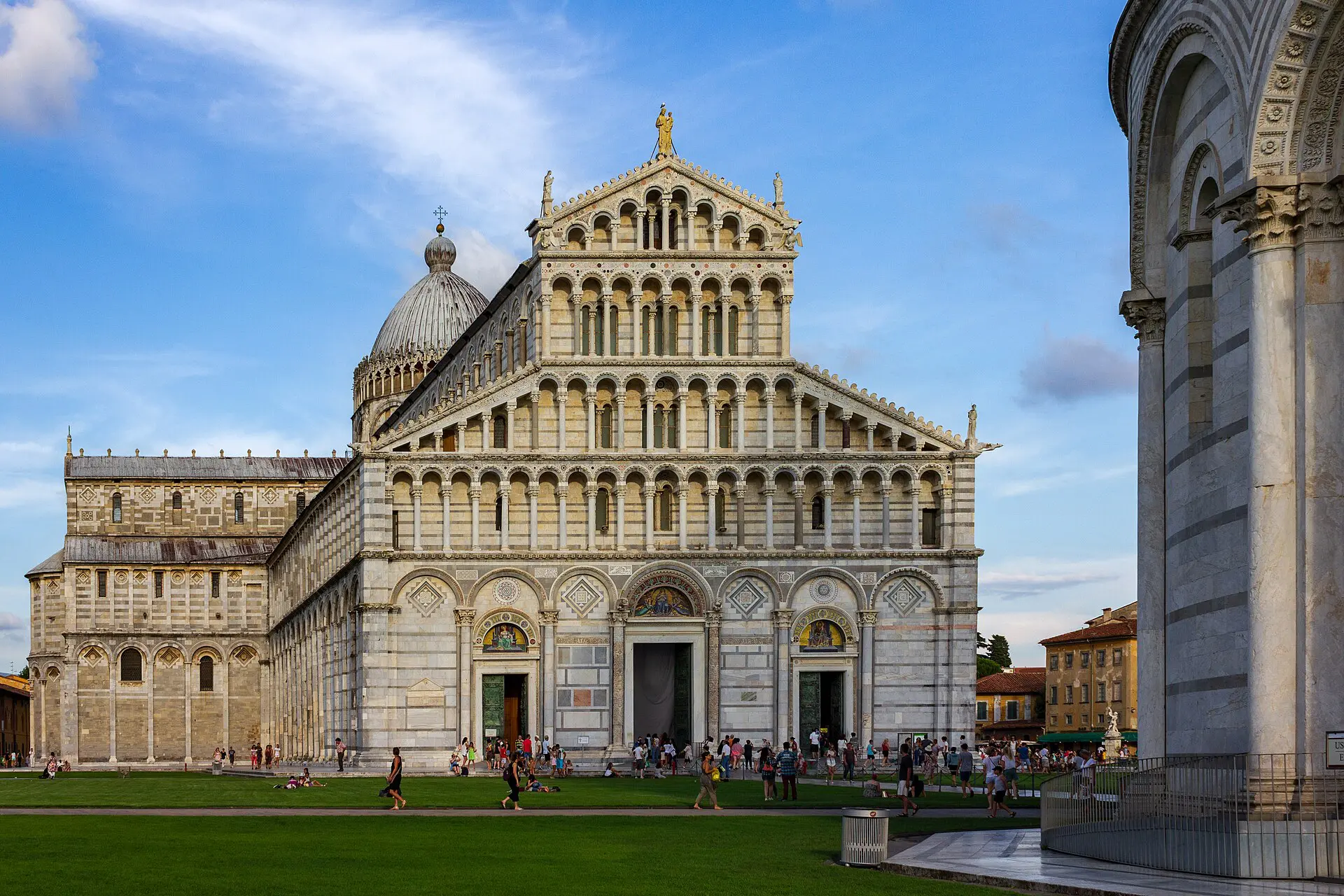
Also called Campo dei Miracoli, this lawned square holds the cathedral, the baptistery and the tower. Plan two to three hours to see the exteriors and choose which buildings to enter. Combined tickets are common, so compare options before buying.
Cathedral and baptistery
The Romanesque cathedral has a richly decorated interior, and the neighbouring baptistery is known for its acoustics, which guides sometimes demonstrate. Allow an hour for both. Dress modestly, with covered shoulders and knees.
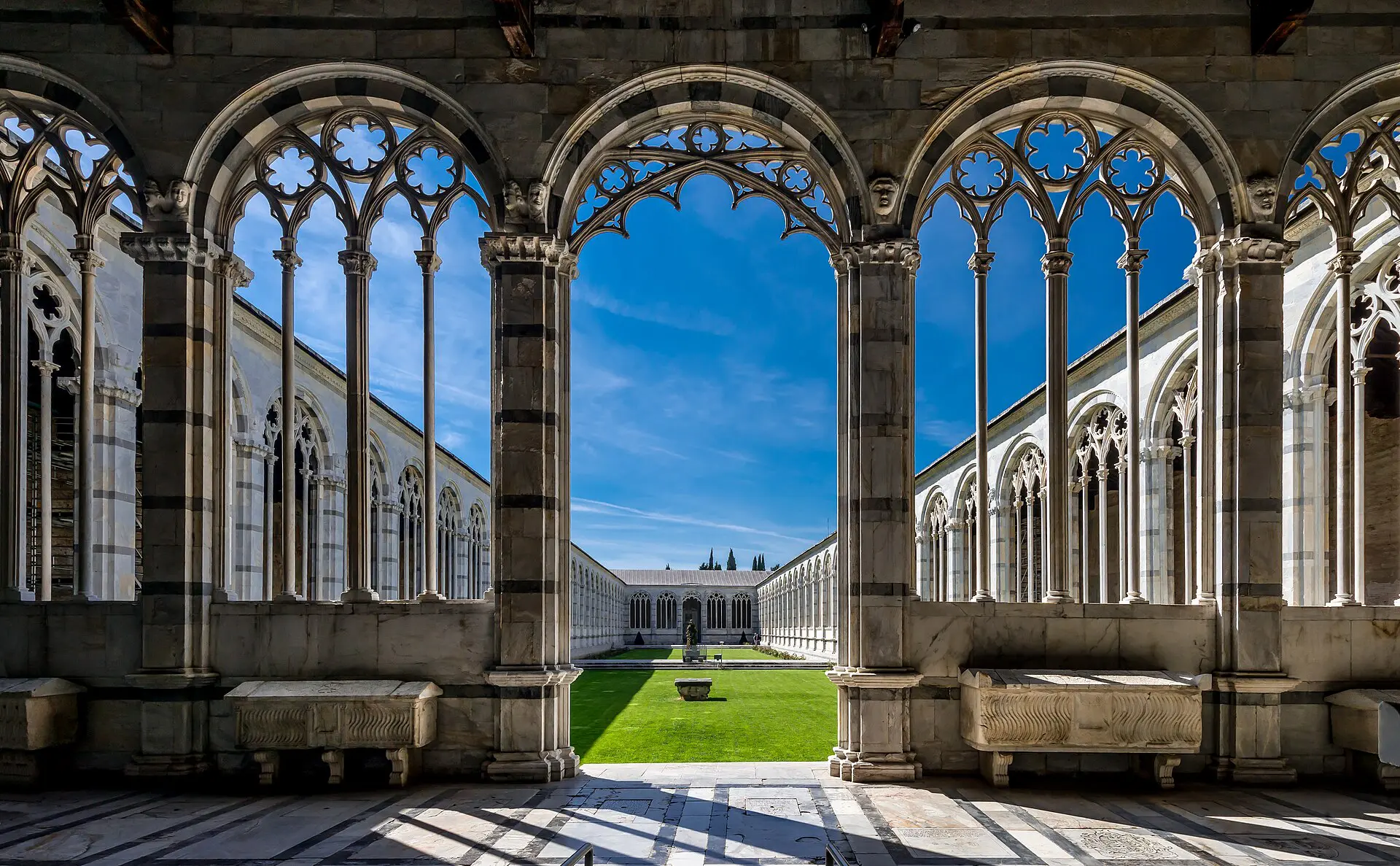
Camposanto
The monumental cemetery, a cloistered burial ground on the edge of the square, holds frescoes and tombs. It is quieter than the tower and takes around 30 to 45 minutes. Check which sections are open, as some parts have been restored over time.
Borgo Stretto and the old centre
This arcaded street runs through the heart of town with shops, cafes and bakeries. Allow an hour or two for browsing and a coffee. It is at its liveliest in the evening, when students and locals fill the street.
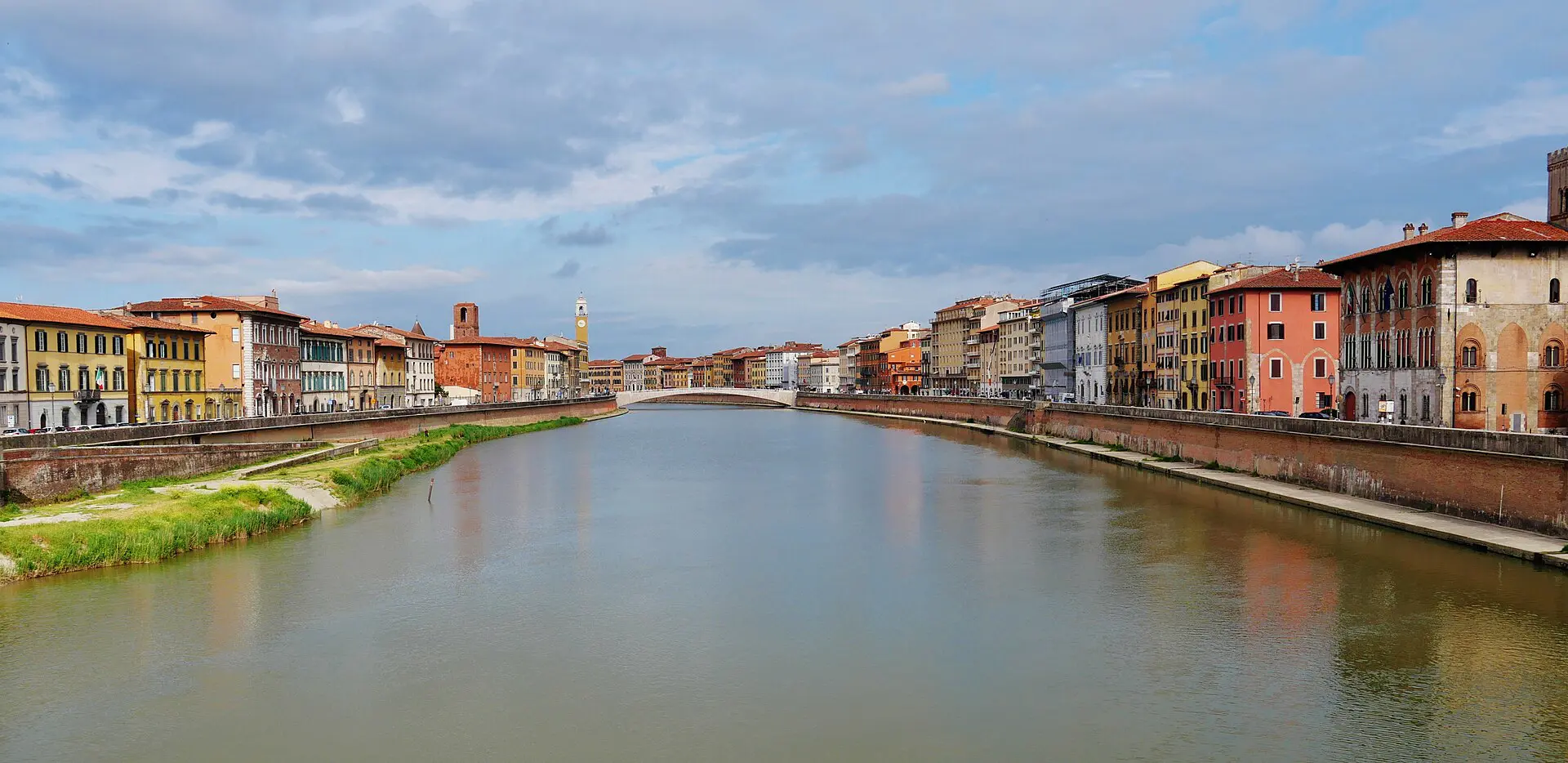
Lungarni and the Arno riverside
Walk the riverside embankments for views of the old buildings and bridges. A short walk is enough, and sunset is a good time. Look for the small church on the water’s edge, which is a well-known local landmark.
Piazza dei Cavalieri
The former political centre is dominated by the university-linked Scuola Normale and handsome palaces. Allow 20 to 30 minutes. It is a good spot to see student life and to stop for a drink.
Best time to visit Pisa
Spring, from April to June, and early autumn, September to October, give the best balance of mild weather and manageable crowds. The tower area is busy at any time, but a stroll through the centre is much more comfortable in these months.
July and August are hot, and the main square can be crowded and sunny with little shade. Visit early or late in the day, and bring water. Winter is cooler and sometimes wet, but the sights are quieter, queues are shorter and hotel prices are lower. Terms at the university shape the rhythm of the town, so expect more student activity during term time and a quieter centre in midsummer.
| Season | Weather | Crowds and prices |
|---|---|---|
| April to June | Mild to warm | Busy, higher prices |
| July to August | Hot, sunny | Busiest at the tower |
| September to October | Warm, some rain | Moderate |
| November to March | Cool, often wet | Quieter, lower prices |
How to get to Pisa and around
Pisa International Airport, named after Galileo Galilei, lies close to the city. Check current links, as an automated people mover and shuttle services have connected the airport and the main station at various times. It handles flights from many European cities.
Pisa Centrale is the main railway station, with frequent trains to Florence, Lucca and coastal towns. Journey times vary by service, and regional trains are cheap, so check timetables and validate tickets before boarding.
The centre is small and walkable. The walk from the station to the Campo dei Miracoli takes roughly half an hour, and a local bus serves the route for those who prefer to ride. Taxis are available at the station and airport, and bicycles are common among students.
Where to stay in Pisa
The area near Piazza dei Miracoli is the obvious choice for travellers who want to be close to the tower early or late, when crowds thin out. It can be quieter after dark and more touristy by day.
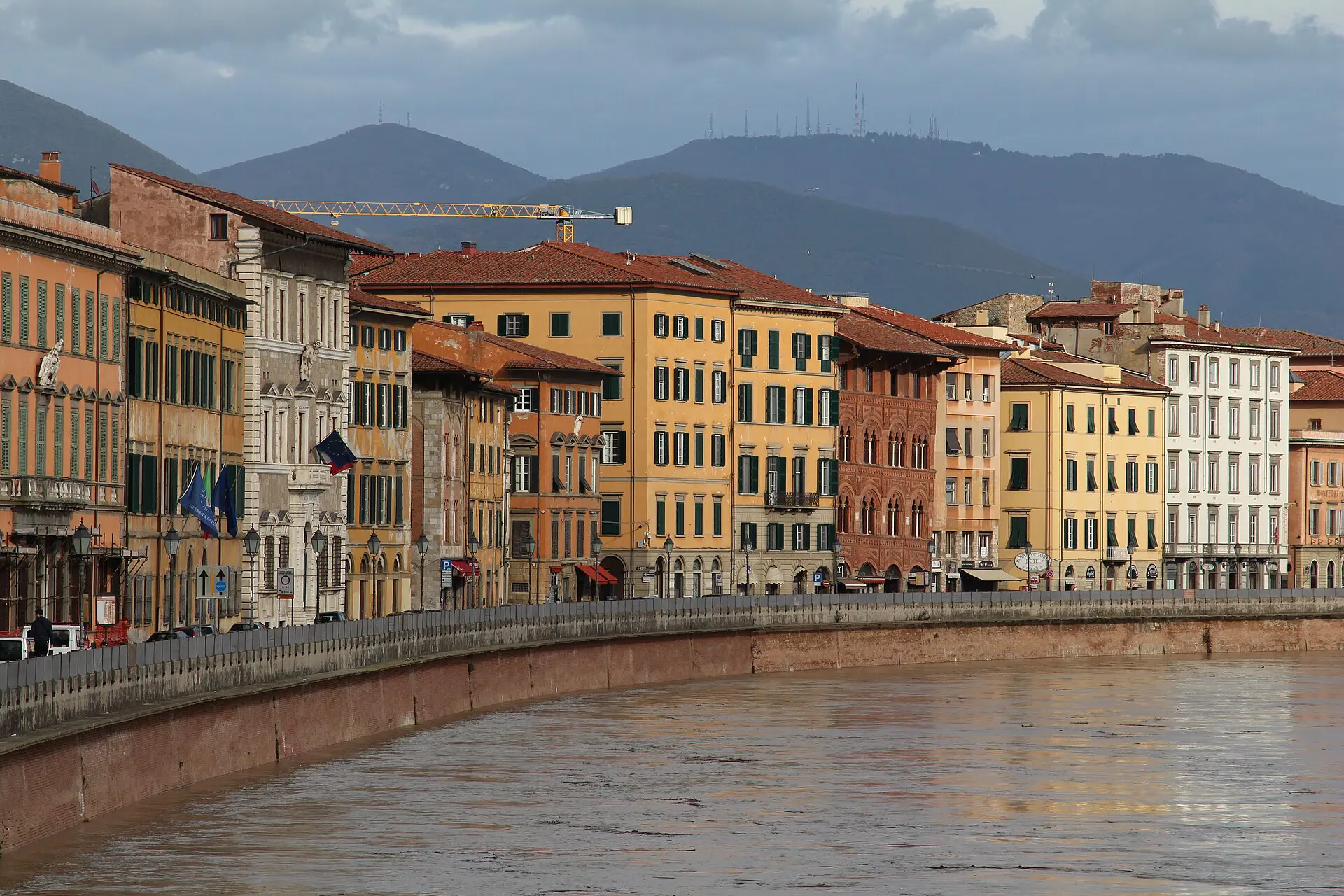
The old centre, around Borgo Stretto and Piazza dei Cavalieri, offers the best balance of atmosphere, cafes and restaurants, and is a short walk from the main sights. It suits couples and independent travellers who like evening strolls.
The neighbourhood around Pisa Centrale is practical for early trains and flights, with a mix of budget hotels and guesthouses, though it feels less charming. Apartments and small family-run guesthouses are common, and prices rise in summer and during events. Book early for peak months and check whether breakfast and tourist taxes are included.
How many days do you need?
One full day covers the main monuments and a walk through town. An overnight stay lets you see the square without the day-trip crowds and enjoy the student evening scene. Two days leave space for the riverside and a nearby excursion.
- Day 1: Piazza dei Miracoli early, then the Leaning Tower climb, cathedral and Camposanto; lunch in the centre, an afternoon walk via Borgo Stretto to the Arno.
- Day 2: Piazza dei Cavalieri and a museum in the morning, then a train to Lucca or the coast.
If you are only passing through, aim to visit the square in the early morning, then continue to Florence or another Tuscan destination.
Day trips and nearby
Florence
The Tuscan capital is reachable by regular train from Pisa, and many travellers visit it as a long day trip or onward stop. Check current journey times and book tickets in advance for popular museums.
Lucca
This walled town is a short train ride away and known for its intact Renaissance ramparts, which can be walked or cycled. Allow half a day. It is smaller and quieter than Florence.
Tuscan coast
Beach towns and seaside promenades lie west of Pisa and can be reached by local bus or train in summer. Check current routes and seasonal schedules before heading out.
Other cities
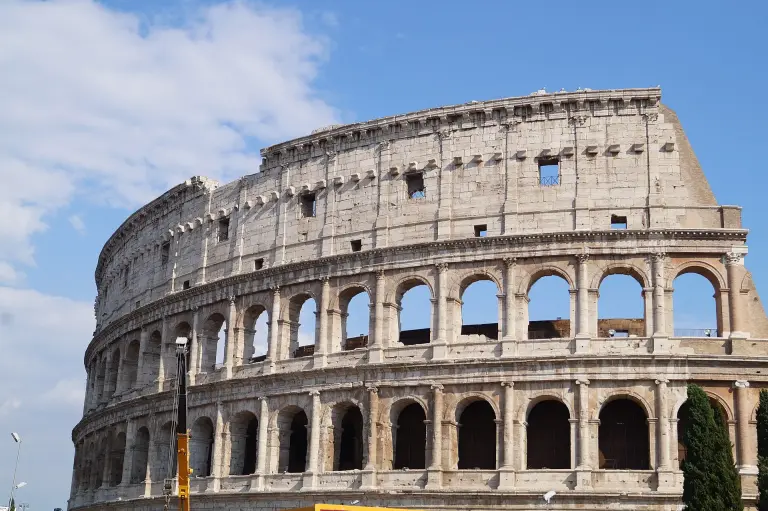
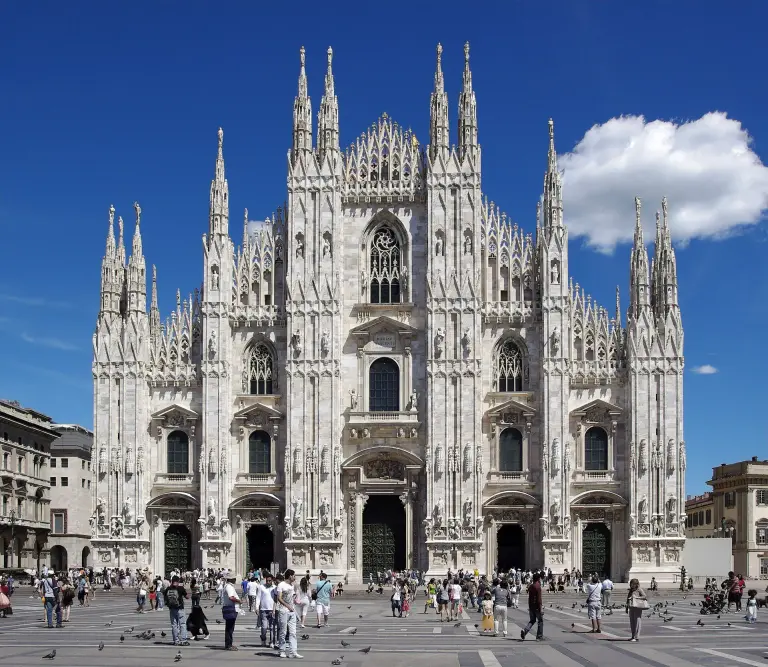
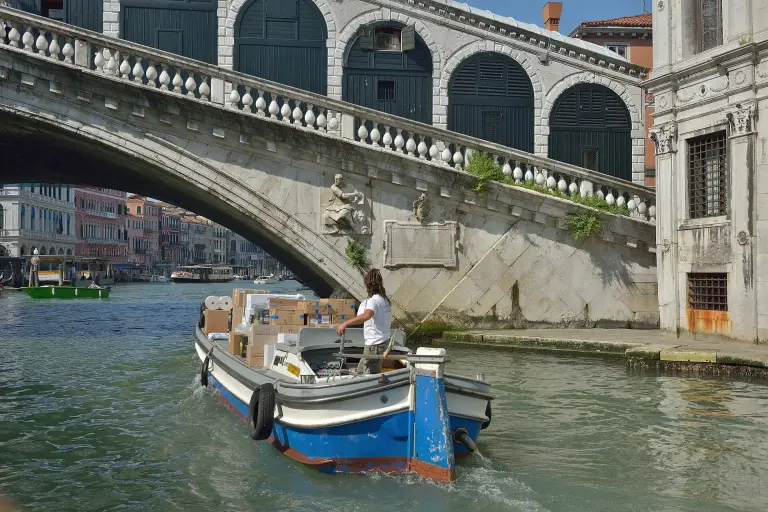
Rome, Milan and Venice appear among nearby destinations, but they are longer rail journeys. Treat them as onward stops rather than day trips from Pisa.
FAQ
Q1What is the best time to visit Pisa?
April to June and September to October offer the best balance of mild weather and manageable crowds. July and August are hot and crowded around the tower. Winter is quieter and cheaper but cooler and sometimes wet.
Q2How many days do you need in Pisa?
One full day covers the Leaning Tower, Piazza dei Miracoli and a walk through the centre. An overnight stay lets you enjoy the square at quieter hours and the student evening atmosphere. Two days leave time for a nearby excursion.
Q3How do you get to Pisa?
Pisa International Airport is close to the centre and has flights from many European cities. Pisa Centrale station has frequent trains to Florence, Lucca and the coast. The centre is small and walkable from the station.
Q4Is Pisa worth visiting?
Yes. The Leaning Tower and Piazza dei Miracoli are a major draw, but the walkable old centre, riverside and student life make the city worth more than a quick photo stop. It is also an easy base for other Tuscan towns.
Prices, schedules and entry rules change. Check current details with official sources before you travel. Read the Italy travel guide.