Why visit Milan
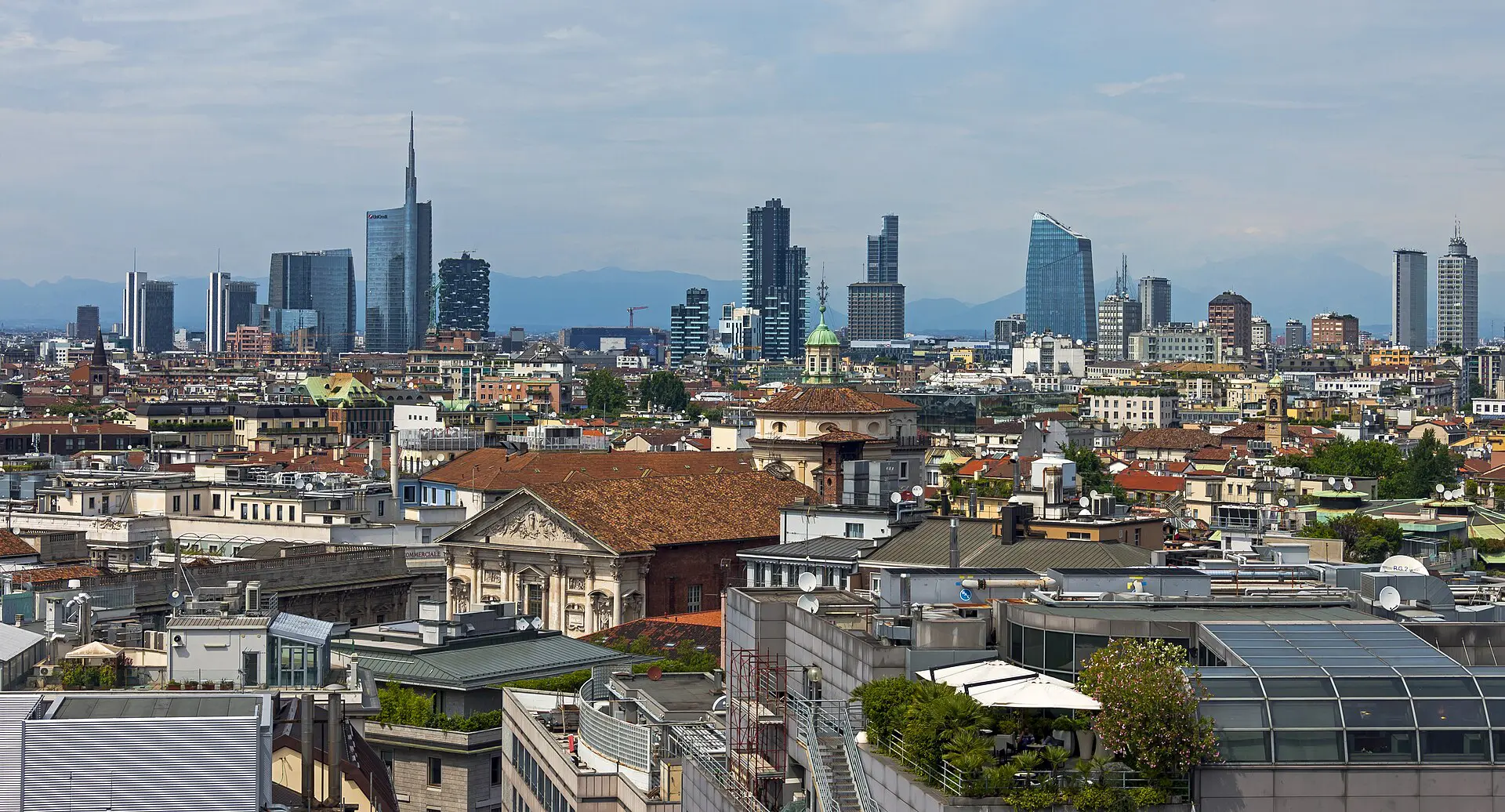
If you are comparing things to do in Milan with other Italian cities, think of it as a modern, working city with outstanding landmarks rather than a postcard old town. Milan is the capital of Lombardy in northern Italy and one of the country’s biggest economic centres, long associated with fashion, design, finance and publishing.
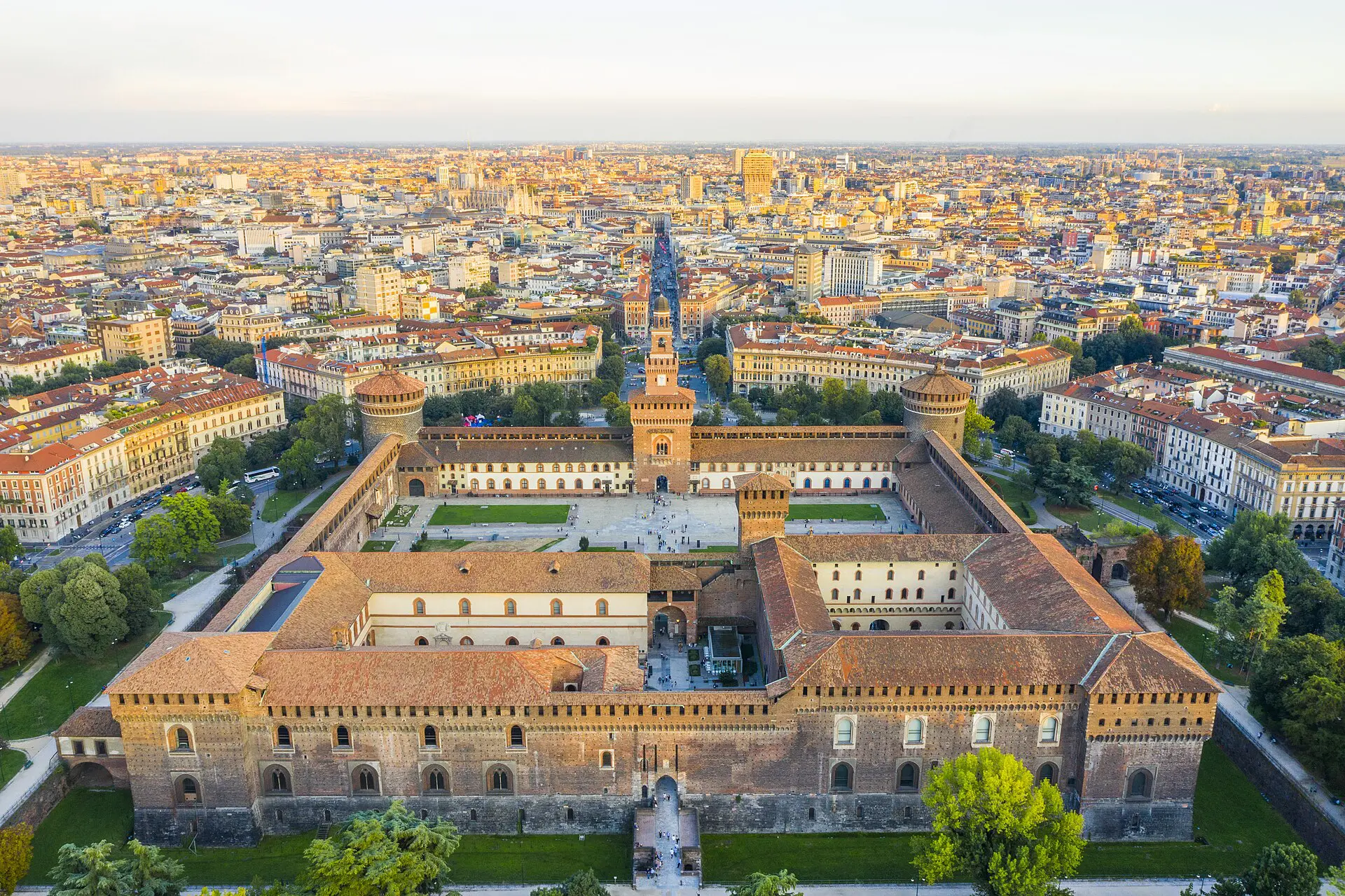
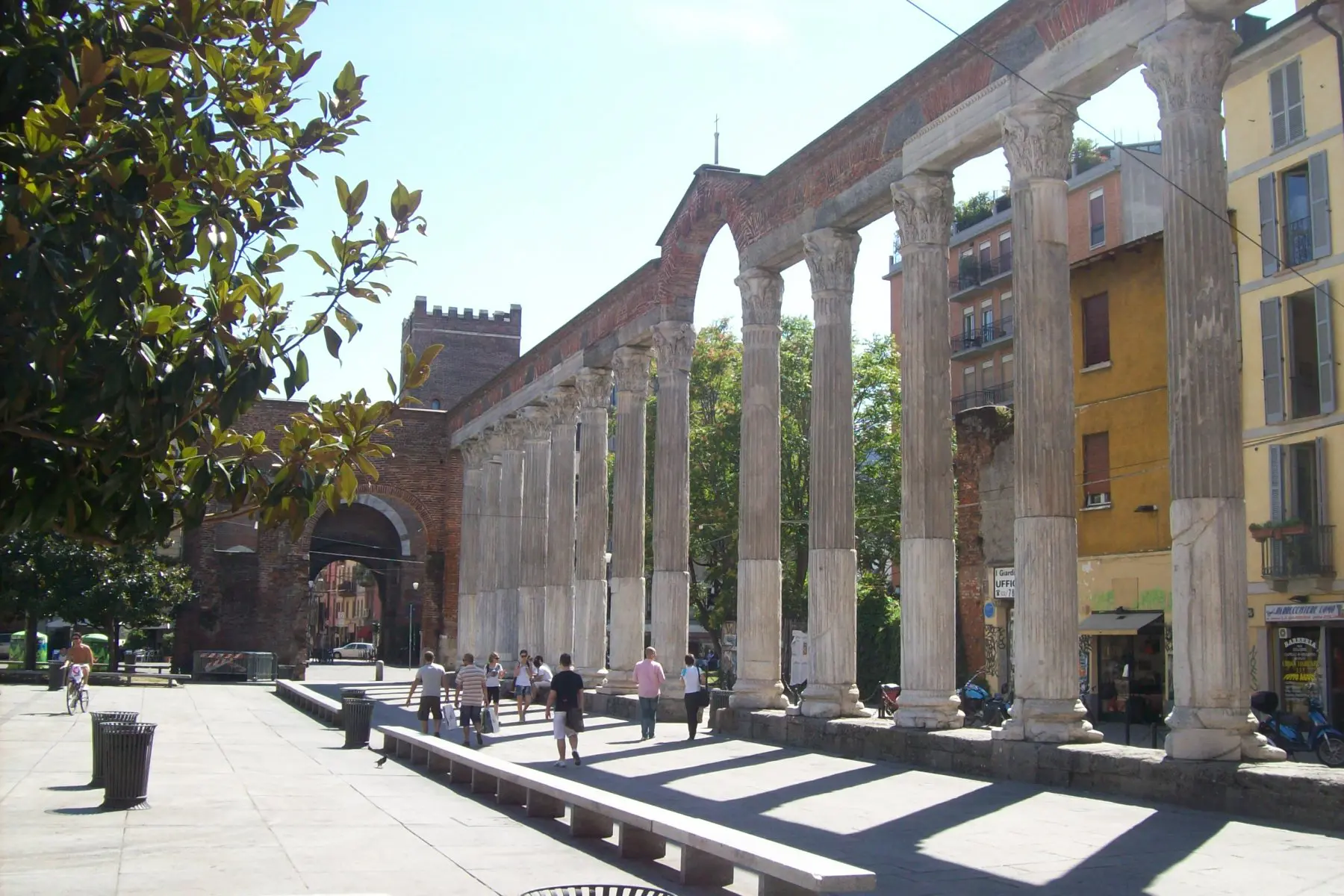
The centre has a Gothic cathedral with a marble roof you can walk on, an elegant glass-roofed shopping arcade, one of the great opera houses, and a Renaissance painting, Leonardo da Vinci’s The Last Supper, in a refectory beside a church. Museums, galleries and an active design calendar add depth.
Milan also rewards time spent on ordinary pleasures: aperitivo hour with small plates, risotto and cotoletta, and walks along the Navigli canals. It is flat, well served by metro and tram, and a very good rail hub for the rest of northern Italy. Visit for a long weekend, and book the headline sights in advance.
Top things to do in Milan
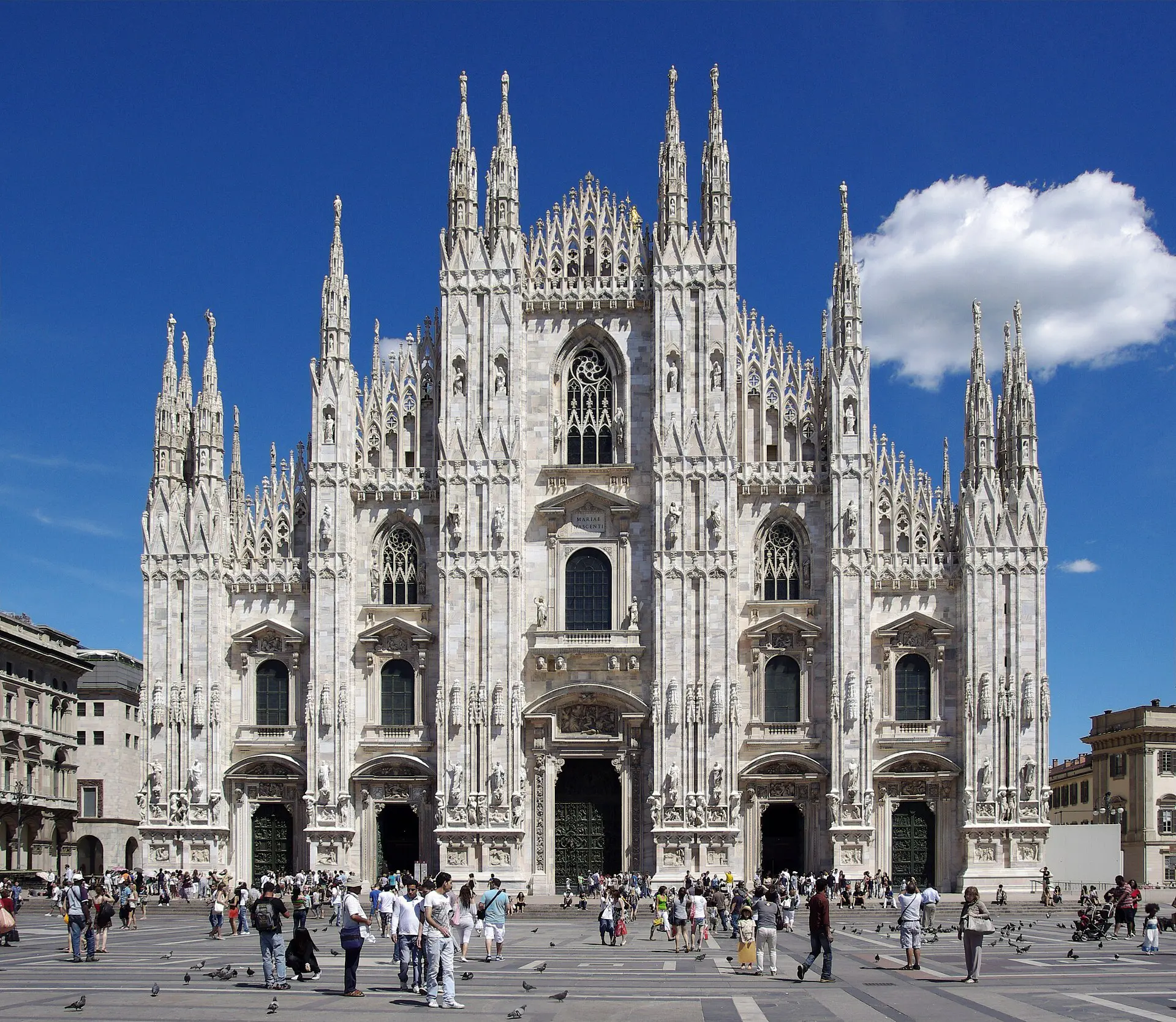
Duomo di Milano
The cathedral dominates the central square and took centuries to complete. Inside, allow about an hour; to climb or take the lift to the rooftop terraces, add another hour. Book timed tickets online and dress modestly, since shoulders and knees may need to be covered.
Galleria Vittorio Emanuele II
This glass-roofed arcade links the cathedral square with La Scala and holds cafes and luxury shops. It takes only 20 minutes to walk through, but it is worth looking up at the mosaics and dome. Cafe prices here are high, so pause elsewhere if you are on a budget.
The Last Supper
Leonardo da Vinci’s mural is in the refectory of the Santa Maria delle Grazie church complex. Visits are short, usually around 15 minutes, in small groups. Tickets sell out weeks ahead in busy seasons, so book as soon as your dates are fixed.
Sforza Castle and Sempione Park
The castle houses several museums and has large courtyards that are free to wander. Behind it, Sempione Park is a good place to rest between sights. Allow two to three hours, longer if you want to visit the museums inside.
Brera district
Brera is a pleasant quarter of narrow streets, art galleries and small restaurants, home to a well-known art gallery and academy. It is good for an unhurried evening walk. Allow an hour or two, and eat dinner here if you want a more local feel.
Navigli canals
The Navigli district is built around canals once used for transport and is now Milan’s best-known evening area, lined with bars and restaurants. Go around sunset for aperitivo. It gets crowded and loud at weekends, so book a table if you want dinner.
Teatro alla Scala
One of the world’s best-known opera houses, La Scala has a museum that can be visited by day and opera and ballet performances through the season. Tickets for popular shows are expensive and sell quickly, so check the programme and book well ahead.
Best time to visit Milan
Milan has a humid continental climate with hot summers and cold winters, and fog is common in the cooler months. Spring and autumn are usually the most comfortable seasons for walking. In August many locals take holiday, and some restaurants and small shops close for a week or two, though major sights stay open.
| Season | Weather | Crowds and prices |
|---|---|---|
| Spring (April to June) | Mild to warm, some rain | Busy, with higher hotel rates during trade fairs |
| Summer (July to August) | Hot and humid | Quieter in August, with some closures |
| Autumn (September to October) | Pleasant, increasing rain | Busy during fashion week and design events |
| Winter (November to February) | Cold, foggy, occasional snow | Lower, apart from the holidays |
Hotel prices jump during Milan Fashion Week and the April design week, so book early if your dates overlap.
How to get to Milan and around
Milan is served by three airports. Malpensa is the main international airport, with express trains and buses to the city, taking around 40 to 60 minutes. Linate is closer to the centre and is reached by metro and bus. Bergamo’s Orio al Serio airport is popular with low-cost airlines, with shuttle buses to the centre.
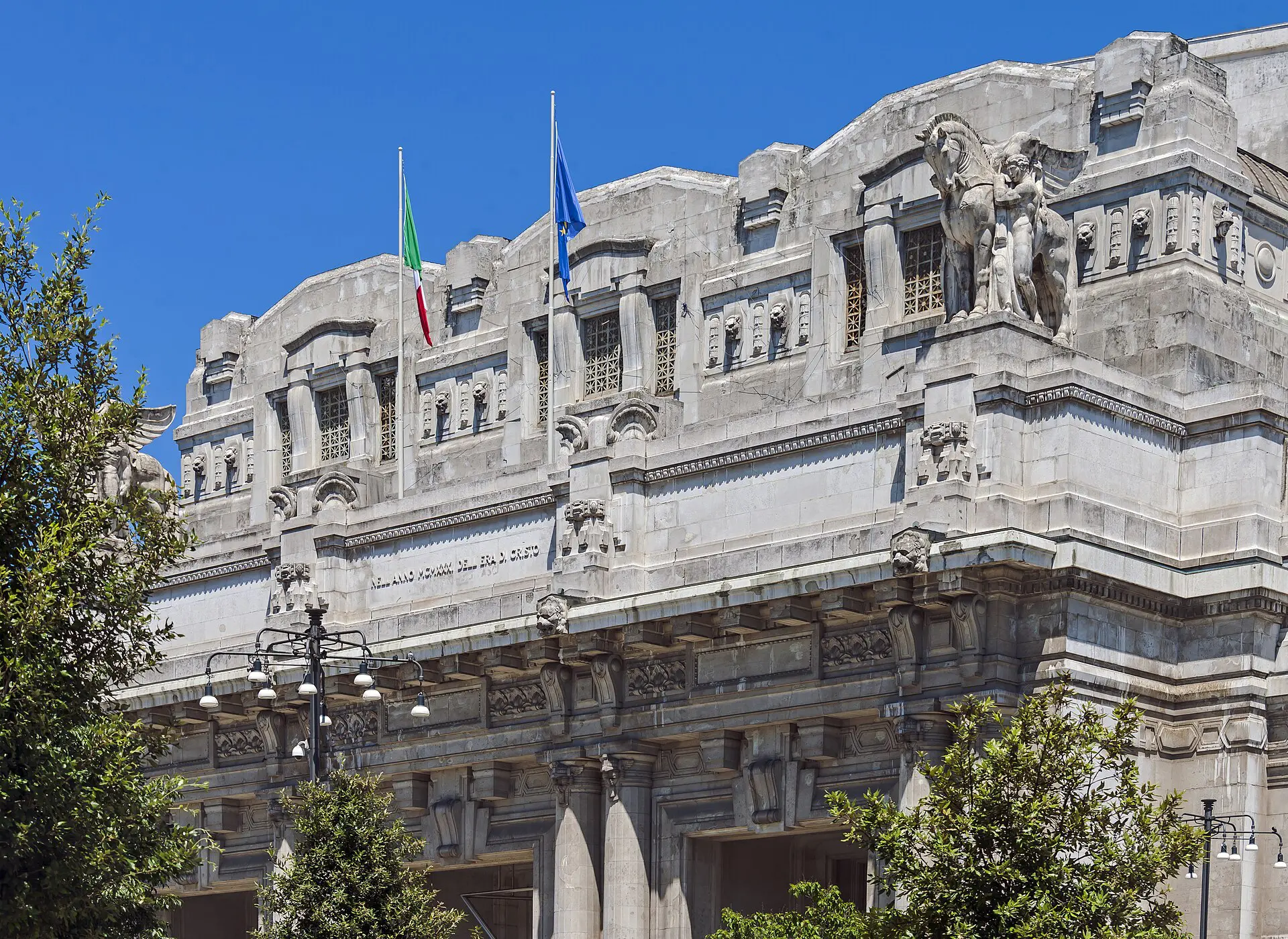
Milano Centrale is the main railway station, with high-speed trains to Rome, Florence, Venice, Turin and Bologna, plus regional services to Lake Como and neighbouring cities. International trains reach Switzerland and beyond.
Inside the city, the metro is the quickest option, supported by trams that run on historic routes and buses. The centre is largely walkable. Tickets work across modes, and a day pass is worth considering for heavy sightseeing. Taxis are available, but ride-hailing apps are less common than in some other cities.
Where to stay in Milan
The area around the Duomo and Galleria is the most central and the most expensive, ideal for a short first visit. Brera is a stylish, quieter choice with good restaurants, suiting couples and travellers who value atmosphere.
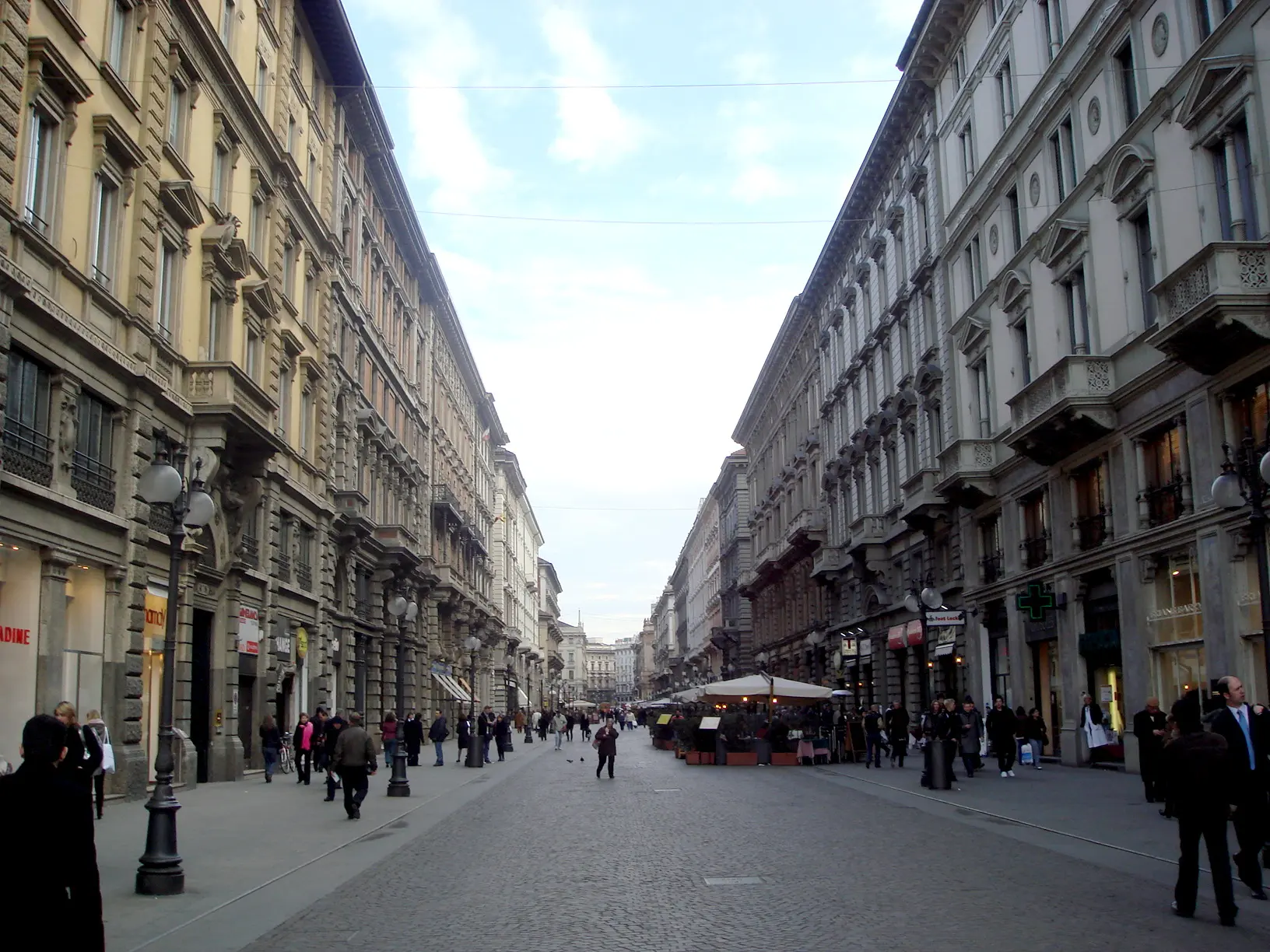
The Navigli district is lively in the evening, which suits younger visitors and anyone who wants bars nearby, though noise can be an issue. The area around Milano Centrale offers convenient transport and a wide range of hotels at various prices, a practical choice if you plan day trips by train, although some nearby streets feel less polished.
For trade fairs, you may find that hotels near the fairgrounds are fully booked and expensive. Staying near a metro stop a little outside the core can cut costs considerably.
How many days do you need?
Two days is enough to see the Duomo, The Last Supper and the main districts. Three days lets you take a lake day trip, or enjoy museums and shopping at a slower pace. One day only works if you are passing through and focus on the cathedral and Galleria.
- Day 1: Duomo and rooftop in the morning, Galleria Vittorio Emanuele II, lunch nearby, then Sforza Castle and Sempione Park, and dinner in Brera.
- Day 2: The Last Supper at a pre-booked time, a museum or the La Scala museum, shopping, then aperitivo in the Navigli.
- Day 3: Train to Lake Como for the day, returning in the evening.
Day trips and nearby
Lake Como
About an hour from Milan by train, Lake Como is the most popular escape, with lakeside towns, villas and ferries. Go on a weekday in the shoulder season if you can, since summer weekends are crowded.
Verona
Verona sits roughly 1.5 hours east by fast train, with a Roman arena, historic squares and an easy-to-walk centre. It works well as a full-day trip, longer if you want an evening performance.
Venice
High-speed trains reach Venice in around 2.5 to 3 hours. A day trip is possible but tiring, so most visitors prefer to stay overnight at least once.
Bologna
Bologna is about one hour by fast train from Milan and is known for its porticoed streets and food. It is a good option for a relaxed day if you want a quieter city with excellent restaurants.
FAQ
Q1Is Milan worth visiting?
Yes, especially for the cathedral, The Last Supper, shopping, design and food. Milan is less quaint than many Italian cities, so it suits travellers who enjoy museums, fashion and urban life, and who want an easy base for day trips to Lake Como and other northern cities.
Q2How many days do you need in Milan?
Two days covers the Duomo, The Last Supper, Sforza Castle and the main districts. Add a third day for Lake Como, a museum visit or more shopping. A single day is possible but rushed, and the headline sights need advance booking.
Q3How do I get from Milan Malpensa airport to the city?
Express trains and buses connect Malpensa with central Milan in roughly 40 to 60 minutes, and taxis are available at a fixed or metered fare depending on destination. Check current timetables and prices before you travel, since services and fares change.
Q4When should I book The Last Supper?
Book as soon as your travel dates are fixed, ideally several weeks ahead and earlier in spring, summer and autumn. Visits are limited to small timed groups, so tickets run out. If official dates are full, check authorised guided tours that include entry.
Prices, schedules and entry rules change. Check current details with official sources before you travel. Read the Italy travel guide.