Why visit Florence
The best things to do in Florence start with the city itself. It is the capital of Tuscany, with a population of around 360,000, and it is widely regarded as the birthplace of the Renaissance. In the Middle Ages it was one of the wealthiest cities in Europe, a centre of trade and finance, and the Medici family later shaped its art and politics.
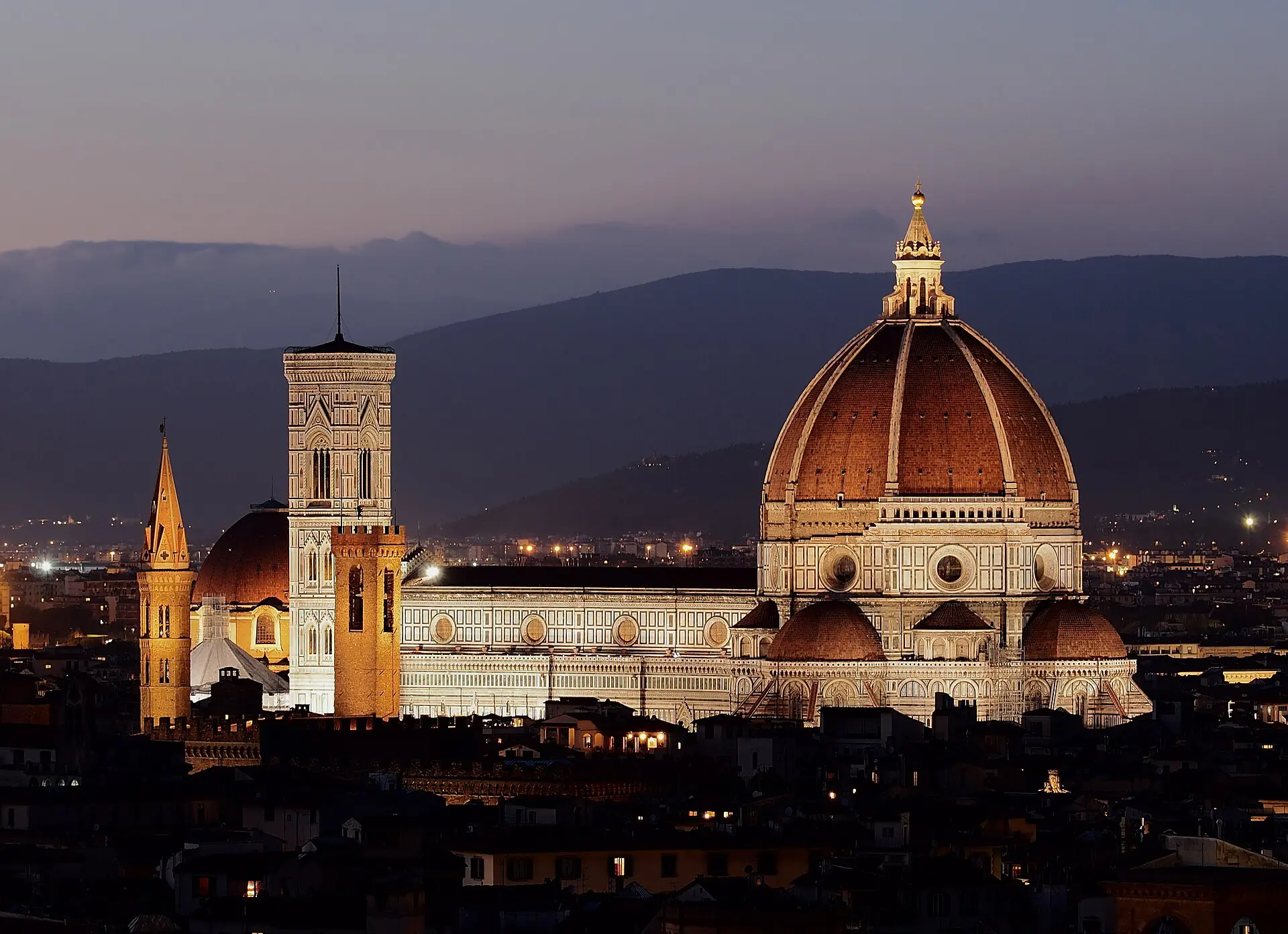
That history is still visible in the streets. The historic centre is inscribed on the UNESCO World Heritage list, and the museums and churches hold work by some of the best-known artists in Europe. Dante was born here, and standard Italian grew largely from the Florentine dialect.
The centre is small enough to cross on foot in well under an hour, which makes Florence an easy first stop in Tuscany. Expect crowds at the big sights, and plan ahead for the most popular ones.
Top things to do in Florence
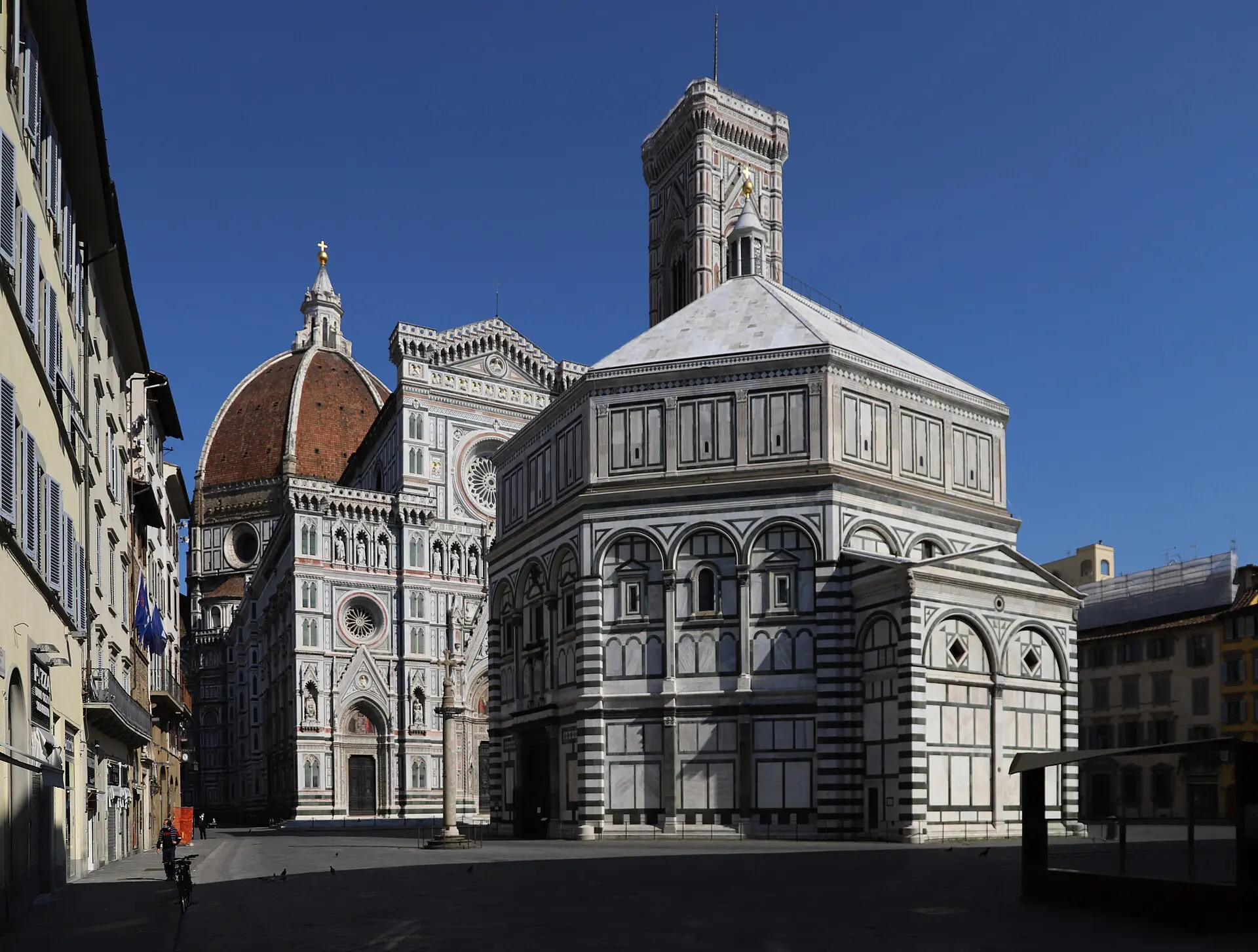
Florence Cathedral and its dome
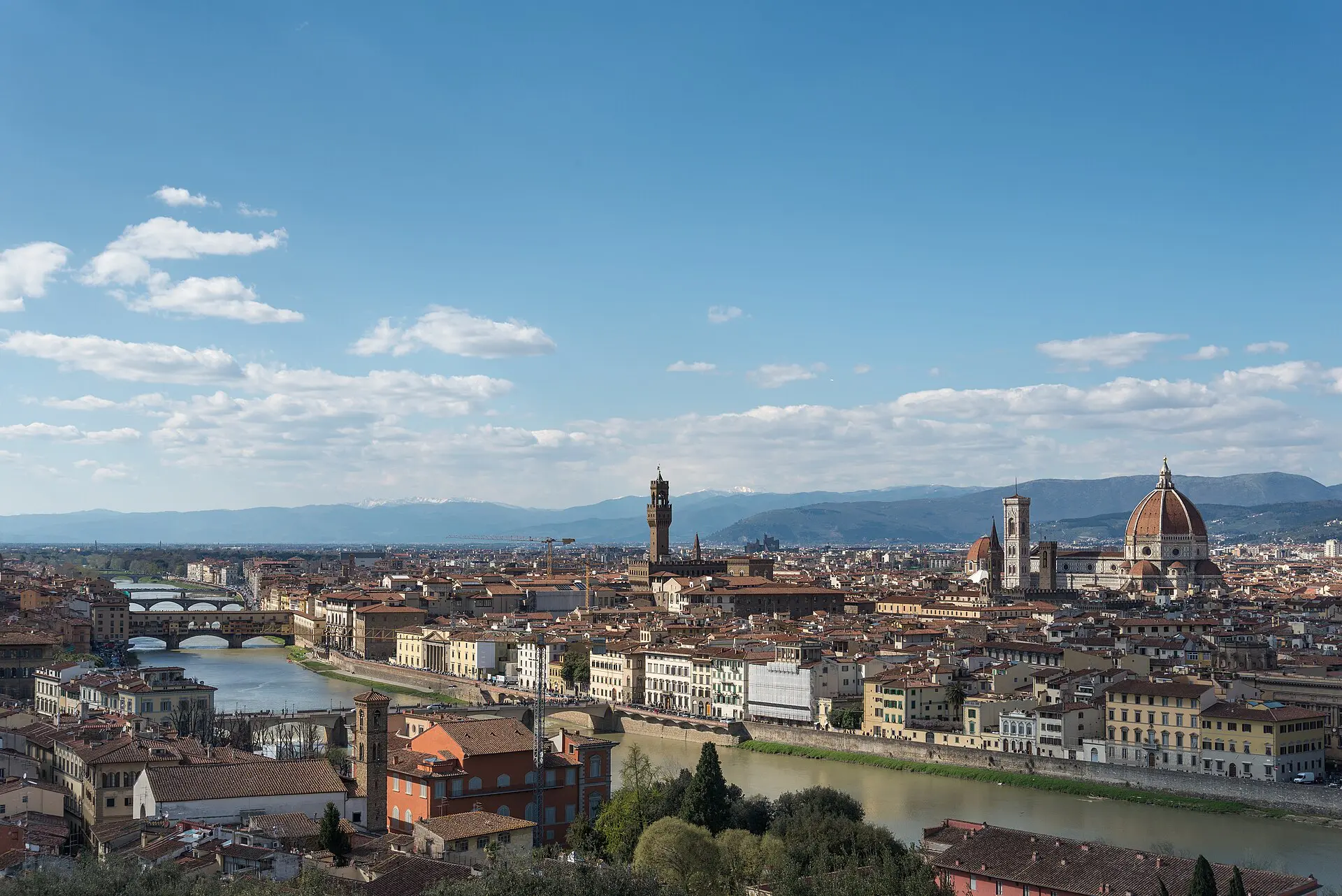
The cathedral, known as the Duomo, dominates the skyline with its large dome and bell tower. Allow one to two hours for the complex. Entry rules and ticket types change, so check the official site for current options, and book ahead if you want to climb, as slots can sell out.
The Uffizi Gallery
This is the city’s best-known art museum, with a major collection of Renaissance work. Plan two to three hours at a minimum. Timed tickets bought in advance save a lot of waiting, and it helps to pick a few rooms you care about rather than trying to see everything.
Ponte Vecchio
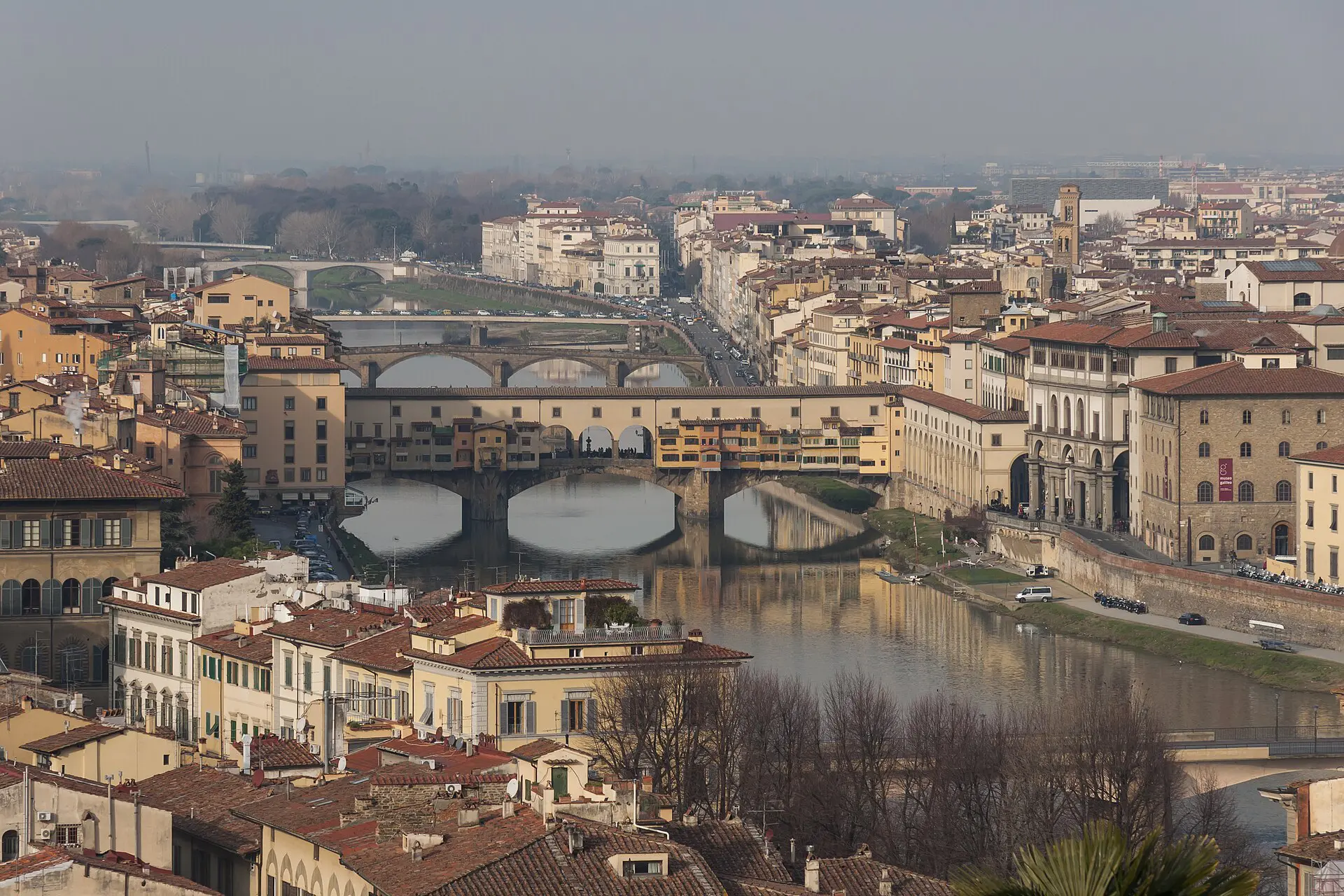
The medieval bridge over the Arno is lined with small shops and is one of the most photographed spots in the city. A quick visit takes under an hour. Go early or around sunset for fewer people, and look at it from the neighbouring bridges for the best views.
Piazza della Signoria and Palazzo Vecchio
This square is the traditional heart of civic life, ringed by the town hall and open-air sculpture. Allow an hour for the square alone, longer if you go inside the palace. It is a good place to sit and watch the city before moving on to the museums.
Piazzale Michelangelo
This terrace on the south side of the Arno gives a broad view over the city. Walk up from the river in about 20 to 30 minutes or take a bus or taxi. Sunset is popular, so arrive a little early to find space.
The Accademia Gallery
Known mainly for Michelangelo’s David, this is a smaller museum than the Uffizi and can be done in about an hour. Reserve a timed ticket ahead of time, since queues can be long in busy months.
Oltrarno neighbourhood
Across the river, the Oltrarno is where many artisans still work, along with small workshops, cafes and trattorias. Set aside half a day to wander, and look for places where locals eat rather than the most central restaurants.
Best time to visit Florence
Spring, from April to June, brings pleasant temperatures but also large crowds, particularly around Easter and in May. September and October are a good alternative, with warm days and slightly calmer streets. Book ahead for both.
Summer is hot, and the centre can feel stifling in July and August, with sightseeing best done early or late in the day. Winter is cooler and quieter, with shorter days but easier access to museums and usually lower accommodation prices, though some places keep reduced hours.
| Season | Weather | Crowds and prices |
|---|---|---|
| Spring | Mild to warm | Busy, higher prices |
| Summer | Hot | Busy, high prices |
| Autumn | Warm, then cooler | Busy, easing by November |
| Winter | Cool, damp | Quietest, cheaper |
How to get to Florence and around
Florence has its own airport, with mostly European connections, and many travellers also use Pisa airport, which has a wider network and a rail link. Check current routes, since airlines change them often.
The main rail station is Santa Maria Novella, close to the historic centre. High-speed trains connect Florence with cities such as Rome, Milan, Venice and Bologna, and regional trains serve Tuscany. Journey times vary, so check a timetable before you go.
Within the centre, walking is the best way to get around. Buses and a tram cover the wider city, and taxis are available for longer hops. Note that private cars are restricted in the historic centre, so if you rent one, check the rules for limited traffic zones before driving in.
Where to stay in Florence
The historic centre, around the Duomo and Piazza della Signoria, puts you within walking distance of the main sights. It suits first-time visitors and short stays, though it is busy and prices are higher.
Near Santa Maria Novella station is convenient if you are arriving by train or planning day trips, and it often has a good range of hotels and guesthouses. It can be busy and a little less atmospheric.
The Oltrarno, across the river, suits visitors who prefer a quieter, more local feel with workshops and small restaurants nearby. You are still a short walk from the bridges and the centre. Compare prices and availability by date, because demand is high in spring and early autumn.
How many days do you need?
Two days lets you see the key sights at a steady pace, and three allows time for a second museum, the Oltrarno and a slower evening. Add a day if you want to include a day trip into Tuscany.
- Day 1: Duomo and dome, Piazza della Signoria and the Uffizi.
- Day 2: Accademia Gallery in the morning, Ponte Vecchio and the Oltrarno in the afternoon, then Piazzale Michelangelo at sunset.
- Day 3: A day trip by train, or a slower day in a smaller museum, a market and a long lunch.
Day trips and nearby
Bologna
Bologna is a fast train ride away, and is known for its food, porticoed streets and university. It works as a full-day trip. Check schedules, since fast trains are much quicker than regional ones.
Venice
Venice can be reached by train in a few hours, so it is possible as a long day trip but better as an overnight add-on. If you have the time, stay at least one night.
Rome
Rome is linked by high-speed rail, which makes it a common onward stop rather than a day trip. Allow at least two days there to do it justice.
Pisa and Siena
Pisa, with its leaning tower and cathedral square, is about an hour from Florence by regional train. Siena is a medieval hill town reached by bus or by train with a change, usually in around an hour and a half. Each works as a full day, so check timetables first.
FAQ
Q1When is the best time to visit Florence?
April to June and September to October bring the most comfortable weather. These are also busy months, so book popular sights ahead. July and August are hot, and winter is quieter and cheaper but cooler, with shorter days.
Q2How many days do you need in Florence?
Two days covers the main sights if you plan carefully, and three gives you time for the Oltrarno, a second museum and a slower pace. Add one more day if you want a Tuscan day trip by train.
Q3How do you get to Florence?
You can fly into Florence airport or Pisa airport, or take a train to Santa Maria Novella station. High-speed trains run from cities including Rome, Milan, Venice and Bologna. Check timetables and book ahead for the best fares.
Q4Is Florence expensive?
Florence can be pricey, particularly for central hotels and popular attractions in spring and early autumn. You can save by travelling outside peak months, booking tickets early and eating where locals do. Check current prices for your dates.
Prices, schedules and entry rules change. Check current details with official sources before you travel. Read the Italy travel guide.