Why visit Rome
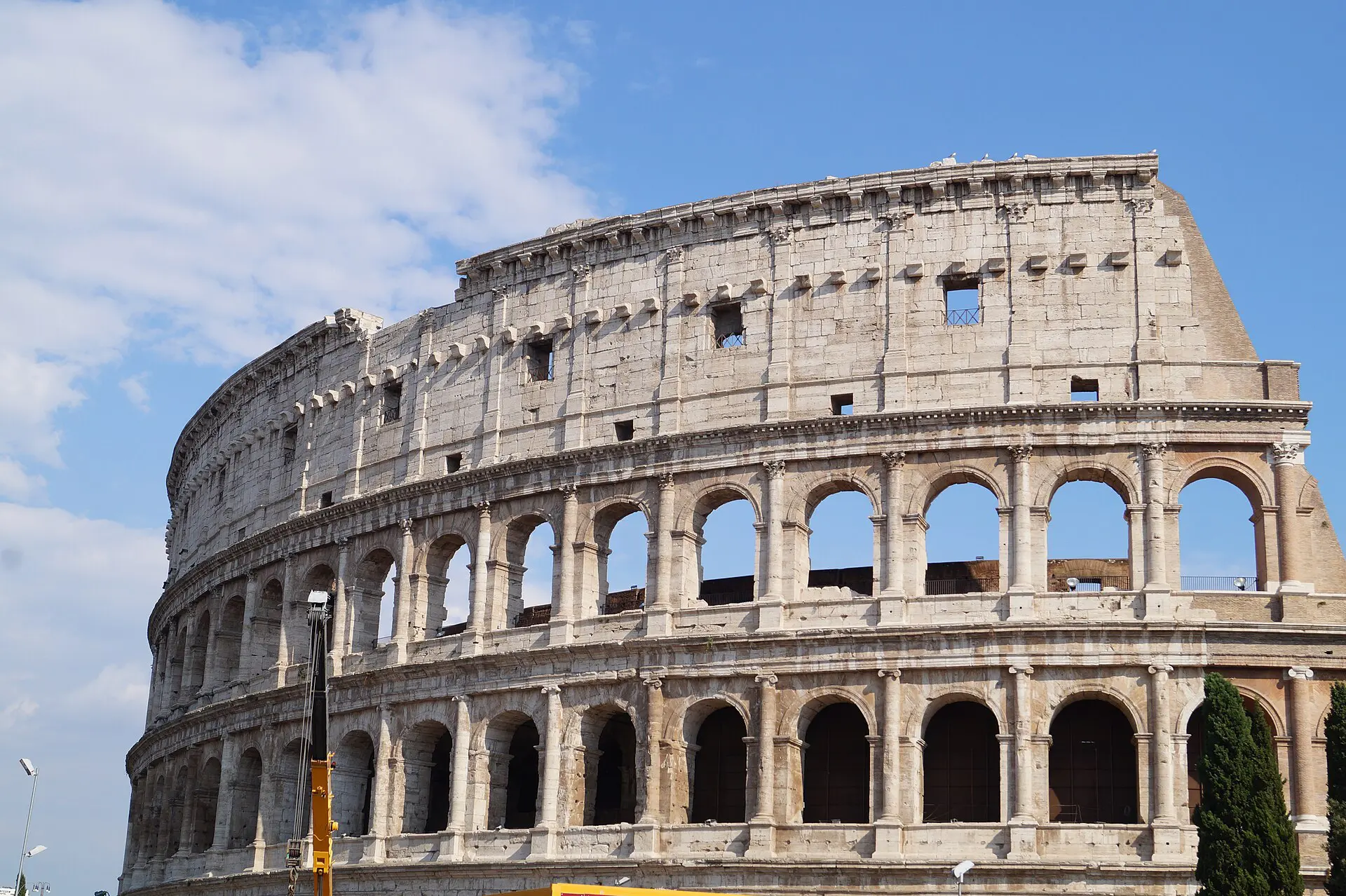
If you are searching for things to do in Rome, the problem is not finding sights but choosing among them. Italy’s capital has been a major city for more than two thousand years, and the centre still holds the Colosseum, the Forum, the Pantheon and hundreds of churches, fountains and piazzas, many within walking distance of one another.
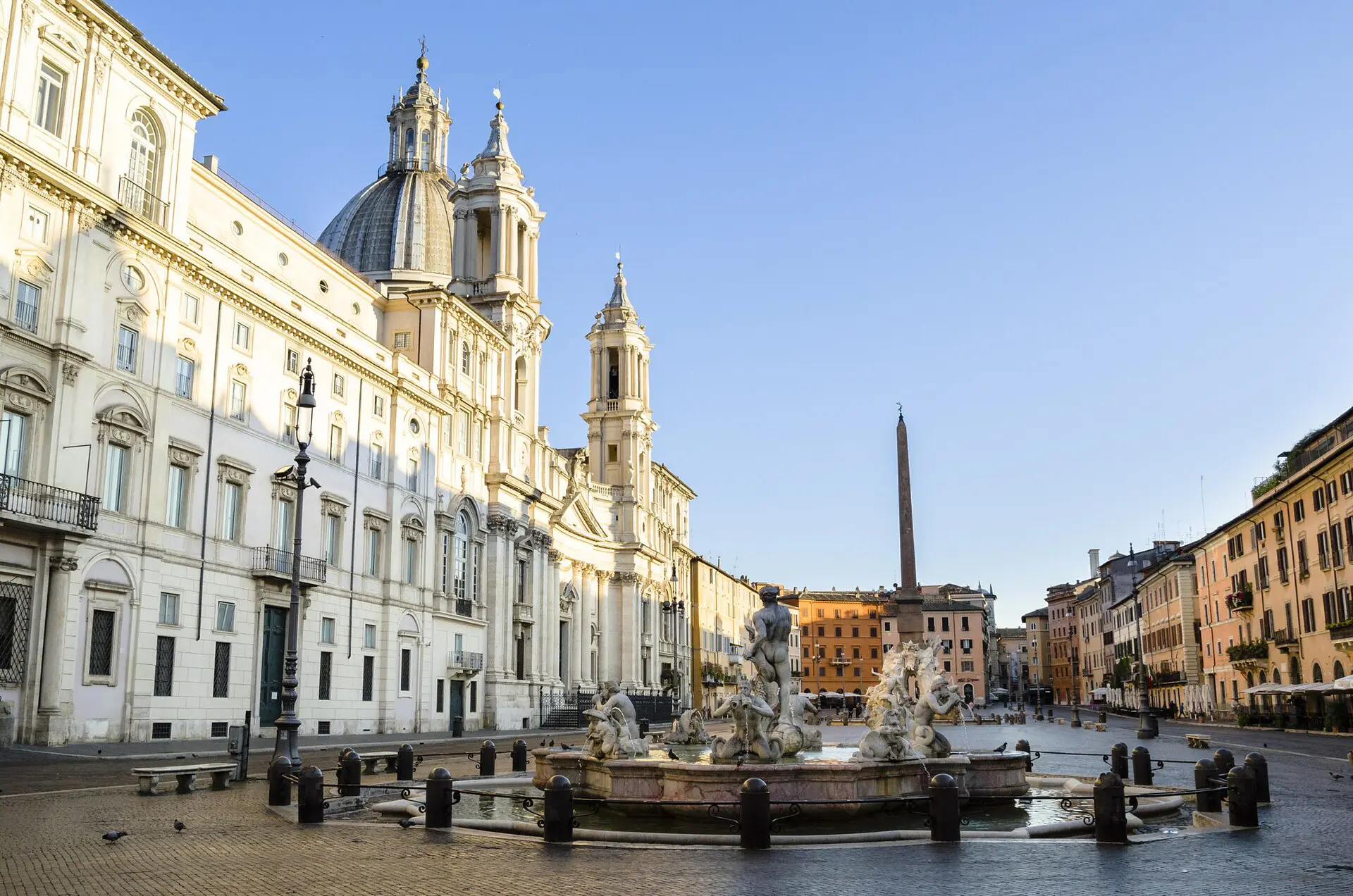
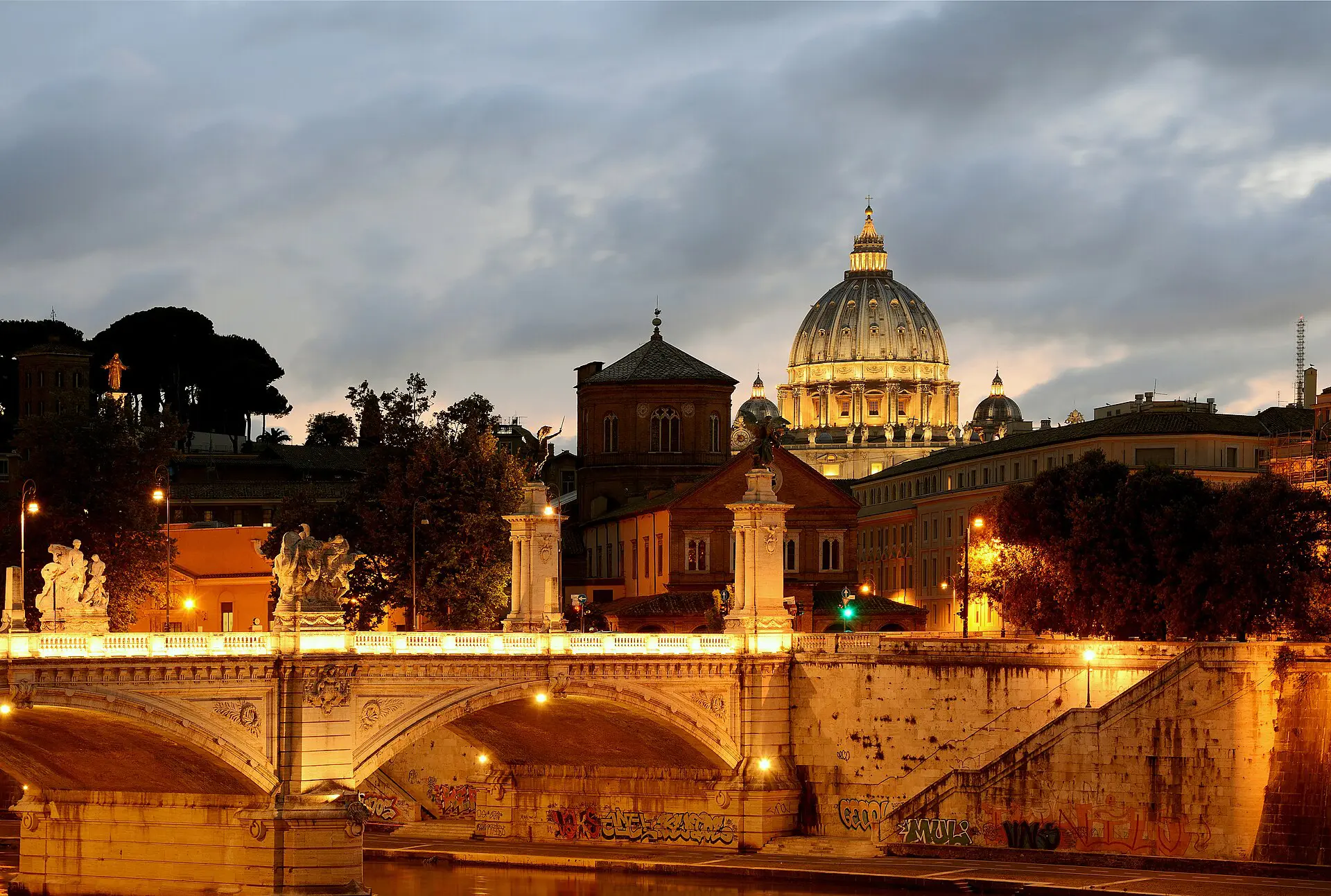
Rome is also the seat of the Vatican, an independent city-state inside the city, with St Peter’s Basilica and the Vatican Museums. That mix of ancient, Renaissance and baroque landmarks sets Rome apart from most European capitals.
Beyond monuments, Rome is a living city. Neighbourhoods such as Trastevere, Testaccio and Monti have markets, small restaurants and evening crowds. Expect heat in summer, queues at major sites and uneven pavements, but also coffee at a standing bar, long lunches and a pace that rewards wandering.
Top things to do in Rome
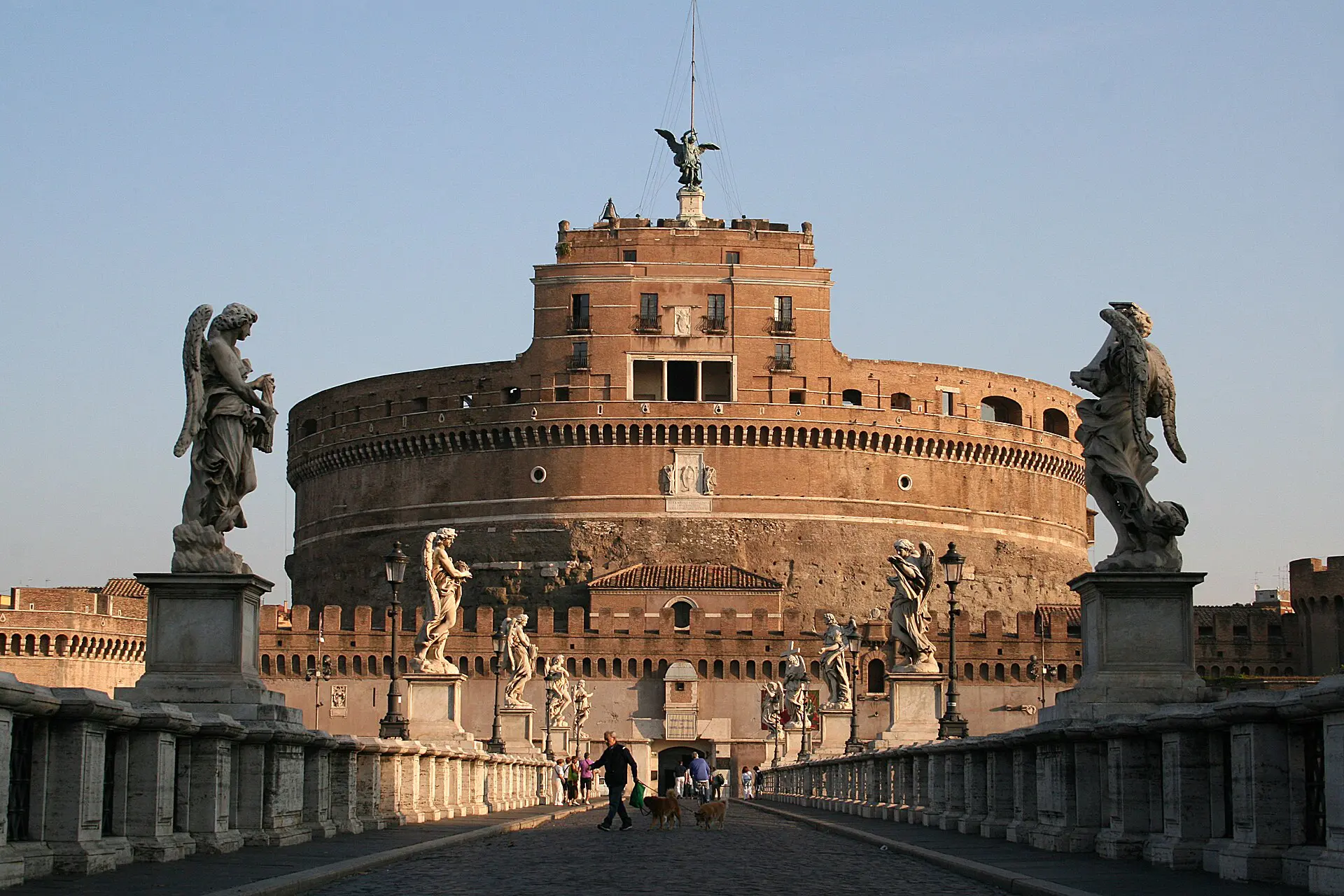
Colosseum, Roman Forum and Palatine Hill
The Colosseum, the Forum and the Palatine Hill are usually covered by a combined ticket. Allow three to four hours. Book timed entry online ahead of your visit, since walk-up queues can be long, and bring water and a hat, as shade is limited. Check which areas are open on the day.
Vatican Museums and Sistine Chapel
The museums hold a vast collection ending in the Sistine Chapel. Allow around three hours. Tickets are timed and often sell out, so reserve in advance, and dress with covered shoulders and knees. The museums are usually closed on Sundays except for a free opening on one Sunday each month, which is very busy.
St Peter’s Basilica
The largest church in the Vatican is free to enter, with security screening and a modest dress code. Allow one to two hours, more if you climb the dome, which has a separate fee. Arrive early to avoid long lines, and check for papal events that may limit access.
Pantheon and the historic centre
The Pantheon is a nearly 2,000-year-old temple turned church, with a large domed interior and an oculus open to the sky. Entry is now generally ticketed, so check current rules. Combine it with Piazza Navona and the Trevi Fountain on a walk of two to three hours, and expect crowds at the fountain.
Trastevere
Across the Tiber, Trastevere has narrow cobbled lanes, ivy-covered buildings and a large number of restaurants. It is best in the early evening for a walk and dinner. Prices on the main squares tend to be higher, so look a street or two back, and watch for pickpockets in busy areas.
Borghese Gallery and Villa Borghese
This gallery holds sculpture by Bernini and paintings by Caravaggio in a villa set in a large park. Entry is by timed reservation only, with visits limited to about two hours. Book well ahead, then walk or cycle in the park afterwards.
Appian Way and catacombs
The ancient Via Appia Antica is a cobbled road with tombs, catacombs and countryside on the south side of the city. It is pleasant on foot or by bike on days when vehicle access is limited. Allow half a day, and check opening times for the catacombs.
Best time to visit Rome
Rome is open all year, but comfort varies a lot. Summers are hot and busy, spring and autumn are milder, and winter is cooler and wetter, with fewer visitors. Mid-August is a holiday period when some local businesses close.
| Season | Weather | Crowds and prices |
|---|---|---|
| Mar to May | Mild, some showers | High around Easter, moderate otherwise |
| Jun to Aug | Hot, often above 30 C | High, with big queues |
| Sep to Oct | Warm, becoming cooler | Moderate to high |
| Nov to Feb | Cool and wetter | Lower, apart from Christmas |
April to June and September to October give the best balance of weather and manageable crowds. Winter is a good choice for lower prices if you pack a rain jacket.
How to get to Rome and around
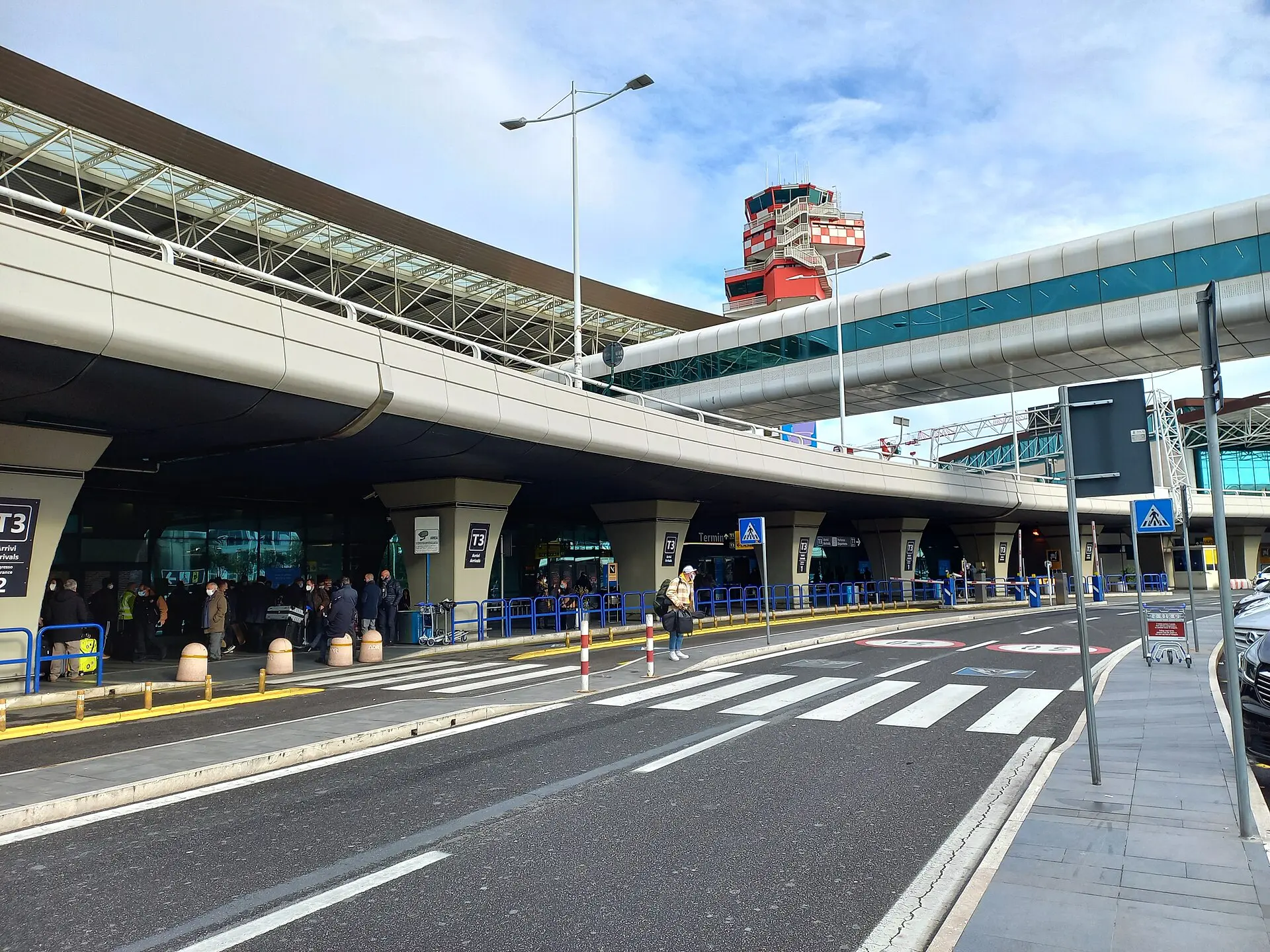
Rome is served by Fiumicino (FCO), the main international airport, and Ciampino (CIA), used by some low-cost carriers. A direct train links Fiumicino with the centre in roughly 30 to 45 minutes, and buses and taxis run from both airports. Taxi fares from Fiumicino to the centre are usually fixed, so confirm before you start.
Roma Termini is the main railway station, with fast trains to Florence, Naples, Venice and Milan, typically from about 1.5 to 4 hours depending on the route.
The historic centre is best explored on foot. Metro lines, buses and trams cover longer distances, with one ticket valid across modes for a set time, and a contactless payment option may be available. The metro does not reach every sight, so buses and walking fill the gaps. Taxis are useful at night, and traffic can be heavy.
Where to stay in Rome
The historic centre, around Pantheon, Piazza Navona and Campo de’ Fiori, puts you within walking range of most major sights. It suits first-time visitors who want to reduce transport, although rooms are costly and the streets are lively at night.
Monti and the area near the Colosseum offer a village-like feel, with cafes, small shops and easy access to the Forum. Trastevere has a strong evening atmosphere, restaurants and guesthouses, though it can be noisy at weekends.
Near Termini, hotels are often cheaper and convenient for trains and the airport link. Some streets are less pleasant late at night, so check recent reviews and the exact location. The Prati area, close to the Vatican, suits those prioritising St Peter’s and the museums, with quieter streets and good local restaurants.
How many days do you need?
Three full days let you see the headline sights without rushing. A fourth day allows for the Borghese Gallery, Trastevere or a short trip out of town, and a fifth suits slower travellers or repeat visitors.
- Day 1: Colosseum, Forum and Palatine Hill in the morning, then Monti and an evening walk past the Trevi Fountain.
- Day 2: Vatican Museums and St Peter’s, then the Pantheon and Piazza Navona in the late afternoon.
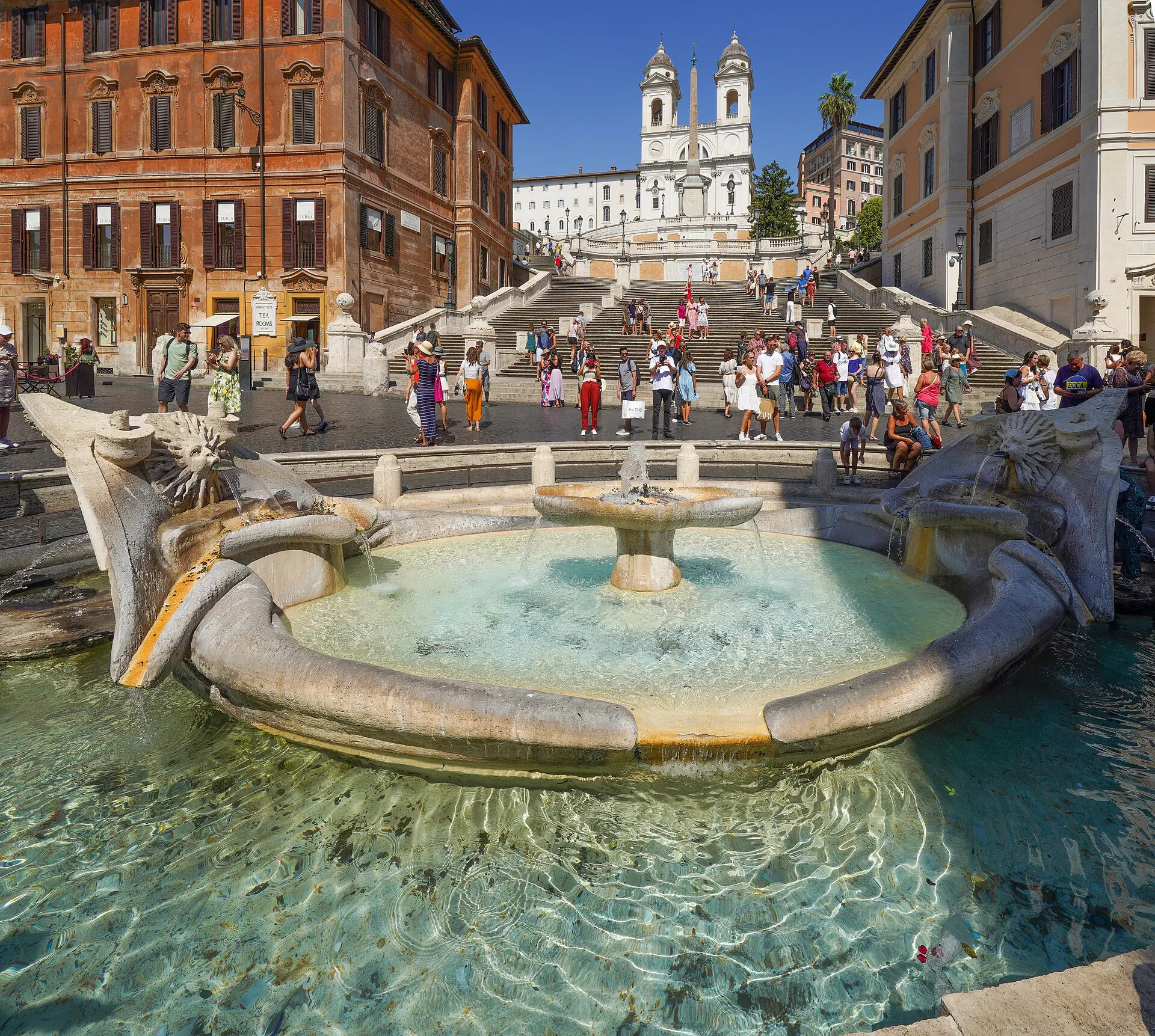
- Day 3: Borghese Gallery, Spanish Steps, then dinner in Trastevere.
Book major tickets ahead and keep a free window for rest, since distances add up.
Day trips and nearby
Ostia Antica
Rome’s ancient port town has well-preserved streets, shops and a theatre, and it is reachable by local train in around 30 to 45 minutes. It is quieter than the Forum, so it suits a half-day trip. Bring water and sun protection.
Tivoli
Tivoli has the Renaissance Villa d’Este with its fountains and the remains of Hadrian’s Villa. Allow a full day by train or bus from Rome. Check opening days, as museums are often closed on Mondays.
Naples and Sorrento
Fast trains reach Naples in roughly an hour and a half to two hours, which makes a long day trip possible. Sorrento is further and better as an overnight stay. Check train times and book tickets in advance on busy days.
Florence and Orvieto
Florence is a reasonable day trip by fast train, though it is better with an overnight stay. Orvieto, a hill town reached by train in about an hour to an hour and a half, is calmer and suits a relaxed day.
FAQ
Q1When is the best time to visit Rome?
April to June and September to October bring mild weather and long days, with fewer extremes than July and August. Winter is cooler and quieter, with lower prices outside the Christmas period. Easter and late spring weekends are busy, so book ahead.
Q2How many days do you need in Rome?
Three days cover the Colosseum, Forum, Vatican and central piazzas. Four days give time for the Borghese Gallery, Trastevere and a slower pace. Add one more day if you want a trip to Ostia Antica or Tivoli.
Q3How do you get to Rome?
Most visitors fly into Fiumicino (FCO), with a direct train to the centre taking roughly 30 to 45 minutes. Ciampino (CIA) handles some low-cost flights. Fast trains from Florence, Naples, Milan and Venice arrive at Roma Termini.
Q4Is Rome safe and expensive?
Rome is generally safe for visitors, but pickpocketing is common near major sights, on buses and in the metro, so keep valuables secure. Costs are moderate for Western Europe, with hotels and sights the main expense and local food reasonably priced.
Prices, schedules and entry rules change. Check current details with official sources before you travel. Read the Italy travel guide.