Why visit Venice
If you want things to do in Venice, the honest answer is that the city itself is the attraction. Venice is the capital of the Veneto region in northeast Italy, built across more than 100 small islands in a lagoon in the Adriatic, linked by canals and hundreds of bridges. There are no cars in the historic centre, so everything moves on foot or by water.
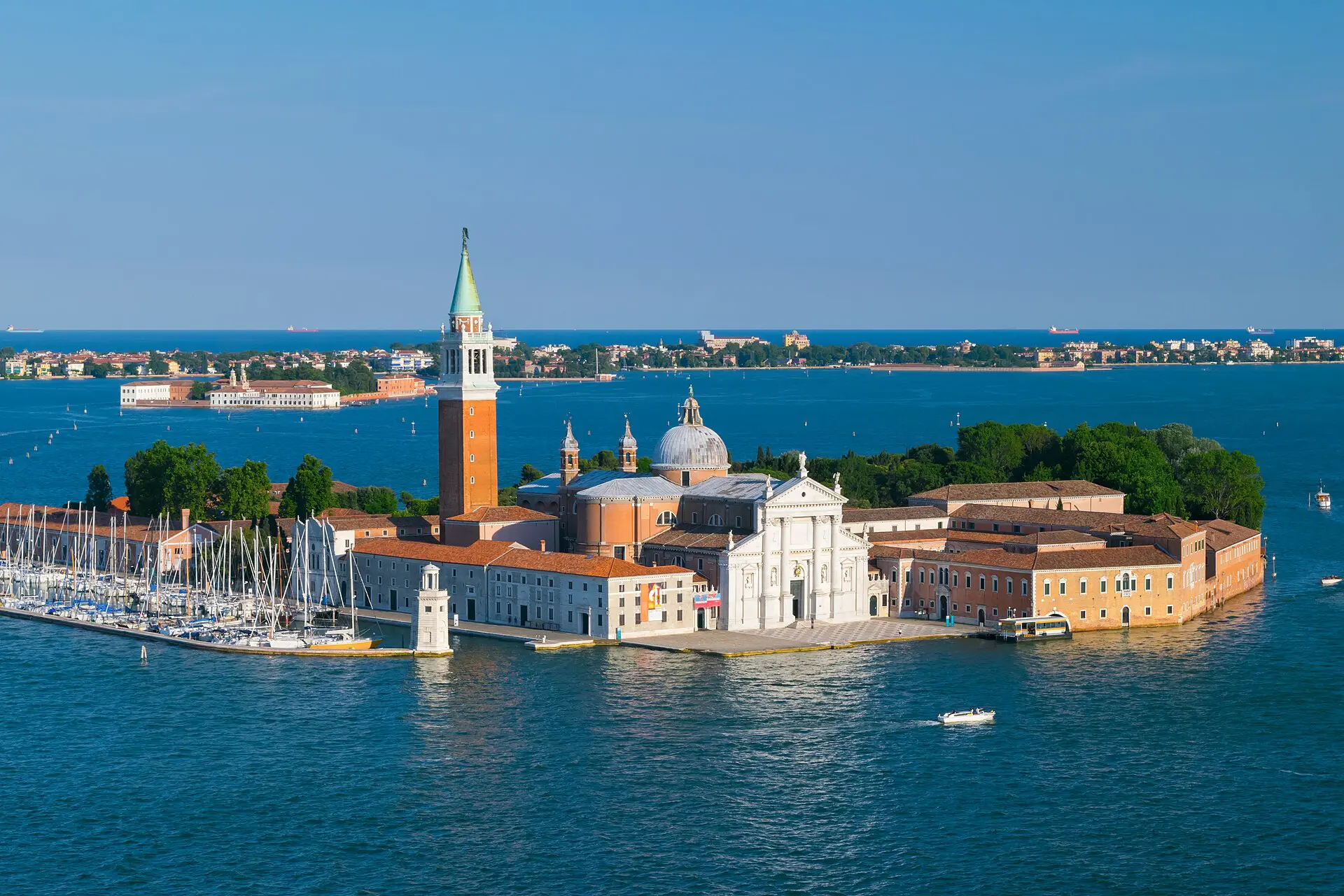
The city grew as a maritime republic and trading power, and its Gothic and Renaissance palaces, its basilica and its public buildings reflect that wealth. UNESCO lists Venice and its lagoon as a World Heritage Site.
Venice is also busy, often very busy around St Mark’s and the Rialto Bridge, particularly in summer and during Carnival. Planning helps a great deal. Stay overnight, start early, wander away from the main routes, and accept that you will get lost in the narrow alleys, which is part of the experience. Expect higher prices than the rest of Italy, and carry shoes with good grip.
Top things to do in Venice
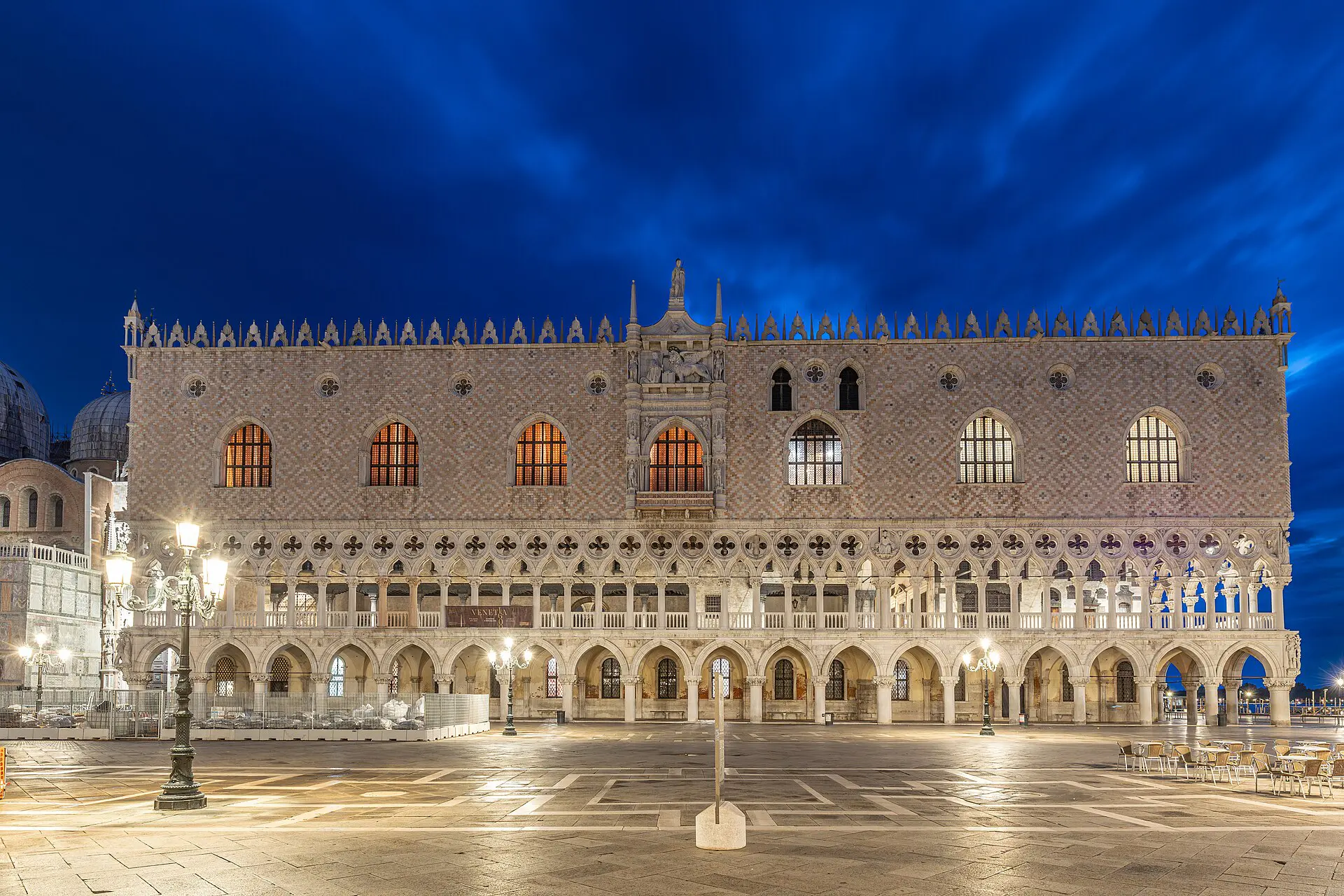
St Mark’s Square and Basilica
The basilica is covered in gold mosaics and is the city’s most famous church. Allow an hour, and arrive early to avoid long queues. Cover your shoulders and knees, and note that bags may need to be left in a nearby storage point.
Doge’s Palace
The former seat of the Venetian government has grand council rooms, a prison and the Bridge of Sighs. Allow around two hours. Buying timed tickets online in advance saves queuing, and an audio guide helps with the layout.
Grand Canal by vaporetto
The main waterway curves through the city, lined with palaces. A ride on the public vaporetto along its length takes roughly 45 minutes and costs far less than a gondola. Sit at the front or rear for views, and travel early or late for space.
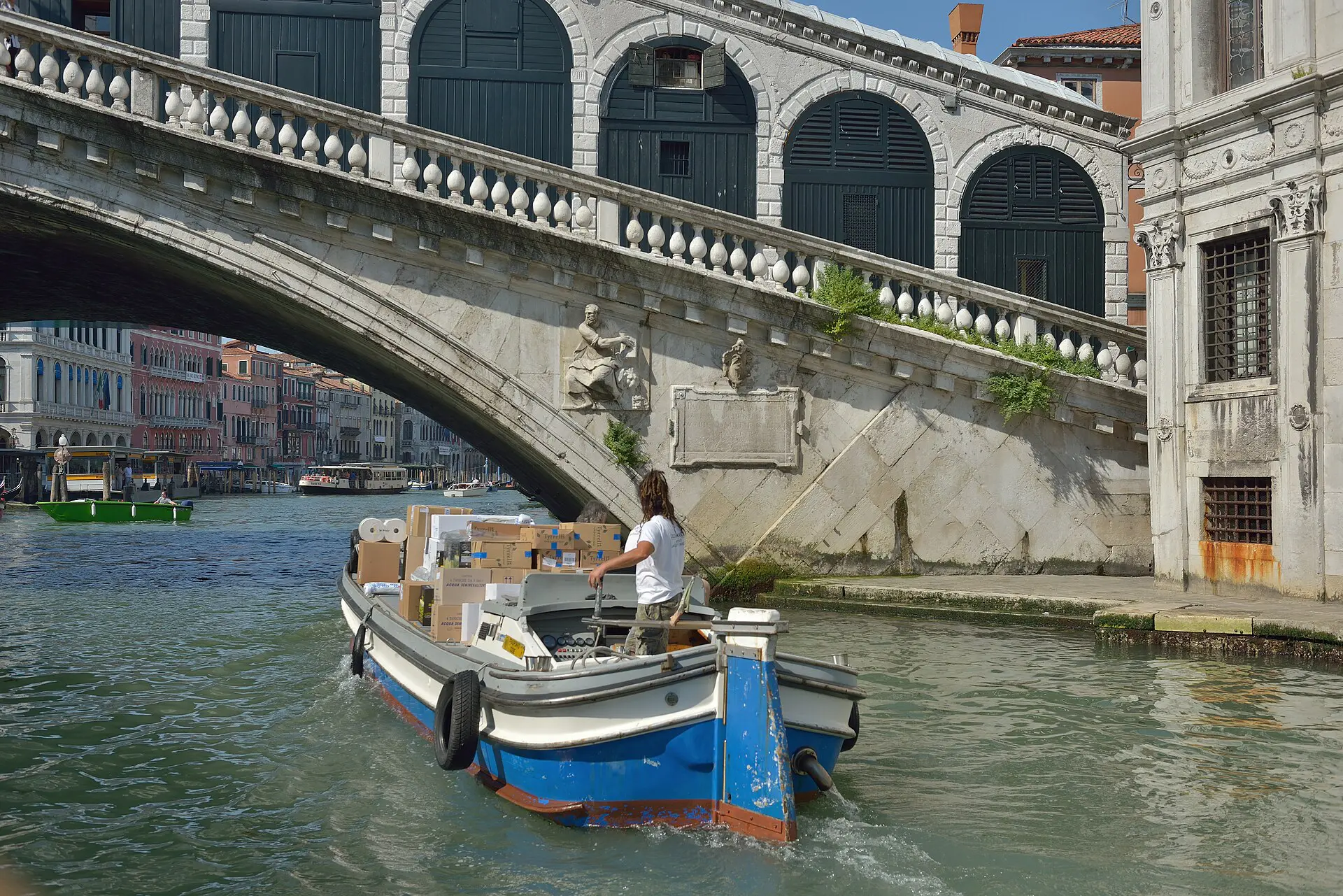
Rialto Bridge and market
The stone bridge is one of the best-known crossings and is usually crowded. Allow 30 minutes. The fish and produce market nearby is best in the morning, and the side streets have small bars serving snacks.
Dorsoduro and the Accademia
Dorsoduro is a quieter district with art museums, small canals and student-friendly bars. The Accademia holds major Venetian paintings. Allow two to three hours, and finish with a walk along the waterfront at sunset.
Burano and Murano
These lagoon islands are reached by vaporetto. Murano is known for glassmaking, and Burano for brightly painted houses and lace. Allow half a day for both. Buy glass only from reputable workshops, as cheaper items may be imported.
Gondola ride
Gondolas are expensive, with fixed official rates that rise in the evening, but a short ride in a quiet back canal is a classic experience. Agree the price and duration before boarding, and look for official rate signs. Traghetto ferries cross the Grand Canal for much less.
Best time to visit Venice
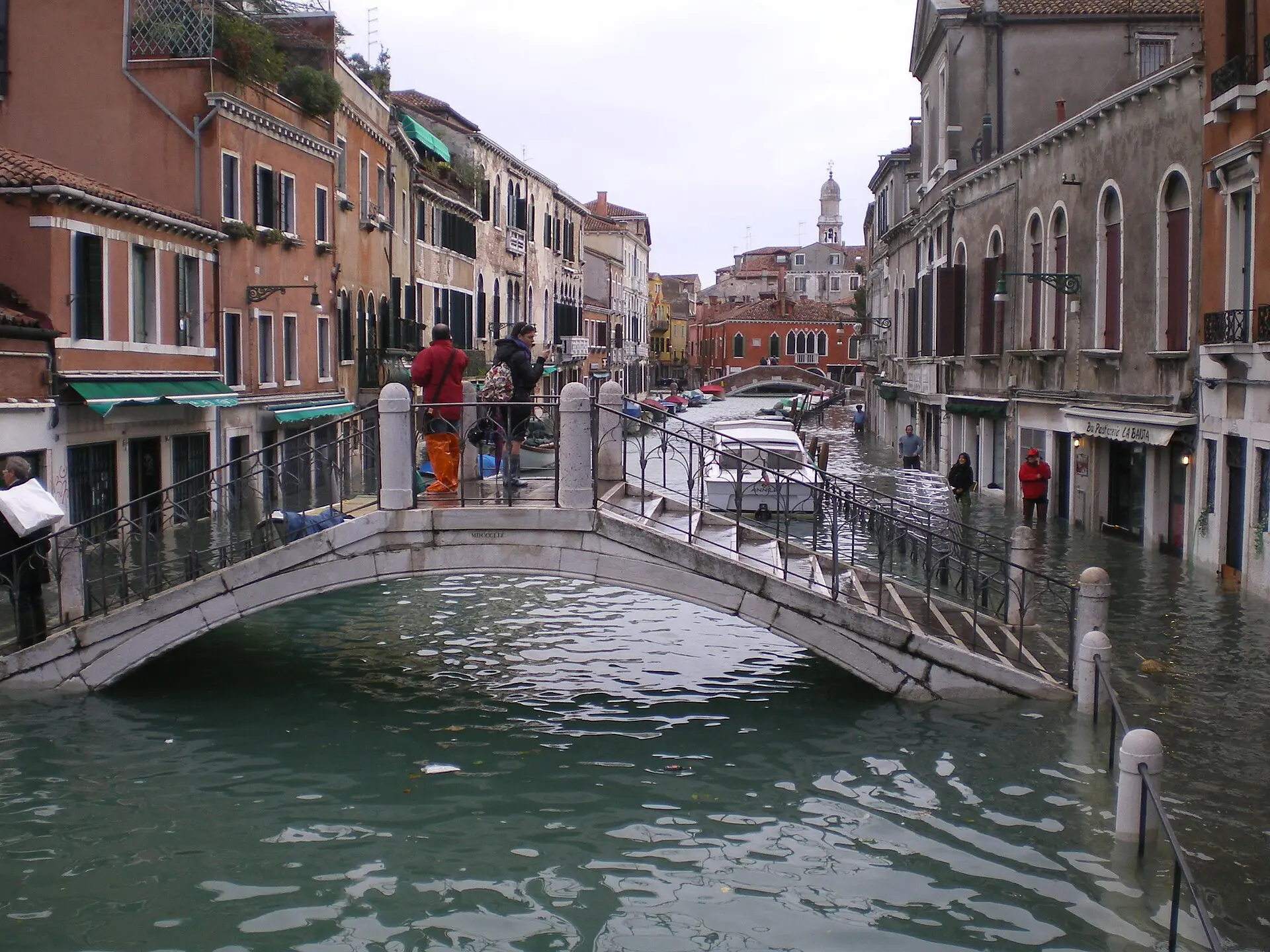
Venice is busiest from late spring to early autumn and during Carnival, usually in February. Spring and autumn offer pleasant temperatures and slightly thinner crowds, though they are still popular. Summer is hot and humid, and winter can be foggy and damp. The tidal flooding known as acqua alta tends to occur from autumn to early winter, and is usually brief; raised walkways help.
| Season | Weather | Crowds and prices |
|---|---|---|
| Spring (April to June) | Mild to warm | High |
| Summer (July to August) | Hot and humid | Very high |
| Autumn (September to November) | Mild, then damp, some flooding | High, falling |
| Winter (December to March) | Cold, foggy, occasional snow | Lowest, except at Carnival |
Check whether day-visitor access fees are in force on your dates, as the city has charged a fee for day visitors on selected peak days since 2024, and the rules may have changed.
How to get to Venice and around
Marco Polo Airport is on the mainland, with buses and boats to the island city taking around 30 to 60 minutes. Treviso Airport is further out and used by some low-cost airlines. Trains run to Venezia Santa Lucia, which sits right on the Grand Canal at the edge of the old city, from Milan, Verona, Florence, Rome and other cities.
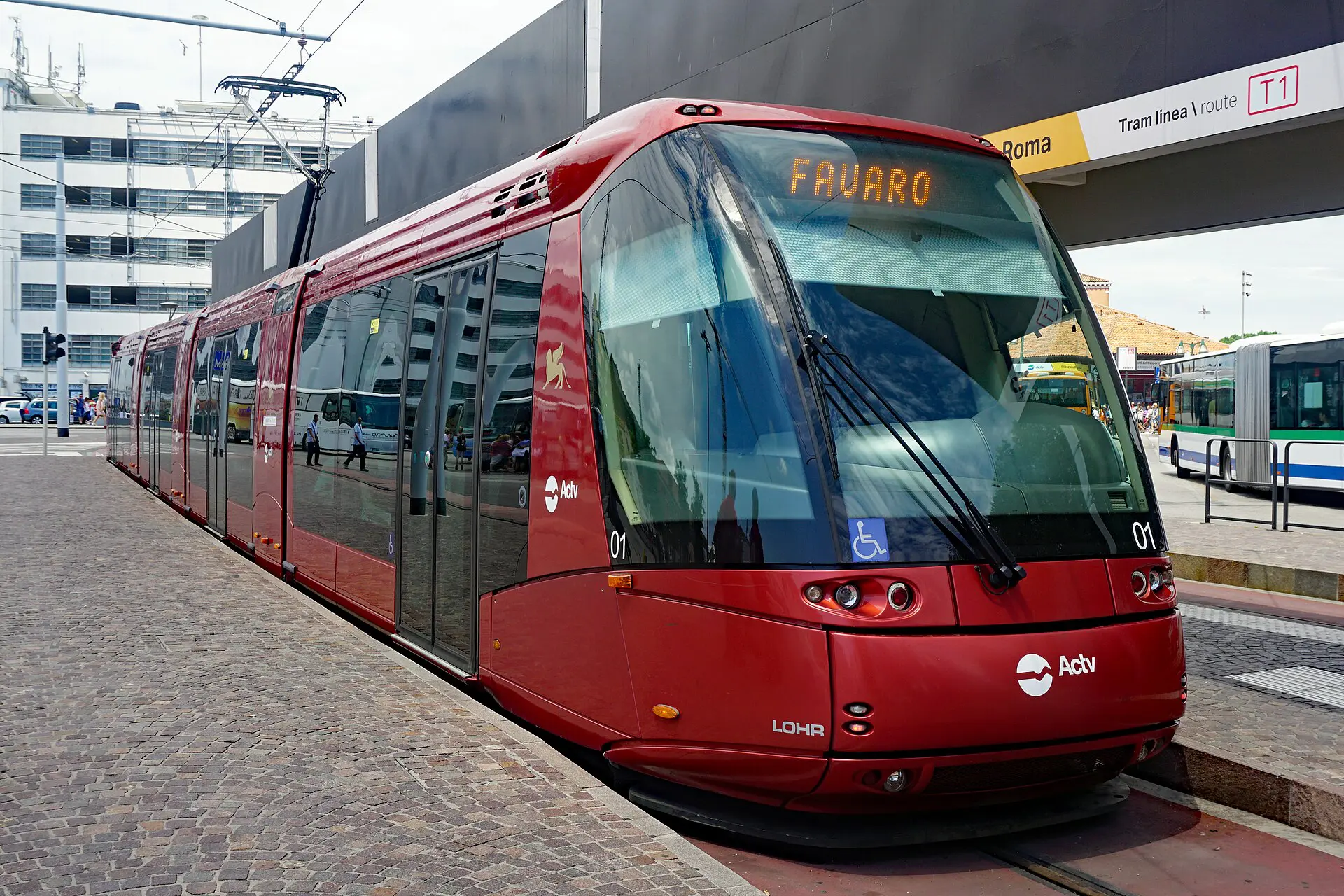
If you drive, park on the mainland or at Piazzale Roma, since there are no cars in the historic centre. Luggage has to be carried over bridges, so pack light.
Within Venice, walking is the main way to get around, supplemented by the vaporetto water buses along the Grand Canal and out to the islands. Passes for a day or several days are usually better value than single tickets. Water taxis are fast but expensive. Many streets are unmarked on maps, so use signs to major landmarks, and expect to walk further than you think.
Where to stay in Venice
San Marco is the most central and most expensive area, close to the sights and good for first-time visitors with a larger budget, but it is very crowded by day. Dorsoduro is quieter and has a local feel, and it suits couples and travellers who like art and cafes.
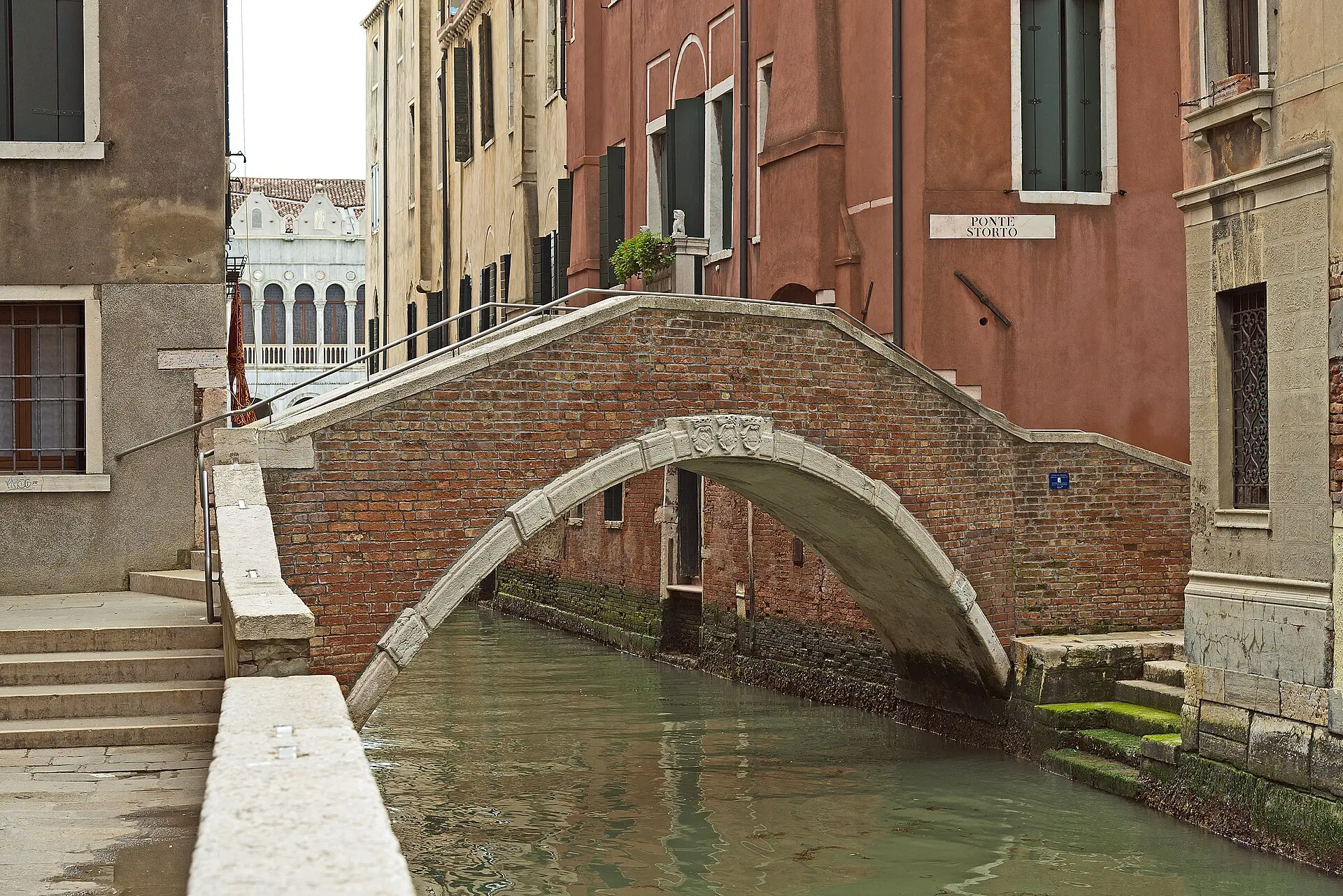
Cannaregio, in the north, is more residential, with the old Jewish Ghetto and local restaurants, and generally offers better value. Castello, to the east, has quieter lanes away from the main routes.
Staying on the mainland at Mestre is cheaper and has frequent train links, but you lose the evening and early morning atmosphere that make a stay in the old city worthwhile. Book early, check whether the hotel is near a water-bus stop, and ask about luggage access.
How many days do you need?
Two nights gives you the best balance, with one full day for main sights and another for quieter districts or the lagoon islands. Three days allows a slower pace. A single day trip hits the highlights but means competing with crowds.
- Day 1: St Mark’s Basilica and Doge’s Palace early, a vaporetto ride on the Grand Canal, Rialto market and a late lunch.
- Day 2: Dorsoduro and the Accademia, then a boat out to Murano and Burano.
- Day 3: Wander Cannaregio and Castello, visit a church or museum, and end with a sunset at the waterfront.
Day trips and nearby
Verona
About an hour and a quarter by fast train, Verona has a Roman arena, a compact historic centre and a river setting. It works as a full-day trip.
Padua
Padua is roughly 30 minutes by train and has a major frescoed chapel, a famous basilica and a lively student quarter. Book chapel entry ahead, as visits are timed.
Lagoon islands
Torcello is a quiet island with an ancient cathedral and mosaics, usually combined with Burano. The Lido has beaches and bicycle hire. Both suit relaxed half days.
Bologna and Milan
Both are possible by high-speed train, around one to three hours. Bologna suits food lovers, and Milan offers museums and shopping, but overnight stays make these trips more comfortable.
FAQ
Q1When is the best time to visit Venice?
April to June and September to October offer mild weather, though crowds remain. Winter is quieter and can be foggy, with Carnival drawing visitors in February. Summer is hot and humid. Autumn can bring brief high-tide flooding, so check forecasts and pack waterproof shoes.
Q2How many days do you need in Venice?
Two nights is ideal, giving a full day for St Mark's, the Doge's Palace and the Grand Canal, plus another day for quieter districts and the lagoon islands. Three days suits slow travellers. A day trip is possible but means more crowds and less atmosphere.
Q3How do I get from Marco Polo Airport to Venice?
Buses run from the airport to Piazzale Roma in roughly 20 to 30 minutes, and boat services reach the old city in about an hour. Water taxis are faster but costly. Check current timetables and fares before you travel.
Q4Is Venice worth visiting despite the crowds?
Yes, if you plan around them. Stay overnight, see major sights at opening time, explore quieter districts like Cannaregio and Dorsoduro, and avoid peak summer weekends if you can. The city is unlike any other, and the crowds thin noticeably in the evenings.
Prices, schedules and entry rules change. Check current details with official sources before you travel. Read the Italy travel guide.